Echinodorus 'Oriental'
Echinodorus 'Oriental'
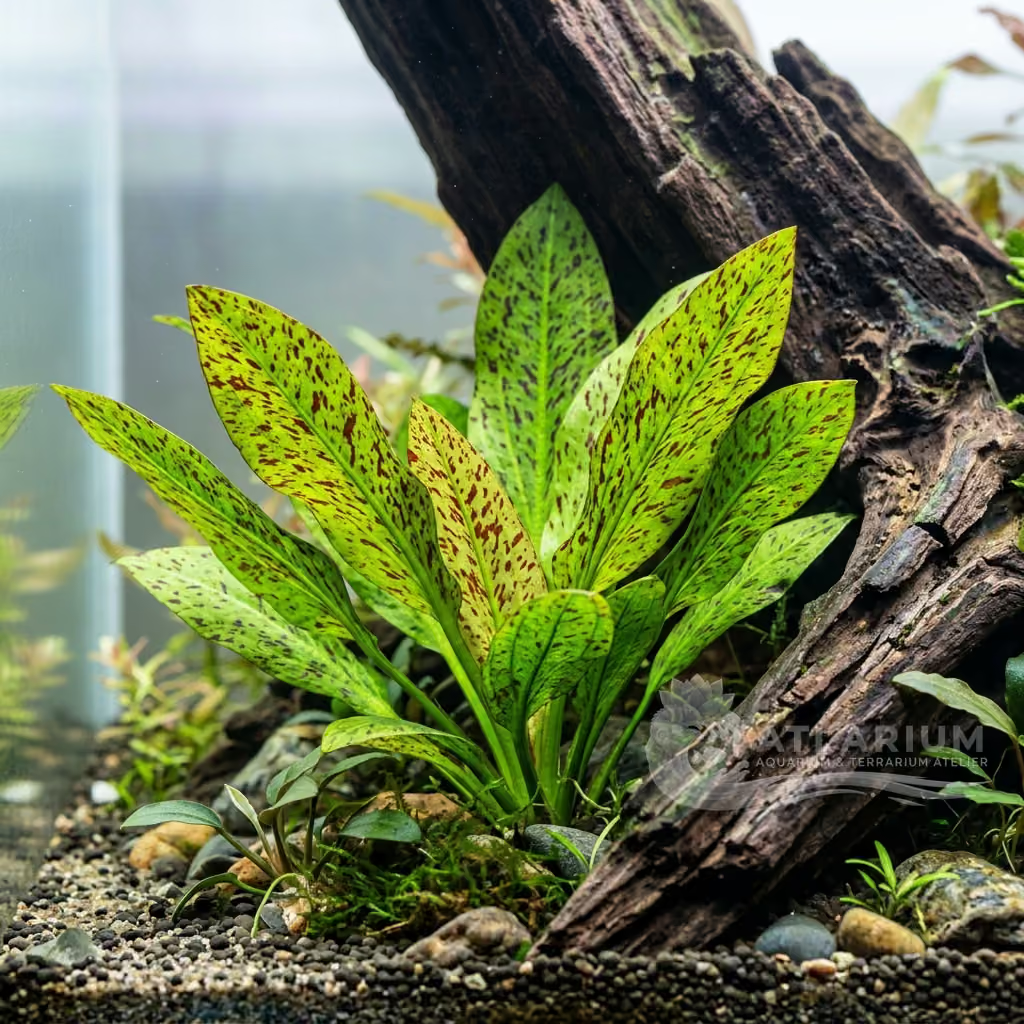
Echinodorus 'Oriental' is a spectacular, globally beloved hybrid mutation celebrated for its breathtakingly translucent, glowing neon-pink and magenta young leaves.
Water Temperature
15 - 30 °C
pH Value
5 - 7
Water type
Freshwater
Light
Medium to High
CO2
Low - High
Expected height
30 cm
KH
0 - 21 dKH

Species description
Geographical Origin and Habitat: Echinodorus 'Oriental' is a horticultural cultivar created in cultivation and is not found in natural environments. It derives from a mutation selected in an aquatic plant nursery in Singapore in the early 1990s. The parent species of the genus Echinodorus are native to the tropical river basins of South America.
Taxonomy & Genetics: It belongs to the family Alismataceae. It is a stabilized mutation of the cultivar Echinodorus 'Rose'. Its genetics are characterized by reduced chlorophyll synthesis in young leaves, allowing red and pink pigments to emerge spectacularly before turning green as they mature.
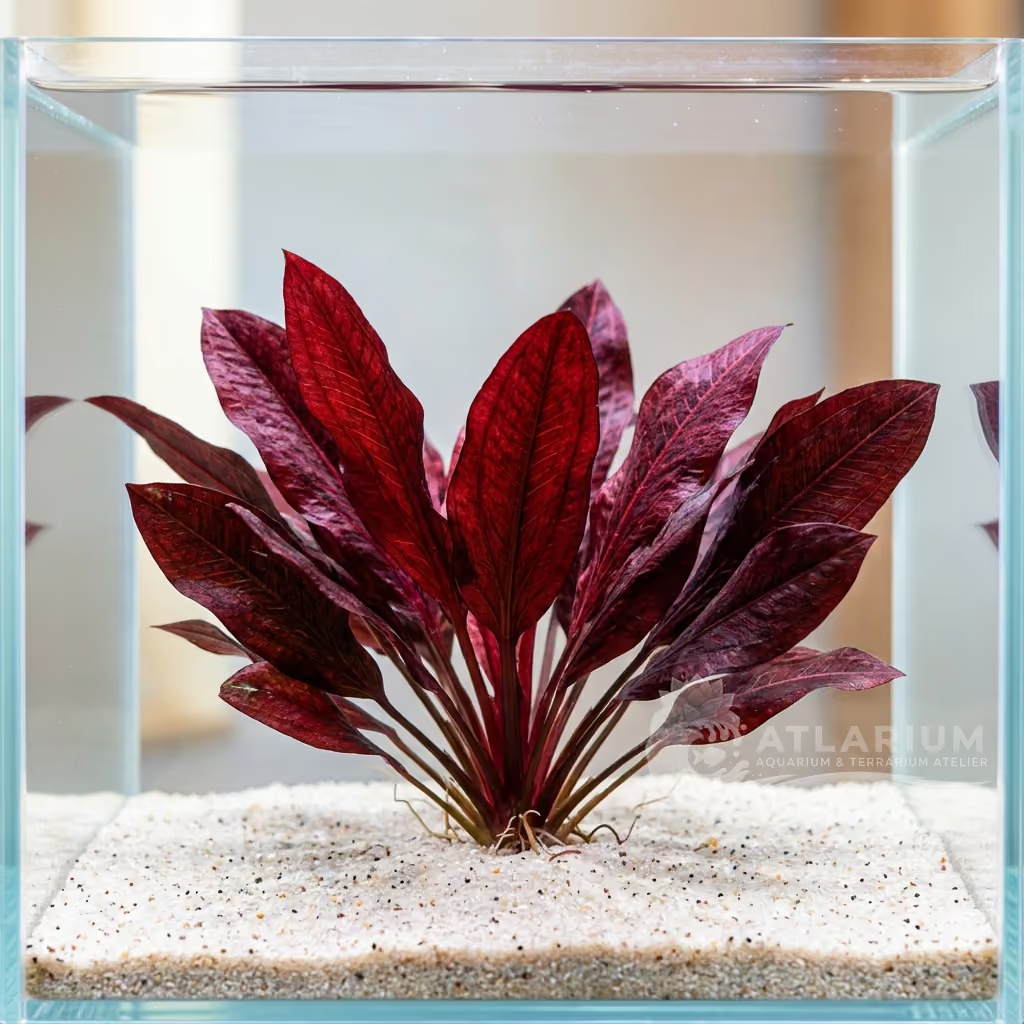
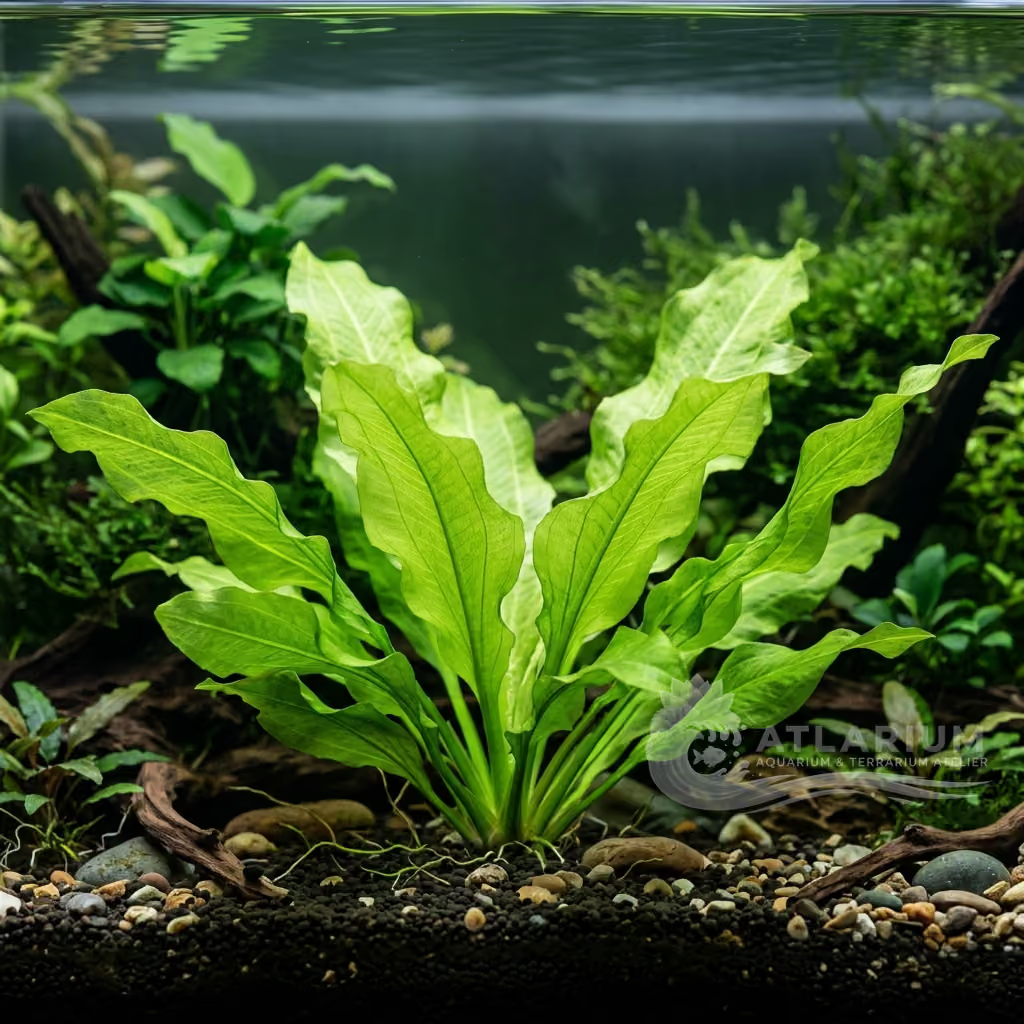
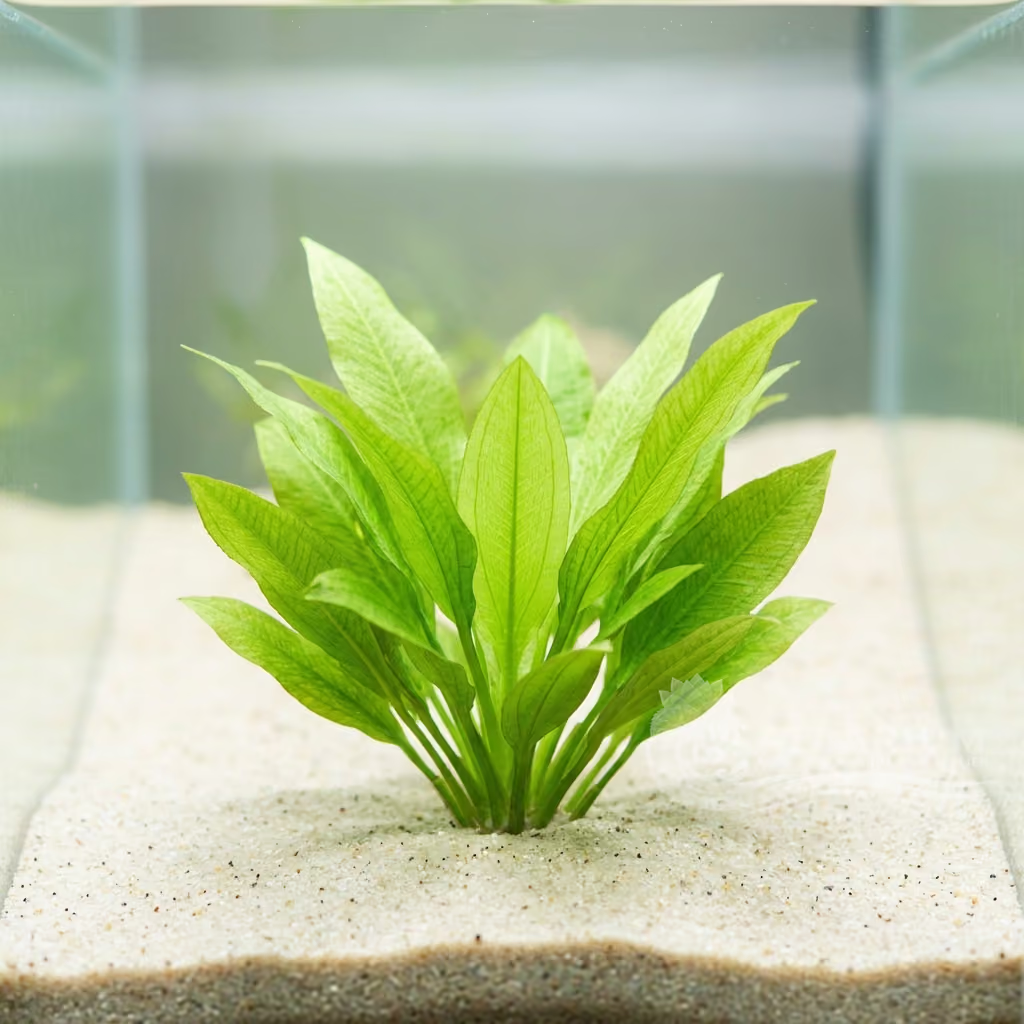
Physical Structure: Develops an upright, bushy rosette reaching a height of 20-30 cm. The leaves are lanceolate or elliptic, supported by medium-length petioles. The root system is extremely strong, fleshy, and expands deeply into the substrate to absorb nutrients.
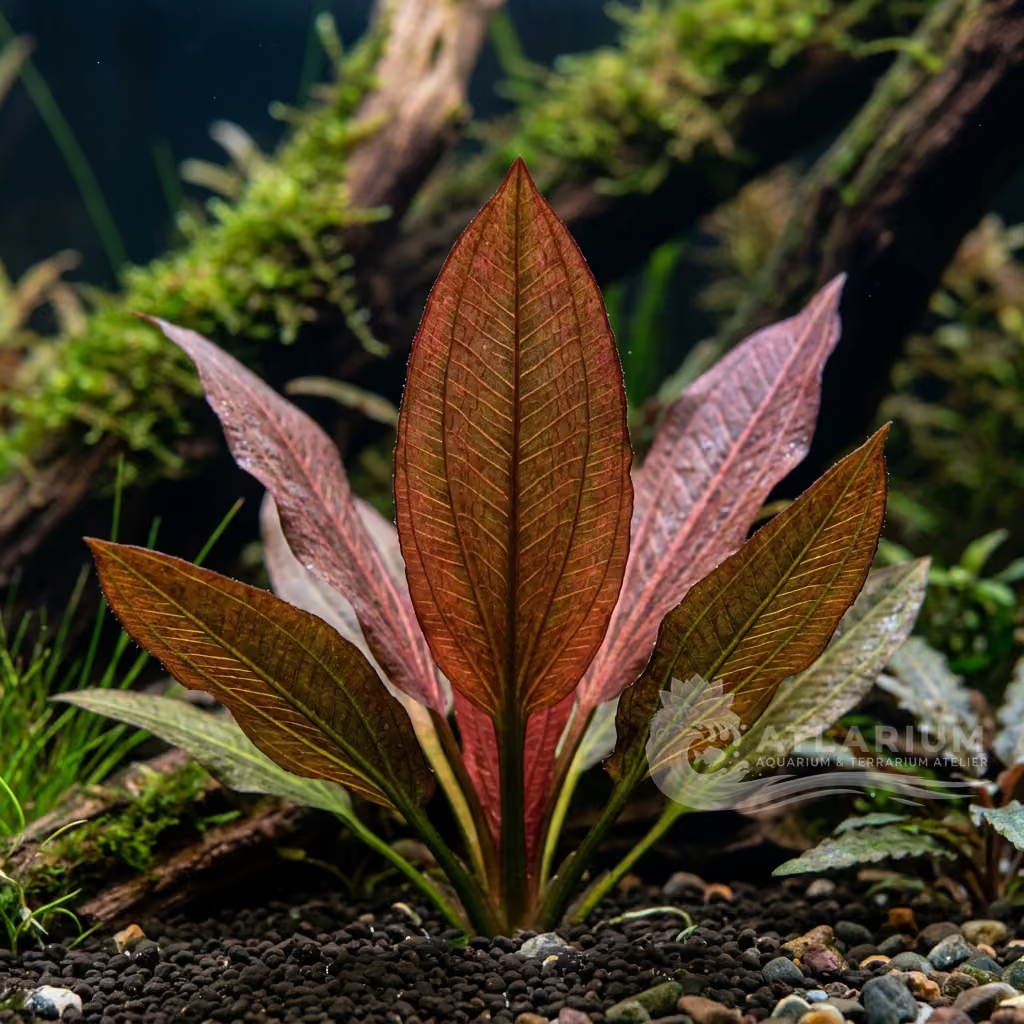
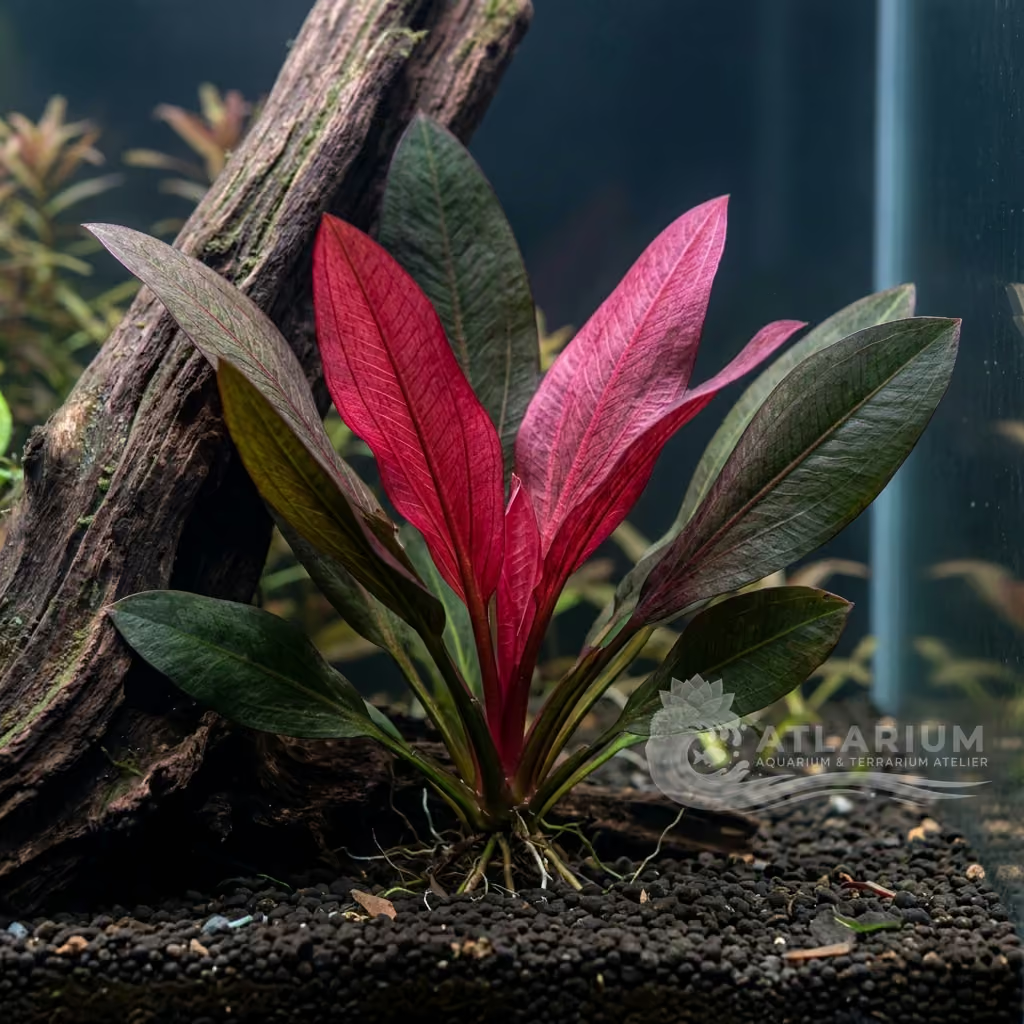
Color & Texture: It is famous for the translucent pink or baby pink coloration of the youngest leaves at the center of the rosette. As the leaves age, they gradually transition to light olive-green tones. The leaves have a smooth, soft, and translucent texture, with prominent veins.

Care, breeding and tankmates
Lighting & CO2: Requires intense lighting. If light is insufficient, the new leaves lose their pink color and grow a faded green. CO2 injection is recommended to keep growth active and to emphasize the brightness of the pink pigments.
Nutrition & Substrate: Demands a very fertile substrate. Being a heavy root feeder, it requires the regular insertion of iron-based fertilizer tabs near the roots. Liquid column fertilization is useful to prevent potassium and manganese deficiencies.
Water Chemistry: Tolerates a wide range of temperatures (15°C - 30°C) but prefers stable temperatures around 22-26°C. The optimal pH is slightly acidic to neutral (5.0 - 7.0), with low to moderate water hardness.
Space Management & Placement: Should be placed in the midground of the aquarium as a solitary specimen plant. It must be positioned in a central spot free of visual obstacles to maximize the pink coloration of the central leaves.
Pruning: Pruning consists of the periodic removal of older, damaged leaves at the base of the rosette. This stimulates the constant production of new pink leaves in the center and prevents peripheral leaf rot.
Risks & Diseases: It is sensitive to iron deficiency, which manifests as chlorosis (new leaves grow whitish or transparent instead of pink). In addition, its light coloration and moderate growth rate make it sensitive to colonization by filamentous algae.

Geographic origin and distribution
Echinodorus 'Oriental' is a horticultural cultivar created in cultivation and is not found in natural environments. It derives from a mutation selected in an aquatic plant nursery in Singapore in the early 1990s. The parent species of the genus Echinodorus are native to the tropical river basins of South America.
Origin
East AsiaExtra-Amazon South AmericaSelective breeding and cultivars

Plant profile
- Placement
- Midground
- This plant is best suited for the midground or background of the aquarium, depending on the tank size. Echinodorus 'Oriental' creates a stunning focal point with its broad leaves and striking appearance. Ensure it has enough space so it does not overshadow smaller neighboring plants.
- Botanical form
- Rosette
- Characterized by its strong rosette form, Echinodorus 'Oriental' produces sturdy stems and expansive leaves. Its foliage often features distinct veining and can vary in color depending on the specific lighting conditions. This architectural plant adds a sense of depth and structure to any aquascape.
- Growth
- Medium
- Echinodorus 'Oriental' exhibits a moderate growth rate when provided with optimal conditions. Under high light and CO2 supplementation, its growth can accelerate significantly. Consistent pruning may be required to keep its size manageable in smaller aquariums.
- Substrate
- High
- As a demanding cultivar, Echinodorus 'Oriental' thrives best in a deep, highly fertile substrate to maintain its striking pink young leaves. Its extensive root network penetrates deeply into the bottom layer, drawing in essential elements like iron and trace minerals required for its unique pigmentation. An ideal setup includes 6 to 8 centimeters of nutrient-dense aqua-soil or sand layered over laterite. Regular supplementation with root fertilizers is critical to prevent nutrient deficiencies and support its vibrant growth.
- Column fertilization
- Recommended
- While primarily a root feeder, Echinodorus 'Oriental' benefits greatly from water column fertilization. Dosing liquid fertilizers rich in trace elements will enhance leaf coloration and overall vitality. Careful balancing of nutrients in the water column helps prevent algae issues on its broad leaves.
- Root fertilization
- Required
- A nutrient-rich substrate is essential for the long-term health of Echinodorus 'Oriental'. The use of root tabs or a soil-based substrate will support its extensive root system. Deep root fertilization is the most effective way to ensure the plant receives adequate macronutrients.
- Trimming
- Occasional
- Trimming Echinodorus 'Oriental' involves removing older or damaged leaves at the base of the rosette. This encourages the plant to direct its energy into producing fresh, healthy foliage. Avoid cutting the leaves halfway; always trim as close to the crown as possible.
- Propagation
- Division
- Propagation of Echinodorus 'Oriental' typically occurs through adventitious plants that develop on flower stalks. Once these plantlets have formed their own roots and a few leaves, they can be separated and replanted. Dividing a mature, healthy rhizome is another viable propagation method.
- Sensitivity
- Moderate
- This species is generally hardy, but Echinodorus 'Oriental' can be sensitive to sudden changes in water parameters. It may melt if transitioning between emersed and submersed forms, but will quickly recover. Ensure stable temperature and water chemistry to avoid stress.
- Layout role
- Midground, accent
- In an aquascape, Echinodorus 'Oriental' serves as a magnificent specimen plant that anchors the layout. Its broad foliage contrasts beautifully with delicate stem plants and carpeting species. It is ideal for creating a natural, wild look or providing shelter for aquatic fauna.

Related species
Recommendations grouped by close relatives, companion choices, and similar care.