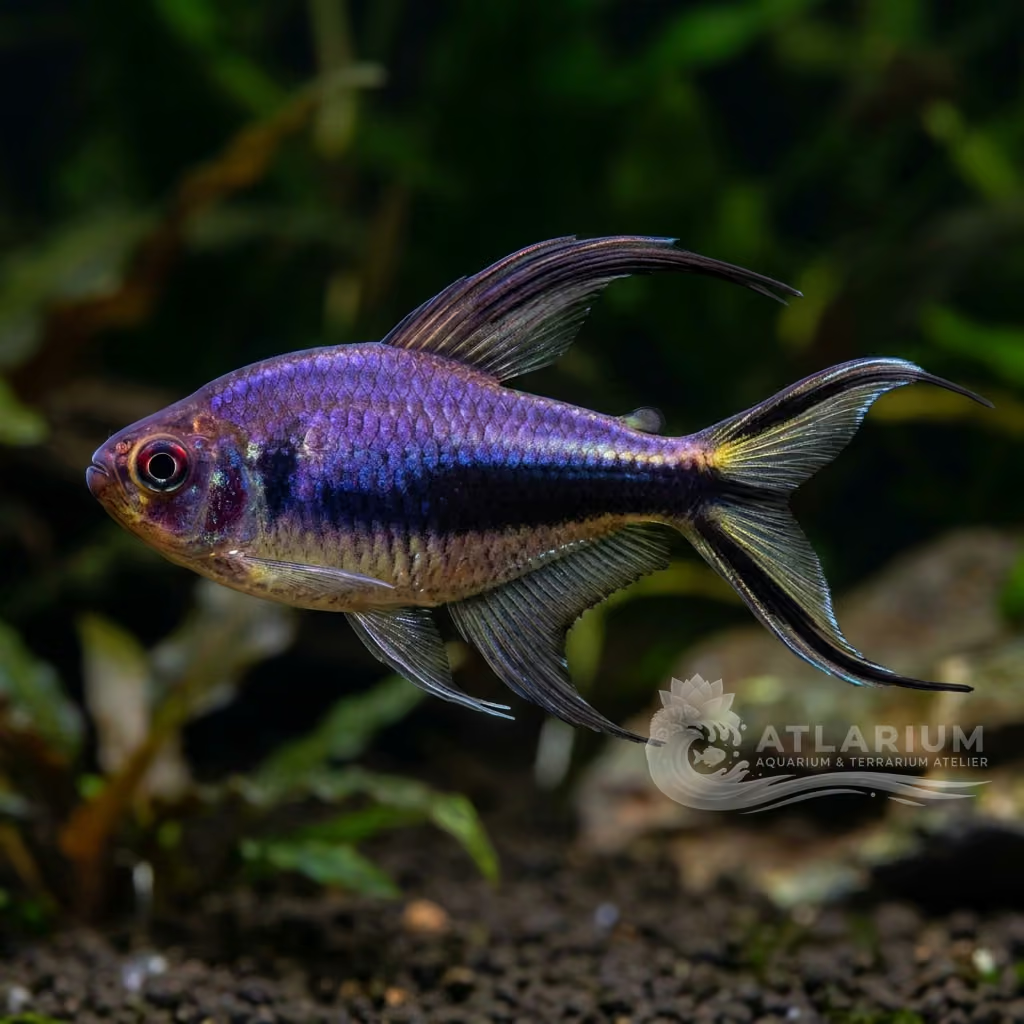
Two-stripe Pencilfish
Nannostomus digrammus
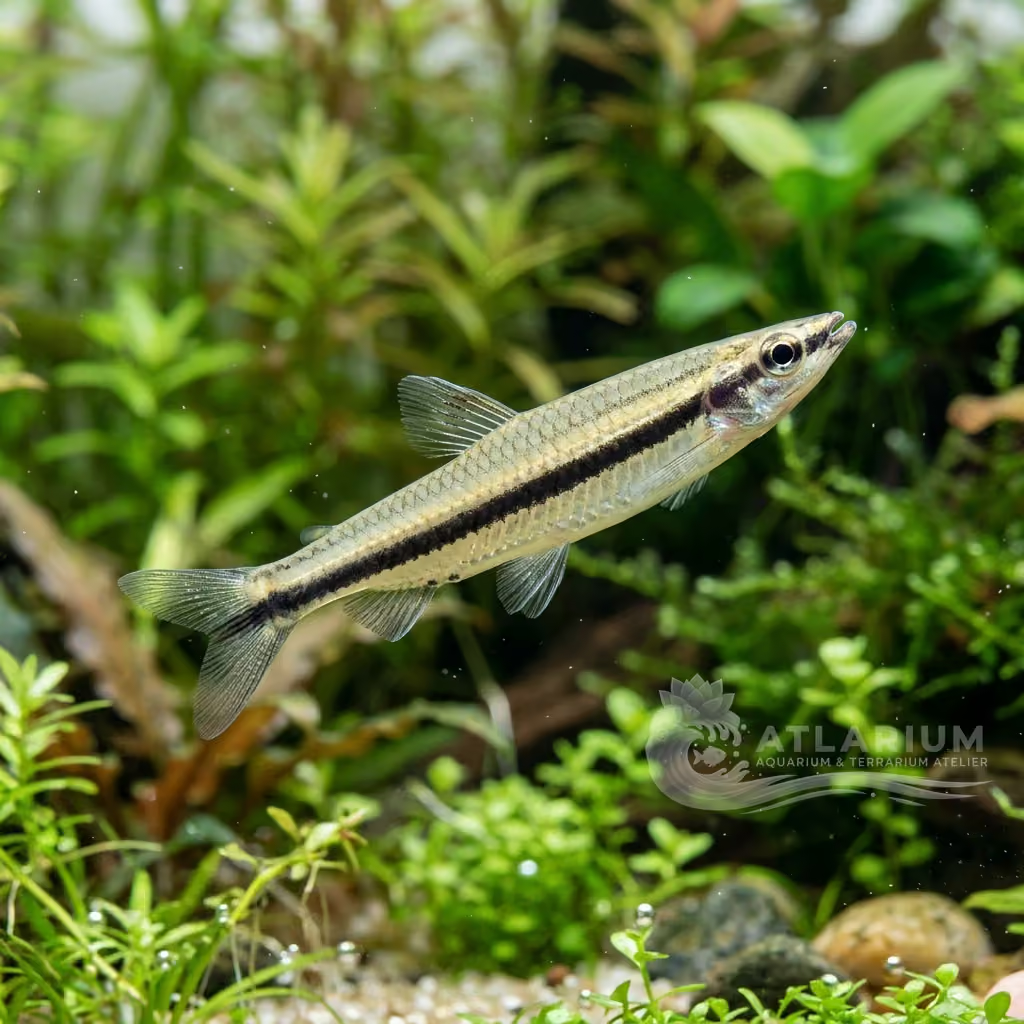
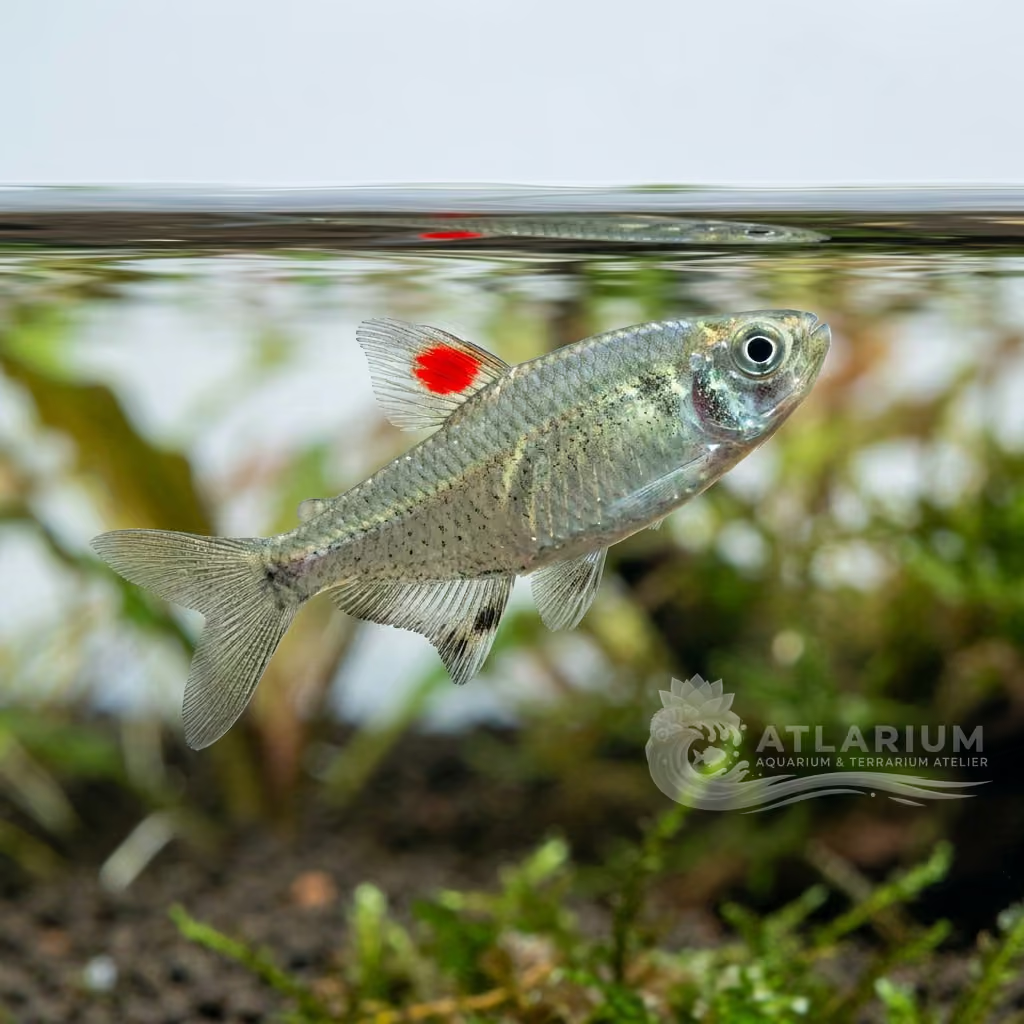
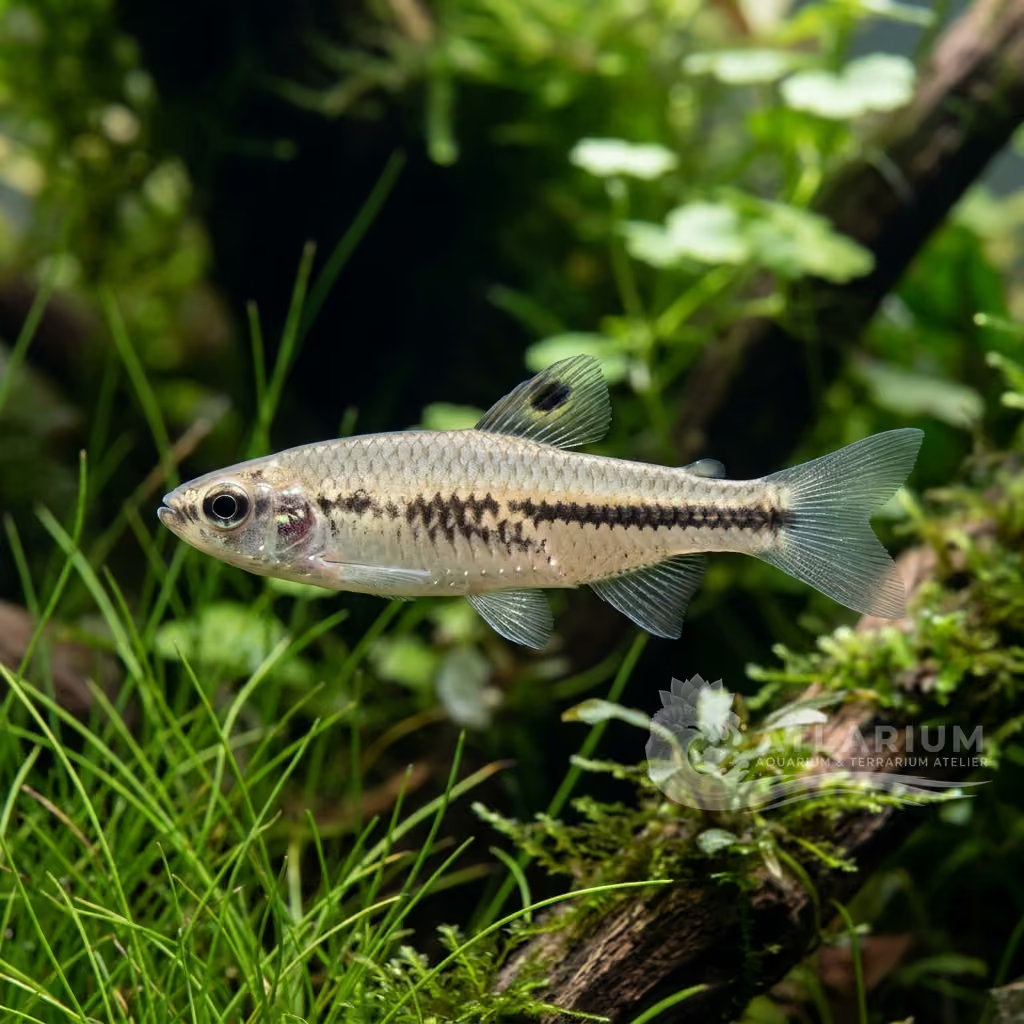
Elegant pencilfish characterized by two parallel dark stripes on a silvery background (digrammus). The thick central stripe seen in more common relatives is absent.
Water Temperature
24 - 28 °C
pH Value
5.5 - 7
Water type
Freshwater
Tank level
Surface and middle
Adult size
3.5 cm
Minimum tank volume
>= 60 L
Minimum group
>= 6
GH
1 - 10 dGH
KH
1 - 5 dKH
TDS
25 - 200 ppm
Conductivity
39 - 313 uS/cm

Species description
Geographical Origin and Habitat: Guyana basins (Rio Rupununi) and Rio Negro (Brazil). Frequents forested areas with dark waters (blackwater), lingering among the submerged riparian grass (Igapó).
Taxonomy and Morphology: Two-Lined Pencilfish (Nannostomus digrammus). Slender Nannostomus. Characterized by a tiny pointed mouth and a morphology of a static precision swimmer.
Social Behavior: Extremely timid. Remains suspended in mid-water or near the surface, absolutely motionless like a waiting twig. Suffers terribly from food competition.
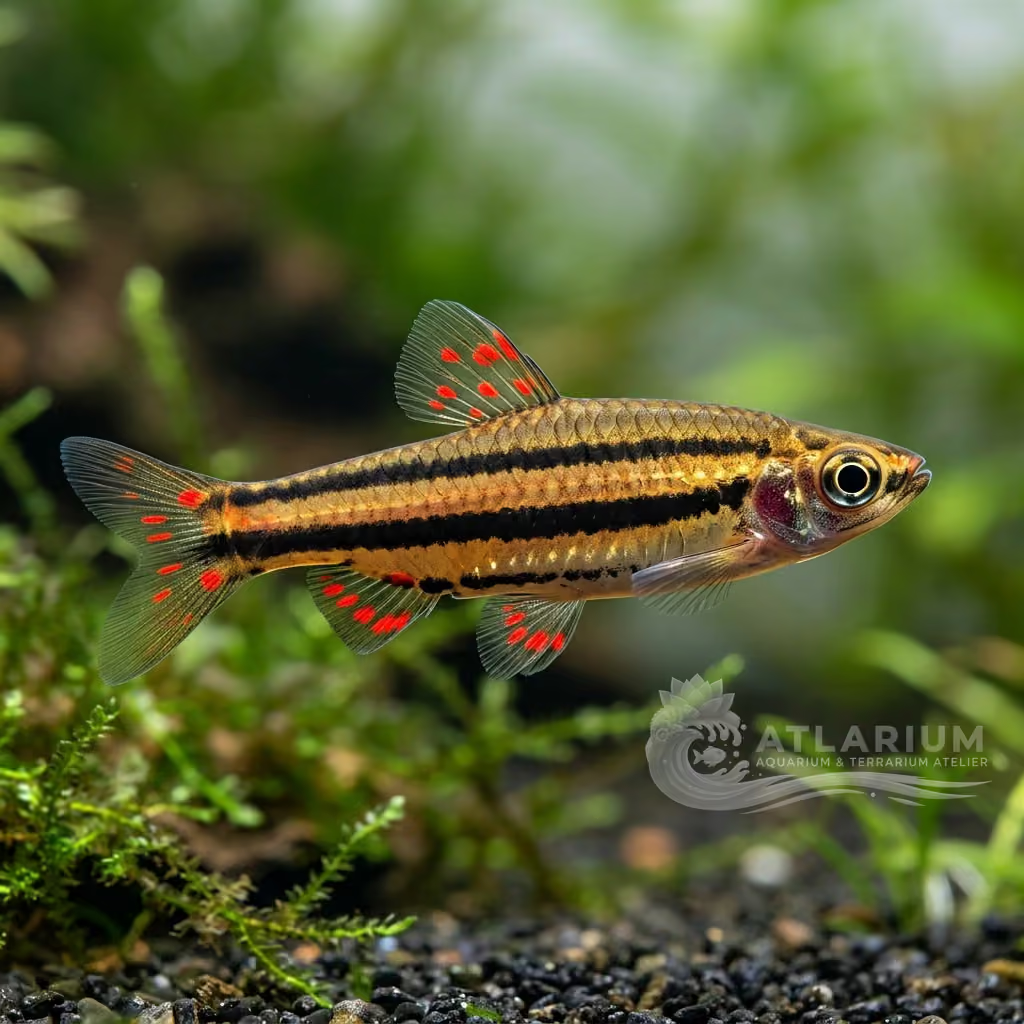
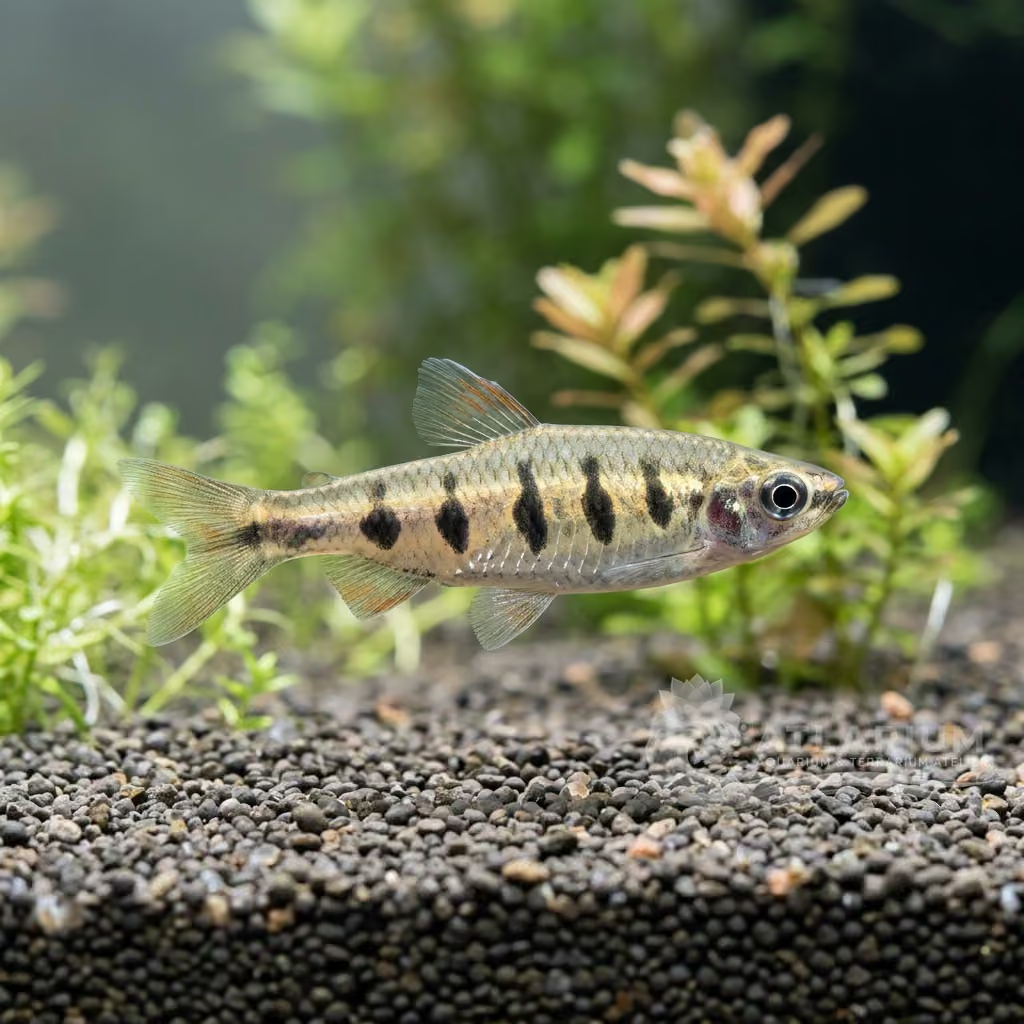
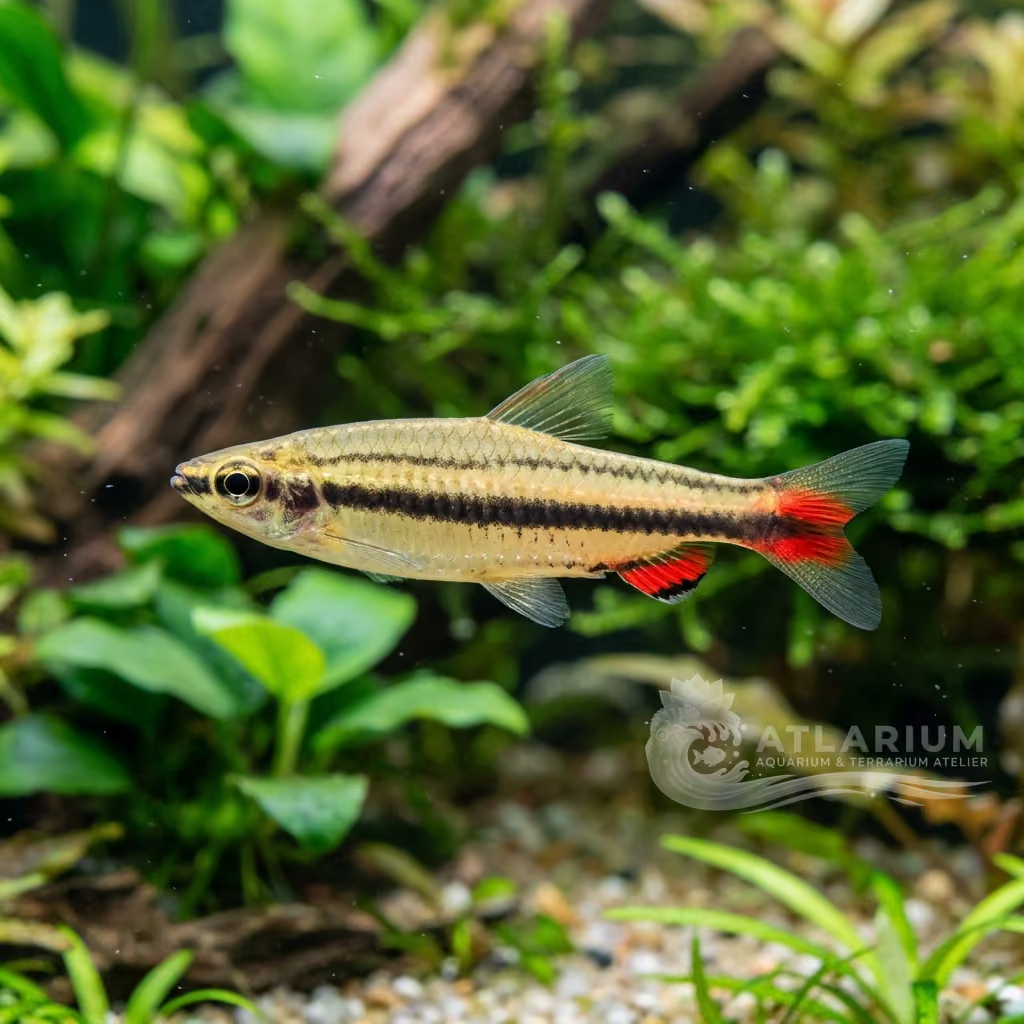
Coloration and Sexual Dimorphism: The two lines (Digrammus): possesses two thin raven black horizontal lines (one central and one lower) on a pale silvery/transparent body. The male shows fins with ice white or yellow tips. The nocturnal coloration breaks into vertical or oblique bands to camouflage with the reeds.

Care, breeding and tankmates
Aquarium Setup: Peaceful and dense biotope tank (min. 60 cm / 24 inches). The filter must not create visible currents; the amber water from peat extraction will make them feel safe from hypothetical predators.
Diet and Feeding: Meticulous microhunter. The mouth is so fine that it allows it to hunt aquatic mites and nauplii; if forced to dry food, it demands fry powders. Eats extremely slowly.
Water Quality: Sensitive to nitrogenous compounds. Less robust than beckfordi. Needs small water changes (10-15%) but very frequent with osmosis cut water.
Compatibility and Cohabitation: In a tank with lively Tetras (e.g. Danios, Harlequin Rasboras) or Barbs it would starve in a few weeks. Pair it only with Corydoras habrosus/pygmaeus or keep it alone (Species Tank).
Aquarium Breeding: Hardly ever documented. Similar to other Nannostomus, it scatters the eggs in the foliage in dim light, then needing infusoria.
Risks and Diseases: Environmental fragility. Suffer clamorously from pruning or rearranging the furnishings in the tank; a sudden acute stress will make them bleach and hide without eating, triggering ich.

Geographic origin and distribution
Guyana basins (Rio Rupununi) and Rio Negro (Brazil). Frequents forested areas with dark waters (blackwater), lingering among the submerged riparian grass (Igapó).
Origin
Amazon, Orinoco, and Guianas

Fish profile
- Temperament
- Semi-aggressive
- They possess a calm, timid, and entirely peaceful temperament. They thrive in quiet environments and can easily be outcompeted by boisterous fish. Given a serene setting, they will comfortably school and explore the tank.
- Diet
- Carnivore
- Their diet in the wild consists of tiny worms, crustaceans, and zooplankton. In captivity, they require appropriately sized foods like micro-pellets and crushed flakes. Supplementing with live baby brine shrimp will greatly improve their overall health.
- Life expectancy
- 3-5 years
- Adult size
- 3.5 cm
- Sex ratio
- Group
- Keeping a balanced mixed group is ideal for social harmony and display. Males may occasionally display towards one another, but injuries are extremely rare. A ratio skewed slightly towards females can further reduce any male bickering.
- Feeding frequency
- Twice daily
- Offer small amounts of food twice daily to keep them well-nourished. Their tiny mouths dictate that food particles must be very small. Ensure that food reaches them before faster-swimming fish can intercept it.
- Bioload
- Low
- The Two-stripe Pencilfish has a very low bioload that is easily managed. They add minimal waste to the aquarium ecosystem due to their size. A properly cycled sponge or gentle canister filter will keep water pristine.
- Flow
- Stagnant
- They originate from slow-moving streams and prefer a gentle water current. Excessive flow can blow them around the tank and cause undue stress. A spray bar attached to the filter output helps distribute flow evenly.
- Jump risk
- Yes
- Like most pencilfish, they are known to jump if they feel threatened. A well-fitted hood or cover glass is mandatory for their safety. Dense floating vegetation can also provide a natural barrier against jumping.
- Reproduction
- Oviparous
- Breeding them requires soft, acidic water and a heavily planted dedicated tank. They will scatter their adhesive eggs among fine-leaved mosses or spawning mops. Prompt removal of the adults after spawning is necessary to save the eggs.
- Compatibility & tankmates
- Peaceful
- They are an exceptionally peaceful species suited for nano or community tanks. Great tank mates include small rasboras, dwarf cichlids, and peaceful bottom dwellers. They should never be kept with fin-nippers or large, predatory fish.
- Tank level
- Top/Middle
- They generally inhabit the upper-middle to top levels of the water column. They enjoy hovering near the surface, often seeking shelter under floating leaves. Providing tall background plants makes them feel secure in the upper regions.

Scientific Parameters & Models
FishBase
Window to the official scientific data of the species
FishBase v25.04Data synced on: 06/15/2026
- Trophic level
- 3.2 ± 0.4 se
- Phylogenetic uniqueness (PD50)
- 0.5
- Bayesian Length-Weight
- a = 0.00646, b = 3.13
- VulnerabilityLow vulnerability (10 / 100)

Related species
Recommendations grouped by close relatives, companion choices, and similar care.