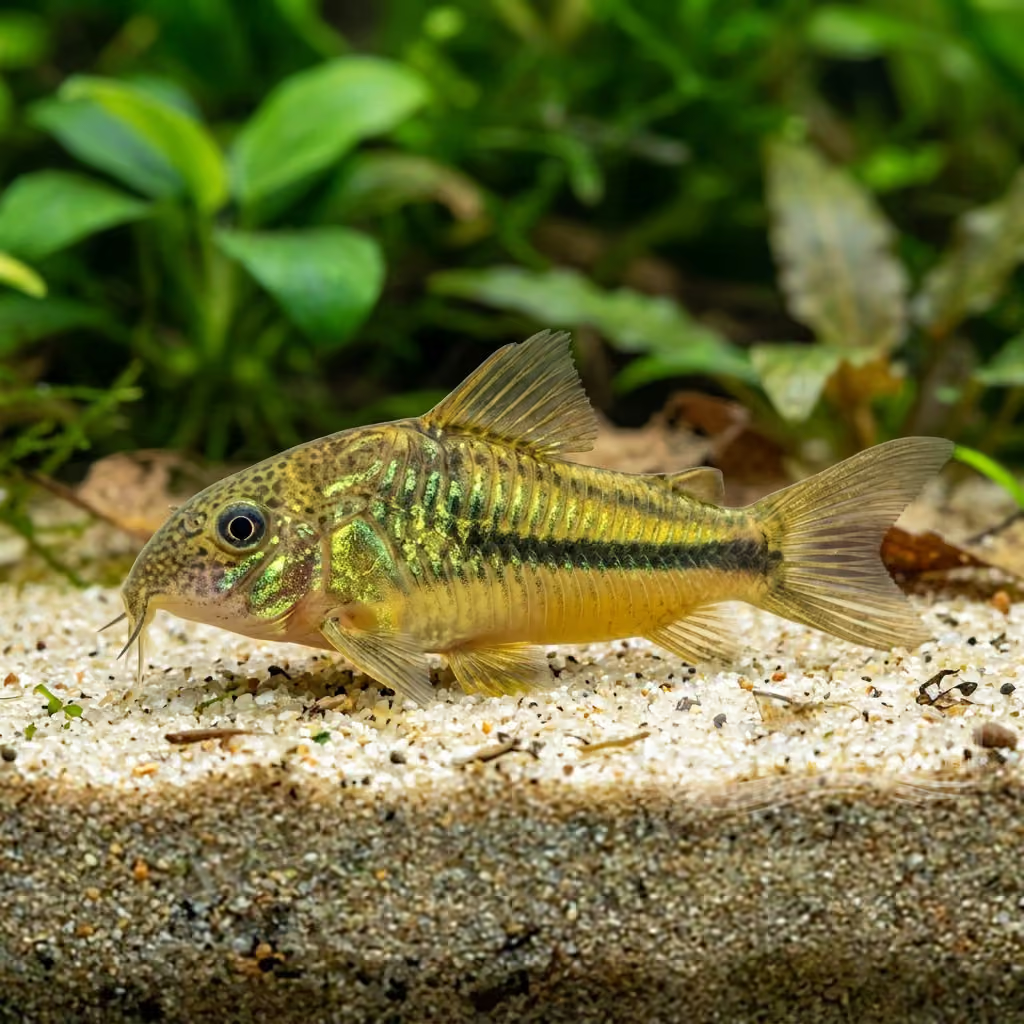
Red-spotted Copeina
Copeina guttata
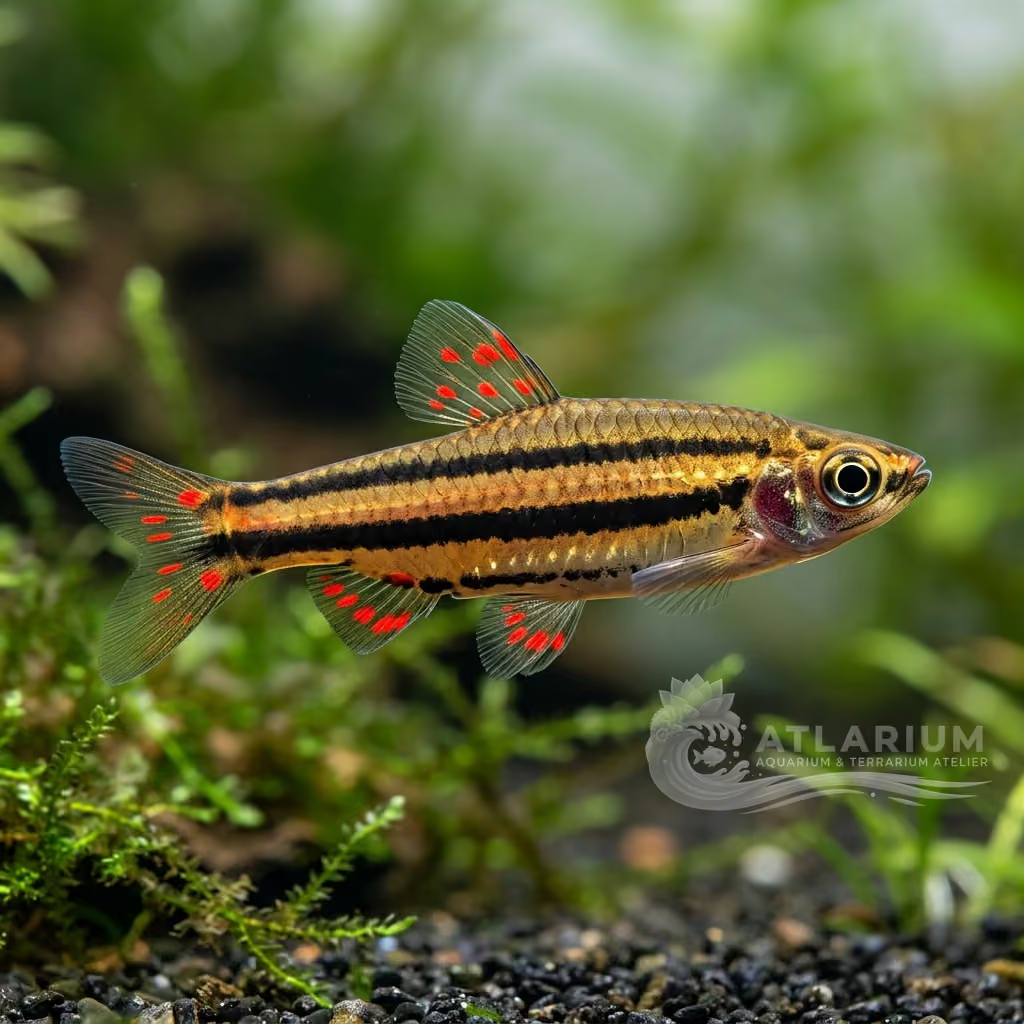
A large, muscular characin decorated with bright red spots. Completely unique among its relatives because the male digs a pit in the sand and guards the eggs just like a cichlid.
Water Temperature
23 - 28 °C
pH Value
6 - 7.5
Water type
Freshwater
Tank level
Middle
Adult size
7.5 cm
Minimum tank volume
>= 100 L
Minimum group
>= 6
GH
2 - 12 dGH
KH
1 - 6 dKH
TDS
40 - 240 ppm
Conductivity
63 - 375 uS/cm

Species description
Geographical Origin and Habitat: Native to the central and upper Amazon River basin (Brazil, Peru, Colombia). Populates forest rivers and oxbow lakes (cochas) characterized by calm waters, dense aquatic vegetation and an abundance of floating plants.
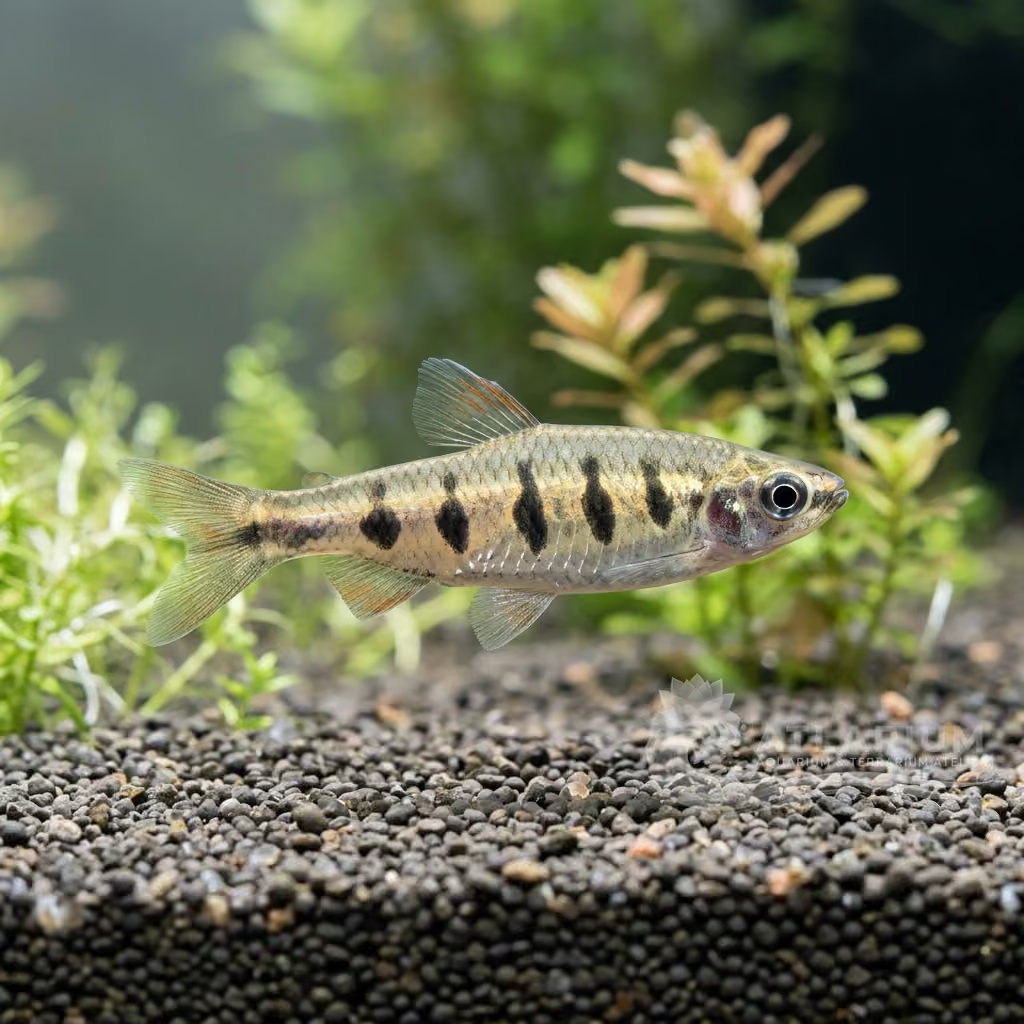
Taxonomy and Morphology: Red-spotted Copeina (Copeina guttata). Belongs to the Lebiasinidae family. It is a fish with an elongated and cylindrical body, with a pointed snout and an upward-facing mouth, a clear indication of its surface-hunting habits.
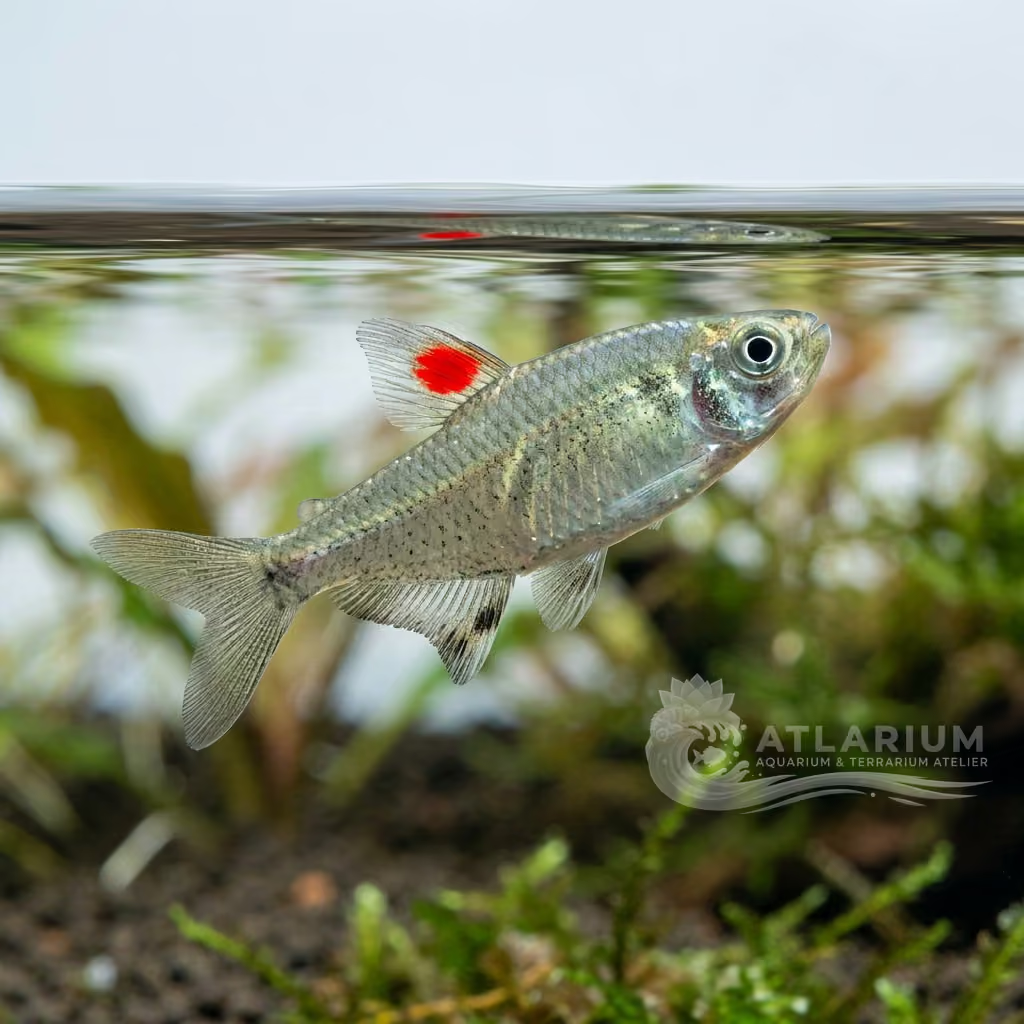
Social Behavior: Peaceful schooling fish, although males establish hierarchies and defend temporary territories during breeding. Spends most of its time hovering just below the surface, waiting for prey.
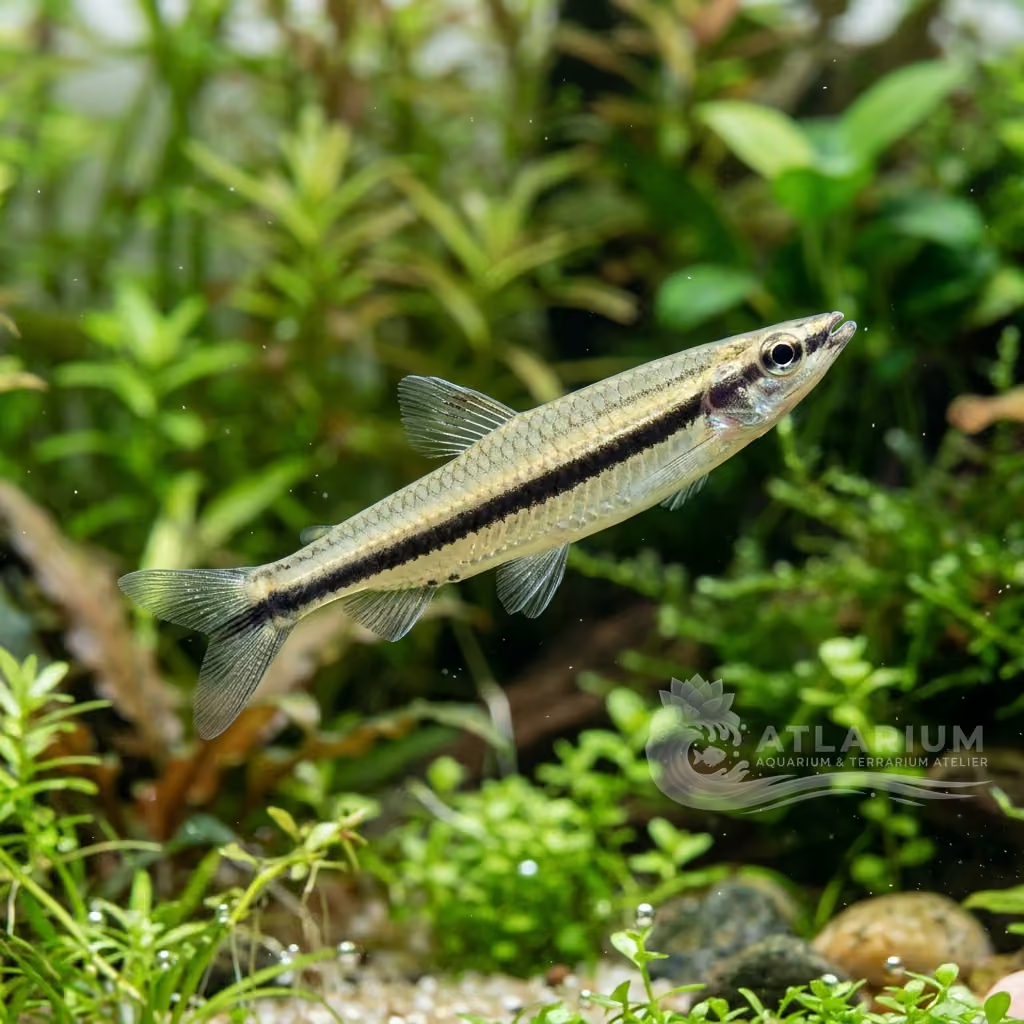
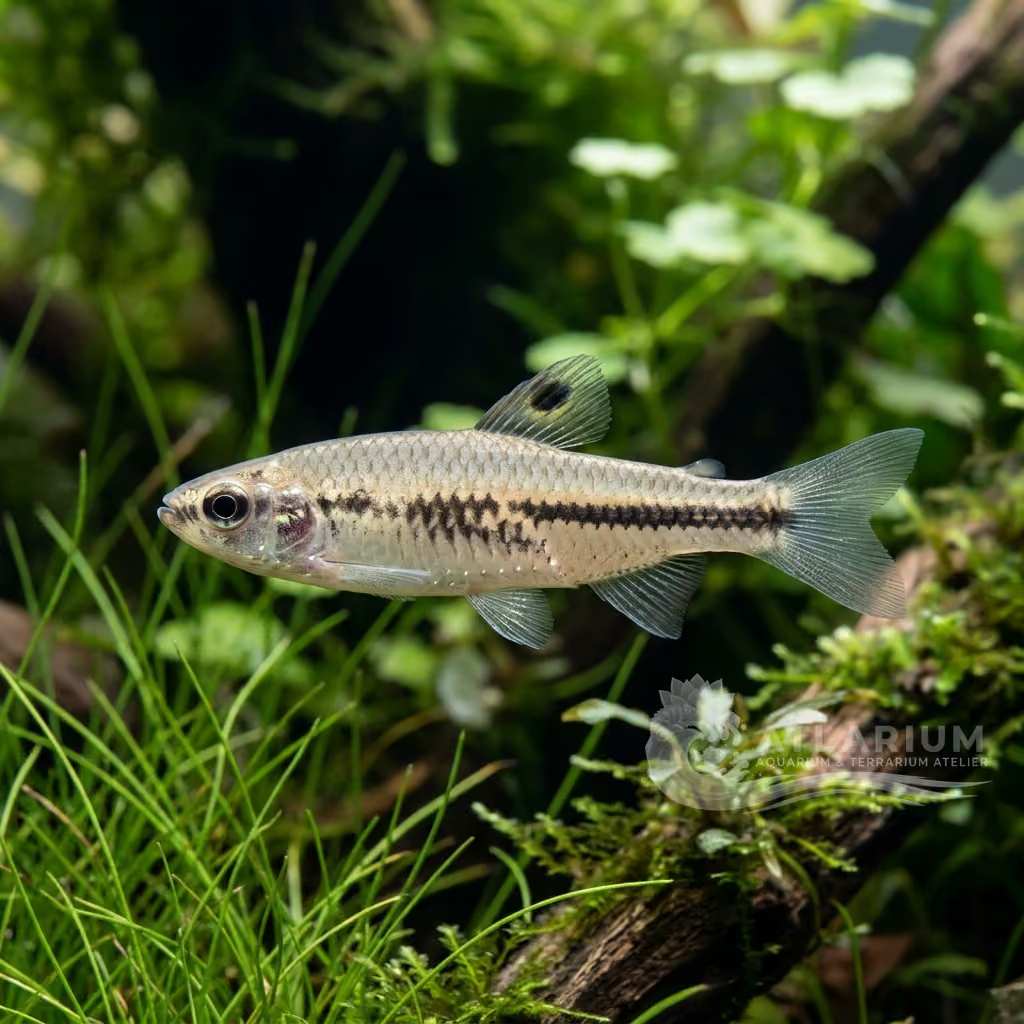
Coloration and Sexual Dimorphism: Light blue-gray or brownish body with large reflective scales. The main feature is the red spots (guttata means spotted) on each flank scale in males, which also develop more elongated fins. Females are faded and rounder.

Care, breeding and tankmates
Aquarium Setup: Tank of at least 80 cm (32 inches), strictly closed (they are excellent jumpers). A cover of floating plants (Limnobium, Salvinia) is essential, shielding the light and providing the vital sense of security for this species. Water flow must be slow.
Diet and Feeding: Surface insectivore/omnivore. In nature it jumps to catch insects or devours fallen ones. In the aquarium it accepts floating flakes, drosophila (fruit flies), mosquito larvae and freeze-dried brine shrimp. Rarely eats food on the bottom.
Water Quality: Robust for a Lebiasinid, it tolerates moderately hard waters, although it thrives and shows the best colors in amber, soft and slightly acidic waters, rich in tannins released from oak or catappa leaves.
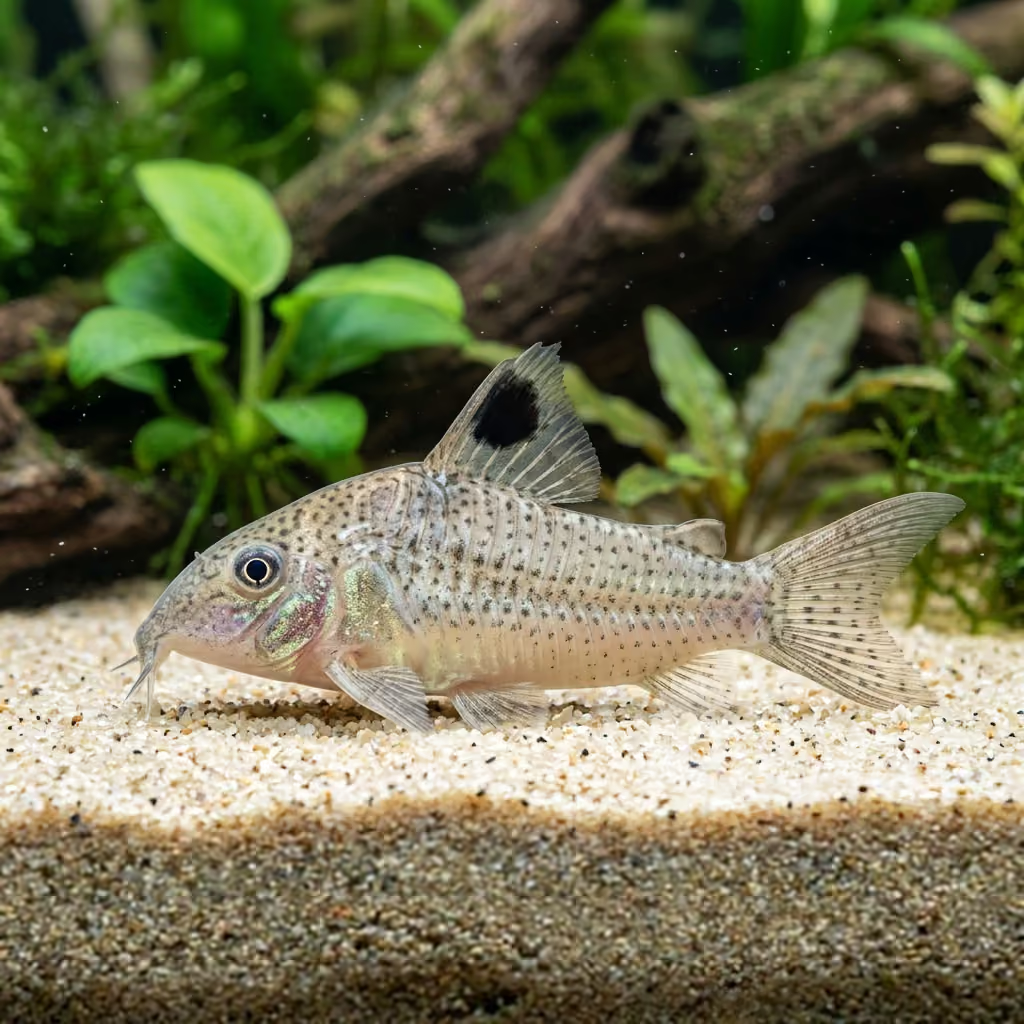
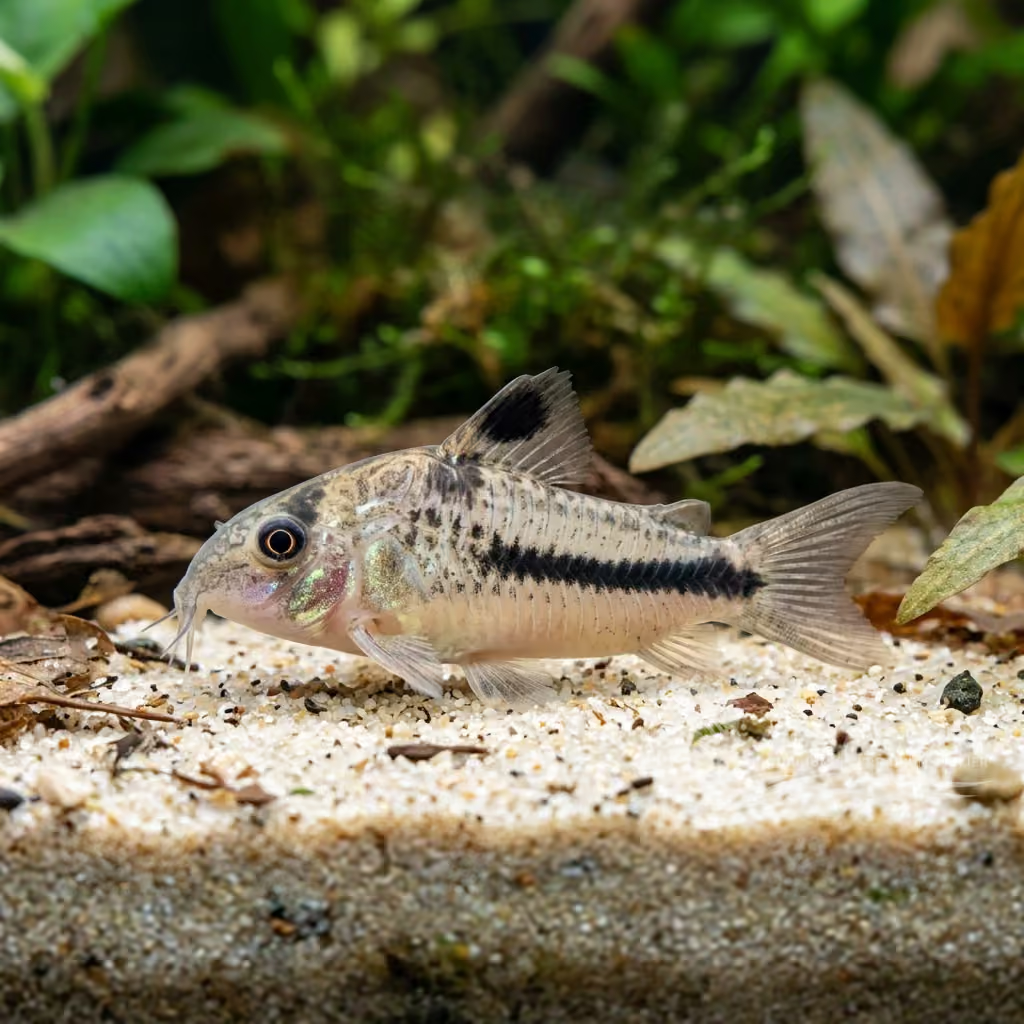
Compatibility and Cohabitation: Suitable for calm and shaded community aquariums, with Corydoras, small Loricariids, dwarf Cichlids (Apistogramma) and other small peaceful Characins. Do not pair with overly boisterous or fast fish that would intimidate them.
Aquarium Breeding: Very peculiar: unlike its cousin Copella arnoldi, Copeina guttata digs a depression in the sandy substrate, where the eggs are laid. The male then fanatically guards the nest until the fry hatch and swim freely.
Risks and Diseases: The risk of a lethal jump is guaranteed in open aquariums ("crisp" on the floor). Subject to fungal infections in case of injuries caused by jumps against the glass or too intense lighting.

Geographic origin and distribution
Native to the central and upper Amazon River basin (Brazil, Peru, Colombia). Populates forest rivers and oxbow lakes (cochas) characterized by calm waters, dense aquatic vegetation and an abundance of floating plants.
Origin
Tropical oceans and reefsAmazon, Orinoco, and Guianas

Fish profile
- Temperament
- Semi-aggressive
- It is an active and generally peaceful species, although males can exhibit some territoriality toward each other or during the breeding phase. They should be kept in groups of at least six individuals to encourage natural and balanced social behavior. Their vivacity and elegance make them a dynamic presence in the middle and upper layers of the tank.
- Diet
- Omnivore
- It is an omnivorous micro-predator that prefers animal-based foods but accepts a wide range of products. In the aquarium, it particularly appreciates small insects, larvae, live or frozen mysis and brine shrimp, alongside high-quality flake or granular foods that remain on the surface or sink slowly. A varied diet contributes to enhancing the beautiful red spotting on the males' flanks.
- Life expectancy
- 3-5 years
- Adult size
- 7.5 cm
- Sex ratio
- Harem
- When keeping the red-spotted copeina, it is highly recommended to maintain a harem ratio of one male to several females. Males can be territorial and display aggressive behavior towards competing males, especially during the breeding season. Providing multiple females diffuses the male's attention and reduces the stress placed on any single female. If the aquarium is sufficiently large and densely planted, multiple males can be kept together, provided the female ratio remains high.
- Feeding frequency
- Twice daily
- It is recommended to feed them once or twice daily, providing controlled portions that are entirely consumed within two minutes. Since they feed primarily in the upper water layers, food should be introduced gradually to prevent it from settling unused on the bottom. Occasional one-day fasting periods can benefit their digestive system.
- Bioload
- Low to Medium
- The red-spotted copeina produces a relatively low bioload, making them very manageable for standard aquarium filtration systems. They are small, slender fish that consume appropriately tiny portions of micro-pellets, flakes, and live foods. Provided they are not chronically overfed, a typical sponge filter or small hang-on-back filter will easily process their biological waste. Routine partial water changes are generally sufficient to maintain the pristine water conditions they prefer.
- Flow
- Stagnant
- They prefer a weak to moderate water flow, simulating the calm waters of secondary rivers and swampy areas of the Amazon. Too strong currents can constantly fatigue them and limit their natural swimming behavior near the surface. It is advisable to position natural barriers like floating plants or driftwood to create areas of absolute calm.
- Jump risk
- Yes
- This species poses a significant jump risk, as they are naturally adapted to leaping out of the water to catch insects or escape predators. Their streamlined bodies allow them to propel themselves considerable distances above the surface when startled. A completely sealed aquarium hood or a fine-meshed cover is strictly required to prevent fatal accidents. Even tiny gaps around the heater cord or filter intake can serve as an escape route for these agile jumpers.
- Reproduction
- Oviparous
- They display a highly interesting breeding behavior that differs from other species in the genus. The male digs a small depression in the sandy substrate where the female lays the eggs, which are then fertilized. Subsequently, the male assumes full responsibility for the clutch, guarding the nest and fanning the eggs with his fins until they hatch, which occurs in about 30 to 48 hours.
- Compatibility & tankmates
- Semi-aggressive
- They are excellent fish for community aquariums, provided that the tankmates are of similar size and peaceful. They associate well with other medium-sized characins, armored catfish (Corydoras), and tolerant dwarf cichlids. Avoid extremely small or timid fish that could suffer from the males' vivacity during the breeding season.
- Tank level
- Middle
- Middle-Surface

Scientific Parameters & Models
FishBase
Window to the official scientific data of the species
FishBase v25.04Data synced on: 06/15/2026
- Trophic level
- 3.1 ± 0.33 se
- Resilience
- Medium (1.4 - 4.4 years)
- Phylogenetic uniqueness (PD50)
- 0.75
- Bayesian Length-Weight
- a = 0.01023, b = 3.13
- VulnerabilityLow vulnerability (10 / 100)

Related species
Recommendations grouped by close relatives, companion choices, and similar care.