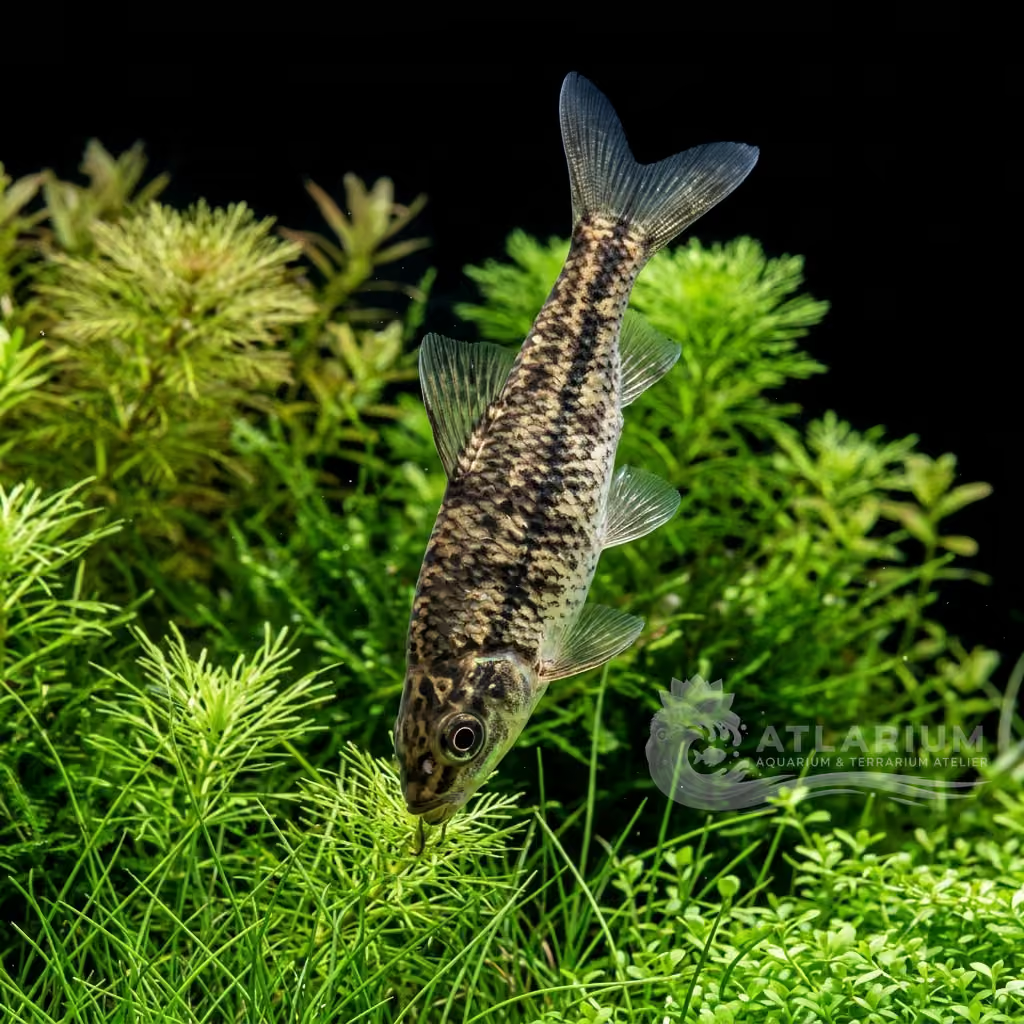
Filamentous pyrrhulina
Pyrrhulina filamentosa
A graceful South American surface-dwelling fish renowned for the male's elongated fins and fascinating parental care, where he diligently guards the eggs on broad floating leaves.
Water Temperature
23 - 28 °C
pH Value
5.8 - 7.5
Water type
Freshwater
Tank level
All levels
Adult size
10 cm
Minimum tank volume
>= 100 L
Minimum group
>= 6
GH
5 - 15 dGH
KH
2 - 8 dKH
TDS
95 - 305 ppm
Conductivity
148 - 477 uS/cm

Species description
Geographical Origin and Habitat: Pyrrhulina filamentosa is native to South America, with a distribution range that covers the Amazon River basin, particularly in Brazil, Venezuela, the Guianas, and Suriname. It inhabits slow-moving forest streams, small tributaries, swamps, and flooded forest floors characterized by dense aquatic vegetation and overhanging tree branches that touch the water surface. It prefers shallow, quiet waters, often tinted dark with tannins released by decaying organic leaf litter.
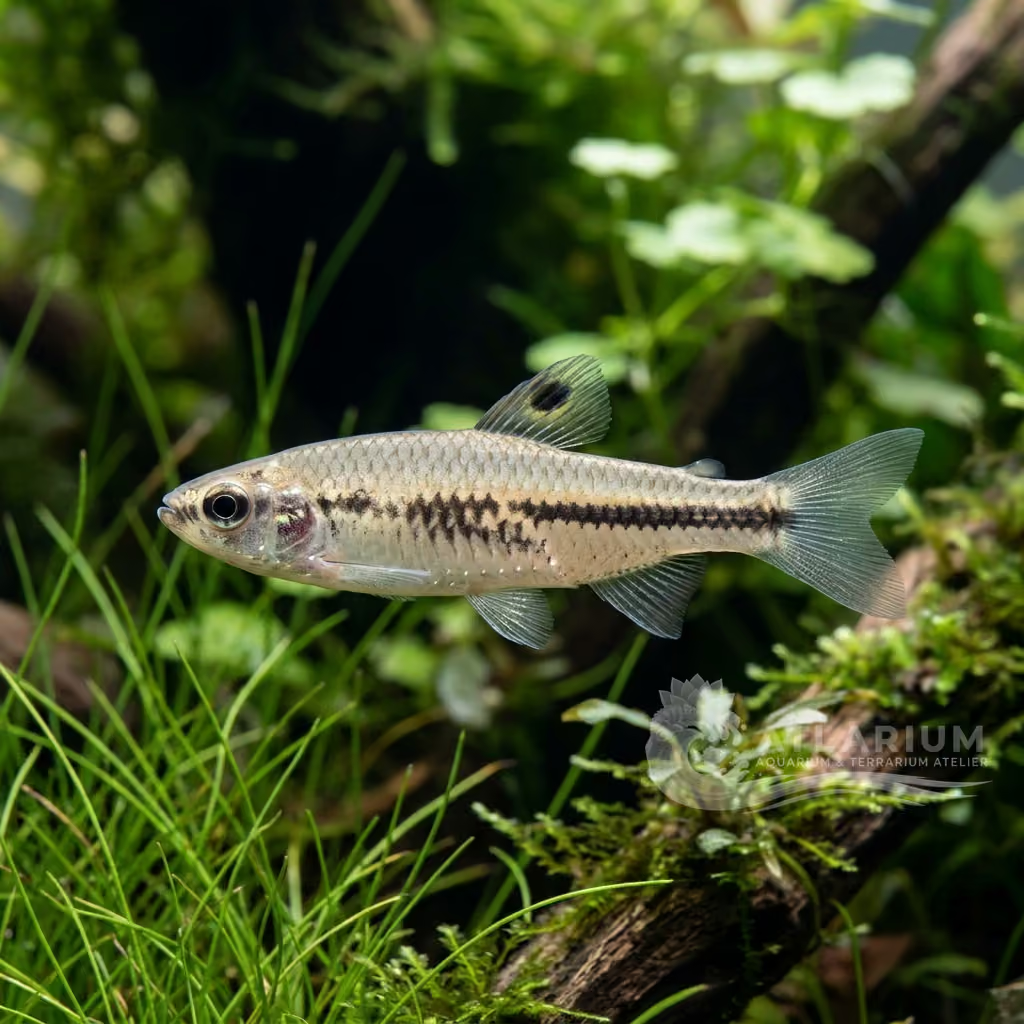
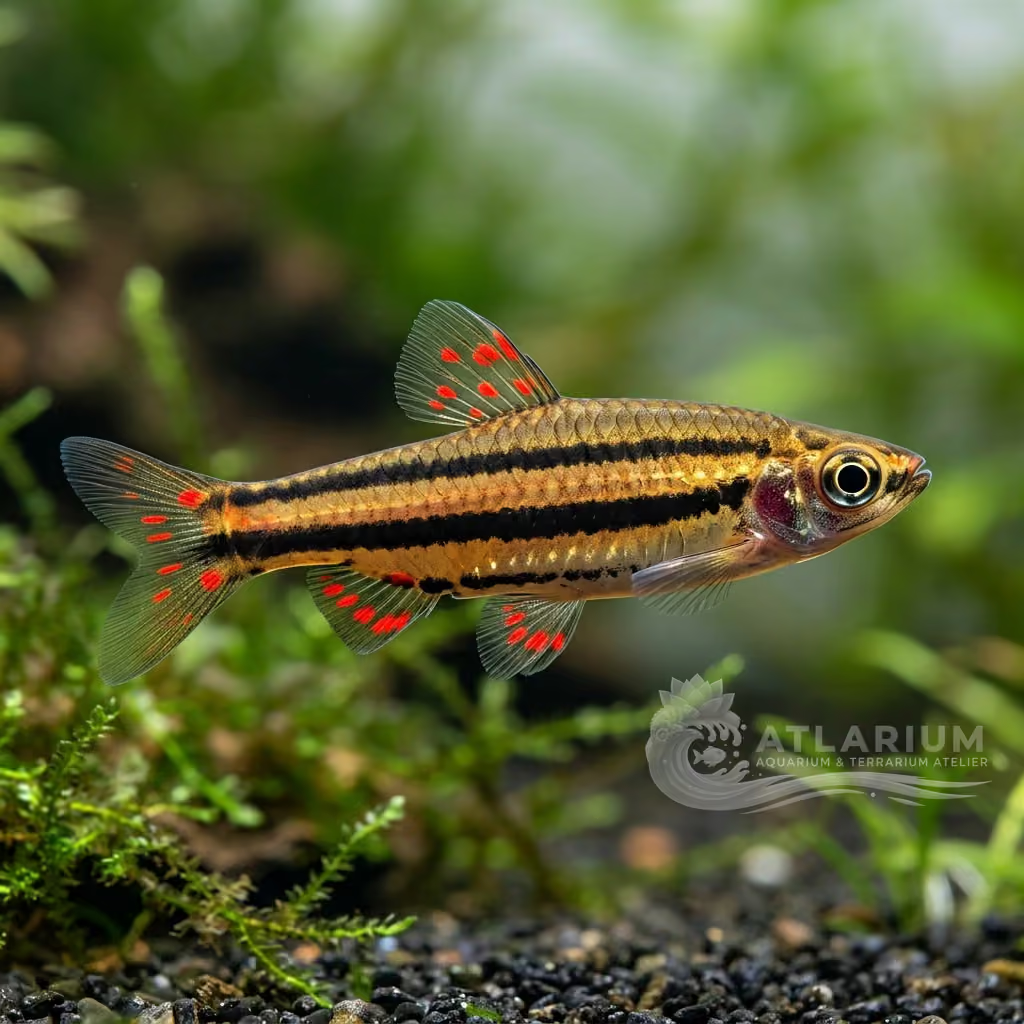
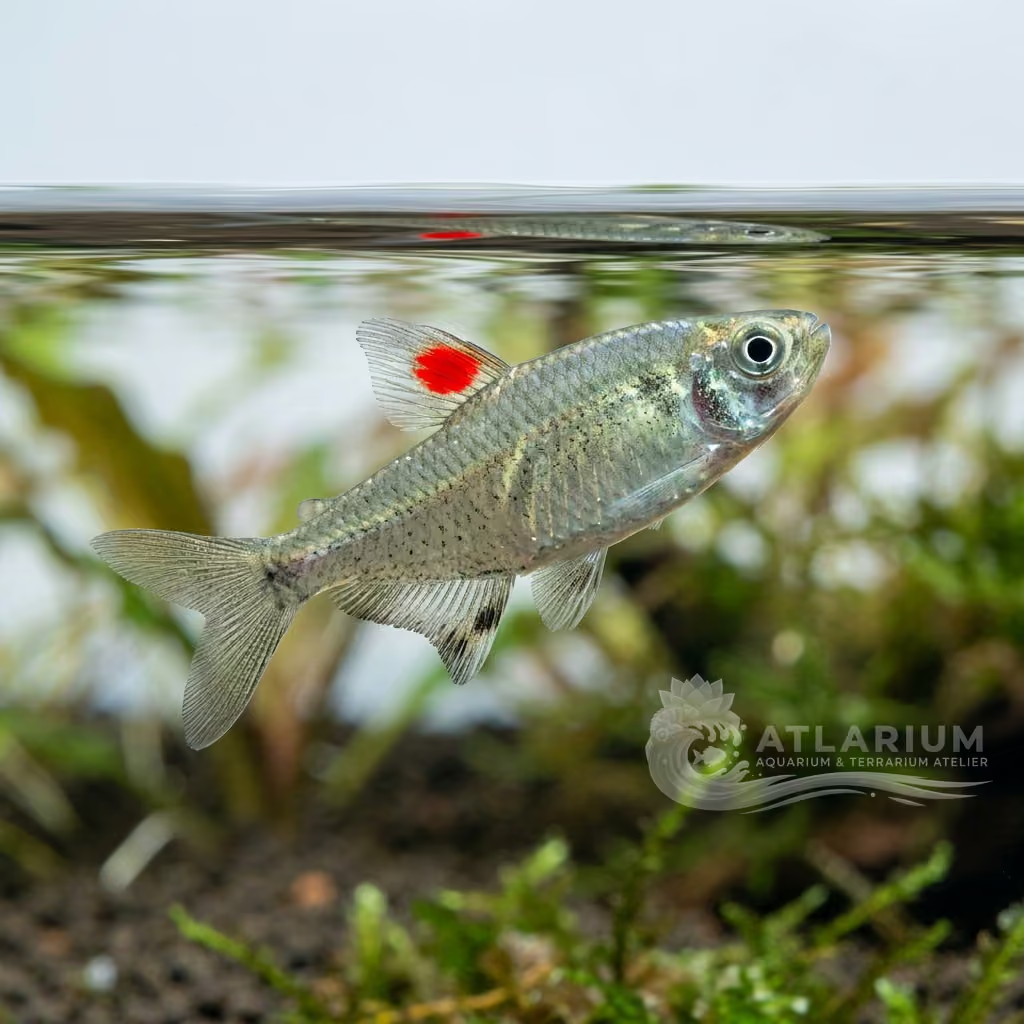
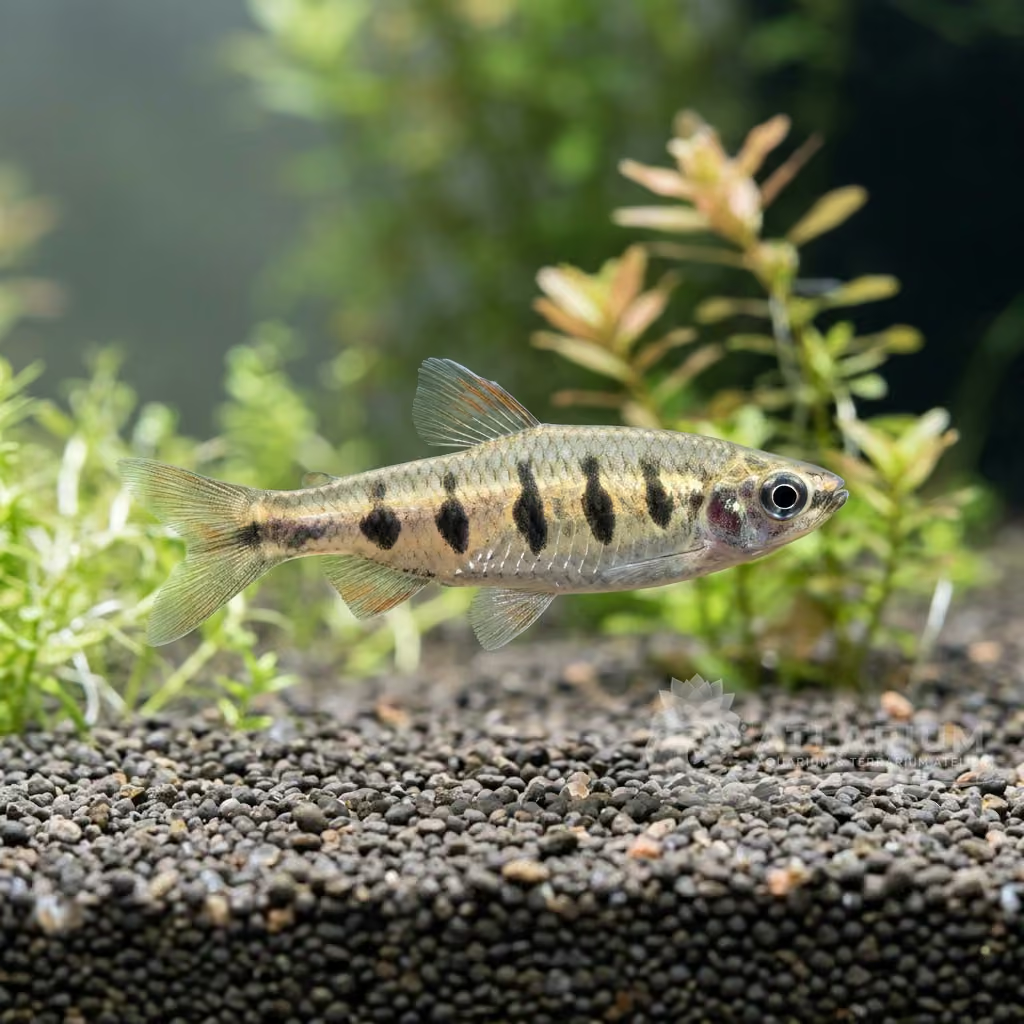
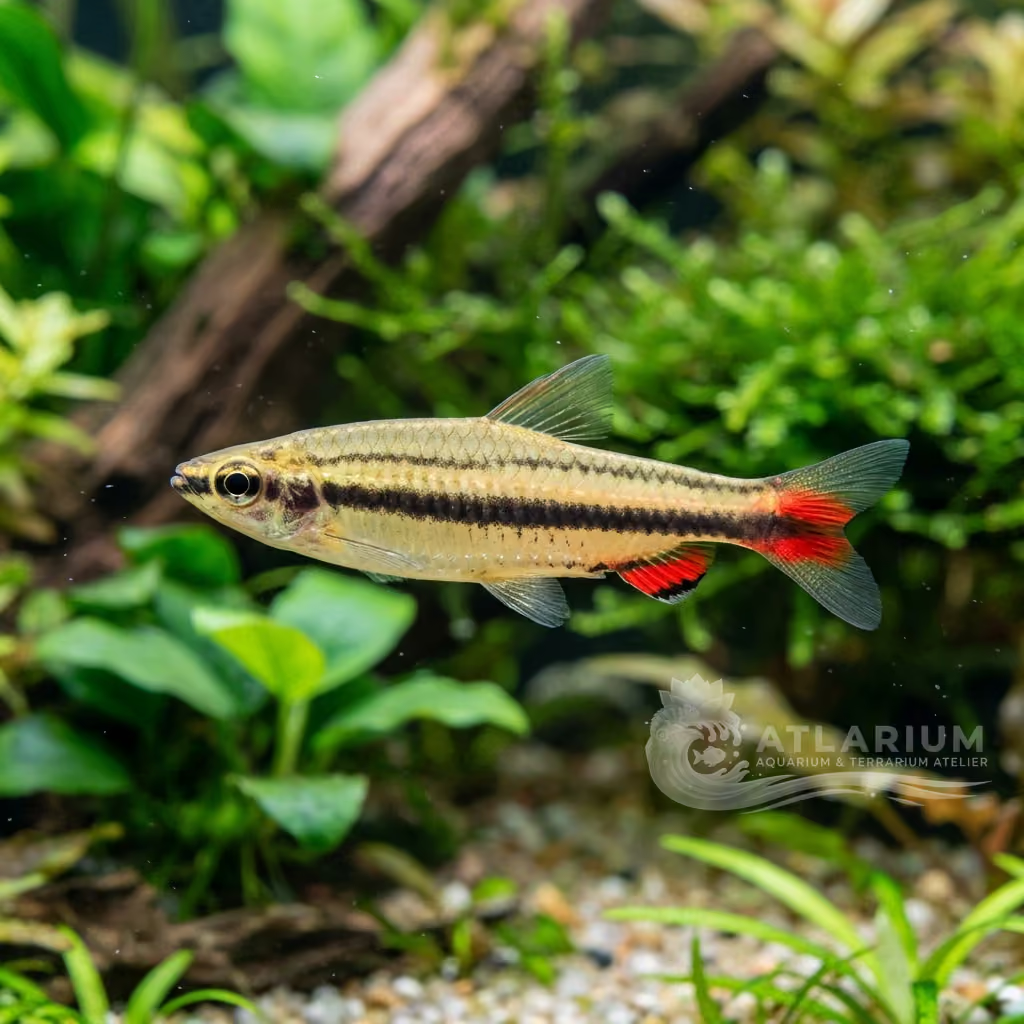
Taxonomy and Morphology: This species belongs to the family Lebiasinidae and the subfamily Pyrrhulininae. It has a slender, cylindrical body, slightly compressed towards the tail. The mouth is upturned, which is a clear adaptation for feeding on insects and small invertebrates at the water surface. Adult males develop a highly pronounced filamentous extension on the upper lobe of the caudal fin and the dorsal fin, a characteristic from which the species name is derived.
Social Behavior: It is a peaceful, schooling fish that thrives when kept in groups of at least 6-8 individuals, where non-violent hierarchies are established among the males. During the breeding season, males establish small, temporary territories near the water surface to attract females, but they never display harmful aggression toward tankmates. They spend most of their time in the upper and middle levels of the water column.
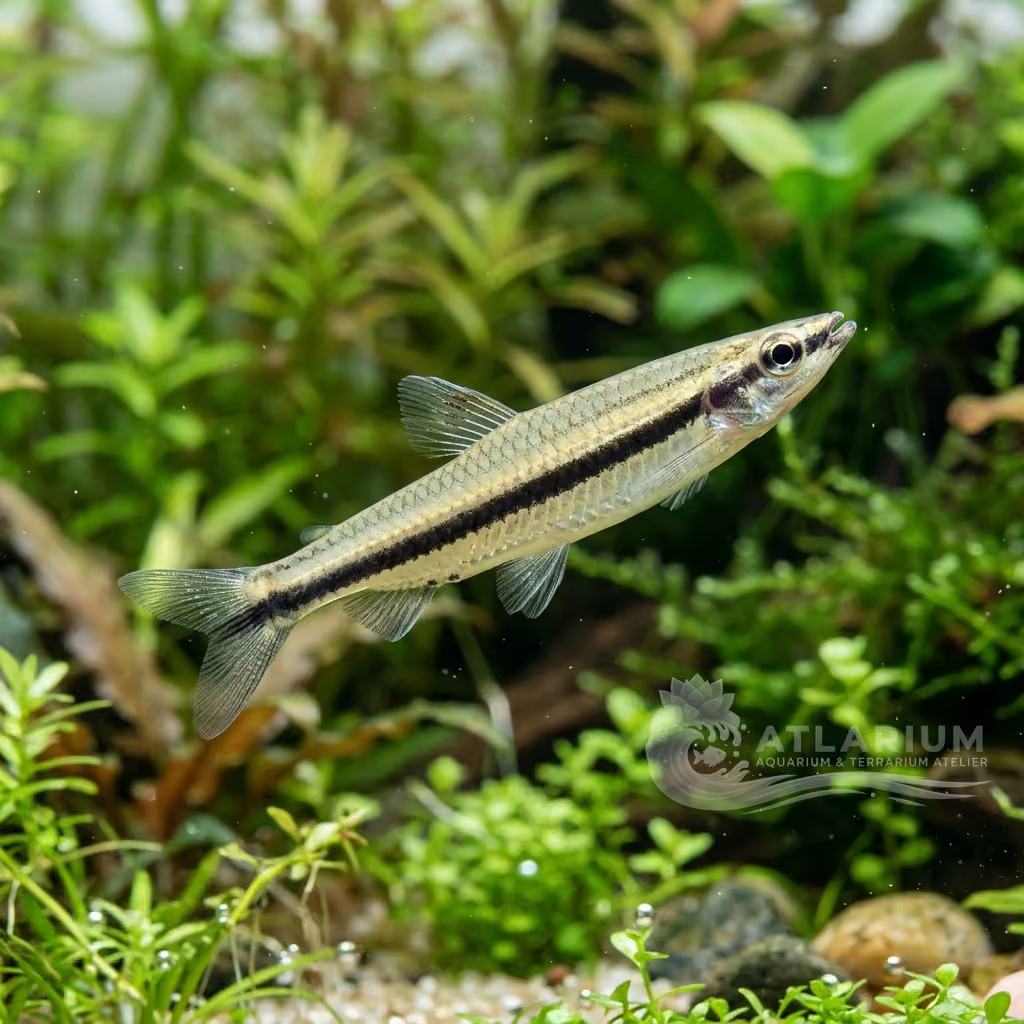
Coloration and Sexual Dimorphism: The body background color is silver-grey or bronze with golden reflections along the flanks. A dark horizontal stripe runs through the snout, passes through the eye, and fades gradually along the body. The scales have dark margins, creating a reticulated pattern. Sexual dimorphism is highly visible: males are larger, more colorful with orange or reddish tints on their fins, and possess the long caudal filaments, while females are smaller, rounder, and have short fins.

Care, breeding and tankmates
Aquarium Setup: Requires an aquarium of at least 80-100 liters to house a small group. The layout should include dense planting along the back and sides (using plants like Vallisneria and Limnophila) combined with floating plants (like Pistia stratiotes or Salvinia) to diffuse the light and create a secure environment. A tight-fitting lid is mandatory, as this species is an exceptional jumper and can escape through very small gaps.
Diet and Feeding: It is primarily carnivorous and insectivorous. In the wild, it feeds on terrestrial insects that fall onto the water surface and small aquatic invertebrates. In the aquarium, it easily accepts high-quality floating flakes or micro-pellets. However, its diet should be regularly supplemented with live or frozen foods such as daphnia, brine shrimp, mosquito larvae (bloodworms), and small fruit flies (Drosophila).
Water Quality: It prefers soft, slightly acidic water, mirroring its Amazonian habitats. Recommended parameters are: temperature 22-26 °C, pH 6.0-7.0, and water hardness (GH) between 2 and 10 dGH. The filter should produce a very gentle water flow, as these fish avoid strong currents. Using peat filtration or adding Indian almond leaves (Catappa) to release beneficial tannins is highly recommended.
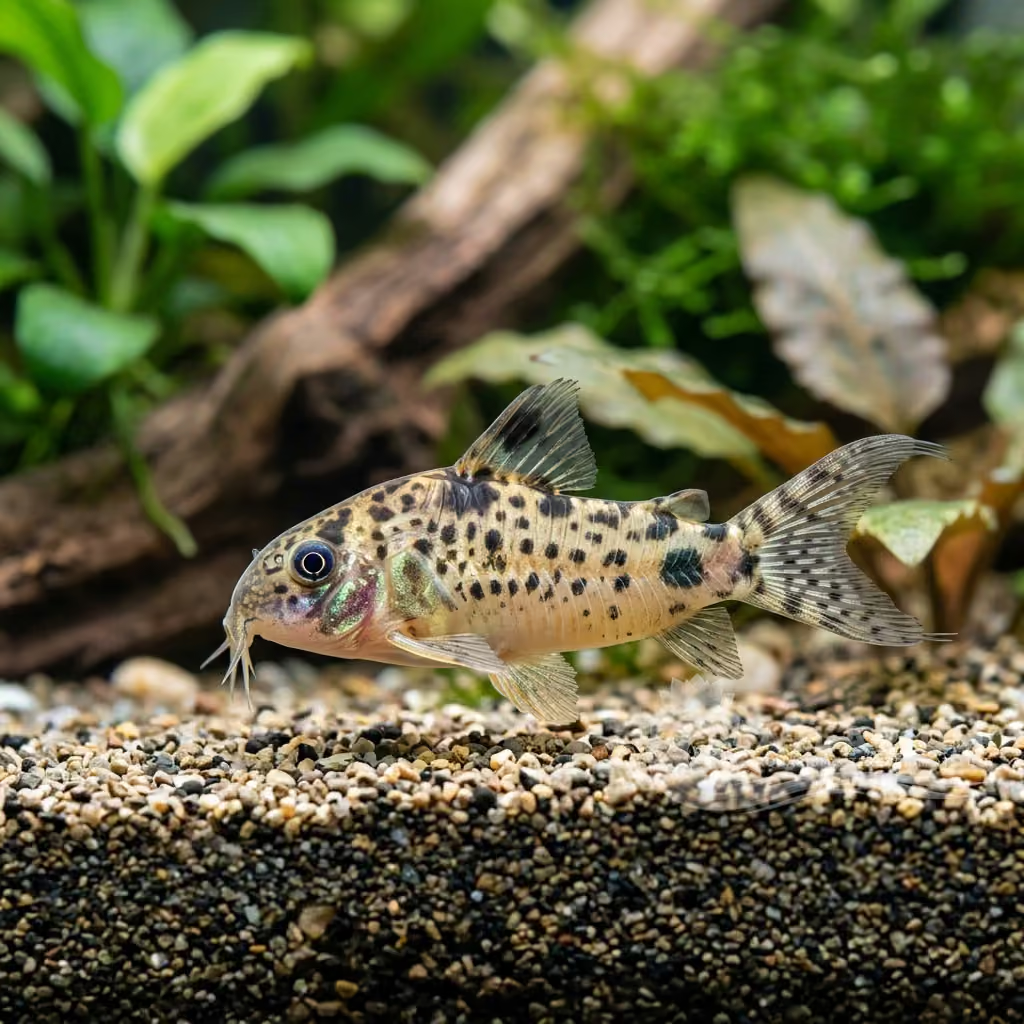
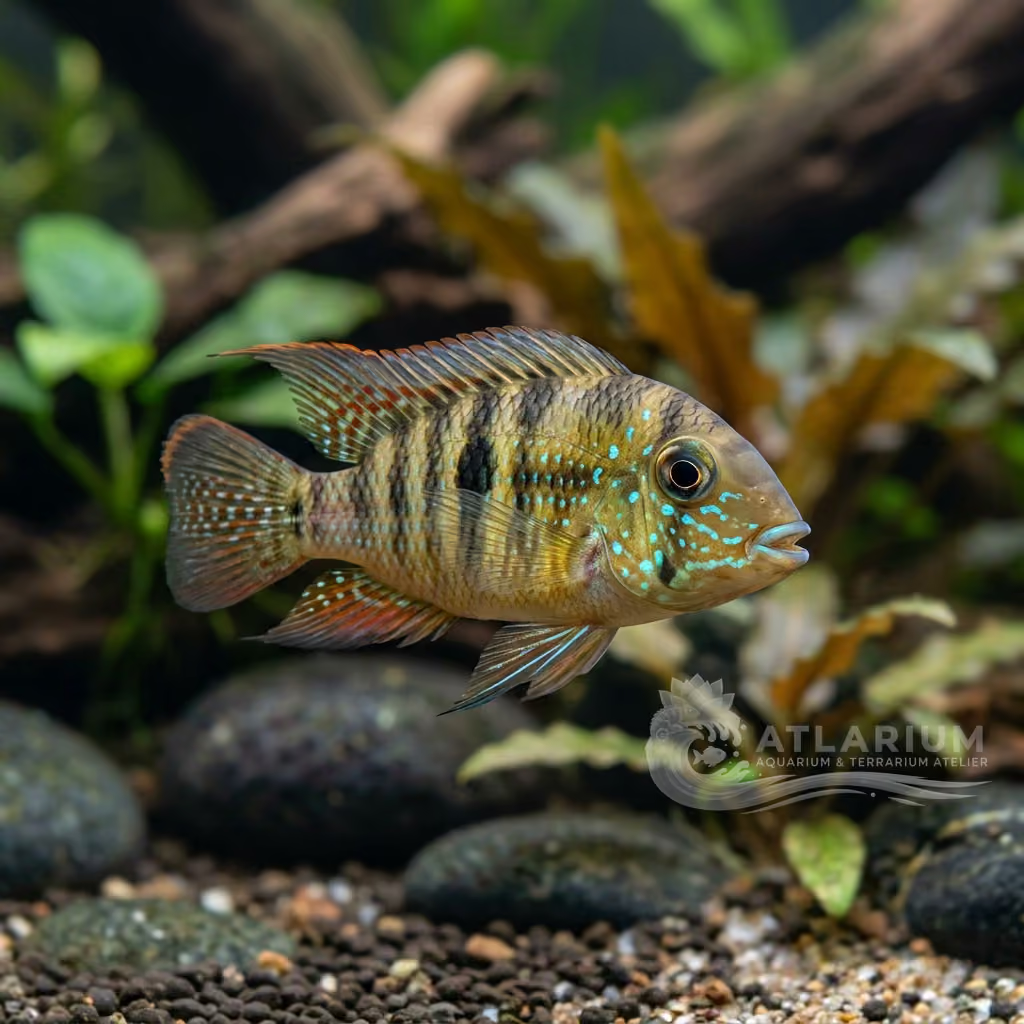
Compatibility and Cohabitation: An excellent candidate for a peaceful South American community aquarium. It can be housed with small tetras (like neon or cardinal tetras), dwarf cichlids (Apistogramma), Corydoras, and small Loricariid catfish. Avoid keeping them with large, boisterous, or predatory fish that could eat them, or with species known to nip fins (such as some active barbs).
Aquarium Breeding: Breeding in captivity is fascinating and relatively easy. The pair deposits adhesive eggs on the upper surface of a broad submerged or floating leaf, or on a flat surface near the water level. The male takes full responsibility for egg care: he guards them aggressively and fans them constantly with his fins. In the wild, if eggs are laid just above the water line, the male splashes them with tail flicks. Hatching occurs in 24-36 hours; fry should be fed infusoria initially, followed by brine shrimp nauplii.
Risks and Diseases: The main risk is jumping out of the tank if the cover is not secure. From a health perspective, it is a hardy fish but can be sensitive to sudden temperature drops or organic waste build-up (nitrates), which can lead to white spot disease (ich) or fungal infections on the long, delicate fins of the males.

Geographic origin and distribution
Pyrrhulina filamentosa is native to South America, with a distribution range that covers the Amazon River basin, particularly in Brazil, Venezuela, the Guianas, and Suriname. It inhabits slow-moving forest streams, small tributaries, swamps, and flooded forest floors characterized by dense aquatic vegetation and overhanging tree branches that touch the water surface. It prefers shallow, quiet waters, often tinted dark with tannins released by decaying organic leaf litter.
Origin
Amazon, Orinoco, and GuianasNorth AmericaEast Asia

Fish profile
- Temperament
- Peaceful
- They are generally peaceful, solitary, or loosely schooling fish that can be somewhat timid in bare tanks. Males display a fascinating territoriality during breeding but are otherwise peaceful toward other species. They thrive in a quiet environment where they can slowly forage among the vegetation.
- Diet
- Omnivore
- They are micropredators in the wild, feeding primarily on small insects and larvae near the water's surface. In captivity, they readily accept high-quality crushed flakes and micro-pellets. For optimal health and breeding, their diet must be supplemented with live or frozen foods like daphnia and bloodworms.
- Life expectancy
- 3-5 years
- Adult size
- 10 cm
- Sex ratio
- Specific M:F ratio
- A ratio of one male to two or three females is ideal. Males are territorial during spawning and may become aggressive toward other males if space is limited. A larger tank with plenty of visual barriers allows for keeping multiple males successfully.
- Feeding frequency
- Twice daily
- Feeding them small amounts twice daily is the best practice for maintaining their health. They feed primarily near the surface, so care must be taken that food remains floating long enough for them to eat. Overfeeding should be strictly avoided to prevent water quality issues.
- Bioload
- Medium
- This slender characin has a very low bioload, making it an excellent choice for smaller, heavily planted aquariums. Their neat eating habits and small size mean they contribute very little to nitrate accumulation. Standard filtration and routine water changes easily maintain the pristine water conditions they require.
- Flow
- Stagnant
- They originate from sluggish streams and flooded forests in South America, making them prefer very gentle water flow. Strong currents will cause them stress and force them to hide constantly. A sponge filter or heavily baffled power filter is highly recommended for this species.
- Jump risk
- Yes
- Because they spend much of their time near the surface, they are a moderate jump risk. An aquarium with a tight-fitting lid is absolutely necessary to prevent accidental leaping. Floating plants not only provide security but also act as a physical barrier to jumping.
- Reproduction
- Oviparous
- Unlike most characins, males of this species provide some parental care by guarding the eggs. They spawn on broad-leaved plants near the surface, and the male will vigorously defend the site until the eggs hatch. The fry are extremely small and require infusoria as their first food.
- Compatibility & tankmates
- Peaceful
- They are peaceful, somewhat shy fish that do well in community tanks with similarly sized, non-aggressive species. Good tank mates include small tetras, pencilfish, Corydoras, and peaceful dwarf cichlids. They should never be housed with large, aggressive, or overly boisterous fish that might outcompete them for food.
- Tank level
- All levels
- They are predominantly top-to-midwater dwellers that enjoy hovering just beneath the surface or among tall plants. They rarely visit the bottom of the tank unless lured by food. Providing tall, broad-leaved plants caters to their natural resting and spawning behaviors.

Scientific Parameters & Models
FishBase
Window to the official scientific data of the species
FishBase v25.04Data synced on: 06/15/2026
- Trophic level
- 3.4 ± 0.47 se
- Phylogenetic uniqueness (PD50)
- 0.5
- Bayesian Length-Weight
- a = 0.00741, b = 3.21
- VulnerabilityLow vulnerability (10 / 100)

Related species
Recommendations grouped by close relatives, companion choices, and similar care.