Spotted Copella
Copella nattereri
A torpedo-shaped surface micro-hunter. Sits motionless at the absolute top of the water column, waiting to ambush fallen insects. A fascinating surface fish, but requires a perfectly sealed lid to prevent jumping.
Water Temperature
22 - 28 °C
pH Value
5.5 - 7
Water type
Freshwater
Tank level
Middle
Adult size
4.5 cm
Minimum tank volume
>= 60 L
Minimum group
>= 6
GH
1 - 10 dGH
KH
1 - 5 dKH
TDS
25 - 200 ppm
Conductivity
39 - 313 uS/cm

Species description
Geographical Origin and Habitat: Widely distributed in the Amazon and Rio Negro basins. Prefers slow forest streams, flooded forests (igapó) loaded with tannins ("blackwater") and extremely dense marginal vegetation.
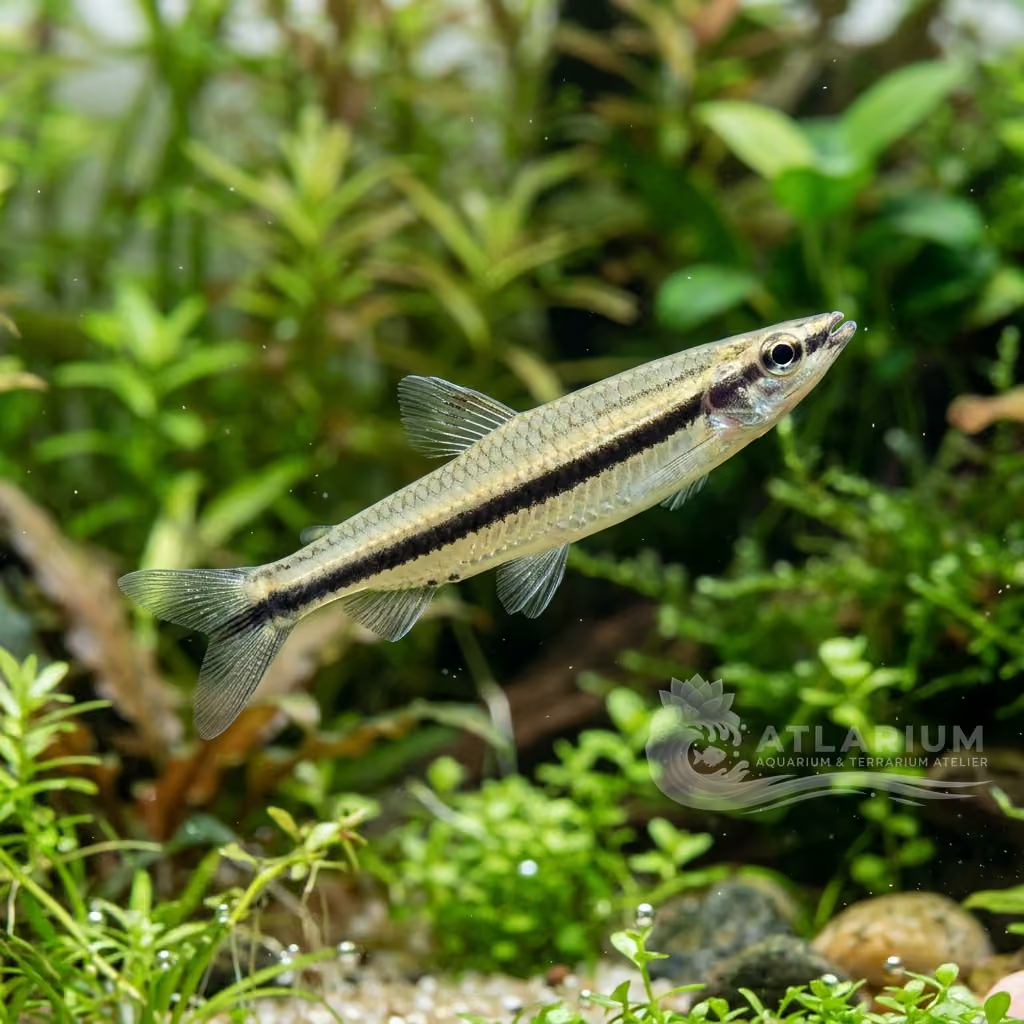
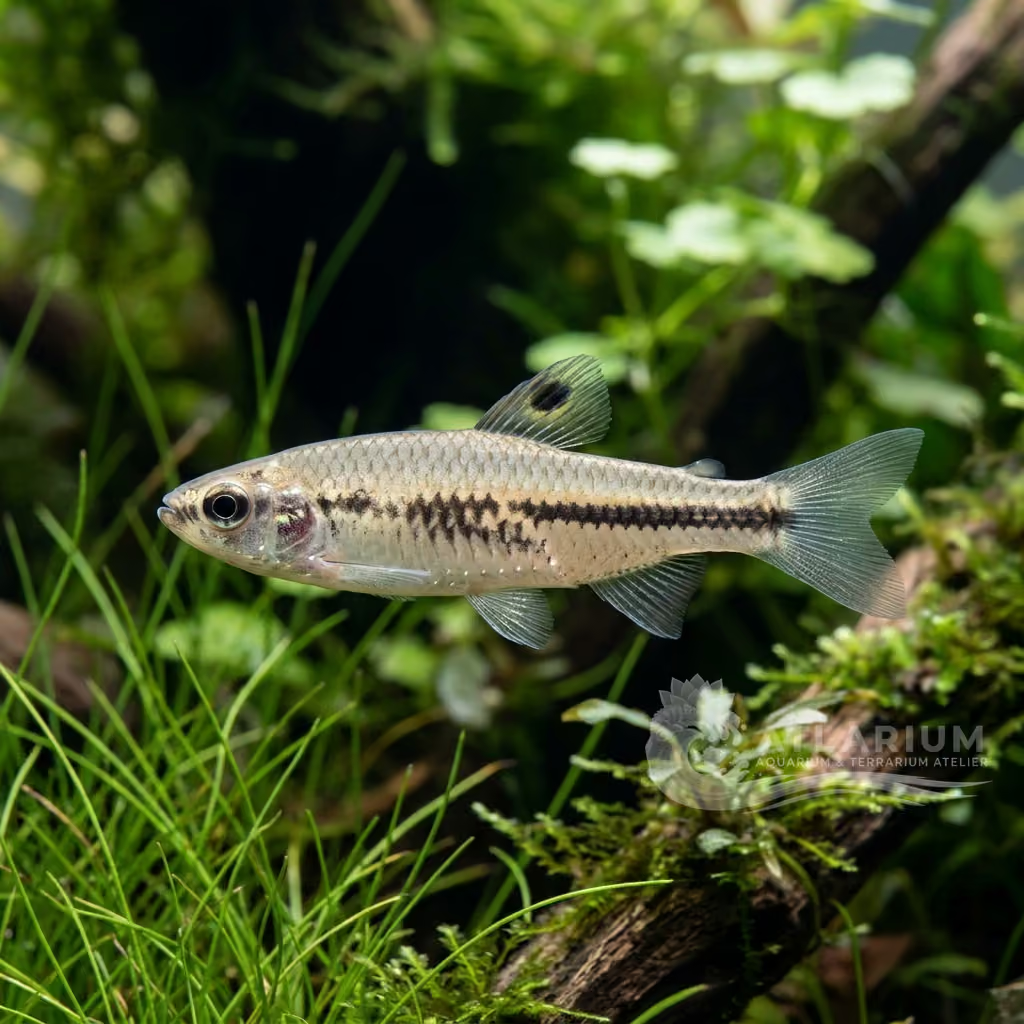
Taxonomy and Morphology: Spotted Tetra (Copella nattereri). Fish of the Lebiasinidae family, of modest size (about 4.5 cm / 1.8 inches). Elongated morphology but less specialized for jumping than C. arnoldi, with a slightly superior mouth.
Social Behavior: Gregarious and extremely peaceful fish, often very shy. It must absolutely live in schools (minimum 8-10 individuals) to overcome the chronic shyness that would otherwise lead it to hide continuously.
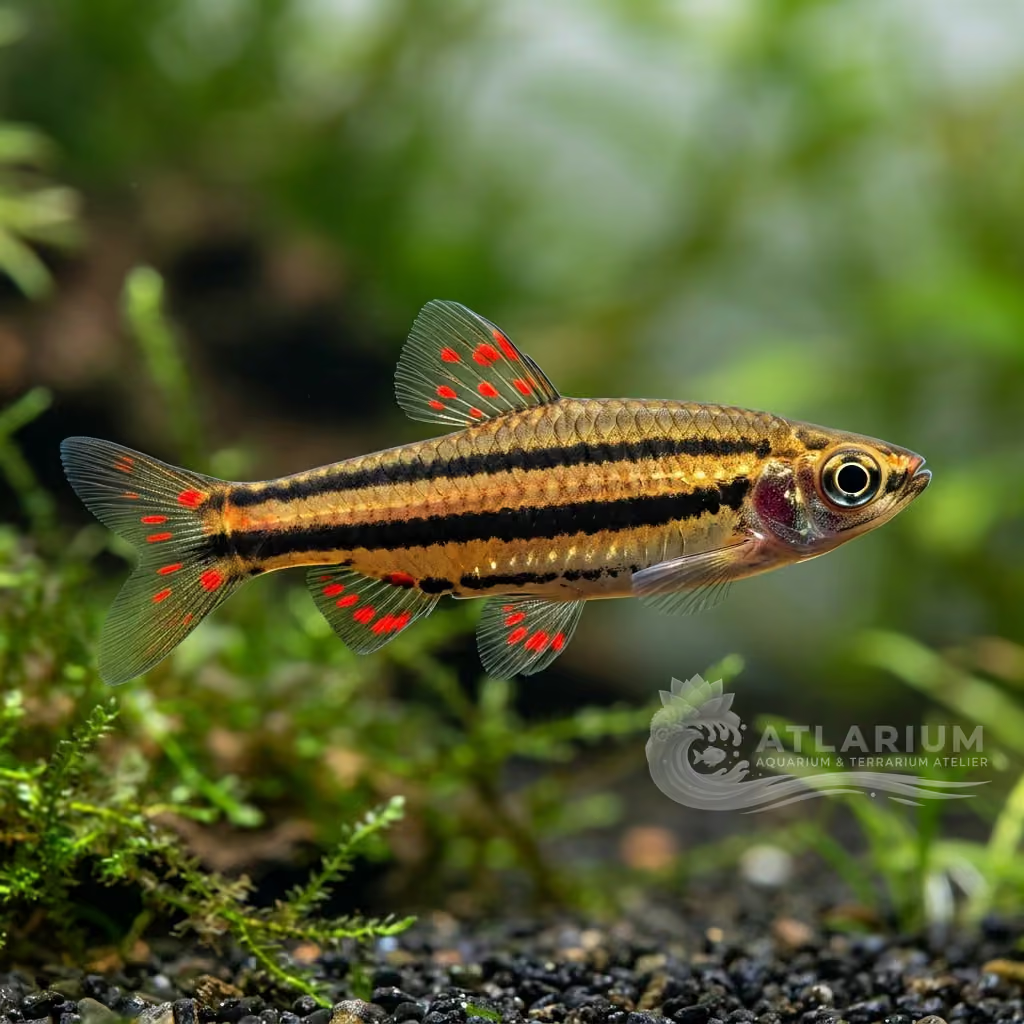
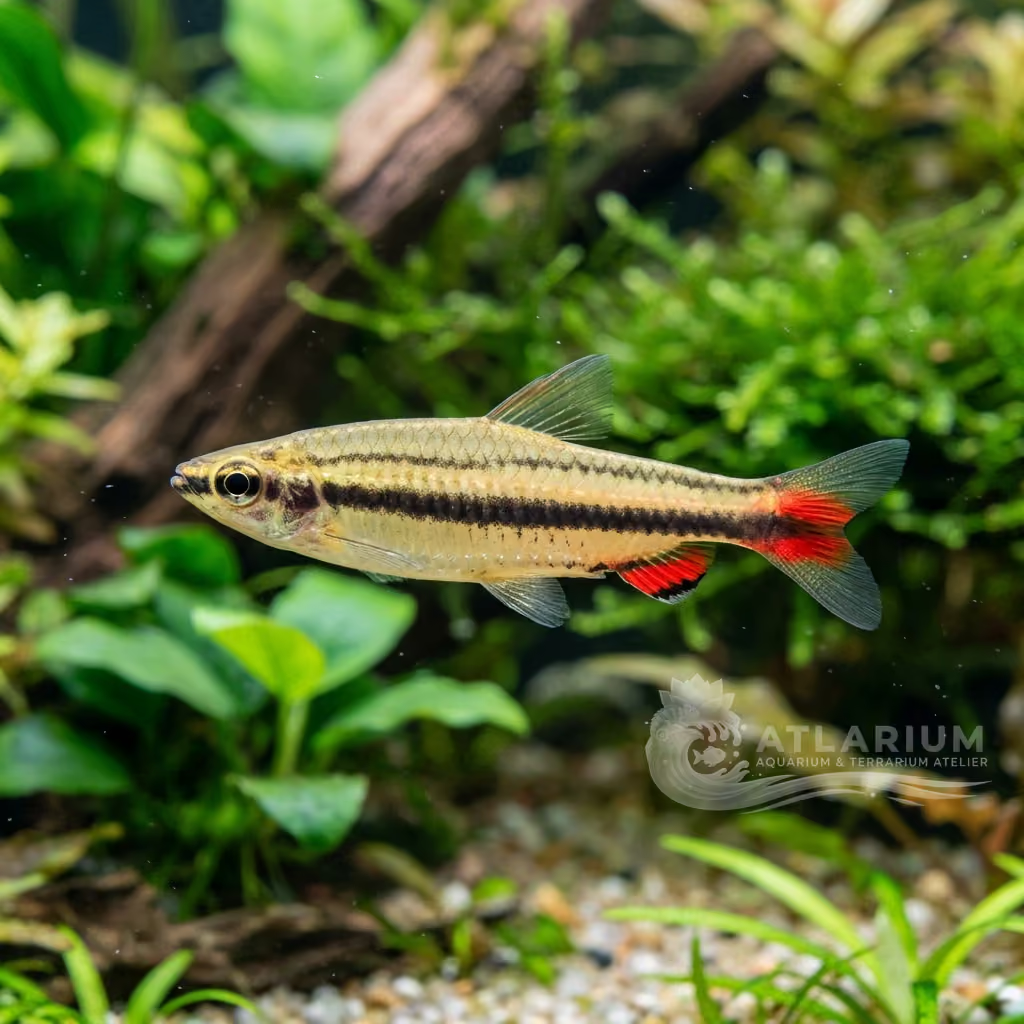
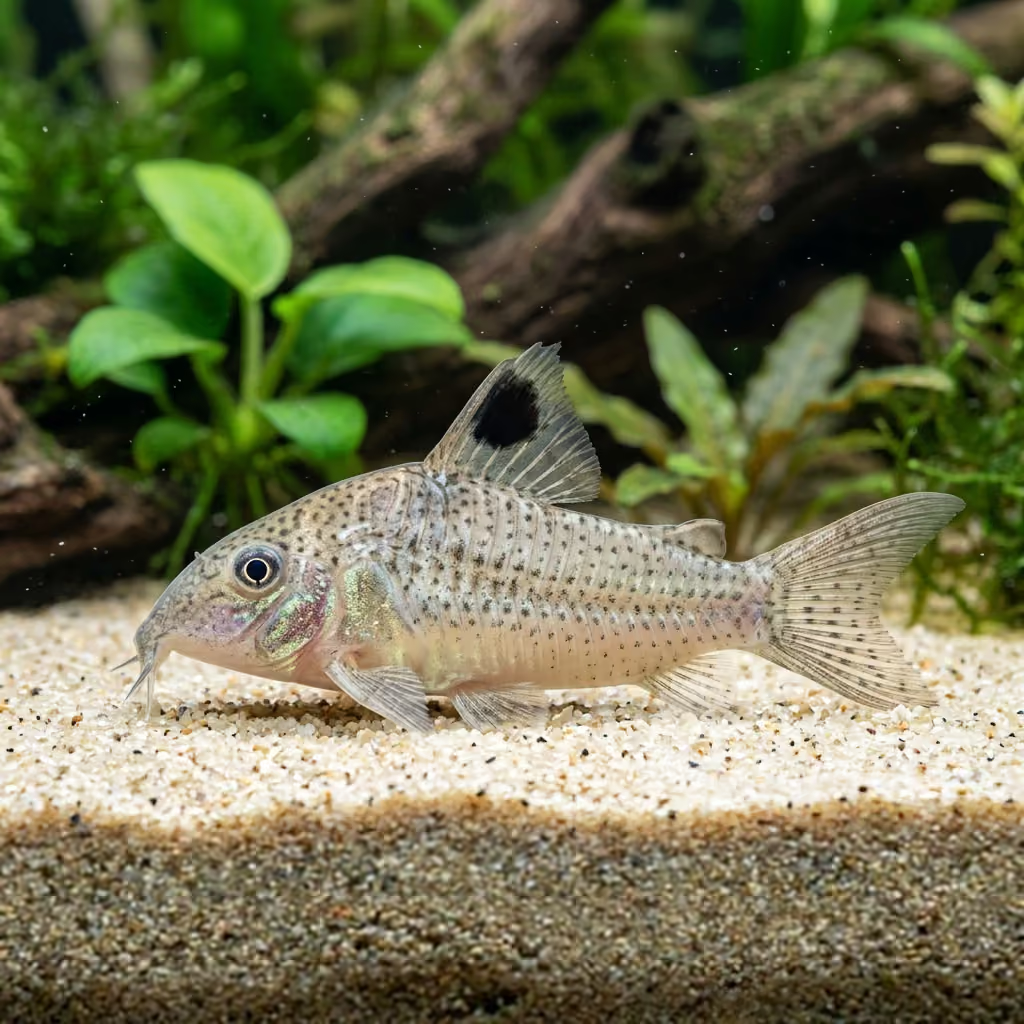
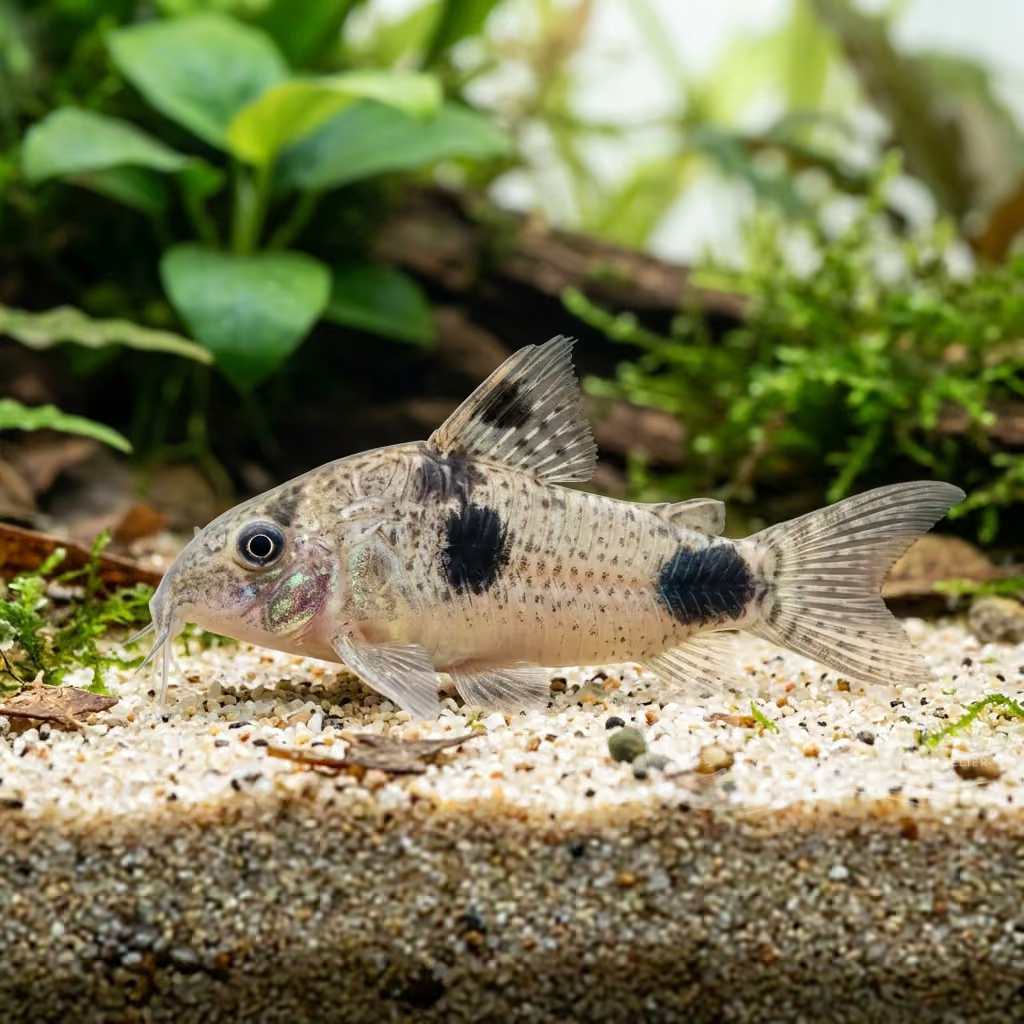
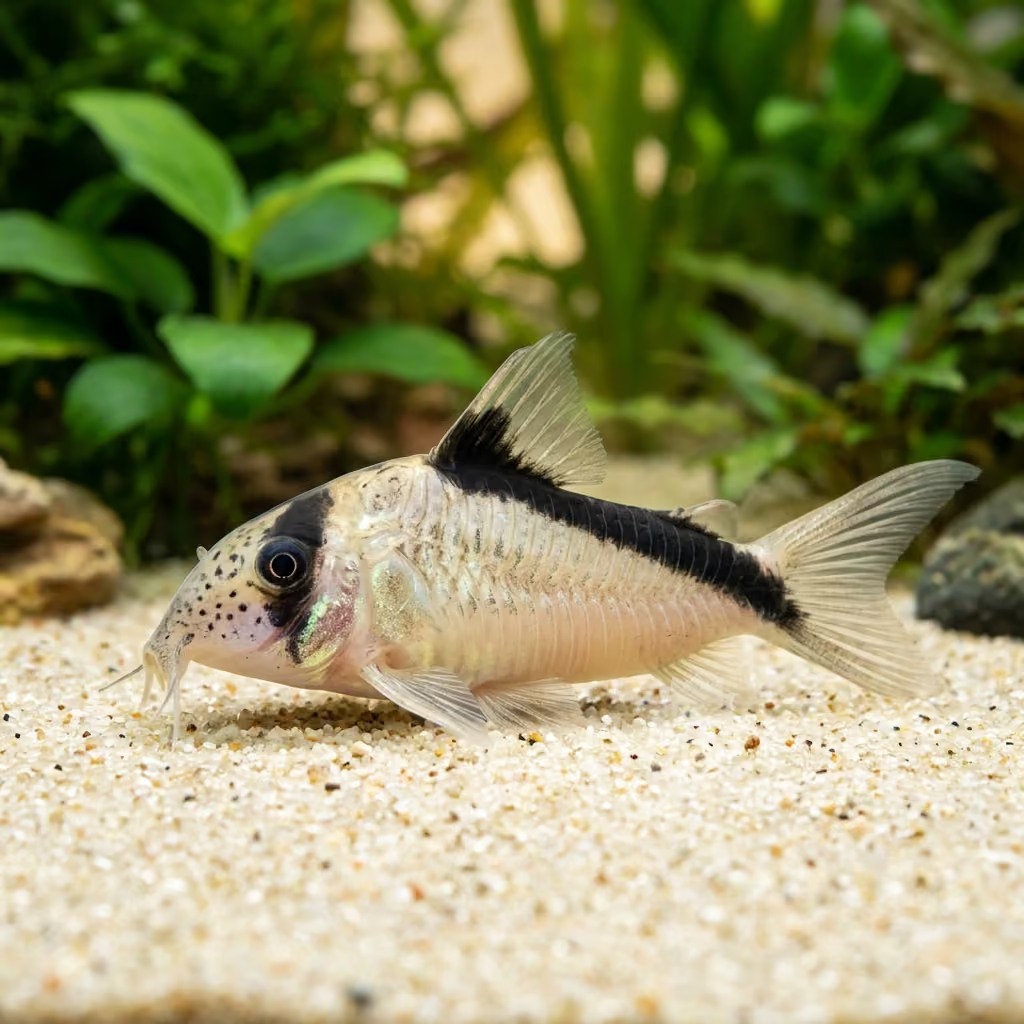
Coloration and Sexual Dimorphism: Translucent silvery-olive body, crossed by a marked and characteristic horizontal black stripe that goes from the snout to the caudal fin. The male develops unpaired fins (dorsal, anal) with very prolonged red tips and is more slender than the female.

Care, breeding and tankmates
Aquarium Setup: Requires a well-planted tank of at least 60-80 cm (24-32 inches), with dim lighting shielded by abundant floating plants (e.g. Pistia). Dark bottom and intricate branches will recreate the necessary sense of security. Tight lid.
Diet and Feeding: Micro-predator. Particularly appreciates small crustaceans and insects (brine shrimp, daphnia, mosquito larvae). In the aquarium it quickly gets used to very fine granules or crushed flakes, preferring to feed in mid-water.
Water Quality: Excels in decidedly soft (very low GH) and acidic (pH 5.5-6.5) waters, colored by tannins extracted from peat or dry leaves. Extremely intolerant to nitrates and chemical fluctuations due to lack of maintenance.
Compatibility and Cohabitation: Perfect candidate for peaceful and slow Amazonian biotopes. Ideal tankmate for Nannostomus (pencil fish), small Paracheirodon (Neons) and dwarf Cichlids (Apistogramma). Avoid restless fish (e.g. Danios) that would stress them to death.
Aquarium Breeding: Unlike C. arnoldi, it spawns "normally" *underwater*, laying eggs on the underside of a broad leaf (Anubias or Echinodorus). The male fiercely defends the leaf until hatching (24-48 hours).
Risks and Diseases: Very susceptible to external parasites (Oodinium) and fungi if kept in basic or hard tap water. Fragile in the initial acclimatization phase due to transport stress.

Geographic origin and distribution
Widely distributed in the Amazon and Rio Negro basins. Prefers slow forest streams, flooded forests (igapó) loaded with tannins ("blackwater") and extremely dense marginal vegetation.
Origin
Tropical oceans and reefsAmazon, Orinoco, and GuianasNorth AmericaEast Asia

Fish profile
- Temperament
- Semi-aggressive
- A fish with a peaceful and markedly gregarious temperament, which best expresses its natural behavior when kept in large groups of at least 8-10 individuals. They tend to occupy the upper and middle sections of the water column. A well-planted environment with filtered light will significantly reduce their natural shyness.
- Diet
- Omnivore
- They are carnivorous micro-predators that in nature feed on zooplankton and insects that fall into the water. In the aquarium, they require small protein foods such as daphnia, live or frozen brine shrimp, and small insects, though they also accept dry flake foods. The combination of live and high-quality dry food ensures intense coloration and a strong immune system.
- Life expectancy
- 4-5 years
- Adult size
- 4.5 cm
- Sex ratio
- Group
- A ratio of multiple females to a single male is strongly advised to maintain harmony within a group of Natterer's splash tetras. The males are highly driven to spawn and will constantly display to and chase the females in the aquarium. Spreading this reproductive attention across several females prevents extreme exhaustion and potential health decline in the females. A group of at least six individuals, heavily skewed towards females, provides the best behavioral outcomes.
- Feeding frequency
- Twice daily
- It is recommended to feed them 1 or 2 times daily, paying attention not to exceed the quantities. Frequent but small meals are ideal for preventing digestion-related problems and ensuring that all food is consumed before sinking. Uneaten leftovers on the bottom should be promptly removed to avoid pollutant spikes.
- Bioload
- Low
- Natterer's splash tetra contributes a very light bioload to the aquarium ecosystem due to its diminutive size. They are light eaters that require fine granular foods or small live foods, which translate to very little physical waste. A heavily planted tank paired with gentle filtration will effortlessly process their metabolic output. As with most small tetras, the primary risk to water quality comes from uneaten food rather than the fish's own biological processes.
- Flow
- Stagnant
- This species prefers calm waters with a weak to moderate water flow, typical of the slow forest streams in the Amazon basin. Too strong currents force the fish into fatiguing swimming, increasing their stress and reducing reproductive activity. It is good to shield the filter outlet using dense vegetation or submerged wood.
- Jump risk
- Yes
- The jump risk for Natterer's splash tetra is extraordinarily high, as leaping is an integral part of their natural predator evasion and hunting strategies. They are easily frightened and will instinctively launch themselves upward if they perceive a threat. A fully secured lid with no open gaps is an absolute necessity for their survival in captivity. Without proper cover, aquarists will inevitably find these fish dried up on the floor.
- Reproduction
- Oviparous
- Reproduction is based on submerged spawning, where eggs are attached to leaves of aquatic plants or roots near the surface. The male establishes a small, temporary territory around the chosen site and guards the eggs, attacking intruders. The use of a dedicated tank with very soft and acidic water is recommended to maximize hatching success.
- Compatibility & tankmates
- Peaceful
- Extremely peaceful, they are ideal companions for community aquariums containing quiet and similarly sized fish. They cohabit perfectly with cardinal tetras, small dwarf cichlids, otocinclus, and pencilfish. Because of their shy behavior, they should never be housed with large or aggressive tankmates that could frighten them.
- Tank level
- Middle
- Middle-Surface

Scientific Parameters & Models
FishBase
Window to the official scientific data of the species
FishBase v25.04Data synced on: 06/15/2026
- Trophic level
- 3.3 ± 0.4 se
- Phylogenetic uniqueness (PD50)
- 0.5156
- Bayesian Length-Weight
- a = 0.00646, b = 3.06
- VulnerabilityLow vulnerability (10 / 100)

Image gallery
Licensed images linked to the species or, when marked, to the closest representative taxon.

Related species
Recommendations grouped by close relatives, companion choices, and similar care.