Longsnout Seahorse
Hippocampus reidi
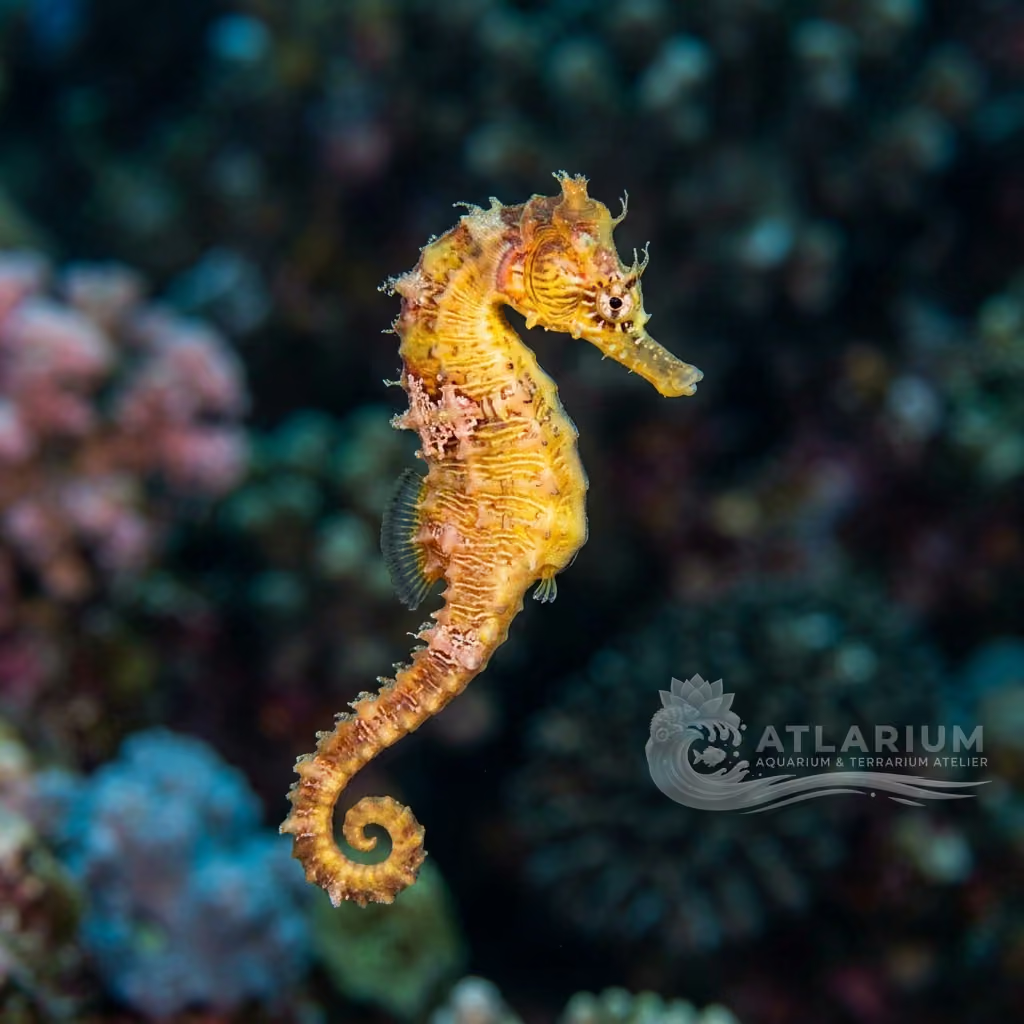
The longsnout seahorse (Hippocampus reidi) is a slender and colorful marine species highly sought after by experienced aquarists for its elegant posture and elaborate courtship displays.
Water Temperature
22 - 26 °C
pH Value
8.1 - 8.4
Water type
Marine
Tank level
Bottom and middle
Adult size
18 cm
Minimum tank volume
>= 100 L
Minimum group
>= 2

Species description
Geographical Origin and Habitat: Distributed in the western Atlantic Ocean, from North Carolina (USA) and Bermuda to southern Brazil, including the Caribbean Sea and the Gulf of Mexico. Found in shallow coastal waters, lagoons, and mangroves.
Taxonomy and Morphology: Member of the family Syngnathidae. Characterized by a slender body profile and a notably long snout. Can grow up to 15-18 cm in length. Lacks true scales, having instead a series of bony rings covering the body, and possesses a highly prehensile tail.
Social Behavior: Peaceful, shy, and social. Often found in pairs or small groups. Spends most of the day anchored to vertical structures, moving slowly and using its keen eyesight to locate passing micro-prey.
Coloration and Sexual Dimorphism: Highly variable and brilliant coloration, ranging from bright yellow, orange, and red to brown or black, often covered with tiny white or dark spots. Mature males possess a smooth brood pouch on the underside of the tail base, which is absent in females.

Care, breeding and tankmates
Aquarium Setup: Requires a dedicated aquarium of at least 120-150 liters (30-40 gallons) for a pair, with a tall design (at least 50-60 cm high) to accommodate their vertical mating dance. Water flow must be gentle, and numerous hitching posts like dried gorgonians or synthetic branches are required.
Diet and Feeding: Specialized carnivore. Captive-bred specimens readily accept frozen mysis shrimp and enriched brine shrimp, but must be fed 2-3 times daily due to their primitive digestive tract that lacks a true stomach. Wild-caught individuals require live food.
Water Quality: Needs clean, stable marine water parameters: temperature 22-25°C (72-77°F; temperatures above 26°C/79°F are stressful), pH 8.1-8.4, salinity 1.020-1.025 SG, and nitrates under 10 ppm. Robust biological filtration and regular water changes are vital.
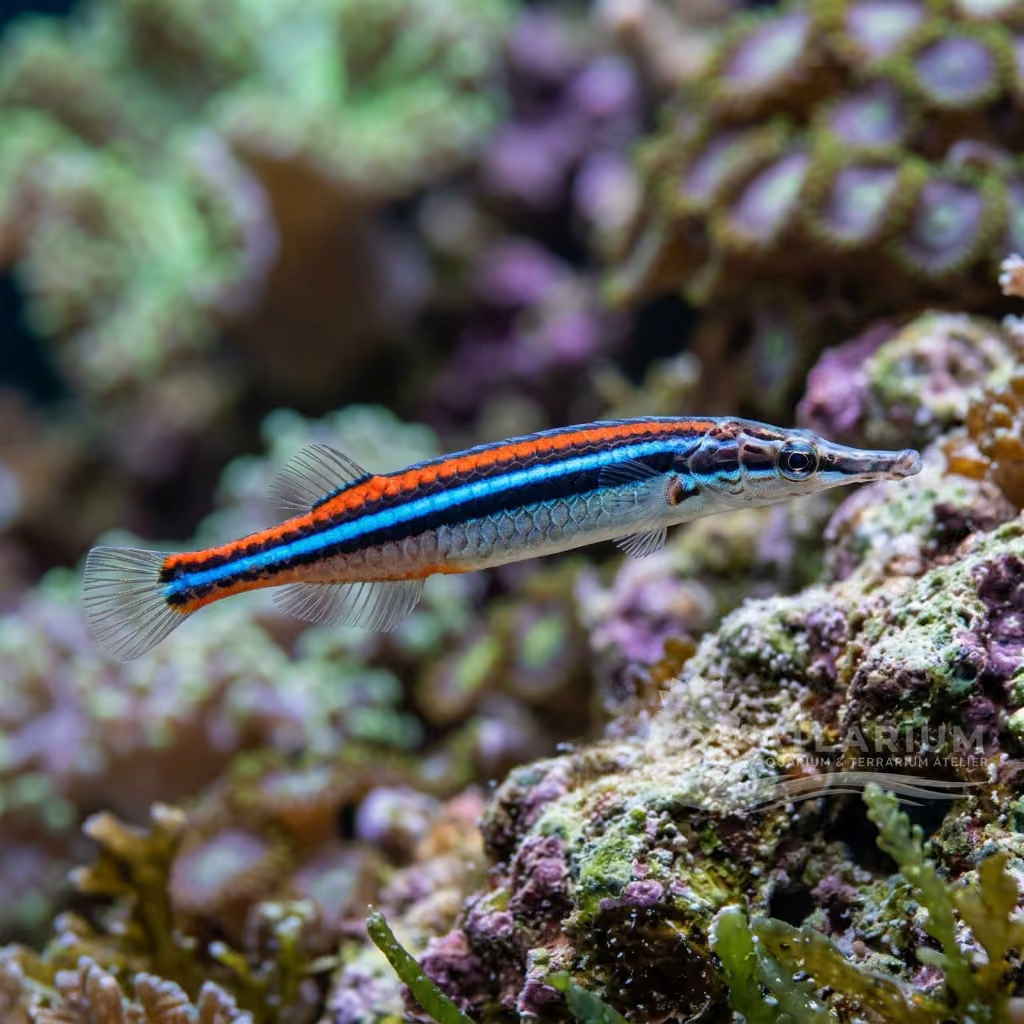
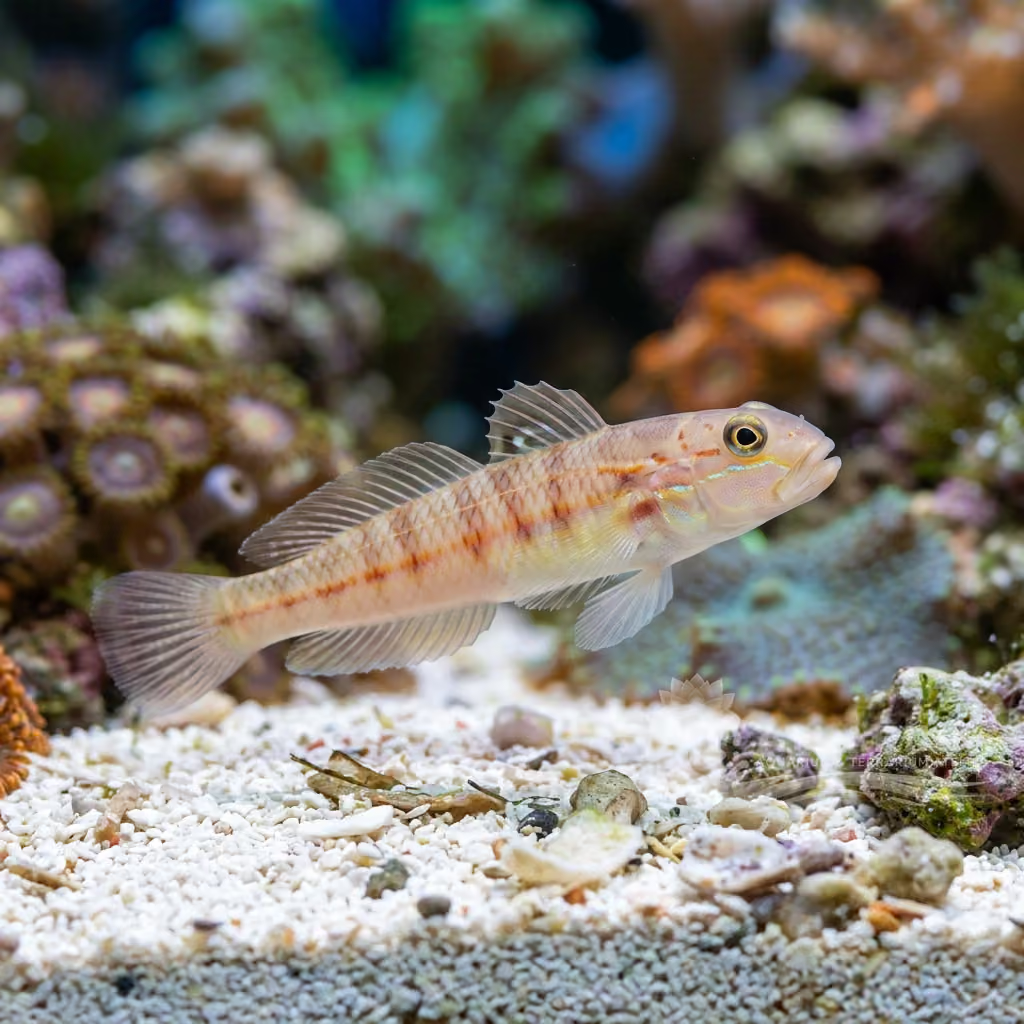
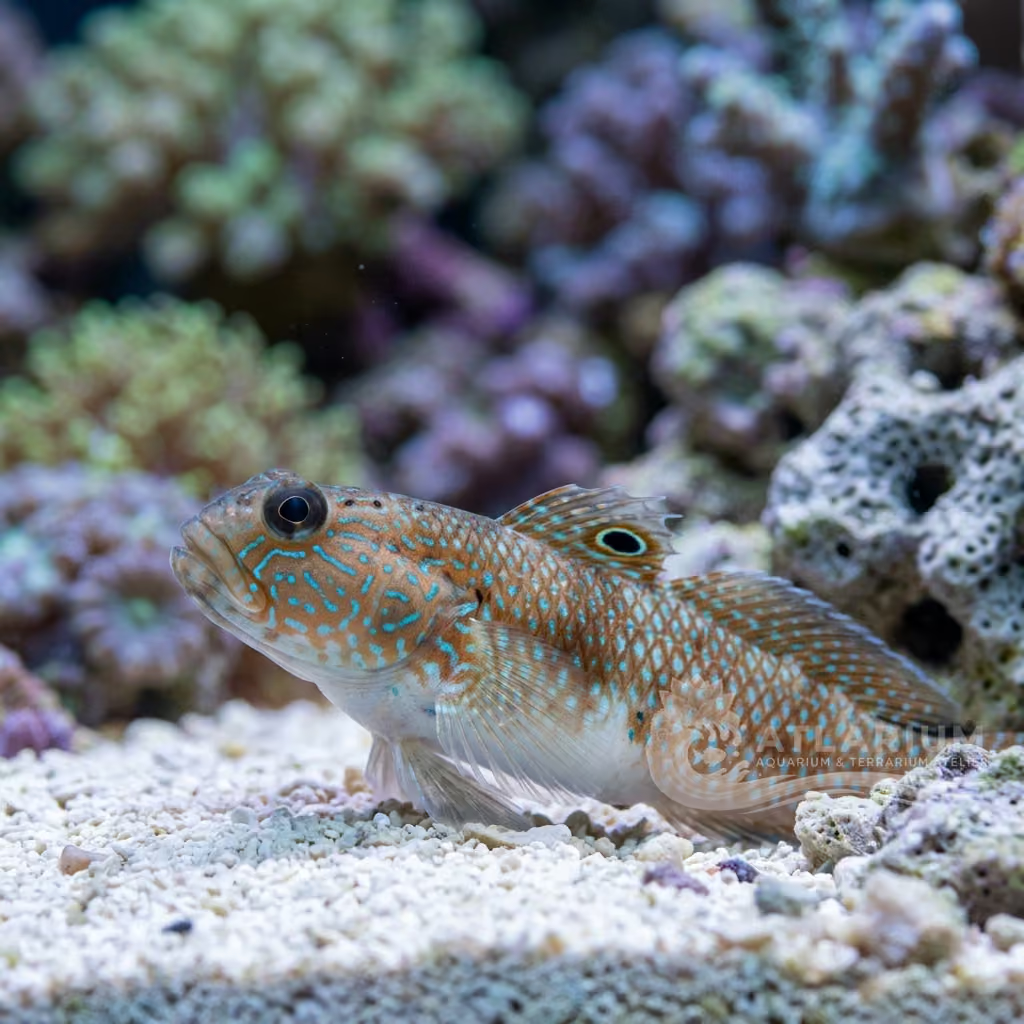
Compatibility and Cohabitation: Best housed in a species-only tank or with very slow, peaceful tankmates such as pipefish, small gobies (e.g., *Gobiodon*), or dragonets. Keep away from fast-swimming, aggressive fish, and stinging anemones or corals.
Aquarium Breeding: Frequently breeds in captivity. The female deposits eggs into the male's pouch during a vertical dance. The male incubates them for 2-3 weeks before releasing hundreds of pelagic fry. Raising the fry is challenging, requiring dense cultures of live rotifers and copepods.
Risks and Diseases: Prone to bacterial infections, snout rot, and gas bubble disease. Sudden temperature swings and accumulation of organic waste are major triggers. A secure lid is recommended to prevent jumping and slow evaporation swings.

Geographic origin and distribution
Distributed in the western Atlantic Ocean, from North Carolina (USA) and Bermuda to southern Brazil, including the Caribbean Sea and the Gulf of Mexico. Found in shallow coastal waters, lagoons, and mangroves.
Origin
Tropical oceans and reefsExtra-Amazon South AmericaCentral America and CaribbeanNorth AmericaEast Asia

Fish profile
- Temperament
- Peaceful
- Known for being extremely peaceful and slow-moving, they are the ultimate peaceful marine inhabitants. They show no aggression towards any other species, focusing entirely on hunting tiny crustaceans. Male seahorses may occasionally posture at one another during mating season, but it rarely results in injury. Their delicate nature means the aquarist must actively protect them from any form of stress.
- Diet
- Carnivore
- The Longsnout seahorse is strictly carnivorous and requires a diet rich in small crustaceans. In captivity, they must be trained to eat frozen mysis shrimp, which will form the staple of their diet. The mysis should be enriched with vitamins and highly unsaturated fatty acids (HUFAs) to prevent nutritional deficiencies. Live foods like copepods and adult brine shrimp can be offered occasionally as a treat.
- Life expectancy
- 1-4 years
- Adult size
- 18 cm
- Sex ratio
- Pair
- Sexing the Longsnout seahorse is relatively straightforward once they reach maturity. Males develop a distinct brood pouch on their lower abdomen, while females maintain a smooth profile. They are best kept in true pairs or small groups with an equal ratio of males to females. They are highly social and often form strong pair bonds, greeting each other daily with elaborate dances.
- Feeding frequency
- 2-3 times daily
- Seahorses lack a true stomach and possess a very short, inefficient digestive tract. Therefore, the Longsnout seahorse must be fed small amounts at least two to three times every single day. Using a feeding station or a target feeding method ensures they get enough food without creating excessive waste. Missing even a few days of feeding can severely compromise their health.
- Bioload
- Low to Medium
- The Longsnout seahorse has a surprisingly high bioload considering its relatively sedentary nature. This is primarily due to their need for heavy, frequent feedings of meaty foods, which leads to uneaten food decaying in the tank. A robust filtration system and an oversized protein skimmer are highly recommended. Frequent siphoning of the substrate and regular water changes are required to keep water pristine.
- Flow
- Weak
- Gentle to moderate water flow is absolutely critical for the Longsnout seahorse. They are very weak swimmers and can easily be battered against the rockwork by strong currents. The flow should be just enough to keep the water oxygenated and prevent detritus from settling. Providing numerous hitching posts in areas of low flow allows them to rest comfortably.
- Jump risk
- No
- Reproduction
- Oviparous
- Breeding the Longsnout seahorse in captivity is a common and highly rewarding experience for dedicated hobbyists. The male seahorse uniquely carries the fertilized eggs in a specialized brood pouch until they hatch. After a gestation period of a few weeks, the male expels fully formed, miniature seahorses. Raising the fry requires dedicated nursery tanks and a constant supply of live rotifers and newly hatched artemia.
- Compatibility & tankmates
- Peaceful
- Seahorses are extremely delicate and must be kept in a dedicated species-only tank or with very peaceful, slow-moving companions. The Longsnout seahorse cannot compete for food with fast-swimming fish and will easily starve in a standard community tank. Safe tank mates include pipefish, small peaceful gobies, and non-stinging corals like gorgonians. Avoid any aggressive fish, crabs, or corals with potent stinging tentacles.
- Tank level
- Middle/Bottom
- The Longsnout seahorse utilizes all levels of the aquarium depending on the placement of their hitching posts. They prefer vertical tanks over horizontal ones, as they enjoy moving up and down the water column during courtship. They spend the vast majority of their time hitched to macroalgae, gorgonians, or artificial decorations. Providing a tall structure encourages their natural vertical swimming behavior.

Related species
Recommendations grouped by close relatives, companion choices, and similar care.