
Encyclopaedia
Estuary Wrasse
Halichoeres aestuaricola
The estuary wrasse is a unique Eastern Pacific species that adapts to marine and brackish waters. Known for exploring mangroves, this active swimmer requires a deep sand bed to safely burrow.
Share
Check out Estuary Wrasse on Atlarium
22 - 28 °C
7.8 - 8.4
Marine / Brackish
Bottom
18 cm
>= 250 L
>= 1
Species description
Care, breeding and tankmates
Geographic Origin and Distribution
Origin
Fish profile
- Temperament
- Territorial
- Diet
- Carnivore
- Sex ratio
- Solitary
- Feeding frequency
- Twice daily
- Bioload
- The bioload produced by this fish is considered moderate. They are very active swimmers and consume a significant amount of food, producing a fair amount of waste in return. Regular water changes and strong biological filtration are necessary to maintain pristine water quality. Protein skimmers are highly recommended for marine setups housing these energetic wrasses.
- Flow
- Moderate
- Jump risk
- Yes
- Reproduction
- Oviparous
- Compatibility & tankmates
- Community
- Tank level
- Bottom
Window to the official scientific data of the species
Scientific Parameters & Models
- Trophic level
- 3.5 ± 0.5 se
- Resilience
- High (less than 15 months)
- Phylogenetic uniqueness (PD50)
- 0.5
- Bayesian Length-Weight
- a = 0.01, b = 3.09
Image gallery
Licensed images linked to the species or, when marked, to the closest representative taxon.
Related species
Recommendations grouped by close relatives, companion choices, and similar care.
Variants and close relatives
Same atlas type, nearby scientific identity, genus, or family.
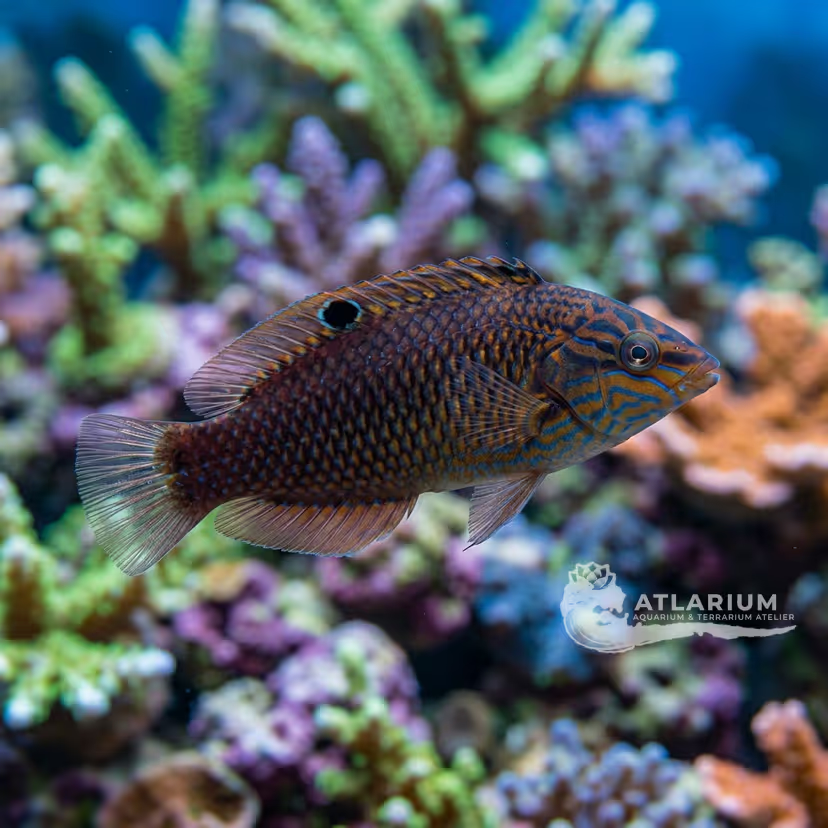
Black Wrasse
Halichoeres adustus

Blackear Wrasse
Halichoeres poeyi
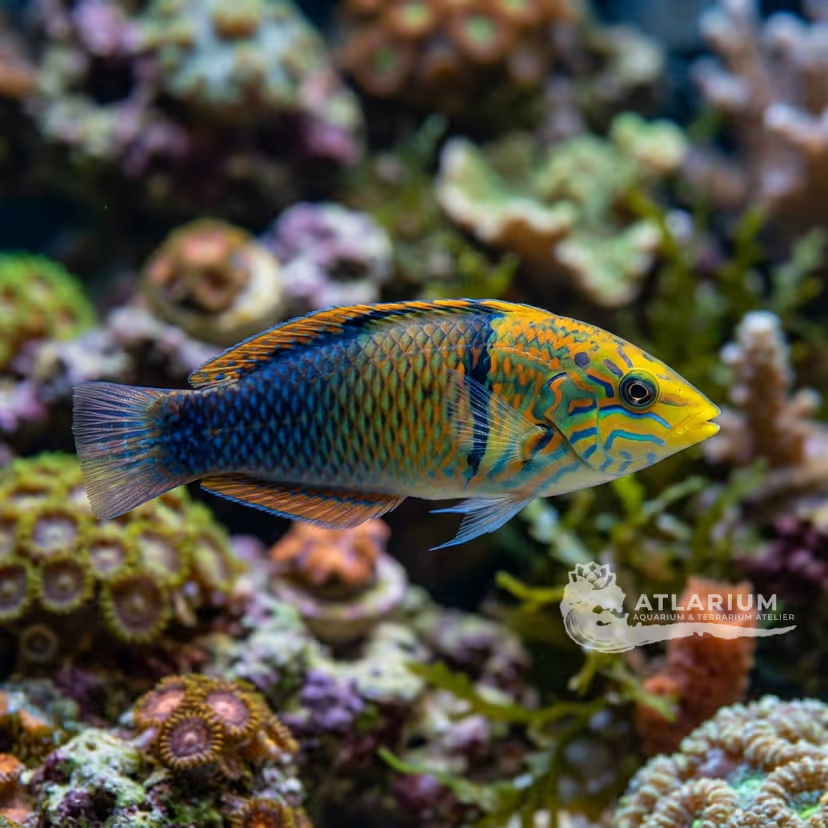
Clown wrasse
Halichoeres maculipinna
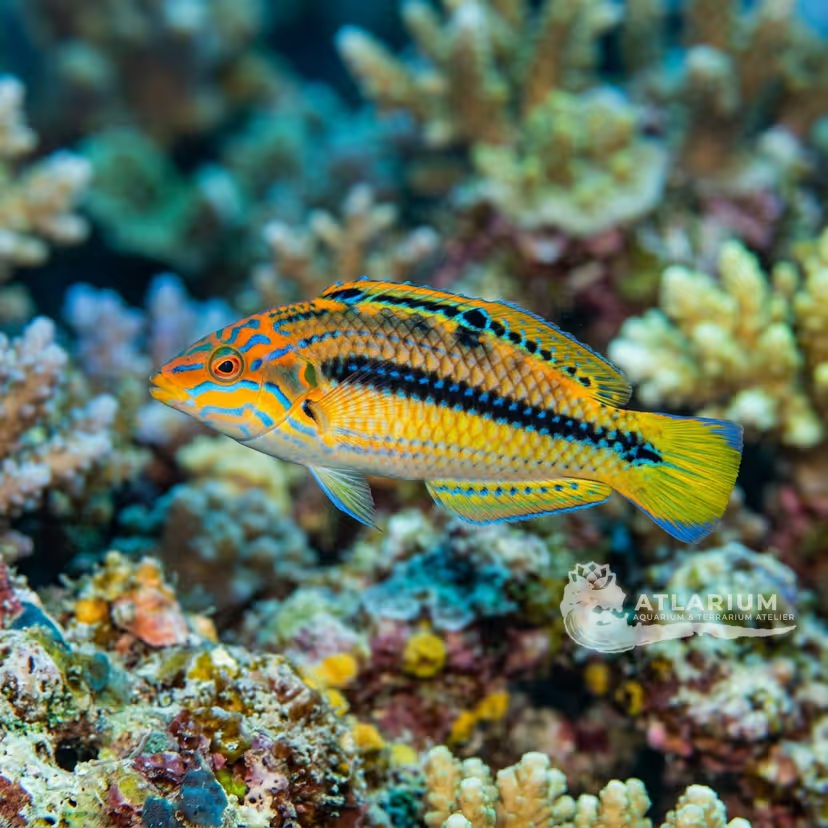
Cocos Girdled Wrasse
Halichoeres discolor

Butterfly wrasse
Halichoeres papilionaceus
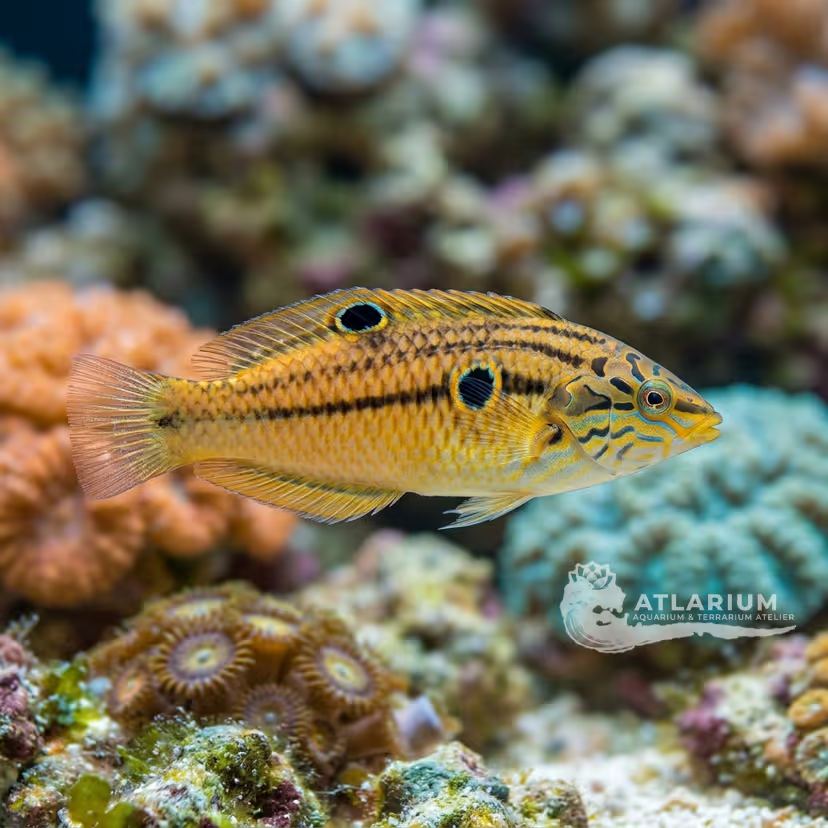
Golden-ear Wrasse
Halichoeres melanotis
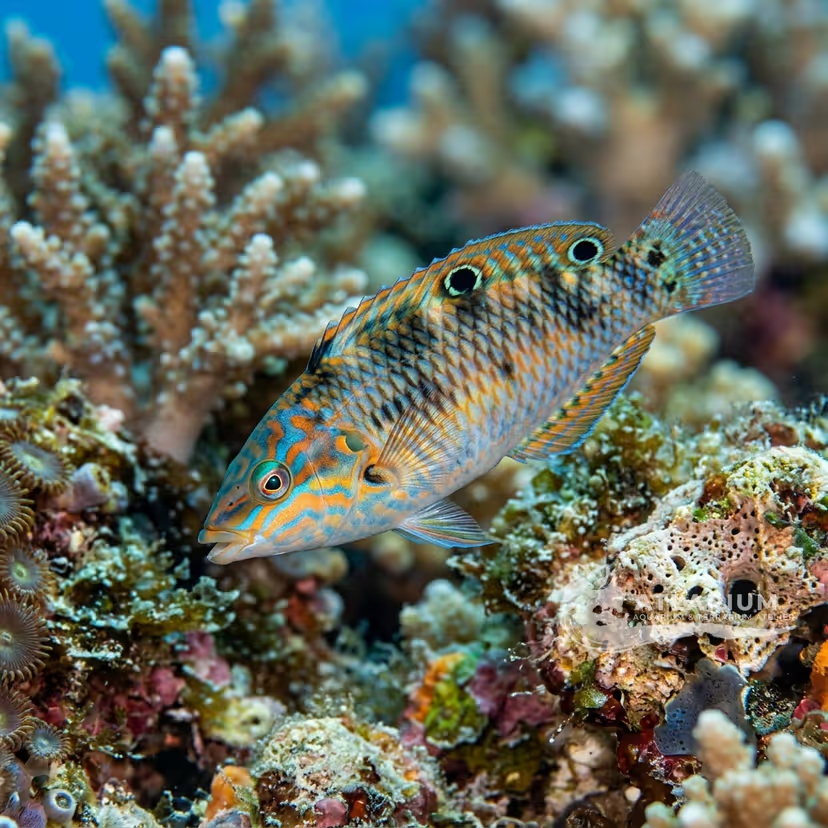
Wounded Wrasse
Halichoeres chierchiae
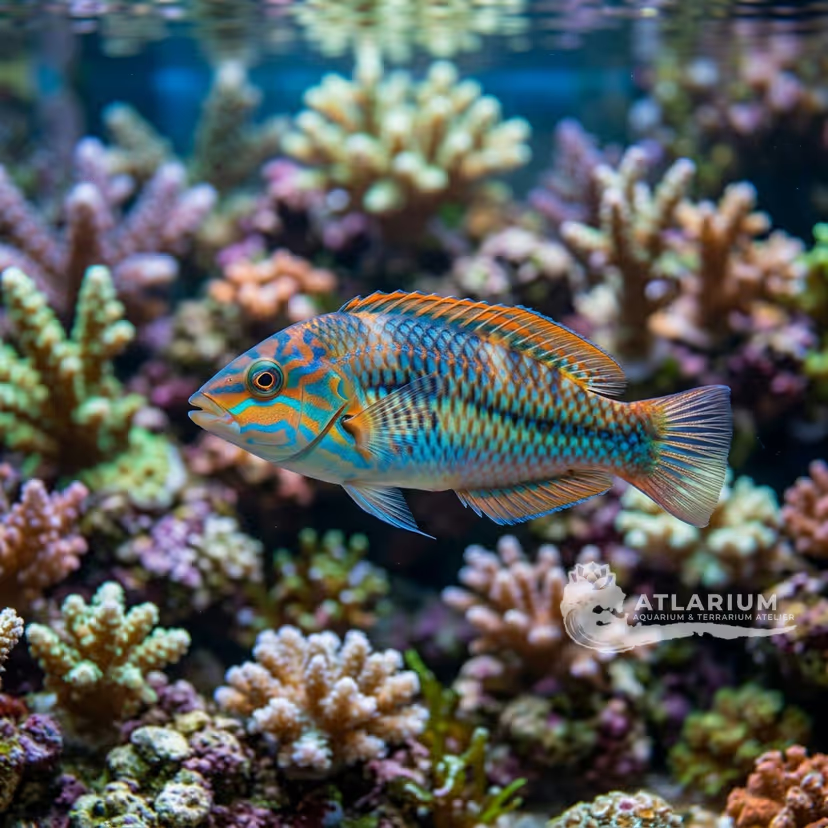
Chameleon Wrasse
Halichoeres dispilus
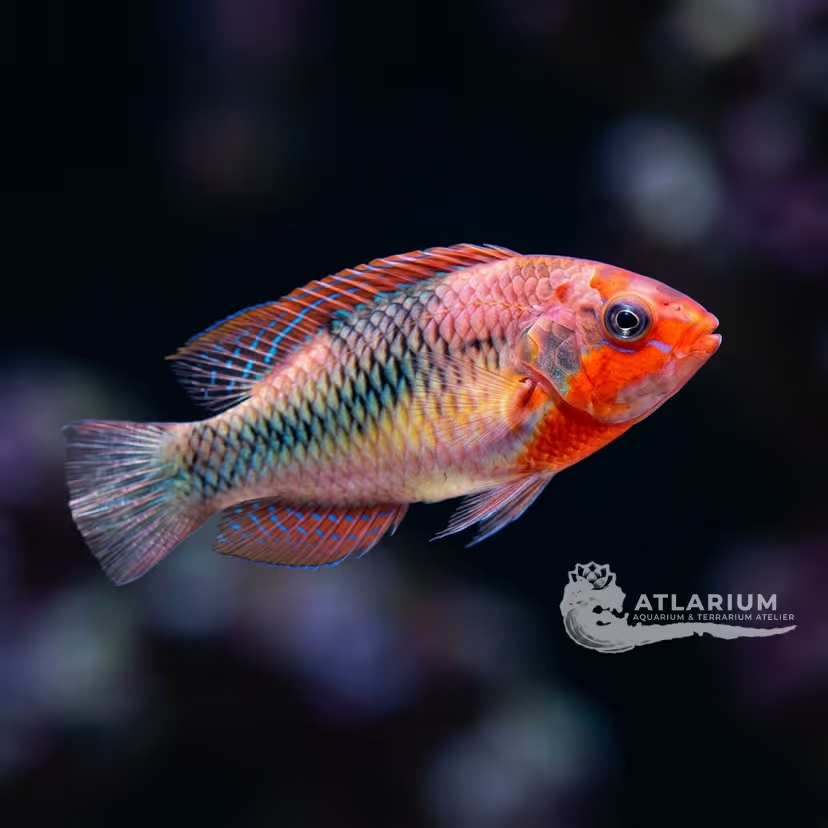
Red-scaled Fairy Wrasse
Cirrhilabrus rubrisquamis
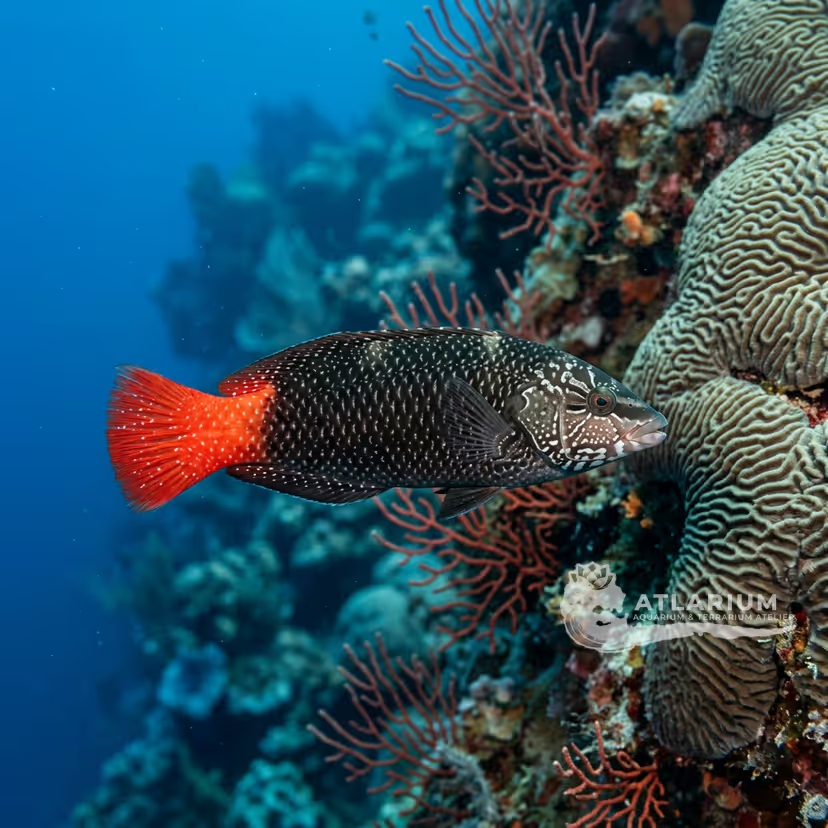
Redtail wrasse
Anampses chrysocephalus
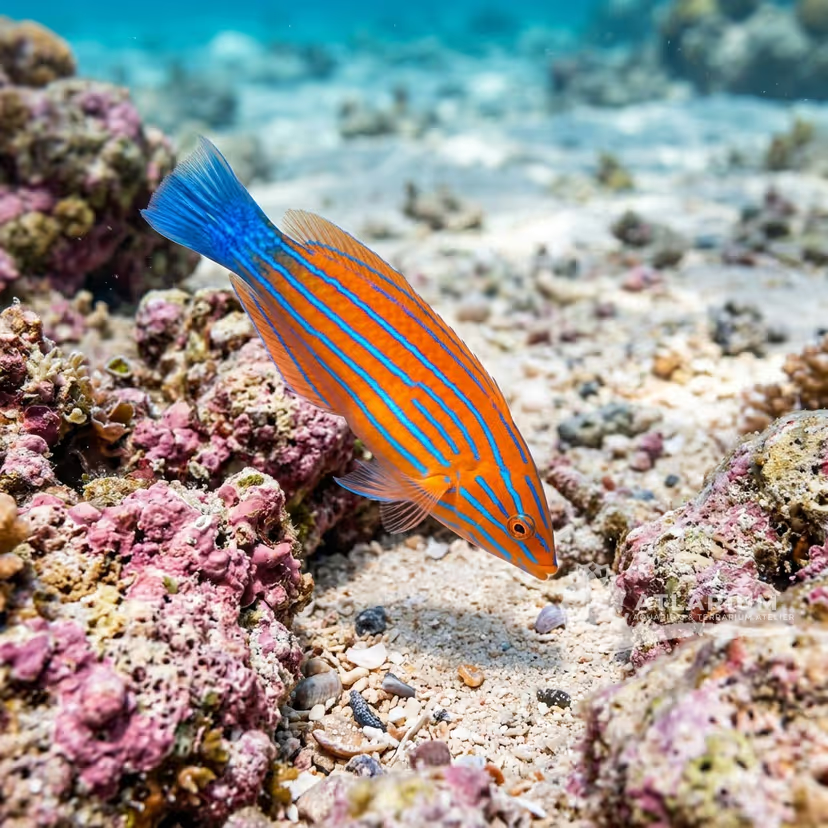
Feminine Wrasse / Blue-tail Wrasse
Anampses femininus
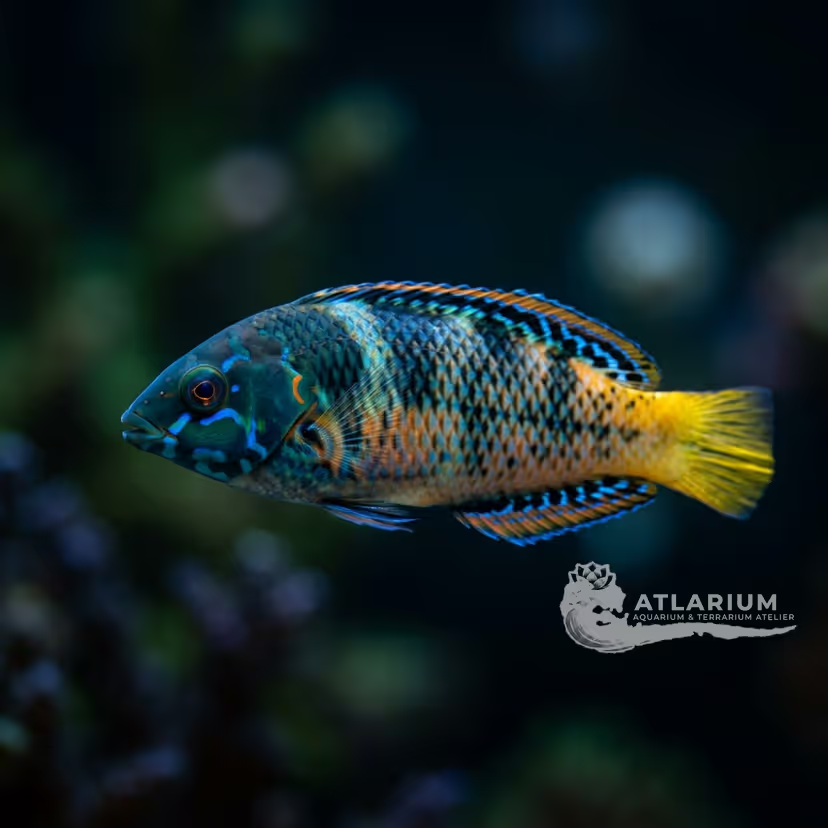
Clown wrasse
Coris aygula
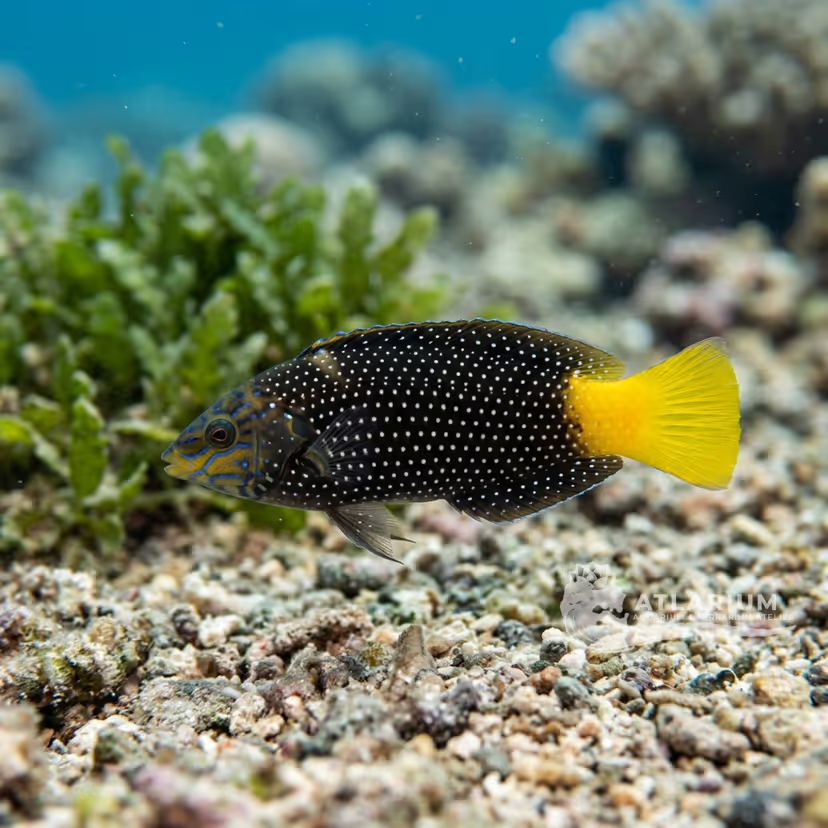
Yellowtail Wrasse
Anampses meleagrides
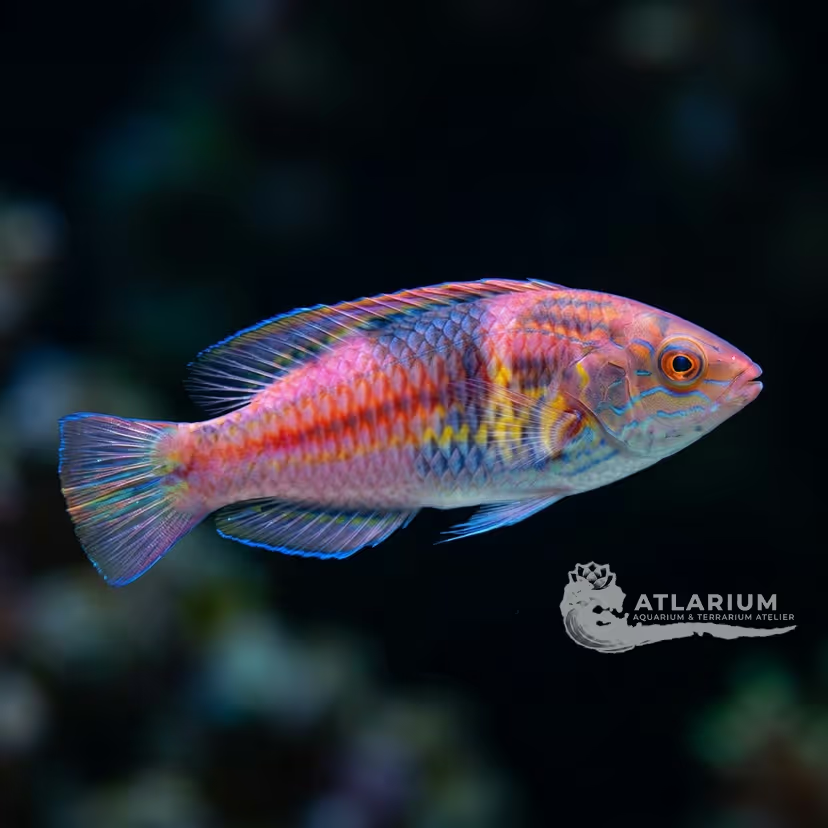
Pink-banded Fairy Wrasse
Cirrhilabrus roseafascia

Yellowtail Coris
Coris gaimard
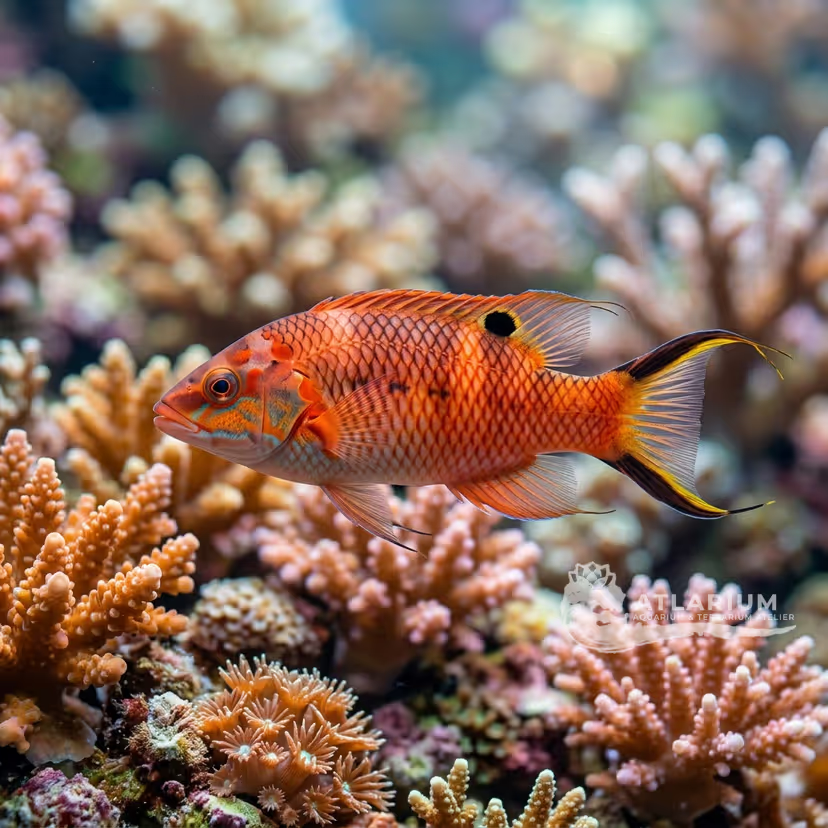
Crescent-tail Hogfish
Bodianus sepiacaudus
Recommended companions
Compatible cards from coherent ecosystems with matching parameters.

Caulerpa prolifera
Caulerpa prolifera
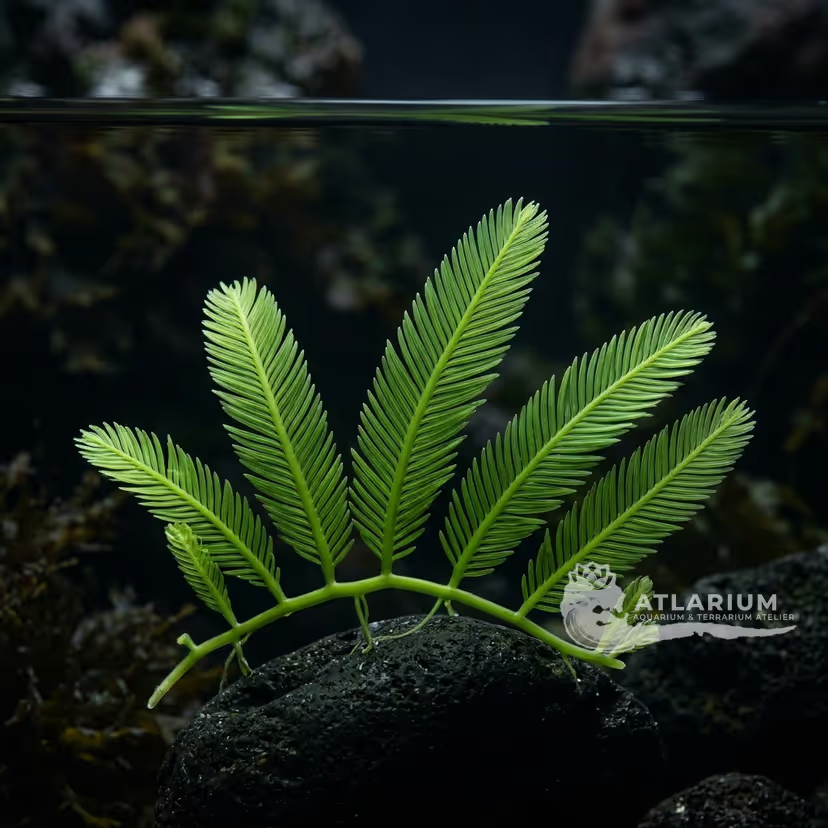
Caulerpa taxifolia
Caulerpa taxifolia
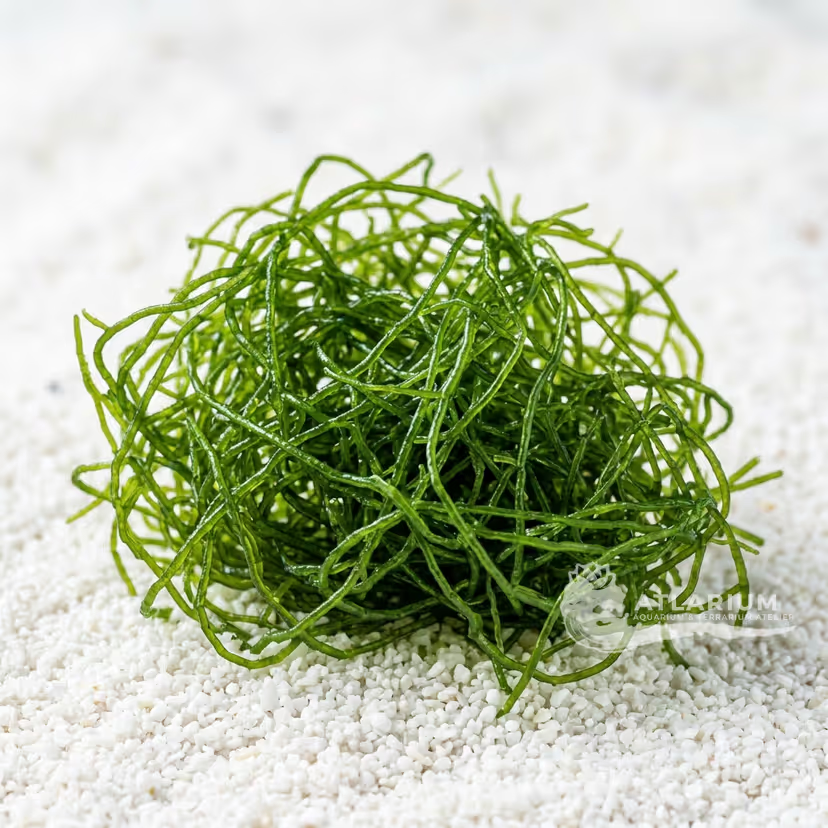
Chaetomorpha macroalgae
Chaetomorpha linum

Dead man fingers algae
Codium fragile

Grape caulerpa
Caulerpa racemosa

Halimeda macroalgae
Halimeda opuntia

Peacock tail algae
Padina pavonica

Red gracilaria
Gracilaria parvispora

Red grape algae
Botryocladia uvaria

Sea lettuce
Ulva lactuca

Ciliated Cryptocoryne
Cryptocoryne ciliata

Red Mangrove
Rhizophora mangle
Similar care
Cards with similar requirements, difficulty, habitat, and husbandry profile.
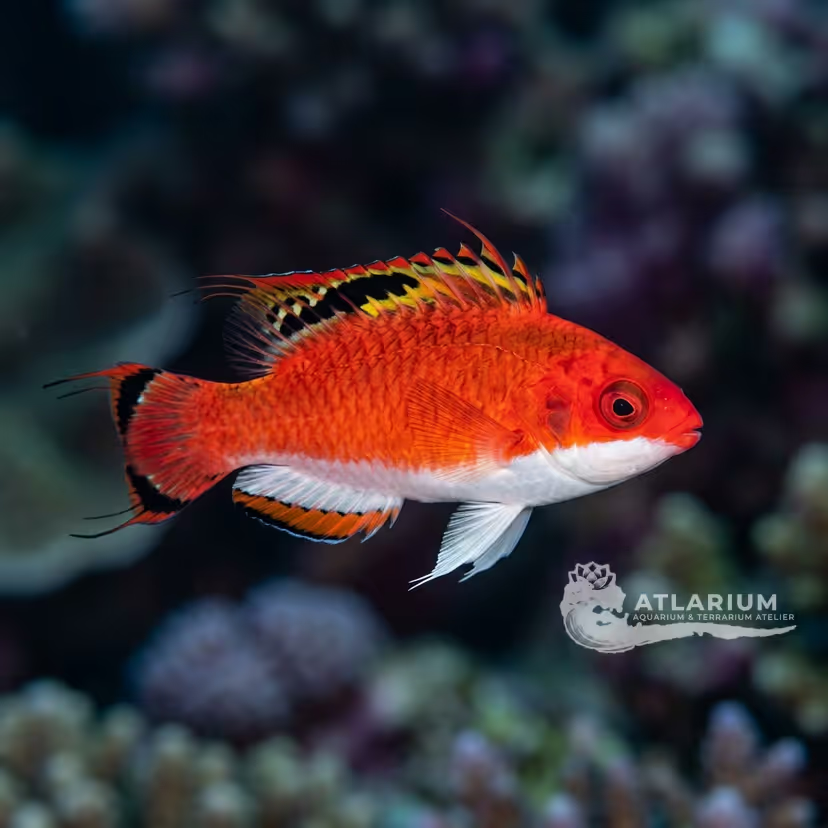
Conde's wrasse
Cirrhilabrus condei

Elegant coris
Coris venusta

Eyebar goby
Gnatholepis anjerensis
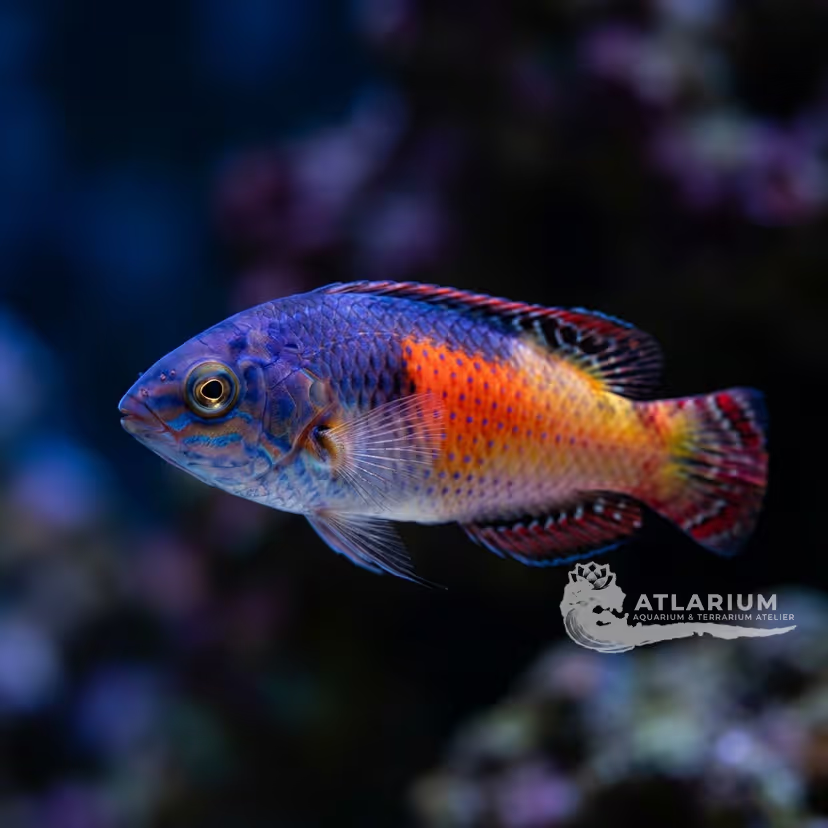
Girdled Wrasse
Cirrhilabrus balteatus
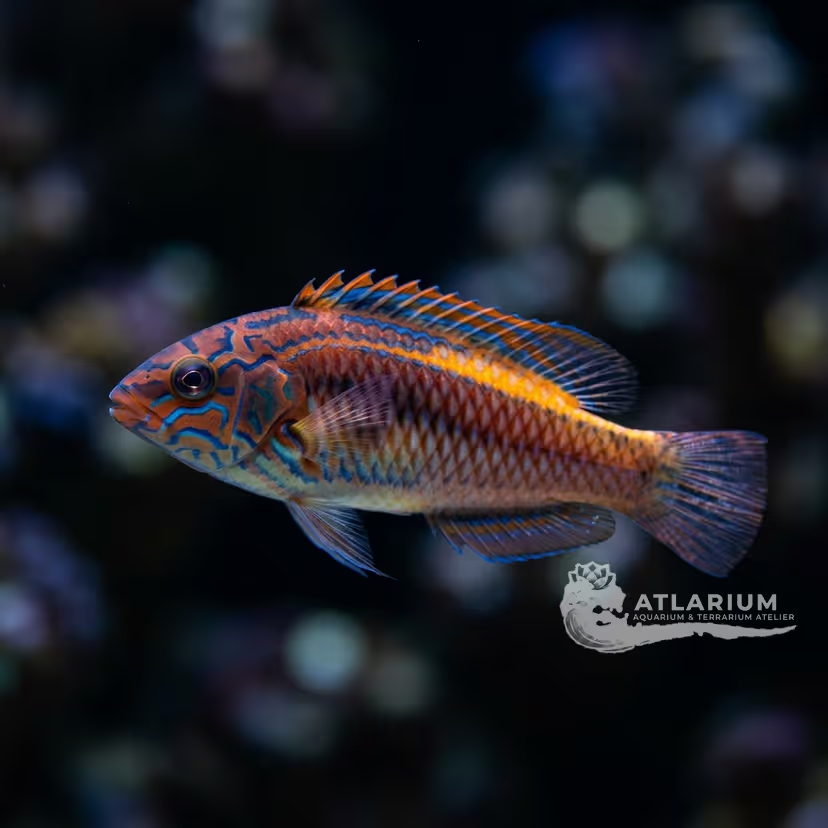
Labout's Fairy Wrasse
Cirrhilabrus laboutei
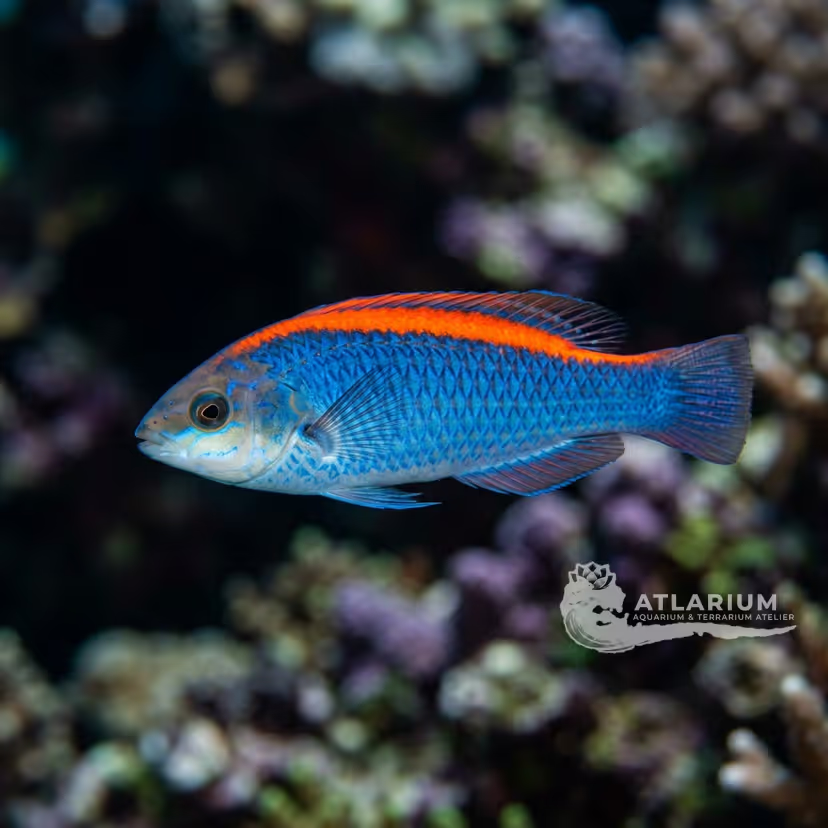
Orange-back Fairy Wrasse
Cirrhilabrus aurantidorsalis
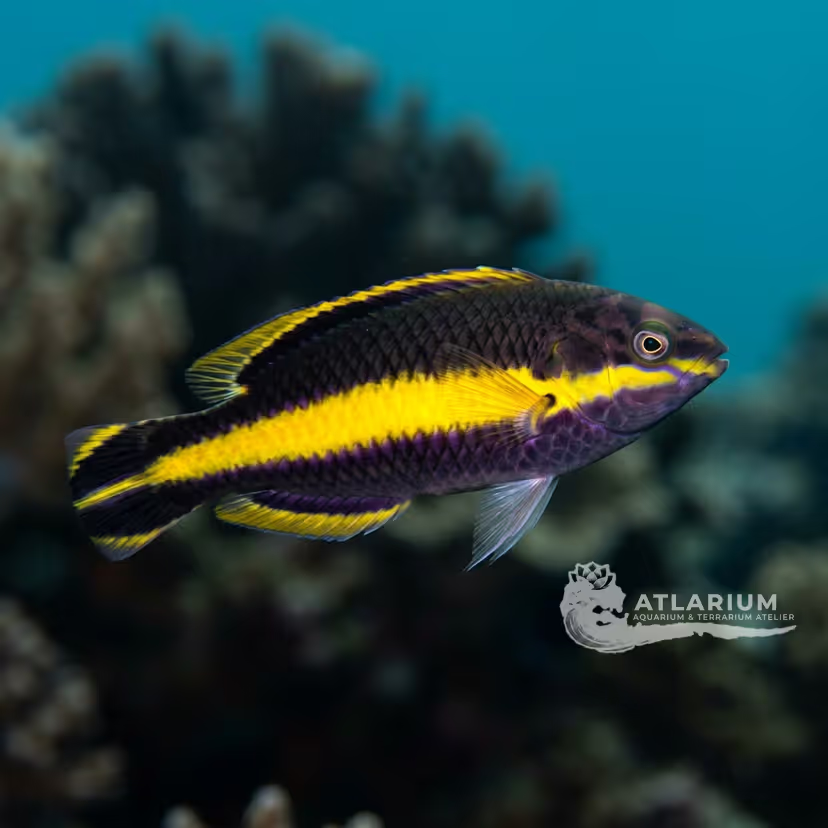
Yellowband Wrasse
Cirrhilabrus luteovittatus
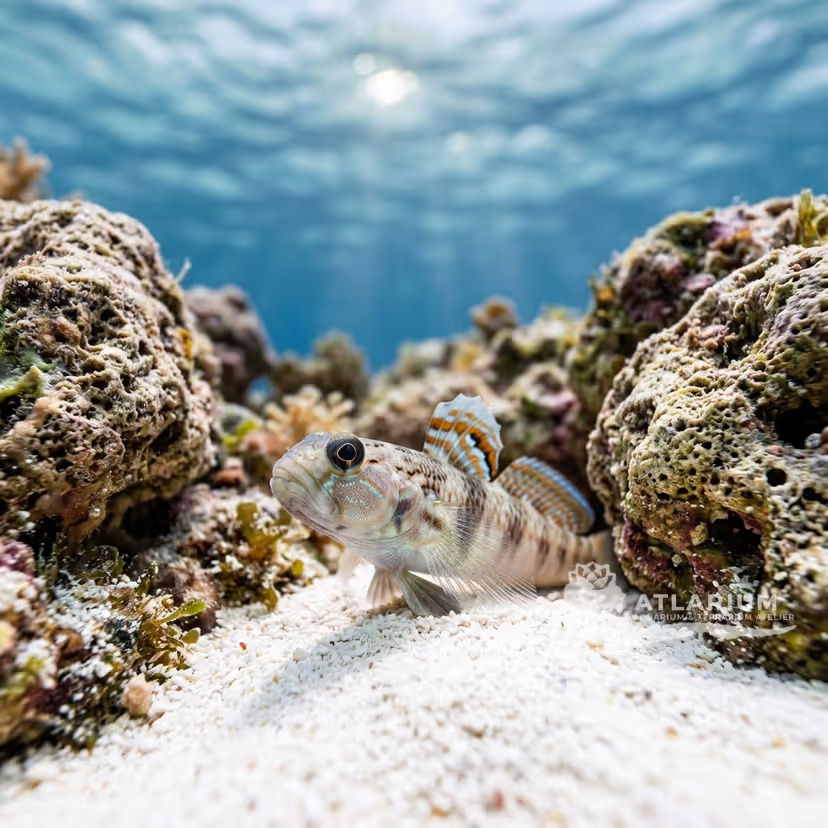
Downing's Shrimpgoby
Amblyeleotris downingi
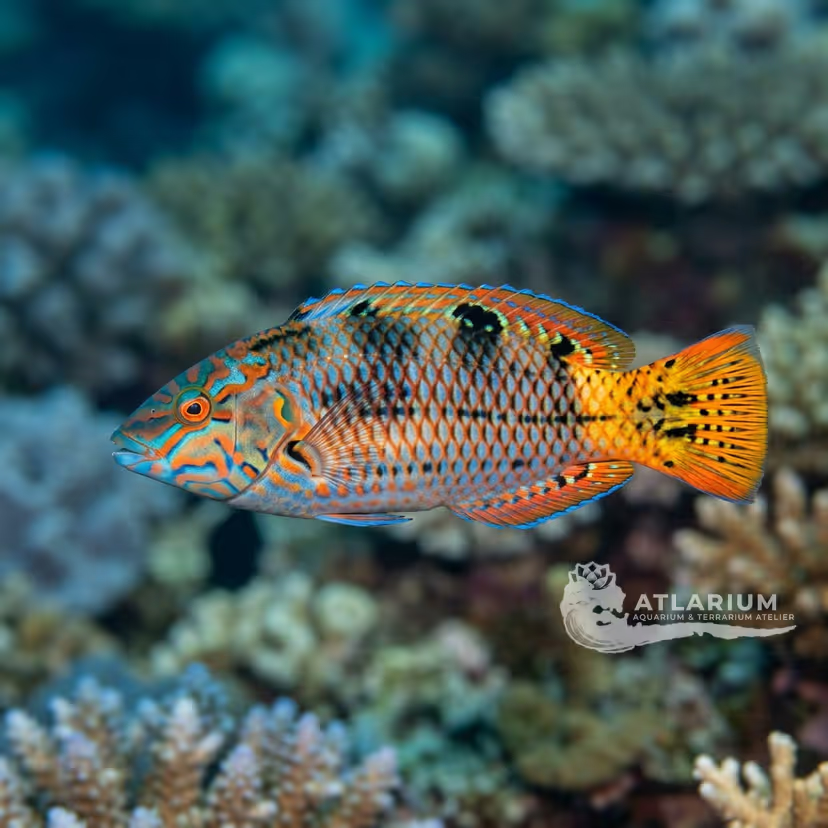
New Guinea wrasse
Anampses neoguinaicus

Bleeker's Shrimpgoby
Amblyeleotris bleekeri

Brian Greene's Fairy Wrasse
Cirrhilabrus briangreenei
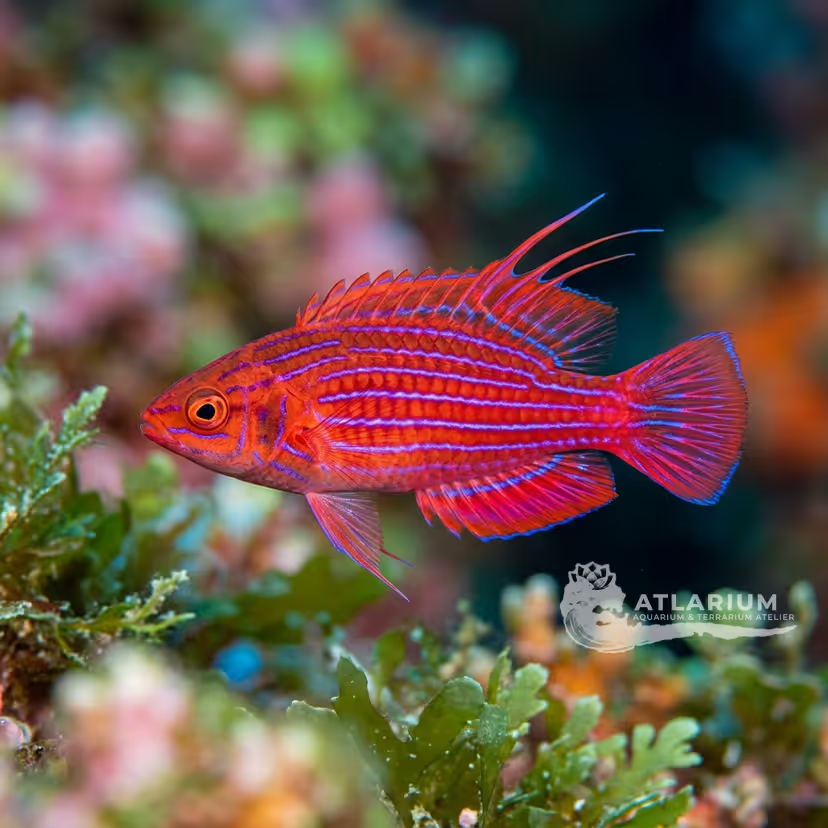
Eightline flasher wrasse
Paracheilinus octotaenia
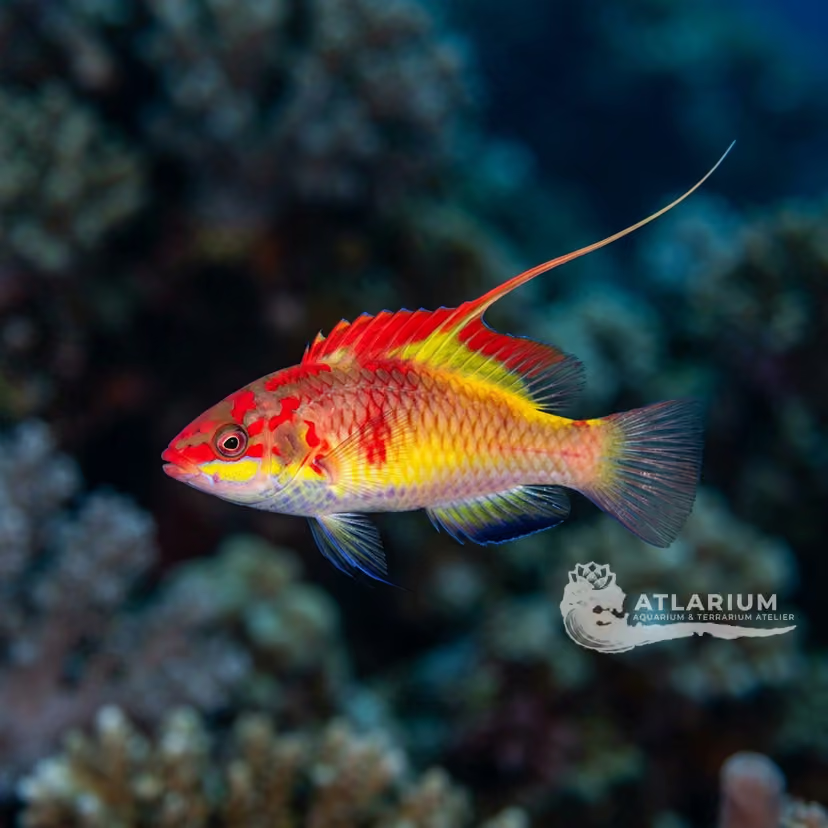
Filament-finned wrasse
Cirrhilabrus filamentosus

Gold-lined wrasse
Coris aurilineata
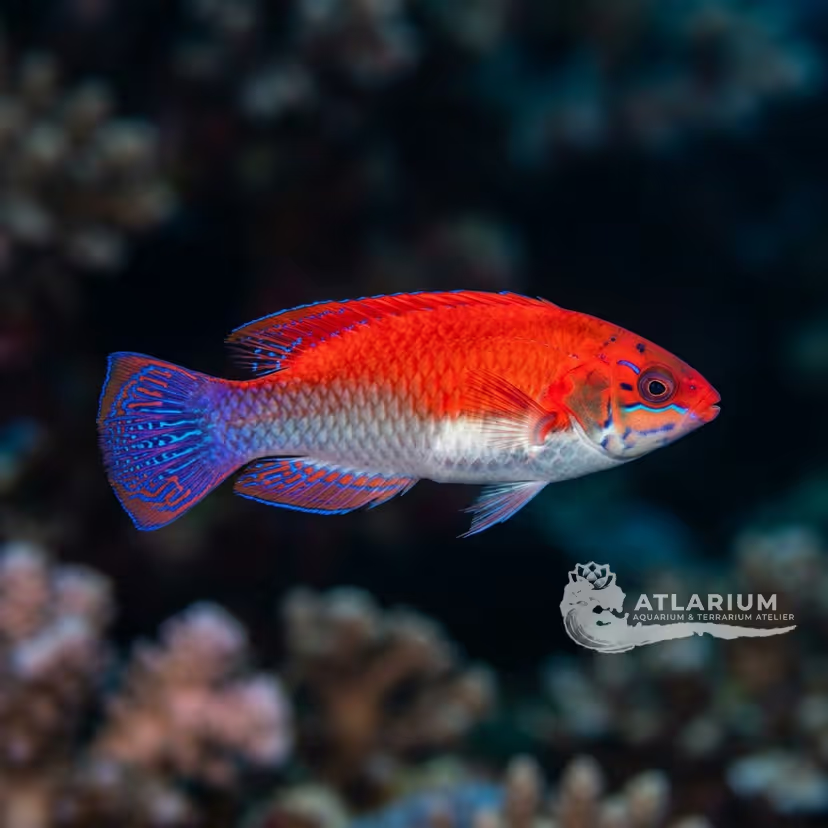
Katherine's fairy wrasse
Cirrhilabrus katherinae
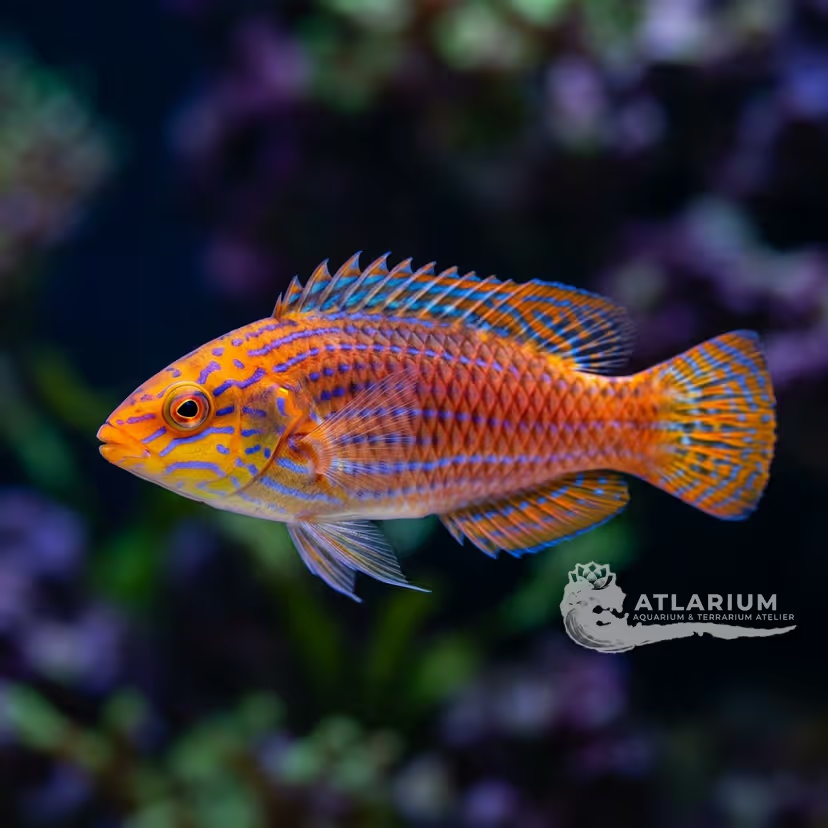
Lined fairy wrasse
Cirrhilabrus lineatus