Syngonium spp.
Syngonium spp.
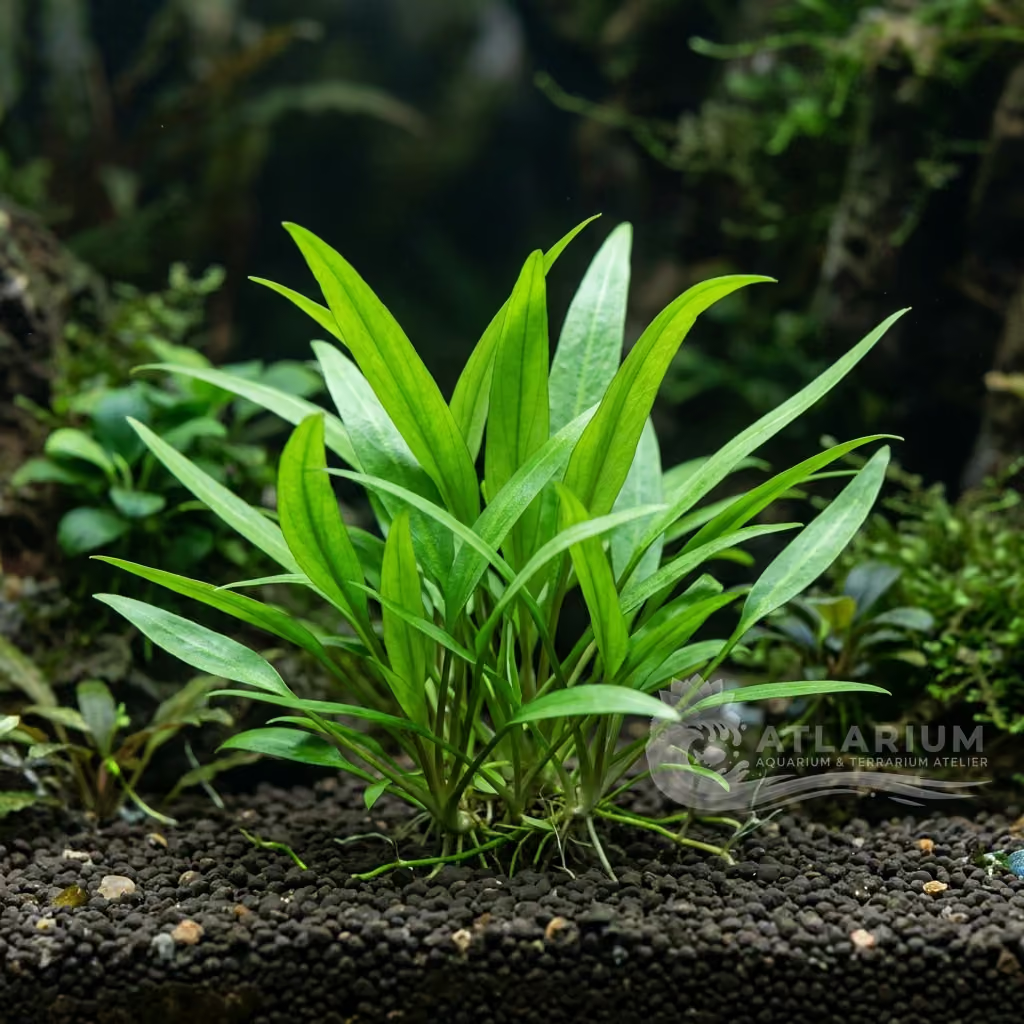
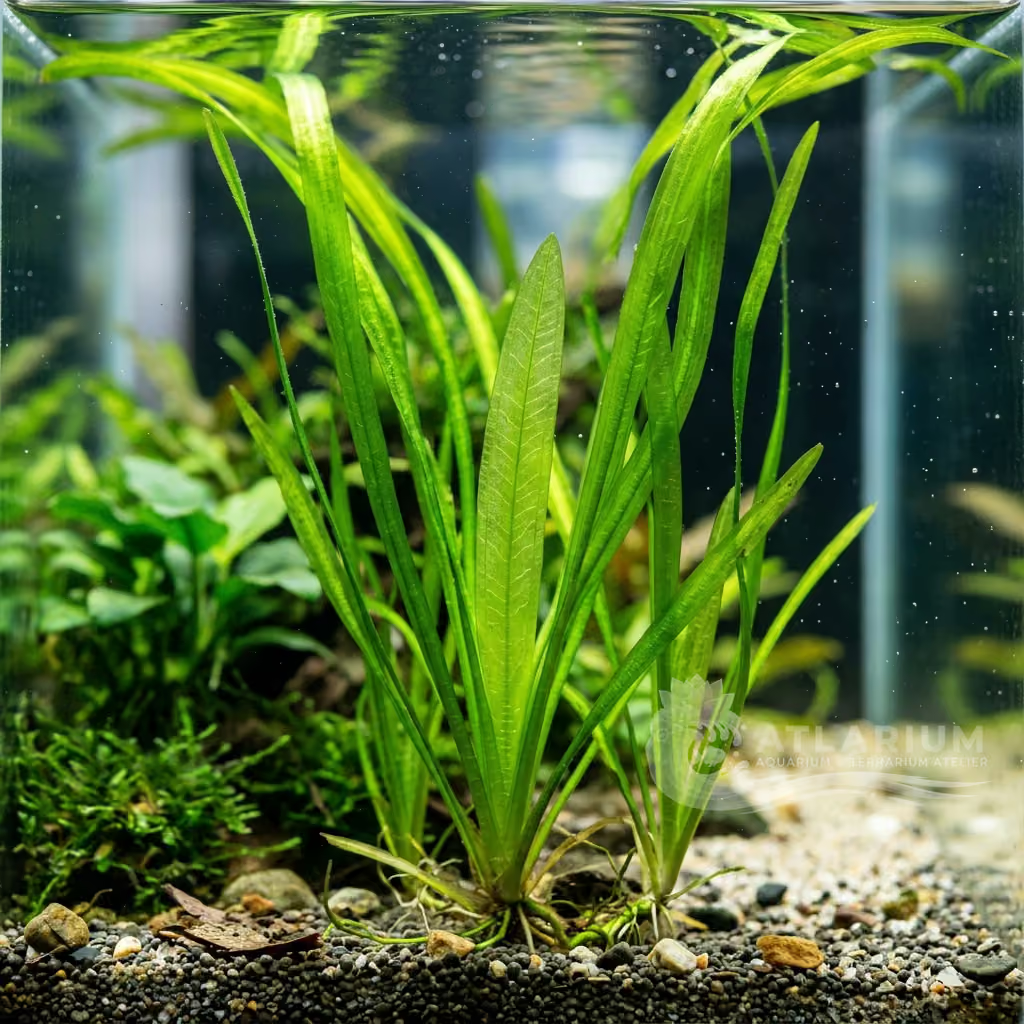
Syngonium spp. is a versatile choice for aquascaping, ideally placed in the midground where its roots can be submerged while its foliage gracefully rises above the water surface, offering a medium growth rate and a unique aesthetic addition to the emergent landscape. This tropical plant helps create a lush atmosphere, blending the aquatic and terrestrial environments with its vigorous growth and distinctive leaves.
Water Temperature
20 - 28 °C
pH Value
6 - 7.5
Water type
Freshwater
Light
Medium - High
CO2
Medium - High
Expected height
30 cm
Expected width
20 cm
KH
2 - 10 dKH

Species description
Geographical Origin and Habitat: The genus Syngonium is native to the lush tropical rainforests of Central and South America, where it thrives in warm, humid environments. In its natural habitat, these plants are typically epiphytic or hemi-epiphytic, climbing on trees or creeping along the forest floor, or terrestrial, adapting to filtered light conditions beneath the dense canopy. Their preference for high ambient humidity and consistent temperatures makes them ideal for controlled environments such as humid terrariums or paludariums.
Taxonomy & Genetics: Syngonium spp. belongs to the vast and diverse Araceae family, known for its characteristic spathe and spadix inflorescences. This genus encompasses numerous species and cultivars, each with unique genetic characteristics that manifest in significant variations in leaf shape,
Color & Texture: and size. The remarkable genetic plasticity of Syngonium has led to the development of countless hybrids and cultivated varieties, making it extremely popular in the horticultural trade and cherished by plant enthusiasts for its aesthetic versatility.
Physical Structure: The physical structure of Syngonium is characterized by climbing or creeping stems that develop sagittate or hastate (arrowhead-shaped) leaves, especially in their juvenile stages. As the plant matures, the leaves can undergo a metamorphosis, becoming more lobed or even divided into distinct segments, a phenomenon known as heterophylly. Syngonium also produces aerial roots along its nodes, which allow it to anchor itself and absorb moisture and nutrients from the surrounding environment, facilitating its growth as an epiphyte or climber.
Color & Texture: The leaves of Syngonium spp. display an extraordinary range of colors and textures, varying significantly among different species and cultivars. Tones of bright green, lime, pink, deep red, and complex variegations with white, cream, or silver can be found, often with contrasting veins that enhance their beauty. The leaf surface is generally smooth and glossy, but some varieties may possess a slightly velvety texture to the touch. This chromatic and tactile diversity makes each Syngonium specimen a standout element in any landscape.

Care, breeding and tankmates
Lighting & CO2: For Syngonium, medium light is optimal to promote robust growth and maintain the vibrancy of its foliage colors, especially when cultivated in emergent or semi-emergent forms. Exposure to overly intense light can cause scorching or fading, while insufficient light may lead to leggy growth and smaller, less colorful leaves. CO2 supplementation is not a necessity for the emergent growth of this plant, but in sealed paludarium environments, it can contribute to increased photosynthesis and overall vigor, although its importance is marginal compared to fully submerged aquatic plants.
Nutrition & Substrate: Syngonium is a nutrient-hungry plant that benefits from rich, well-draining substrate for its terrestrial or emergent root portions. If its roots are submerged in an aquarium, they will absorb nutrients from the
Water Chemistry: Syngonium spp. adapts well to water temperatures ranging from 20 to 28 °C, reflecting the conditions of its natural tropical habitat. A slightly acidic to neutral pH, between 6.0 and 7.5, is ideal for its health and nutrient absorption, while carbonate hardness (KH) between 2 and 12 dKH is broadly tolerated. Stability of these parameters is more critical than precise values, as sudden fluctuations can stress the plant and impede its growth. Clean, well-oxygenated water will significantly contribute to its overall well-being.
Space Management & Placement: In aquascaping, Syngonium is typically positioned in the midground of riparium or paludarium setups, allowing its roots to extend into the water while its foliage rises above the surface. Its climbing nature makes it excellent for covering rocks, driftwood, or backgrounds, creating a natural transition between aquatic and terrestrial environments. It is important to consider the available space, as Syngonium varieties can grow quickly and will need to be managed through
Pruning: Regular pruning is essential to manage the growth of Syngonium, especially given its vining habit and tendency to branch. By removing longer stems and any yellowed or damaged leaves, you encourage bushier, more compact growth, maintaining the desired plant shape within the setup. Cuttings obtained from pruning can be easily used for propagation, allowing you to multiply the plant or fill in sparser areas. It is advisable to make clean cuts just above a node to encourage branching and reduce stress to the plant.
Risks & Diseases: One of the biggest risks for Syngonium in an aquatic environment is "melting," which occurs when the plant is kept fully submerged for extended periods; not being a true aquatic plant, its leaves are not adapted to underwater gas exchange and tend to decompose. For emergent parts, excessive dryness or low humidity can lead to brown leaf edges and stunted growth. Although less common in aquatic environments, pest infestations such as spider mites and mealybugs can affect the aerial portions of the plant, especially in poorly ventilated areas. It is crucial to monitor the plant carefully and intervene promptly at the first signs of stress or disease.

Geographic origin and distribution
The genus Syngonium is native to the lush tropical rainforests of Central and South America, where it thrives in warm, humid environments. In its natural habitat, these plants are typically epiphytic or hemi-epiphytic, climbing on trees or creeping along the forest floor, or terrestrial, adapting to filtered light conditions beneath the dense canopy. Their preference for high ambient humidity and consistent temperatures makes them ideal for controlled environments such as humid terrariums or paludariums.
Origin
Central America and CaribbeanExtra-Amazon South America

Plant profile
- Placement
- Epiphyte
- Best suited for paludariums, ripariums, or the emergent areas of an open-top aquarium. Their roots can be submerged, but their leaves must remain above water to prevent rotting. They can be mounted on hardscape or placed in hang-on-back planters. They make an excellent transition plant between the aquatic and terrestrial zones.
- Botanical form
- Stem
- Features distinctive arrowhead-shaped leaves that come in various shades of green, pink, and white depending on the cultivar. The vines are flexible and will readily climb or trail over surfaces. Their robust, leafy appearance adds a lush, tropical feel to emersed setups. As they mature, the leaf shape can change dramatically.
- Growth
- Medium
- Generally fast-growing when provided with adequate humidity, light, and nutrients. Their growth can be quite prolific, trailing or climbing depending on the specific variety and available support. Pruning is often necessary to keep their size in check. In ideal riparium conditions, they can grow several inches a week.
- Substrate
- None
- Syngonium species are naturally epiphytic or riparian, meaning they do not require deep aquatic substrates to grow. While their extensive root systems can be planted in a loose, inert gravel or soil, they are equally happy growing bare-root in the water column or attached to hardscape. These roots are highly efficient at extracting dissolved nutrients directly from the water, making substrate composition less critical.
- Column fertilization
- Recommended
- When used as an emergent plant with submerged roots, they are excellent at pulling excess nutrients directly from the water column. This helps improve water quality for aquatic inhabitants by reducing nitrates. Supplemental liquid fertilizers are rarely needed if the bioload is sufficient. They act as powerful natural filters.
- Root fertilization
- None
- Thrives in nutrient-rich terrarium substrates or rich potting soil if grown completely emersed. In riparium setups, planting the roots in clay pebbles or gravel allows them to draw what they need from the water. They are adaptable to various rooting media as long as they stay moist. Aquatic substrates can also be used in shallow planters.
- Trimming
- Occasional
- Can be aggressively pruned to control their spread and maintain a bushier shape. Cutting back long, leggy vines encourages new growth closer to the base. The trimmed sections can often be rooted easily to create new plants. Pinching off the tips helps promote a fuller, more compact growth habit.
- Propagation
- Cuttings
- Easily propagated by taking stem cuttings that include at least one node. These cuttings can be rooted in water or directly in moist soil. Roots typically develop rapidly, making them one of the easiest marginal plants to multiply. Dividing mature plants at the root base is also an effective propagation method.
- Sensitivity
- HIGH
- Highly sensitive to prolonged complete submersion, which will inevitably lead to leaf melt and plant death. They require good air circulation to prevent fungal issues in high-humidity environments. They are generally hardy and resistant to most common pests. However, dry air can cause the leaf edges to become brown and crispy.
- Layout role
- paludarium, riparium, Epiphyte
- Perfect for bridging the gap between the aquatic and terrestrial zones in a paludarium. They add a cascading, wild aesthetic when allowed to trail down towards the water's surface. Their striking leaf shapes and colors create strong visual interest above the waterline. They provide excellent cover for emergent livestock and amphibians.

Related species
Recommendations grouped by close relatives, companion choices, and similar care.