Echinodorus 'Rubin Narrow Leaf'
Echinodorus 'Rubin Narrow Leaf'
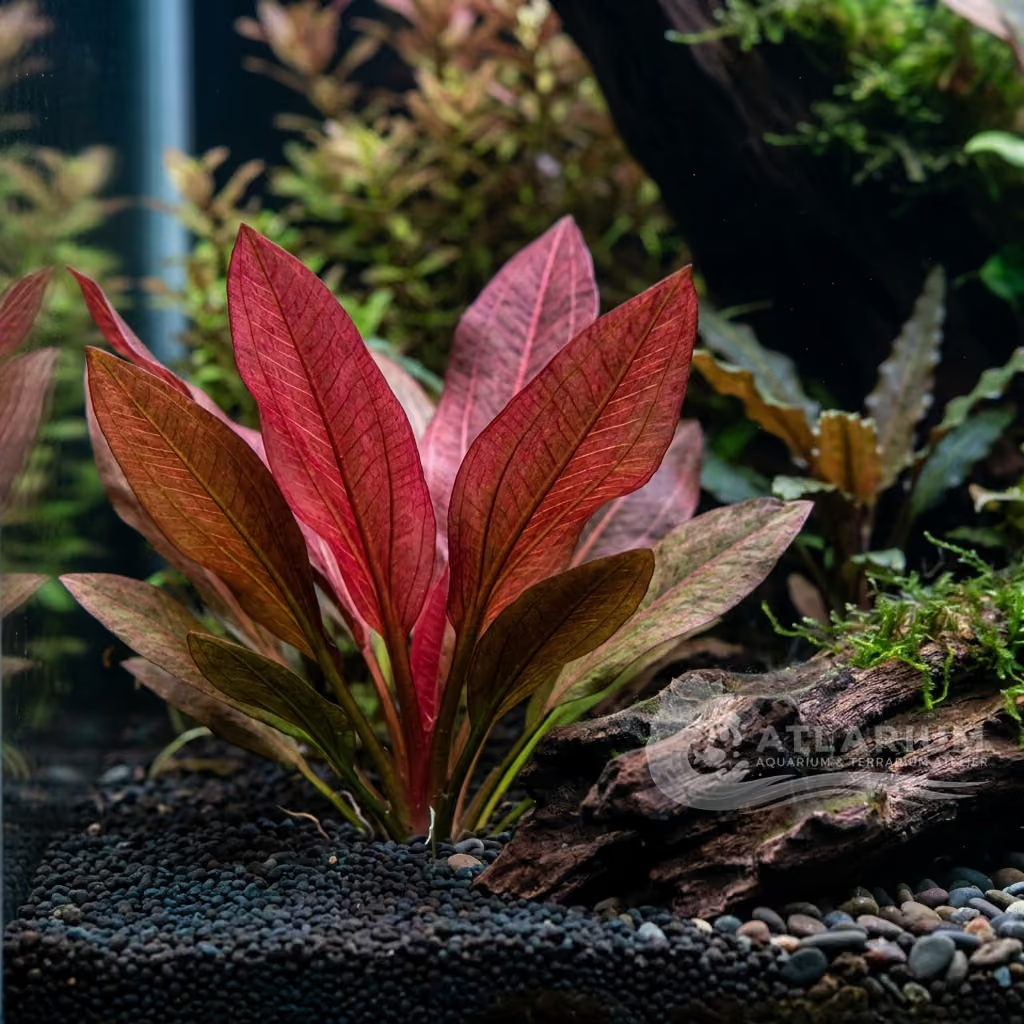
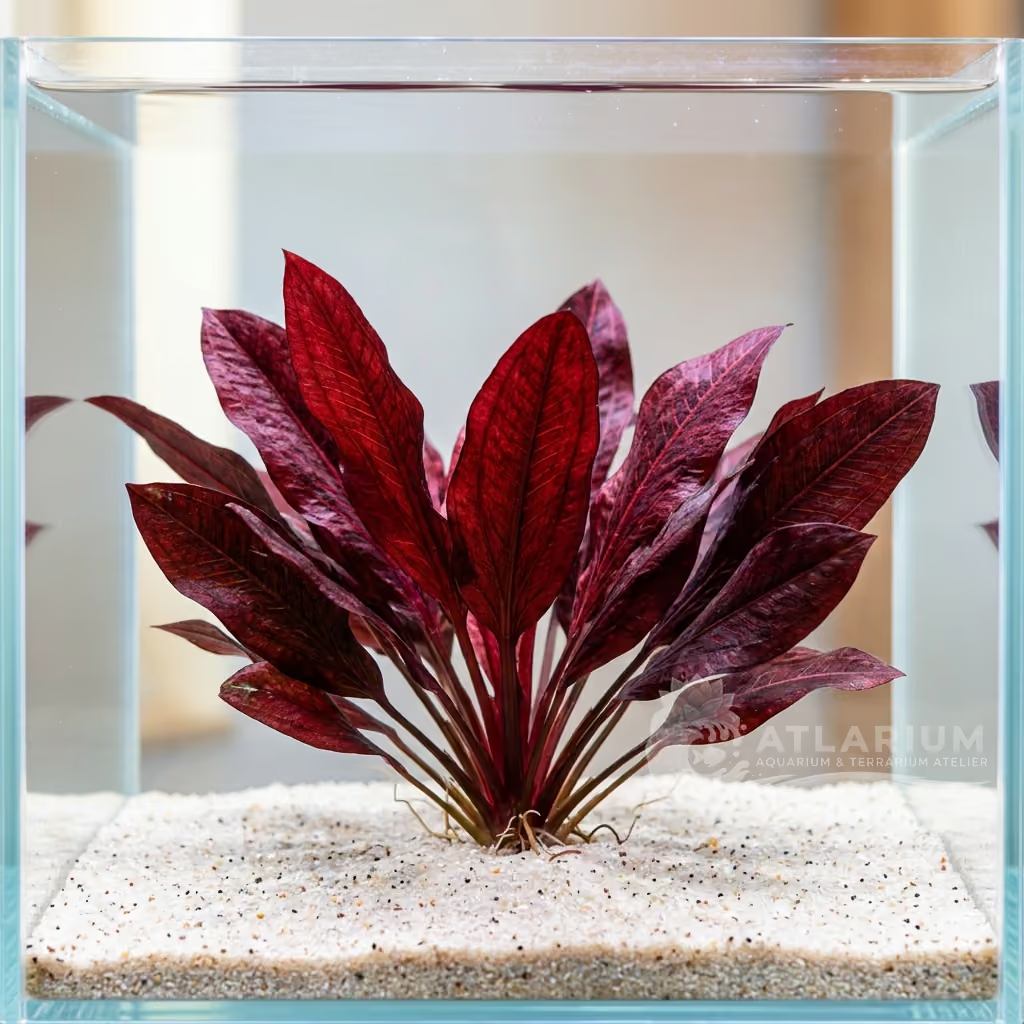
Echinodorus 'Rubin Narrow Leaf' is a majestic background variety featuring long ruby-red lanceolate leaves and a slow growth rate, ideal as a focal point.
Water Temperature
15 - 30 °C
pH Value
5 - 7
Water type
Freshwater
Light
Medium to High
CO2
Low - High
Expected height
50 cm
KH
0 - 21 dKH

Species description
Geographical Origin and Habitat: This exceptional horticultural selection, named 'Rubin Narrow Leaf', is a cultivated variant derived from the famous hybrid Echinodorus 'Rubin', which was also created in Germany by Hans Barth. It does not exist in the wild. The genus Echinodorus is native to the tropical wetlands of the Americas. This specific variant was selected to offer narrower, more slender, and graceful leaves compared to the standard Echinodorus 'Rubin', suitable for large freshwater aquariums.
Taxonomy & Genetics: It belongs to the family Alismataceae and is a selected cultivated hybrid. Its complex genetics derive from crossing pure species of the genus Echinodorus (such as E. osiris and E. uruguayensis) selected to stabilize the narrow leaf and intense ruby-red
Color & Texture: ation. As a selected clone, propagation is vegetative to avoid genetic variations that could cause regression to wide or green leaves.
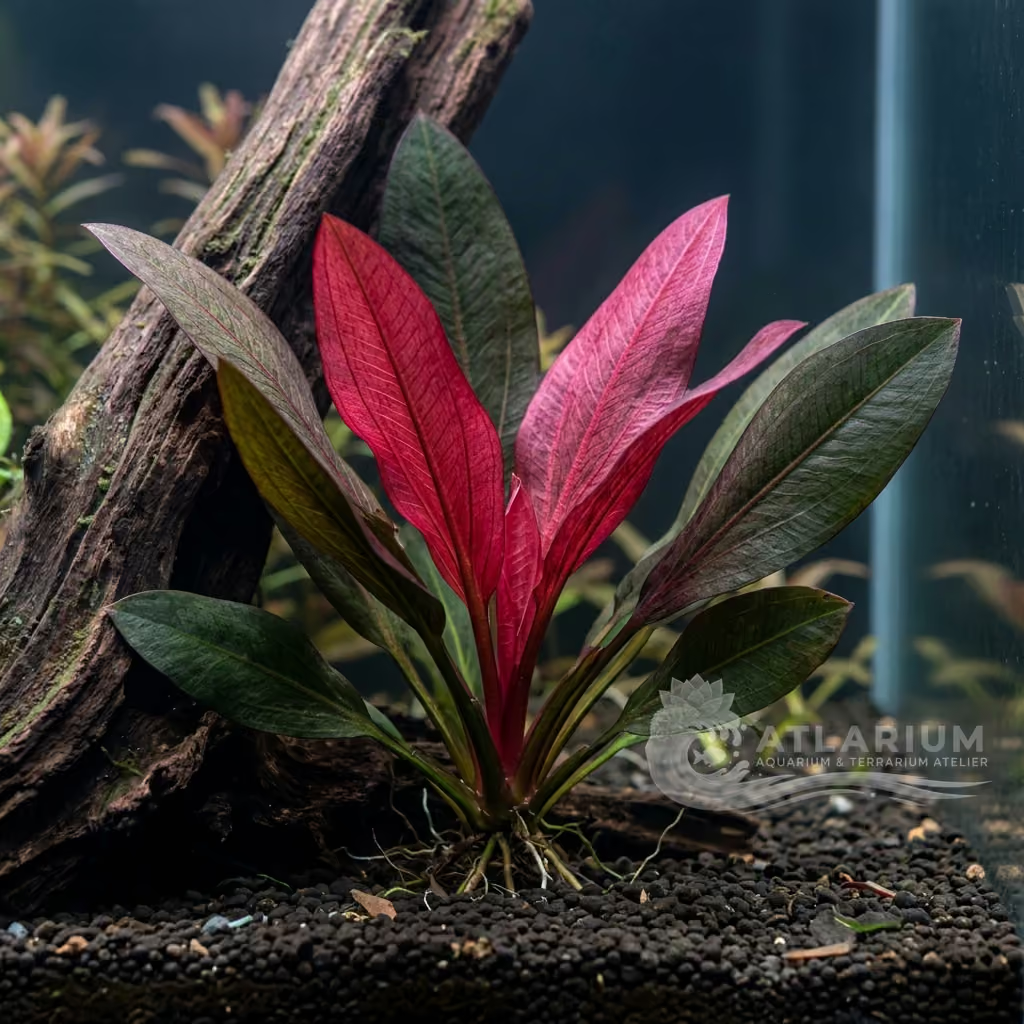
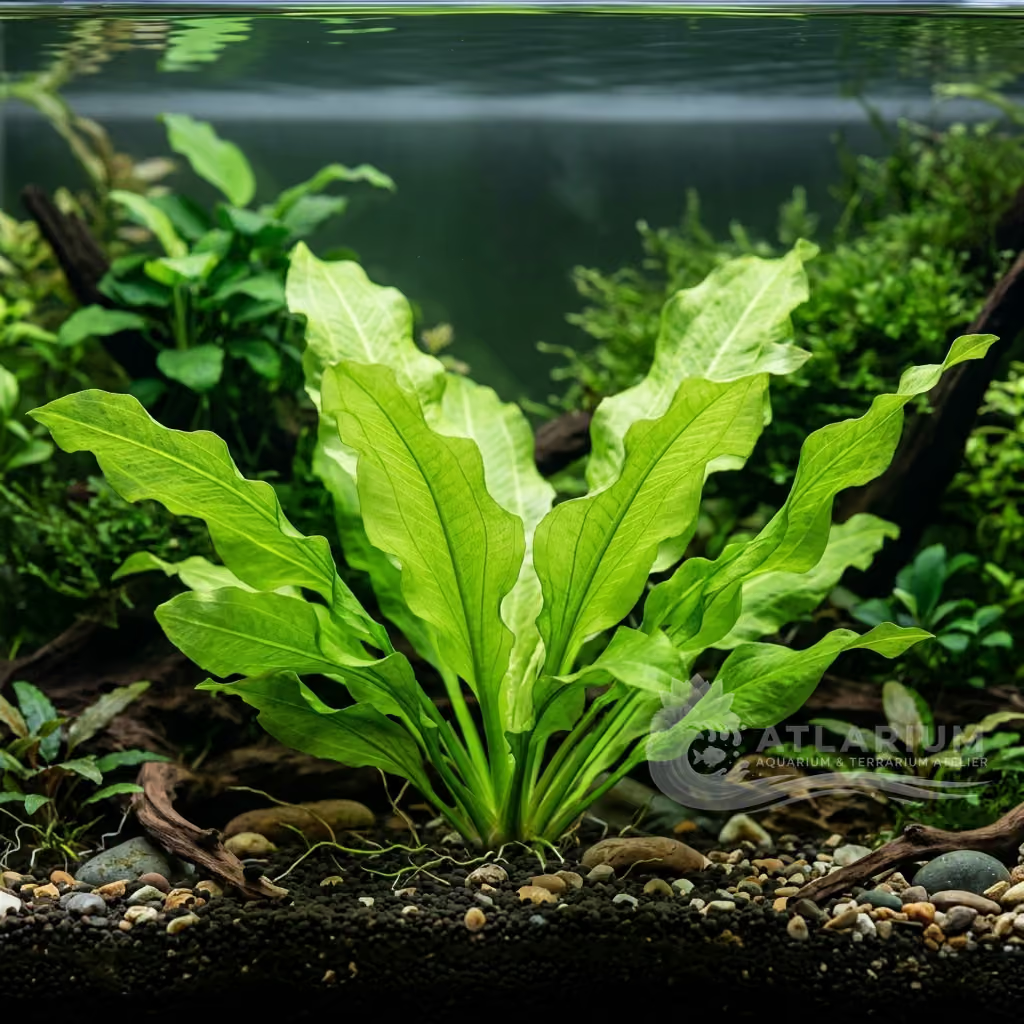
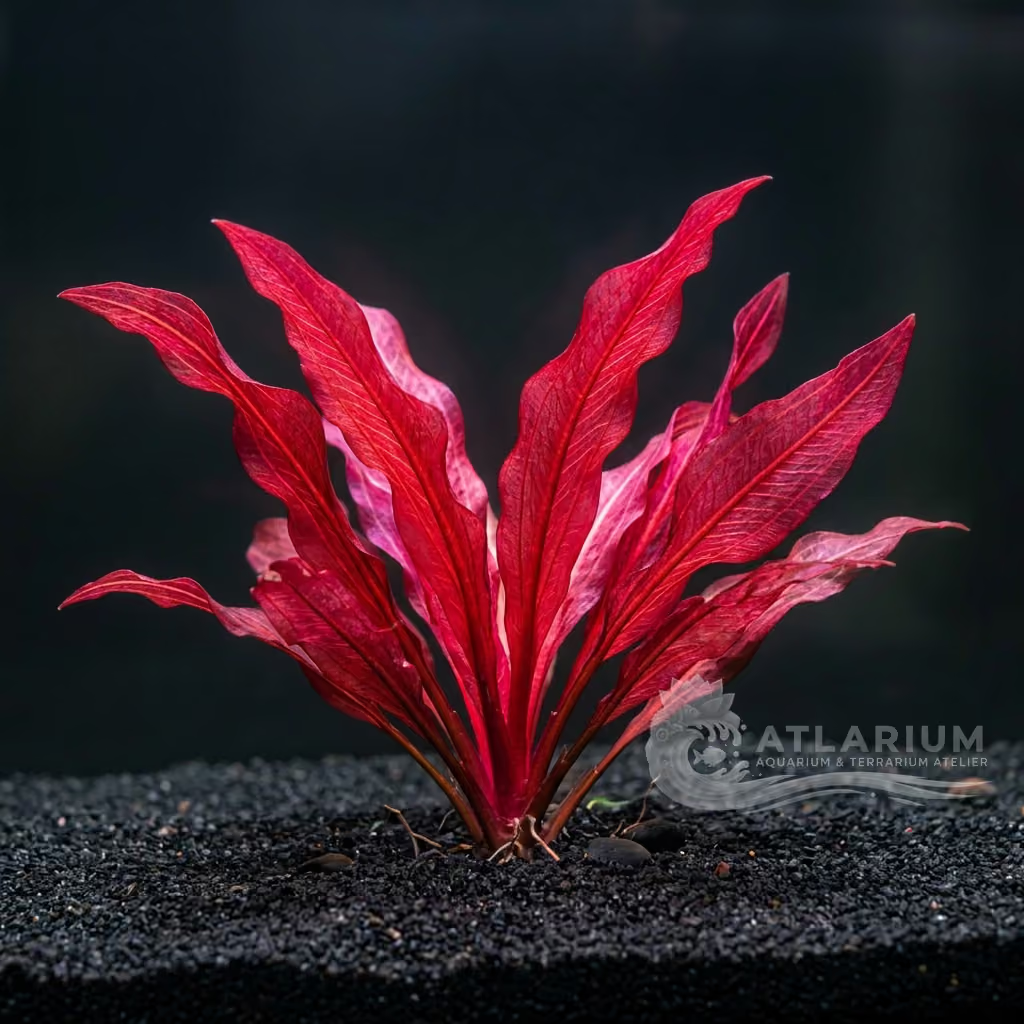
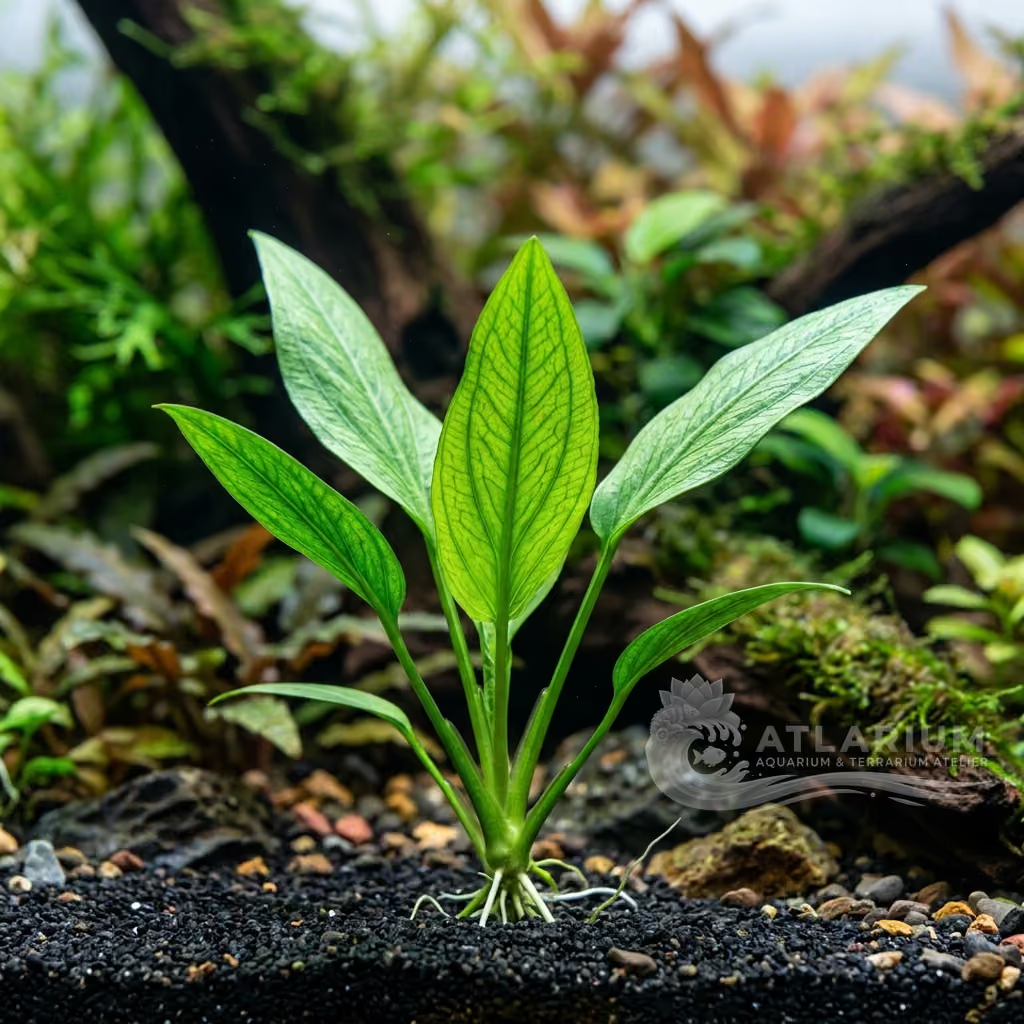
Physical Structure: It develops a majestic and slender rosette, which in the aquarium can easily reach a height of 35-50 cm. Submerged leaves are long-lanceolate, significantly narrower than the classic cultivar, and are supported by flexible and robust petioles. The root system is extremely massive and deep, occupying a large portion of the substrate to support and nourish the plant.
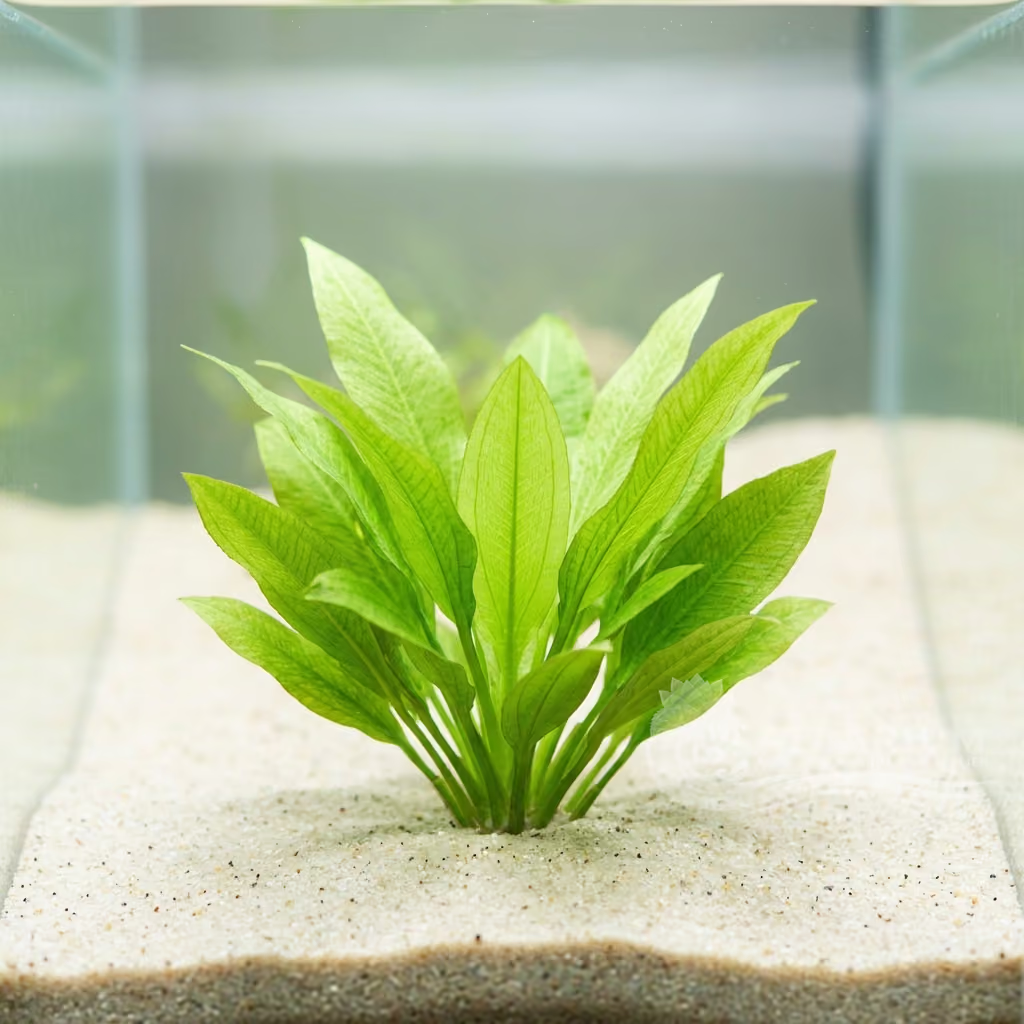
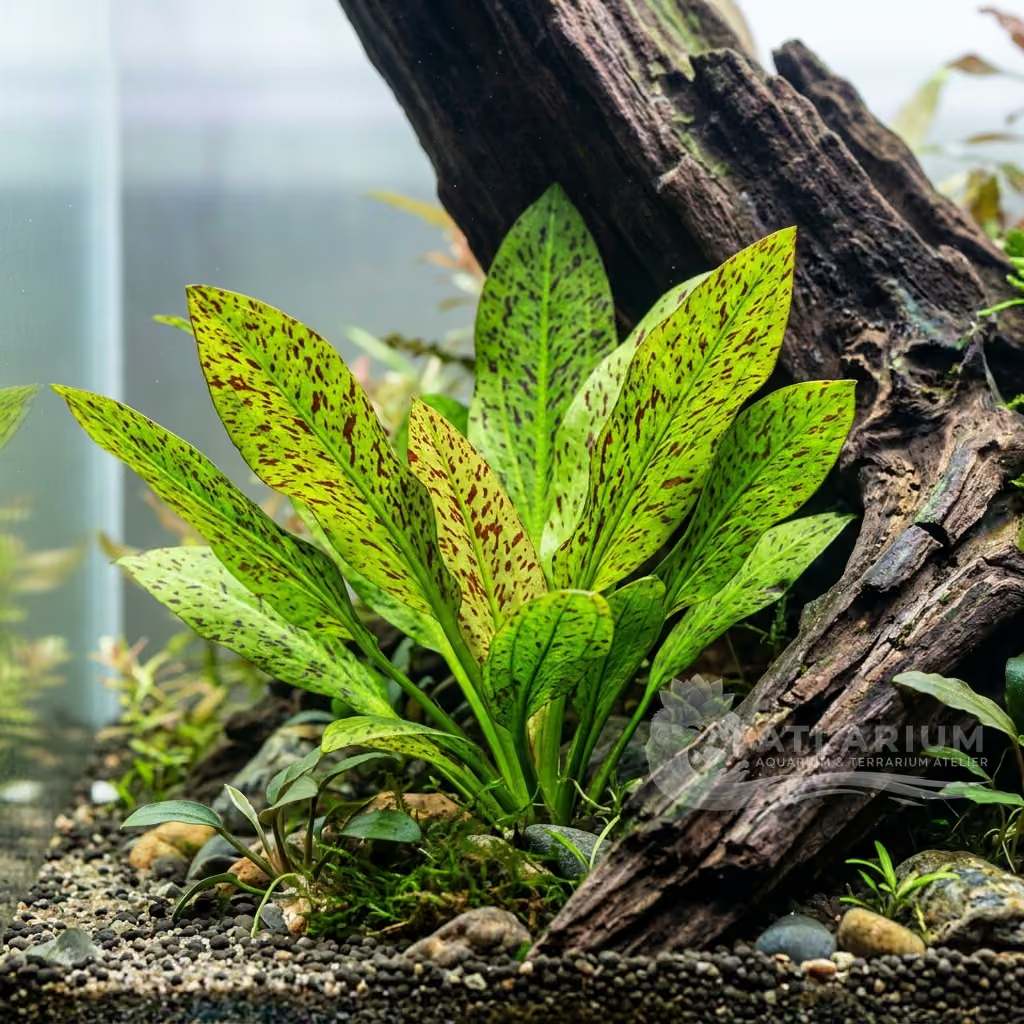
Color & Texture: New leaves are a dark and brilliant ruby-red, very intense and decorative. As the leaf matures, the coloration gradually fades to a deep olive green or green-brown, but retaining warm reflections and well-marked red-brown veins. The leaf blade features slightly wavy margins and parallel longitudinal veins (5 to 7) that give the leaf an elegant and slender appearance.

Care, breeding and tankmates
Lighting & CO2: Requires moderate to intense lighting. To best bring out the red color and promote growth, it is important to provide good light; under weak light, the plant will grow very slowly and the leaves will take on faded green tones. CO2 injection is not mandatory but is highly recommended to support the development of this large rosette and keep it dense.
Nutrition & Substrate: It is a heavy feeder of root nutrients and needs a deep substrate (at least 8-10 cm) and very rich in nutrients, especially iron. It is recommended to regularly insert fertilizer tabs into the substrate directly under its roots to prevent the plant from depleting the substrate. Nutrient deficiencies manifest as small, fragile, and chlorotic leaves.
Water Chemistry: Tolerates temperatures between 15°C and 30°C. Adapts to acidic or neutral pH, preferably in the range between 5.0 and 7.0, and water hardness from very low to medium (KH 0-21 dKH). Benefits from regular water changes to remove organic compounds and promote healthy growth.
Space Management & Placement: Its natural placement is in the background of the aquarium. Given its considerable height, it is ideal for large, deep tanks where it can serve as a superb solitary focal point. It should be positioned leaving enough space around it to prevent its shade from choking out lower stem plants.
Pruning: Pruning consists of removing the oldest outer leaves that yellow or show algae. The cut must be made as close as possible to the base of the rhizome with sharp scissors, avoiding tearing the leaves so as not to damage the central rhizome. Also remove flower stalks if you do not wish to propagate the plant.
Risks & Diseases: It is sensitive to iron chlorosis in case of iron deficiency, which manifests as yellowing of new leaves. The large, slow-growing leaves can be prone to green spot algae or black brush algae if the nutrient balance is incorrect or if there are fluctuations in CO2 levels.

Geographic origin and distribution
This exceptional horticultural selection, named 'Rubin Narrow Leaf', is a cultivated variant derived from the famous hybrid Echinodorus 'Rubin', which was also created in Germany by Hans Barth. It does not exist in the wild. The genus Echinodorus is native to the tropical wetlands of the Americas. This specific variant was selected to offer narrower, more slender, and graceful leaves compared to the standard Echinodorus 'Rubin', suitable for large freshwater aquariums.
Origin
Selective breeding and cultivarsExtra-Amazon South AmericaCentral America and Caribbean

Plant profile
- Placement
- Background
- This impressive sword plant is best placed in the background of medium to large aquariums. Its narrow, elongated leaves create striking lines that contrast well with other plants. Ensure adequate space around it, as it can grow quite large and shade out smaller species.
- Botanical form
- Rosette
- This species is characterized by its classic rosette growth habit, producing narrow, elongated leaves from a central crown. The foliage features a distinctive reddish-brown hue, distinguishing it within the aquarium. Its appearance makes it a uniquely elegant specimen within the Echinodorus genus.
- Growth
- Slow
- It generally exhibits a moderate growth rate, especially with strong lighting and a nutrient-dense substrate. Adding CO2 injection can accelerate its development, allowing new leaves to emerge faster. In lower-tech setups, growth will be slower but still steady and manageable.
- Substrate
- High
- Echinodorus 'Rubin Narrow Leaf' is a heavy root feeder that requires a nutrient-rich substrate, preferably a high-quality aqua soil. Its extensive root system needs a substrate depth of at least 5 to 7 centimeters to anchor securely and absorb essential macronutrients. If planted in inert gravel or sand, the use of root tabs is mandatory to prevent nutrient deficiencies and stunted growth. A well-fertilized bed ensures the development of its intensely colored, elongated leaves.
- Column fertilization
- Recommended
- While primarily a root feeder, it benefits from supplemental water column fertilization for micronutrients. Dosing a comprehensive liquid fertilizer helps maintain the vibrant health of the leaves. Balance column nutrients to prevent algae growth on its large leaf surfaces.
- Root fertilization
- Recommended
- A nutrient-rich substrate or regular addition of root tabs is essential for this heavy root feeder. Placing fertilizer capsules directly beneath its root network ensures optimal macronutrient uptake. A well-fertilized root zone translates directly to larger, healthier leaves.
- Trimming
- Occasional
- Maintenance involves pruning older or damaged outer leaves by cutting them close to the base. Do not simply snip leaves in half, as the remaining stem will rot and harm the plant. Thinning out the foliage occasionally helps prevent the plant from becoming too dense.
- Propagation
- Division
- Propagation is achieved through adventitious plantlets that form along its flower stalks. Once these daughter plants develop roots and a few leaves, they can be snipped off. The new plantlets can then be replanted directly into the substrate to grow independently.
- Sensitivity
- Moderate
- Echinodorus 'Rubin Narrow Leaf' is generally hardy but can be sensitive to sudden, drastic fluctuations in water parameters. It may experience melting when transitioning between emersed and submersed forms. The delicate new leaves are occasionally targeted by herbivorous snails or plecos.
- Layout role
- Background, accent
- It serves as an excellent focal point or structural plant due to its shape and reddish-brown color. The orientation of its leaves draws the eye, adding depth to the aquascape. It pairs beautifully with contrasting stem plants or carpeting species.

Related species
Recommendations grouped by close relatives, companion choices, and similar care.