Earspot Filefish
Pervagor janthinosoma
The blackheaded filefish is a beautifully subtle omnivore that thrives in calm environments. Prone to shyness, it requires mature live rock, macroalgae, and dim hiding zones to feel entirely secure.
Water Temperature
23 - 27 °C
pH Value
8.1 - 8.4
Water type
Marine
Tank level
Bottom and middle
Adult size
14 cm
Minimum tank volume
>= 200 L
Minimum group
>= 1

Species description
Geographical Origin and Habitat:
This species is widely distributed across the tropical Indo-Pacific, from East Africa to Samoa and southern Japan. It inhabits shallow lagoons, inner reefs, and algae-rich habitats at depths of 1 to 20 meters, using macroalgae and corals for shelter.
Taxonomy and Morphology:
Member of the family Monacanthidae. Pervagor janthinosoma has a highly compressed body and leathery skin covered in tiny spines, growing to about 14 cm. It features a prominent dorsal spine above the head, which can be locked upright for defense.
Social Behavior:
Shy, solitary, or found in pairs in the wild. It swims slowly, inspecting crevices for food. It can be territorial toward other filefish or similar-looking species, but is generally non-aggressive toward unrelated, peaceful tankmates.
Coloration and Sexual Dimorphism:
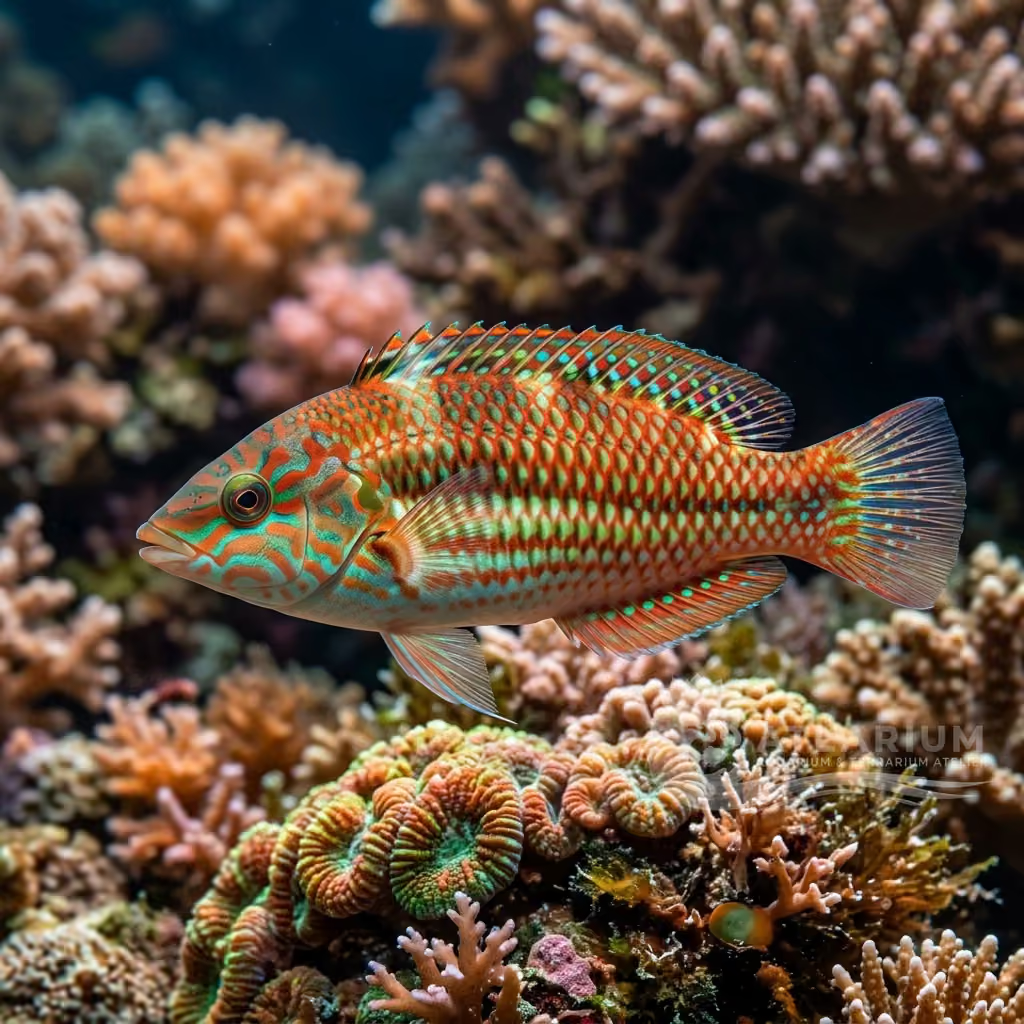
Body is dark brown or greenish-blue with fine longitudinal stripes and reddish highlights on the fins. A prominent, round black spot (earspot) is located behind the gill opening. No visible sexual dimorphism is present.

Care, breeding and tankmates
Aquarium Setup:
Requires a mature tank of at least 200 liters with plenty of live rock and macroalgae to create caves and shaded paths. A sandy substrate and dim zones will help it feel secure and reduce shyness. It needs a calm environment to settle.
Diet and Feeding:
Omnivorous. In nature, it feeds on small invertebrates, algae, sponges, and coral polyps. In captivity, provide a varied diet of frozen foods (mysis, brine shrimp, krill), algae-based foods (spirulina, nori), and high-quality pellets. Feed 2-3 times daily.
Water Quality:
Requires stable marine conditions: temperature at 23-27°C, pH at 8.1-8.4, and salinity at SG 1.020-1.025. Good biological filtration and regular water changes are necessary to keep nitrogenous wastes low and maintain optimal health.
Compatibility and Cohabitation:
Not reef safe. It will nip at stony and soft corals, anemones, and small invertebrates. Best kept in a Fish-Only (FOWLR) tank with peaceful to moderately active tankmates such as clownfish, tangs, and large gobies.
Aquarium Breeding:
Breeding in captivity is extremely difficult and has not been successfully documented in home aquariums. In nature, they lay demersal eggs that adhere to the substrate or algae, which are defended until hatching.
Risks and Diseases:
Susceptible to common parasites like Cryptocaryon (ich) if stressed by aggressive tankmates. Its lockable dorsal spine can easily tangle in fish nets during handling; it is highly recommended to transfer the fish using a solid plastic container instead.

Geographic origin and distribution
This species is widely distributed across the tropical Indo-Pacific, from East Africa to Samoa and southern Japan. It inhabits shallow lagoons, inner reefs, and algae-rich habitats at depths of 1 to 20 meters, using macroalgae and corals for shelter.
Origin
Tropical oceans and reefsAfrica and MadagascarEast Asia

Fish profile
- Temperament
- Territorial
- Known for being peaceful but shy, this fish is an interesting and quirky addition to a peaceful community tank. They may start off quite shy when newly introduced, often hiding among the rocks. Once acclimated, they become more outgoing and will actively patrol their territory. They generally ignore other fish but may show aggression towards similar-looking filefish.
- Diet
- Omnivore
- Being primarily omnivorous, the Redtail filefish requires a varied diet to maintain optimal health and coloration. Offer them a mix of high-quality marine flakes, frozen mysis shrimp, and enriched brine shrimp. They also benefit greatly from having plenty of live rock to graze upon throughout the day. Occasionally offering live foods can stimulate their natural hunting instincts.
- Life expectancy
- 5-6 years
- Adult size
- 14 cm
- Sex ratio
- Solitary
- There are no highly obvious external differences between males and females of this species, making sexing quite difficult. They are usually found singly or in pairs in their natural habitat. In an aquarium setting, it is generally recommended to keep a single individual unless a known bonded pair is acquired. Keeping two males together in a small space can lead to territorial disputes.
- Feeding frequency
- Twice daily
- To replicate their natural continuous grazing behavior, it is best to feed them small amounts multiple times a day. Feeding three to four times daily ensures they receive adequate nutrition without overloading the filtration. Providing an established aquarium with copepods and microalgae allows for supplemental foraging between meals. Consistent feeding helps prevent them from nipping at corals out of hunger.
- Bioload
- Medium
- The Redtail filefish produces a moderate bioload that is quite manageable for most well-maintained aquariums. They constantly pick at live rock, which means they produce a steady but small stream of waste. A standard filtration setup combined with a good protein skimmer will easily keep water parameters stable. Regular partial water changes are still recommended to ensure optimal water quality.
- Flow
- Moderate
- The Redtail filefish prefers moderate water flow that mimics the gentle currents found on coastal reefs. Extremely strong flow can quickly exhaust them, given their unique body shape and swimming style. It is important to provide calmer resting areas within the rockwork where they can retreat. A varied flow pattern utilizing wavemakers works best to keep the environment dynamic.
- Jump risk
- No
- Reproduction
- Oviparous
- Breeding the Redtail filefish in a home aquarium is extremely rare and very difficult to achieve. In the wild, they typically scatter their eggs in the water column or hide them in vegetation. The resulting larvae are planktonic, making them incredibly challenging to raise without specialized commercial setups. Consequently, almost all specimens in the hobby are sustainably collected from the ocean.
- Compatibility & tankmates
- Reef safe
- This species is generally peaceful but is considered 'with caution' for reef tanks as it may nip at soft corals and small invertebrates. The Redtail filefish should be housed with other peaceful, non-aggressive tank mates. Avoid keeping them with fast, boisterous fish that might outcompete them for food. They thrive best in a fish-only with live rock (FOWLR) environment.
- Tank level
- Middle/Bottom
- The Redtail filefish is a demersal species that spends most of its time near the bottom and middle levels of the tank. They are closely associated with reefs and will constantly weave in and out of the live rock structures. You will rarely see them swimming in the open upper water column. Providing a complex rockscape with plenty of caves and overhangs is essential for their comfort.

Related species
Recommendations grouped by close relatives, companion choices, and similar care.