

Encyclopaedia
Flame Hawkfish
Neocirrhites armatus
The Flame Hawkfish is a brilliant red marine fish celebrated for perching on hard corals. Its comical, alert behavior makes it a charismatic centerpiece for stable reef setups.
Share
Check out Flame Hawkfish on Atlarium
24 - 27 °C
8.1 - 8.4
Marine
Bottom
9 cm
>= 120 L
>= 1
15 - 25 dGH
8 - 12 dKH
Species description
Care, breeding and tankmates
Geographic Origin and Distribution
Origin
Fish profile
- Temperament
- Semi-aggressive
- Diet
- Carnivore
- Sex ratio
- Solitary
- Feeding frequency
- TWO_THREE_DAILY
- Bioload
- The Flame Hawkfish produces a moderate bioload in the marine aquarium. As strict carnivores, their protein-rich waste requires efficient protein skimming and good biological filtration. Provided standard maintenance is followed, their impact on water quality is easily mitigated.
- Flow
- Strong
- Jump risk
- Yes
- Reproduction
- Oviparous
- Compatibility & tankmates
- Reef safe
- Tank level
- Bottom
Window to the official scientific data of the species
Scientific Parameters & Models
- Trophic level
- 3.5 ± 0.5 se
- Phylogenetic uniqueness (PD50)
- 1
- Bayesian Length-Weight
- a = 0.01585, b = 3.05
Image gallery
Licensed images linked to the species or, when marked, to the closest representative taxon.
Related species
Recommendations grouped by close relatives, companion choices, and similar care.
Variants and close relatives
Same atlas type, nearby scientific identity, genus, or family.

Falco hawkfish
Cirrhitichthys falco

Spotted hawkfish
Cirrhitichthys aprinus

Arc-eye hawkfish
Paracirrhites arcatus

Blackside Hawkfish
Paracirrhites forsteri

Coral Hawkfish
Cirrhitichthys oxycephalus

Longnose hawkfish
Oxycirrhites typus
Recommended companions
Compatible cards from coherent ecosystems with matching parameters.

Grape caulerpa
Caulerpa racemosa

Caulerpa prolifera
Caulerpa prolifera
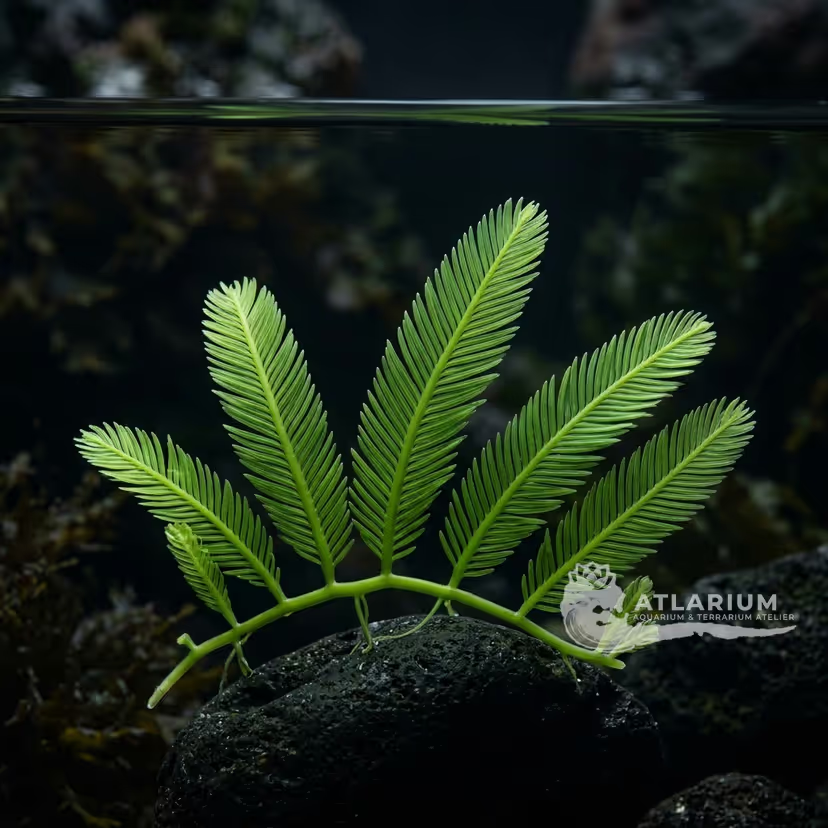
Caulerpa taxifolia
Caulerpa taxifolia
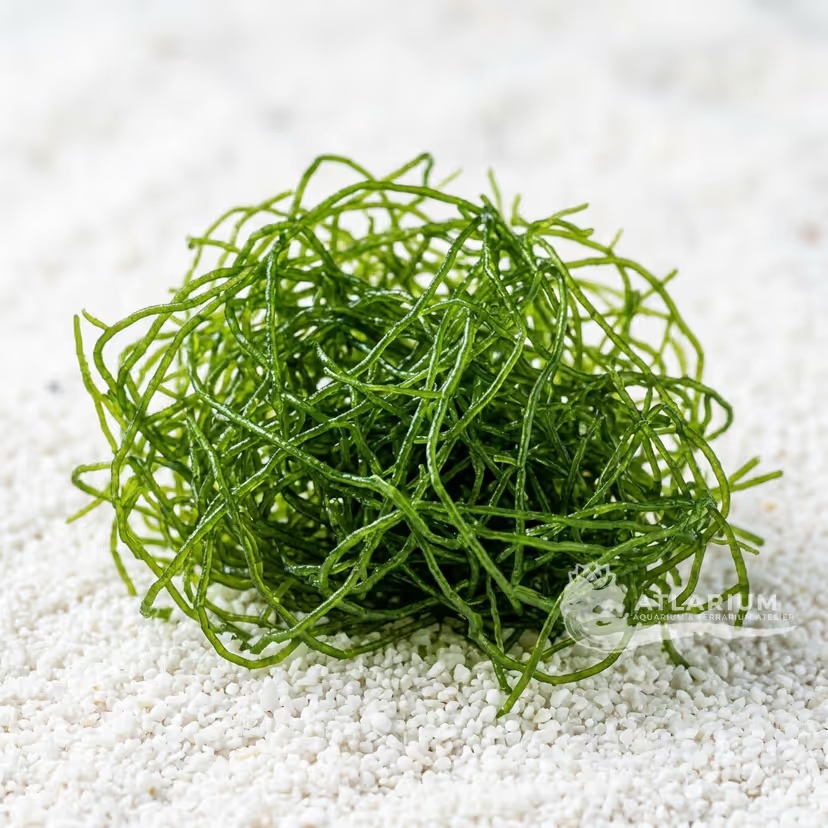
Chaetomorpha macroalgae
Chaetomorpha linum

Dead man fingers algae
Codium fragile

Halimeda macroalgae
Halimeda opuntia

Peacock tail algae
Padina pavonica

Red gracilaria
Gracilaria parvispora

Red grape algae
Botryocladia uvaria

Sea lettuce
Ulva lactuca

Red Mangrove
Rhizophora mangle
Similar care
Cards with similar requirements, difficulty, habitat, and husbandry profile.

Linear Blenny
Ecsenius lineatus

Neon dottyback
Pseudochromis aldabraensis

Royal Dottyback
Pictichromis paccagnellae

Azure damselfish
Chrysiptera hemicyanea
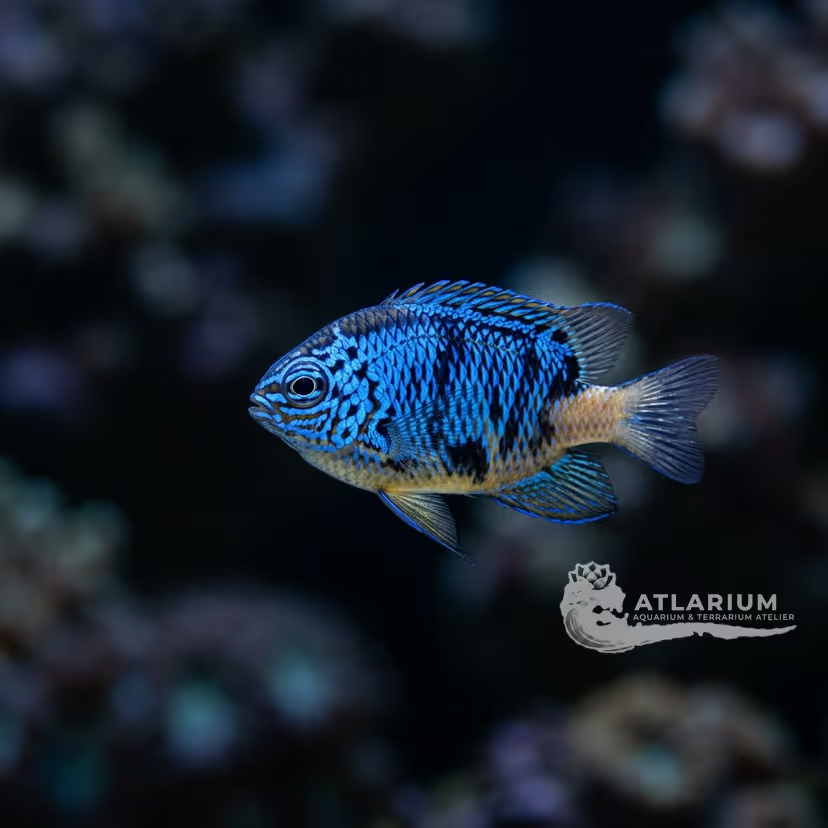
Springer's Damselfish
Chrysiptera springeri

Blue Damselfish
Chrysiptera cyanea
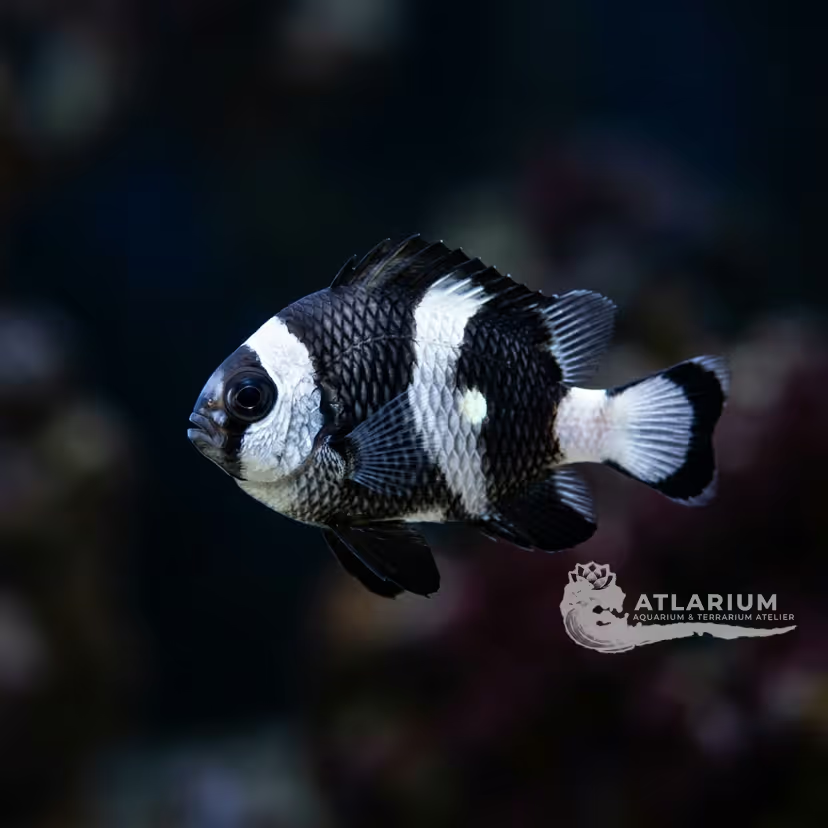
Four-stripe Damselfish / Blacktail Humbug
Dascyllus melanurus

Talbot's Damselfish
Chrysiptera talboti
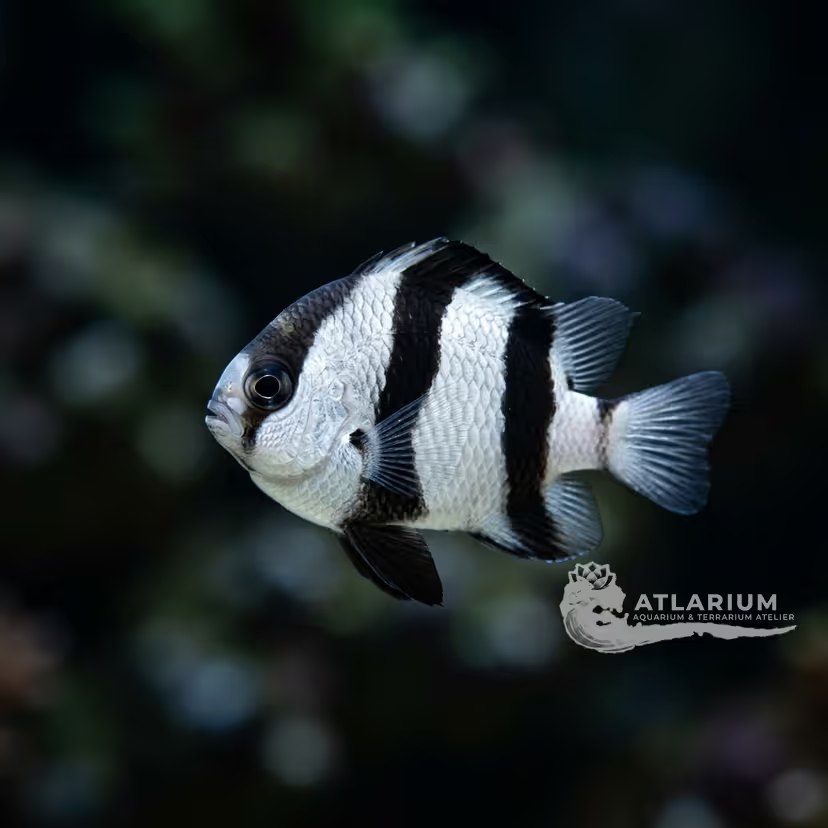
Whitetail Dascyllus
Dascyllus aruanus

Beautiful-cheek shrimpgoby
Amblyeleotris callopareia
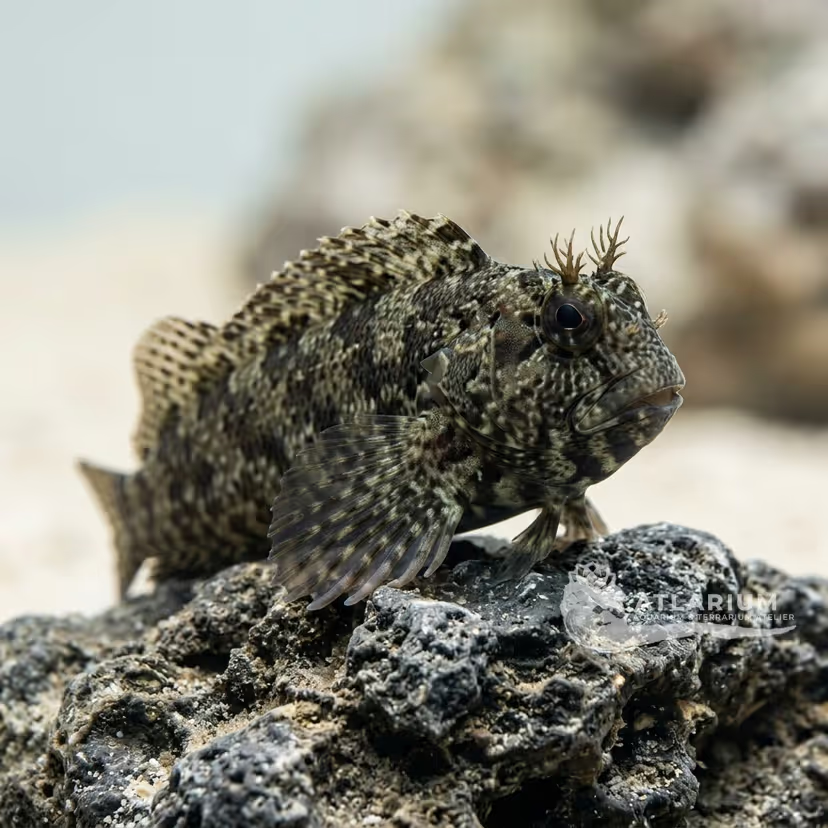
Lawnmower Blenny
Salarias fasciatus
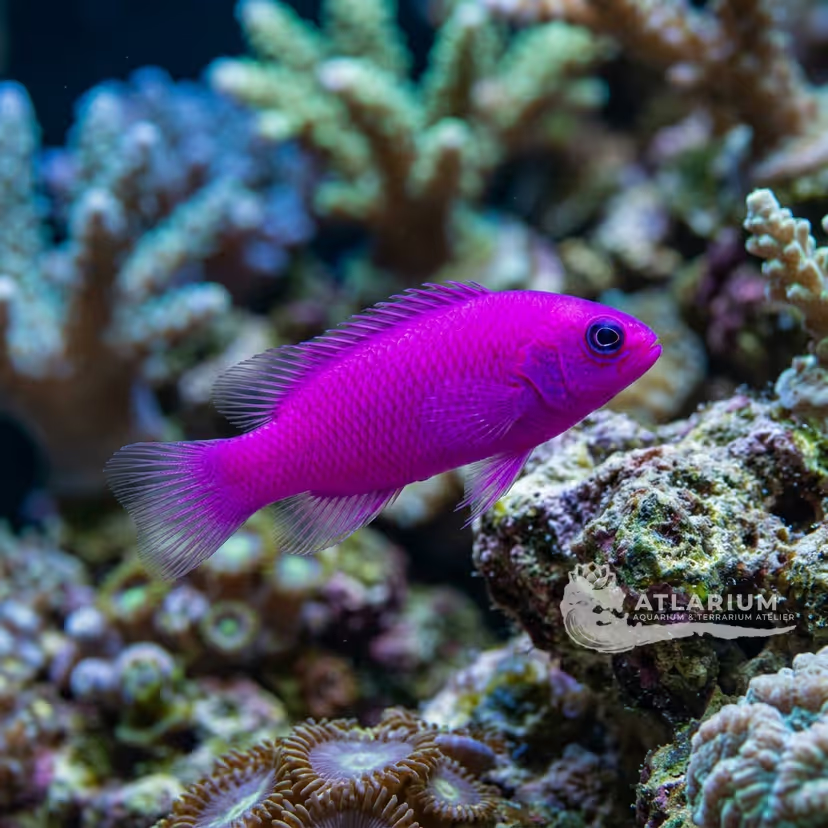
Strawberry Dottyback
Pictichromis porphyrea

Blue Chromis
Chromis cyanea
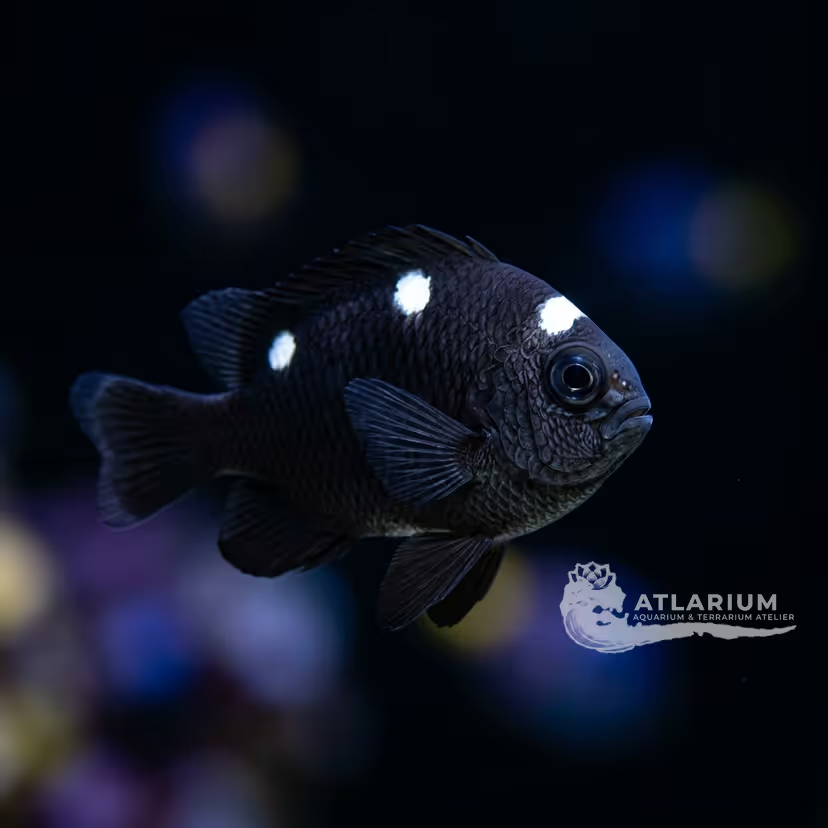
Threespot dascyllus
Dascyllus trimaculatus
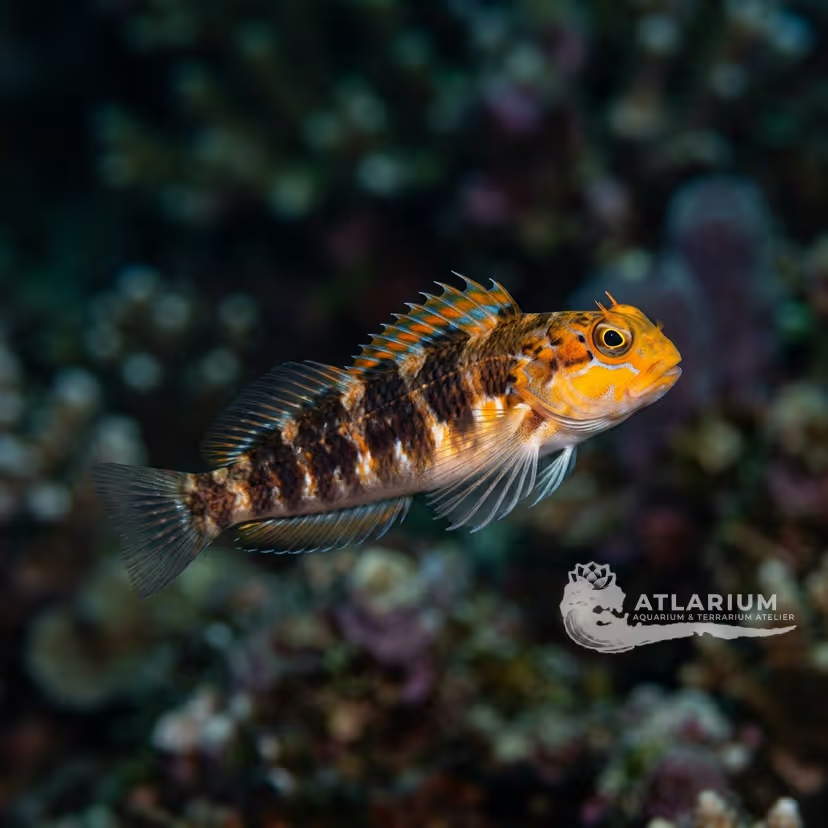
Yelloweye Combtooth Blenny
Ecsenius opsifrontalis

Barsnout goby
Elacatinus illecebrosus