Nanochromis parilus
Nanochromis parilus
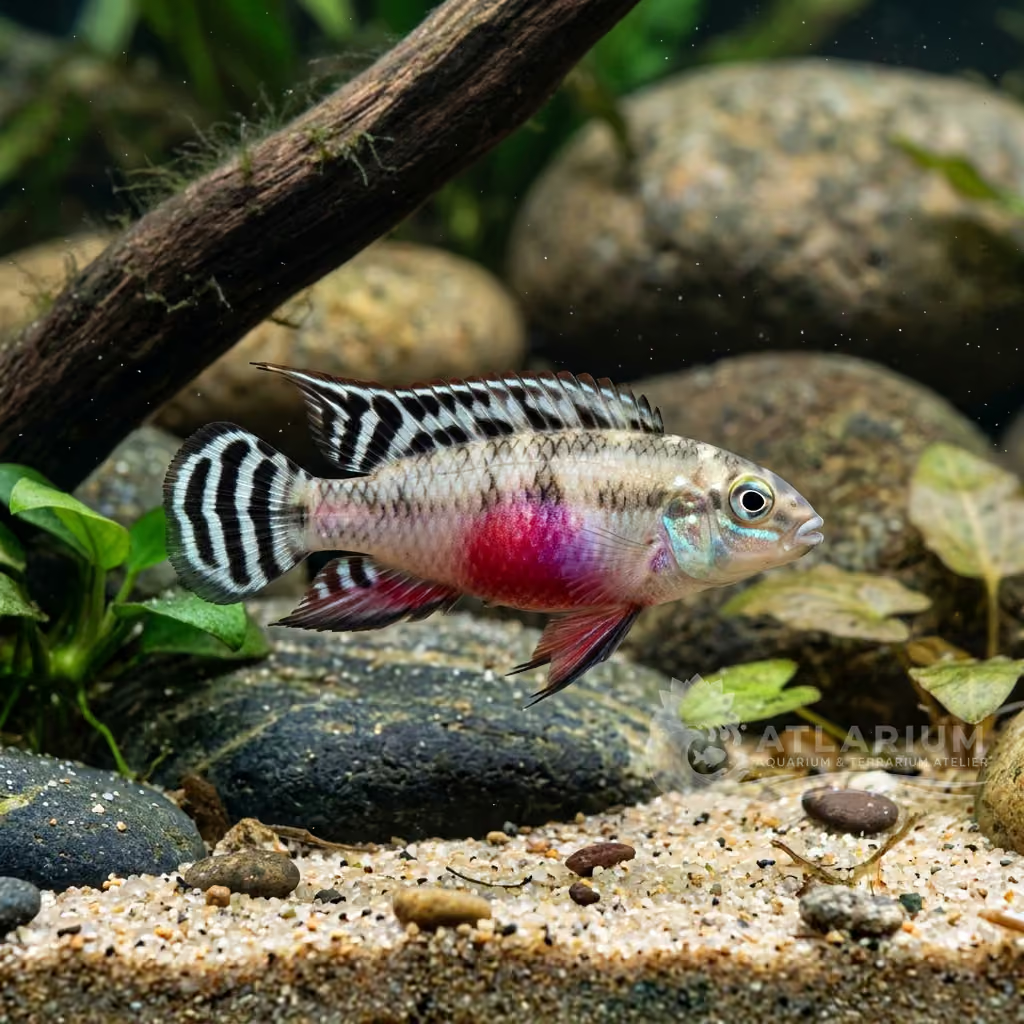
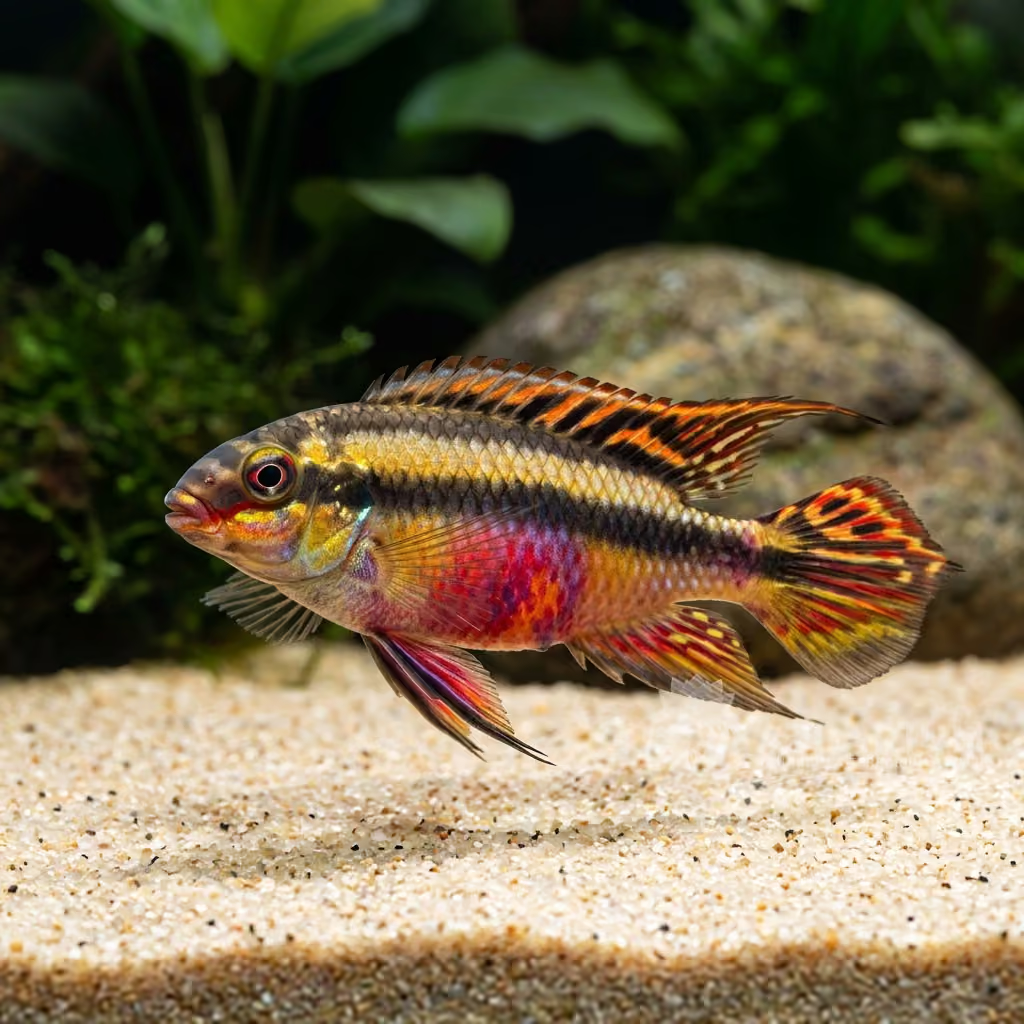
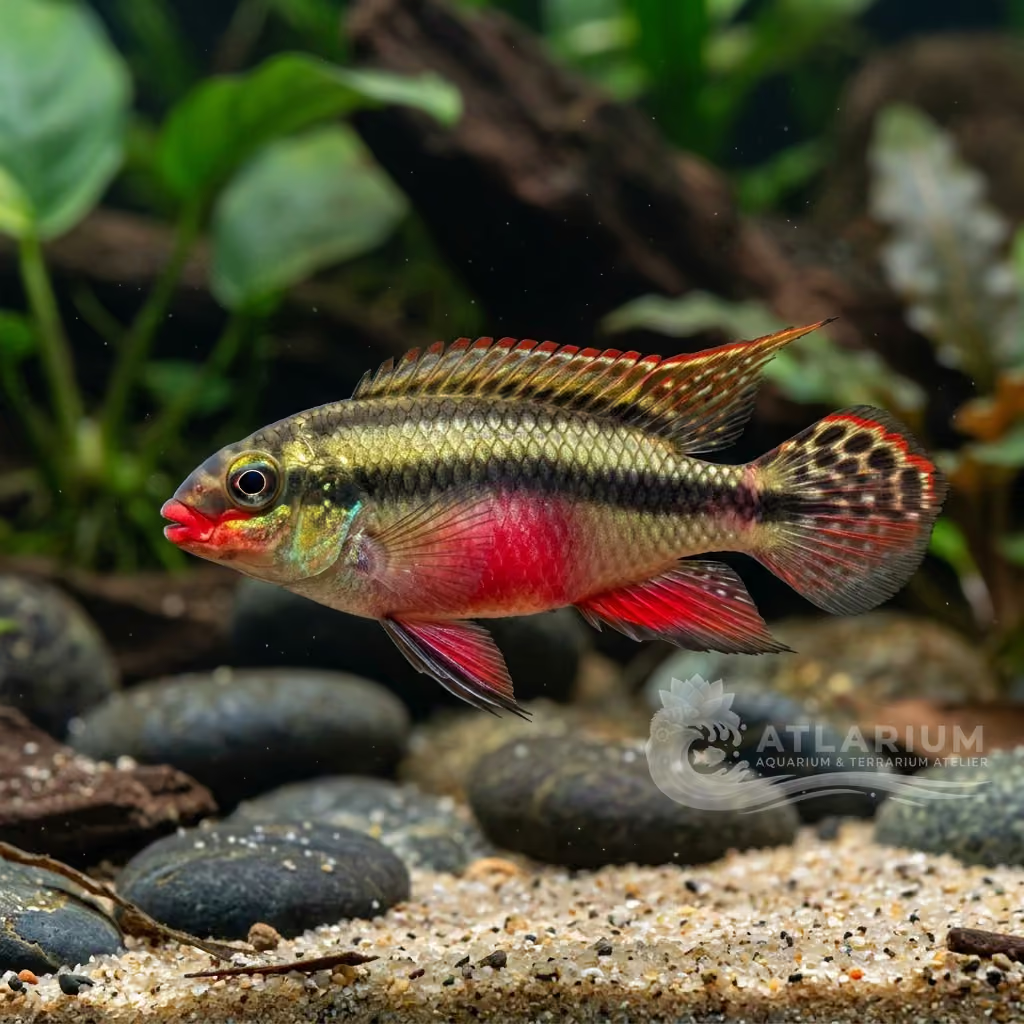
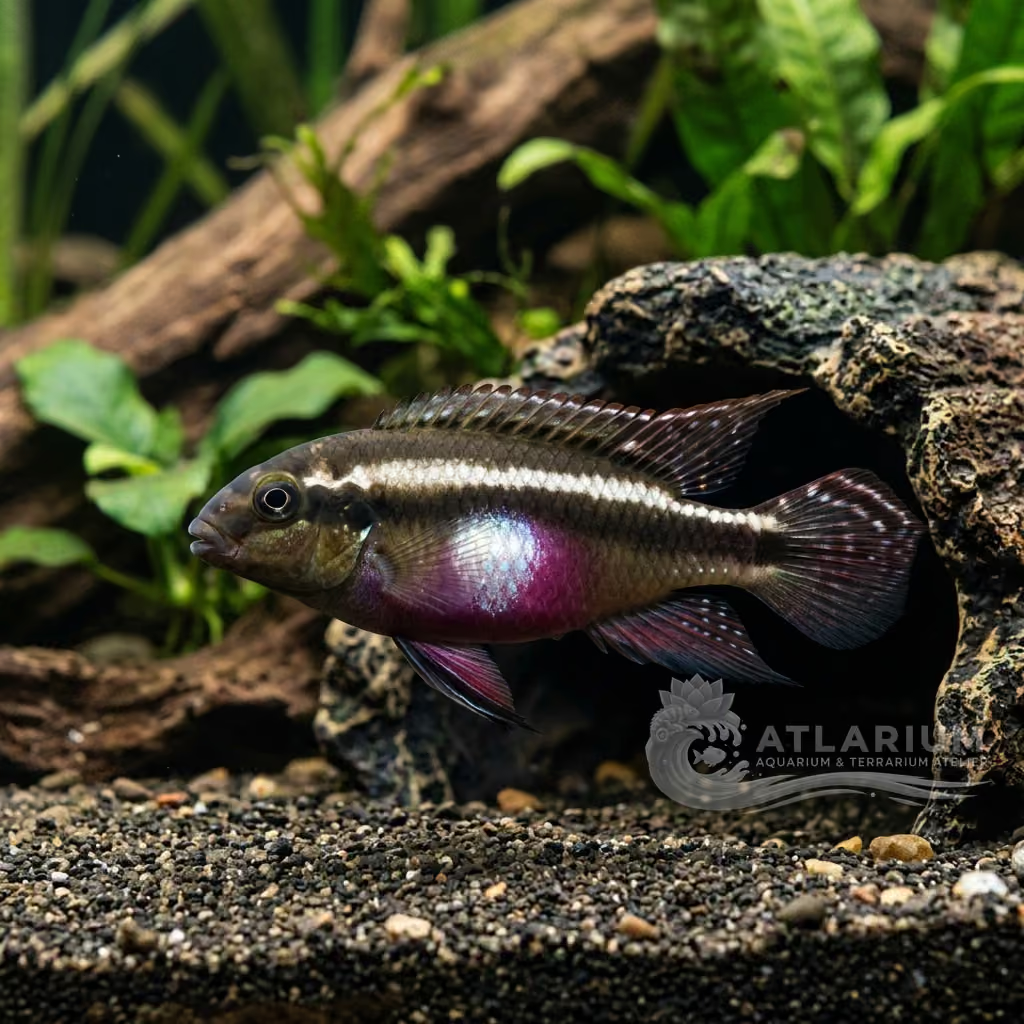
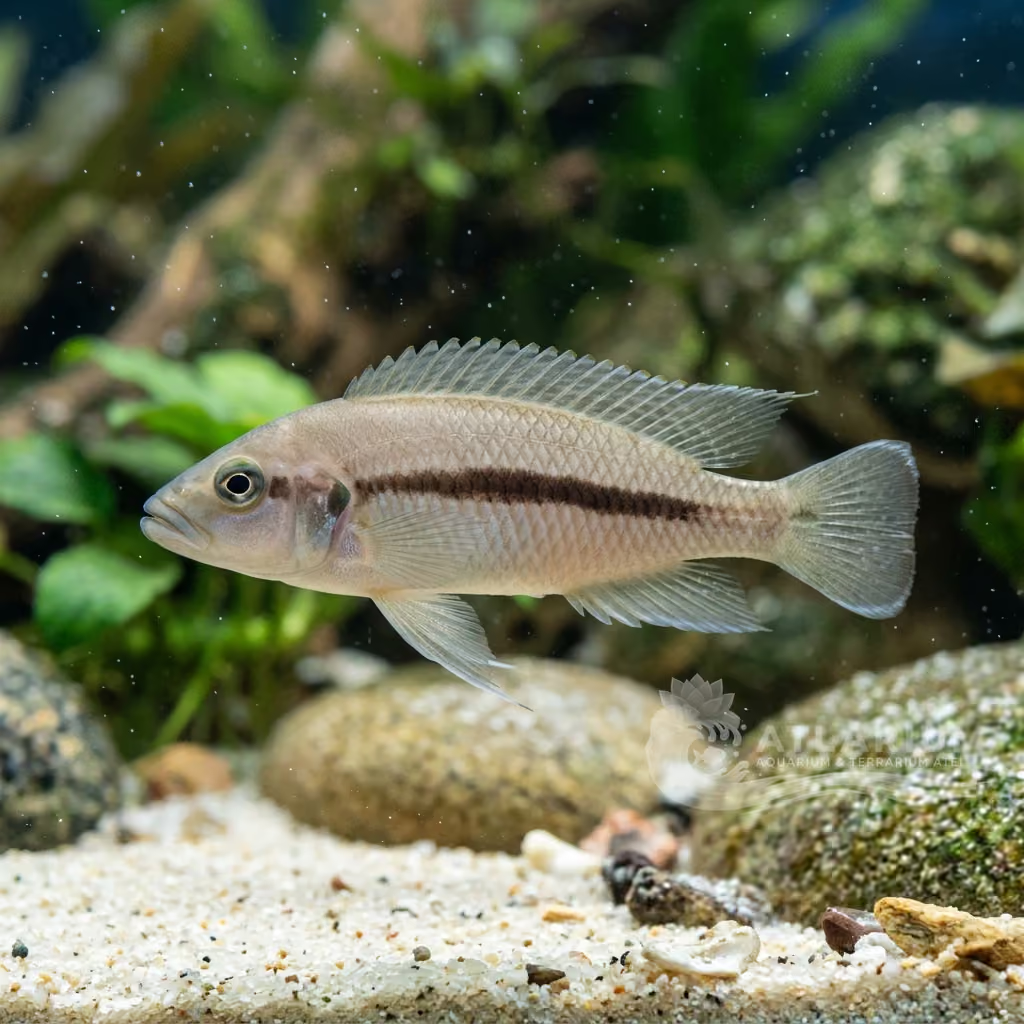
River jewel from the Congo Basin (7 cm). Dwarf cichlid with a vividly colored belly, demands soft and acidic waters. Stands out for its reproductive behavior: lays eggs in small dens and forms a family hierarchy among the dense vegetation.
Water Temperature
24 - 26 °C
pH Value
6 - 7
Water type
Freshwater
Tank level
Bottom
Adult size
7 cm
Minimum tank volume
>= 100 L
Minimum group
>= 1
GH
2 - 10 dGH
KH
1 - 5 dKH
TDS
40 - 200 ppm
Conductivity
63 - 313 uS/cm

Species description
Geographical Origin and Habitat: Lower Congo River Basin (Central Africa), endemic to the Inga and Bulu rapids. Inhabits exclusively the tumultuous currents that flow over smooth rocks, basalt crevices and compact sand.
Taxonomy and Morphology: Nudiceps Cichlid (Nanochromis parilus, often confused with N. nudiceps). Rheophilic dwarf cichlid (lover of currents). Presents an incredibly elongated and dorso-ventrally flattened body to avoid the thrust of the water, with a flat belly.
Social Behavior: Territorial digger. Despite being a dwarf (7 cm / 2.8 inches), it protects a vital radius on the bottom (cave and attached boulders) furiously attacking any bottom fish that passes within range. Must form a pair otherwise the male will persecute the female.
Coloration and Sexual Dimorphism: Magnificent. Iridescent metallic/silvery background color. Females are the show: they possess a bright and enormous pink-purplish belly (when pregnant) which they curve to attract the mate, and the upper half of the tail striped like a chessboard (different from nudiceps). The male is larger but less colorful.

Care, breeding and tankmates
Aquarium Setup: Rheophilic Aquarium (river style, minimum 80-100 cm / 32-40 inches). Rounded calcareous sand and lots of smooth stones, stacked to form small caves. VERY IMPORTANT: a wavemaker or powerful powerhead that creates a violent unidirectional current close to the bottom.
Diet and Feeding: Insectivorous micropredator. Tirelessly nibbles sand and rocks in search of larvae and crustaceans. Sinking feeds (discus pellets, carnivorous granules, bloodworms) must fall quickly to the bottom.
Water Quality: Requires the oxygenation of a torrent. While tolerating neutral pH, if the water is stagnant (slow filters, zero wavemakers), they will collapse gasping and die of asphyxiation.
Compatibility and Cohabitation: Good companion to very fast African Tetras or current Cyprinids (Phenacogrammus, Danios). NEVER insert Corydoras, Loricariids or other dwarf Cichlids (e.g. Pelvicachromis or Steatocranus) which would be brutalized by the pair at the bottom level.
Aquarium Breeding: Cave spawners. The female frantically digs a den (removing shovelfuls of sand). After laying in the roof of the cave, the male patrols the outer perimeter, while the mother incubates. Extreme parental care for a month.
Risks and Diseases: Couple War and Collapses. If the couple quarrels, the male will try to kill the female if there are not enough hiding places. Watch out for unstable rocks: Nanochromis is such a digger as to cause landslides; the stones MUST rest on the glass, not on the sand.

Geographic origin and distribution
Lower Congo River Basin (Central Africa), endemic to the Inga and Bulu rapids. Inhabits exclusively the tumultuous currents that flow over smooth rocks, basalt crevices and compact sand.
Origin
Africa and Madagascar

Fish profile
- Temperament
- Semi-aggressive
- While peaceful toward upper water column inhabitants, they are highly protective of their bottom territory. Their aggression spikes noticeably when they are courting or protecting fry. Outside of breeding, they are relatively calm but reclusive fish.
- Diet
- Omnivore
- Nanochromis parilus is primarily carnivorous, needing high-protein foods. They thrive on a diet of frozen or live bloodworms, brine shrimp, and daphnia. High-quality sinking cichlid pellets can also form a regular part of their varied diet.
- Life expectancy
- 3-5 years
- Adult size
- 7 cm
- Sex ratio
- Pair
- They are best kept in established male-female pairs. Introducing multiple males into a standard-sized aquarium will result in fatal territorial disputes. Females are easily distinguished by their brighter, more pronounced belly coloration.
- Feeding frequency
- Twice daily
- Feeding them once or twice daily is perfectly adequate for adult fish. It is important to provide sinking foods so it reaches their territory at the bottom. Avoid overfeeding, removing any uneaten food to prevent water quality degradation.
- Bioload
- Low
- This dwarf cichlid produces a moderate bioload consistent with other fish of its size. Proper filtration is necessary, but they do not overwhelm the system like larger cichlids. Regular partial water changes are essential to keep nitrates low.
- Flow
- Stagnant
- Hailing from the Congo River basin, they appreciate moderate to fast water flow. Excellent oxygenation and steady water movement closely replicate their natural riverine habitats. Powerheads or appropriately sized canister filters can help achieve the desired current.
- Jump risk
- Yes
- They are not particularly known for jumping out of the aquarium. However, a secure lid is always a good practice to prevent accidental escapes. A tight lid also helps maintain stable water temperatures and prevents evaporation.
- Reproduction
- Oviparous
- These are cave-spawners that form strong monogamous pairs. The female will guard the eggs inside the cave while the male fiercely defends the outer territory. Once the fry are free-swimming, both parents will actively herd and protect them.
- Compatibility & tankmates
- Semi-aggressive
- They are generally peaceful but become intensely territorial during breeding. They should be housed with fast-moving, upper-level dither fish like African tetras. Bottom-dwelling species, especially Corydoras or other dwarf cichlids, may face significant aggression.
- Tank level
- Bottom
- They are exclusively bottom-dwelling fish that spend their time near the substrate. They constantly explore caves, rocks, and the substrate for food and territorial boundaries. Providing complex hardscape with plenty of hiding spots is essential for their well-being.

Scientific Parameters & Models
FishBase
Window to the official scientific data of the species
FishBase v25.04Data synced on: 06/15/2026
- Trophic level
- 3.3 ± 0.4 se
- Resilience
- High (less than 15 months)
- Phylogenetic uniqueness (PD50)
- 0.5039
- Bayesian Length-Weight
- a = 0.00389, b = 3.12
- VulnerabilityLow vulnerability (10 / 100)

Related species
Recommendations grouped by close relatives, companion choices, and similar care.