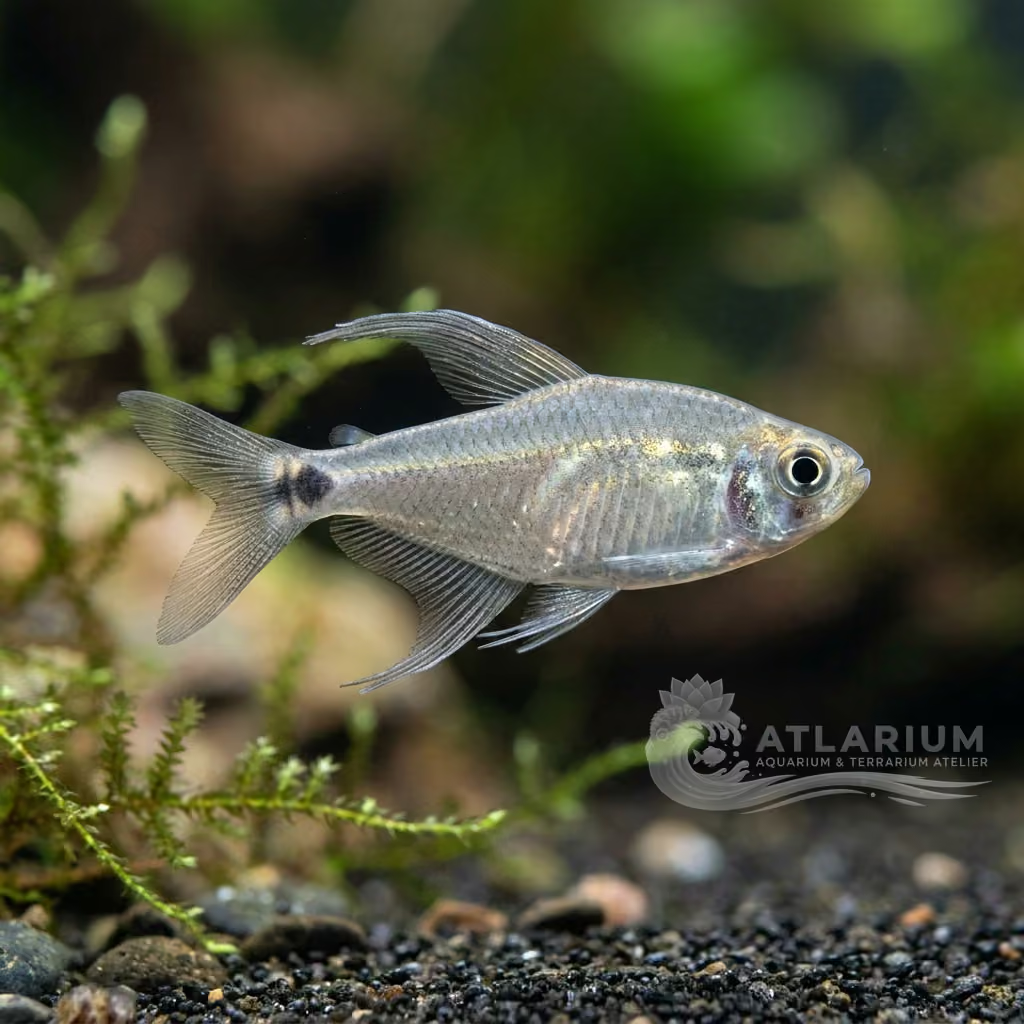
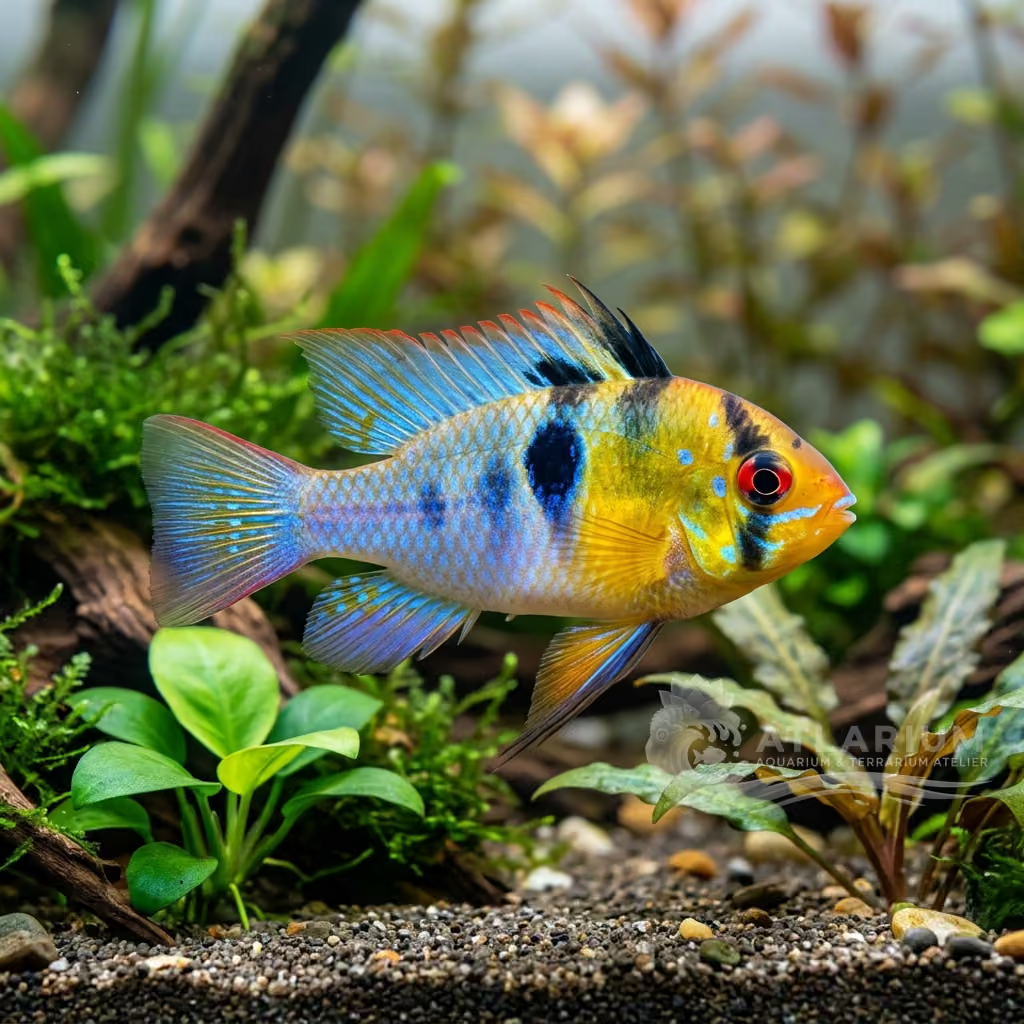
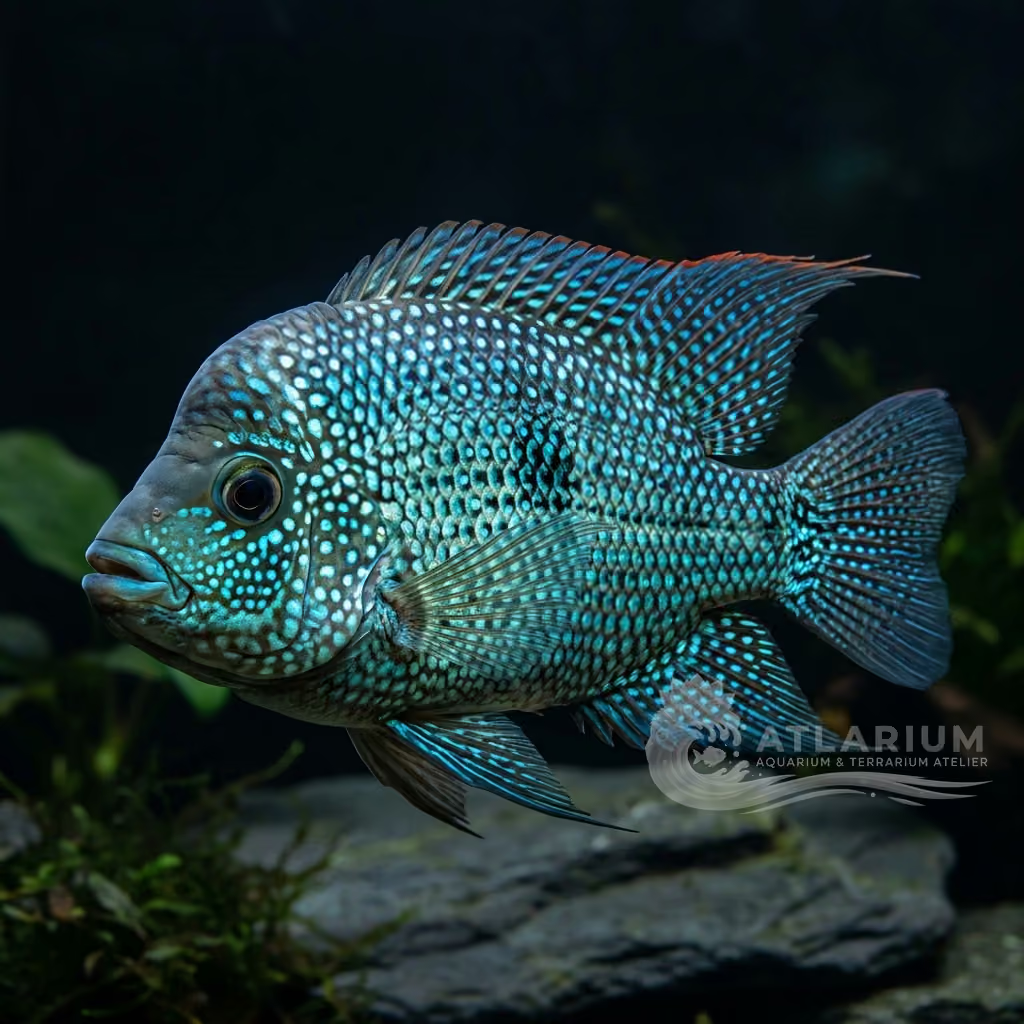
Eartheater Cichlid
Geophagus altifrons
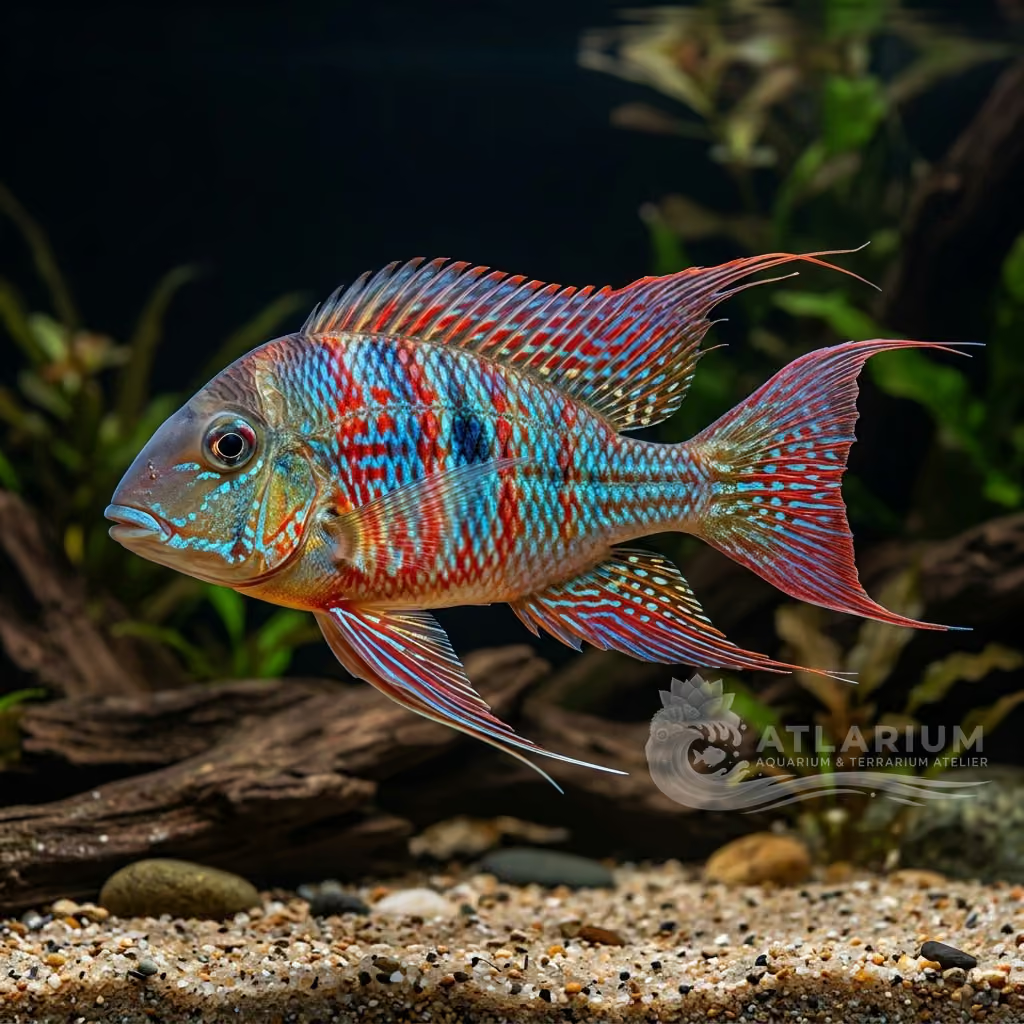
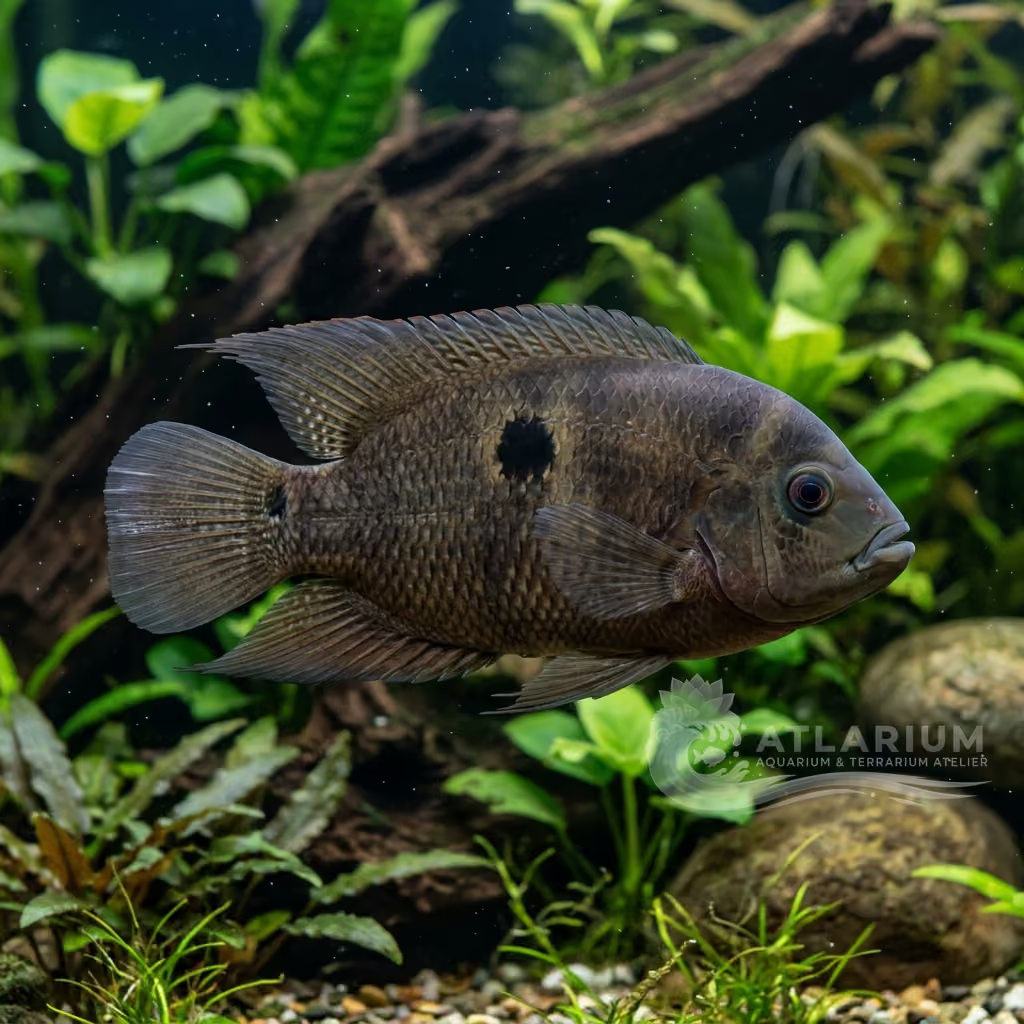
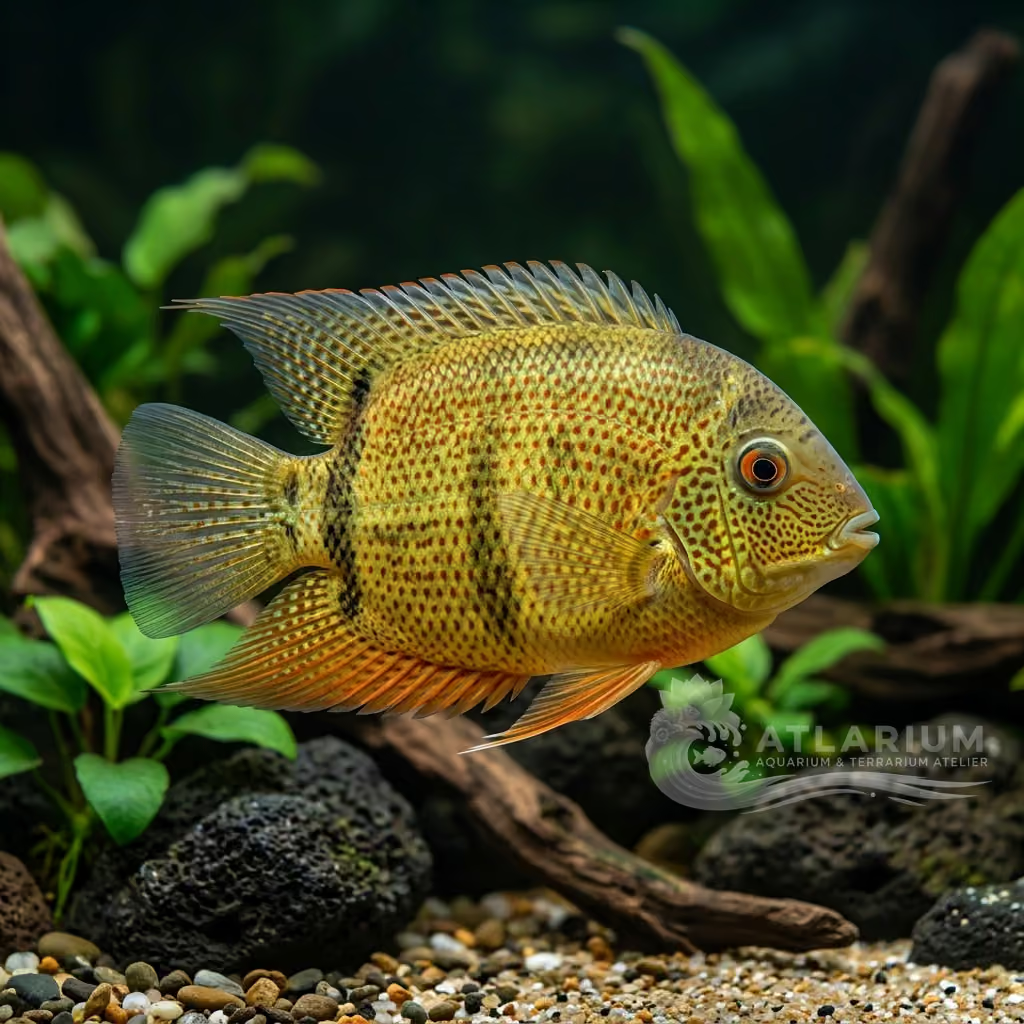
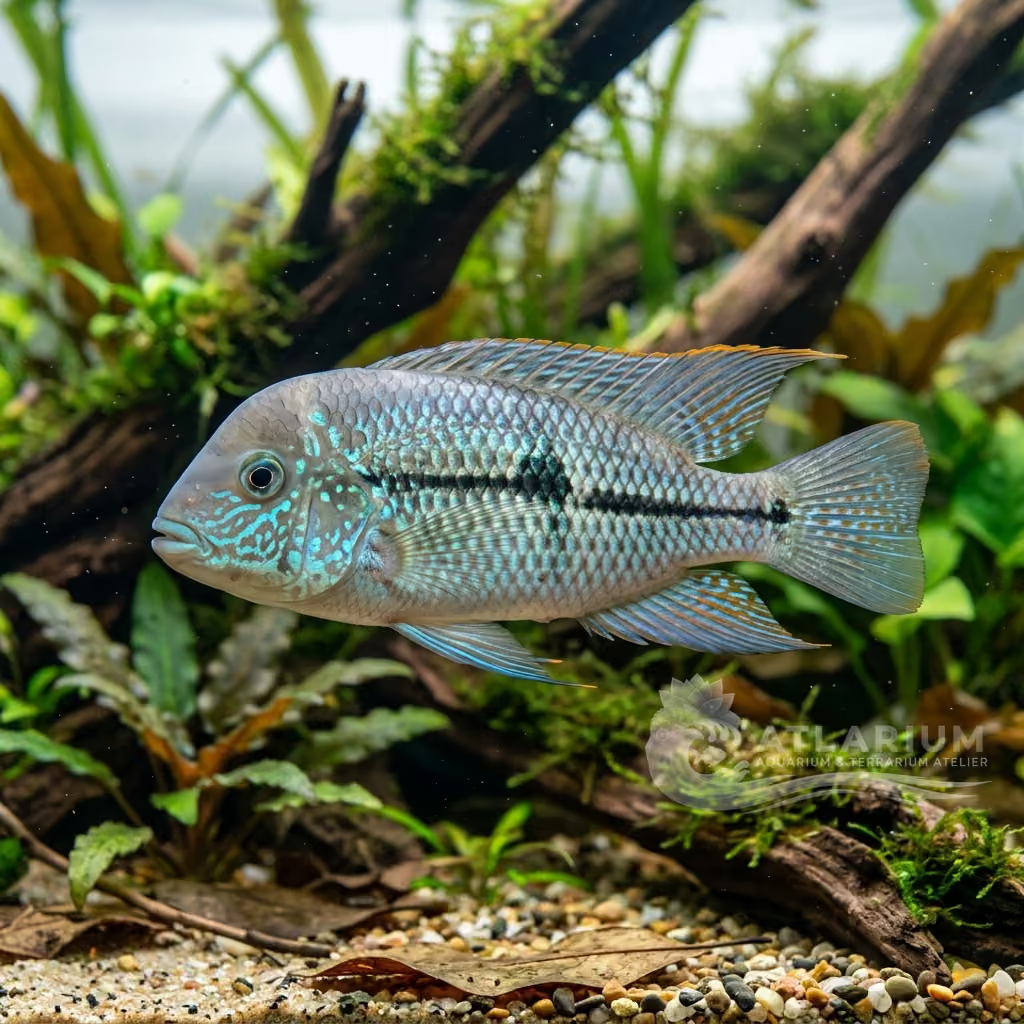
Geophagus, literally translated as 'eartheaters', are fascinating South American cichlids famous for their incessant and tireless sifting of sand. Endowed with spectacular long filamentous fins and pearlescent pastel colorations, these sizable fish (up to 25 cm / 10 inches) spend their entire day gathering mouthfuls of sand, sifting edible detritus from it, and expelling the sand out through their gills. They are incredibly peaceful cichlids if kept in the correct setup, ideal as giant scavengers for maxi-sized community aquariums.
26 - 30 °C
6 - 7.5
Freshwater
Bottom and middle
25 cm
>= 400 L
>= 5
4 - 10 dGH
2 - 5 dKH
80 - 200 ppm
125 - 313 uS/cm

Species description

Care, breeding and tankmates

Geographic origin and distribution
Origin

Fish profile
- Temperament
- Peaceful
- It is a mild-mannered cichlid. Unprovoked aggression is very rare. It is a wonderful centerpiece fish.
- Diet
- Omnivore
- It is an eartheater. Feed sinking pellets and frozen bloodworms. A fine sand substrate is mandatory.
- Life expectancy
- 10 years
- Adult size
- 25 cm
- Sex ratio
- Flexible
- Keep them in groups. This diffuses natural aggression. Pairs will emerge as they mature.
- Feeding frequency
- Twice daily
- It constantly sifts the sand. Feed multiple small meals daily. This mimics natural continuous foraging.
- Bioload
- Medium to High
- This fish produces a high bioload. Robust biological filtration is essential. Frequent water changes are necessary.
- Flow
- Moderate
- It originates from riverine environments. It prefers moderate water flow. Provide resting areas with calm water.
- Jump risk
- No
- Reproduction
- Mouthbrooder
- Many are mouthbrooders. Parents fiercely guard eggs and fry. Breeding pairs form naturally over time.
- Compatibility & tankmates
- Verify
- It is generally peaceful. It fits well in community tanks. It becomes territorial during spawning.
- Tank level
- Middle/Bottom
- It stays at the bottom. It continuously sifts the sand. A large footprint is required.

Scientific Parameters & Models
Window to the official scientific data of the species
- Trophic level
- 2.2 ± 0.1 se
- Resilience
- High (less than 15 months)
- Phylogenetic uniqueness (PD50)
- 0.5
- Bayesian Length-Weight
- a = 0.01905, b = 2.99
- VulnerabilityLow vulnerability (17 / 100)

Related species
Recommendations grouped by close relatives, companion choices, and similar care.