
Encyclopaedia
Comet Goldfish
Carassius auratus var. Comet
The 'Comet' Goldfish is the aesthetic and dynamic upgrade of the Common Goldfish. This magnificent variety, developed in America, retains the same very robust and massive torpedo body shape of its common cousin, but enhances it with an explosion of immense, veil-like, floating and elegant fins. The caudal fin (tail) is deeply forked and fluffy. It easily reaches 25-30 centimeters (10-12 inches) and swims with an unprecedented fast and snappy grace. It unfortunately shares the same tragic and bitter commercial fate as the common: sold for a few cents and condemned to atrocious asphyxiations in tiny domestic glass bowls. It is a formidable athlete of cold waters and open spaces.
Share
Check out Comet Goldfish on Atlarium
10 - 24 °C
7 - 8
Freshwater
All levels
30 cm
>= 200 L
>= 2
8 - 20 dGH
4 - 10 dKH
160 - 400 ppm
250 - 625 uS/cm
Species description
Care, breeding and tankmates
Geographic Origin and Distribution
Origin
Fish profile
- Temperament
- Peaceful
- Diet
- Omnivore
- Sex ratio
- Group
- Feeding frequency
- Continuous
- Bioload
- Extreme
- Flow
- Strong
- Jump risk
- No
- Reproduction
- Oviparous
- Compatibility & tankmates
- Species only
- Tank level
- All levels
Window to the official scientific data of the species
Scientific Parameters & Models
- Trophic level
- 2 ± 0 se
- Resilience
- Medium (1.4 - 4.4 years)
- Generation time
- 6.7 years
- Phylogenetic uniqueness (PD50)
- 0.5156
- Bayesian Length-Weight
- a = 0.01259, b = 3.04
Image gallery
Licensed images linked to the species or, when marked, to the closest representative taxon.
Related species
Recommendations grouped by close relatives, companion choices, and similar care.
Variants and close relatives
Same atlas type, nearby scientific identity, genus, or family.
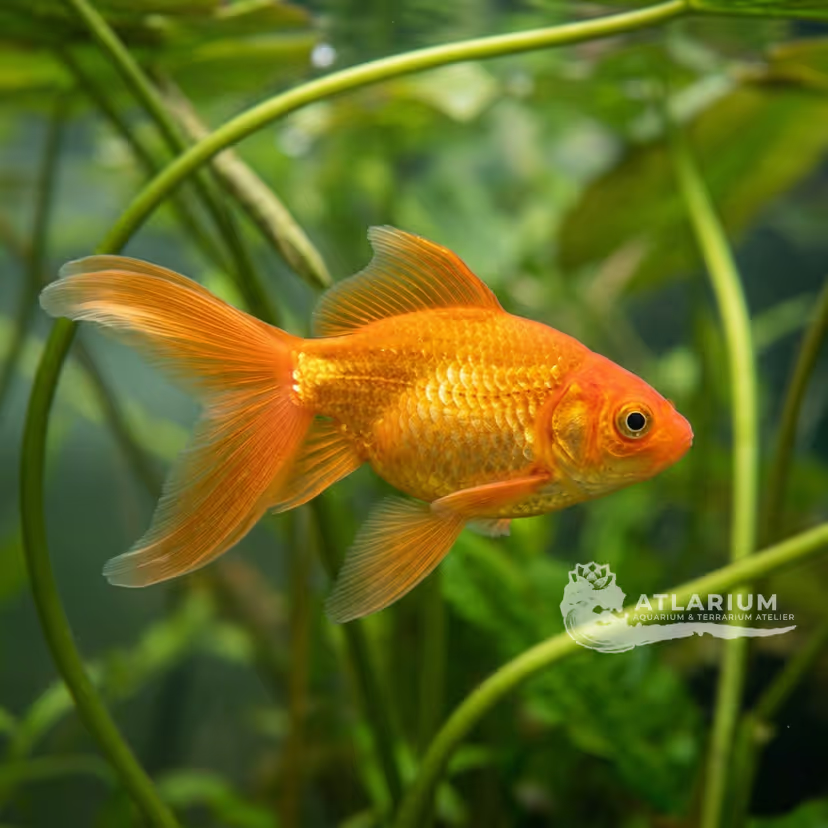
Common Goldfish
Carassius auratus

Rosy Bitterling
Rhodeus ocellatus
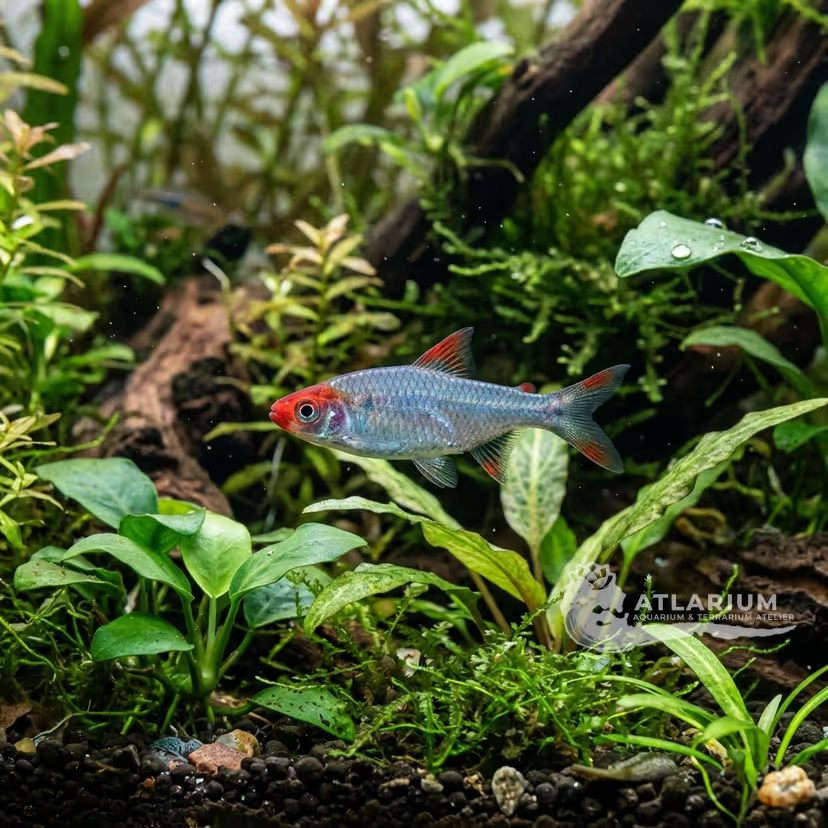
Rummy-nose Rasbora
Sawbwa resplendens
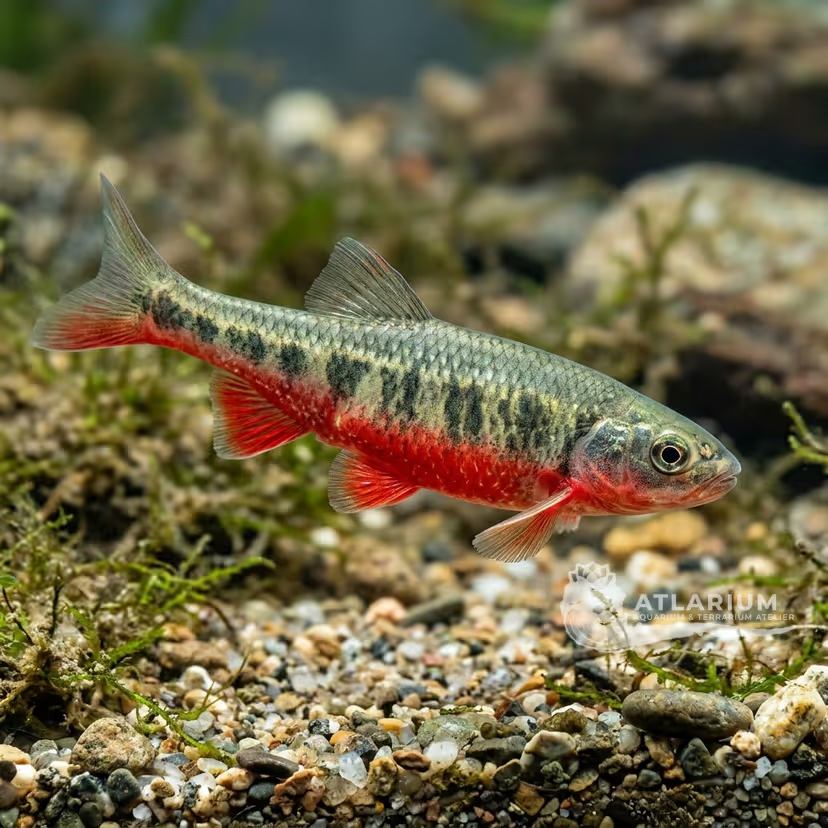
Eurasian Minnow
Phoxinus phoxinus

Belica
Leucaspius delineatus

Emerald dwarf rasbora
Danio erythromicron

Rosy Barb
Pethia conchonius
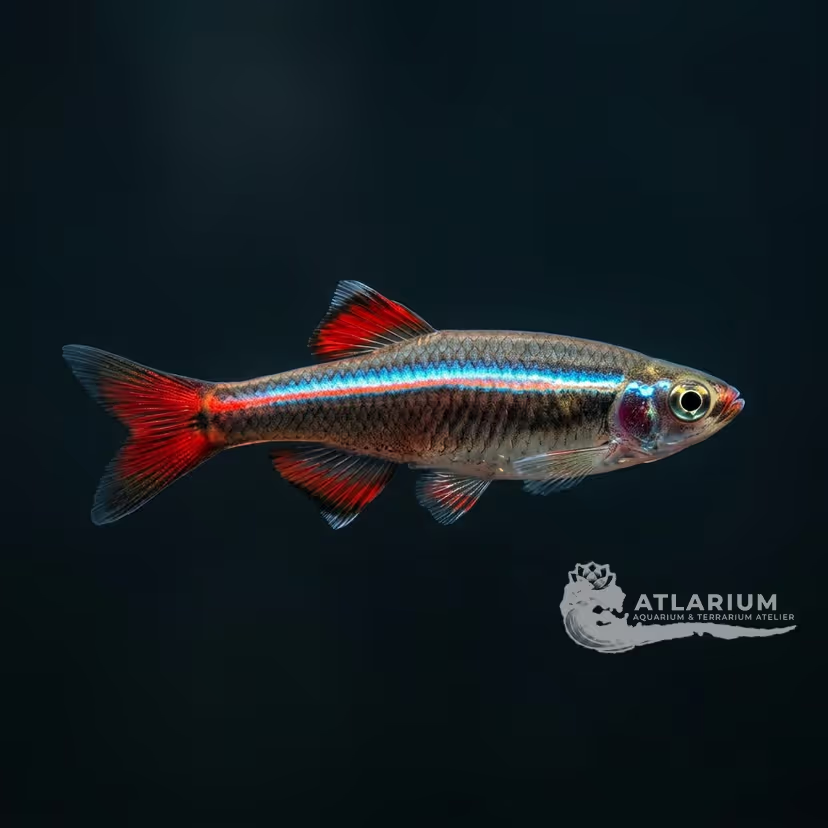
White Cloud Mountain Minnow
Tanichthys albonubes
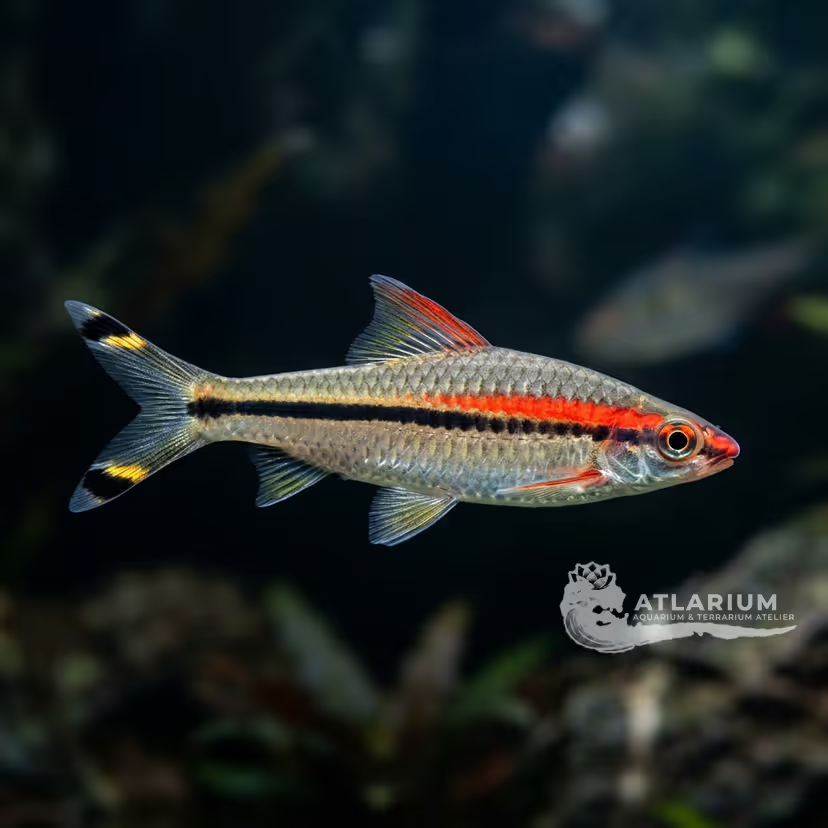
Denison Barb / Roseline Shark
Sahyadria denisonii

Garra Rufa (Doctor Fish)
Garra rufa

Java Barb
Systomus rubripinnis

Odessa Barb
Pethia padamya
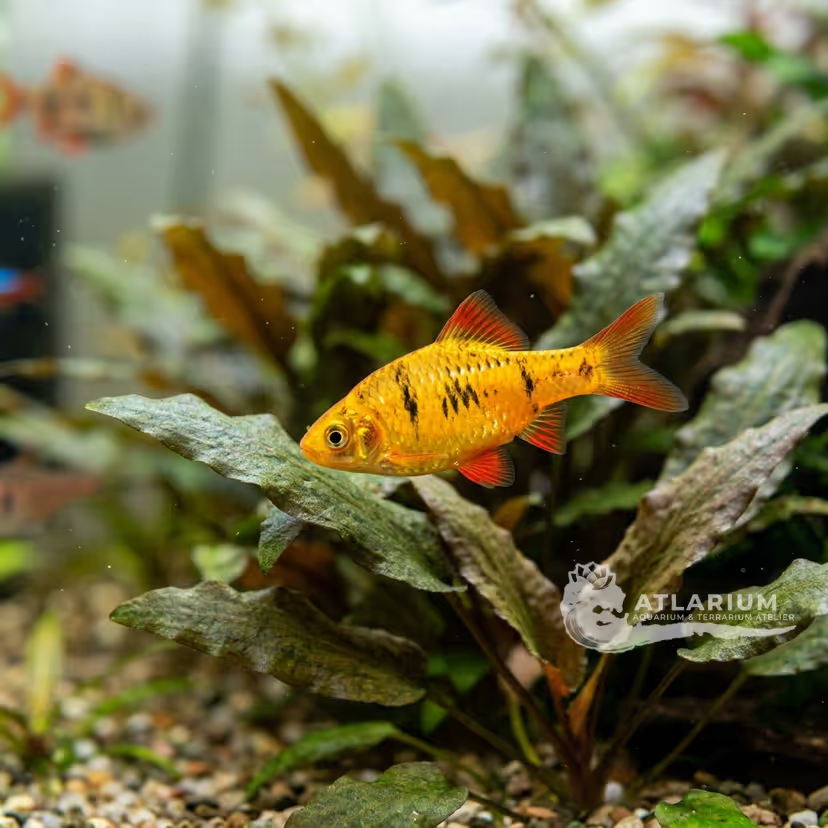
Gold Barb
Barbodes semifasciolatus

Zebrafish
Danio rerio

Yoma Danio
Danio feegradei
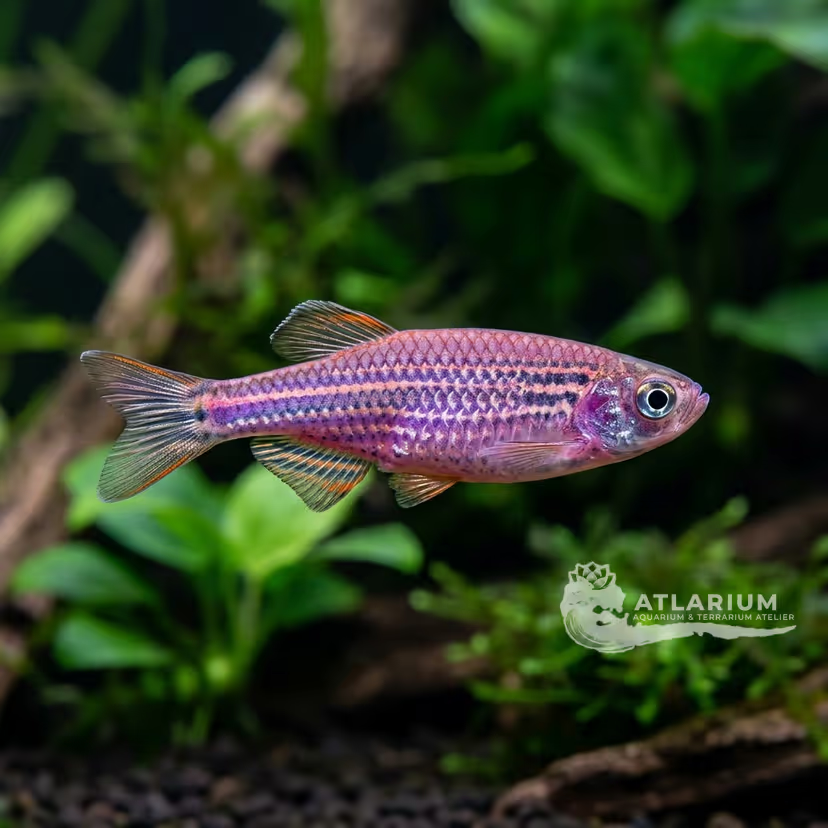
Purple Rose Danio
Danio roseus
Recommended companions
Compatible cards from coherent ecosystems with matching parameters.

CPO Dwarf Orange Crayfish
Cambarellus patzcuarensis

Ghost Shrimp
Palaemon paludosus

Daggerblade Grass Shrimp
Palaemon pugio

Cherry Shrimp
Neocaridina davidi
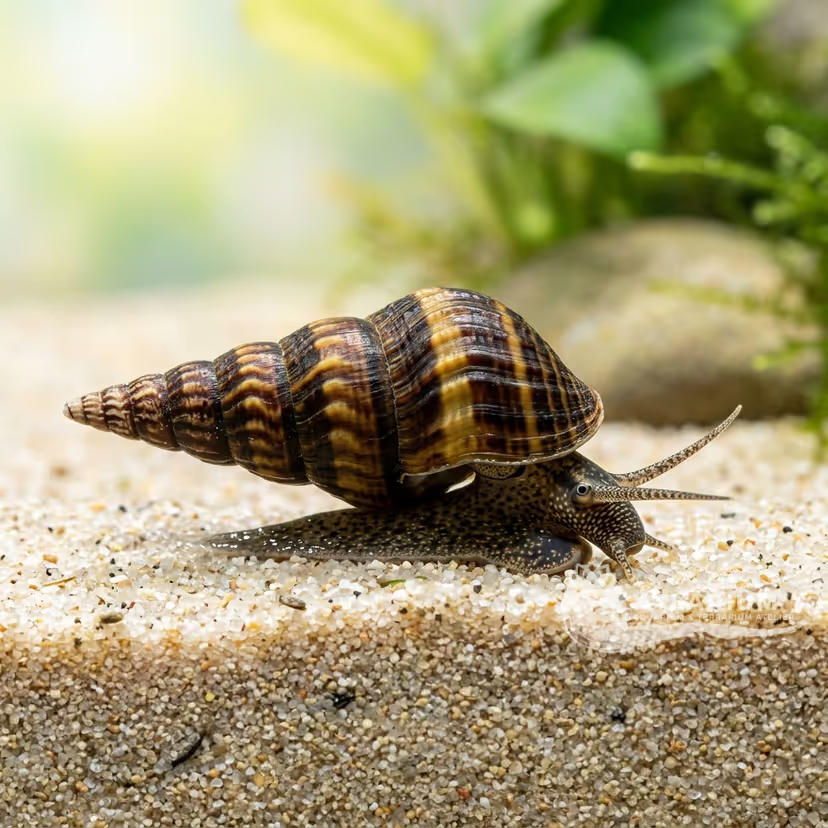
Assassin snail
Anentome helena

Amblystegium riparium
Amblystegium riparium

Mystery Snail
Pomacea bridgesii

Electric Blue Crayfish
Procambarus alleni
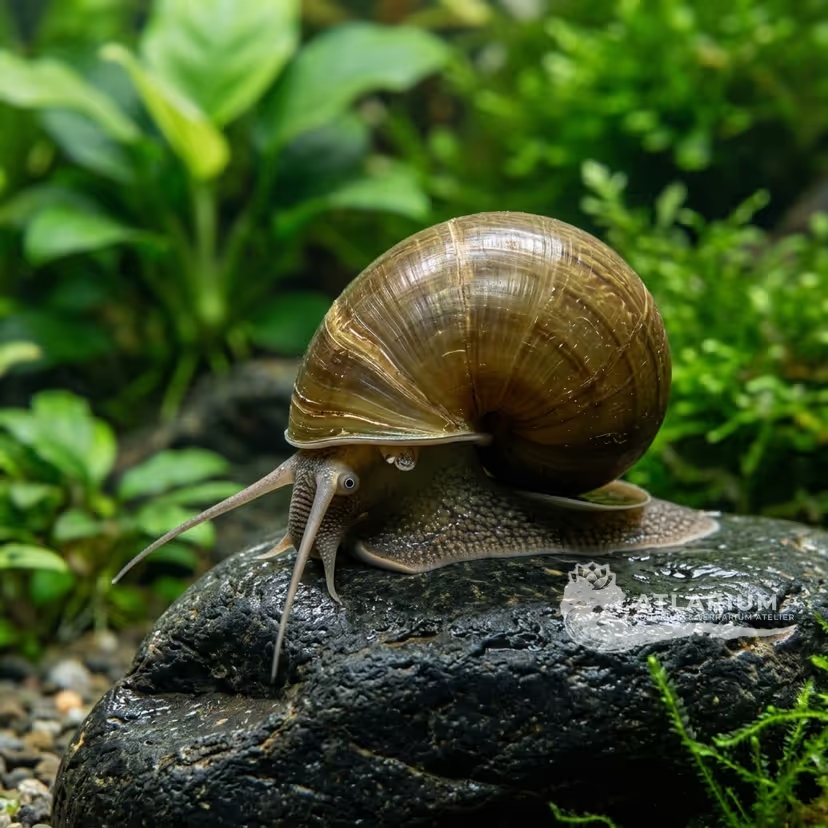
Asian apple snail
Pila ampullacea

Bladder snail
Physella acuta
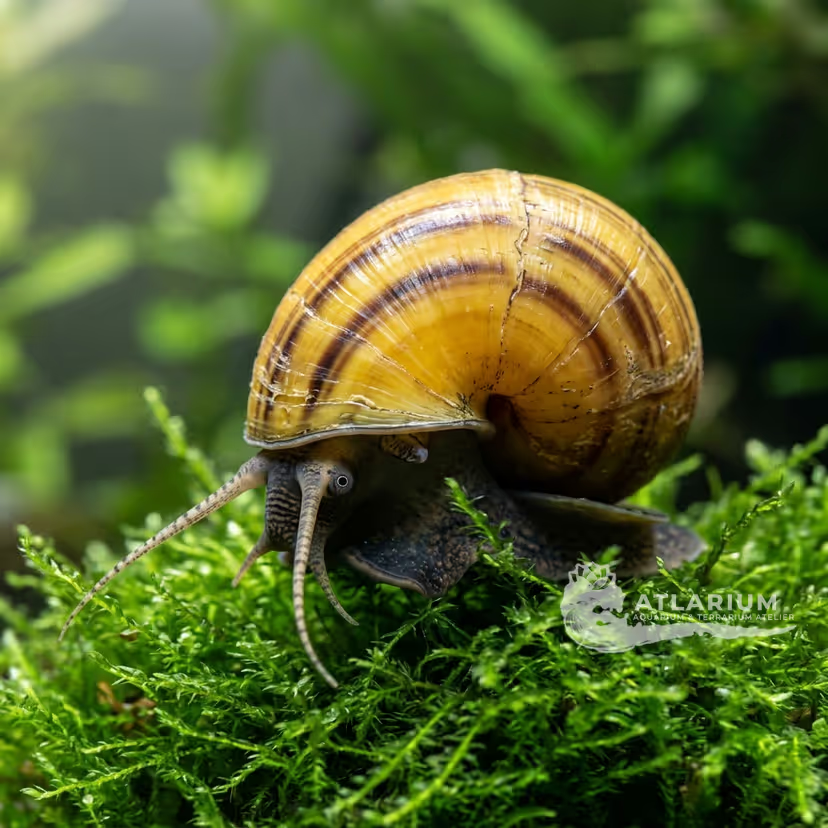
Channelled apple snail
Pomacea canaliculata

Chinese mystery snail
Cipangopaludina chinensis

Ear pond snail
Radix auricularia

European river snail
Viviparus viviparus

Florida apple snail
Pomacea paludosa

Giant ramshorn snail
Marisa cornuarietis
Similar care
Cards with similar requirements, difficulty, habitat, and husbandry profile.

Nicaragua Cichlid (Macaw Cichlid)
Hypsophrys nicaraguensis

Cherry Barb
Puntius titteya
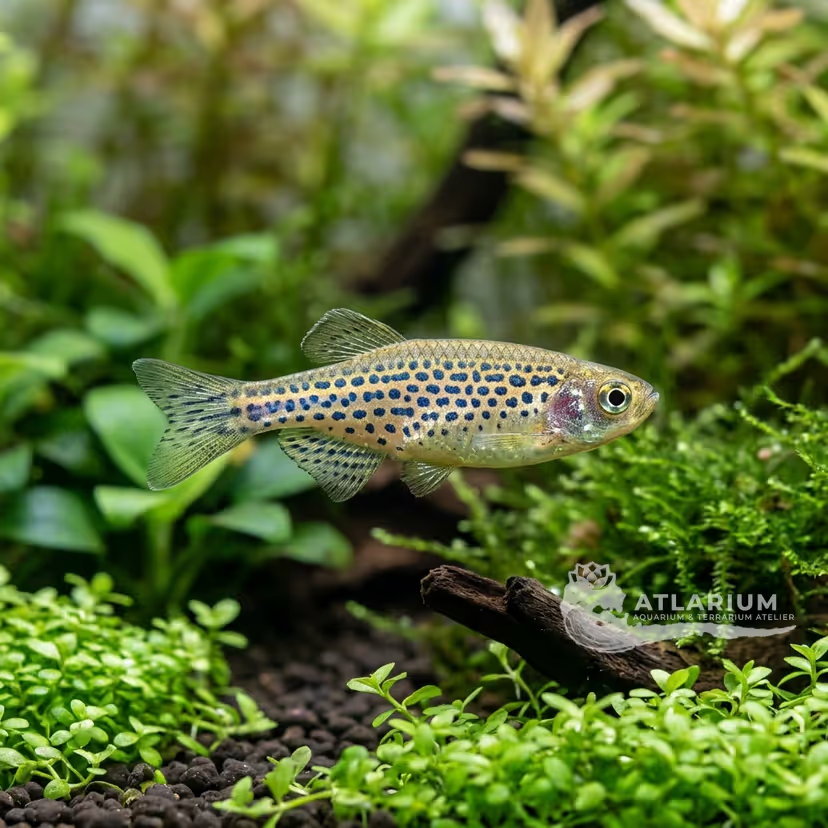
Gold Ring Danio
Danio tinwini

Kerr's Danio
Danio kerri

Blackline Tetra
Hyphessobrycon scholzei
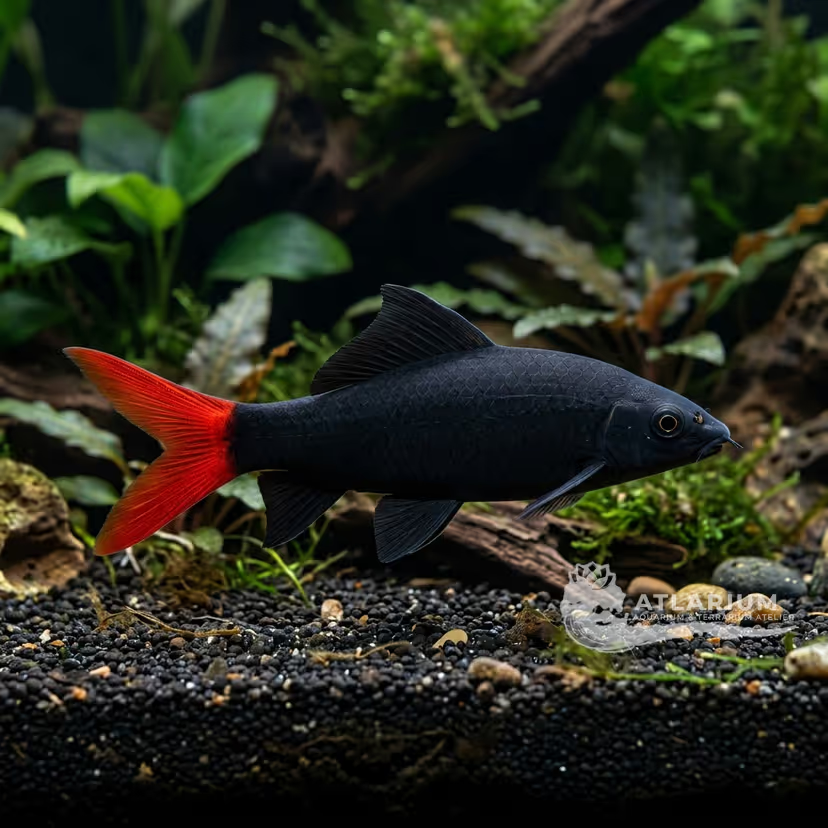
Red Tail Shark
Epalzeorhynchos bicolor

Checker Barb
Oliotius oligolepis
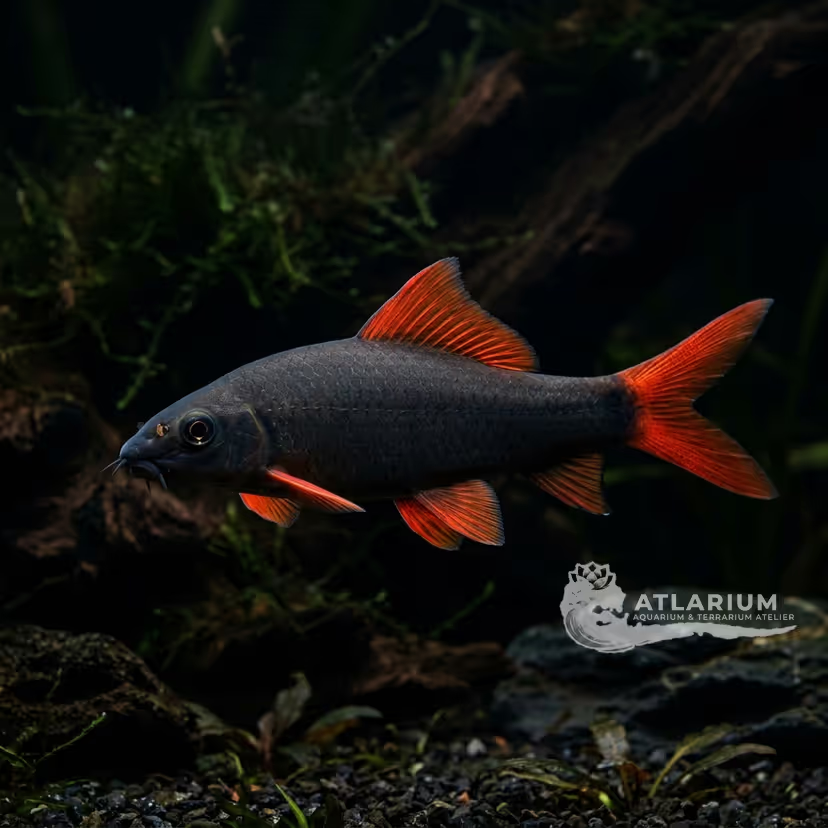
Rainbow Shark
Epalzeorhynchos frenatus

T-Bar Cichlid (Sajica)
Amatitlania sajica

Great pond snail
Lymnaea stagnalis

Hercules snail
Brotia herculea

Indian apple snail
Pila globosa

Mystery apple snail
Pomacea diffusa

Orange rabbit snail
Tylomelania gemmifera
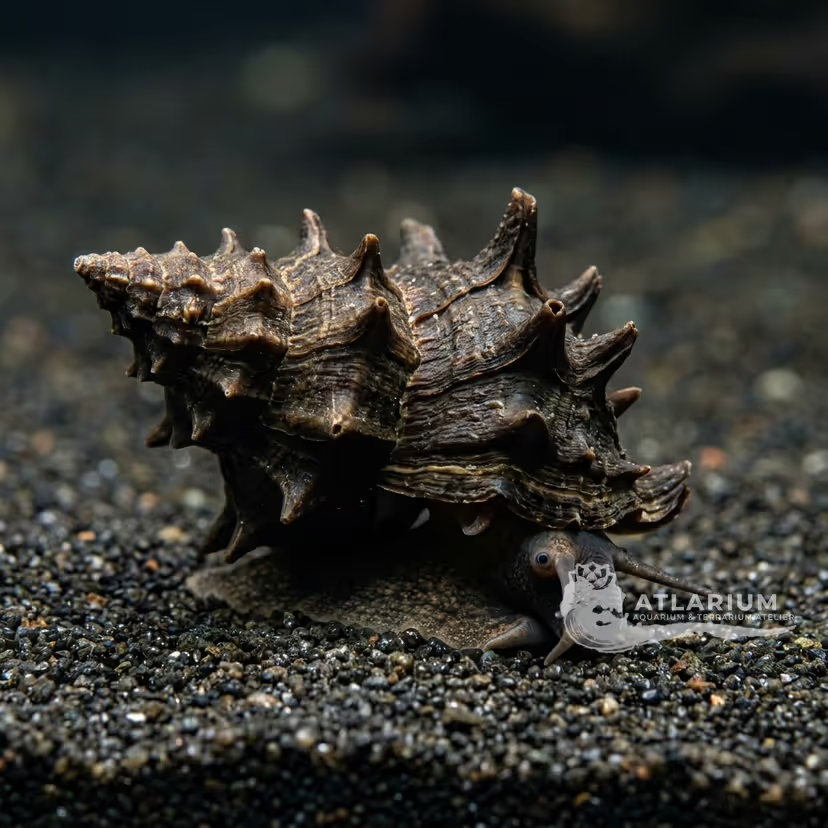
Pagoda snail
Brotia pagodula
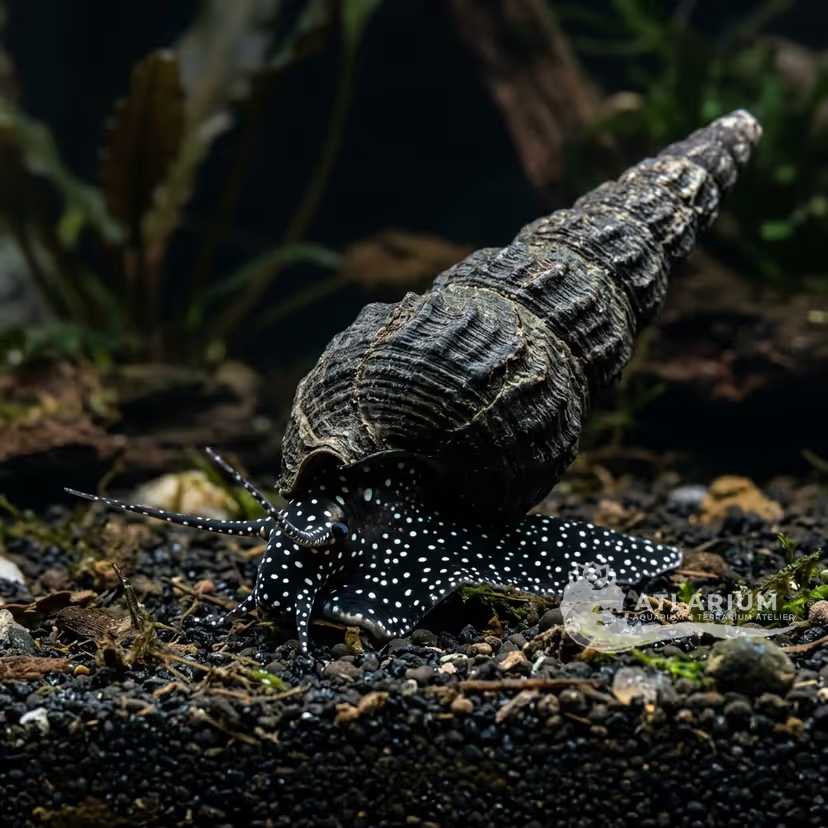
Patriarch rabbit snail
Tylomelania patriarchalis