Rainbow Shark
Epalzeorhynchos frenatum
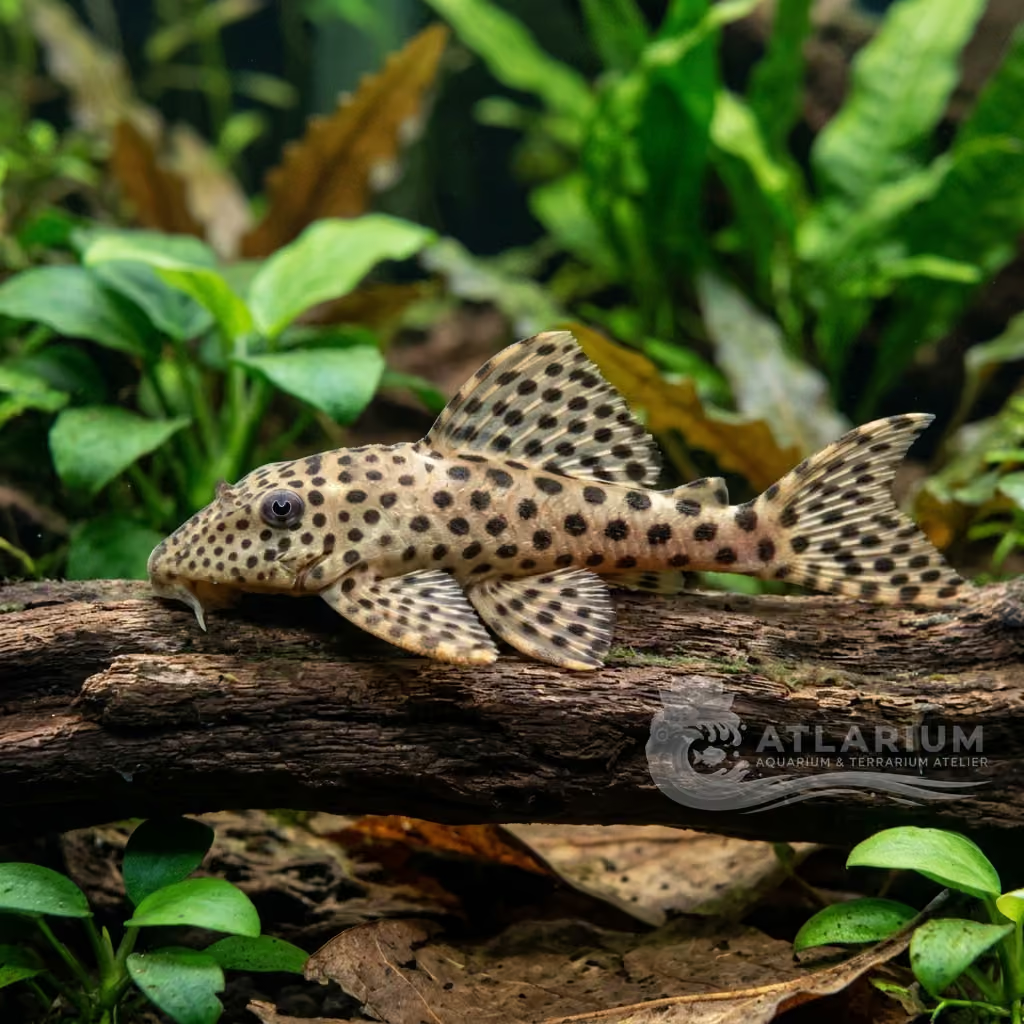
The Rainbow Shark (Epalzeorhynchos frenatum) is the close cousin of the Red Tail Shark. Compared to the Bicolor (which has only a red tail), the Frenatus has a more elongated, dark green-grey body, with ALL fins colored bright orange-red. It also exists in a highly popular albino variant with a pinkish-white body. Although it shares the shark-like morphology, it has a slightly less antisocial temperament than its cousin, but remains a strongly territorial bottom algae-scraper, capable of terrorizing improperly prepared or populated aquariums.
22 - 28 °C
6.5 - 7.5
Freshwater
Bottom
15 cm
>= 150 L
>= 1
5 - 15 dGH
2 - 7 dKH
95 - 295 ppm
148 - 461 uS/cm

Species description

Care, breeding and tankmates

Geographic origin and distribution
Origin

Fish profile
- Temperament
- Aggressive
- They are highly territorial and can be aggressive, particularly towards fish with similar shapes or colors. While peaceful with top-dwelling species, they relentlessly chase other bottom-dwellers. Providing a large footprint and broken lines of sight helps diffuse their aggression.
- Diet
- Omnivore
- This species is primarily an omnivorous scavenger that constantly feeds on algae and biofilm. In captivity, they readily accept sinking pellets, algae wafers, and fresh blanched vegetables. Occasional meaty protein treats like bloodworms or brine shrimp are highly beneficial.
- Life expectancy
- 6-10 years
- Adult size
- 15 cm
- Sex ratio
- Group
- Because of their severe territorial aggression, they should be kept strictly singly. Keeping multiple individuals usually results in fatal fights and chronic stress. Therefore, maintaining a specific sex ratio is generally irrelevant for home aquariums.
- Feeding frequency
- Twice daily
- Feed them once or twice a day in small, manageable portions. Offer only what they can entirely consume within a few minutes. Overfeeding can lead to poor water quality and severe health issues over time.
- Bioload
- Medium
- The Rainbow shark produces a moderate amount of waste in the aquarium. Maintaining a robust and efficient filtration system is essential for their health. Regular weekly water changes are highly recommended to prevent harmful nitrate accumulation.
- Flow
- Strong
- They prefer moderate to strong water flow that simulates their natural riverine habitats. Good oxygenation and steady water movement encourage their natural active swimming behavior. Adding a dedicated powerhead can help replicate these ideal conditions.
- Jump risk
- Yes
- Rainbow sharks are notorious jumpers, especially when first introduced to a new environment. A tight-fitting, secure lid with no gaps is absolutely mandatory. Any open spaces around filters or heaters should be carefully covered.
- Reproduction
- Oviparous
- Breeding them in home aquariums is extremely difficult and rarely achieved successfully. Commercial breeding relies heavily on hormone injections in large outdoor ponds. They are egg-layers but exhibit intense aggression during the spawning process.
- Compatibility & tankmates
- Peaceful
- They are semi-aggressive and highly territorial towards other bottom-dwelling fish. It is best to keep only a single individual per aquarium to avoid fighting. They can co-exist well with fast-moving, upper-level schooling fish like barbs or tetras.
- Tank level
- Bottom
- They are predominantly bottom dwellers that spend most of their time grazing on surfaces. However, they will also actively patrol the lower and middle levels of the tank. Providing plenty of caves, driftwood, and hiding spots is essential.

Scientific Parameters & Models
Window to the official scientific data of the species
- Trophic level
- 2.3 ± 0.18 se
- Resilience
- High (less than 15 months)
- Phylogenetic uniqueness (PD50)
- 0.5625
- Bayesian Length-Weight
- a = 0.00794, b = 3.02
- VulnerabilityLow vulnerability (10 / 100)

Related species
Recommendations grouped by close relatives, companion choices, and similar care.