Sphaerocaryum malaccense
Sphaerocaryum malaccense
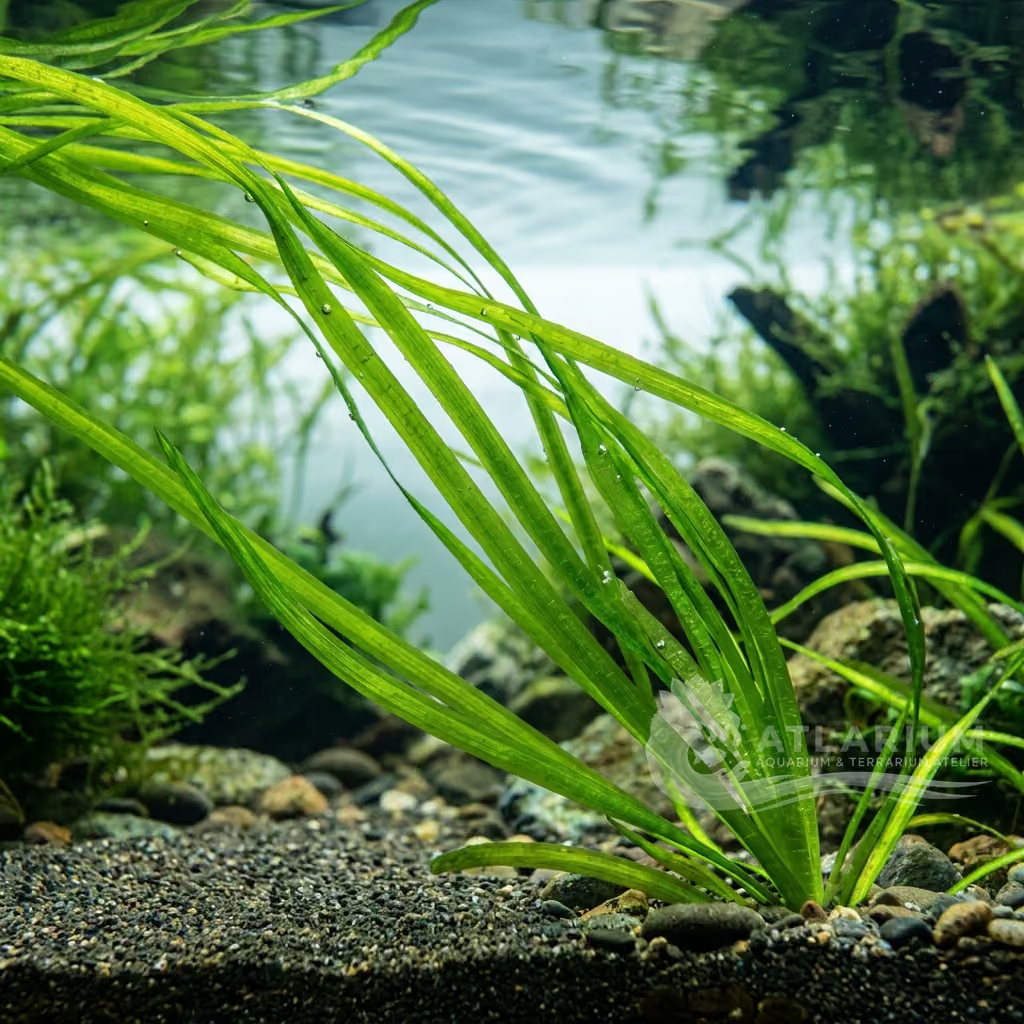
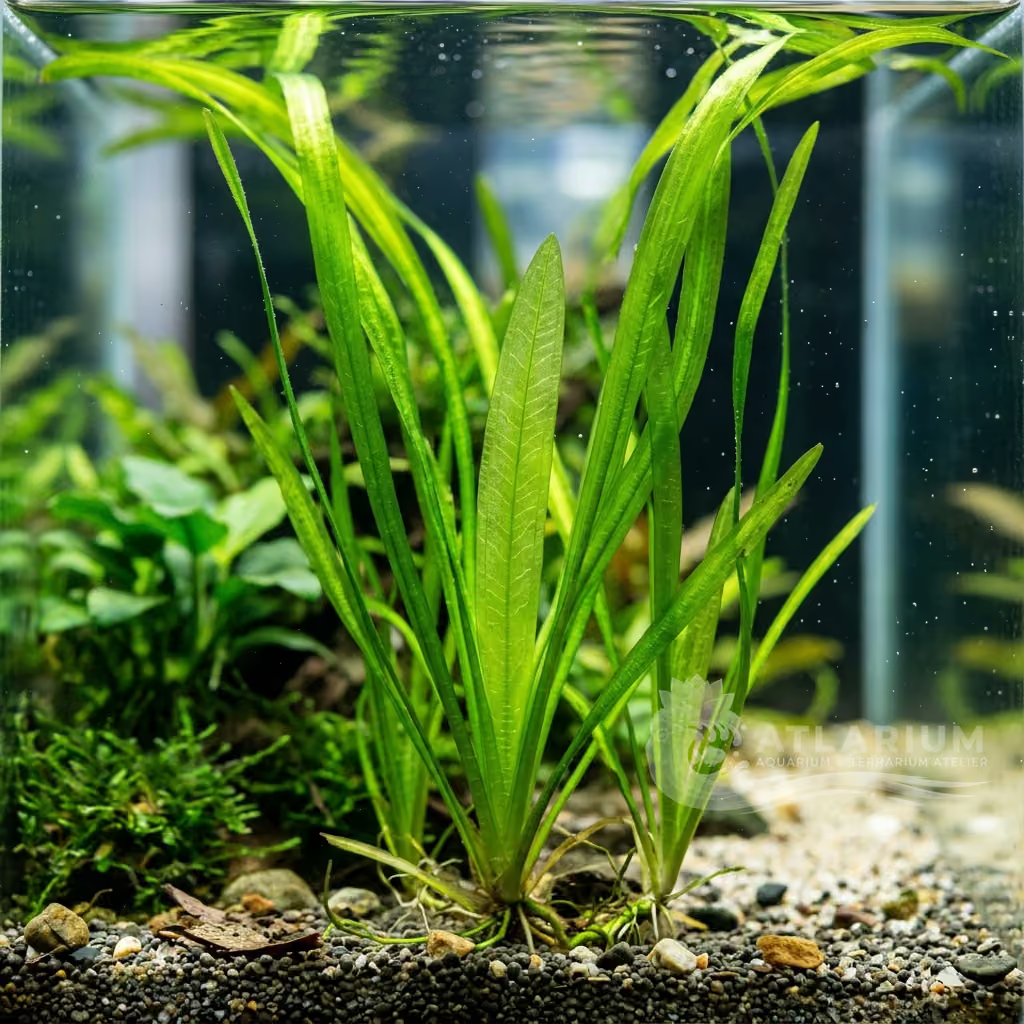
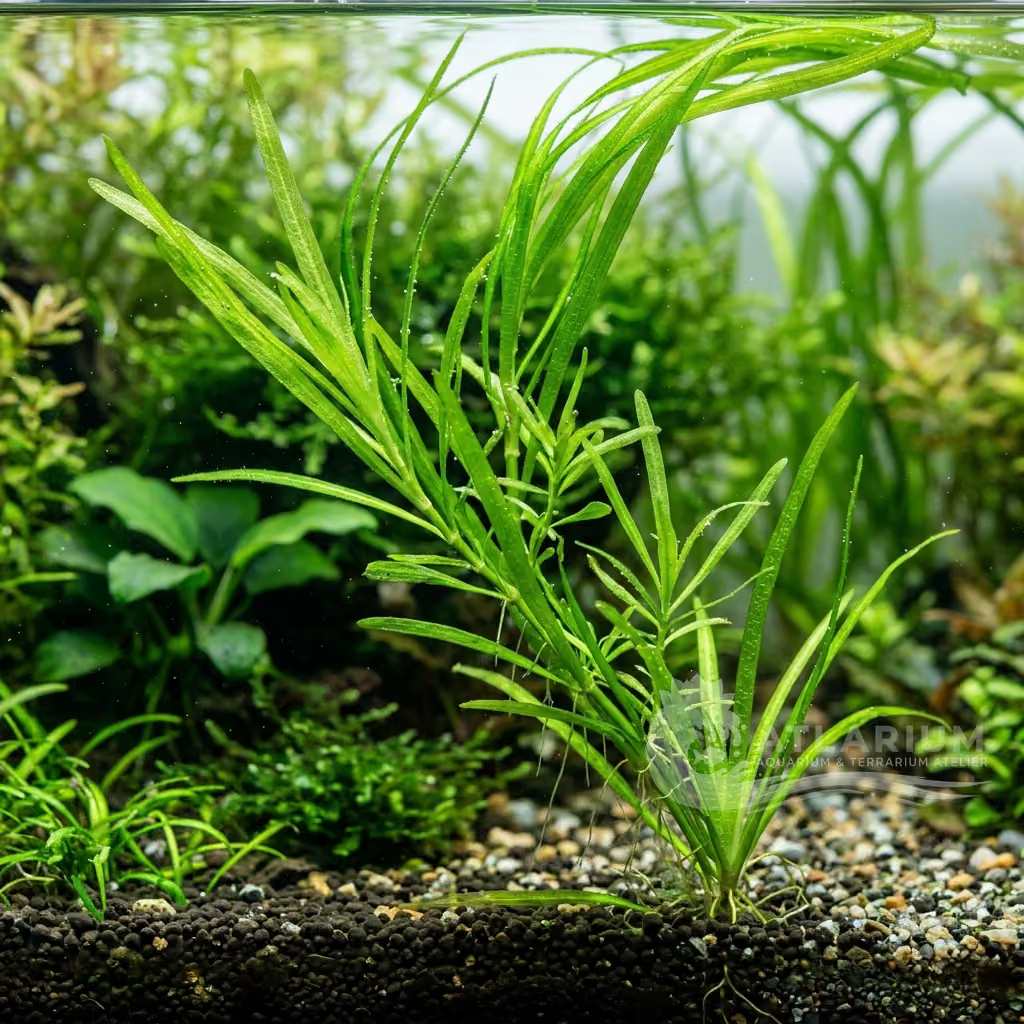
Sphaerocaryum malaccense is a delicate aquatic grass perfect for the foreground or midground, offering a medium growth rate and fine texture. It propagates easily, forming dense carpets or elegant clumps that enhance the natural aesthetic of an aquascape. Its adaptability makes it an excellent choice for aquascapers of various skill levels.
Water Temperature
20 - 28 °C
pH Value
6 - 7.5
Water type
Freshwater
Light
Medium to High
CO2
Medium - High
Expected height
8 cm
Expected width
15 cm
KH
2 - 10 dKH

Species description
Geographical Origin and Habitat: Sphaerocaryum malaccense is an aquatic plant native to the tropical and subtropical regions of Southeast Asia, specifically the Malay Peninsula, as suggested by its epithet "malaccense". It is typically found in semi-aquatic or fully submerged environments, such as the edges of slow-moving streams, marshes, and humid areas with nutrient-rich substrates. In these habitats, it enjoys variable light conditions, often filtered by surrounding vegetation, but thrives in clear and stable waters.
Taxonomy & Genetics: Belonging to the Poaceae family, Sphaerocaryum malaccense is a member of the vast and diverse group of grasses, uniquely adapted to aquatic life. This monotypic genus is a fascinating example of convergent evolution, where terrestrial plants have developed hydrophilous characteristics. Its classification within the Poaceae highlights its botanical affinities with terrestrial species, while exhibiting a morphology optimized for the underwater environment.
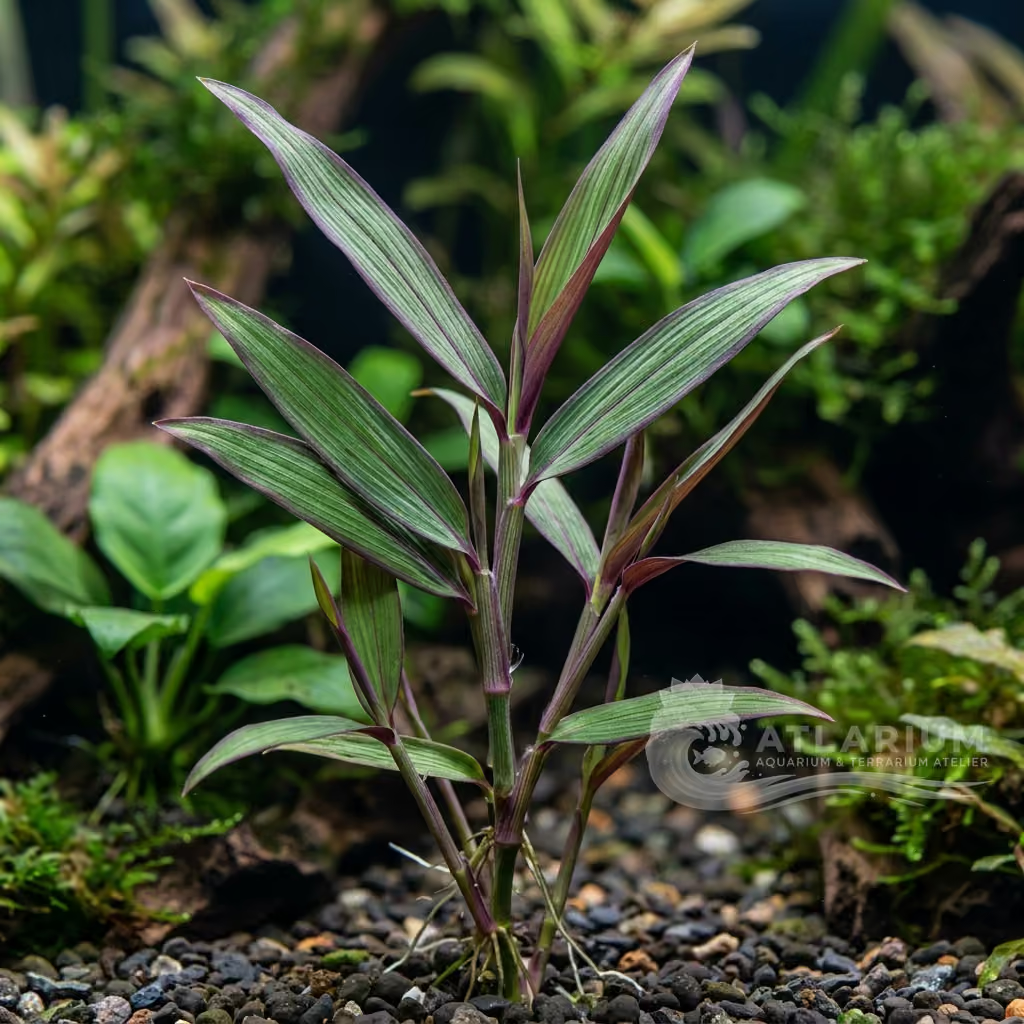
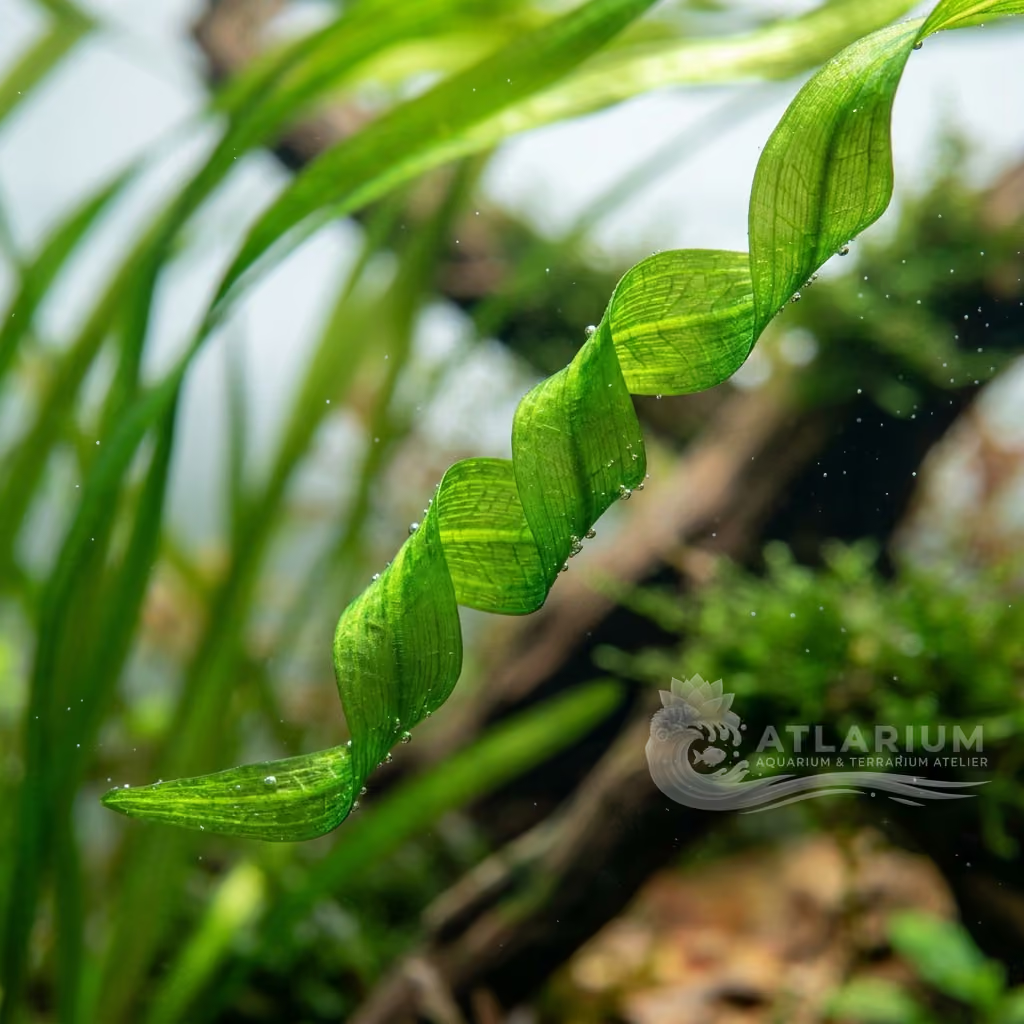
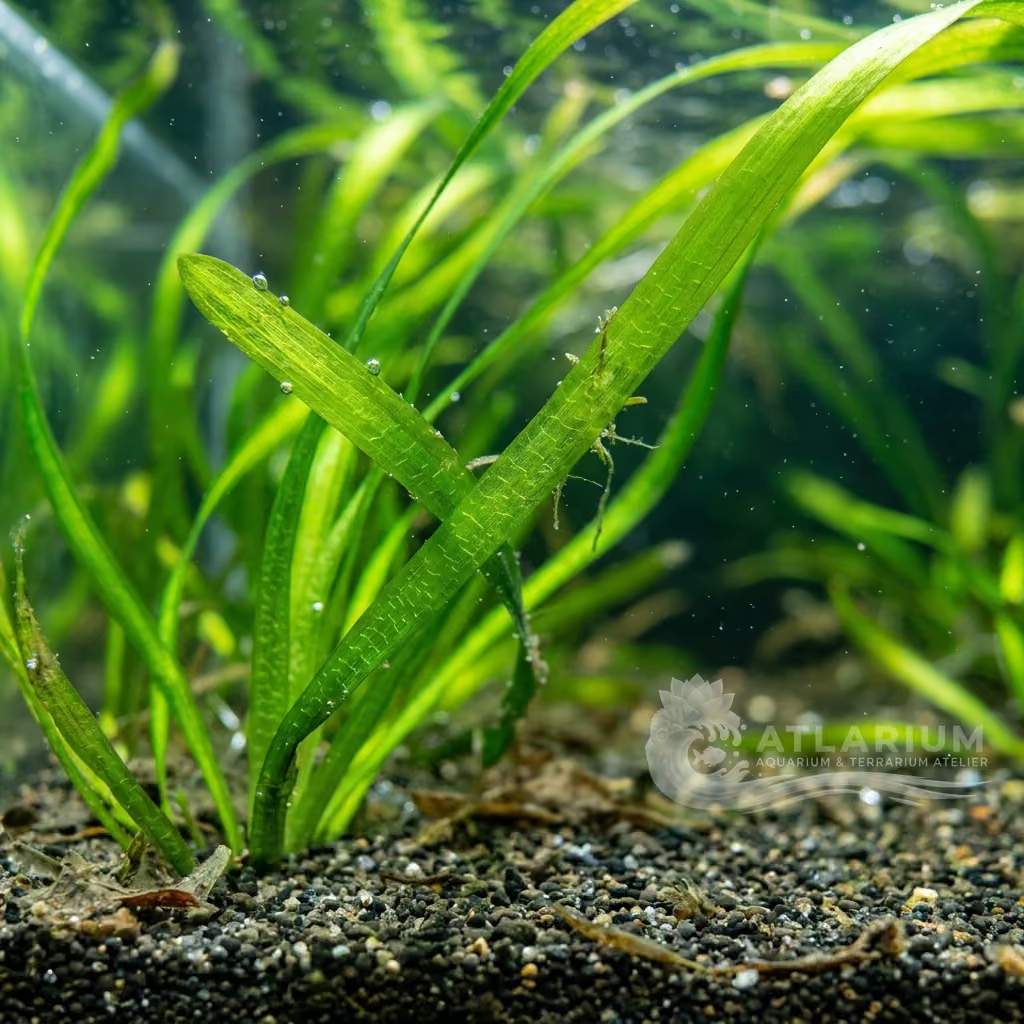
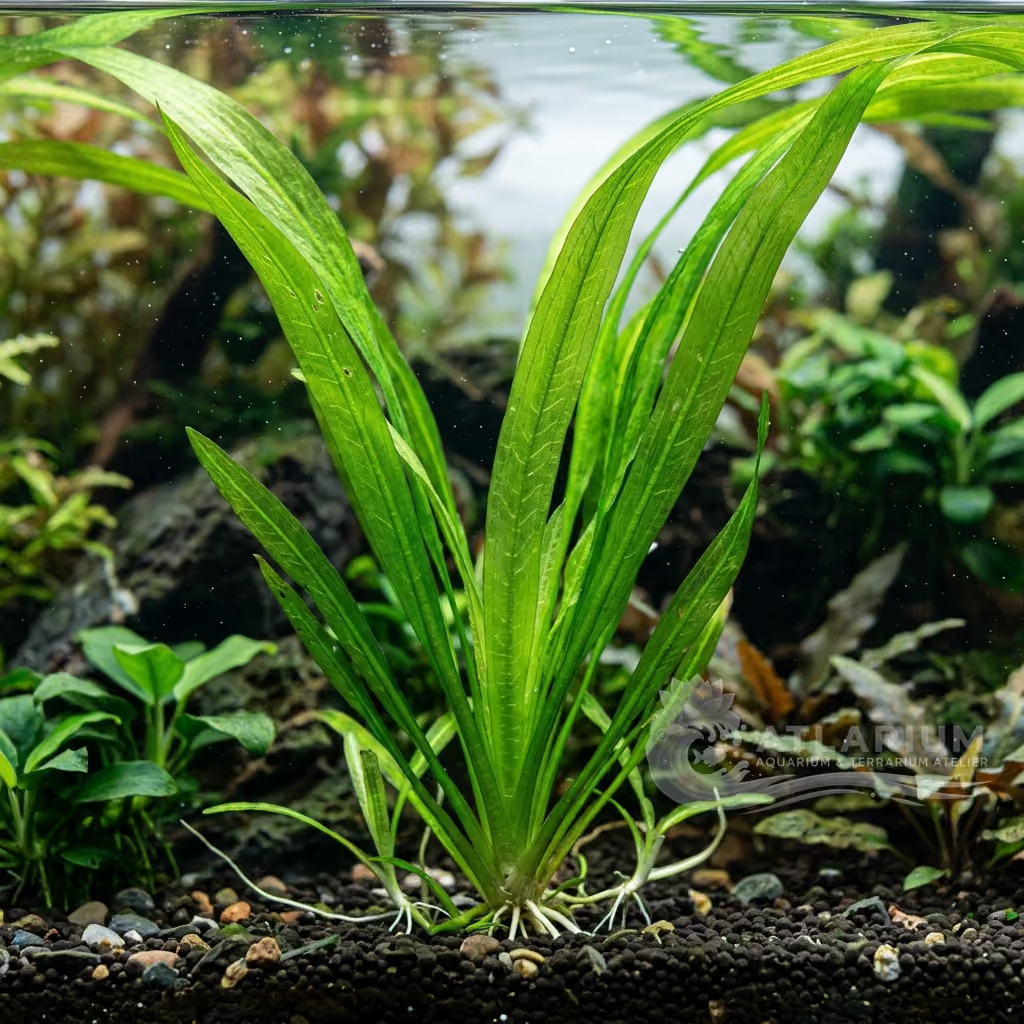
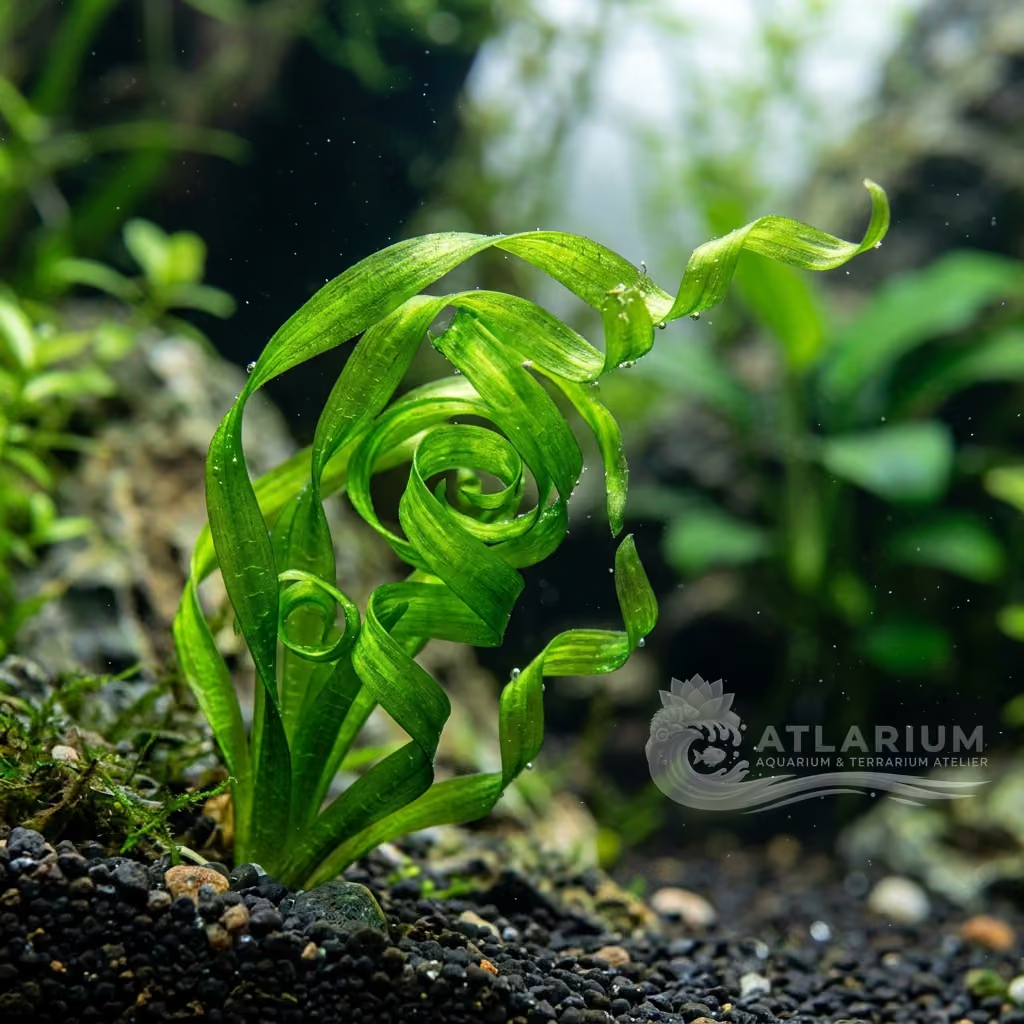
Physical Structure: This aquatic grass exhibits a delicate and tufted structure, with slender, linear leaves emerging from a creeping rhizome or a dense clump. Its leaves are several centimeters long, thin like blades of grass, and arranged alternately along the stem, creating a fine and airy texture. When planted in groups, Sphaerocaryum malaccense forms a dense carpet or a compact mass, providing excellent cover and a natural touch to the aquascape.
Color & Texture: Sphaerocaryum malaccense showcases a bright and vibrant green coloration, which can intensify to emerald green hues under more intense lighting and adequate fertilization. Its texture is remarkably fine and delicate, lending an ethereal and detailed appearance to the aquarium. The ability to maintain an intense green color significantly contributes to the overall aesthetic of the composition, offering a pleasant contrast with plants of different colors or forms.

Care, breeding and tankmates
Lighting & CO2: For optimal growth, Sphaerocaryum malaccense requires medium to high lighting, preferably with a full spectrum to stimulate photosynthesis and vibrant coloration. CO2 injection is highly recommended, especially under brighter lights, to promote rapid, robust growth and to prevent algae formation. A photoperiod of 8-10 hours per day is ideal for keeping the plant healthy without excessive stress.
Nutrition & Substrate: This plant greatly benefits from a fertile, nutrient-rich substrate that supports its root development and provides essential minerals. Supplementation with complete liquid fertilizers, including macro and microelements, is crucial for ensuring vigorous growth and preventing deficiencies. It is particularly important to ensure an adequate supply of iron, a critical micronutrient for grasses, which helps maintain intense green coloration and prevents leaf yellowing.
Water Chemistry: Sphaerocaryum malaccense prefers stable and clean water conditions, with temperatures ranging from 20 to 28 °C, reflecting its natural tropical habitat. Ideal pH values range between 6.0 and 7.5, while carbonate hardness (KH) should be maintained between 2 and 12 dKH. The stability of these parameters is more important than their absolute values; therefore, regular water changes are recommended to remove accumulated nitrates and replenish minerals.
Space Management & Placement: Ideal for the foreground or midground, Sphaerocaryum malaccense easily forms dense carpets or clumps that add depth and texture to the aquascape. It is advisable to plant small bunches or individual plantlets a few centimeters apart to allow for rapid coverage of the substrate or a specific area. Its carpeting growth makes it perfect for creating a natural base beneath taller plants or for defining the edges of a path or clearing in the aquarium.
Pruning: Regular pruning is essential to maintain the desired shape and promote dense, compact growth of Sphaerocaryum malaccense. Outer or longer leaves can be trimmed with sharp scissors, encouraging branching and a bushier appearance. This process not only helps control its expansion but also stimulates the plant to produce new growth, keeping it vigorous and healthy within the layout. Careful pruning prevents shading of lower leaves and ensures good water circulation.
Risks & Diseases: Sphaerocaryum malaccense is generally a robust plant but can be sensitive to nutritional deficiencies, which may manifest as yellowing or deterioration of leaves. Like many delicate plants, it can attract filamentous algae in case of nutrient imbalances or excessive light without adequate CO2. It is crucial to regularly monitor leaf health and water parameters to prevent the onset of problems and intervene promptly to correct any imbalances.

Geographic origin and distribution
Sphaerocaryum malaccense is an aquatic plant native to the tropical and subtropical regions of Southeast Asia, specifically the Malay Peninsula, as suggested by its epithet "malaccense". It is typically found in semi-aquatic or fully submerged environments, such as the edges of slow-moving streams, marshes, and humid areas with nutrient-rich substrates. In these habitats, it enjoys variable light conditions, often filtered by surrounding vegetation, but thrives in clear and stable waters.
Origin
South and Southeast Asia

Plant profile
- Placement
- Midground
- Place Sphaerocaryum malaccense in the midground or background of the aquarium. It needs enough space to avoid shading neighboring species. Proper placement ensures steady light exposure and water flow.
- Botanical form
- Stem
- Sphaerocaryum malaccense features a distinct structural form with well-defined leaves. Its stem and root structures anchor firmly into the substrate. The overall appearance provides excellent visual texture underwater.
- Growth
- Medium
- The growth rate of Sphaerocaryum malaccense is generally moderate under optimal conditions. Adding CO2 injection will significantly accelerate its development. However, it can adapt to slower growth in low-tech setups.
- Substrate
- High
- *Sphaerocaryum malaccense* is a delicate, small-leaved stem plant that flourishes when rooted in a fine, nutrient-rich aqua soil. Its fine root system heavily relies on substrate nutrients to support steady growth and develop its subtle reddish hues. A loosely packed, fertile substrate with a depth of at least 3-4 cm allows its delicate roots to penetrate easily and anchor securely. Without a steady supply of root-available nutrients, the stems may become frail and the lower foliage is likely to degrade.
- Column fertilization
- Recommended
- Liquid fertilization is very beneficial for Sphaerocaryum malaccense. It absorbs dissolved minerals directly from the water column. Dosing a complete micronutrient fertilizer twice a week is recommended.
- Root fertilization
- Recommended
- A nutrient-rich substrate strongly supports the root system of Sphaerocaryum malaccense. Adding root tabs near its base provides essential macronutrients. This promotes a stronger base and healthier overall growth.
- Trimming
- Regular
- Regular trimming keeps Sphaerocaryum malaccense looking neat and prevents overgrowth. Cut the stems just above a node to encourage branching. Remove any decaying or yellowing leaves to maintain water quality.
- Propagation
- Cuttings
- Propagation of Sphaerocaryum malaccense is straightforward by taking stem cuttings. Replant the healthy cut portions directly into the substrate. They will develop new roots within a week or two.
- Sensitivity
- Moderate
- Sphaerocaryum malaccense is somewhat sensitive to sudden fluctuations in water parameters. It prefers stable temperatures and consistent CO2 levels. Algae can grow on its leaves if lighting is too intense.
- Layout role
- Foreground, Midground, group, accent
- Sphaerocaryum malaccense plays a crucial role in creating depth in an aquascape. Its unique texture contrasts beautifully with fine-leaved plants. It works well as a focal point or a transition plant.

Related species
Recommendations grouped by close relatives, companion choices, and similar care.