Samolus parviflorus
Samolus parviflorus
Samolus parviflorus is a charming and relatively undemanding plant ideal for the midground of an aquarium. Exhibiting a medium growth rate, it forms attractive, bright green bushes that add a touch of fresh vitality to any aquascape. Its versatility makes it suitable for various tank sizes and design styles, providing a lush focal point without overwhelming other elements.
Water Temperature
20 - 28 °C
pH Value
6 - 7.5
Water type
Freshwater
Light
Medium - High
CO2
Medium - High
KH
2 - 10 dKH

Species description
Geographical Origin and Habitat: Samolus parviflorus boasts a remarkably wide natural distribution, found across temperate regions of North America, Europe, and Asia, making it a truly cosmopolitan species. It thrives in diverse wetland habitats, including the edges of ponds, slow-moving streams, marshes, and even ditches where it can be partially or fully submerged. These conditions underscore its adaptability to varying water levels and its ability to flourish in both emersed and submersed forms within an aquarium environment. Its prevalence in such varied aquatic landscapes highlights its resilience and capacity to adapt to different light and nutrient availabilities in its native settings.
Taxonomy & Genetics: Belonging to the Primulaceae family, Samolus parviflorus shares its lineage with well-known terrestrial plants like primroses, though it has adapted uniquely to aquatic life. Its classification within the genus Samolus signifies its distinctive characteristics as a "water pimpernel" or "brookweed," differentiating it from other members of its large and diverse plant family. The species name "parviflorus" alludes to its small flowers, which are typically observed when the plant grows emersed above the waterline in its natural habitat or in paludariums. Understanding its botanical family helps aquascapers appreciate its growth patterns and potential requirements, bridging the gap between its terrestrial relatives and its aquatic application.
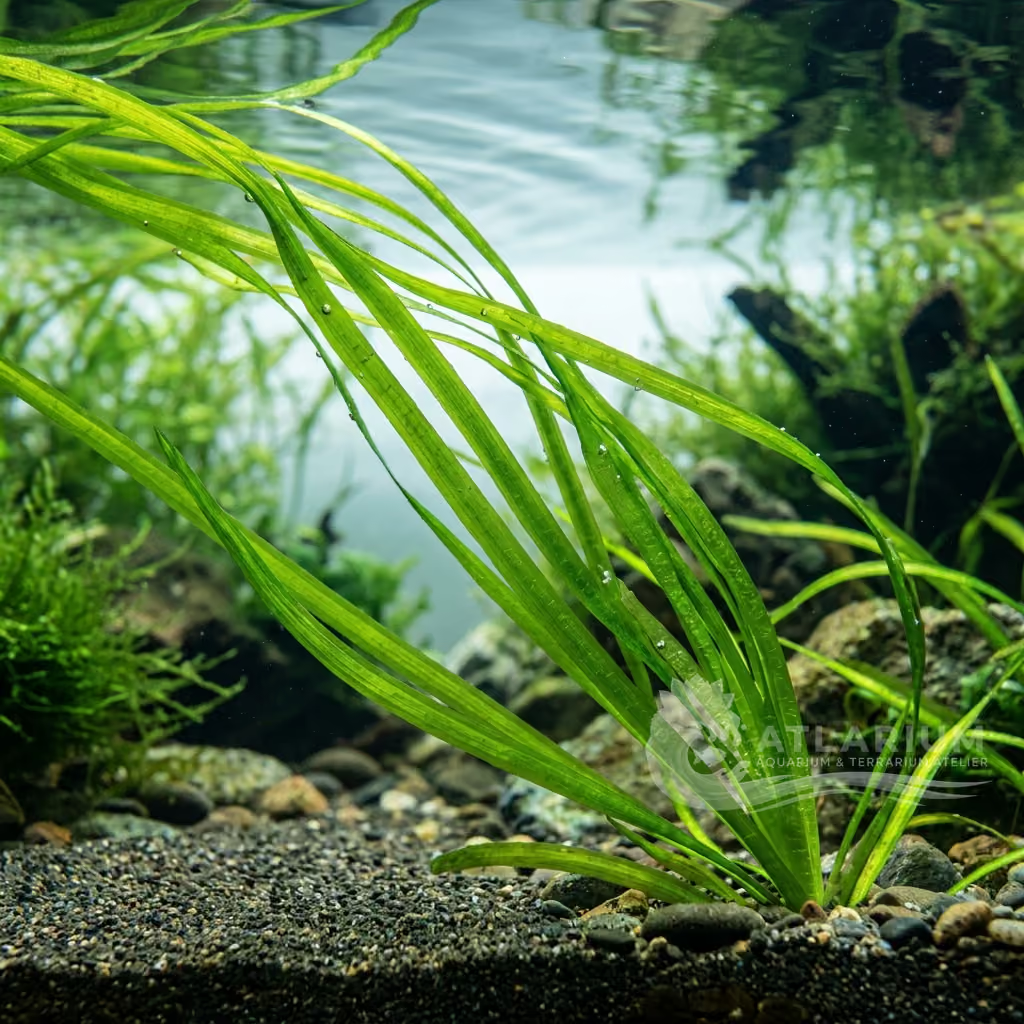
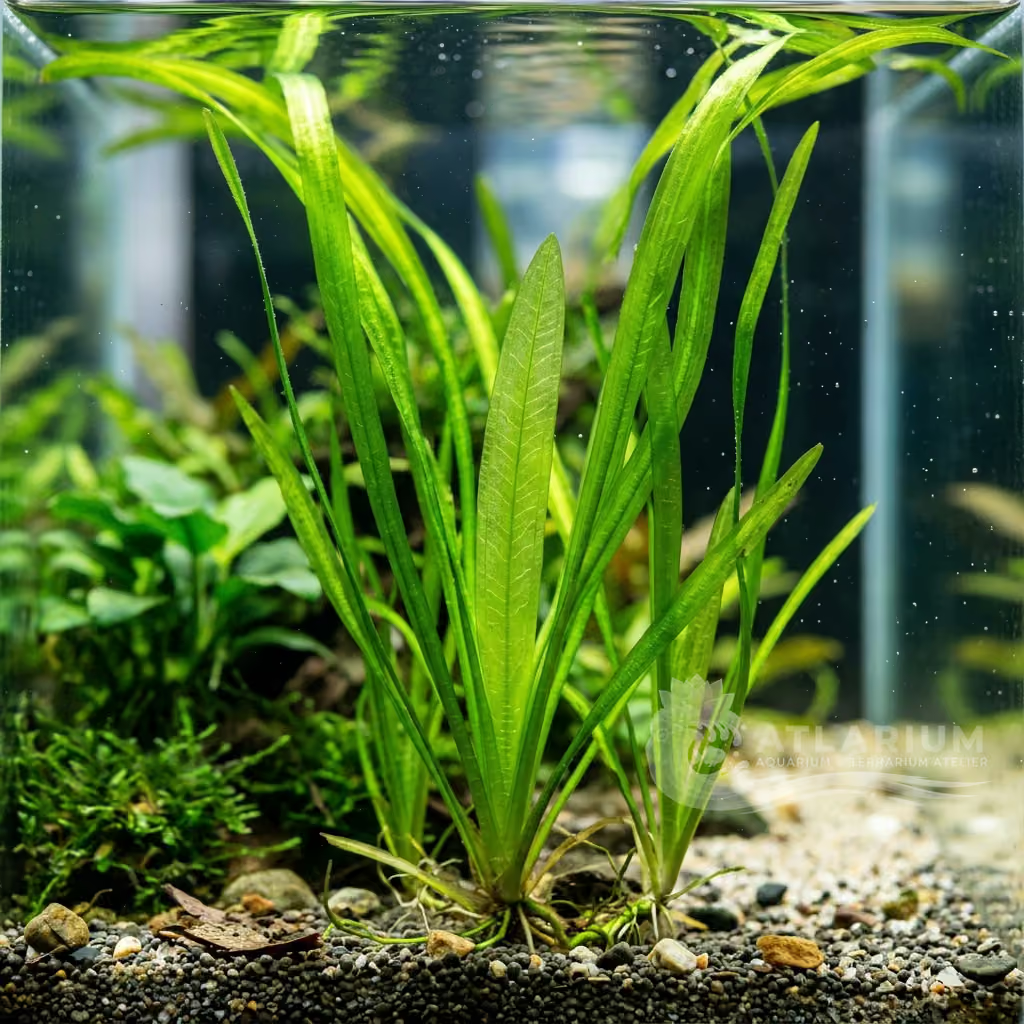
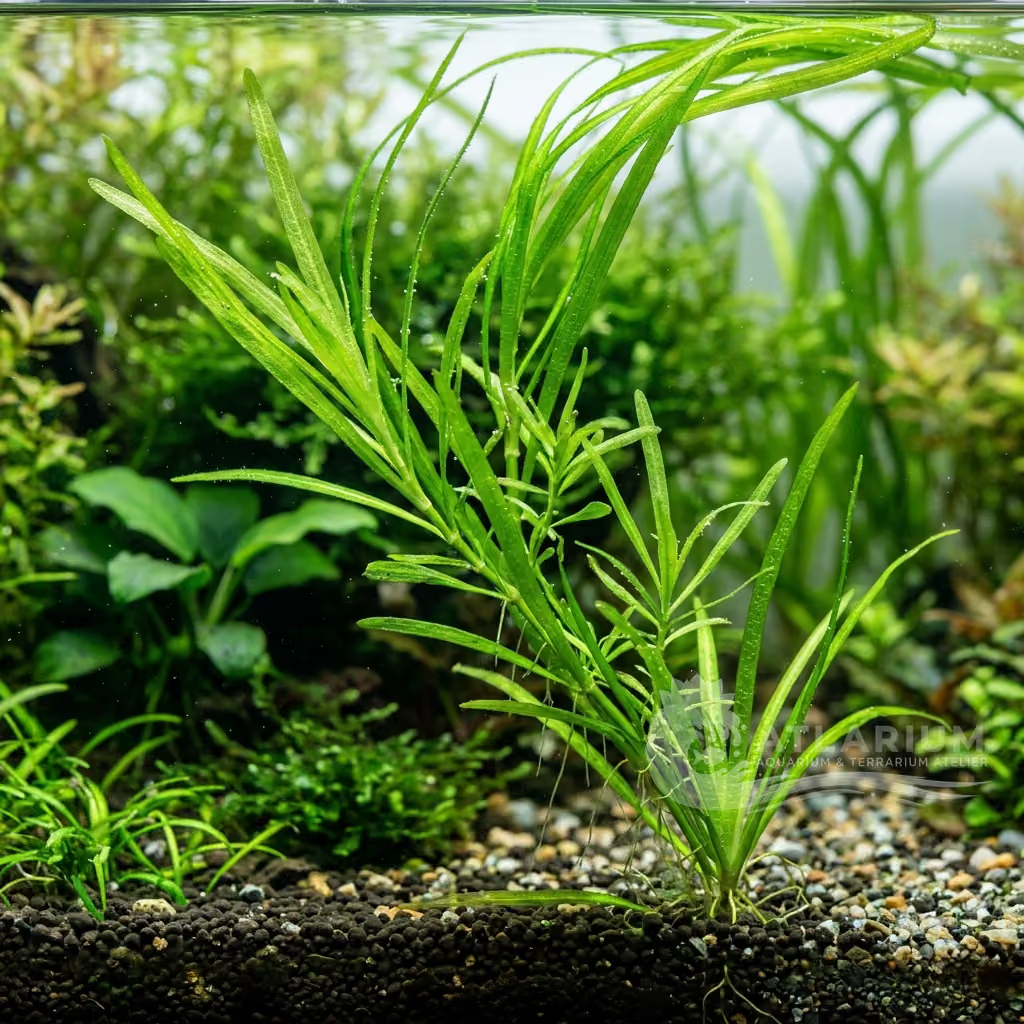
Physical Structure: In its submerged form, Samolus parviflorus typically develops an upright stem adorned with delicate, light green leaves arranged alternately. These leaves are generally spatulate to oblong, tapering gracefully towards the base, and can grow to a few centimeters in length, creating a dense, bushy appearance. The root system, though not extensive, effectively anchors the plant in the substrate and absorbs nutrients, contributing to its overall stability and growth. When cultivated emersed, the plant may develop a more robust stem and broader leaves, alongside its characteristic small, white flowers, showcasing its amphibious nature.
Color & Texture: The primary aesthetic appeal of Samolus parviflorus lies in its vibrant, fresh green coloration, which can range from a bright, almost chartreuse hue under optimal lighting to a slightly deeper emerald green. The leaves possess a smooth, somewhat delicate texture, providing a soft visual contrast against more robust or darker-leaved plants. This subtle yet striking color, combined with its compact growth habit, allows it to effectively lighten up denser planted areas and draw the eye, contributing to a sense of depth and vibrancy in the aquascape. The uniform color and fine texture make it an excellent choice for creating natural-looking midground transitions.

Care, breeding and tankmates
Lighting & CO2: Samolus parviflorus thrives under medium lighting conditions, where it exhibits its best coloration and healthy, compact growth. While it can tolerate lower light, its growth may become leggy and its color less vibrant. The introduction of supplemental CO2 is highly beneficial, significantly enhancing its growth rate, promoting bushier development, and improving nutrient uptake, leading to a more robust and attractive specimen. Adequate light, coupled with consistent CO2 injection, provides the energy required for strong photosynthesis, preventing stunting and encouraging lush foliage.
Nutrition & Substrate: This plant benefits from a nutrient-rich substrate, as it utilizes its root system to draw essential minerals, though it also absorbs nutrients from the
Water Chemistry: Maintaining stable water parameters is key to the successful cultivation of Samolus parviflorus. It prefers temperatures between 20-28°C (68-82°F) and a slightly acidic to neutral pH range of 6.0-7.5, which is typical for many freshwater aquariums. A moderate carbonate hardness (KH) of 2-12 dKH is generally well-tolerated, indicating its adaptability to various water types, though sudden fluctuations should be avoided. Consistency in these parameters, coupled with regular water changes, will mitigate stress and encourage robust, uninterrupted growth, preventing any potential melting or decline.
Space Management & Placement: Position Samolus parviflorus in the midground of your aquascape, where its modest height and bushy growth habit can be fully appreciated. Planting it in groups creates a visually impactful dense patch of vibrant green, forming a natural transition between foreground plants and taller background species. Ensure adequate spacing between individual stems or clumps to allow for proper light penetration and water circulation, which is vital for preventing algae accumulation and promoting even growth. Its charming appearance also makes it suitable for smaller tanks, functioning effectively as a central feature.
Pruning: Pruning Samolus parviflorus is essential for maintaining its desired shape, promoting bushier growth, and preventing it from overshadowing neighboring plants. Regular trimming involves pinching off the top portions of stems, which encourages the development of lateral shoots from the nodes below the cut. This method keeps the plant compact and lush. Additionally, remove any older, yellowing, or damaged leaves from the base to ensure optimal plant health and aesthetics, directing the plant's energy towards new, vibrant growth.
Risks & Diseases: Samolus parviflorus is generally robust, but like all aquatic plants, it can be susceptible to certain issues if conditions are not met. Algae growth on its leaves can indicate excessive light or nutrient imbalances, particularly low CO2. Nutrient deficiencies, especially of iron or potassium, may cause yellowing or translucent leaves. Melting can occur during initial planting or if water parameters fluctuate drastically, but the plant typically recovers well if conditions are stabilized. Maintaining pristine water quality and a balanced fertilization regime are the best preventative measures against common aquatic plant maladies.

Geographic origin and distribution
Samolus parviflorus boasts a remarkably wide natural distribution, found across temperate regions of North America, Europe, and Asia, making it a truly cosmopolitan species. It thrives in diverse wetland habitats, including the edges of ponds, slow-moving streams, marshes, and even ditches where it can be partially or fully submerged. These conditions underscore its adaptability to varying water levels and its ability to flourish in both emersed and submersed forms within an aquarium environment. Its prevalence in such varied aquatic landscapes highlights its resilience and capacity to adapt to different light and nutrient availabilities in its native settings.
Origin
North AmericaEurope, Mediterranean, and West AsiaSouth and Southeast AsiaEast Asia

Plant profile
- Placement
- Midground
- This species is an ideal candidate for the midground or foreground of an aquascape, depending entirely on the tank's overall volume. It should be planted where it can receive unimpeded, moderate to bright lighting to prevent it from growing leggy and losing its compact shape. Care should be taken to ensure the central crown is strictly above the substrate level; burying the crown will inevitably lead to rot and plant death. Grouping a few together creates a stunning, visually anchoring focal point.
- Botanical form
- Stem
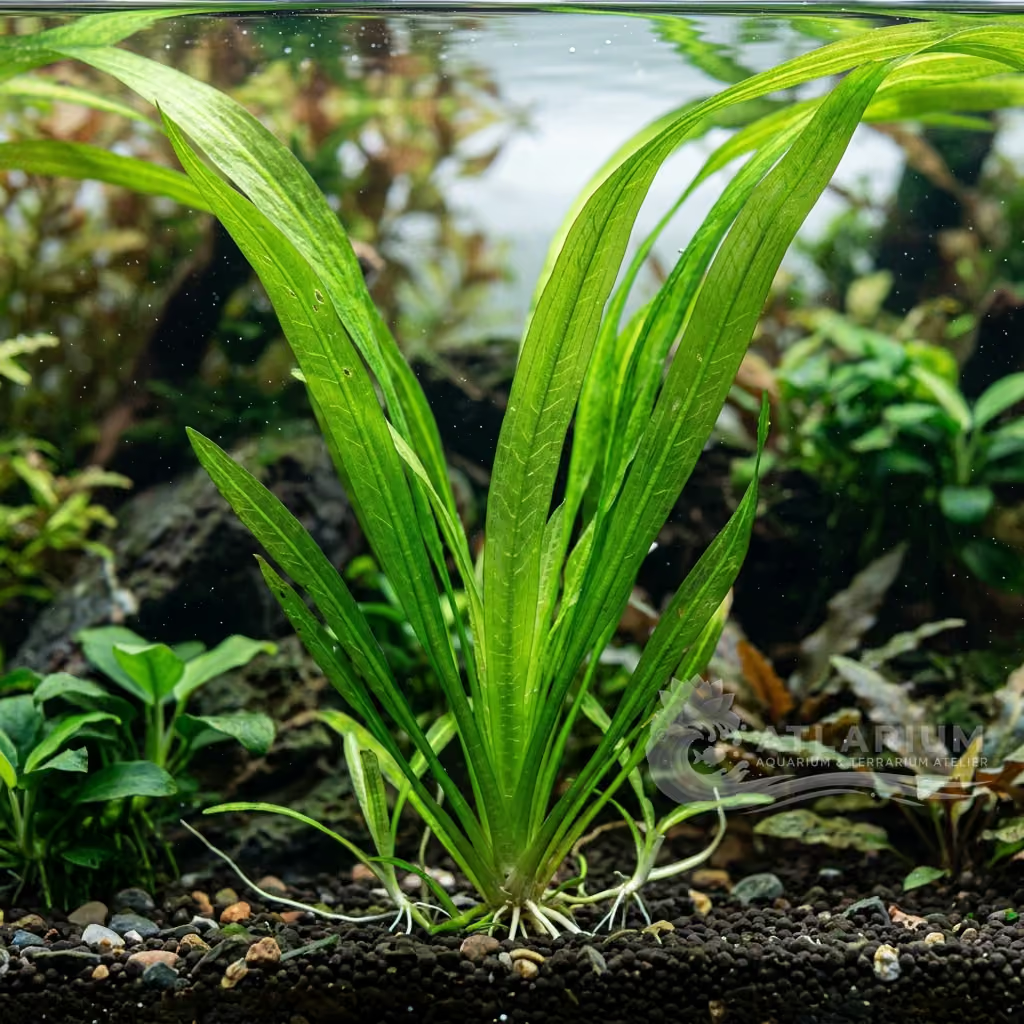
- Featuring a classic rosette morphology, Samolus parviflorus produces broad, ovate leaves that form a tight, circular cluster around a central base. The leaves possess a delicate, slightly translucent quality and are generally a very pleasing, vibrant light green. The plant remains relatively short and compact when grown entirely underwater, distinguishing it from its taller, emersed forms. This botanical structure provides excellent contrast when placed alongside fine-leaved or grassy aquatic plants.
- Growth
- Medium
- Samolus parviflorus exhibits a slow to moderate growth rate, which is heavily dependent on the lighting intensity and nutrient availability. Unlike aggressive stem plants, it patiently unfurls new leaves from its center, making it very low-maintenance in terms of trimming. This steady, predictable pace makes it highly desirable for aquascapes intended to remain pristine over long periods. Its moderate growth rate also means it is less prone to sudden nutrient deficiencies compared to fast-growing weeds.
- Substrate
- High
- A high-quality, nutrient-dense substrate is highly beneficial for the optimal growth of Samolus parviflorus. While it can adapt to inert gravel or sand, using a dedicated planted tank soil encourages the development of a strong, healthy root network. The substrate should be fine enough to allow delicate root penetration but porous enough to prevent anaerobic, rotting conditions. A well-prepared substrate acts as a long-term nutritional foundation, significantly boosting the plant's overall resilience.
- Column fertilization
- Recommended
- Even with a rich substrate, Samolus parviflorus greatly appreciates regular, comprehensive liquid column fertilization. The broad surface area of its leaves is well-adapted to absorbing dissolved trace elements, potassium, and carbon straight from the water. Maintaining a consistent liquid dosing schedule will result in visibly perkier leaves and faster overall development. This balanced approach to feeding prevents any single nutrient bottleneck from halting the plant's growth.
- Root fertilization
- Recommended
- Because it develops a substantial root system, root fertilization is a highly effective strategy for Samolus parviflorus. In setups without a nutrient-rich soil, inserting iron and mineral-rich root tabs deep beneath the plant is strongly advised. The roots will aggressively seek out these nutrient pockets, leading to thicker, more robust foliage and a healthier crown. Periodically refreshing these root tabs is key to maintaining the plant's vigor over several months or years.
- Trimming
- Regular
- Trimming Samolus parviflorus is straightforward; simply cut older or decaying leaves at the base to encourage new growth. If the plant spreads too far, runners can be snipped and replanted or removed. Regular maintenance prevents it from overshadowing smaller foreground plants. Ensure sharp scissors are used to make clean cuts and avoid damaging the plant.
- Propagation
- Cuttings
- The propagation of Samolus parviflorus is achieved primarily by dividing the small, adventitious shoots that form near the base of the mother plant. Once a side shoot has grown a few distinct leaves and a visible root structure, it can be gently severed using a sharp blade. These new plantlets should be carefully replanted in the substrate, ensuring the crown remains exposed to the water column. With patience and good conditions, a single mother plant can eventually yield multiple healthy clones.
- Sensitivity
- Moderate
- This plant is generally hardy but can be sensitive to drastic changes in water parameters. It prefers stable temperatures and pH levels to avoid melting. Some chemical treatments, particularly copper-based medications, can negatively affect its health. Careful acclimation is required when introducing it to a new environment.
- Layout role
- Midground, group
- In an aquascape, Samolus parviflorus serves beautifully as a transitional plant between the foreground carpet and background stems. Its vibrant green hue draws the eye and softens the edges of rocks or driftwood. It provides excellent hiding spots for small fish and shrimp. Overall, it enhances the natural, layered aesthetic of the planted aquarium.

Image gallery
Licensed images linked to the species or, when marked, to the closest representative taxon.

Related species
Recommendations grouped by close relatives, companion choices, and similar care.