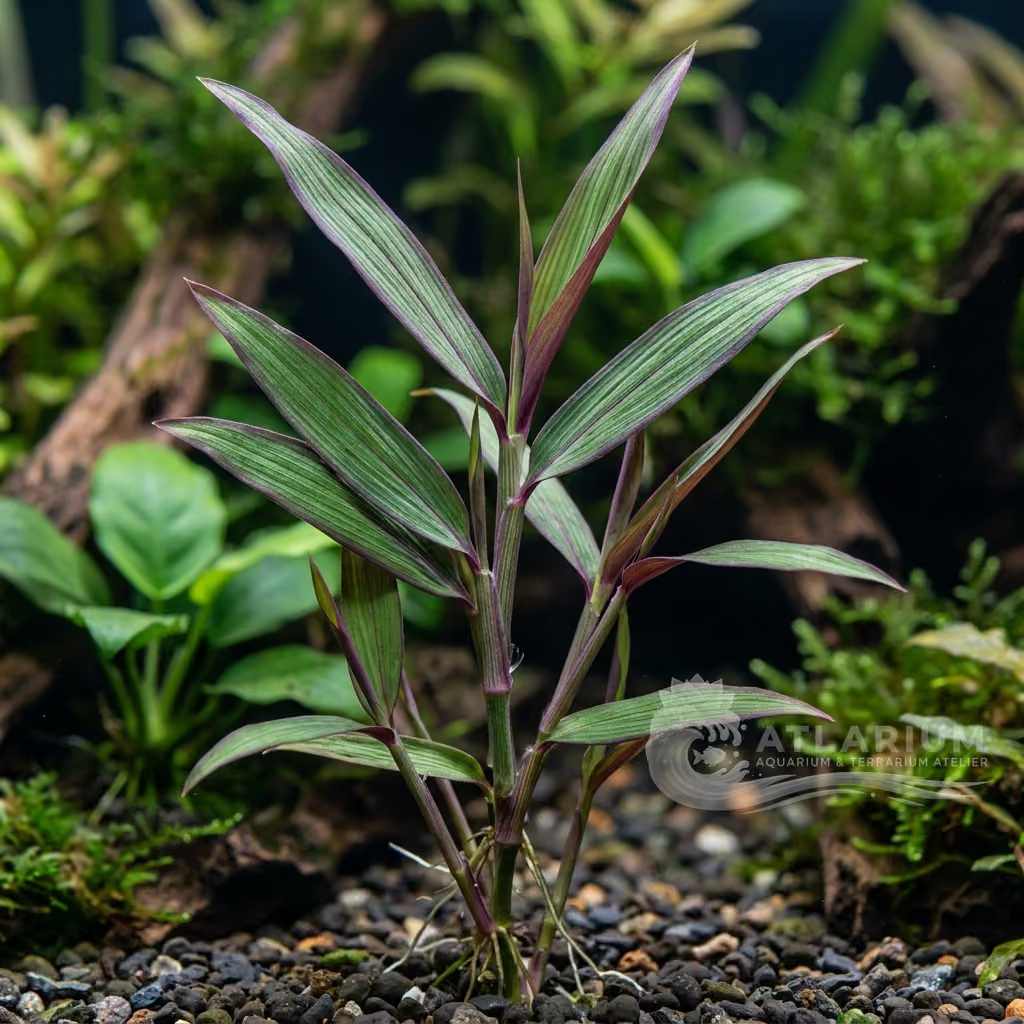
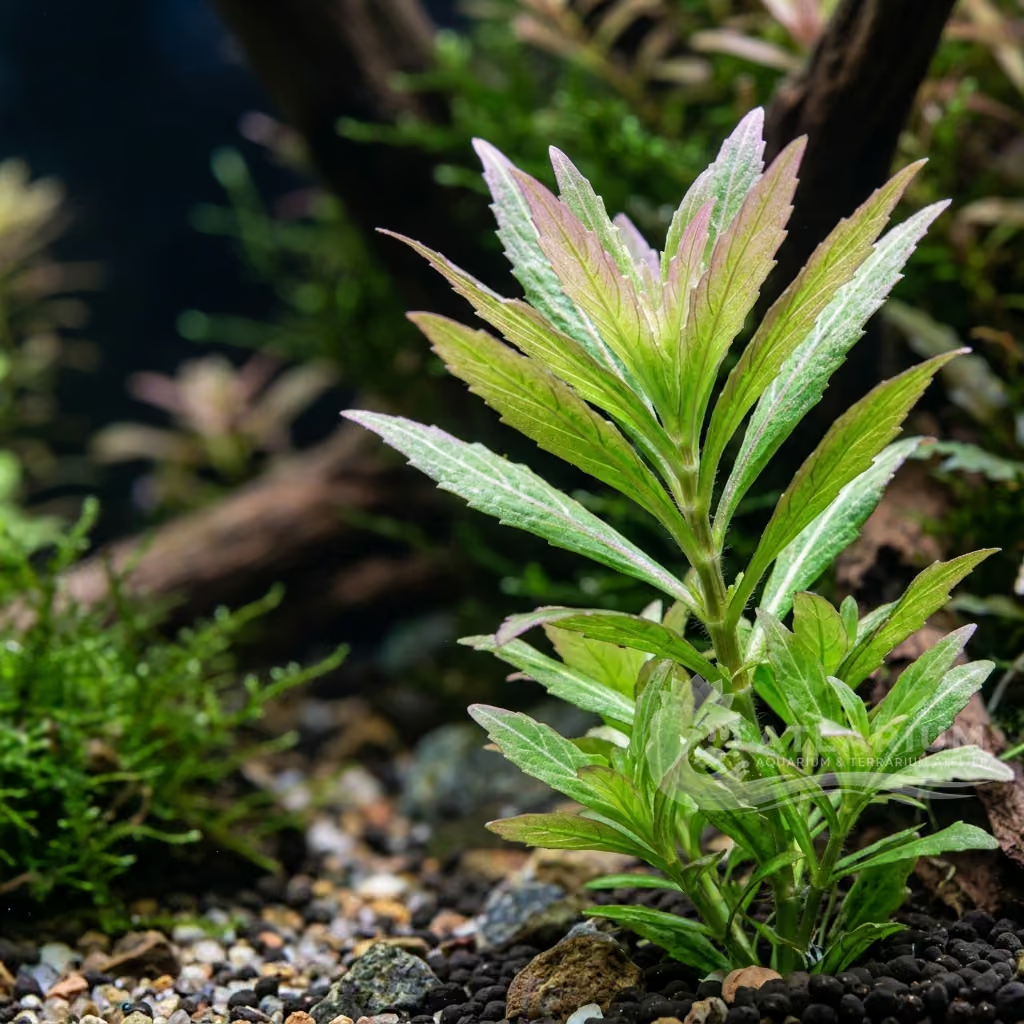
Lysimachia nummularia 'Aurea'
Lysimachia nummularia
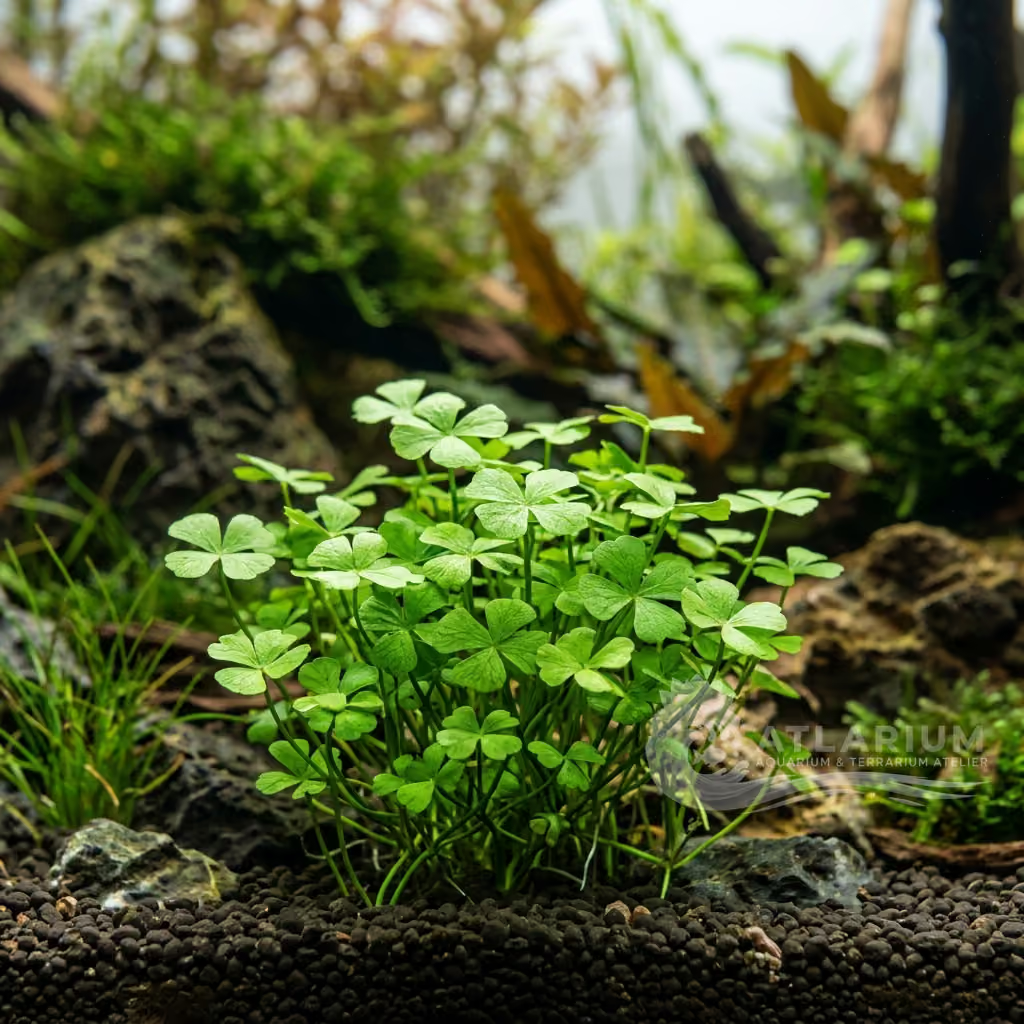
Lysimachia nummularia 'Aurea', commonly known as Golden Creeping Jenny or Moneywort, is a striking stem plant celebrated for its vibrant golden-yellow foliage. With a medium growth rate, it serves as an excellent midground accent, capable of forming dense, colorful carpets or bushy structures in an aquascape.
Water Temperature
4 - 25 °C
pH Value
6 - 7.5
Water type
Freshwater
Light
Medium to High
CO2
Low - High
KH
2 - 10 dKH

Species description
Geographical Origin and Habitat: The parent species, Lysimachia nummularia, is native to temperate regions of Europe and Western Asia, where it thrives in moist environments such as pond margins, marshes, and damp woodlands. The 'Aurea' cultivar, selected for its distinct golden-yellow
Color & Texture: ation, deviates from the wild green forms. Despite being a cultivated variety, it retains the resilience and adaptability of its parent species to both submersed and emersed conditions, making it a popular choice for paludariums and water gardens in addition to aquariums.
Taxonomy & Genetics: Lysimachia nummularia 'Aurea' belongs to the Primulaceae family, a botanical group encompassing various flowering plants. Scientifically recognized as a cultivar of the species Lysimachia nummularia, its epithet 'Aurea' specifically denotes the golden hue of its foliage, a genetically stable trait achieved through selective breeding. Its classification places it within a genus known for its adaptability to diverse aquatic and semi-aquatic environments, underscoring the inherent hardiness and versatility of the species.
Physical Structure: This stem plant develops trailing or upright stems depending on growth conditions and available space, featuring variable internode lengths. Its leaves are oppositely arranged, round to slightly oval, forming pairs along the stem, which contributes to a dense and lush appearance. When submerged, the stems can branch extensively, creating a compact bushy structure that provides excellent shelter for small fish and invertebrates.
Color & Texture: The hallmark of Lysimachia nummularia 'Aurea' is its brilliant golden-yellow color, which can range from a soft gold to an intense lime-yellow depending on light intensity and nutrient availability. The leaves possess a smooth and slightly succulent texture, with a glossy surface that reflects light, enhancing the perception of its vibrant coloration. Under submerged conditions, the color tends to remain vivid, though insufficient light may cause it to shift towards greener-yellowish tones, diminishing some of its golden intensity.

Care, breeding and tankmates
Lighting & CO2: Lysimachia nummularia 'Aurea' thrives under medium to high lighting, which is crucial for maintaining its characteristic golden coloration and promoting robust growth. Insufficient light can cause the leaves to become greener and the internodes to stretch excessively, indicating leggy growth. CO2 supplementation is highly recommended to encourage faster growth, increased branching, and to intensify the golden hues of the foliage, significantly contributing to its overall health and vibrant appearance.
Nutrition & Substrate: This plant benefits significantly from a nutrient-rich substrate, though it can tolerate inert substrates if the
Water Chemistry: Lysimachia nummularia 'Aurea' is relatively adaptable concerning water parameters, tolerating a temperature range of 4.0 to 25.0 °C, with optimal growth typically occurring in milder temperatures (20-24 °C). It prefers slightly acidic to neutral pH levels, between 6.0 and 7.5, and a carbonate hardness (KH) ranging from 2 to 12. Maintaining stable parameters is more critical than precise values, as abrupt fluctuations can stress the plant and inhibit its growth.
Space Management & Placement: Given its trailing growth habit and branching capacity, Lysimachia nummularia 'Aurea' is ideally suited for the midground, where it can form a dense bush or a golden carpet. It is important to consider the space the plant will occupy, as under optimal conditions, it tends to spread both in width and height. Proper layout planning will allow its vibrant color to be best utilized as a focal point or a natural transition between foreground and background plants.
Pruning: Regular pruning is essential to maintain the desired shape of Lysimachia nummularia 'Aurea' and to promote bushier, more branched growth. By trimming the apical stems, the plant is encouraged to produce new lateral shoots, contributing to a denser and more compact appearance. The trimmed sections can be easily replanted into the substrate to propagate the plant, creating new colonies and filling in empty spaces within the aquascape.
Risks & Diseases: This variety is generally robust but can suffer from nutritional deficiencies if not adequately fertilized, manifesting as leaf yellowing or stunted growth. Insufficient lighting or CO2 imbalances can lead to elongated internodes and a loss of its characteristic golden color. "Melting" can occur following drastic changes in water conditions or insufficient acclimation time after introduction into a new environment.

Geographic origin and distribution
The parent species, Lysimachia nummularia, is native to temperate regions of Europe and Western Asia, where it thrives in moist environments such as pond margins, marshes, and damp woodlands. The 'Aurea' cultivar, selected for its distinct golden-yellow
Origin
Selective breeding and cultivars

Plant profile
- Placement
- Midground
- To achieve its signature golden hue, it must be placed in a high-light area, typically in the midground or foreground. If shaded, it will revert to a standard green color. It is excellent for providing a striking pop of yellow amidst darker green and red plants.
- Botanical form
- Stem
- It shares the same round, coin-like leaves as the standard variety, but its foliage is a stunning, bright golden-yellow. The stems trail and creep along the substrate or hardscape, rooting at the nodes. Its unique coloration makes it a standout specimen in any planted tank.
- Growth
- Medium
- Its growth rate is moderate to fast, though typically slightly slower than the standard green variety. High light and CO2 injection will significantly speed up its growth. Regular maintenance is required to keep it from sprawling out of its designated area.
- Substrate
- Medium
- Lysimachia nummularia 'Aurea' is a bright yellow variant that forms an excellent root system in a variety of substrates, including plain sand or gravel. Planting in about 2 inches of substrate ensures its stems stay put in moderate water flow. To achieve the brightest golden-yellow foliage, incorporating root tabs or using a nutrient-rich base will significantly boost its trace element uptake.
- Column fertilization
- Recommended
- Regular dosing of liquid fertilizers is important to sustain its bright coloration and vigorous growth. A comprehensive fertilizer containing trace elements and iron is recommended. Lean water conditions may result in slower growth and less vibrant colors.
- Root fertilization
- Recommended
- While it can grow in basic substrates, an active soil or root tabs will significantly enhance its growth and color. It benefits from a strong root system to absorb nutrients effectively. A rich substrate helps it bounce back quickly after trimming.
- Trimming
- Occasional
- Trim by cutting the trailing stems to maintain its shape or to encourage a more compact, bushy form. The cuttings can be easily replanted to create a larger golden patch. Trimming also prevents it from creeping over and shading smaller foreground plants.
- Propagation
- Cuttings
- Propagation is very easy through stem cuttings. Simply snip a section of the stem and plant it in the substrate. Roots will quickly form at the nodes, establishing a new plant.
- Sensitivity
- Moderate
- This golden variety is sensitive to low light, which causes it to lose its unique color and turn green. It is generally hardy but appreciates clean, well-oxygenated water. It can tolerate cooler temperatures, making it suitable for unheated tanks.
- Layout role
- Midground, Background
- It is highly valued for its rare bright yellow-gold color, which acts as a powerful focal point or accent. It contrasts beautifully with dark green mosses, deep red stem plants, and dark hardscape. It is often used to brighten up specific areas of the aquascape.

Related species
Recommendations grouped by close relatives, companion choices, and similar care.