

Encyclopaedia
Redhook Myleus
Myloplus rubripinnis
The Redhook Myleus (*Myloplus rubripinnis*) is the 'Premium' and noticeably larger version of the common Silver Dollar. This imposing disc-shaped characin sports a brilliant silvery livery accentuated, in adult males, by reddish or golden hues on the flanks. Its unmistakable feature is the anal fin: a majestic and pronounced hook-shaped lobe tinted a vibrant ruby red edged with black. Reaching 25 cm (10 inches), this vigorous swimmer requires colossal setups, but repays the effort with a regal presence in XXL South American tanks.
Share
Check out Redhook Myleus on Atlarium
23 - 28 °C
5.5 - 7.5
Freshwater
Surface and middle
25 cm
>= 600 L
>= 5
4 - 12 dGH
2 - 6 dKH
80 - 240 ppm
125 - 375 uS/cm
Species description
Care, breeding and tankmates
Geographic Origin and Distribution
Origin
Fish profile
- Temperament
- Active
- Diet
- Herbivore
- Sex ratio
- School
- Feeding frequency
- Twice daily
- Bioload
- High
- Flow
- Moderate
- Jump risk
- Yes
- Reproduction
- Oviparous
- Compatibility & tankmates
- Highly aggressive
- Tank level
- Top/Middle
Window to the official scientific data of the species
Scientific Parameters & Models
- Trophic level
- 2 ± 0 se
- Resilience
- High (less than 15 months)
- Phylogenetic uniqueness (PD50)
- 0.5001
- Bayesian Length-Weight
- a = 0.02344, b = 2.97
Image gallery
Licensed images linked to the species or, when marked, to the closest representative taxon.
Related species
Recommendations grouped by close relatives, companion choices, and similar care.
Variants and close relatives
Same atlas type, nearby scientific identity, genus, or family.

Black Piranha
Serrasalmus rhombeus
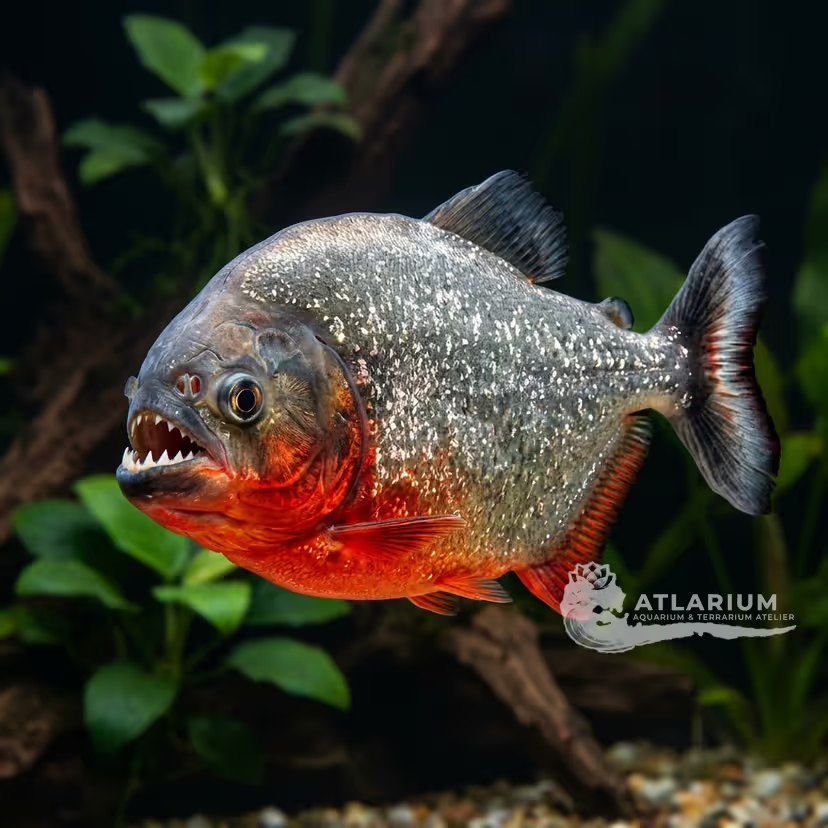
Red-Bellied Piranha
Pygocentrus nattereri

Tambaqui (Black Pacu)
Colossoma macropomum

Silver Dollar
Metynnis argenteus

Black Spot Piranha (Orinoco Piranha / Cariba)
Pygocentrus cariba

Red-Bellied Pacu
Piaractus brachypomus
Recommended companions
Compatible cards from coherent ecosystems with matching parameters.

Blyxa alternifolia
Blyxa alternifolia

Blyxa cf. vietii
Blyxa cf. vietii

Ammannia sp. 'Bonsai'
Ammannia sp. 'Bonsai'

Ammannia latifolia
Ammannia latifolia

Alternanthera reineckii "rosaefolia minor"
Alternanthera reineckii "rosaefolia minor"

Ammannia mauritiana
Ammannia mauritiana

Bacopa sp. "Japan"
Bacopa sp. "Japan"

Bolbitis heteroclita
Bolbitis heteroclita

Arrowhead Anubias
Anubias hastifolia

Anubias barteri var. nana 'Round Leaf'
Anubias barteri var. nana 'Round Leaf'

Anubias congensis
Anubias congensis

Anubias gigantea
Anubias gigantea

Anubias lanceolata
Anubias lanceolata
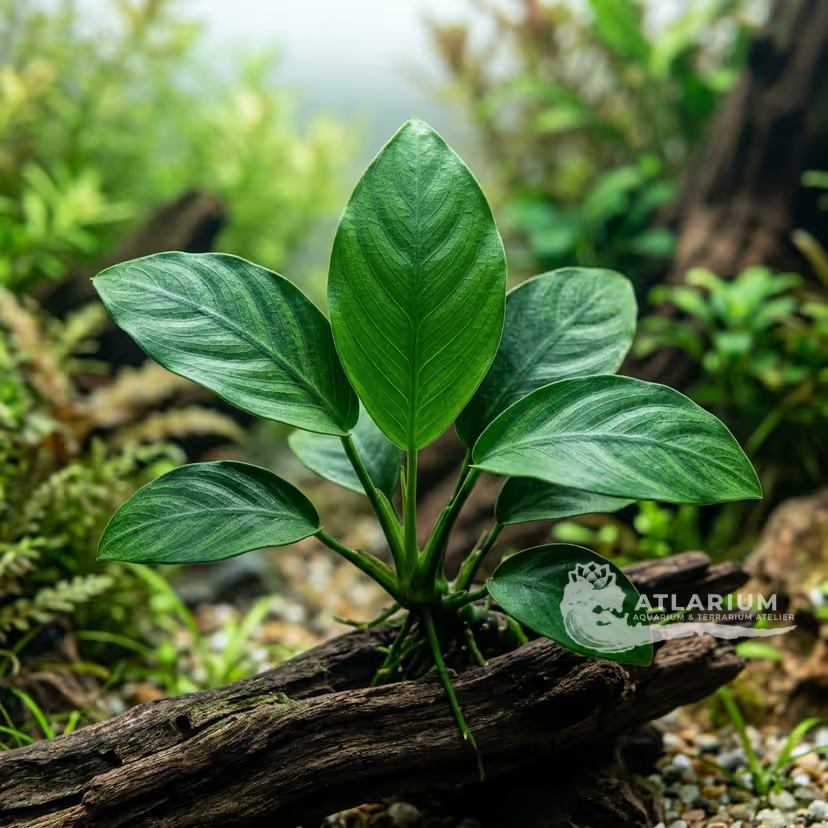
Anubias minima
Anubias minima

Bucephalandra motleyana "Braun-rot" ("Serimbu")
Bucephalandra motleyana "Braun-rot" ("Serimbu")

Bucephalandra motleyana "Kapit"
Bucephalandra motleyana "Kapit"
Similar care
Cards with similar requirements, difficulty, habitat, and husbandry profile.

Amazon Cichlasoma (Cichlasoma amazonarum)
Cichlasoma amazonarum

Coffee-bean Tetra
Hyphessobrycon takasei
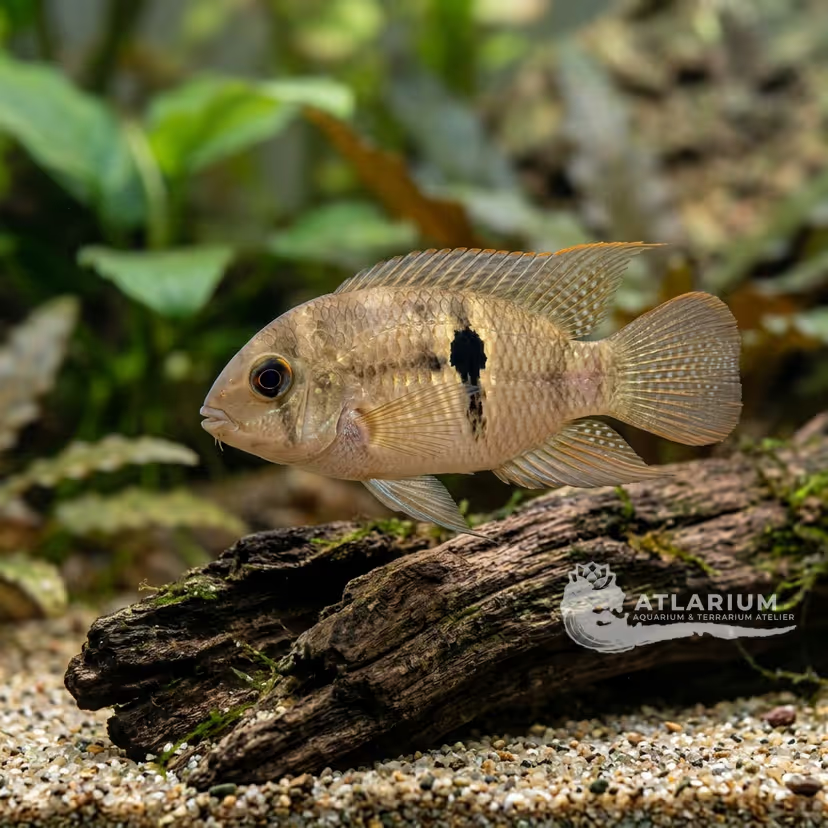
Keyhole cichlid
Cleithracara maronii

Angelfish
Pterophyllum scalare

Big-Eyed Ancistrus (L144a)
Ancistrus macrophthalmus
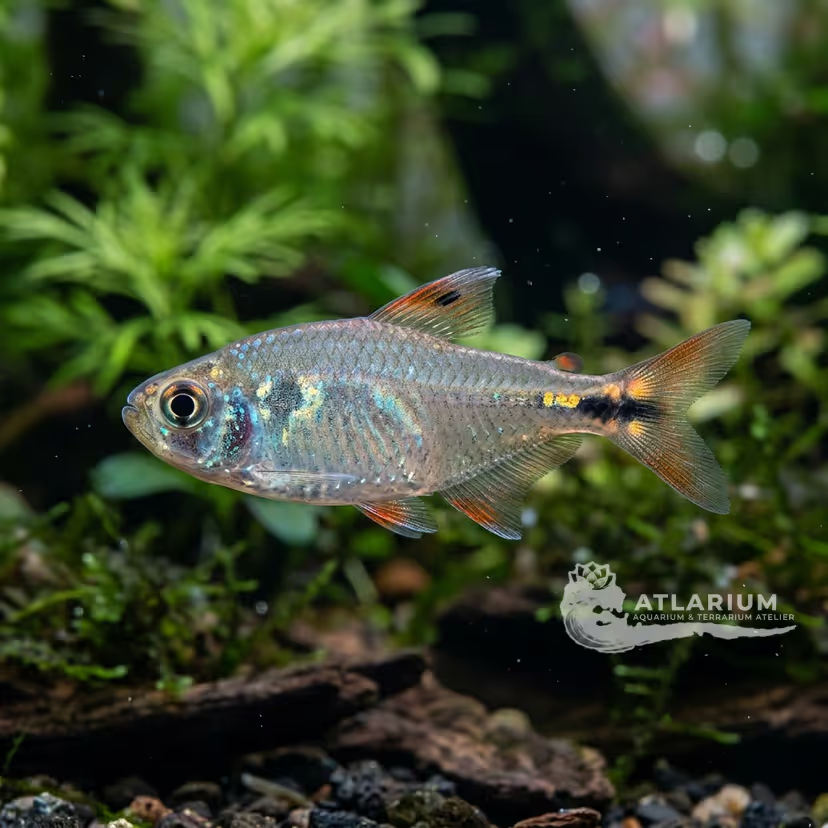
Diancema Tetra
Hyphessobrycon

Bass Tetra
Hemigrammus marginatus
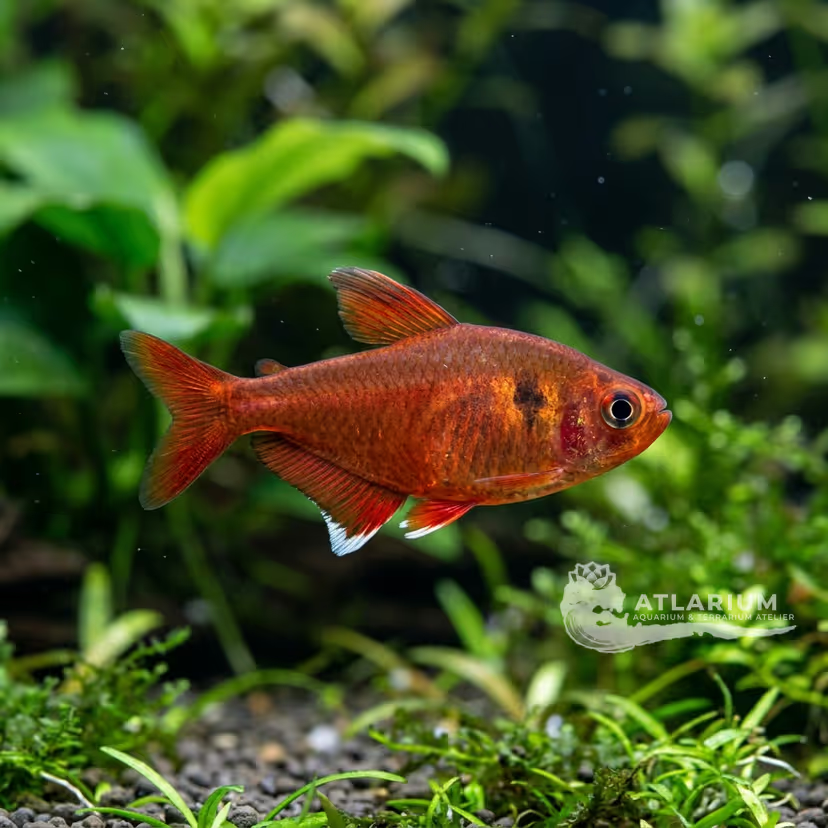
Copeland's Tetra
Hyphessobrycon copelandi

Rabaut's Corydoras / Rust Corydoras
Corydoras rabauti

Skunk cory
Corydoras arcuatus

Three Stripe Corydoras (False Julii)
Corydoras trilineatus

Zygatus Cory
Corydoras zygatus
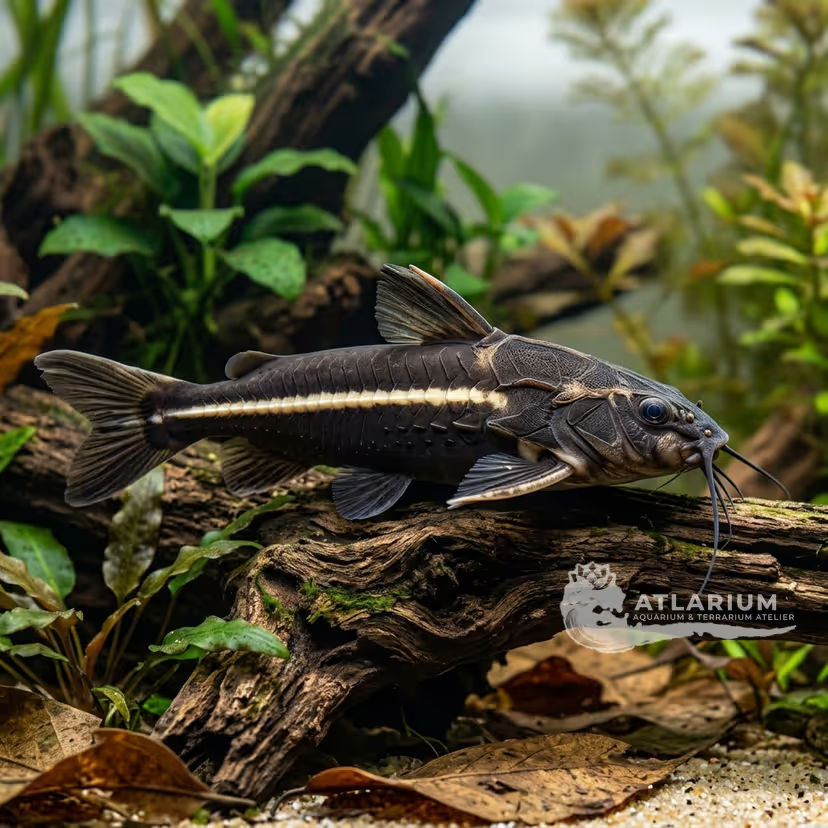
Costatus Striped Raphael
Platydoras costatus
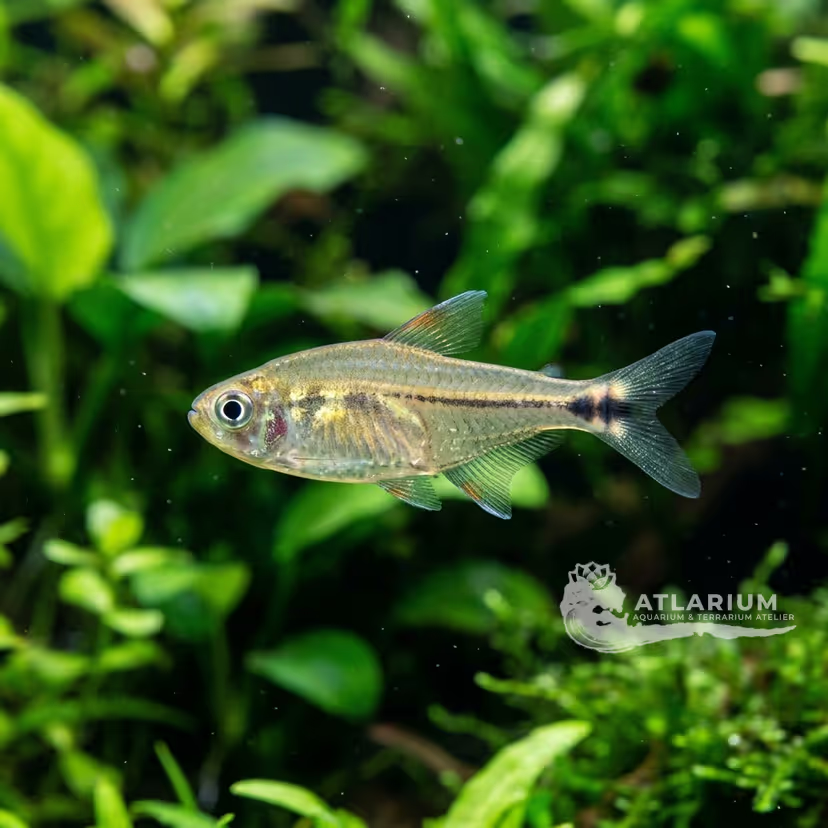
Dash-dot Tetra
Hemigrammus bellottii
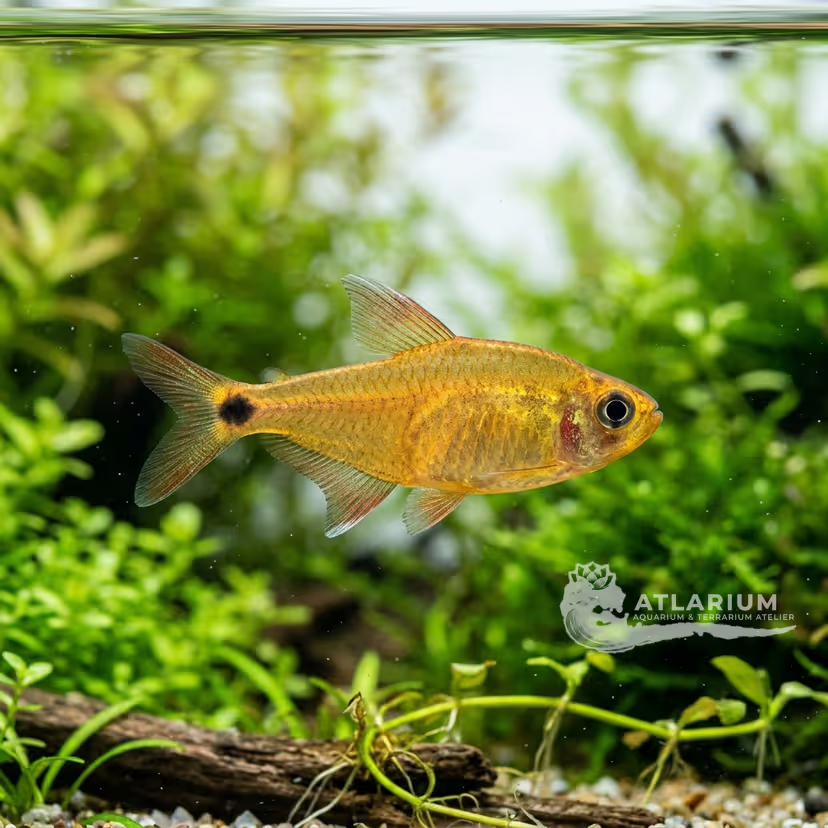
Dawn Tetra
Hyphessobrycon eos

Desana Corydoras
Corydoras desana