Bandit Angelfish
Apolemichthys arcuatus
A highly prized, deep-water marine angelfish endemic to Hawaii, featuring a striking black-and-white pattern and requiring a specialized diet of sponges.
Temperatura da água
20 - 24 °C
Valor de pH
8.1 - 8.4
Tipo de água
Marinho
Nível do tanque
Parte inferior e intermediária
Tamanho adulto
18 cm
Volume mínimo do tanque
>= 400 L
Grupo mínimo
>= 1
KH
8 - 12 dKH

Descrição da espécie
Geographical Origin and Habitat: Apolemichthys arcuatus, commonly known as the Bandit Angelfish, is endemic to the Hawaiian Islands and Johnston Atoll. It is primarily a deep-water species, inhabiting outer reef slopes, rocky ledges, and drop-offs at depths ranging from 60 to over 300 feet (20-100 meters), where water is cooler.
Taxonomy and Morphology: Belonging to the family Pomacanthidae and genus Apolemichthys, this species features a robust, oval, and laterally compressed body. Their jaw structure is evolutionary specialized, containing fine, brush-like teeth optimized for rasping and consuming encrusting sponges and tunicates from rocks.
Social Behavior: Solitary or paired in the wild, they patrol large home ranges. In captivity, they are initially timid and reclusive but will eventually establish dominance over their territory. They can display moderate aggression toward other angelfish species or fish of similar shape and size. They swim actively.
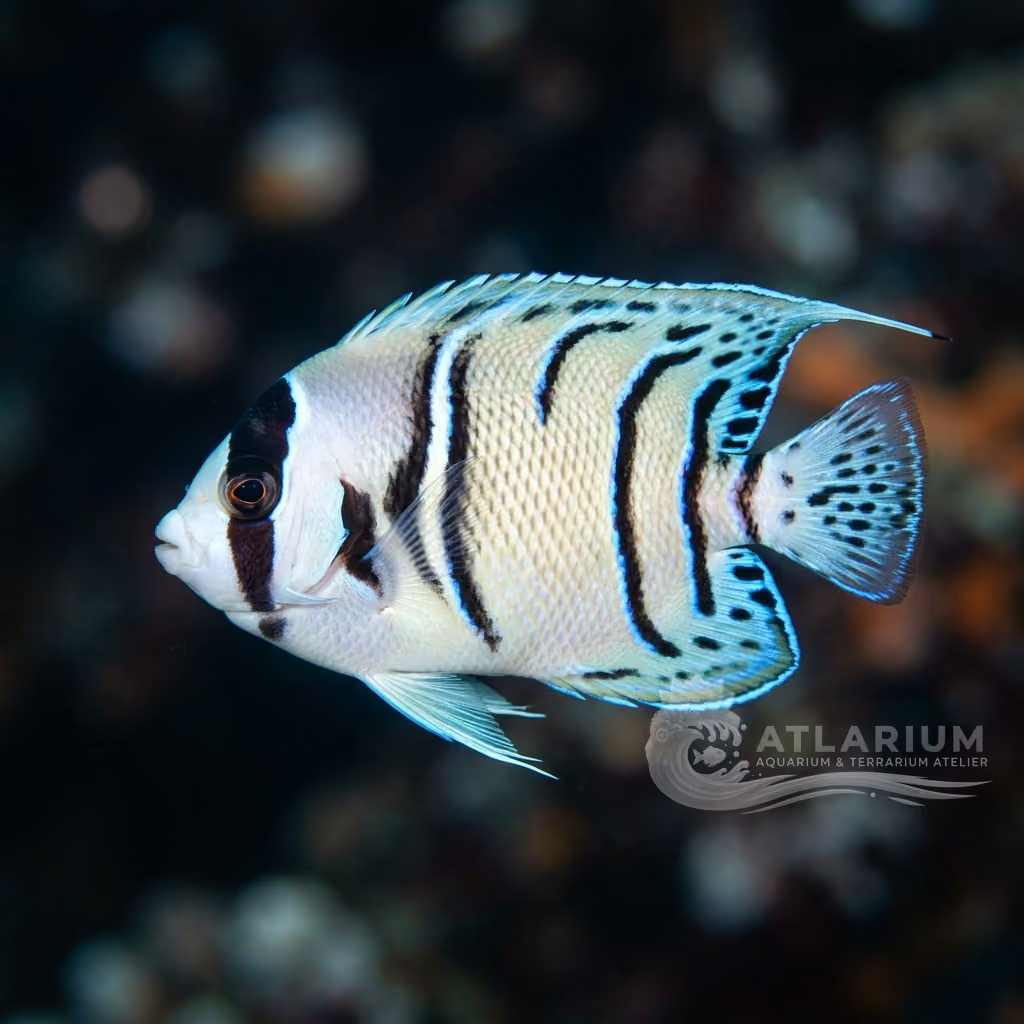
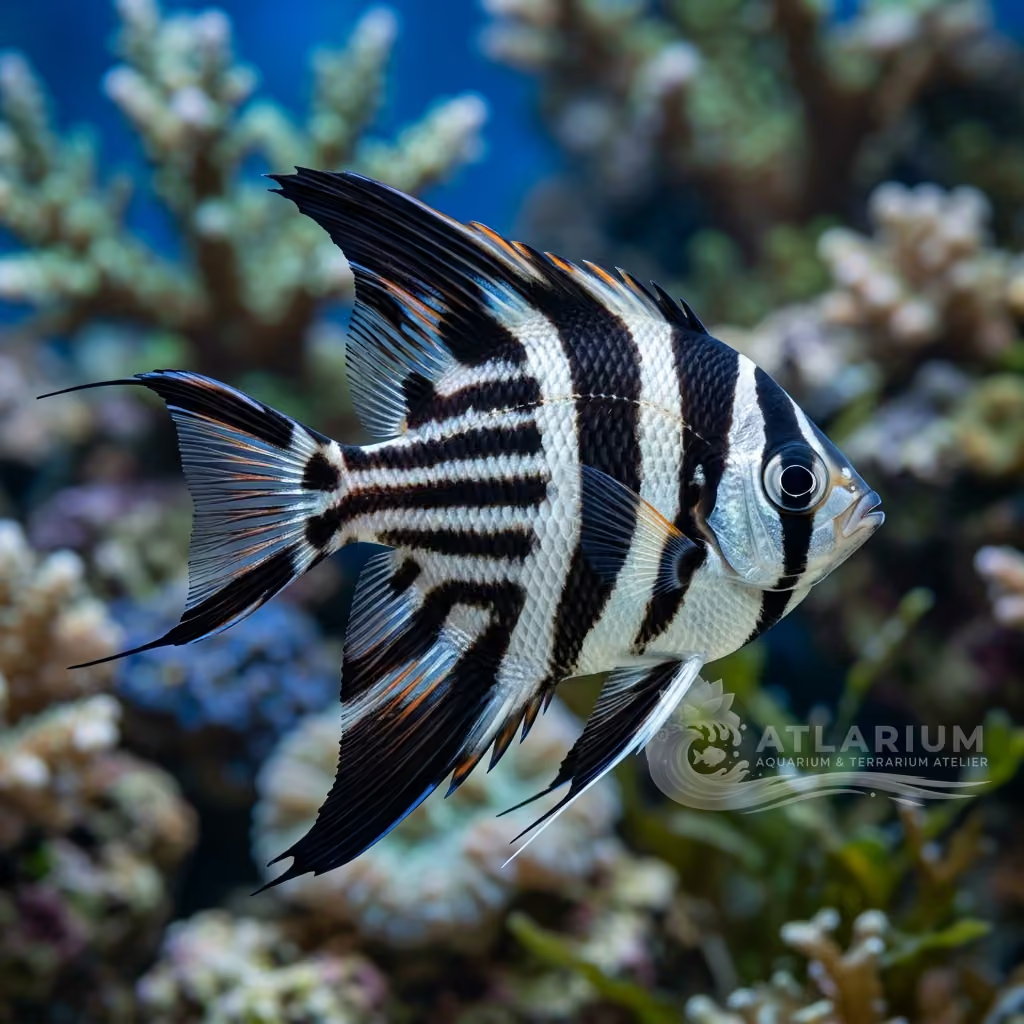
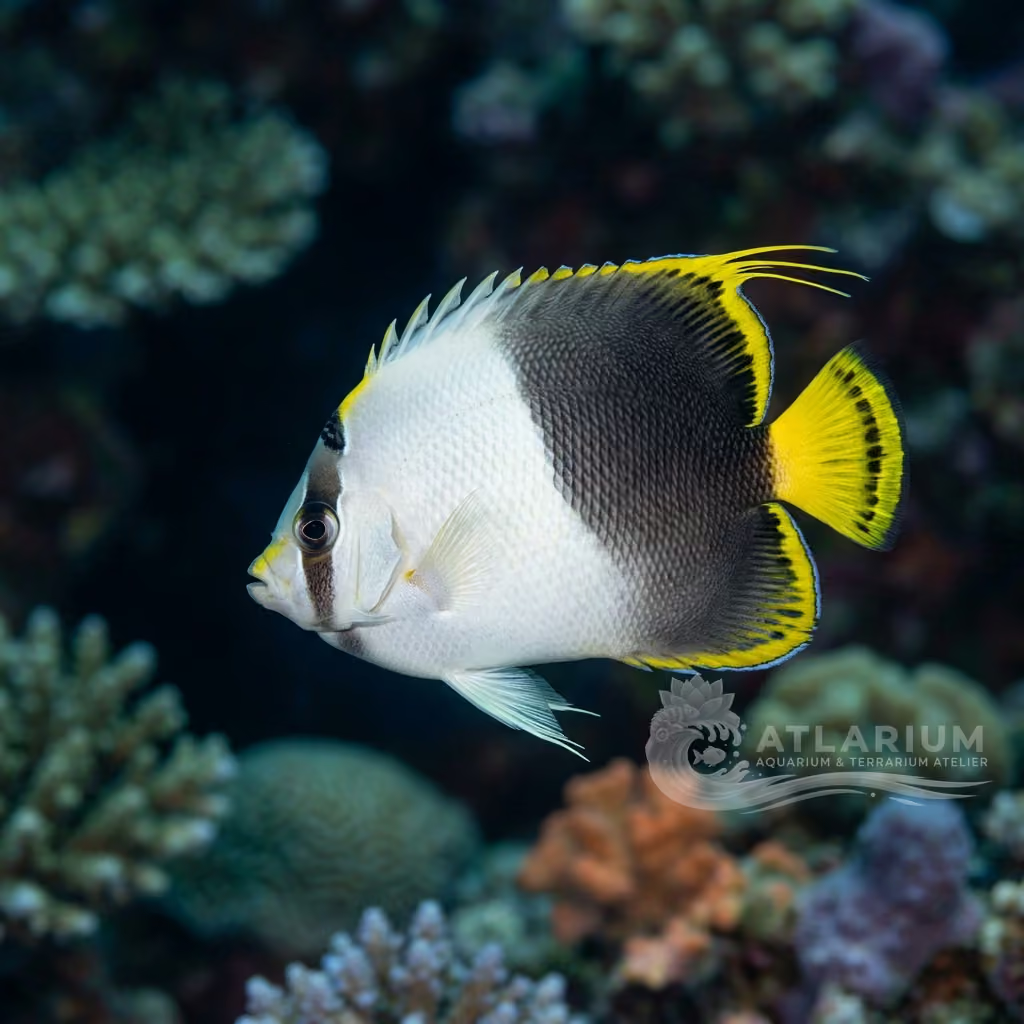
Coloration and Sexual Dimorphism: Recognized by one of the most elegant color patterns in the ocean: a pearlescent white to cream body bisected by a thick, prominent black band that runs from the snout, through the eye, along the upper back, and into the dorsal fin, bordered by bright white. No external sexual dimorphism is visible.

Cuidado, criação e companheiros de tanque
Aquarium Setup: A minimum tank size of 90-100 gallons (350-400 liters) is required for a single specimen. The aquarium should be aquascaped with ample mature live rock forming deep caves, swim-throughs, and shaded areas to mimic their deep-reef habitat. Ensure plenty of open water for active swimming.
Diet and Feeding: Keeping this species alive requires specialized feeding. They are obligate sponge-eaters. Offer high-quality frozen foods formulated specifically for angelfish containing sponge material, supplemented with mysis, chopped clams, and algae sheets. Feeding small amounts multiple times a day is crucial.
Water Quality: Requires pristine water conditions and cooler temperatures. Keep water temperature between 70-75 °F (21-24 °C); temperatures above 78 °F will cause chronic stress. Maintain pH at 8.1-8.4, specific gravity at 1.021-1.025, and keep nitrates near zero. Strong filtration and high-turnover protein skimming are essential.
Compatibility and Cohabitation: Reef-safe with caution. They are likely to nip at large-polyp stony (LPS) corals, soft corals, and Tridacna clam mantles if underfed. Excellent tankmates include peaceful community species like tangs, anthias, and wrasses. Avoid housing with similar-looking members of its genus.
Aquarium Breeding: Breeding in home aquariums is not documented. They are pelagic spawners, releasing gametes into the water column. The complex larval stages and the specific environmental triggers of their deep-water native habitat make captive reproduction exceptionally difficult for hobbyists.
Risks and Diseases: Starvation due to dietary refusal is the leading cause of death. They are highly susceptible to marine ich (Cryptocaryon) and velvet if stressed by high temperatures or aggressive tankmates. They can also develop lymphocystis (viral nodes on fins). A long, quiet quarantine period is mandatory.

Origem e distribuição geográfica
Apolemichthys arcuatus, commonly known as the Bandit Angelfish, is endemic to the Hawaiian Islands and Johnston Atoll. It is primarily a deep-water species, inhabiting outer reef slopes, rocky ledges, and drop-offs at depths ranging from 60 to over 300 feet (20-100 meters), where water is cooler.
Origem
Oceanos tropicais e recifes

Perfil de peixe
- Temperamento
- Aggressive
- The Bandit Angelfish is generally peaceful, shy, and reclusive, especially when first introduced to a new aquarium. They are not highly aggressive toward other species but can become territorial with other large angelfish or members of their own species. They require a quiet tank environment with plenty of hiding spots to feel secure and successfully acclimatize.
- Dieta
- Omnivore
- In their natural habitat, these fish feed primarily on sponges and tunicates. In captivity, providing a specialized diet is the most challenging aspect of their care, requiring high-quality frozen foods enriched with sponge matter and *Spirulina*. Offering a variety of foods, such as mysis shrimp, chopped seafood, and specialized angelfish preparations, is crucial for their long-term health.
- Expectativa de vida
- 10-15 years
- Tamanho adulto
- 18 cm
- Proporção sexual
- 1:1 ratio
- In the wild, *Apolemichthys arcuatus* is usually found solitary or living in pairs. In a home aquarium, it is best kept singly unless a compatible, established male-female pair can be sourced. Attempting to keep multiple individuals together in the same tank will trigger aggressive territorial behavior unless the aquarium is exceptionally large, typically exceeding 1000 liters.
- Frequência de alimentação
- Twice daily
- Due to their high metabolism and active search for food along the rockwork, they should be fed small portions at least two to three times daily. Providing frequent feedings helps prevent body mass loss, a common issue during their initial adaptation phase. Using feeding clips or introducing food directly near their preferred caves can encourage them to feed more readily.
- Carga biológica
- Medium to High
- The Bandit Angelfish has a medium-high bioload due to its size and the need for frequent feedings of specialized, nutrient-dense foods. To keep this sensitive species healthy, a highly efficient filtration system, such as a strong protein skimmer and activated carbon, is essential. Regular water changes and low nitrate levels are critical to mimic their pristine, deep-water natural habitats.
- Fluxo
- Strong
- The Bandit Angelfish prefers moderate water flow in the aquarium. They inhabit deep reef areas where currents can be steady but not overwhelming. Providing moderate, laminar water movement alongside zones of lower flow near their caves allows them to swim comfortably without being constantly stressed by strong currents.
- Risco de salto
- Yes
- While not known as frequent jumpers, the Bandit Angelfish can bolt and jump out of the water if startled, stressed, or chased by tankmates. A tight-fitting lid or mesh cover is highly recommended to secure the aquarium. This precaution is especially critical during the acclimatization phase when the fish is adapting to its new environment and is highly prone to panic.
- Reprodução
- Not bred in captivity
- Breeding the Bandit Angelfish in the home aquarium is exceptionally difficult and rarely achieved by hobbyists. They are egg-scattering pelagic spawners, and rearing the delicate larvae requires specialized facilities and live diets like copepods. While commercial breeding has succeeded in professional aquaculture facilities, it remains beyond the reach of standard home aquariums.
- Compatibilidade e companheiros de tanque
- With caution
- This species is semi-compatible with reef setups, as they are likely to nip at large-polyp stony (LPS) corals, zoanthids, and clam mantles. They do well with other peaceful, non-aggressive tankmates of similar size, such as deep-water wrasses or anthias. Avoid keeping them with aggressive species or other territorial angelfish unless the aquarium is extremely large.
- Nível do tanque
- Middle/Bottom
- This species is benthopelagic and prefers the bottom-to-middle zones of the aquarium. They spend most of their time swimming close to rockwork, exploring caves, and hovering near overhangs where they feel secure. Providing a complex aquascape with plenty of rocky structures mimics their natural deep-reef ledge habitats and encourages active swimming behavior.

Modelos e parâmetros científicos
FishBase
Acesso aos dados científicos oficiais da espécie
FishBase v25.04Dados sincronizados em: 15/06/2026
- Nível trófico
- 2,9 ± 0,1 se
- Resiliência
- Média (1,4 - 4,4 anos)
- Unicidade filogenética (PD50)
- 0.502
- Relação bayesiana comprimento-peso
- a = 0.0302, b = 2.89
- VulnerabilidadeVulnerabilidade baixa (10 / 100)

Espécies relacionadas
Recomendações agrupadas por parentes próximos, escolhas de acompanhantes e cuidados semelhantes.