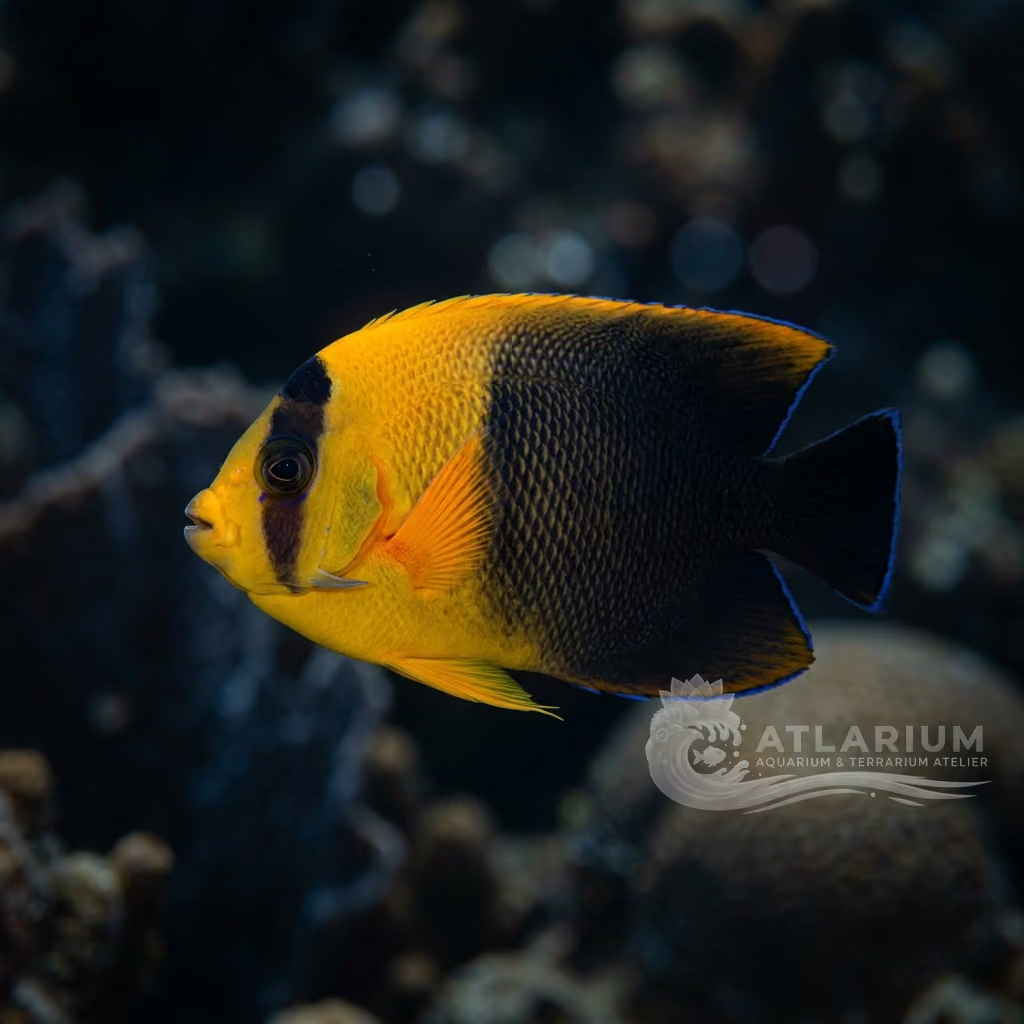
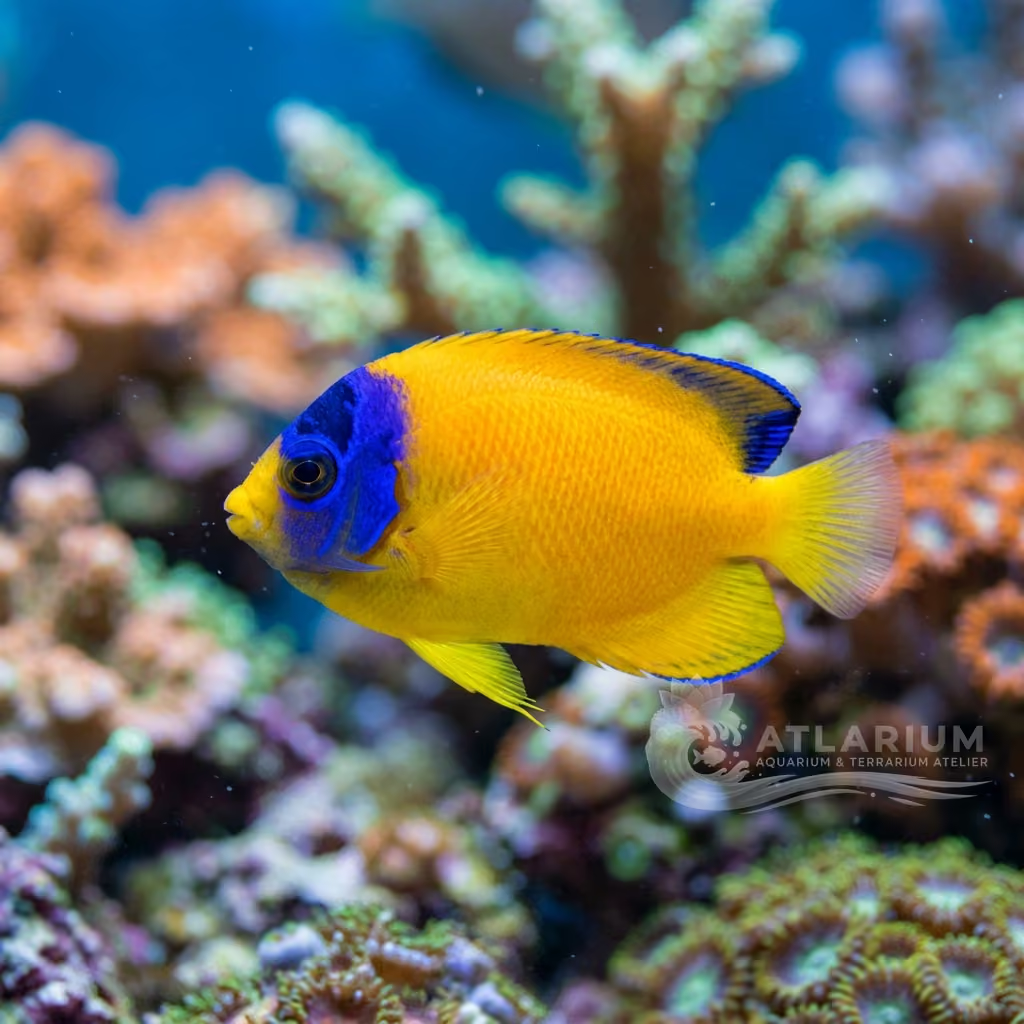
Lamarck's angelfish
Genicanthus lamarck
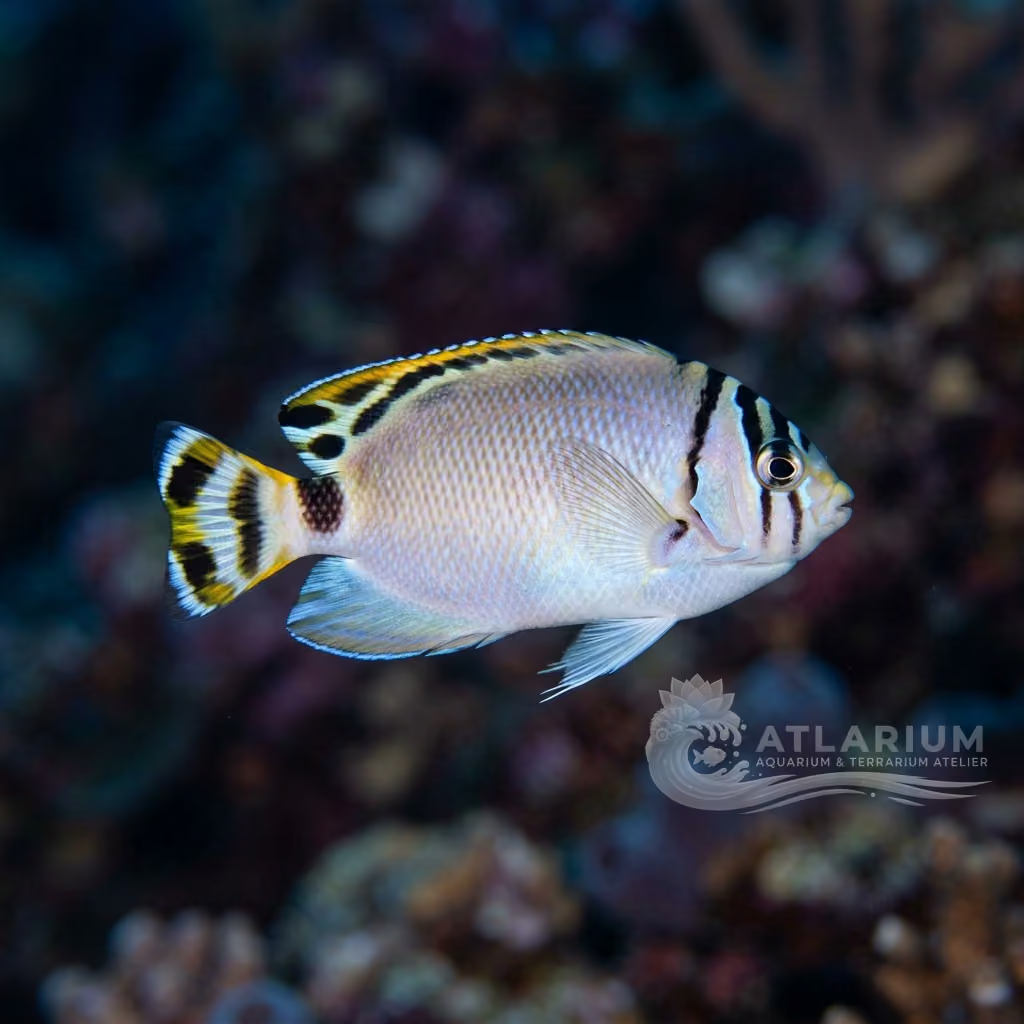
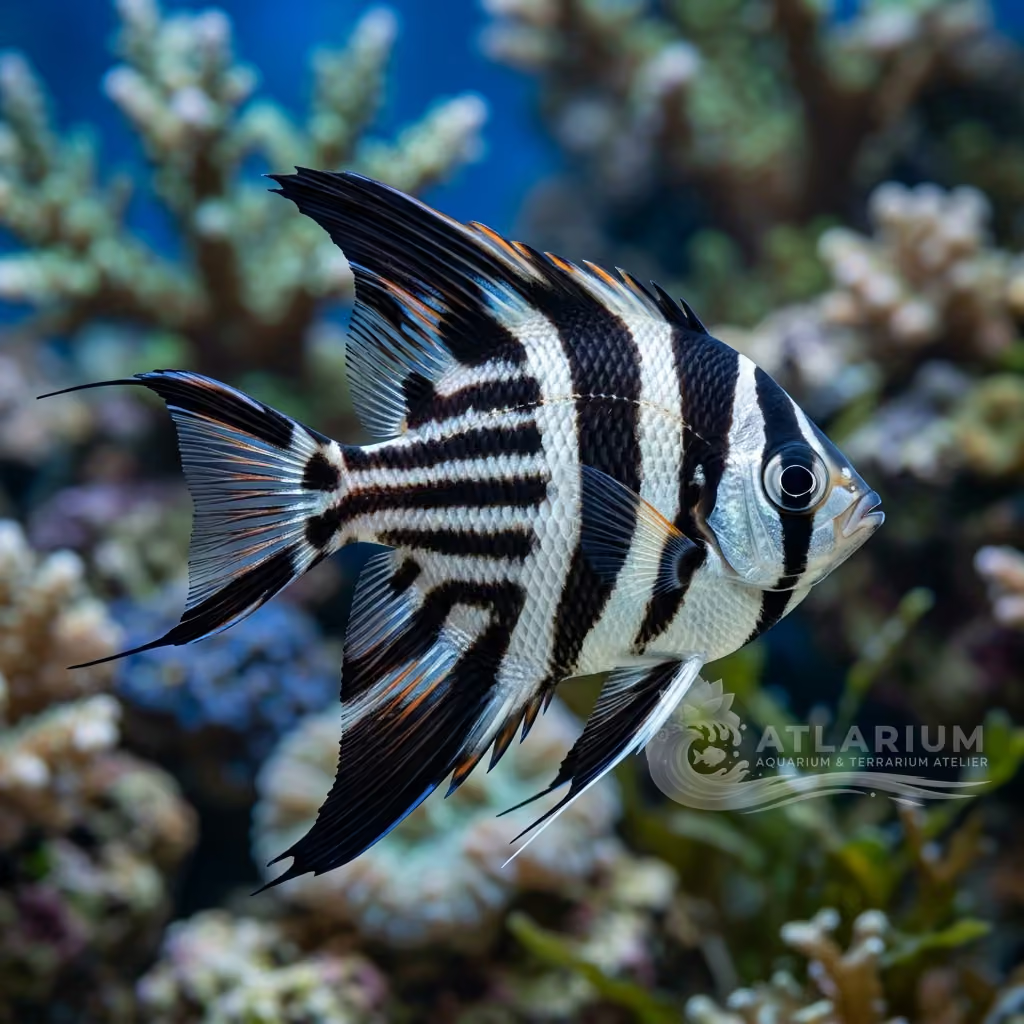
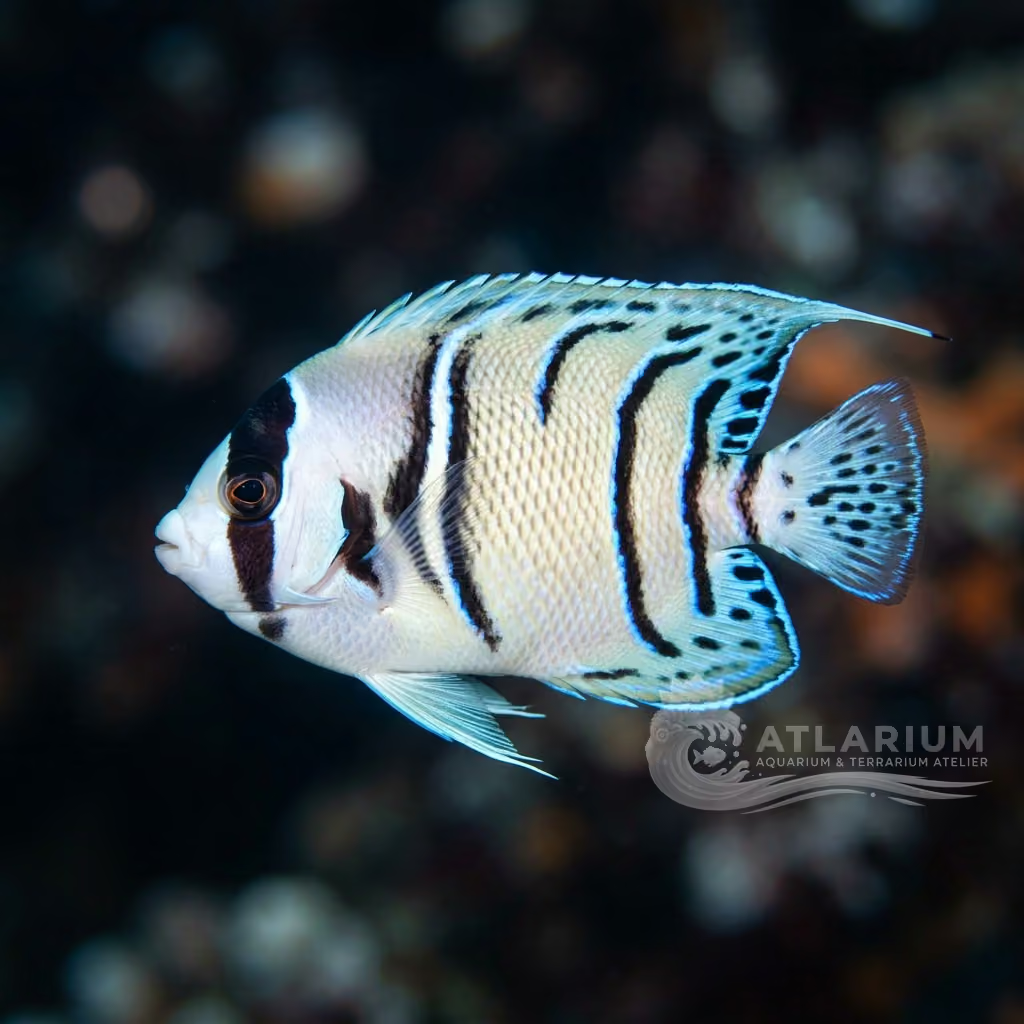
Marked by striking horizontal black stripes on a silver body, this deep-reef angelfish swims gracefully in open water. Fully reef-safe, it relies on robust currents and multiple daily zooplankton meals.
Temperatura da água
22 - 26 °C
Valor de pH
8.1 - 8.4
Tipo de água
Marinho
Nível do tanque
Parte inferior e intermediária
Tamanho adulto
25 cm
Volume mínimo do tanque
>= 500 L
Grupo mínimo
>= 1
KH
8 - 12 dKH

Descrição da espécie
Geographical Origin and Habitat: Lamarck's Angelfish is widely distributed in the tropical Indo-West Pacific, ranging from southern Japan and the Philippines down to northern Australia, Vanuatu, and the Solomon Islands. It inhabits steep outer reef slopes and drop-offs at depths of 10 to 50 meters, feeding in the open water column.
Taxonomy and Morphology: Belonging to the family Pomacanthidae and the genus Genicanthus. It features a moderately elongated, compressed body and a lyre-shaped caudal fin with long filamentous extensions. Adult specimens can reach a maximum length of 20 to 25 cm (8-10 inches).
Social Behavior: Active, open-water swimmers. Unlike most other angelfish, they are planktivorous and peaceful. They live in social groups consisting of one male and several females. They spend most of their time in mid-water rather than picking at rocks or corals.
Coloration and Sexual Dimorphism: Sexual dimorphism is highly conspicuous. Both sexes have a silver-white body with horizontal black stripes. In females, the uppermost black stripe is thick and extends into the upper and lower lobes of the tail. In males, the stripes are thinner, and they possess a bright yellow patch on the forehead.

Cuidado, criação e companheiros de tanque
Aquarium Setup: Requires a large aquarium of at least 400 liters (approx. 100 gallons) to accommodate its active swimming habits. Provide strong water flow using wavemakers and keep the center of the tank open. Live rock should be arranged to form arches and caves for nighttime resting.
Diet and Feeding: Primarily a planktivore. Feed a varied diet multiple times a day. Offer frozen foods such as mysis shrimp, brine shrimp, chopped krill, and copepods. It will also readily accept high-quality dry pellets and flakes containing algae.
Water Quality: Demands high water quality and oxygenation. Keep temperature at 24-27°C (75-81°F), pH 8.1-8.4, specific gravity 1.022-1.025, and carbonate hardness (dKH) 8-12. An efficient protein skimmer is mandatory to maintain low nutrient levels.
Compatibility and Cohabitation: Excellent addition to reef aquariums as it is entirely reef-safe and does not nip at corals or clams. Can be kept with peaceful to semi-aggressive fish like tangs, wrasses, and anthias. Avoid keeping more than one male per tank.
Aquarium Breeding: Protogynous hermaphrodites, where a female will transition to a male in the absence of one. Spawning in home tanks is rare but possible. They release pelagic eggs during courtship at dusk. Rearing the larvae requires specialized microscopic live feeds.
Risks and Diseases: Susceptible to marine ich (Cryptocaryon) and marine velvet (Amyloodinium), especially during acclimation. Ensure a stress-free environment and quarantine new arrivals. Avoid treating them with aggressive copper doses if possible.

Origem e distribuição geográfica
Lamarck's Angelfish is widely distributed in the tropical Indo-West Pacific, ranging from southern Japan and the Philippines down to northern Australia, Vanuatu, and the Solomon Islands. It inhabits steep outer reef slopes and drop-offs at depths of 10 to 50 meters, feeding in the open water column.
Origem
Oceanos tropicais e recifesLeste AsiáticoAustrália, Nova Guiné e Oceania

Perfil de peixe
- Temperamento
- Peaceful
- They possess a generally peaceful and confident temperament, making them excellent community fish. While peaceful, they can hold their own against mildly aggressive tank mates without becoming bullies themselves. Providing adequate swimming space prevents pacing behaviors and significantly reduces overall stress.
- Dieta
- Omnivore
- As natural planktivores, they prefer feeding on suspended particulates in the water column rather than grazing on rocks. Offer them a varied diet of frozen mysis shrimp, high-quality marine flakes, and finely chopped seafood. Incorporating spirulina-enriched brine shrimp helps keep their immune system strong and colors vibrant.
- Expectativa de vida
- 10-15 years
- Tamanho adulto
- 25 cm
- Proporção sexual
- Harem
- Sexual dimorphism is apparent: males display bold horizontal black stripes and elongated pelvic fins, while females possess thicker, less uniform stripes. Like other members of their genus, they have the ability to change sex from female to male. They are ideally kept as solitary individuals or in a harem of one male and multiple females.
- Frequência de alimentação
- 3-4 times daily
- They possess a high metabolism and small stomach, requiring multiple small feedings per day. Aim to feed them at least three times daily to ensure they receive adequate caloric intake. Using an automatic feeder to dispense high-quality pellets can be very helpful in maintaining their feeding schedule.
- Carga biológica
- High
- Lamarck's Angelfish produces a substantial bioload, characteristic of active, medium-to-large marine fish. Excellent water quality must be maintained through the use of a powerful protein skimmer and robust biological filtration. Consistent water changes are vital to prevent the buildup of nitrates and maintain optimal reef conditions.
- Fluxo
- Strong
- They thrive in aquariums with moderate to strong, turbulent water flow that mimics oceanic currents. Strong flow ensures that their planktonic food remains suspended in the water column where they prefer to feed. Ample water movement also promotes high oxygenation, which is crucial for their active lifestyle.
- Risco de salto
- Yes
- They have a moderate tendency to jump, particularly during their initial acclimation period or if spooked by aggressive tank mates. A secure, tight-fitting mesh screen is strongly advised to prevent tragic losses. Avoid sudden lighting changes, which can easily trigger a startled jumping response.
- Reprodução
- Oviparous
- Captive breeding is extraordinarily difficult and has only been achieved by a handful of specialized commercial facilities. They are pelagic spawners, broadcasting their gametes into the water column during elaborate courtship dances. The resulting planktonic larvae demand incredibly specific microscopic foods to survive their first weeks of life.
- Compatibilidade e companheiros de tanque
- Reef safe
- They are widely considered to be highly reef-safe, rarely bothering corals or sessile invertebrates. They do well in peaceful to semi-aggressive community tanks alongside tangs, wrasses, and clownfish. Care should be taken to avoid housing them with overly dominant angelfish that may view them as rivals.
- Nível do tanque
- Middle/Bottom
- They are highly active, open-water swimmers that utilize the middle and upper levels of the aquarium. A tank length of at least six feet is recommended to provide them with the long, unobstructed swimming lanes they require. Ensure the rockwork is low enough to provide maximum swimming space while still offering some caves for shelter.

Modelos e parâmetros científicos
FishBase
Acesso aos dados científicos oficiais da espécie
FishBase v25.04Dados sincronizados em: 15/06/2026
- Nível trófico
- 3,4 ± 0,45 se
- Resiliência
- Média (1,4 - 4,4 anos)
- Unicidade filogenética (PD50)
- 0.501
- Relação bayesiana comprimento-peso
- a = 0.0302, b = 2.89
- VulnerabilidadeVulnerabilidade baixa (15 / 100)

Espécies relacionadas
Recomendações agrupadas por parentes próximos, escolhas de acompanhantes e cuidados semelhantes.