Three-spot Angelfish
Apolemichthys trimaculatus
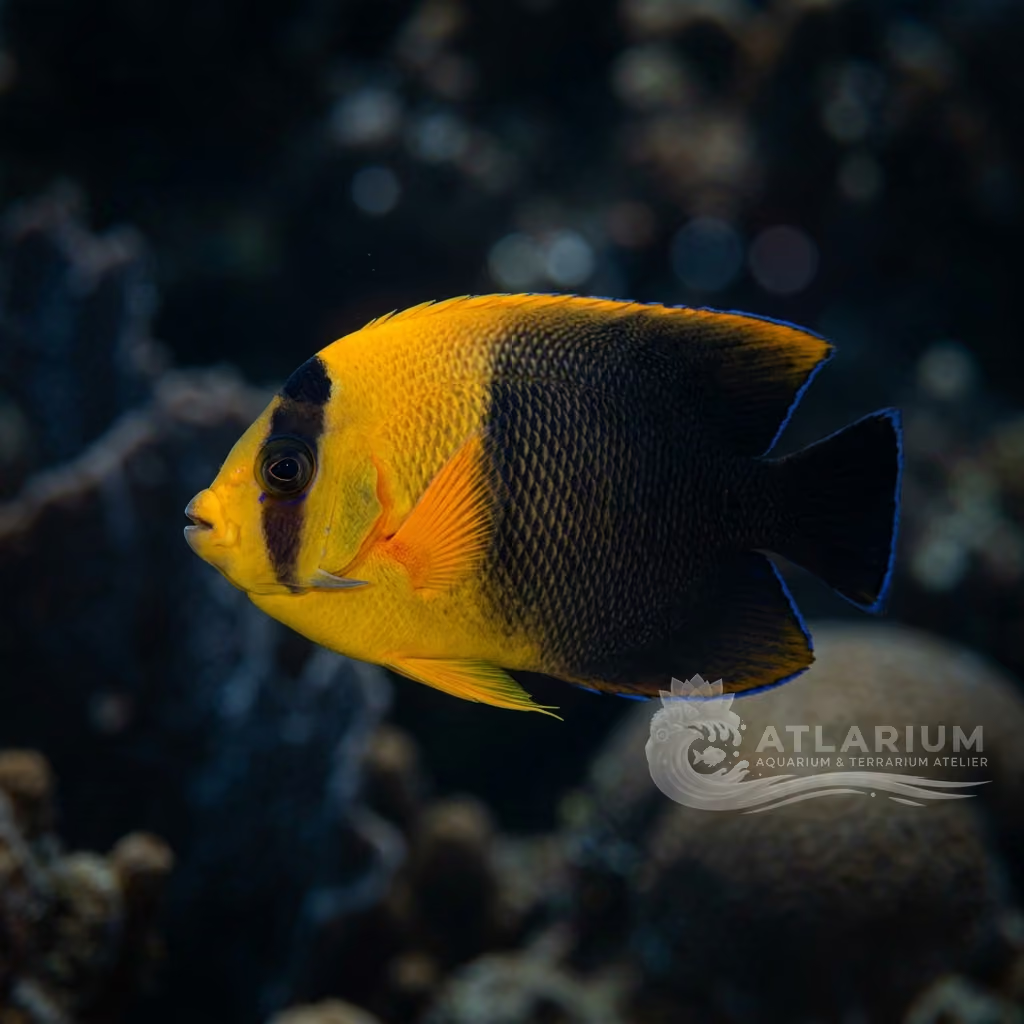
The Three-spot Angelfish is a striking yellow marine fish native to the Indo-Pacific. It needs a massive, mature aquarium with expansive swimming space and deep rocky passages.
Temperatura da água
23 - 28 °C
Valor de pH
8.1 - 8.4
Tipo de água
Marinho
Nível do tanque
Todos os níveis
Tamanho adulto
26 cm
Volume mínimo do tanque
>= 450 L
Grupo mínimo
>= 1
KH
8 - 12 dKH

Descrição da espécie
Geographical Origin and Habitat: Indo-Pacific: widely distributed from the coasts of East Africa and the Red Sea to Samoa, reaching north to southern Japan and south to the Great Barrier Reef and New Caledonia. It inhabits coral-rich outer reef slopes, vertical drop-offs, and areas with strong currents, at depths between 10 and 80 meters.
Taxonomy and Morphology: Belongs to the family Pomacanthidae, genus Apolemichthys. Features a discoid, laterally compressed body, with a maximum adult size of about 25 centimeters. It has a small mouth equipped with tiny flexible teeth adapted for scraping the substrate. It is characterized by a robust preopercular spine typical of angelfish.
Social Behavior: Solitary species or lives in pairs or small harems consisting of one male and several females. It is a territorial fish that patrols a vast rocky area in search of food. In the aquarium, it shows marked intraspecific territoriality, while generally ignoring fish belonging to other families.
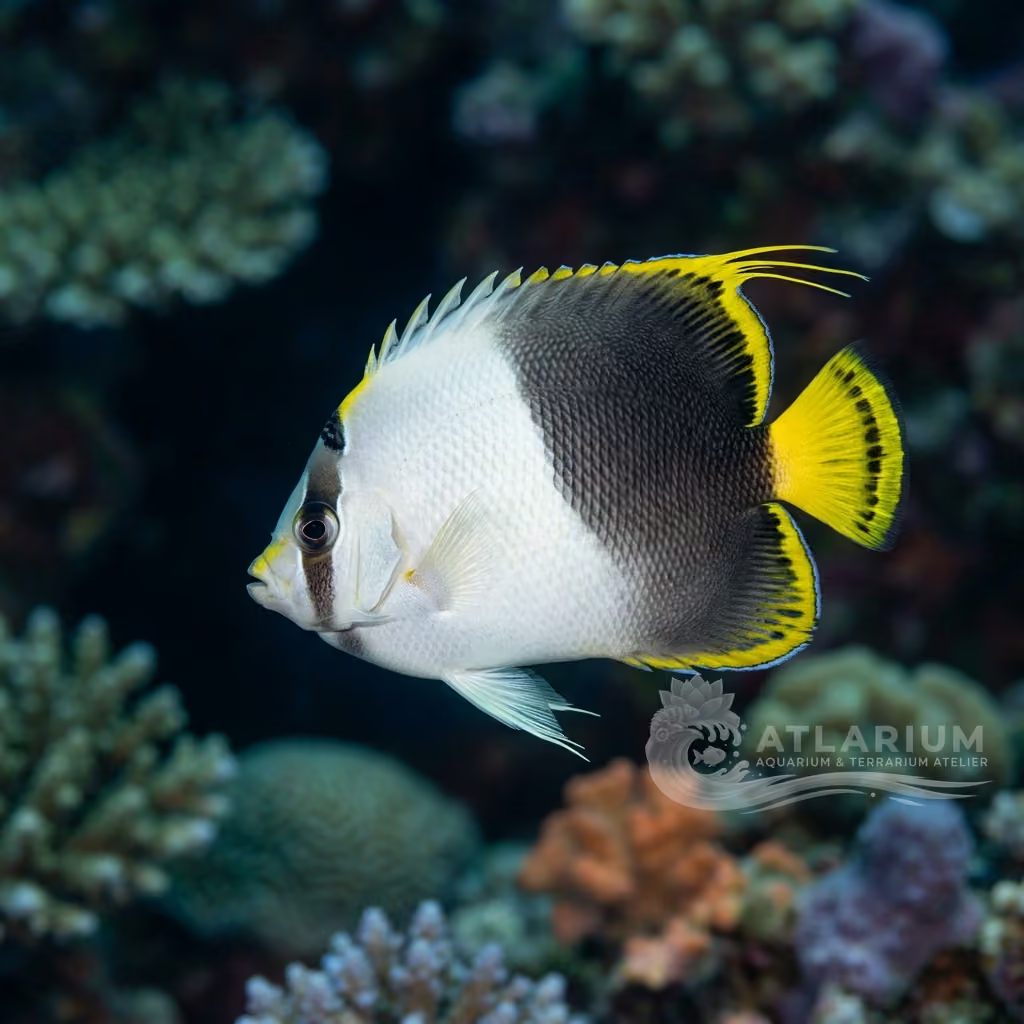
Coloration and Sexual Dimorphism: Characterized by a beautiful bright lemon-yellow coloration over the entire body. The lips are of a distinctive electric or neon blue color. It displays three dark spots on the head: one on the forehead and one near each gill cover. The anal fin has a wide black lower margin. There is no visible sexual dimorphism.

Cuidado, criação e companheiros de tanque
Aquarium Setup: Requires a large and mature marine aquarium, with a minimum volume of 350-400 liters for a single specimen. The tank must be set up with a complex rock barrier rich in caves, arches, and wide passages to allow the fish to swim freely and find shade. It is essential that the aquarium is established for several months.
Diet and Feeding: Omnivorous with a preference for sponges and tunicates. In the aquarium, it can be difficult to acclimate to dry food at first. It must be fed high-quality frozen foods (such as mysis, krill, brine shrimp), specific angelfish preparations containing marine sponges, and fresh vegetables (spirulina, nori). Feed several times a day.
Water Quality: Stable and high-quality marine parameters: temperature between 24 and 28 °C, stable pH between 8.1 and 8.4, and density at 1.020-1.025. To preserve its health and prevent infections, strong filtration with an efficient skimmer and regular water changes are essential to keep nitrates very low.
Compatibility and Cohabitation: Can cohabit with active and robust fish (such as surgeonfish, wrasses, damselfish). Cohabitation with other angelfish is risky and not recommended unless in giant tanks. It is not considered entirely reef-safe as it tends to nip the polyps of hard corals (LPS and SPS) and clam mantles, especially if not well fed.
Aquarium Breeding: Oviparous reproduction with pelagic spawning. In nature, spawning occurs at dusk. There are no cases of successful breeding in home aquariums due to the extreme delicacy of the planktonic larvae and the difficulty of providing them with specific live food.
Risks and Diseases: It is a sensitive fish that is highly affected by transport stress and fluctuations in water values. It can easily contract Ichthyo or Oodinium infections and lateral line disease (HLLE) if the diet lacks vitamins. A long quarantine period and enriched feeding are essential before introduction.

Origem e distribuição geográfica
Indo-Pacific: widely distributed from the coasts of East Africa and the Red Sea to Samoa, reaching north to southern Japan and south to the Great Barrier Reef and New Caledonia. It inhabits coral-rich outer reef slopes, vertical drop-offs, and areas with strong currents, at depths between 10 and 80 meters.
Origem
Oceanos tropicais e recifesÁfrica e MadagascarLeste AsiáticoAustrália, Nova Guiné e Oceania

Perfil de peixe
- Temperamento
- Semi-aggressive
- This species has a semi-aggressive and territorial temperament, particularly as they mature. They are generally peaceful toward unrelated tank mates that do not share their shape or coloration. However, they will display intense aggression toward other angelfish and conspecifics, making it necessary to introduce them as one of the last additions to the tank.
- Dieta
- Omnivore
- The diet of the Threespot Angelfish is highly specialized, consisting primarily of sponges, tunicates, and algae in the wild. In captivity, they must be offered high-quality commercial foods specifically formulated for angelfish that contain sponge matter. Their diet should be supplemented with mysis shrimp, chopped seafood, spirulina, and nori to ensure proper nutrition and color retention.
- Expectativa de vida
- 10-15 years
- Tamanho adulto
- 26 cm
- Proporção sexual
- Harem
- In their natural habitat, these fish form small harems consisting of one dominant male and several females. However, in the home aquarium, it is highly recommended to keep them singly due to their territorial nature. Introducing a pair or harem requires an exceptionally large tank (over 200 gallons) and should only be attempted by experienced aquarists using individuals of significantly different sizes.
- Frequência de alimentação
- Twice daily
- It is recommended to feed this species small portions two to three times daily. Because they are active grazers, constant access to high-quality live rock with natural algae and sponge growth will help keep them healthy between feedings. Rushed or single daily feedings can lead to nutritional deficiencies and increased nipping behavior on corals.
- Carga biológica
- Medium to High
- As a medium-to-large marine angelfish reaching up to 10 inches, Apolemichthys trimaculatus produces a significant amount of waste. A robust filtration system, including a powerful protein skimmer and efficient mechanical filtration, is required to maintain the pristine water quality they need. Regular weekly or bi-weekly water changes of 10% to 20% are essential to prevent the accumulation of nitrates and toxic organic compounds.
- Fluxo
- Strong
- They prefer moderate to strong water flow, which mimics the currents of their natural outer reef slopes and lagoon habitats. Strong water movement helps keep the water well-oxygenated and stimulates their active swimming behavior. Incorporating wavemakers or multiple powerheads can create the dynamic flow patterns they thrive in.
- Risco de salto
- Yes
- While not classified as habitual jumpers, these fish can easily leap out of the aquarium if startled, chased by tank mates, or during night frights. A tight-fitting lid or a secure mesh cover is highly recommended to prevent accidental jumps. Ensuring the tank has dimming lights or night-lights can also help reduce the risk of them getting startled in the dark.
- Reprodução
- Oviparous
- Breeding the Threespot Angelfish in a home aquarium is exceptionally difficult and rarely achieved by hobbyists. They are protogynous hermaphrodites, spawning in pairs or harems via pelagic egg release into the water column. Rearing the larvae requires specialized live foods and advanced aquaculture systems, although commercial breeders like Bali Aquarich have successfully raised them.
- Compatibilidade e companheiros de tanque
- Not reef safe
- This species is not considered reef-safe, as they will actively nip at soft corals, large polyp stony (LPS) corals, clam mantles, and sessile invertebrates. They are compatible with large, peaceful or semi-aggressive fish such as tangs, wrasses, and damselfish. They should not be housed with other angelfish of the genus Apolemichthys or similarly colored species.
- Nível do tanque
- All levels
- The Threespot Angelfish is an active swimmer that utilizes all levels of the aquarium. They spend a large portion of their time in the lower and middle zones, darting in and out of rocky caves and grazing on live rock. Providing ample open swimming space alongside structured rockwork ensures they can explore all depths of the tank comfortably.

Modelos e parâmetros científicos
FishBase
Acesso aos dados científicos oficiais da espécie
FishBase v25.04Dados sincronizados em: 15/06/2026
- Nível trófico
- 2,6 ± 0 se
- Resiliência
- Média (1,4 - 4,4 anos)
- Unicidade filogenética (PD50)
- 0.502
- Relação bayesiana comprimento-peso
- a = 0.0302, b = 2.89
- VulnerabilidadeVulnerabilidade baixa (16 / 100)

Espécies relacionadas
Recomendações agrupadas por parentes próximos, escolhas de acompanhantes e cuidados semelhantes.