Tiger Angelfish
Apolemichthys kingi
A highly prized, deep-water angelfish from the Indian Ocean, recognized by its majestic striking pattern. It demands pristine water quality, strong filtration, and specialized cavernous rockwork.
Temperatura da água
20 - 24 °C
Valor de pH
8.1 - 8.4
Tipo de água
Marinho
Nível do tanque
Parte inferior e intermediária
Tamanho adulto
25 cm
Volume mínimo do tanque
>= 500 L
Grupo mínimo
>= 1

Descrição da espécie
Geographical Origin and Habitat: Apolemichthys kingi is native to the southwestern Indian Ocean, primarily found along the eastern coast of South Africa (KwaZulu-Natal) and southern Mozambique. It inhabits deep rocky reefs and coral walls at depths ranging from 20 to over 60 meters, where water temperatures are cool and currents are strong.
Taxonomy and Morphology: Belonging to the family Pomacanthidae and the genus Apolemichthys, it is commonly known as the Tiger Angelfish. It features a laterally compressed, oval body with a sharp spine on the lower margin of the preopercle. Adults can reach up to 25 cm in length. It is one of the rarest and most expensive species in the trade.
Social Behavior: Typically observed solitary or in pairs in the wild. In an aquarium setting, it exhibits semi-aggressive behavior and is highly territorial towards other angelfish of similar size or coloration. It requires a vast swimming area coupled with complex rockwork for security.
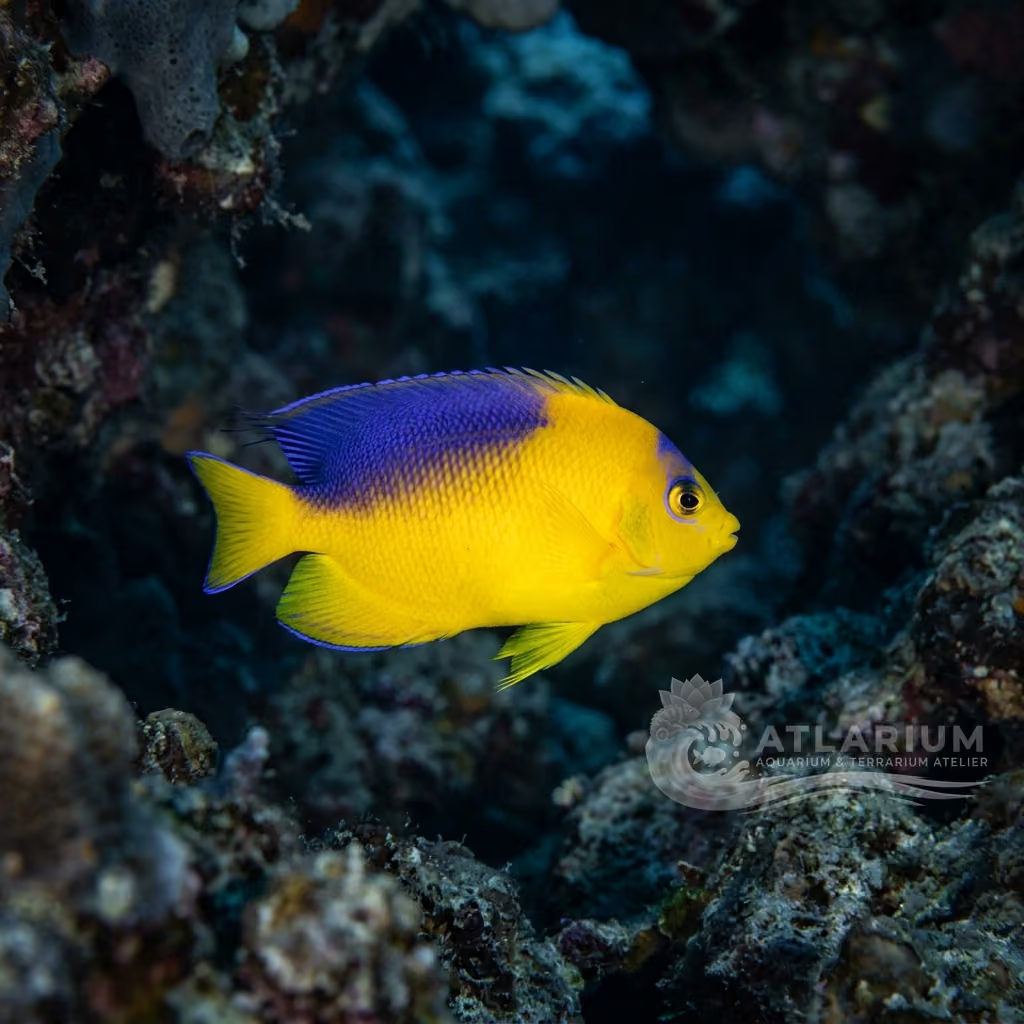
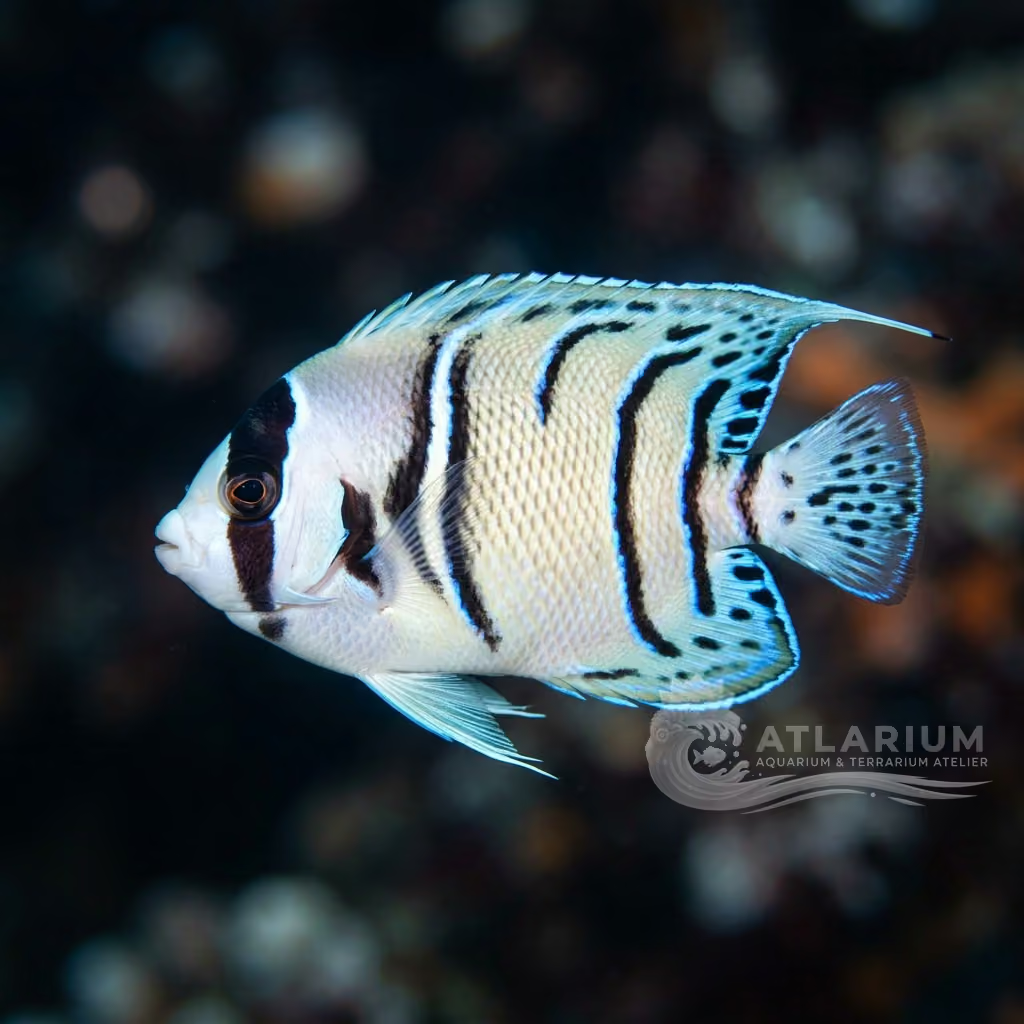
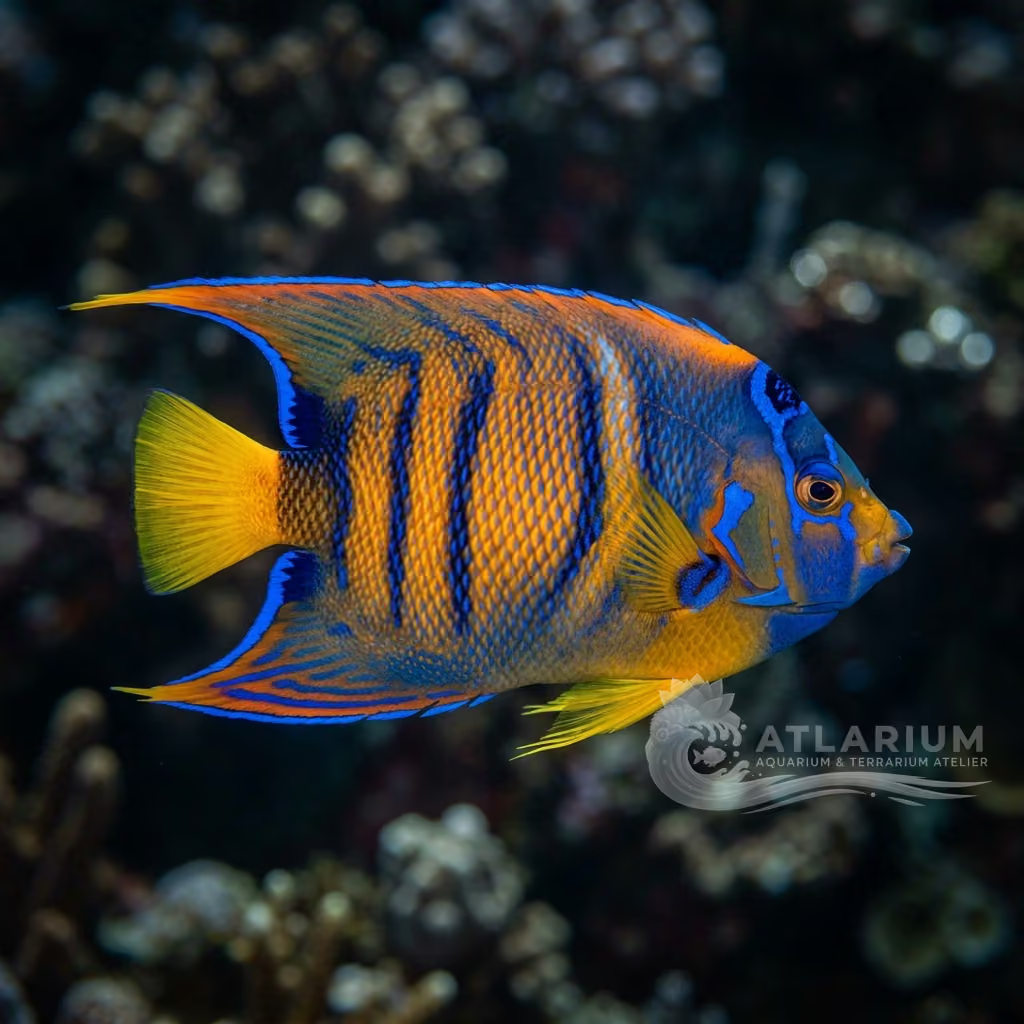
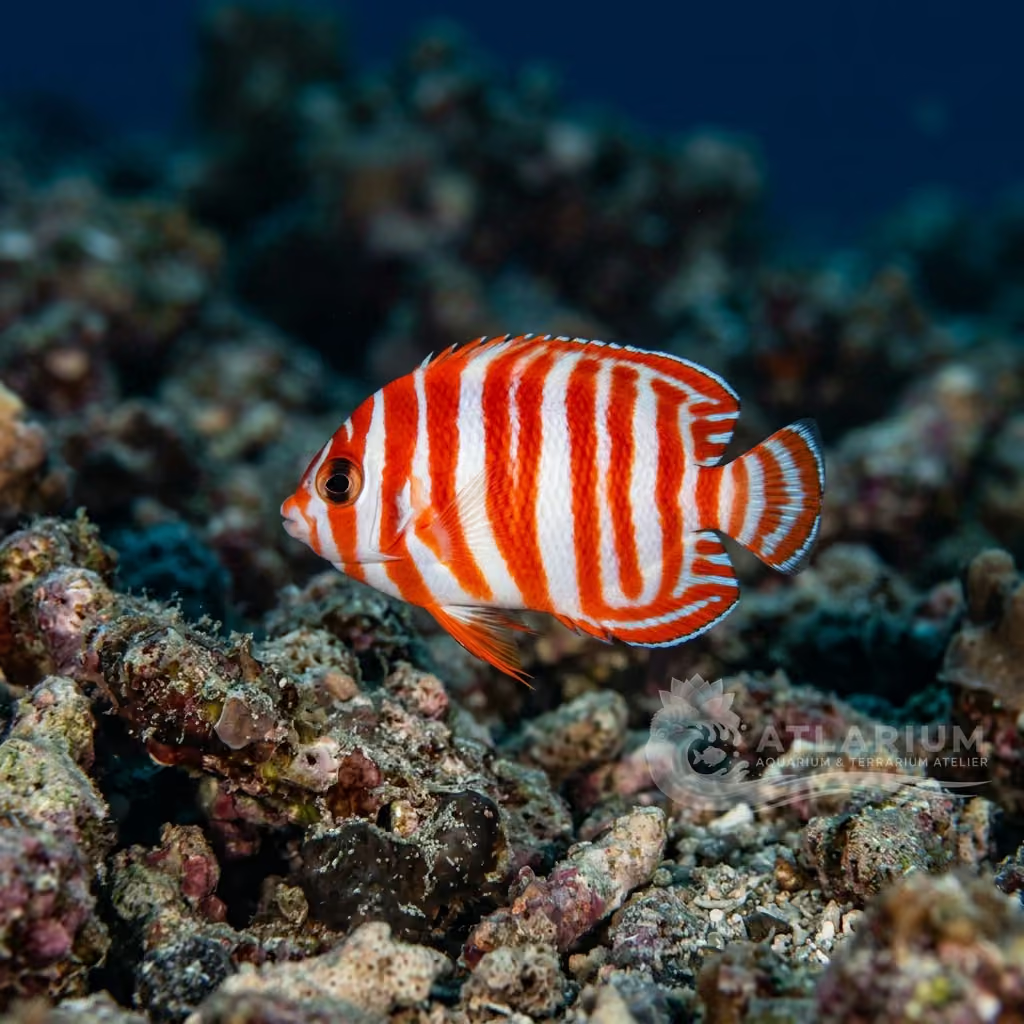
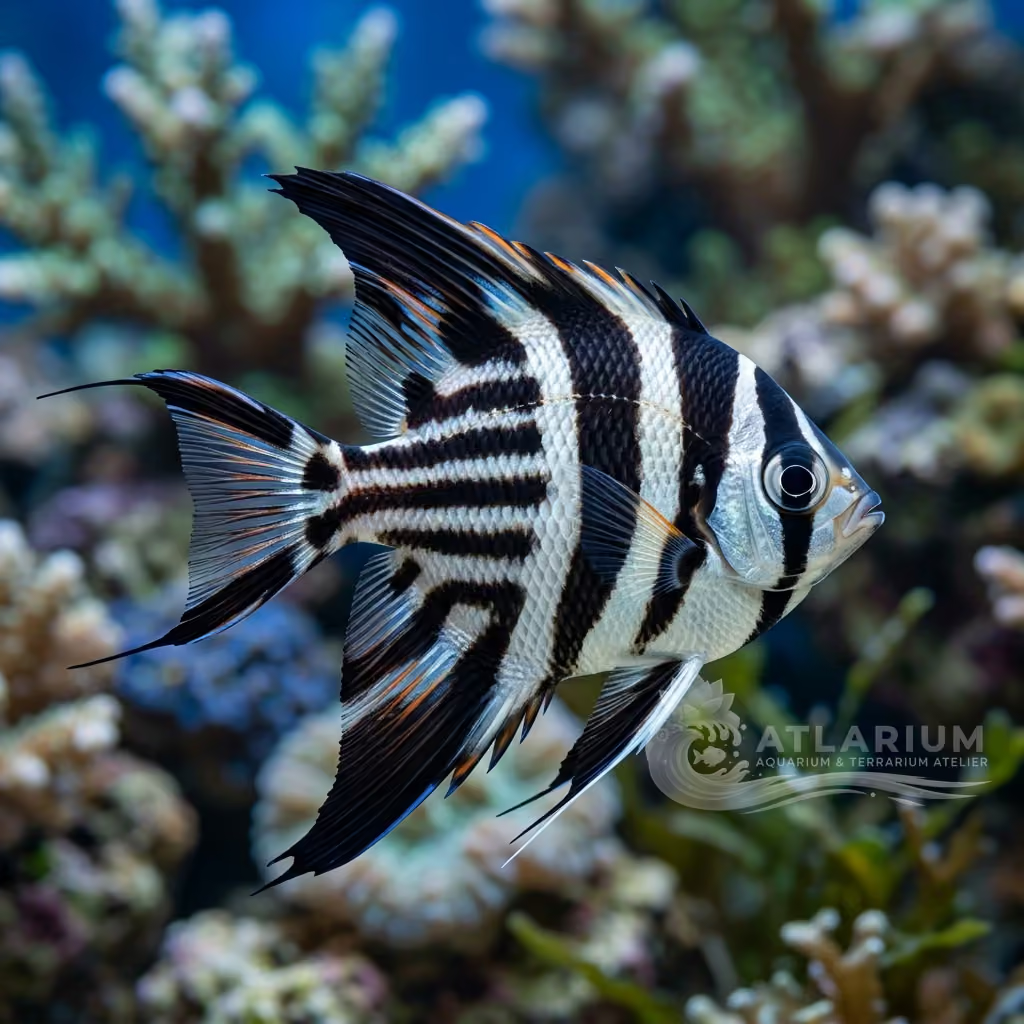
Coloration and Sexual Dimorphism: Features a stunning color pattern: the upper body shows bold, vertical black and grey stripes over a cream-yellow base, giving it a tiger-like appearance. The lower half is pale grey to white. The dorsal fin is edged in black, and the tail fin is bright yellow. No distinct external sexual dimorphism is known.

Cuidado, criação e companheiros de tanque
Aquarium Setup: A large aquarium of at least 500 liters is mandatory. The rockwork must be configured to include deep caves, ledges, and overhangs to replicate its deep-water habitat. High water turnover and strong filtration, including a high-capacity protein skimmer and powerheads, are required.
Diet and Feeding: In the wild, it feeds mainly on sponges, tunicates, and algae. In captivity, it can be difficult to transition to prepared foods. Provide a specialized diet containing sponge matter, frozen mysis, krill, and high-quality marine algae or nori. Feed multiple small portions daily to sustain its metabolism.
Water Quality: Requires stable parameters and cooler water temperatures than typical tropical tanks, ideally 21-24°C (70-75°F). Specific gravity should be 1.021-1.025, and pH 8.1-8.4. Keep nitrates under 10 ppm, with zero tolerance for ammonia and nitrites. Weekly water changes of 10% are recommended.
Compatibility and Cohabitation: Semi-aggressive. Can be housed with active, reef-safe fish such as tangs, wrasses, and anthias. It is not reef-safe with most corals, as it is likely to nip at LPS corals, soft corals, zoanthids, and clam mantles. Do not house with other Apolemichthys or similar-looking angelfish.
Aquarium Breeding: Captive breeding has not been achieved in private home aquariums. They are pelagic spawners, releasing gametes into the water column. The high depth requirements and delicate nature of the pelagic larvae make rearing them in closed systems exceptionally challenging and currently unviable.
Risks and Diseases: Highly susceptible to shipping stress and poor acclimation. Prone to marine ich (Cryptocaryon irritans), marine velvet, and Head and Lateral Line Erosion (HLLE). Providing a varied diet enriched with vitamins and maintaining pristine, cool water conditions are critical preventive measures.

Origem e distribuição geográfica
Apolemichthys kingi is native to the southwestern Indian Ocean, primarily found along the eastern coast of South Africa (KwaZulu-Natal) and southern Mozambique. It inhabits deep rocky reefs and coral walls at depths ranging from 20 to over 60 meters, where water temperatures are cool and currents are strong.
Origem
Oceanos tropicais e recifesÁfrica e MadagascarSul e Sudeste Asiático

Perfil de peixe
- Temperamento
- Territorial
- The Apolemichthys kingi possesses a regal and moderately assertive temperament. They are not overly aggressive but will confidently defend their territory against newly introduced fish, especially other angels. Once established, they act as a centerpiece fish, gracefully patrolling the rockwork and observing their surroundings. They usually ignore smaller, peaceful fish and invertebrates like shrimp and crabs. A stable, stress-free hierarchy allows their majestic personality to truly shine in the display tank.
- Dieta
- Omnivore
- In the wild, the Apolemichthys kingi grazes extensively on sponges, tunicates, and benthic algae. Providing a highly varied and specialized diet in captivity is critical for their long-term survival. Their diet must include high-quality commercial angelfish preparations that contain marine sponge matter. They also relish meaty foods such as mysis shrimp, krill, and chopped clams, alongside nori for their herbivorous needs. Maintaining proper nutrition is the key to preserving their health and their strikingly unique tiger-striped pattern.
- Expectativa de vida
- 10-15 years
- Tamanho adulto
- 25 cm
- Proporção sexual
- Solitary
- There are no obvious external characteristics to reliably distinguish male and female Apolemichthys kingi. They do not exhibit the drastic sexual dimorphism seen in some other angelfish genera. In the wild, they likely form pairs or small harems, but observing this behavior is the only way to determine sex. For the home aquarist, purchasing a single specimen is the standard practice due to their rarity and the extreme difficulty of pairing them safely. Attempting to house two together usually results in severe aggression unless they are a confirmed male-female pair.
- Frequência de alimentação
- Twice daily
- To properly fuel their metabolism and satisfy their grazing instincts, the Apolemichthys kingi should be fed 2 to 3 times per day. Small, frequent feedings are much better than a single large meal, mimicking their natural foraging behavior. Offering a mix of frozen formulations and dry pellets ensures they get a broad spectrum of nutrients. A grazing clip with seaweed should be made available daily to keep them occupied and well-fed. Ensuring they eat aggressively is a good indicator of their acclimatization and health.
- Carga biológica
- Medium to High
- The Apolemichthys kingi contributes a substantial bioload to the aquarium system, consistent with other large marine angelfish. They are substantial eaters with complex digestive needs, meaning they produce a steady amount of organic waste. Advanced biological filtration and a heavy-duty protein skimmer are required to handle their output effectively. Excellent water quality is paramount to prevent bacterial infections and maintain their incredible coloration. Frequent water changes and the use of chemical filtration media like carbon will ensure pristine parameters are met.
- Fluxo
- Strong
- The Apolemichthys kingi is accustomed to the strong and variable currents found along deep reef drop-offs. They require moderate to strong water flow within the aquarium to simulate this natural environment. Robust circulation encourages active swimming and ensures high dissolved oxygen levels, which are crucial for large angelfish. Alternating wave patterns provided by programmable powerheads offer the most natural feel. Proper flow also prevents detritus accumulation, which helps maintain the water quality they demand.
- Risco de salto
- No
- Reprodução
- Oviparous
- Captive reproduction of the Apolemichthys kingi has not been achieved and remains highly undocumented. They are pelagic spawners, releasing eggs and sperm directly into the water column during an elaborate courtship ascent. The resulting larvae require a highly specialized and prolonged planktonic phase that is currently impossible to replicate in home aquariums. Identifying male and female pairs is also extremely difficult without behavioral observation. Consequently, every specimen in the aquarium trade is carefully collected from the wild.
- Compatibilidade e companheiros de tanque
- Aggressive
- Compatibility of the Apolemichthys kingi in a reef setting is a matter of caution and observation. Like most large angelfish, they have a propensity to nip at LPS corals, clam mantles, and certain soft corals. They are generally considered peaceful towards other fish, provided they are not closely related angelfish species with similar coloration. They should be housed with other moderately robust tank mates in a large community setup. SPS corals are usually safe, but individuals vary, so they are categorized as 'reef safe with caution'.
- Nível do tanque
- Middle/Bottom
- Housing the Apolemichthys kingi requires a massive aquarium, with a minimum of 150 to 200 gallons being necessary for an adult. The aquascape must feature an abundance of mature live rock with large caves and overhangs for them to explore and hide in. Despite needing substantial rockwork for grazing and security, they also demand expansive open areas for free swimming. A mature tank with established micro-fauna and algae will greatly aid in their initial dietary transition. Adequate swimming space prevents pacing behaviors and territorial stress.

Modelos e parâmetros científicos
FishBase
Acesso aos dados científicos oficiais da espécie
FishBase v25.04Dados sincronizados em: 15/06/2026
- Nível trófico
- 2,8 ± 0,1 se
- Resiliência
- Média (1,4 - 4,4 anos)
- Unicidade filogenética (PD50)
- 0.502
- Relação bayesiana comprimento-peso
- a = 0.0302, b = 2.89
- VulnerabilidadeVulnerabilidade baixa (11 / 100)

Espécies relacionadas
Recomendações agrupadas por parentes próximos, escolhas de acompanhantes e cuidados semelhantes.