Flame Angelfish
Centropyge loriculus
Flame Angelfish (Centropyge loriculus) is a marine species with an adult-size reference of about 10 cm. It needs at least 150 litres and one individual, with its social and territorial profile taken into account.
Temperatura da água
24 - 28 °C
Valor de pH
8.1 - 8.4
Tipo de água
Marinho
Nível do tanque
Parte inferior e intermediária
Tamanho adulto
10 cm
Volume mínimo do tanque
>= 150 L
Grupo mínimo
>= 1
KH
4 - 6 dKH

Descrição da espécie
Geographical Origin and Habitat: A marine species; the enclosure should provide stability, oxygenation, space and shelter consistent with its behaviour without turning one habitat description into a mandatory recipe.
Taxonomy and Morphology: The accepted scientific name is Centropyge loriculus; the verified classification records genus Centropyge, family Pomacanthidae, order Acanthuriformes. Historical names remain searchable as synonyms rather than separate species.
Social Behavior: Flame Angelfish is normally kept as a single individual and does not require conspecifics. The minimum reference is one individual; sex, maturity and available space can require a more conservative composition. Observe access to food, resting behaviour, chasing and use of shelter. Isolation, persistent competition or aggression means the number, composition or environment needs to be corrected.
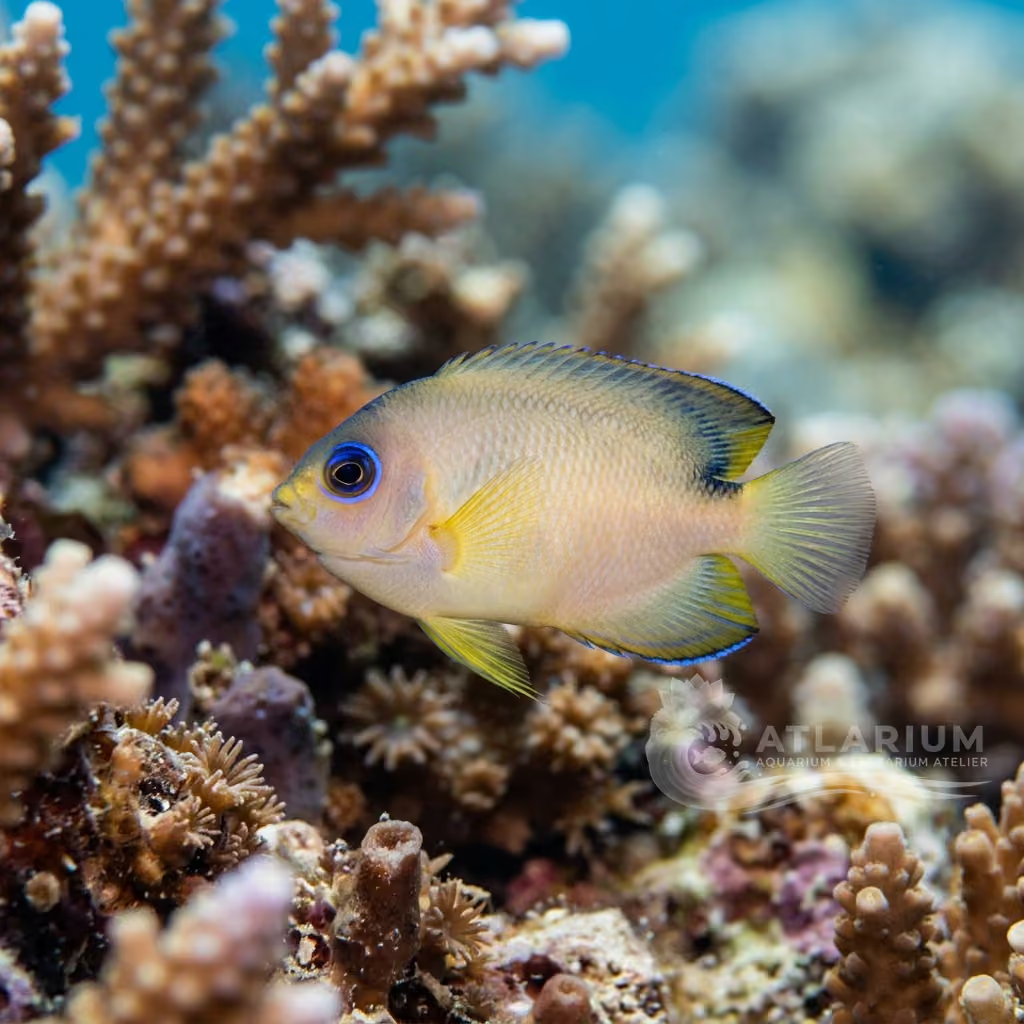
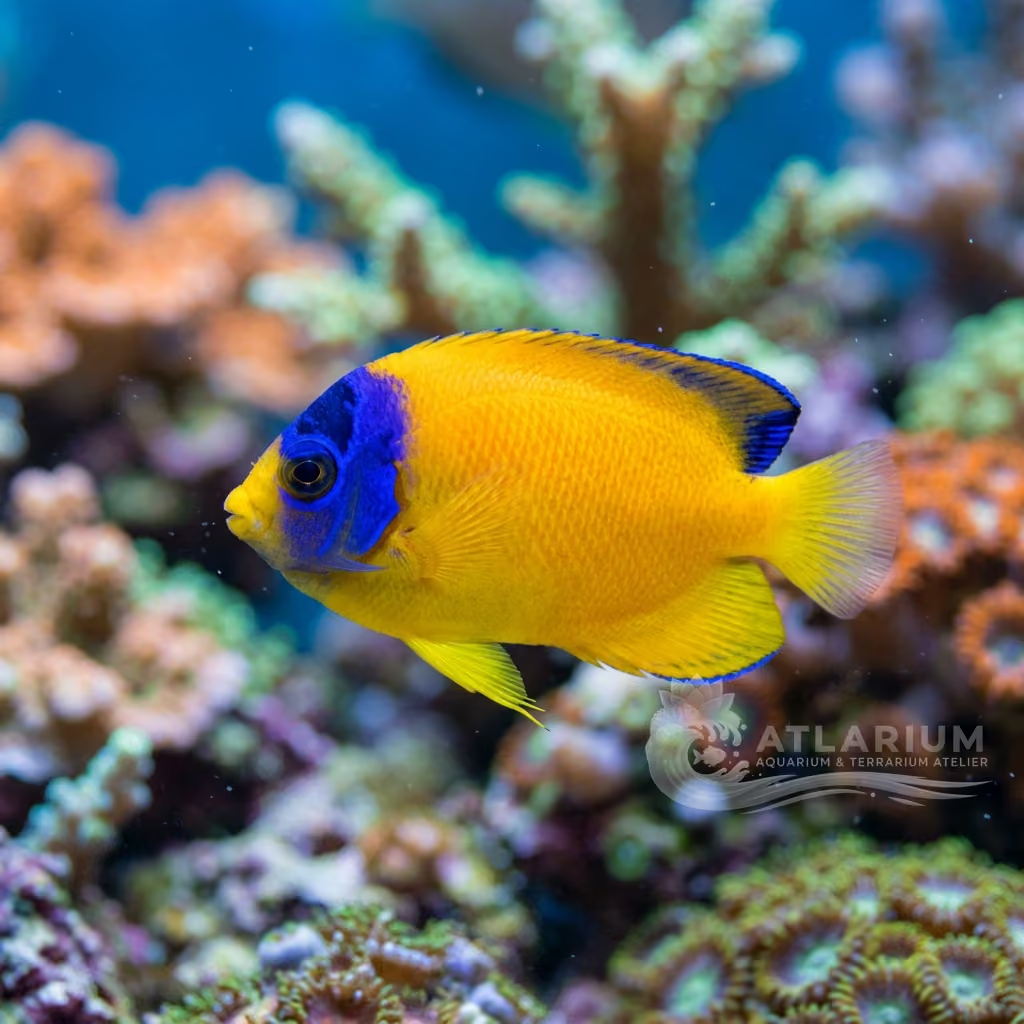
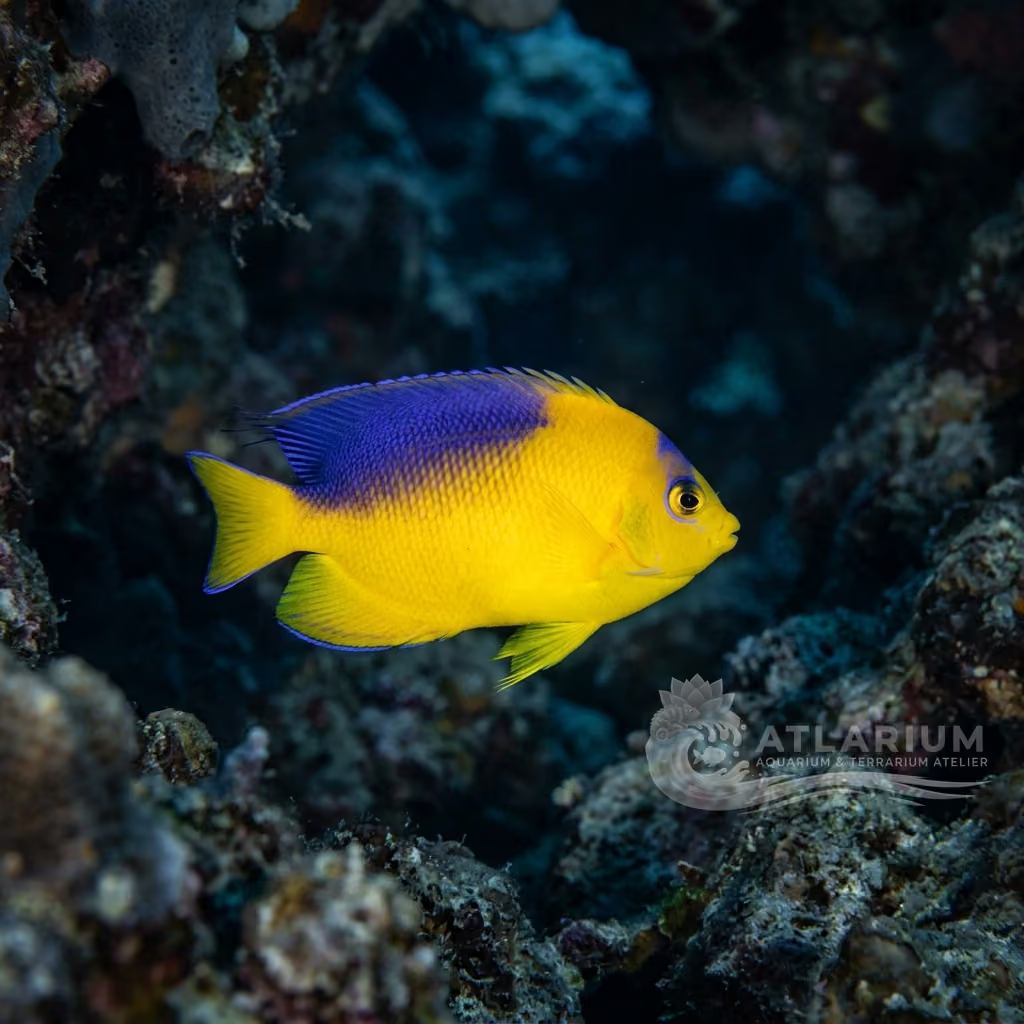
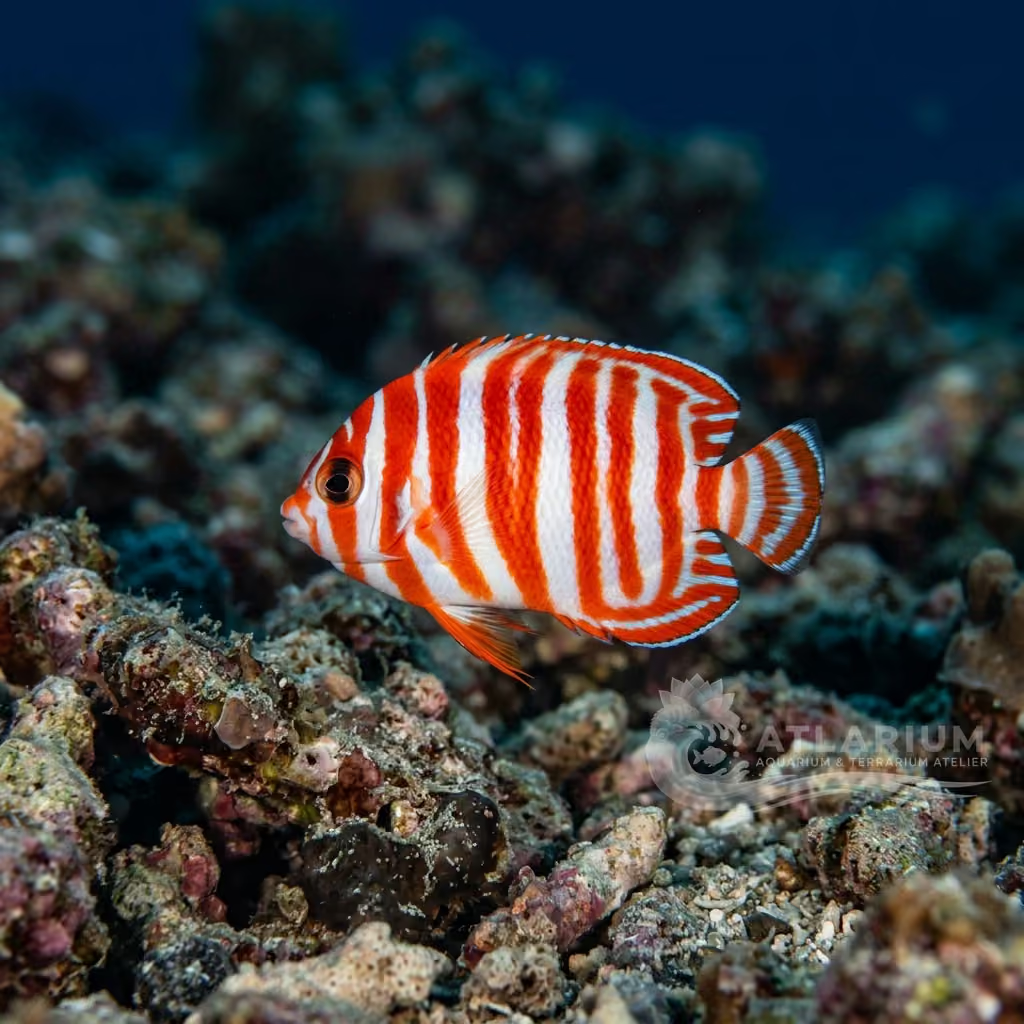
Coloration and Sexual Dimorphism: Colour and shape can vary with age, sex, physiological state and environmental conditions. Identification and sexing require recognized species-level characters; one appearance or photograph is not enough.

Cuidado, criação e companheiros de tanque
Aquarium Setup: Flame Angelfish needs an aquarium of at least 150 litres, sized for adult body size and a minimum group of one individual. Filtration, shelter and swimming room must match the species and the actual number kept. Volume alone does not make an enclosure suitable: tank shape and length, usable area, oxygenation and the ability to separate territories must reflect adult behaviour.
Diet and Feeding: The recorded diet is omnivorous. Offer appropriately sized foods varied within that category, and adjust quantity and frequency from actual intake, body condition and leftovers. One food or a fixed schedule is not suitable for every age and situation.
Water Quality: Maintain stable, well-oxygenated water appropriate to a marine species; the card's reference values are 24–28 °C, pH 8.1–8.4. Verify conditions with reliable tests and size maintenance and filtration to the actual load. Ranges are not automatic thresholds for treatment or rapid chemical correction.
Compatibility and Cohabitation: The cohabitation profile is reef-safe with caution, with a generally territorial temperament. Keep at least one individual; tankmates, stocking density and decor must allow escape, rest and feeding without excessive competition. Watch interactions especially during feeding, maturity and breeding. Persistent chasing, injury or exclusion from food requires a change in stocking or layout, or separation of the animals.
Aquarium Breeding: The recorded reproductive profile is “oviparity”. Breeding should be attempted only with healthy adults, separation capacity and a plan for eggs or young. Do not treat unverified triggers, sex ratios or hatch times as universal for this species.
Risks and Diseases: Use a secure cover and close escape gaps. Prevent problems through quarantine of new arrivals, stable water, appropriate feeding and daily observation. Similar signs can have different causes, so check parameters, history and diagnosis before medication. Follow the product label and qualified aquatic-veterinary advice; there is no universal reduced dose for a species or family.

Origem e distribuição geográfica
A marine species; the enclosure should provide stability, oxygenation, space and shelter consistent with its behaviour without turning one habitat description into a mandatory recipe.
Origem
Oceanos tropicais e recifes

Perfil de peixe
- Temperamento
- Territorial
- Flame Angelfish has a generally territorial temperament. Insufficient space, an unsuitable social ratio or incompatible tankmates can substantially change observed behaviour.
- Dieta
- Omnivore
- As an omnivorous species, the Flame Angelfish requires a varied diet rich in both marine algae and meaty foods. In the wild, they graze constantly on microalgae, detritus, and small invertebrates found on live rocks. In captivity, they should be offered high-quality spirulina, marine algae, nori, and specialized dwarf angelfish preparations containing sponge material, alongside frozen mysis and brine shrimp. A diverse diet is crucial for maintaining their brilliant orange-red coloration and supporting their overall immune health.
- Expectativa de vida
- 5-15 years
- Tamanho adulto
- 10 cm
- Proporção sexual
- Solitary
- Flame Angelfish is normally kept as a single individual and does not require conspecifics. The reference minimum is one individual and must not be read as permission to overcrowd the aquarium.
- Frequência de alimentação
- Twice daily
- Due to their natural grazing behavior and high activity levels, Flame Angelfish should be fed two to three times daily. Offering smaller portions multiple times throughout the day is much better for their digestive system than one large feeding. Regular feedings also help curb their tendency to nip at corals and other invertebrates by keeping them satisfied. If the aquarium has a mature growth of natural microalgae on the rocks, they will graze on it between scheduled feedings, which mimics their natural lifestyle.
- Carga biológica
- Medium
- The Flame Angelfish has a moderate biological load owing to its active nature and frequent grazing habits. It requires an aquarium with an efficient filtration system, preferably including a quality protein skimmer, to keep organic wastes and nutrients at a minimum. Regular partial water changes and proper chemical filtration are essential to maintain the pristine water quality these fish need. Insufficient filtration can lead to elevated nitrate levels, which may stress the fish and compromise its immune system over time.
- Fluxo
- Strong
- Centropyge loriculus needs brisk, oxygen-rich circulation, with the strongest return flow spread through open water rather than aimed continuously at one refuge. Tank of 150 liters (40 gallons) as a starting base. Mature Live Rocks are the key to its survival, providing the main source of daily foraging. Keep solid cover available so the fish can leave the fastest water whenever it chooses.
- Risco de salto
- Yes
- The Flame Angelfish exhibits a notable risk of jumping, especially when startled, chased by aggressive tankmates, or during night-time hours. To prevent tragedy, it is highly recommended to secure the aquarium with a tight-fitting lid or a fine mesh cover. Open-topped aquariums are unsuitable for this species as they can easily leap out of the water if panicked. In addition to a cover, providing ample hiding places can help the fish feel secure, reducing the likelihood of flight responses that lead to jumping.
- Reprodução
- Oviparous
- The Flame Angelfish is a protogynous hermaphrodite, meaning all individuals are born female and the dominant female in a group transitions into a male. They are pelagic spawners, releasing eggs and sperm into the water column at dusk during courtship rituals. While spawning can occur in home aquariums under the right conditions, successfully raising the tiny, delicate larvae is extremely difficult. Captive breeding has been achieved commercially, but it requires highly specialized setups and specific live foods for the larval stages.
- Compatibilidade e companheiros de tanque
- Reef safe with caution
- The cohabitation profile is reef-safe with caution, with a generally territorial temperament. Keep at least one individual; tankmates, stocking density and decor must allow escape, rest and feeding without excessive competition. Watch interactions especially during feeding, maturity and breeding. Persistent chasing, injury or exclusion from food requires a change in stocking or layout, or separation of the animals.
- Nível do tanque
- Middle/Bottom
- This species primarily occupies the bottom and middle zones of the aquarium, where it continuously searches for food among the rockwork. It relies heavily on the structure of the aquarium, darting in and out of crevices and caves for shelter. While it will occasionally venture to the upper levels of the tank during feeding times or courtship rituals, it prefers to remain close to the safety of the live rock. Providing a complex aquascape with vertical rock formations will encourage natural swimming behavior throughout these zones.

Modelos e parâmetros científicos
FishBase
Acesso aos dados científicos oficiais da espécie
FishBase v25.04Dados sincronizados em: 15/06/2026
- Nível trófico
- 2,8 ± 0,31 se
- Resiliência
- Média (1,4 - 4,4 anos)
- Unicidade filogenética (PD50)
- 0.5
- Relação bayesiana comprimento-peso
- a = 0.0302, b = 2.89
- VulnerabilidadeVulnerabilidade baixa (10 / 100)

Galeria de imagens
Imagens licenciadas vinculadas à espécie ou, quando marcadas, ao táxon representativo mais próximo.

Espécies relacionadas
Recomendações agrupadas por parentes próximos, escolhas de acompanhantes e cuidados semelhantes.