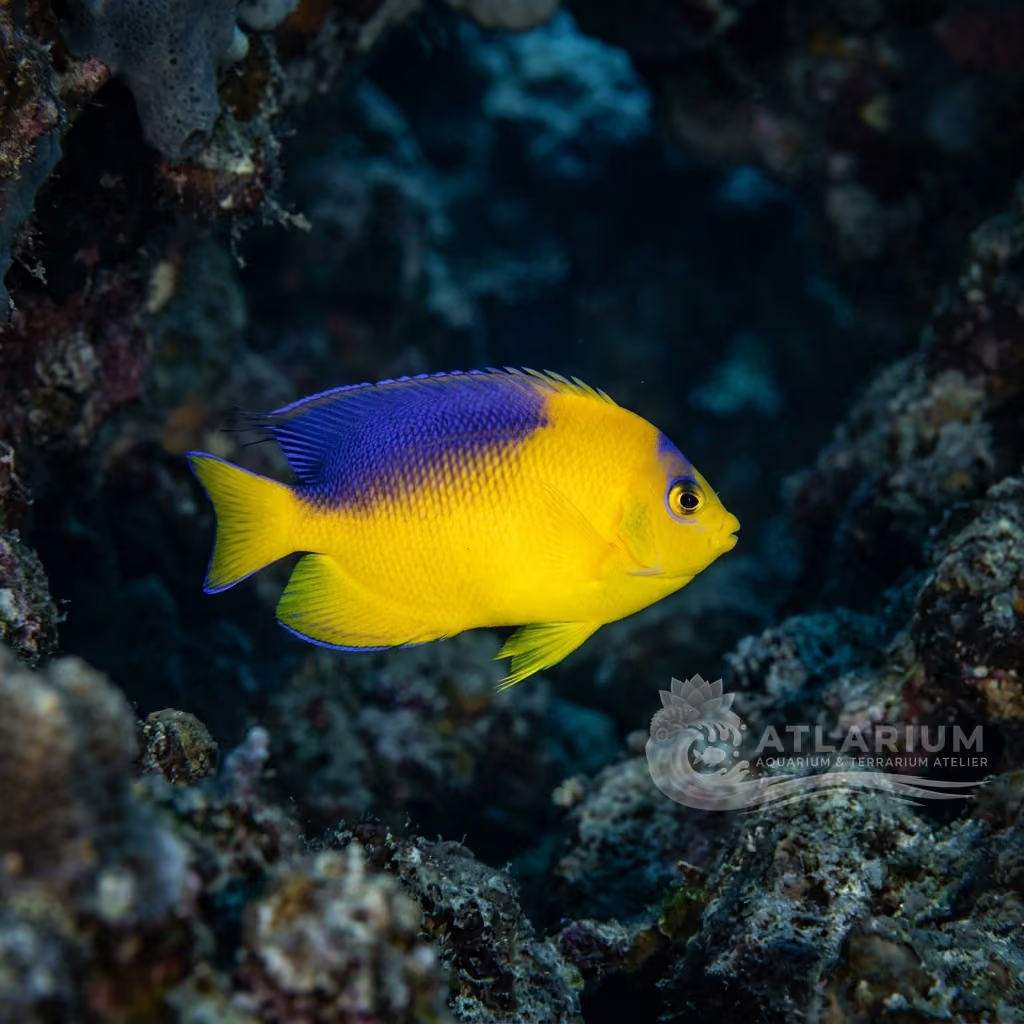
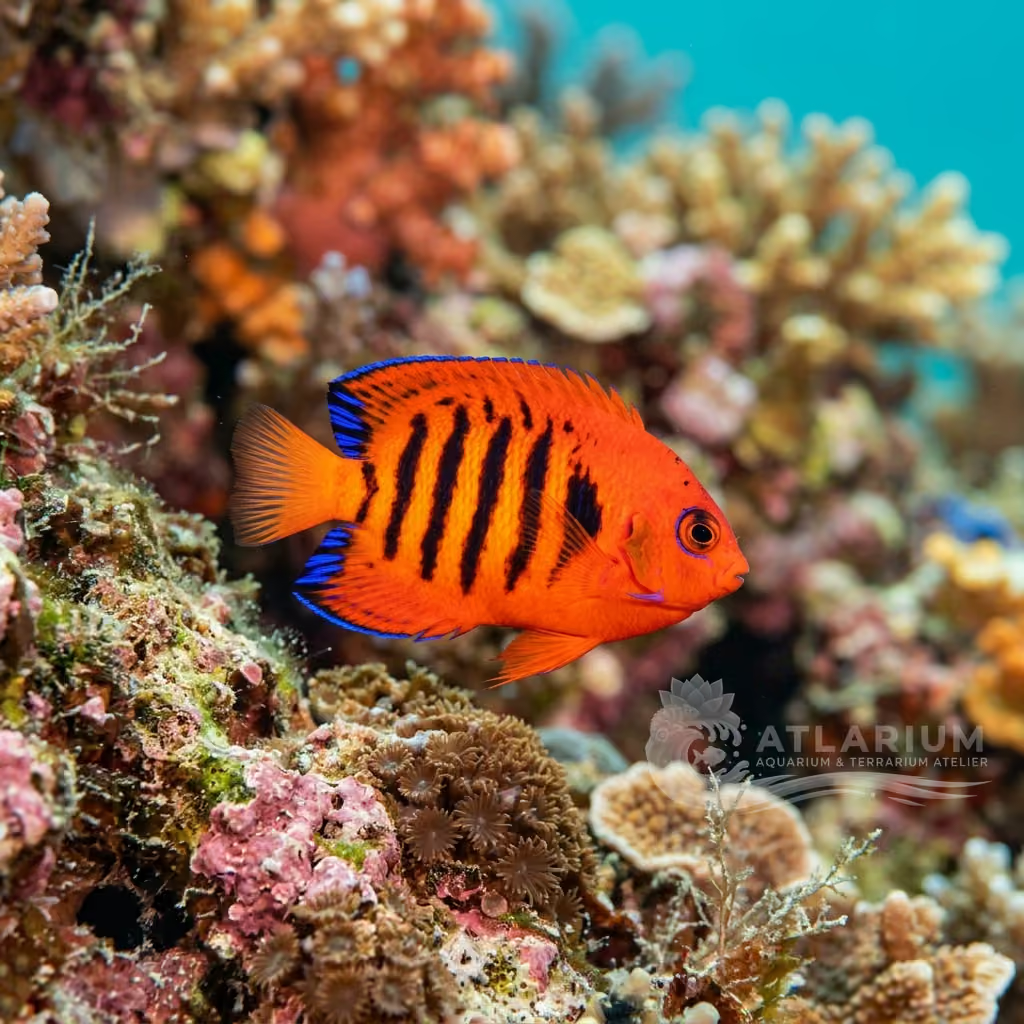
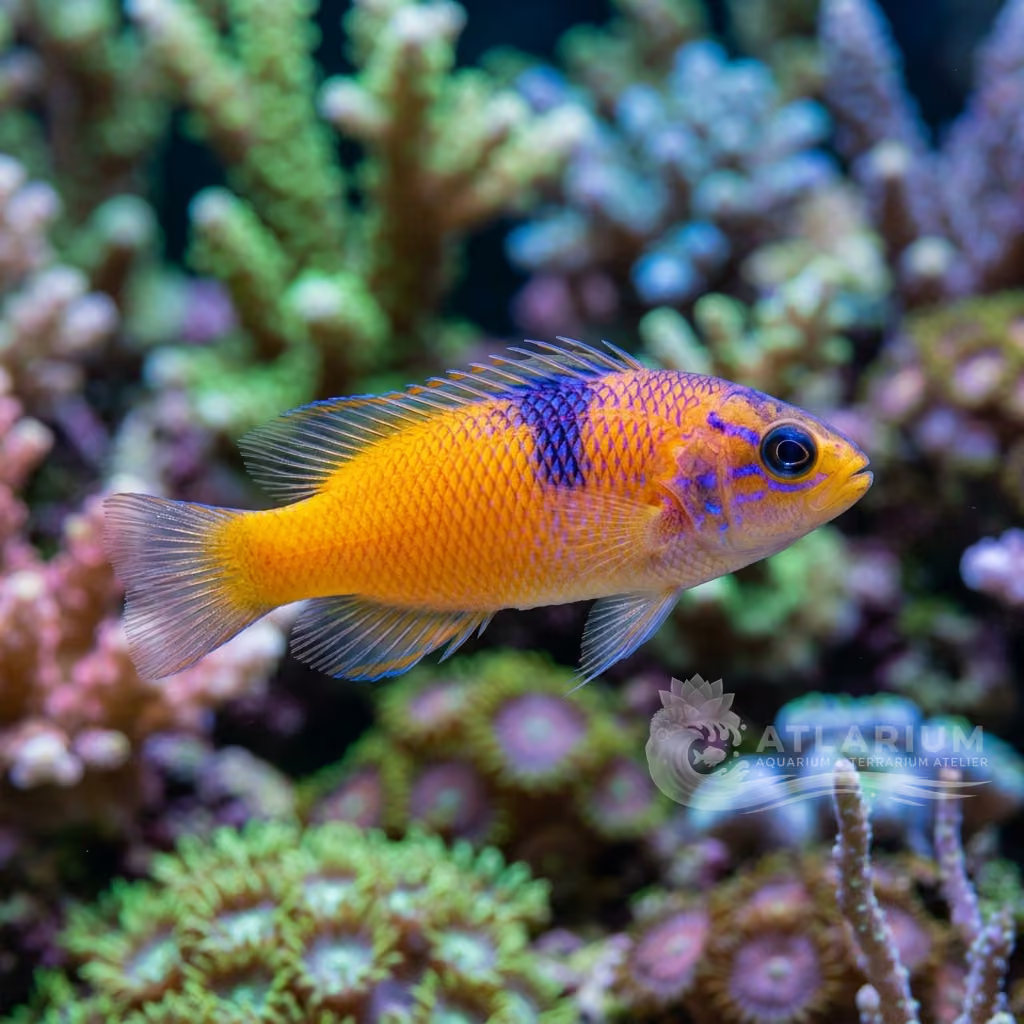
Purplemask angelfish
Centropyge venusta
A magnificent and highly prized Indo-Pacific pygmy angelfish, featuring a dramatic stark contrast of deep blue and vibrant yellow that elevates any premium reef setup.
Temperatura da água
22 - 26 °C
Valor de pH
8.1 - 8.4
Tipo de água
Marinho
Nível do tanque
Parte inferior e intermediária
Tamanho adulto
12 cm
Volume mínimo do tanque
>= 200 L
Grupo mínimo
>= 1

Descrição da espécie
Geographical Origin and Habitat:
Native to the Western Pacific, from southern Japan to Taiwan and the Philippines. It inhabits deep outer reefs and vertical walls at depths between 15 and 40 meters.
Taxonomy and Morphology:
Belongs to the Pomacanthidae family (sometimes classified under the Paracentropyge genus). Features a compact, deep, and laterally compressed body. Adults reach about 7-8 cm.
Social Behavior:
A shy and cryptic species that lives mainly near deep caves or rocky overhangs, often swimming upside down. Shows territoriality towards other pygmy angelfish.
Coloration and Sexual Dimorphism:
The coloration features deep royal blue or purple on the head and back, while the belly is bright golden-yellow. Displays a mask-like blue patch on the forehead.

Cuidado, criação e companheiros de tanque
Aquarium Setup:
Requires a mature marine aquarium of at least 150-200 liters. Set up with plenty of live rock to create deep caves, dark crevices, and rocky overhangs.
Diet and Feeding:
Omnivorous but demanding. In the aquarium, feed high-quality frozen foods containing marine sponges, along with mysis, brine shrimp, and vegetable preparations.
Water Quality:
Needs excellent water quality: temperature 22-26 °C, pH 8.1-8.4, and specific gravity 1.020-1.025. An efficient protein skimmer is essential.
Compatibility and Cohabitation:
Reef safe with caution. May nip at hard coral polyps and clam mantles if not well fed. Avoid housing with fast-swimming or aggressive fish.
Aquarium Breeding:
Breeding in the aquarium is extremely difficult. They are pelagic spawners that mate in pairs in the water column. Larvae require rotifers and phytoplankton.
Risks and Diseases:
The primary risk is food acclimation stress, which can lead to starvation. A careful quarantine period is highly recommended to encourage feeding in captivity.

Origem e distribuição geográfica
Native to the Western Pacific, from southern Japan to Taiwan and the Philippines. It inhabits deep outer reefs and vertical walls at depths between 15 and 40 meters.
Origem
Oceanos tropicais e recifesSul e Sudeste AsiáticoLeste Asiático

Perfil de peixe
- Temperamento
- Aggressive
- This angelfish is notoriously shy and peaceful toward most tank mates, often preferring to hide when there is activity outside the tank. However, it can exhibit territorial behavior toward other dwarf angelfish or species with a similar appearance or niche. It is vital to introduce this delicate species before any aggressive tank mates to ensure it establishes its territory peacefully.
- Dieta
- Omnivore
- In the wild, their diet consists primarily of sponges and tunicates, making them specialized and often difficult to feed in captivity. A successful diet must include high-quality, sponge-enriched frozen angelfish formulas, supplemented with mysis shrimp, calanus, and spirulina-infused foods. Having a mature tank with live rock allows them to graze on natural microfauna, which helps sustain them during acclimation.
- Expectativa de vida
- 5-10 years
- Tamanho adulto
- 12 cm
- Proporção sexual
- 1:1 ratio
- This species is best kept singly in all but the largest home aquariums to prevent territorial conflict. They are protogynous hermaphrodites, meaning they can change sex from female to male, allowing the formation of mated pairs if a smaller individual is introduced to a larger, established one. In spacious systems, a male can be housed with a female or in a small harem, provided there are abundant hiding spaces.
- Frequência de alimentação
- 2-3 times daily
- Due to their active grazing behavior and specialized diet, they should be fed small portions two to three times daily. Newly introduced specimens may require more frequent feedings of live or highly enticing frozen foods to stimulate their appetite. Consistent, regular feeding helps prevent weight loss and supports their delicate immune systems.
- Carga biológica
- Low to Medium
- The Purple-mask Angelfish has a low-medium biological footprint due to its relatively small size, but it is highly sensitive to organic waste. Efficient mechanical and biological filtration, including a reliable protein skimmer, is essential to keep nitrate and phosphate levels near zero. Regular water changes and carbon filtration are recommended to maintain the pristine water quality this deep-water species requires to thrive.
- Fluxo
- Moderate
- This species prefers moderate water flow that mimics the currents of their deep-reef slopes while providing low-current shelters. Excessive, turbulent flow should be avoided as it can stress this shy fish and make swimming difficult outside of cover. The aquarium should feature plenty of calm zones within caves and overhangs where the fish can rest comfortably.
- Risco de salto
- Yes
- There is a moderate risk of jumping, particularly when the fish is startled or during the evening when spawning rises occur. It is highly recommended to secure the aquarium with a tight-fitting lid or a fine mesh cover to prevent escape. Providing ample hiding spaces and a stress-free environment will also minimize the risk of the fish darting upward in panic.
- Reprodução
- Protogynous hermaphrodite
- Breeding the Purple-mask Angelfish in captivity is exceptionally difficult and is generally only achieved by professional or advanced aquarists. They are pelagic spawners that perform a vertical courtship rise at dusk to release buoyant eggs into the water column. Raising the tiny, fragile larvae requires specialized live cultures of copepods and highly stable environmental conditions.
- Compatibilidade e companheiros de tanque
- With caution
- They are compatible with peaceful, non-aggressive tank mates such as gobies, firefish, and small wrasses. Caution should be exercised when keeping them in reef aquariums, as they may nip at large-polyp stony (LPS) corals, soft corals, zoanthids, and clam mantles. They should not be housed with aggressive fish, large predators, or similar dwarf angelfish that might bully them.
- Nível do tanque
- Middle/Bottom
- The Purple-mask Angelfish is a cave-dwelling species that spends most of its time in the bottom to middle sections of the aquarium. It thrives in tanks with extensive rockwork, arches, and dim overhangs where it can swim upside down along cave roofs, mimicking its natural deep-reef habitat. Brightly lit open waters are generally avoided, especially during the acclimation phase.

Modelos e parâmetros científicos
FishBase
Acesso aos dados científicos oficiais da espécie
Dados sincronizados em: 15/06/2026
- Nível trófico
- 2,5 ± 0 se
- Resiliência
- Alta (menos de 15 meses)
- Unicidade filogenética (PD50)
- 0.5
- Relação bayesiana comprimento-peso
- a = 0.0302, b = 2.89
- VulnerabilidadeVulnerabilidade baixa (10 / 100)

Espécies relacionadas
Recomendações agrupadas por parentes próximos, escolhas de acompanhantes e cuidados semelhantes.