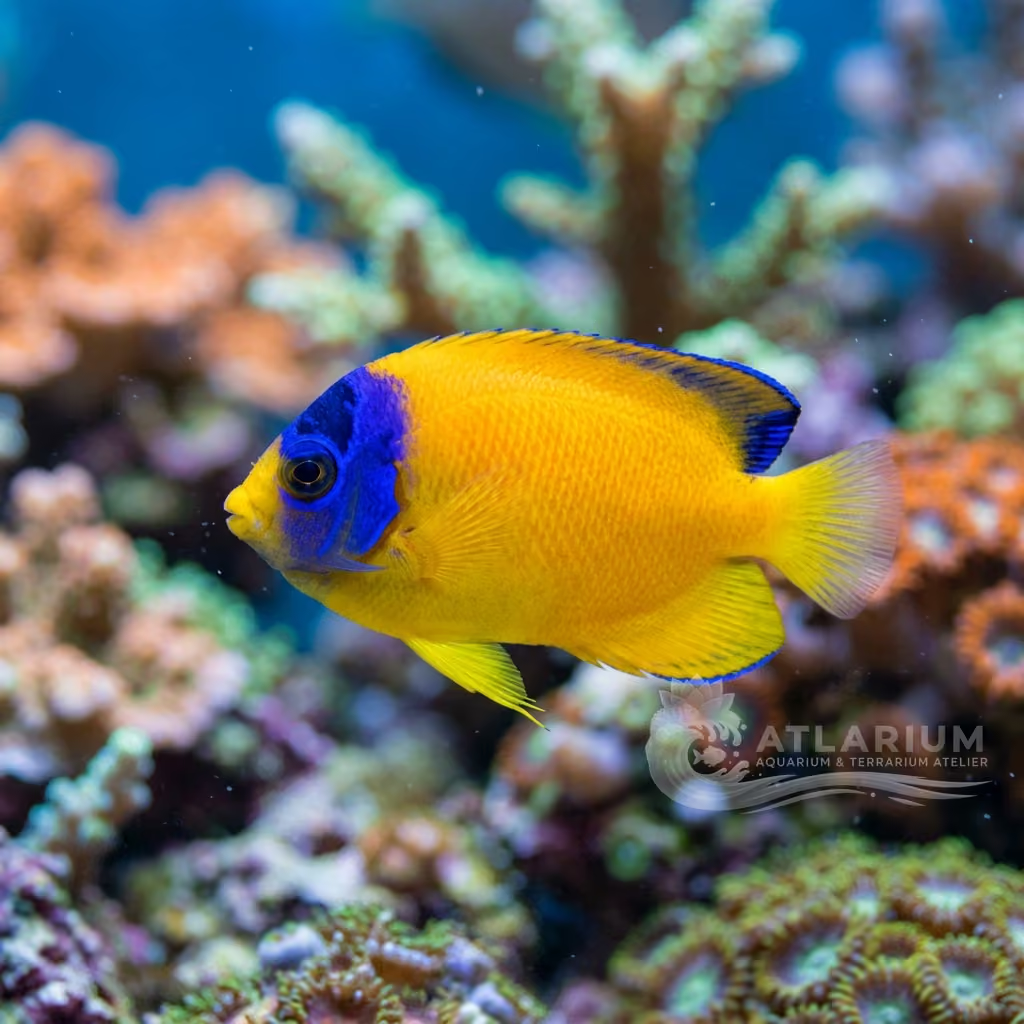
Ornate Angelfish
Genicanthus bellus
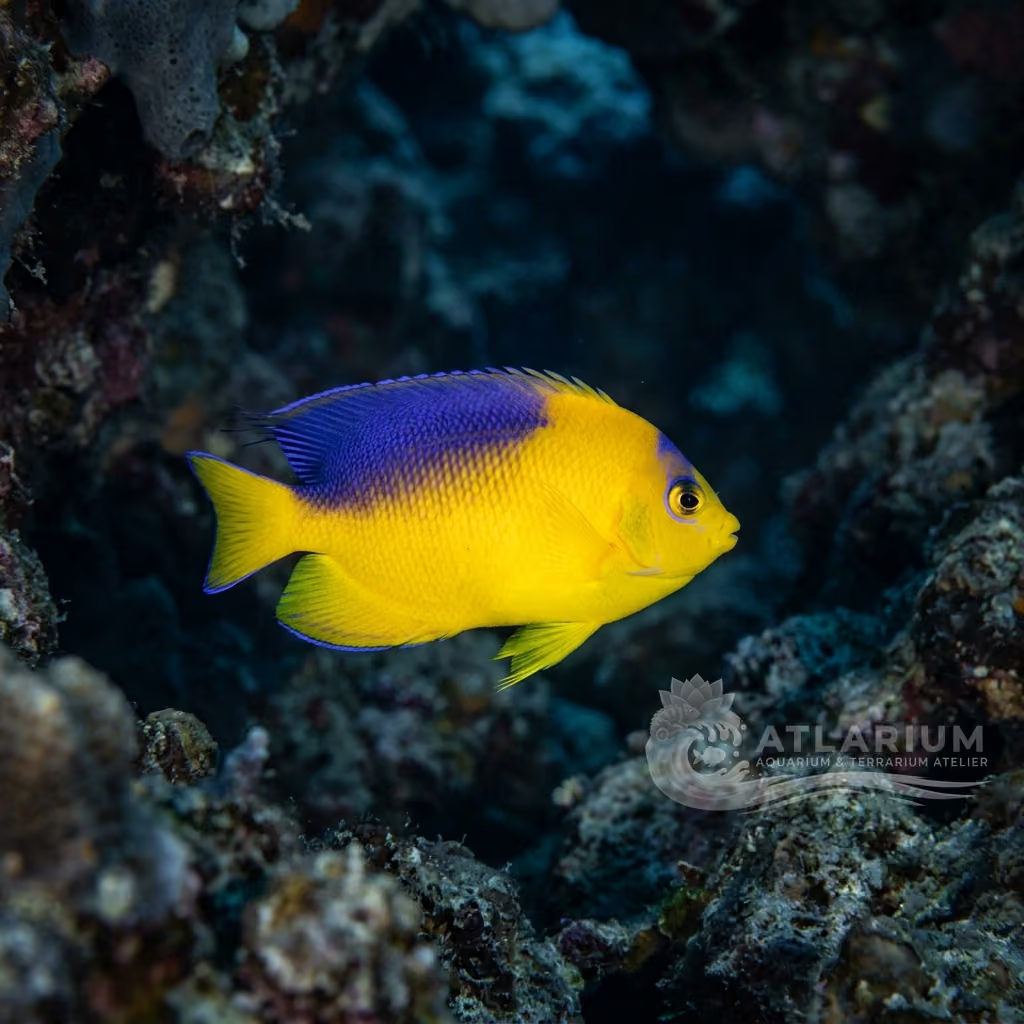
A deep-water angelfish showcasing dramatic sexual dichromatism and lyre-shaped tails. A continuous open-water swimmer, it is remarkably reef-safe but demands spacious aquariums and heavy plankton feedings.
Temperatura da água
22 - 26 °C
Valor de pH
8.1 - 8.4
Tipo de água
Marinho
Nível do tanque
Parte inferior e intermediária
Tamanho adulto
18 cm
Volume mínimo do tanque
>= 450 L
Grupo mínimo
>= 1
KH
8 - 12 dKH

Descrição da espécie
Geographical Origin and Habitat: Widespread in the tropical Indo-Pacific Ocean, ranging from the Cocos-Keeling Islands and Indonesia to Tahiti, extending north to southern Japan and south to the Great Barrier Reef. It inhabits deep outer reef slopes, seaward drop-offs, and vertical walls at depths between 24 and 100 meters, where strong currents deliver rich zooplankton.
Taxonomy and Morphology: A member of the Pomacanthidae family in the genus Genicanthus, commonly called swallowtail angelfish due to their deeply lyre-shaped caudal fin. Adults can reach a maximum length of 18 centimeters (7 inches). The body is oval and compressed, featuring large eyes developed for deep reef habitats with lower light levels.
Social Behavior: A peaceful and open-water swimmer. Unlike most marine angelfish that live close to the substrate, this species spends its time in the middle and upper water columns. It is a social fish that naturally lives in harems consisting of a single dominant male and several females, showing no aggression towards other peaceful species.
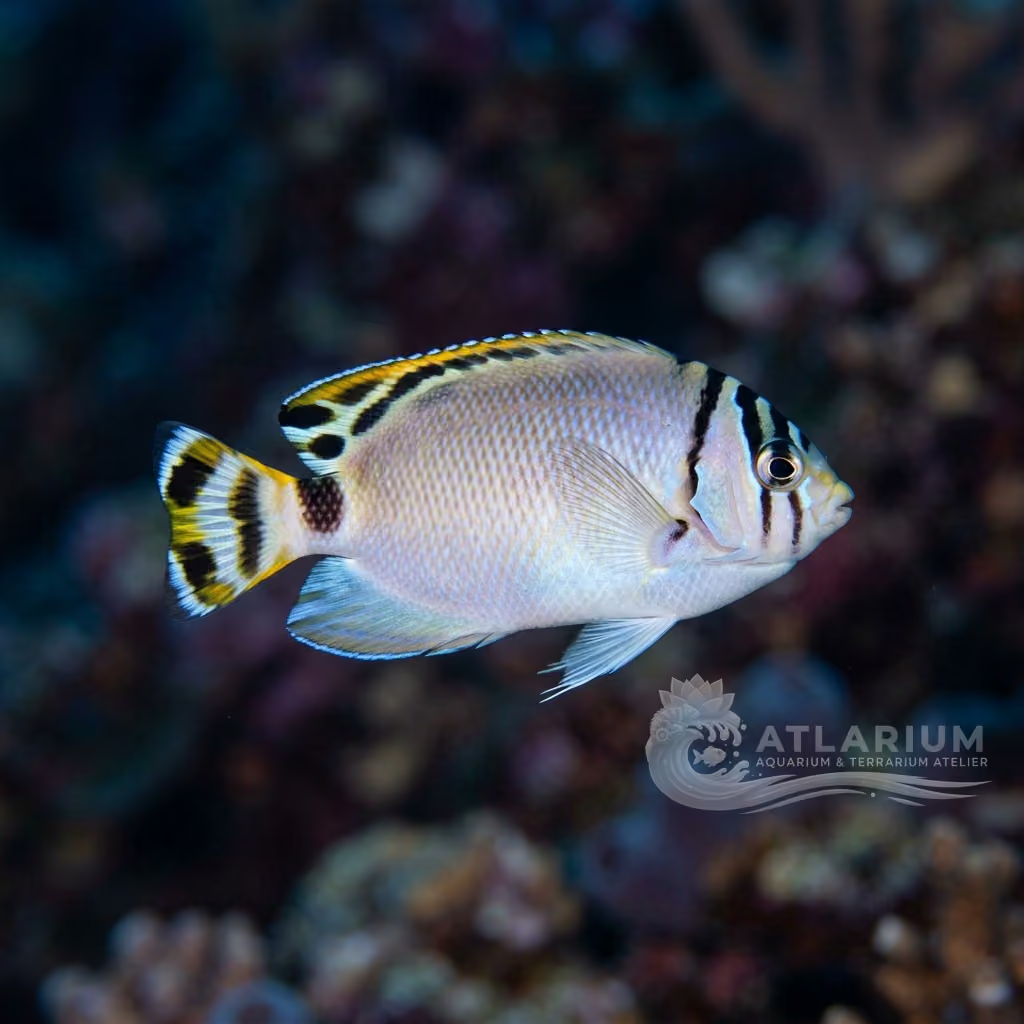
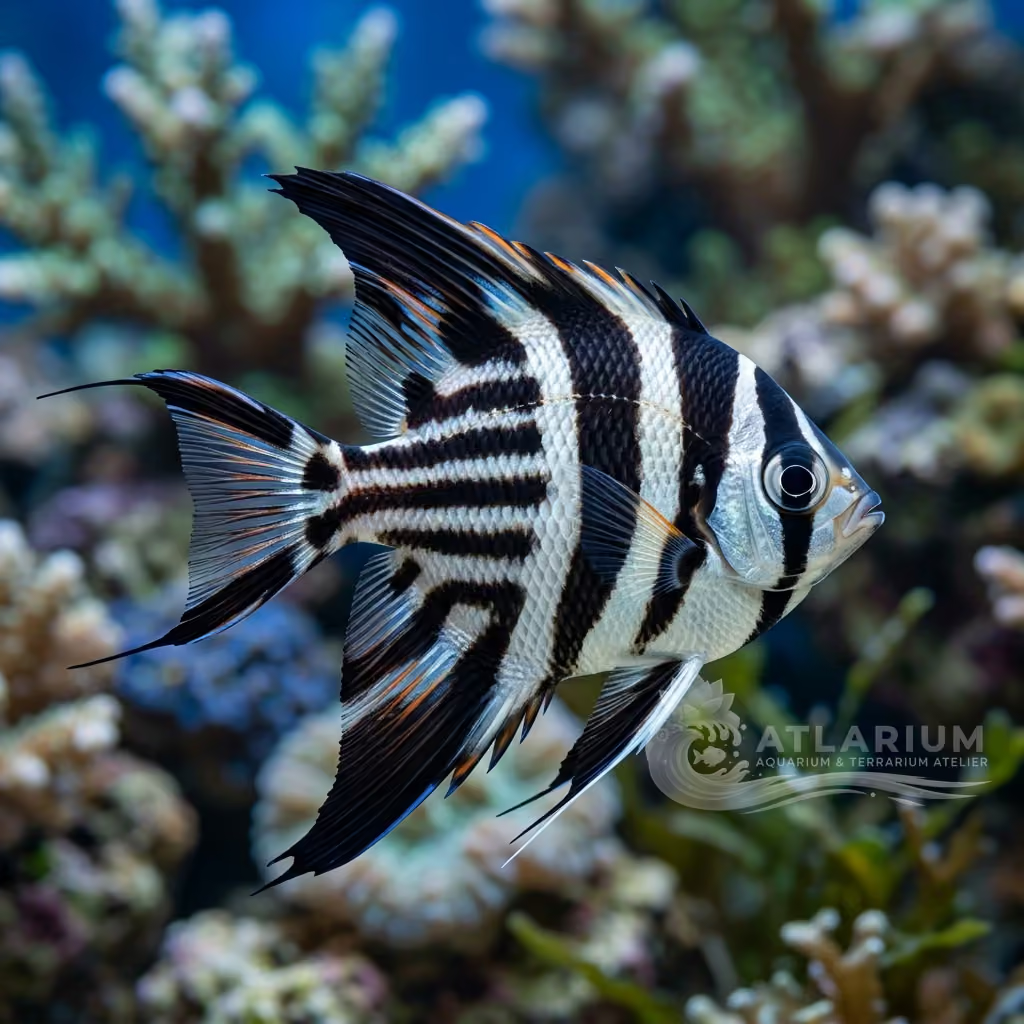
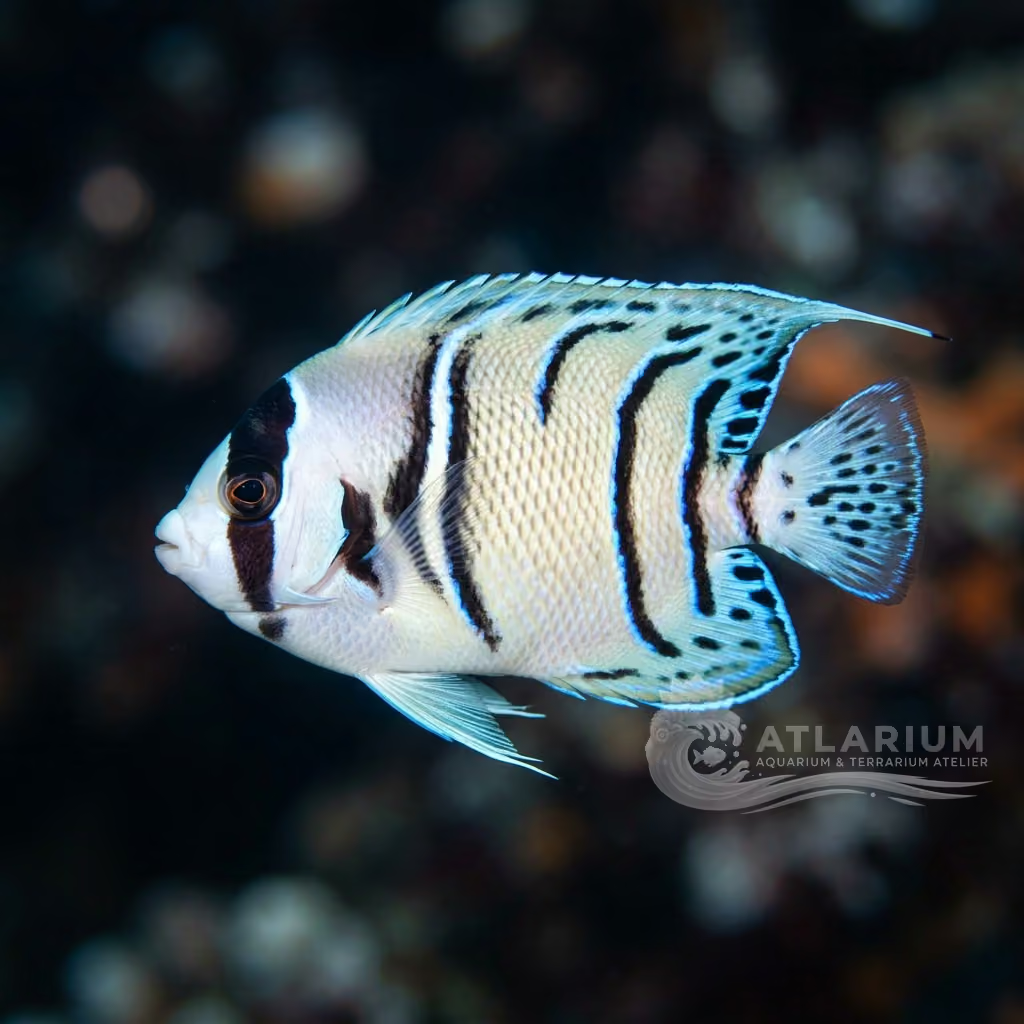
Coloration and Sexual Dimorphism: Displays one of the most dramatic cases of sexual dimorphism among marine fish. Females are bluish-white with striking horizontal and diagonal black and neon-blue stripes. Males look entirely different, featuring a pale silver-grey body with a solid orange-yellow stripe running horizontally across the flank and a matching dorsal fin.

Cuidado, criação e companheiros de tanque
Aquarium Setup: Requires a large aquarium with a minimum volume of 450 liters (120 gallons) and a length of at least 150 cm. The rockwork should be arranged at the back of the tank to provide hiding places, leaving the middle and upper areas completely open for active swimming. A tight-fitting lid is essential, as they are capable of jumping when startled.
Diet and Feeding: Planktivorous. In the aquarium, they must be fed multiple times daily (2 to 3 times) with fine frozen foods such as mysis shrimp, brine shrimp, copepods, lobster eggs, and finely chopped krill. They will gradually adapt to high-quality dry granulate or pellet food enriched with marine vitamins and HUFAs.
Water Quality: Demands clean water and stable parameters: temperature 22-26°C (72-79°F), pH 8.1-8.4, specific gravity 1.020-1.025, KH 8-12. An efficient biological filter and an oversized protein skimmer are necessary to process the high waste load from frequent feedings. Moderate to strong water movement is highly recommended.
Compatibility and Cohabitation: One of the very few marine angelfish that is 100% reef-safe. They absolutely ignore stony/soft corals, zoanthids, and clam mantles. They can be safely kept in pairs or small harems (one male with several females). Compatible with most peaceful reef species, but avoid housing them with highly aggressive fish.
Aquarium Breeding: Protogynous sequential hermaphrodites: they start life as females, and the dominant female transitions into a male if the resident male dies. Captive spawning in home aquariums is virtually undocumented due to their pelagic spawning rituals, which require significant vertical depth to perform.
Risks and Diseases: Initial imports may occasionally suffer from swim bladder issues if they were not decompressed properly during deep-water collection. Once established, they are hardy. However, they are sensitive to high nitrate levels and can easily develop marine velvet or ich if subjected to poor water quality or aggressive tankmates.

Origem e distribuição geográfica
Widespread in the tropical Indo-Pacific Ocean, ranging from the Cocos-Keeling Islands and Indonesia to Tahiti, extending north to southern Japan and south to the Great Barrier Reef. It inhabits deep outer reef slopes, seaward drop-offs, and vertical walls at depths between 24 and 100 meters, where strong currents deliver rich zooplankton.
Origem
Oceanos tropicais e recifesSul e Sudeste AsiáticoLeste Asiático

Perfil de peixe
- Temperamento
- Peaceful
- They are generally peaceful, graceful, and highly active additions to the marine aquarium. While they may occasionally bicker with other species of similar shape or color, they are generally fantastic community residents. Providing ample space drastically reduces any potential territorial aggression.
- Dieta
- Omnivore
- In the wild, they are primarily planktivores that feed on tiny organisms in the water column. Their captive diet should consist of high-quality frozen mysis shrimp, enriched brine shrimp, and specialized angelfish preparations. Adding spirulina and other algae-based foods will help maintain their brilliant coloration.
- Expectativa de vida
- 10-12 years
- Tamanho adulto
- 18 cm
- Proporção sexual
- Harem
- This species exhibits striking sexual dimorphism; males are primarily gray with orange stripes, while females are blue, black, and white. They are protogynous hermaphrodites, meaning a dominant female will transition into a male if one is absent. They are best kept singly or in a harem consisting of one male and several females.
- Frequência de alimentação
- 3-4 times daily
- Due to their active nature and planktivorous feeding habits, they require multiple small meals throughout the day. Feeding them three to four times daily is strongly recommended to maintain their body weight and health. Automatic feeders can be utilized to dispense high-quality dry foods while the aquarist is away.
- Carga biológica
- Medium to High
- The Bellus Angelfish produces a moderately high bioload due to its size and need for frequent feedings. A large aquarium equipped with a powerful protein skimmer and efficient biological filtration is required. Regular water changes are critical to maintain the pristine water quality necessary for marine angelfish.
- Fluxo
- Strong
- They prefer moderate to strong water flow, which mimics the currents of the deep reef slopes they inhabit naturally. Excellent water movement helps keep oxygen levels high and suspends their food in the water column. Provide plenty of rockwork to create varied flow zones where they can comfortably swim and rest.
- Risco de salto
- Yes
- Like many active marine fish, they possess a moderate jump risk when startled or chased by tank mates. A tightly fitted mesh screen top is highly recommended to prevent accidental escapes. A mesh top is preferable to solid glass as it allows for proper gas exchange and light penetration.
- Reprodução
- Oviparous
- Breeding the Bellus Angelfish in a home aquarium is exceptionally difficult and extremely rare. They are pelagic spawners that release their eggs and sperm simultaneously into the water column. Raising the larvae requires specialized setups with microscopic live foods like rotifers and specific algae cultures.
- Compatibilidade e companheiros de tanque
- Reef safe
- They are one of the few completely reef-safe angelfish, ignoring both hard and soft corals. They are generally peaceful and get along well with most other community marine fish. However, they should not be housed with overly aggressive species that will harass them or outcompete them for food.
- Nível do tanque
- Middle/Bottom
- They are active swimmers that primarily utilize the middle and upper levels of the aquarium. They require a significant amount of open swimming space to remain healthy and stress-free. Intricate live rock structures should also be provided for them to retreat into when feeling threatened.

Modelos e parâmetros científicos
FishBase
Acesso aos dados científicos oficiais da espécie
FishBase v25.04Dados sincronizados em: 15/06/2026
- Nível trófico
- 3,4 ± 0,45 se
- Resiliência
- Média (1,4 - 4,4 anos)
- Unicidade filogenética (PD50)
- 0.501
- Relação bayesiana comprimento-peso
- a = 0.0302, b = 2.89
- VulnerabilidadeVulnerabilidade baixa (10 / 100)

Espécies relacionadas
Recomendações agrupadas por parentes próximos, escolhas de acompanhantes e cuidados semelhantes.