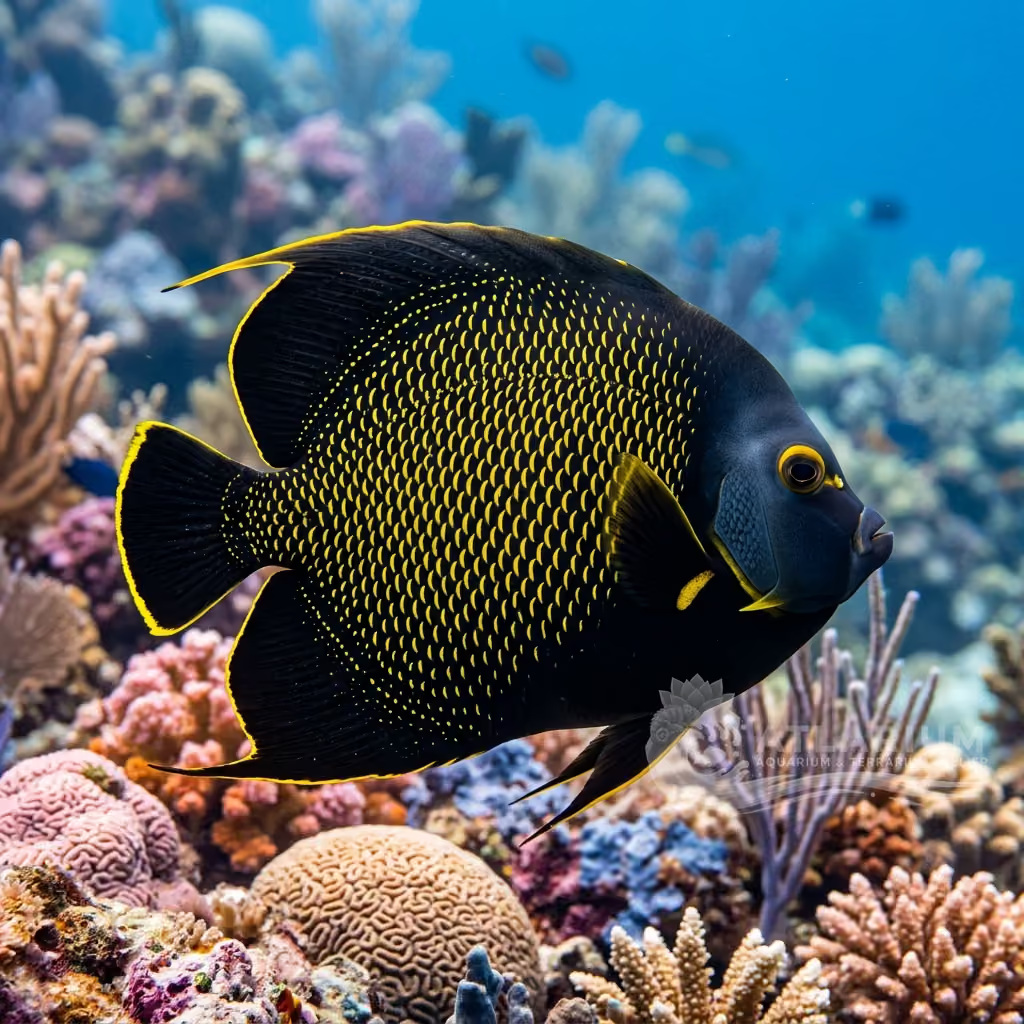
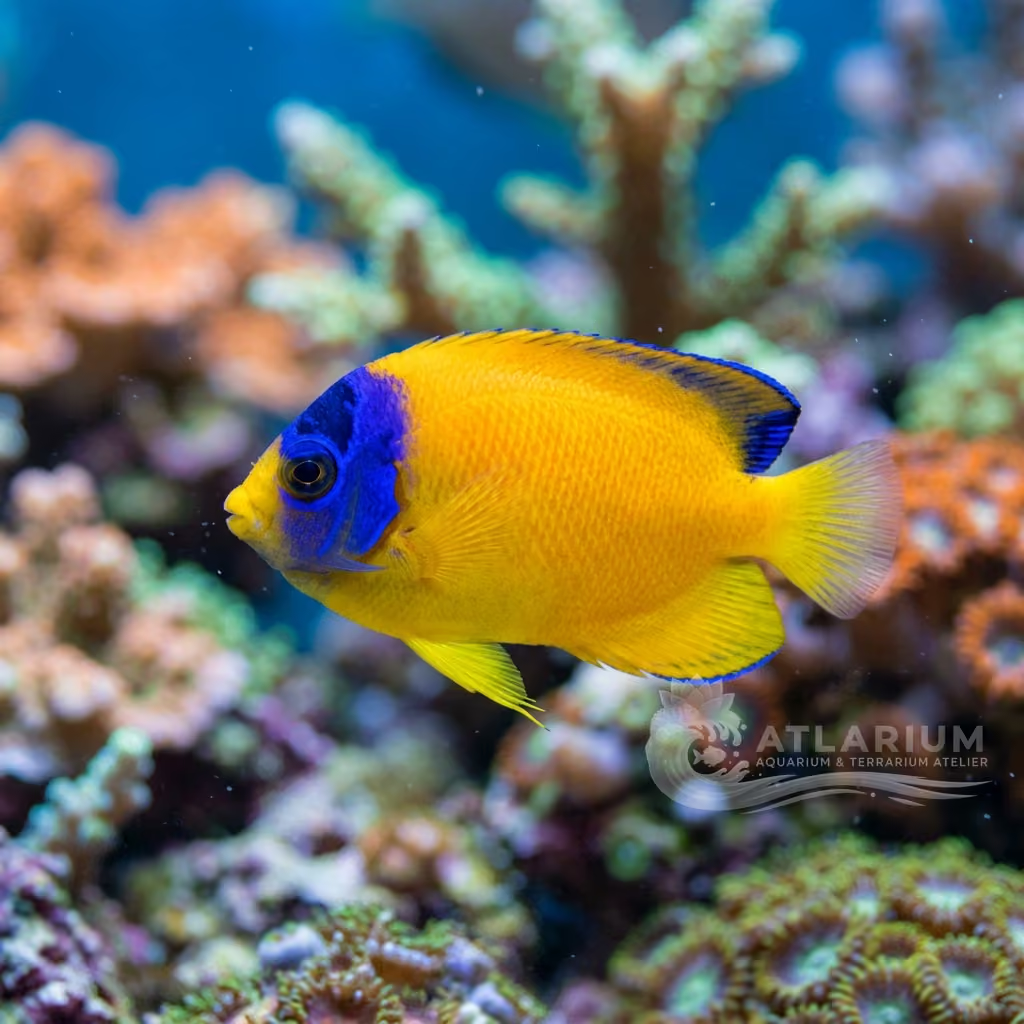
Passer Angelfish
Holacanthus passer
The Passer Angelfish is a massive, aggressive species from the Eastern Pacific. It demands an enormous aquarium with stable, massive live rock structures, providing both large caves and open spaces.
Temperatura da água
22 - 25 °C
Valor de pH
8.1 - 8.4
Tipo de água
Marinho
Nível do tanque
Todos os níveis
Tamanho adulto
35 cm
Volume mínimo do tanque
>= 750 L
Grupo mínimo
>= 1
KH
8 - 12 dKH

Descrição da espécie
Geographical Origin and Habitat: Holacanthus passer, commonly referred to as the Passer angelfish or King angelfish, is native to the tropical and subtropical waters of the Eastern Pacific Ocean. Its range extends from the northern Gulf of California (Sea of Cortez) south to Peru, including coastal islands and the Galápagos Islands. It inhabits rocky reefs, coral reefs, and steep vertical walls subject to strong currents at depths of 4 to 30 meters, where it feeds on sponges and encrusting algae.
Taxonomy and Morphology: Belonging to the family Pomacanthidae and genus Holacanthus, it features a tall, compressed, oval body shape with a prominent preopercular spine characteristic of marine angelfishes. The mouth is small and equipped with brush-like teeth designed for scraping food off hard substrates. It is a large angelfish, reaching a maximum adult length of approximately 35 centimeters in the wild.
Social Behavior: It is highly territorial and displays aggressive behavior, especially toward other angelfish and conspecifics. In nature, adult males defend vast territories against rivals. In a captive environment, this aggressive behavior makes it necessary to house only one specimen per tank, unless the aquarium is of monumental proportions.
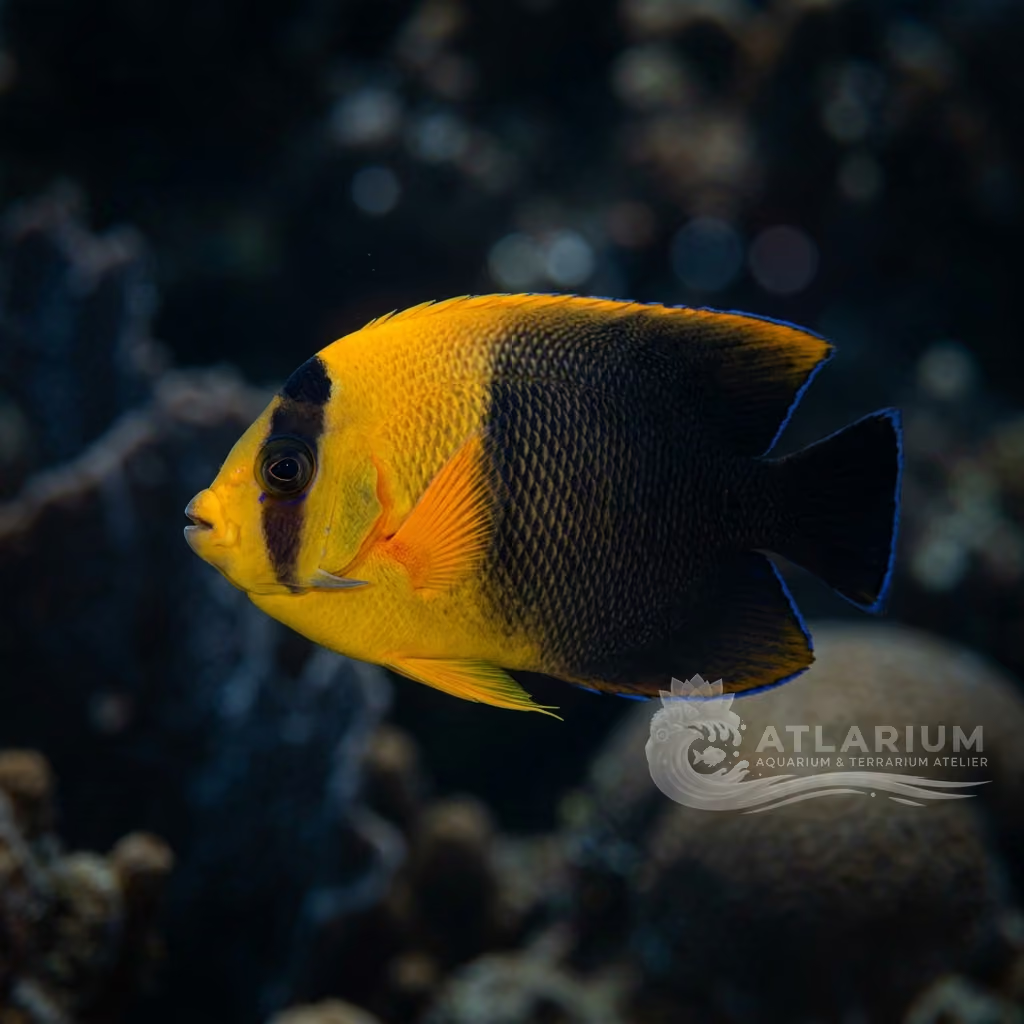
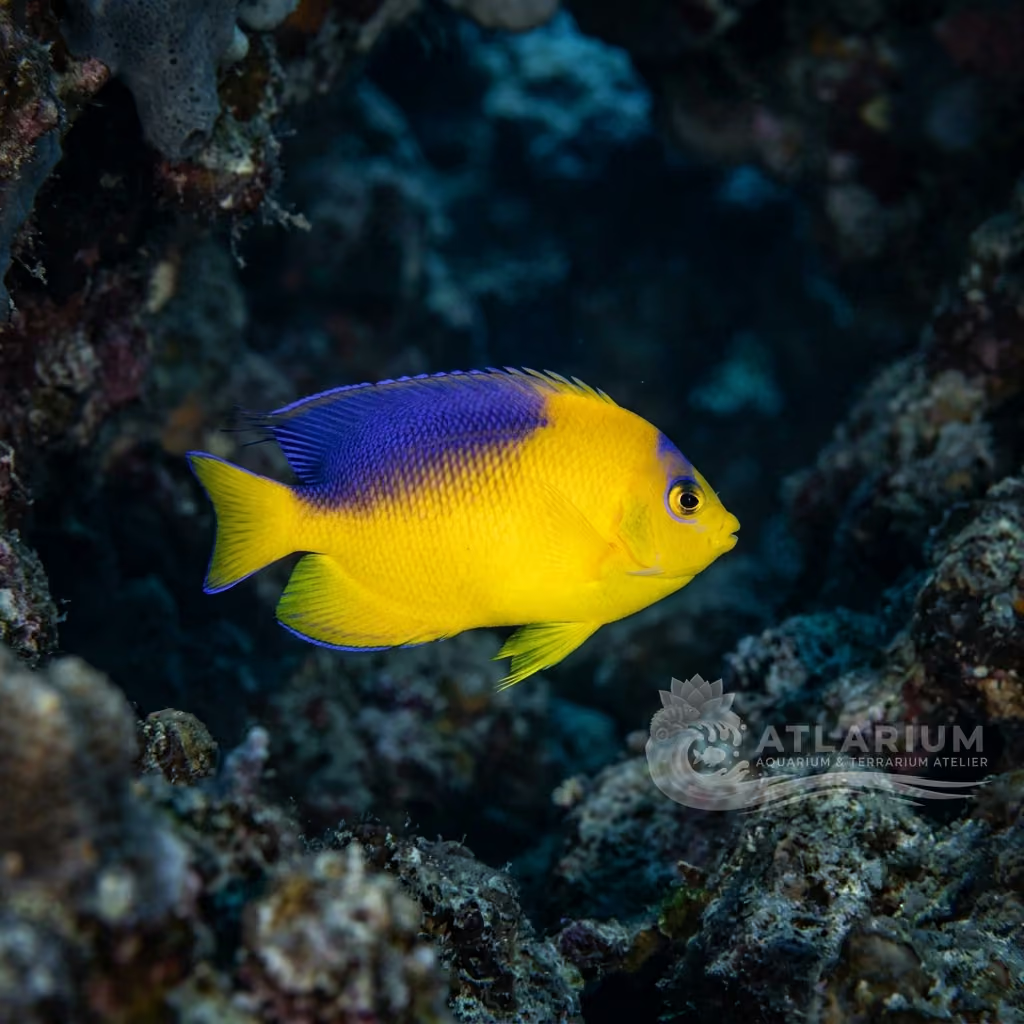
Coloration and Sexual Dimorphism: Adult coloration is striking: the body is a dark blue-violet to blackish hue, highlighted by a single, prominent vertical white bar located just behind the pectoral fin. The caudal fin and pectoral fins are a vibrant golden yellow. Juveniles have a different color pattern with iridescent blue and orange vertical bars. There is no visible external sexual dimorphism, and sexes can only be distinguished during spawning.

Cuidado, criação e companheiros de tanque
Aquarium Setup: Due to its large adult size and aggressive nature, it requires a spacious aquarium of at least 700 to 1000 liters. The setup must include a massive, stable live rock structure that provides large caves and hiding spots for shelter. It is critical to leave a large, open swimming area in the front of the tank to allow the fish to swim actively.
Diet and Feeding: A specialized omnivore that feeds heavily on sponges in nature. In captivity, it must be fed high-quality commercial angelfish formulas containing sponge material, supplemented with dried nori seaweed, spirulina, frozen foods (mysis, brine shrimp, krill), and fresh chopped seafood. Multiple daily feedings are recommended to help curb territorial aggression.
Water Quality: High water quality and robust oxygenation are essential. Water temperature should range between 22°C and 26°C, pH between 8.1 and 8.4, and specific gravity (salinity) between 1.021 and 1.025. A heavy-duty protein skimmer, UV sterilizer, and frequent partial water changes are mandatory to manage the waste produced by this large species.
Compatibility and Cohabitation: Not suitable for reef aquariums as it will actively consume stony corals (LPS and SPS), zoanthids, anemones, and nip at the mantles of Tridacna clams. It is best housed in a fish-only-with-live-rock (FOWLR) system alongside other large, robust, and assertive species such as tangs, large wrasses, triggerfish, and large damselfish.
Aquarium Breeding: Breeding in home aquariums is not viable due to their pelagic spawning habits. Spawning couples perform crepuscular ascents in the water column to release buoyant eggs and sperm, which require specialized oceanic currents and a long planktonic phase to hatch and develop.
Risks and Diseases: Susceptible to common marine ectoparasites like Cryptocaryon irritans (ich) and Amyloodinium (velvet), especially when stressed by poor water quality or inadequate swimming space. Head and Lateral Line Erosion (HLLE) can occur if the diet is vitamin-deficient. A strict quarantine period of 4 weeks is strongly recommended.

Origem e distribuição geográfica
Holacanthus passer, commonly referred to as the Passer angelfish or King angelfish, is native to the tropical and subtropical waters of the Eastern Pacific Ocean. Its range extends from the northern Gulf of California (Sea of Cortez) south to Peru, including coastal islands and the Galápagos Islands. It inhabits rocky reefs, coral reefs, and steep vertical walls subject to strong currents at depths of 4 to 30 meters, where it feeds on sponges and encrusting algae.
Origem
Oceanos tropicais e recifesExtra-Amazônica América do SulAmérica Central e CaribeAmérica do Norte

Perfil de peixe
- Temperamento
- Aggressive
- They possess a bold, dominant, and highly aggressive temperament, truly acting as the 'king' of the aquarium. They will relentlessly chase and harass new additions, especially those with similar colors or diets. They are incredibly intelligent and will quickly learn to recognize their caretakers. Their assertive nature means they must be housed with other large, tough fish that can hold their own.
- Dieta
- Omnivore
- Their natural diet is highly specialized, consisting heavily of marine sponges, tunicates, and algae. In captivity, they must be fed a specialized commercial angelfish diet that contains sponge matter to ensure long-term survival. They should also be offered varied meaty foods, spirulina, and fresh macroalgae for grazing. Providing a diverse, nutrient-rich diet is critical to preventing nutritional blindness and other deficiencies.
- Expectativa de vida
- 15-20 years
- Tamanho adulto
- 35 cm
- Proporção sexual
- Group
- There are no obvious external differences between males and females, though males may grow slightly larger. In the wild, they often form harems consisting of one dominant male and several females. In home aquariums, it is highly advised to keep only one individual per tank due to their severe conspecific aggression. Attempting to pair them in anything smaller than a public aquarium usually results in fatal fighting.
- Frequência de alimentação
- Twice daily
- These active grazers should be fed small amounts two to three times per day. They naturally spend their entire day picking at live rock, so frequent meals help simulate this natural behavior. Offering grazing clips with nori or seaweed can help keep them occupied between feedings. Consistent feeding helps curb their aggression toward other tank mates.
- Carga biológica
- High
- Large marine angelfish produce a significant bioload due to their substantial adult size and active metabolism. They require powerful, oversized protein skimmers and robust biological filtration to maintain pristine water conditions. Frequent water changes are necessary to keep nitrate levels as close to zero as possible. Poor water quality will rapidly lead to stress, disease, and loss of their vibrant coloration.
- Fluxo
- Strong
- They thrive in environments with strong, turbulent water flow that mimics the surge zones of coral reefs. High water movement ensures excellent oxygen exchange, which is vital for these large, active swimmers. Use powerful wavemakers or gyre pumps to create dynamic currents across the rockwork. Ensure there are also caves where they can retreat from the current at night.
- Risco de salto
- No
- Reprodução
- Rare / not documented
- Breeding large marine angelfish in home aquariums is exceptionally rare and requires massive commercial aquaculture facilities. They are pelagic broadcast spawners that release their gametes high in the water column at dusk. The resulting microscopic larvae have complex nutritional requirements that are nearly impossible to meet at home. Most specimens are either wild-caught or raised in specialized breeding facilities.
- Compatibilidade e companheiros de tanque
- Territorial
- They are highly territorial and can be very aggressive toward other large angelfish or fish with similar body shapes. They should generally be the last fish introduced to a large marine community to prevent them from claiming the entire tank. They are notoriously not reef-safe, as they will eagerly nip at and consume most stony and soft corals. Keep them in extremely large fish-only with live rock (FOWLR) setups.
- Nível do tanque
- All levels
- These angelfish are bold, open-water swimmers that will command all levels of the aquarium. They constantly patrol the rockwork, swimming in and out of caves while inspecting for food. They require an immense amount of open swimming space to prevent pacing and stress-related behaviors. A massive tank with hundreds of pounds of porous live rock is their ideal environment.

Modelos e parâmetros científicos
FishBase
Acesso aos dados científicos oficiais da espécie
FishBase v25.04Dados sincronizados em: 15/06/2026
- Nível trófico
- 2,6 ± 0,33 se
- Resiliência
- Baixa (4,5 - 14 anos)
- Tempo de geração
- 8,7 anos
- Unicidade filogenética (PD50)
- 0.5078
- Relação bayesiana comprimento-peso
- a = 0.02818, b = 2.92
- VulnerabilidadeVulnerabilidade de moderada a alta (54 / 100)

Espécies relacionadas
Recomendações agrupadas por parentes próximos, escolhas de acompanhantes e cuidados semelhantes.