Bluestriped Angelfish
Chaetodontoplus septentrionalis
The bluelined angelfish features stunning, vibrant neon blue horizontal stripes. An omnivorous grazer, it requires mature live rock, ample swimming space, and a well-established filtration system.
Temperatura da água
20 - 25 °C
Valor de pH
8.1 - 8.4
Tipo de água
Marinho
Nível do tanque
Todos os níveis
Tamanho adulto
22 cm
Volume mínimo do tanque
>= 500 L
Grupo mínimo
>= 1
KH
8 - 12 dKH

Descrição da espécie
Geographical Origin and Habitat:
This species is native to the Northwestern Pacific Ocean, primarily found in coastal reefs and rocky areas of Japan, Korea, southern China, and Taiwan. It inhabits areas with strong currents and rich nutrient levels at depths of 5 to 30 meters.
Taxonomy and Morphology:
Member of the family Pomacanthidae. It features an oval, laterally compressed, robust body characteristic of large marine angelfish. Adults grow up to 22 cm. Like other angelfish, it has a sharp spine on the lower edge of its operculum for defense.
Social Behavior:
Semi-aggressive and territorial, particularly toward other angelfish of similar size or shape. Adults live solitarily or in stable pairs. In captivity, it requires a large environment to swim and establish territory. Introduce other angelfish with caution.
Coloration and Sexual Dimorphism:
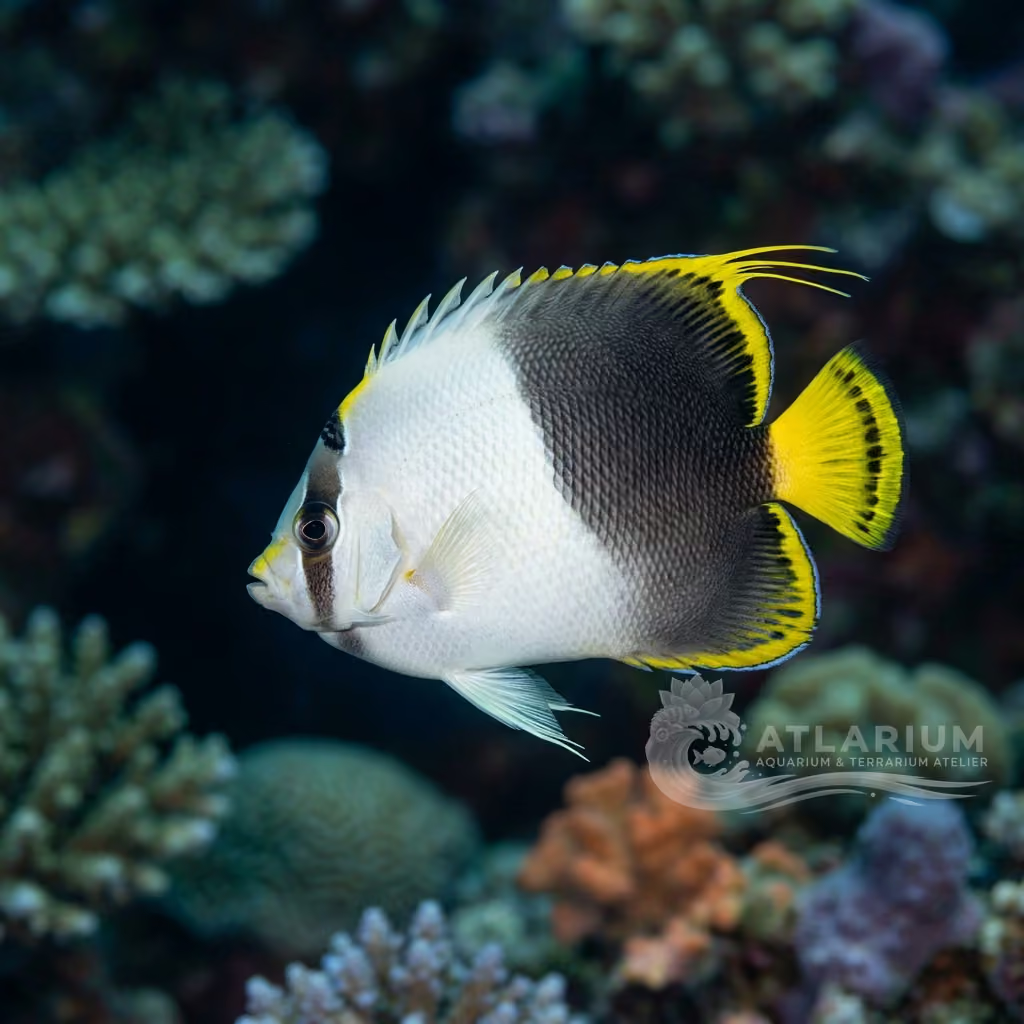
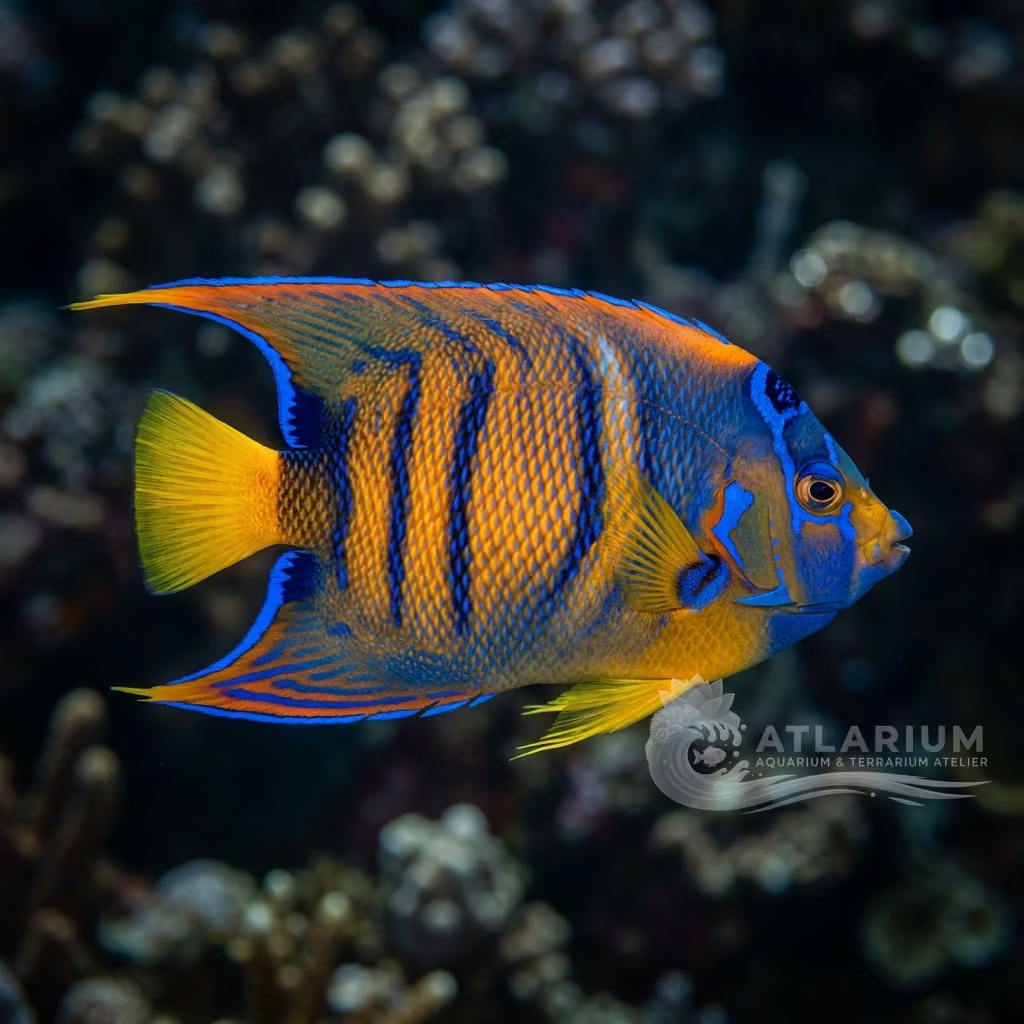
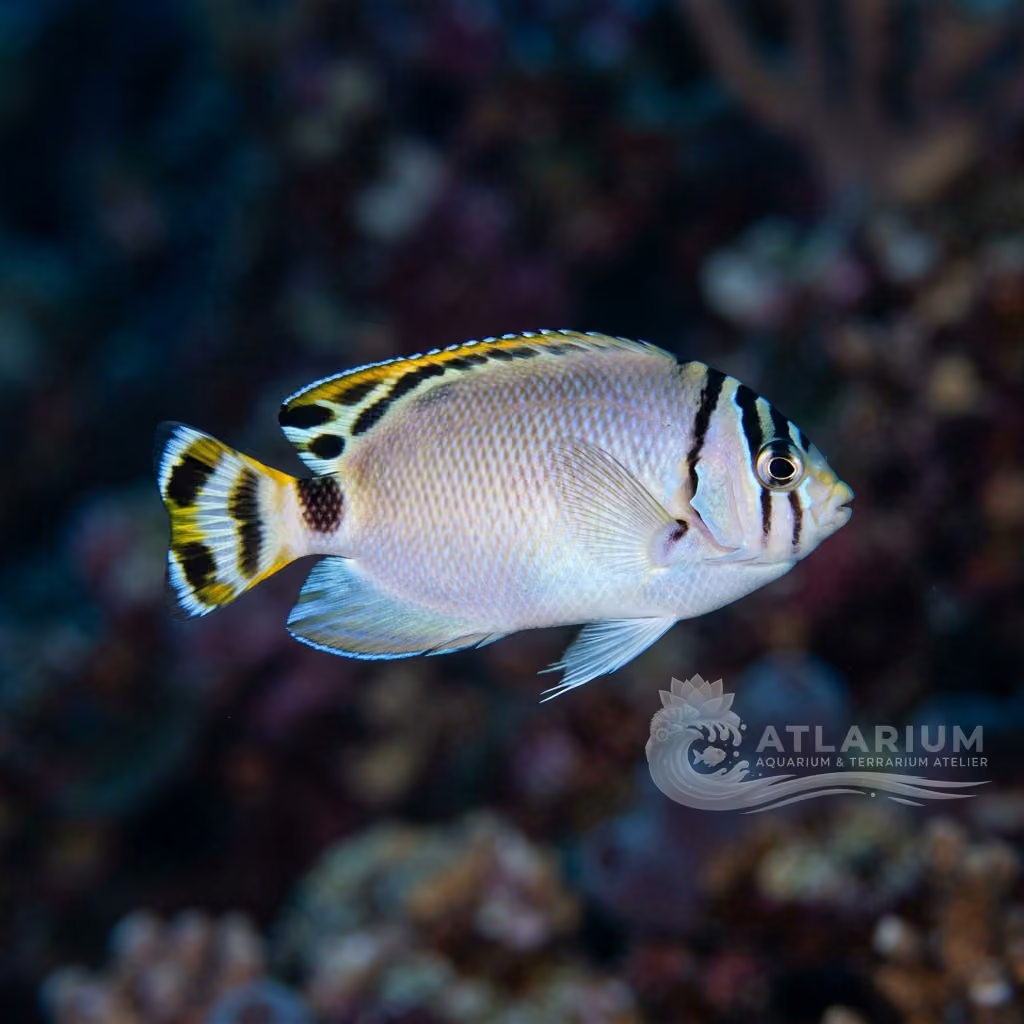
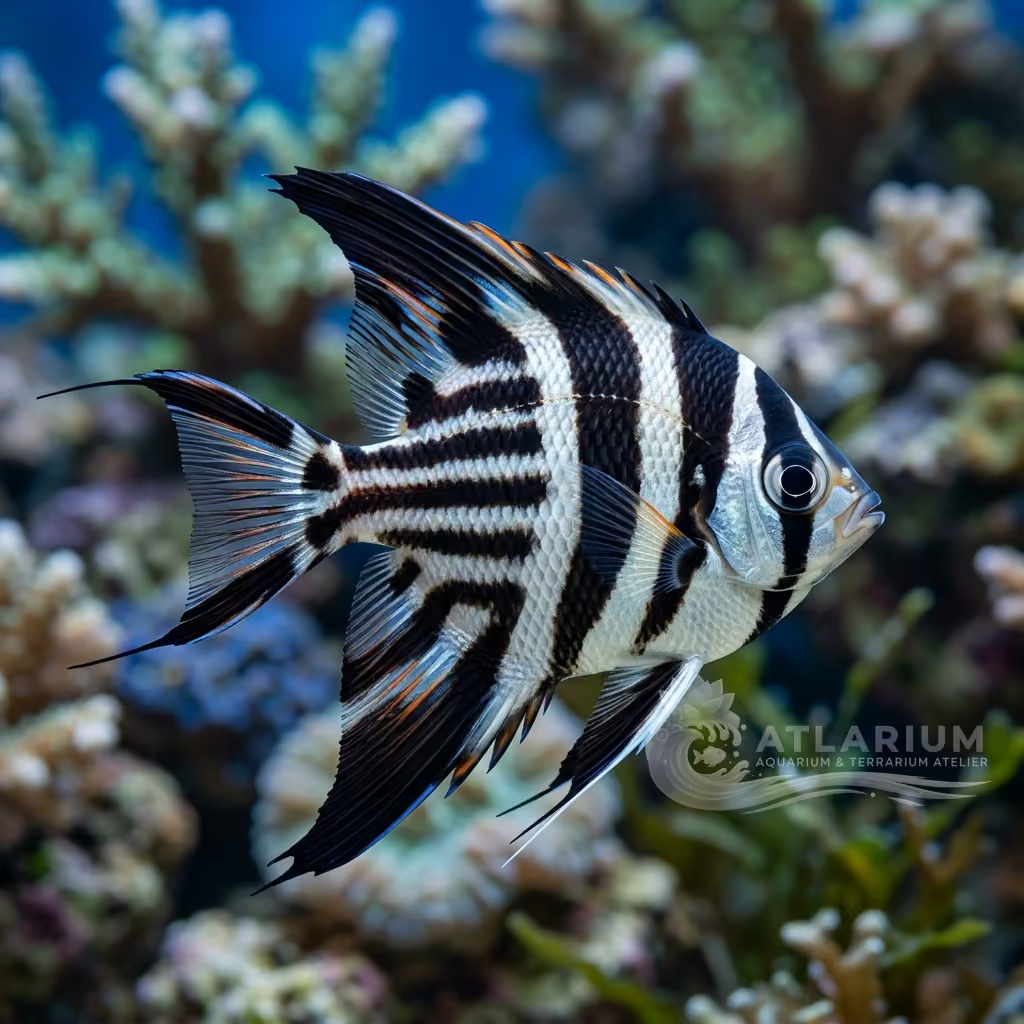
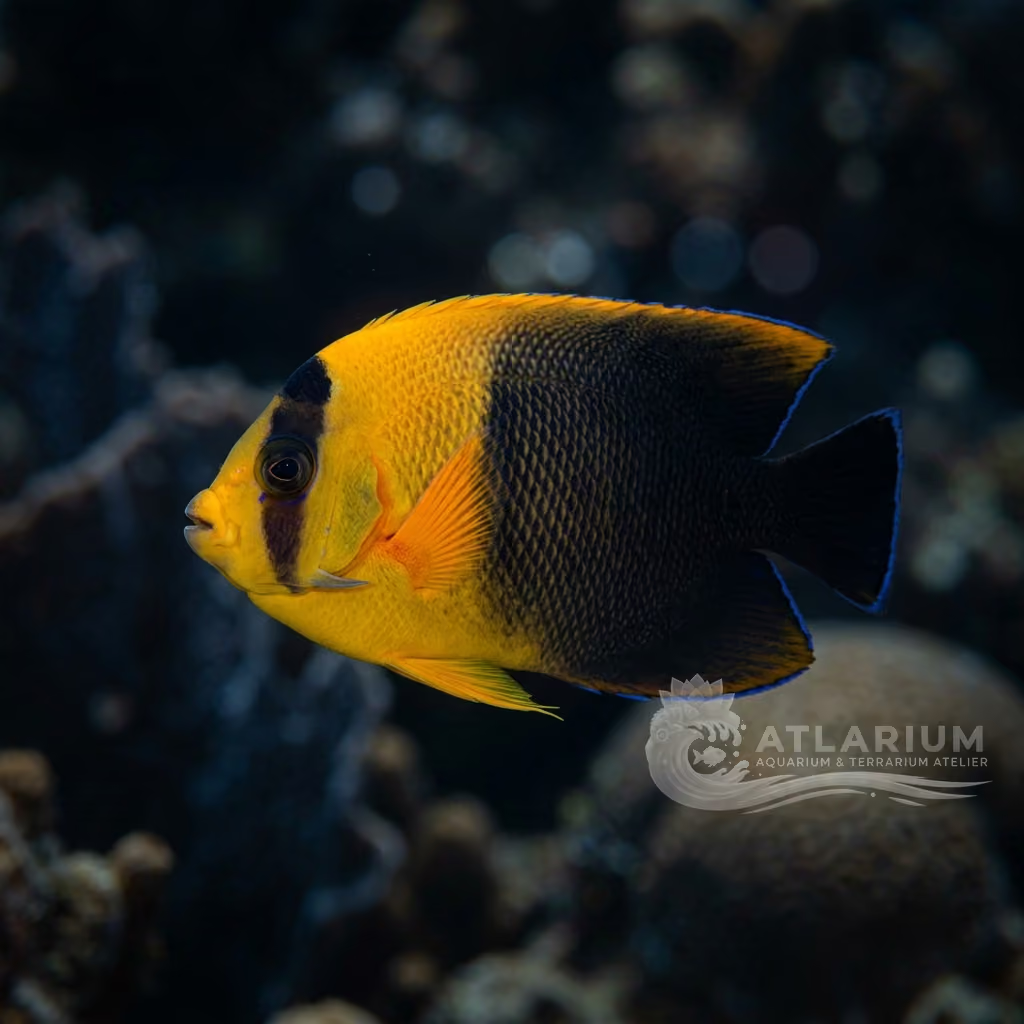
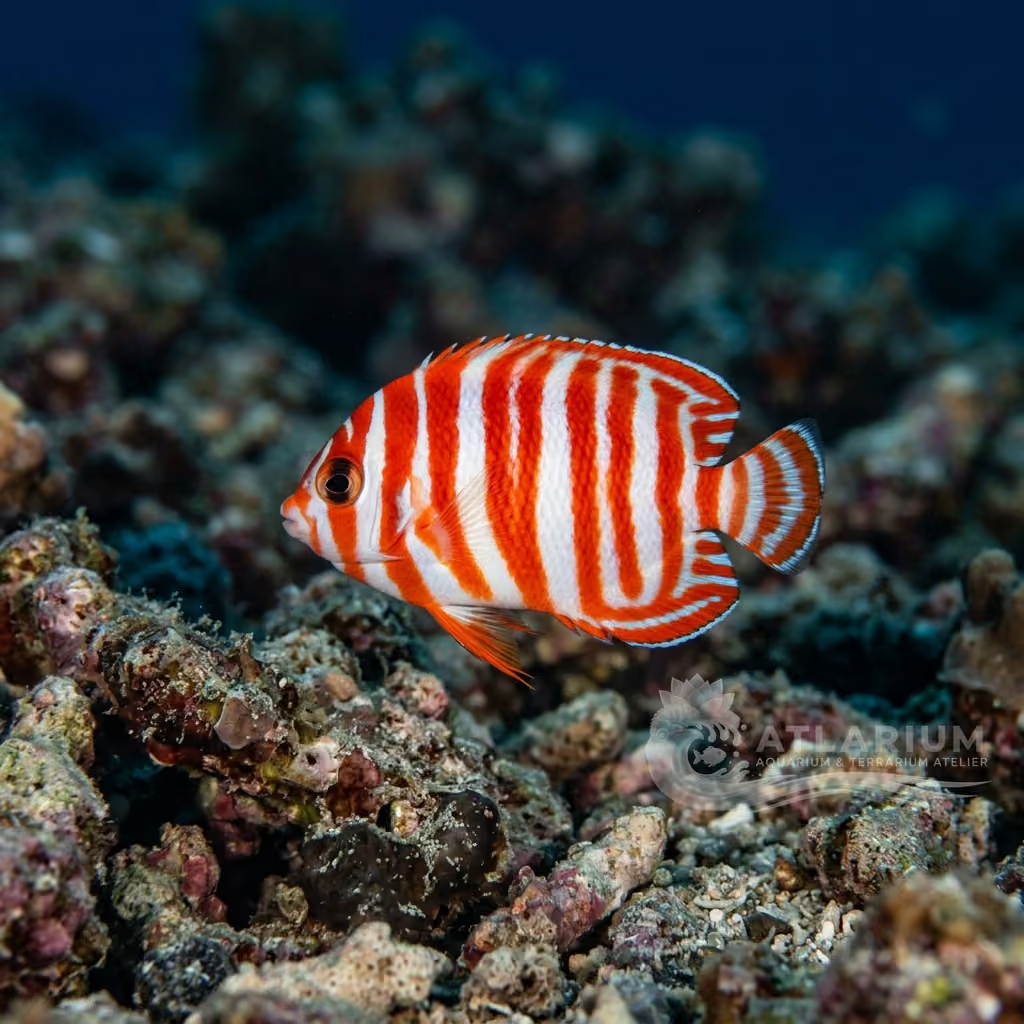
Adults display a beautiful golden-brown or dark orange body striped with 7 to 9 horizontal neon blue lines. The caudal fin is solid bright yellow. Juveniles are black with vertical yellow bands. No visible sexual dimorphism is present.

Cuidado, criação e companheiros de tanque
Aquarium Setup:
Requires a very large tank of at least 500 liters for an adult specimen. Provide robust live rock formations that create large caves, swim-throughs, and shaded arches, while leaving ample open space for swimming. Secure all rockwork carefully.
Diet and Feeding:
Omnivorous, feeding on sponges, tunicates, macroalgae, and small invertebrates. In captivity, feed a specialized diet containing sponge material, spirulina, nori, frozen foods (mysis, krill, brine shrimp), and quality pellets. Feed three times daily.
Water Quality:
Requires clean, stable water conditions. Prefers slightly cooler temperatures between 20 and 25°C. Maintain pH at 8.1-8.4, and salinity at SG 1.020-1.025. High-capacity filtration, strong water flow, and a powerful protein skimmer are mandatory.
Compatibility and Cohabitation:
Not 100% reef safe. It is prone to nipping at large-polyp stony (LPS) corals, soft corals, and clam mantles. Can be housed with large tangs, triggerfish, and damselfish in spacious setups. Avoid keeping it with small, passive tankmates.
Aquarium Breeding:
Spawning in captivity is extremely rare and difficult. In nature, they are pelagic spawners, releasing eggs into the water column at dusk where they float until hatching. Raising the larvae requires specialized, microscopic live foods.
Risks and Diseases:
Highly susceptible to marine parasites such as ich (Cryptocaryon) and velvet, especially during acclimation. A quarantine period is highly recommended. Stress from small tanks or aggressive tankmates can compromise its immune system.

Origem e distribuição geográfica
This species is native to the Northwestern Pacific Ocean, primarily found in coastal reefs and rocky areas of Japan, Korea, southern China, and Taiwan. It inhabits areas with strong currents and rich nutrient levels at depths of 5 to 30 meters.
Origem
Oceanos tropicais e recifesLeste Asiático

Perfil de peixe
- Temperamento
- Semi-aggressive
- This angelfish exhibits a semi-aggressive temperament, frequently displaying territorial behaviors as it matures. It acts as a dominant presence in the aquarium and will boldly patrol its established domain. While it usually ignores dissimilar fish, it shows zero tolerance for other large angelfish species. They may occasionally nip at sessile invertebrates, making them a risky addition to sensitive reef setups. Careful observation is required to ensure they do not bully more timid tank mates.
- Dieta
- Omnivore
- In its natural habitat, the Bluestriped Angelfish feeds heavily on sponges, tunicates, and benthic algae. Captive diets must rely on high-quality commercial preparations that specifically include marine sponge matter. Aquarists should supplement their daily meals with spirulina, nori, and meaty foods like mysis shrimp. Offering a highly varied diet is crucial to maintaining their vibrant coloration and strong immune system. Frequent grazing opportunities on mature live rock will also help fulfill their natural foraging instincts.
- Expectativa de vida
- 10-15 years
- Tamanho adulto
- 22 cm
- Proporção sexual
- Solitary
- This species is typically kept as a single specimen in the home aquarium due to its severe aggression toward conspecifics. While they are protogynous hermaphrodites, establishing a compatible male-female pair in captivity is extremely challenging. If attempting to keep a pair, they must be introduced simultaneously into a very large aquarium. Most hobbyists find the greatest success keeping only one Bluestriped Angelfish per tank. Mixing multiple males will inevitably result in fatal territorial disputes.
- Frequência de alimentação
- Twice daily
- Because of their highly active metabolism, these angelfish require multiple small meals throughout the day. It is highly recommended to feed them two to three times daily. Providing smaller, frequent portions prevents unnecessary water pollution while satisfying their constant hunger. Automated feeders can be utilized for dry foods, but manual feedings are necessary for frozen sponge-based diets. Careful monitoring during feeding time ensures they outcompete faster tank mates for sufficient nutrition.
- Carga biológica
- High
- The Bluestriped Angelfish produces a substantial amount of waste due to its large adult size and robust appetite. Aquarists must ensure high-quality filtration systems are in place, particularly large protein skimmers. Frequent water changes are necessary to maintain the pristine water conditions this species demands. Failure to manage their bioload can lead to rapid deterioration of water parameters. Therefore, a mature aquarium with significant biological filtration capacity is essential.
- Fluxo
- Strong
- The Bluestriped Angelfish prefers moderate to strong water flow that mimics its natural reef habitat. Adequate current helps keep the water highly oxygenated, which is vital for their overall health. Strong flow also aids in flushing organic waste out of the rockwork, maintaining the pristine conditions they require. Powerheads should be positioned to create dynamic, varied currents rather than a single unidirectional stream. However, they also appreciate designated resting areas with lower flow behind the aquascape.
- Risco de salto
- Yes
- While not notorious for jumping, this angelfish has the physical capability to breach the water surface. Startling movements or aggression from larger tank mates can easily trigger a sudden flight response. A tight-fitting lid or mesh cover is strongly recommended to prevent tragic accidents. The cover should not impede light penetration, especially if the tank contains corals. Securing the top ensures peace of mind and the long-term safety of this valuable fish.
- Reprodução
- Oviparous
- Breeding the Bluestriped Angelfish in a home aquarium is extremely rare and exceptionally difficult. Like many marine angelfish, they are pelagic spawners that release their eggs and sperm directly into the water column. The mating process requires an incredibly deep tank to accommodate their natural vertical spawning ascent. The resulting microscopic larvae demand highly specialized, microscopic live foods to survive their earliest stages. Consequently, commercial breeding facilities are currently the only successful source of captive-bred specimens.
- Compatibilidade e companheiros de tanque
- Not reef safe
- Selecting appropriate tank mates is critical for a harmonious aquarium containing a Bluestriped Angelfish. They can be safely housed with other robust, semi-aggressive fish like tangs, larger wrasses, and triggers. Caution is strongly advised if placing them in a reef tank, as they are notoriously prone to nipping fleshy stony corals and clam mantles. Small, docile fish may be intimidated by their continuous, commanding presence. Avoid housing them with any other large angelfish to prevent severe and persistent territorial aggression.
- Nível do tanque
- All levels
- The Bluestriped Angelfish is a highly active swimmer that utilizes all levels of the water column. During the day, it constantly grazes across the live rock in the lower and middle sections of the tank. It will also confidently swim in the open water near the top while searching for food. Providing a complex rockwork structure with plenty of caves and swim-throughs will encourage natural behavior. Despite its size, it remains incredibly agile as it navigates through the entire aquarium environment.

Espécies relacionadas
Recomendações agrupadas por parentes próximos, escolhas de acompanhantes e cuidados semelhantes.