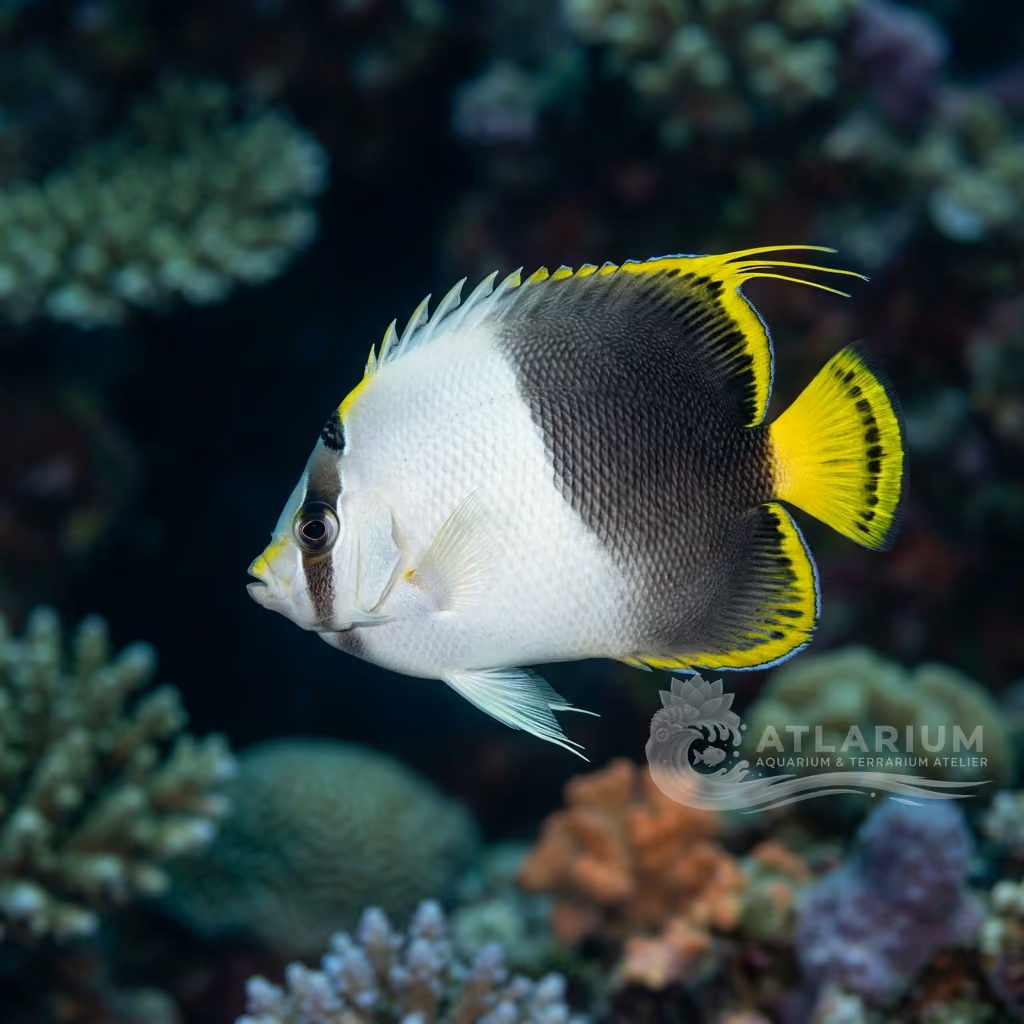
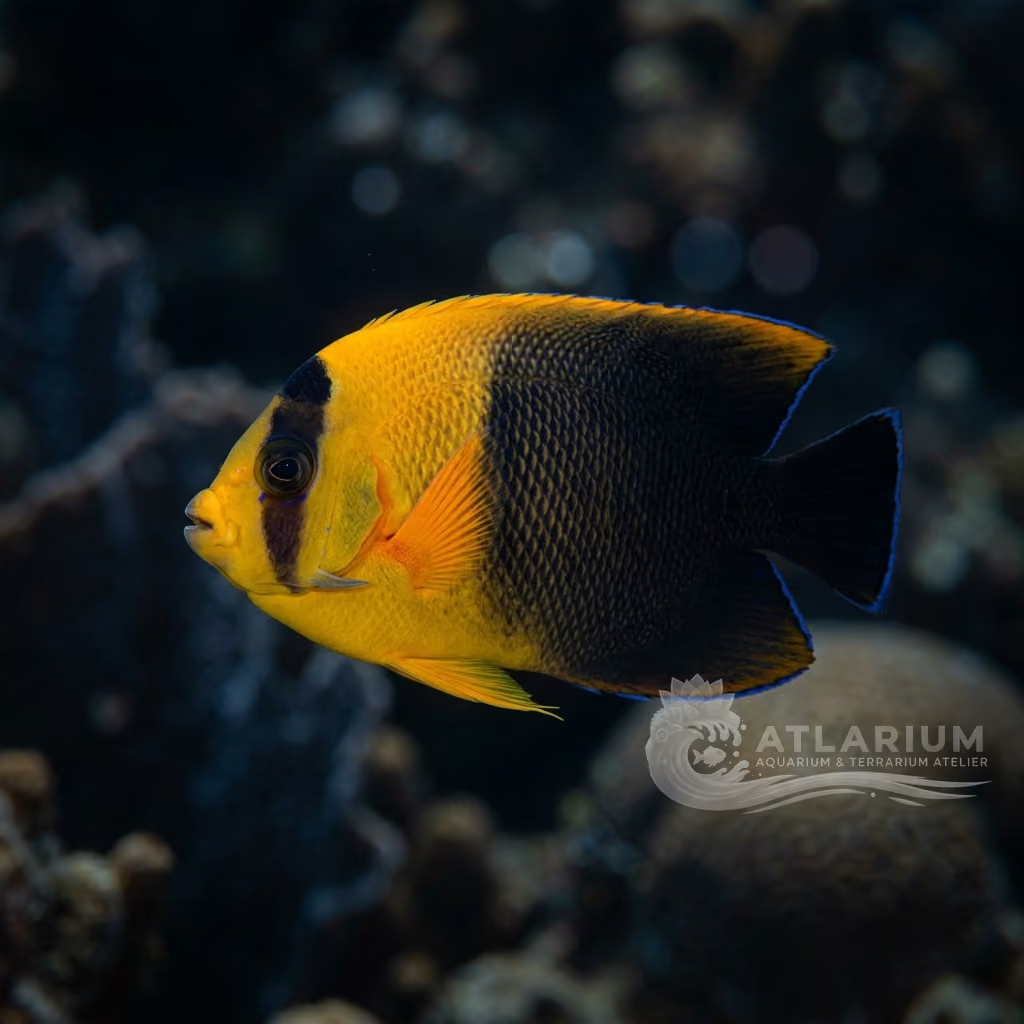
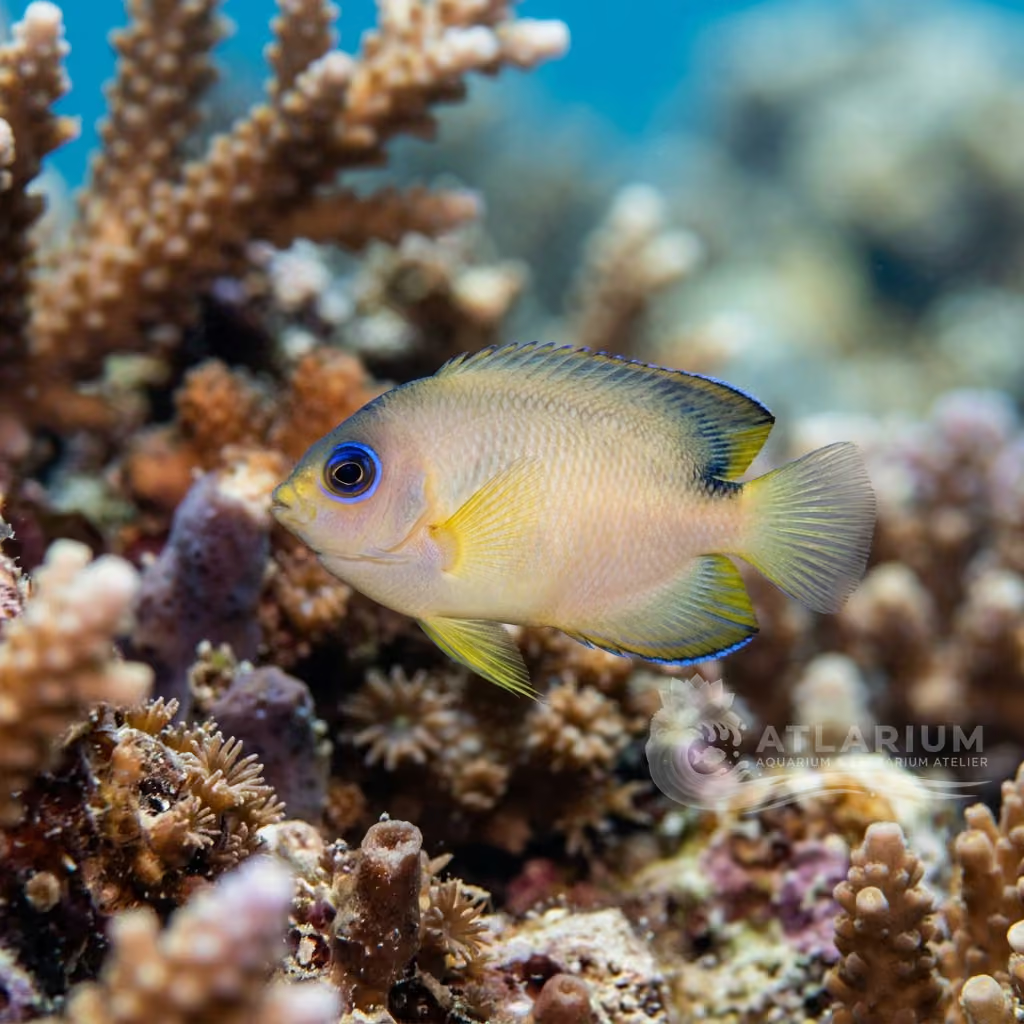
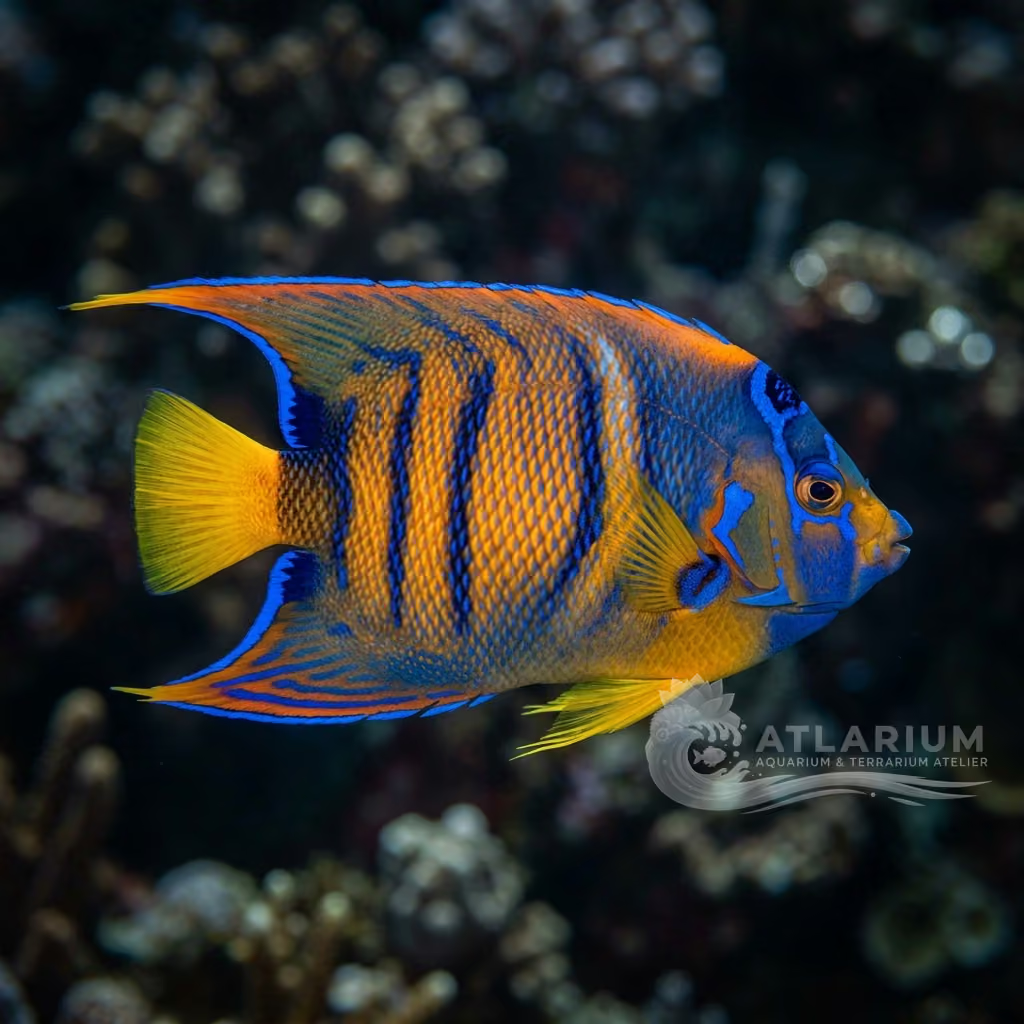
Blueface Angelfish
Pomacanthus xanthometopon
A highly sought-after marine angelfish famous for its striking blue face mask, yellow forehead band, and majestic reticulated body pattern.
Temperatura da água
24 - 28 °C
Valor de pH
8.1 - 8.4
Tipo de água
Marinho
Nível do tanque
Todos os níveis
Tamanho adulto
38 cm
Volume mínimo do tanque
>= 800 L
Grupo mínimo
>= 1
KH
8 - 12 dKH

Descrição da espécie
Geographical Origin and Habitat: Pomacanthus xanthometopon is native to the tropical Indo-Pacific Ocean, ranging from the Maldives and Sri Lanka to Indonesia, Australia, Micronesia, and Japan. It typically inhabits clear lagoons, channel slopes, and outer coral reefs rich in sponge growth at depths between 5 and 30 meters.
Taxonomy and Morphology: Classified within the Pomacanthidae family, it features a deeply compressed oval body with a sharp preopercular spine typical of the genus. It can grow up to 15 inches (38 cm) in the wild, though it usually remains smaller in home aquaria.
Social Behavior: Adults are generally solitary or found in monogamous pairs. They are highly territorial and show intense intraspecific aggression towards conspecifics and other large angelfish, actively defending their chosen feeding territories.
Coloration and Sexual Dimorphism: No obvious sexual dimorphism is present. The adult has a brilliant blue face with a yellow-orange band over the eyes, yellow pectoral fins, and a yellow spot on the dorsal fin. Juveniles look completely different, showing vertical blue, white, and black bands.

Cuidado, criação e companheiros de tanque
Aquarium Setup: Needs a spacious tank of at least 150 gallons (600 liters) with a large amount of cured live rock arranged to create secure caves, overhangs, and swim-through channels while preserving ample open swimming space.
Diet and Feeding: In the wild, it feeds primarily on sponges and tunicates. In captivity, feed a specialized angelfish diet containing sponge material, supplemented with frozen mysis shrimp, krill, spirulina, and sheets of dried seaweed.
Water Quality: Demands pristine marine water parameters: temperature between 24-28°C (75-82°F), pH of 8.1-8.4, specific gravity of 1.020-1.025, and high dissolved oxygen levels maintained by strong water movement and protein skimming.
Compatibility and Cohabitation: Not considered reef safe, as it will nip at LPS corals, soft corals, clam mantles, and zoanthids. It can be kept with active fish like tangs, wrasses, and large damselfishes, but avoid other angelfish species.
Aquarium Breeding: Extremely difficult to breed in home aquaria due to their pelagic spawning habits, which require deep water columns for courtship, and the complex nutritional needs of the delicate planktonic larvae.
Risks and Diseases: Highly susceptible to marine ich (Cryptocaryon irritans) and velvet (Amyloodinium). Poor nutrition or lack of sponge in their diet often leads to Head and Lateral Line Erosion (HLLE) and loss of coloration.

Origem e distribuição geográfica
Pomacanthus xanthometopon is native to the tropical Indo-Pacific Ocean, ranging from the Maldives and Sri Lanka to Indonesia, Australia, Micronesia, and Japan. It typically inhabits clear lagoons, channel slopes, and outer coral reefs rich in sponge growth at depths between 5 and 30 meters.
Origem
Oceanos tropicais e recifesÁfrica e MadagascarAustrália, Nova Guiné e Oceania

Perfil de peixe
- Temperamento
- Semi-aggressive
- The Yellowface Angelfish is initially shy but quickly becomes a bold, curious, and frequently dominant fish that establishes a strong presence. It will readily display aggression towards similarly shaped or colored fish and actively assert its dominance over newcomers. It is highly advised to introduce this powerful angelfish as one of the last inhabitants of the aquarium.
- Dieta
- Omnivore
- In the wild, the Yellowface Angelfish predominantly feeds on marine sponges, tunicates, and a wide variety of benthic algae. In an aquarium, its diet must stringently include high-quality, sponge-based commercial angelfish foods to prevent nutritional deficiencies. This essential diet should be generously supplemented with frozen mysis, enriched brine shrimp, and sheets of marine nori.
- Expectativa de vida
- 10-15 years
- Tamanho adulto
- 38 cm
- Proporção sexual
- Solitary
- There are no visually distinct markers to reliably differentiate between male and female Yellowface Angelfish. Because of their fierce intraspecific aggression, keeping more than one specimen per tank is strongly prohibited unless the system holds over a thousand gallons. Attempting to force a pair often results in relentless, brutal aggression and the death of the subdominant individual.
- Frequência de alimentação
- 3-4 times daily
- To properly satiate their high metabolism and constant grazing behavior, feeding two to three times daily is considered highly optimal. Frequent feeding effectively reduces their tendency to aggressively harass tank mates and keeps them well-nourished. Providing an algae clip allows them to engage in natural, continuous grazing behaviors throughout the light cycle.
- Carga biológica
- High
- The Yellowface Angelfish produces a substantial bioload that necessitates a highly efficient, established biological filtration system. A robust, oversized protein skimmer is critically essential to quickly remove organic waste and prevent the degradation of water quality. Performing large, consistent water changes is absolutely mandatory to maintain the pristine conditions this sensitive species demands.
- Fluxo
- Moderate
- Originating from the highly dynamic reef slopes and drop-offs of the Indo-Pacific, they thrive in moderate to strong, erratic water currents. Robust water flow closely simulates their natural habitat and provides essential resistance for healthy muscle development. Wavemakers should be consistently employed to ensure the entire water column is thoroughly circulated and well-oxygenated.
- Risco de salto
- No
- Reprodução
- Oviparous
- Captive breeding of this pelagic spawner is virtually unheard of in home aquaria due to their highly complex reproductive strategy. Pairs release massive quantities of buoyant eggs into the water column, relying entirely on ocean currents for dispersal. Rearing the microscopic larvae demands an expertly managed, specialized live food regimen that only advanced commercial facilities can provide.
- Compatibilidade e companheiros de tanque
- Reef safe with caution
- While relatively peaceful compared to other large angelfish, it remains highly territorial and aggressive towards similar species. It should be housed with sturdy, semi-aggressive companions such as large tangs, durable wrasses, and non-timid groupers. It is notoriously destructive in reef aquariums, eagerly consuming soft corals, LPS corals, and various ornamental clam mantles.
- Nível do tanque
- All levels
- They are exceptionally active swimmers that will confidently utilize the entire water column, constantly patrolling their established territory. They require a very large aquarium with expansive, open swimming areas combined with substantial, secure rockwork. Appropriately sized, cavernous hiding spots are strictly necessary for them to retreat, establish territory, and rest securely.

Modelos e parâmetros científicos
FishBase
Acesso aos dados científicos oficiais da espécie
FishBase v25.04Dados sincronizados em: 15/06/2026
- Nível trófico
- 2,7 ± 0 se
- Resiliência
- Baixa (4,5 - 14 anos)
- Unicidade filogenética (PD50)
- 0.5001
- Relação bayesiana comprimento-peso
- a = 0.02754, b = 2.89
- VulnerabilidadeVulnerabilidade de baixa a moderada (28 / 100)

Espécies relacionadas
Recomendações agrupadas por parentes próximos, escolhas de acompanhantes e cuidados semelhantes.