Mystery Wrasse
Pseudocheilinus ocellatus
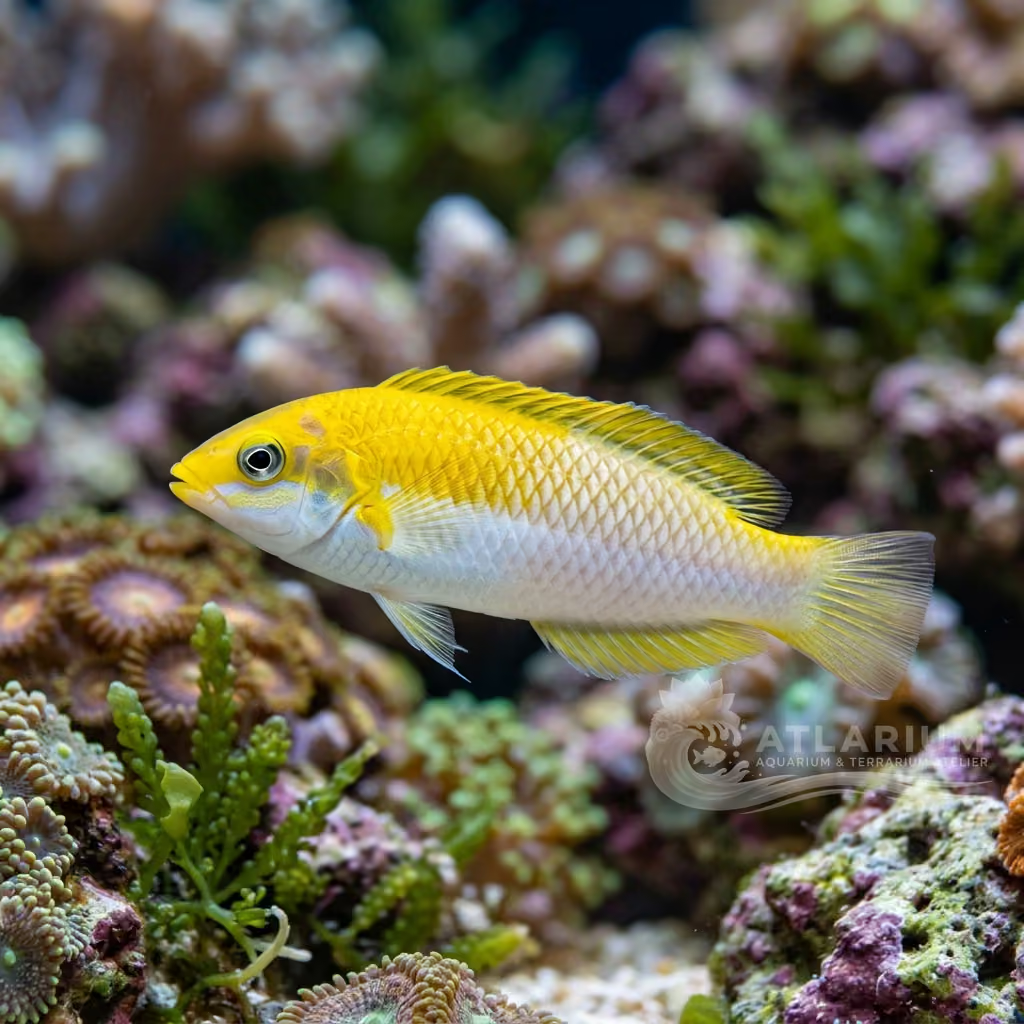
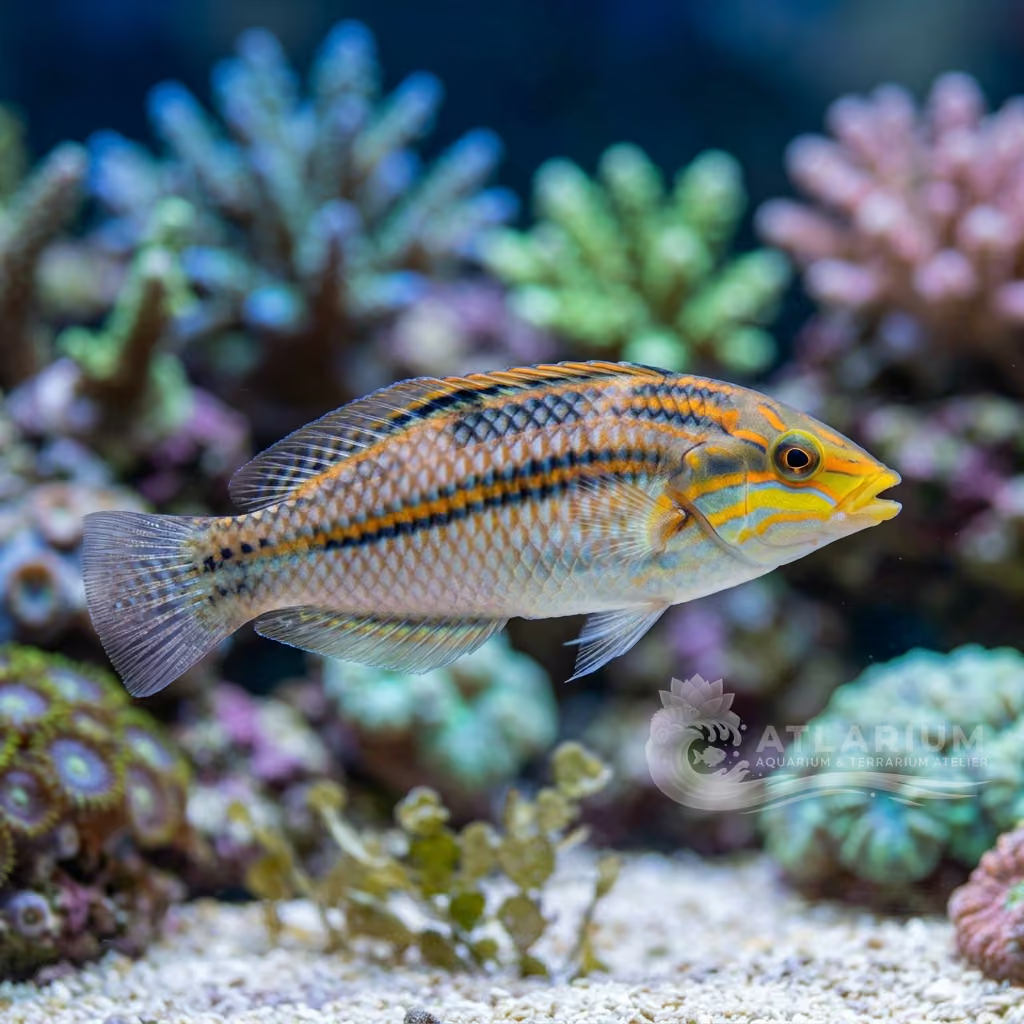
An extraordinary deep-water marine wrasse exhibiting deep purple coloration, delicate white lines, yellow accents, and a distinct eyespot.
Temperatura da água
24 - 27 °C
Valor de pH
8.1 - 8.4
Tipo de água
Marinho
Nível do tanque
Todos os níveis
Tamanho adulto
10 cm
Volume mínimo do tanque
>= 200 L
Grupo mínimo
>= 1
KH
8 - 12 dKH

Descrição da espécie
Geographical Origin and Habitat: Western-Central Pacific, ranging from the Mariana and Marshall Islands to the Cook Islands and Samoa. Inhabits deep seaward reef slopes and channels with current, usually at depths of 20 to 60 meters.
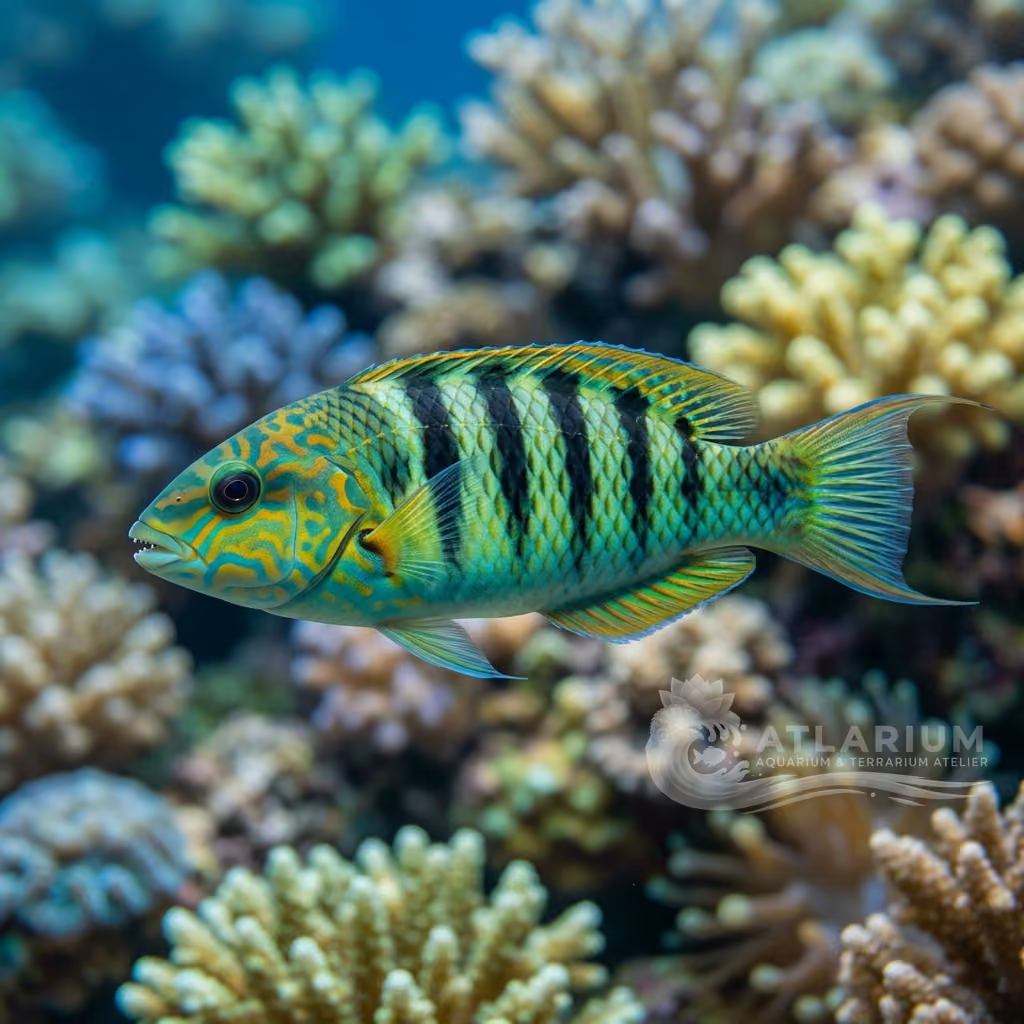
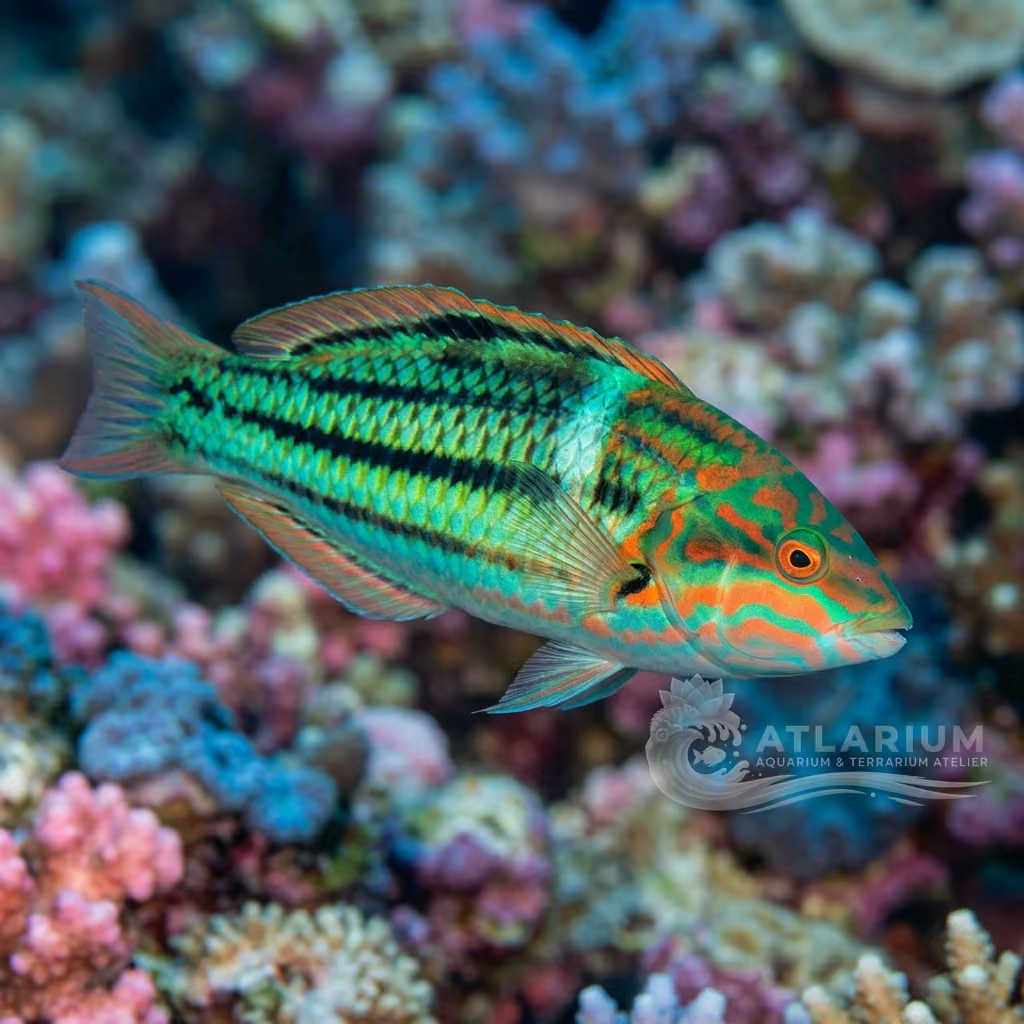
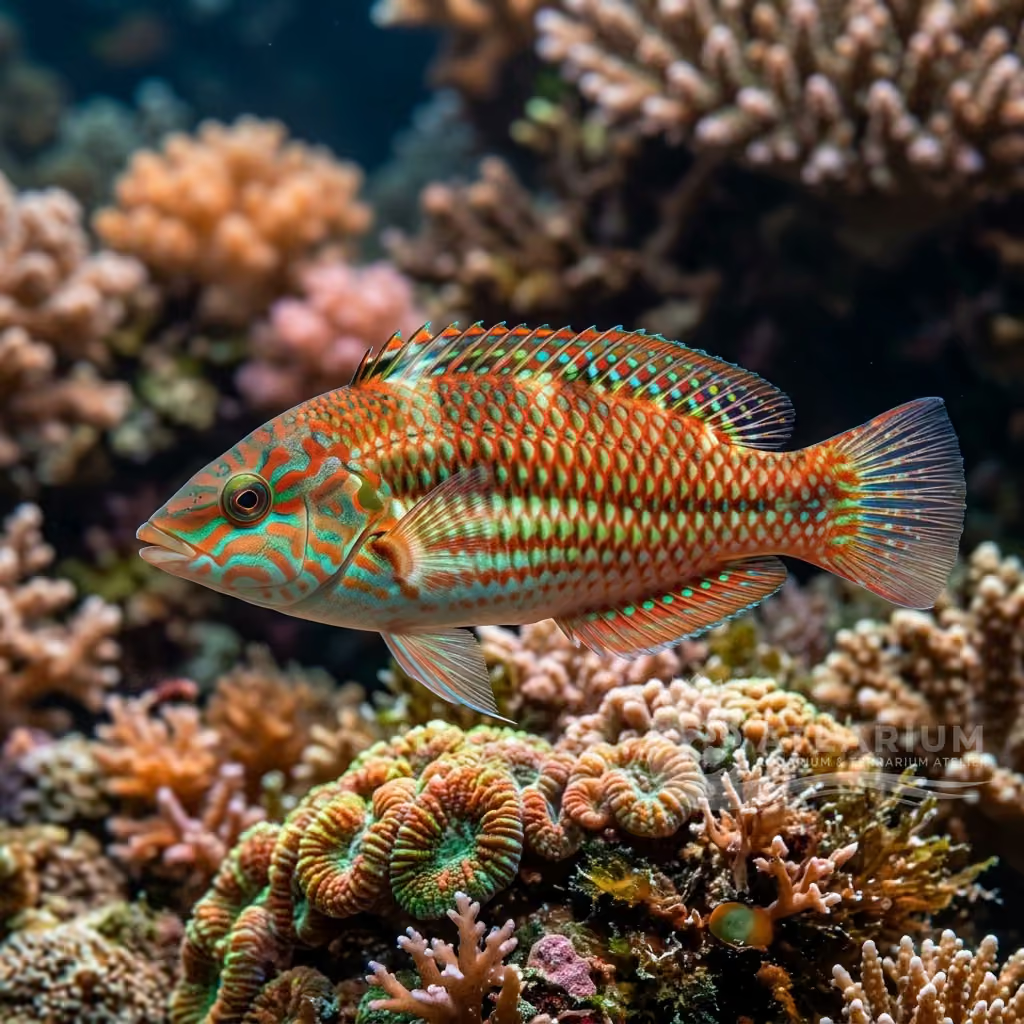
Taxonomy and Morphology: Part of the Labridae family. Possesses a laterally compressed body with a pointed snout. Features a distinct dark ocellus (eyespot) near the tail base and a purple body with thin vertical white lines.
Social Behavior: Solitary and territorial. Cryptic as a juvenile, hiding in rock caves, but becomes highly active and territorial once acclimatized, defending its home range from competitors.
Coloration and Sexual Dimorphism: Body is purple-red with 5-6 fine vertical white bands, a yellow face, and a pink tail. Adult males exhibit brighter color saturation and larger body size compared to females.

Cuidado, criação e companheiros de tanque
Aquarium Setup: Requires an aquarium of at least 200 liters (50 gallons) with extensive live rockwork providing crevices. A secure cover or screen lid is mandatory to prevent jumping.
Diet and Feeding: Carnivorous. Diet should include a variety of meaty frozen foods like mysis shrimp, brine shrimp, finely chopped krill, and shellfish. Known to consume flatworms and pyramidellid snails.
Water Quality: Keep standard marine parameters: temperature 24-27°C (75-81°F), pH 8.1-8.4, specific gravity 1.020-1.025, and KH 8-12. Keep nitrate and phosphate levels low.
Compatibility and Cohabitation: Avoid housing with other Pseudocheilinus species or small, passive wrasses. Safe with larger fish like tangs and dwarf angels. May prey on small ornamental shrimp.
Aquarium Breeding: Extremely difficult and not documented in home aquaria. They are protogynous hermaphrodites where dominant females transition to males.
Risks and Diseases: Prone to stress during acclimation. Susceptible to marine ich (Cryptocaryon) and velvet (Oodinium) if water quality declines.

Origem e distribuição geográfica
Western-Central Pacific, ranging from the Mariana and Marshall Islands to the Cook Islands and Samoa. Inhabits deep seaward reef slopes and channels with current, usually at depths of 20 to 60 meters.
Origem
Oceanos tropicais e recifes

Perfil de peixe
- Temperamento
- Semi-aggressive
- They are bold, curious, and constantly on the move. While peaceful when small, large adults can become quite territorial and bossy. They exhibit a distinct 'hovering' behavior, constantly inspecting the rockwork with their highly mobile eyes.
- Dieta
- Carnivore
- They are strict carnivores that feed intensely on benthic invertebrates and crustacean microfauna. They will enthusiastically consume frozen mysis, enriched brine shrimp, and high-quality carnivore pellets. They are highly valued for their ability to hunt and eradicate flatworms and pyramidellid snails.
- Expectativa de vida
- 5-10 years
- Tamanho adulto
- 10 cm
- Proporção sexual
- Flexible
- They should absolutely be kept as single specimens in a home aquarium. They are highly aggressive toward conspecifics and other wrasses of similar shape and size. Only massive public aquariums have the space to potentially support more than one.
- Frequência de alimentação
- Twice daily
- Feeding them one to two times daily is recommended. In a well-established reef tank, they will supplement their diet by constantly hunting copepods and small worms. Maintaining a healthy microfauna population is highly beneficial for this species.
- Carga biológica
- Medium
- The Mystery Wrasse has a moderate bioload that is manageable with standard reef equipment. They are active fish and consume a fair amount of food, which translates into waste. A good skimmer and regular water changes will easily keep the water quality high.
- Fluxo
- Moderate
- They prefer moderate to strong water currents that simulate their natural reef edge environment. Active flow helps circulate their prey and keeps the tank environment well-oxygenated. They are strong swimmers and have no trouble navigating high-flow SPS tanks.
- Risco de salto
- Yes
- Like all wrasses, they are extremely prone to jumping and can launch themselves out of the water with startling speed. A tight, completely secure mesh cover or glass lid is strictly mandatory. Even small gaps around equipment must be covered to prevent a tragic loss.
- Reprodução
- Oviparous
- They are pelagic spawners that perform a rapid ascent into the water column to release eggs and sperm. They are protogynous hermaphrodites, where the largest and most dominant female can transition into a male. Captive rearing of the larvae is extremely difficult and largely undocumented.
- Compatibilidade e companheiros de tanque
- Community
- They are reef safe concerning corals but pose a significant threat to small ornamental shrimp and crabs. As they mature, they can become semi-aggressive toward smaller, passive fish. They are best kept with moderately aggressive tank mates and added later in the stocking process.
- Nível do tanque
- All levels
- They are highly active and will utilize all levels of the aquarium throughout the day. However, their primary behavior involves patrolling the live rock structures in the middle and lower levels. They require plenty of caves, overhangs, and hiding spots to feel secure and to sleep in at night.

Modelos e parâmetros científicos
FishBase
Acesso aos dados científicos oficiais da espécie
FishBase v25.04Dados sincronizados em: 15/06/2026
- Nível trófico
- 3,5 ± 0,4 se
- Resiliência
- Alta (menos de 15 meses)
- Unicidade filogenética (PD50)
- 0.5078
- Relação bayesiana comprimento-peso
- a = 0.01072, b = 3.03
- VulnerabilidadeVulnerabilidade baixa (10 / 100)

Espécies relacionadas
Recomendações agrupadas por parentes próximos, escolhas de acompanhantes e cuidados semelhantes.