New Guinea wrasse
Anampses neoguinaicus
A spectacular yet highly delicate marine wrasse, suited only for expert aquarists due to its demanding feeding habits and specialized husbandry needs.
Temperatura da água
23 - 28 °C
Valor de pH
8.1 - 8.4
Tipo de água
Marinho
Nível do tanque
Todos os níveis
Tamanho adulto
20 cm
Volume mínimo do tanque
>= 400 L
Grupo mínimo
>= 1
KH
8 - 12 dKH

Descrição da espécie
Geographical Origin and Habitat: Anampses neoguinaicus, commonly known as the New Guinea wrasse, is native to the tropical Western Pacific Ocean. Its range encompasses Taiwan, the Philippines, Indonesia, New Guinea, and the northern Great Barrier Reef of Australia. It inhabits coral-rich seaward reefs, outer slopes, and reef lagoons at depths of 5 to 25 meters, usually moving along the margins where coral structures meet extensive stretches of fine coral sand.
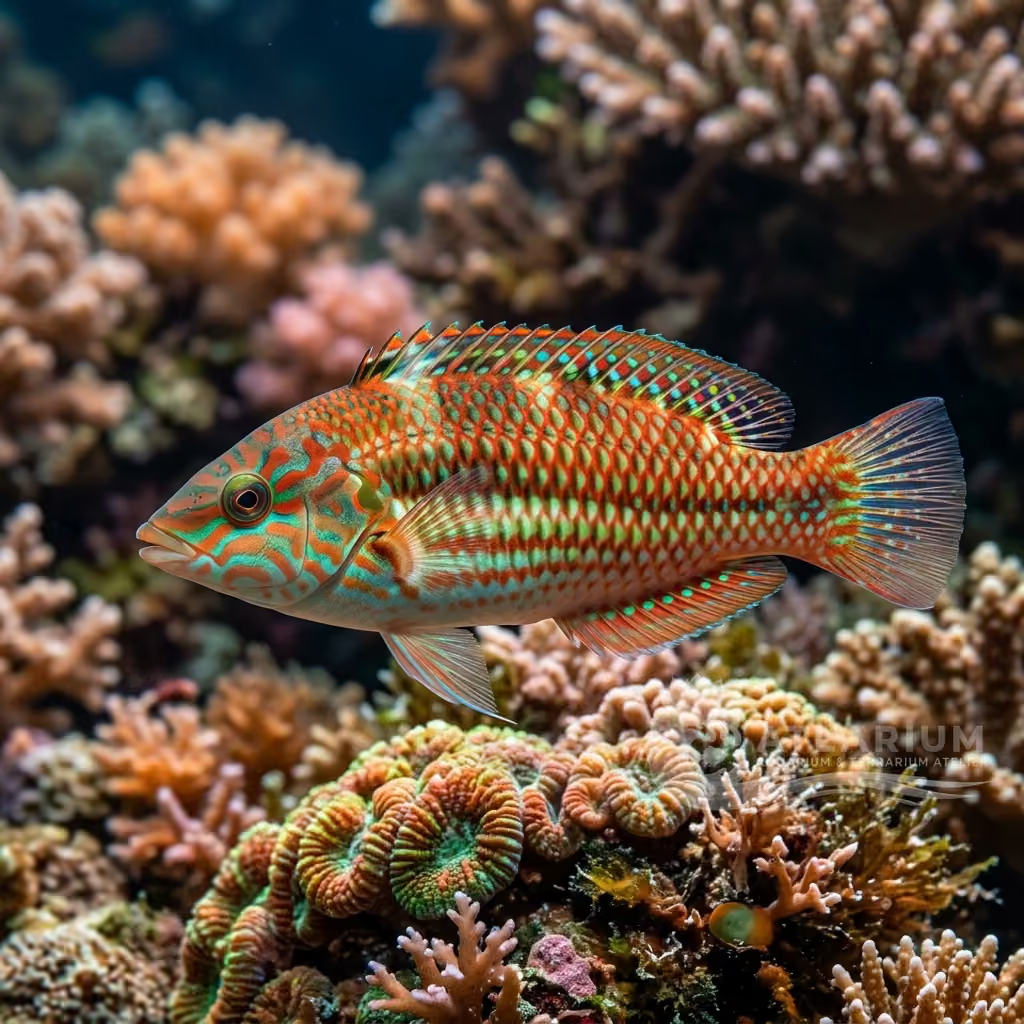
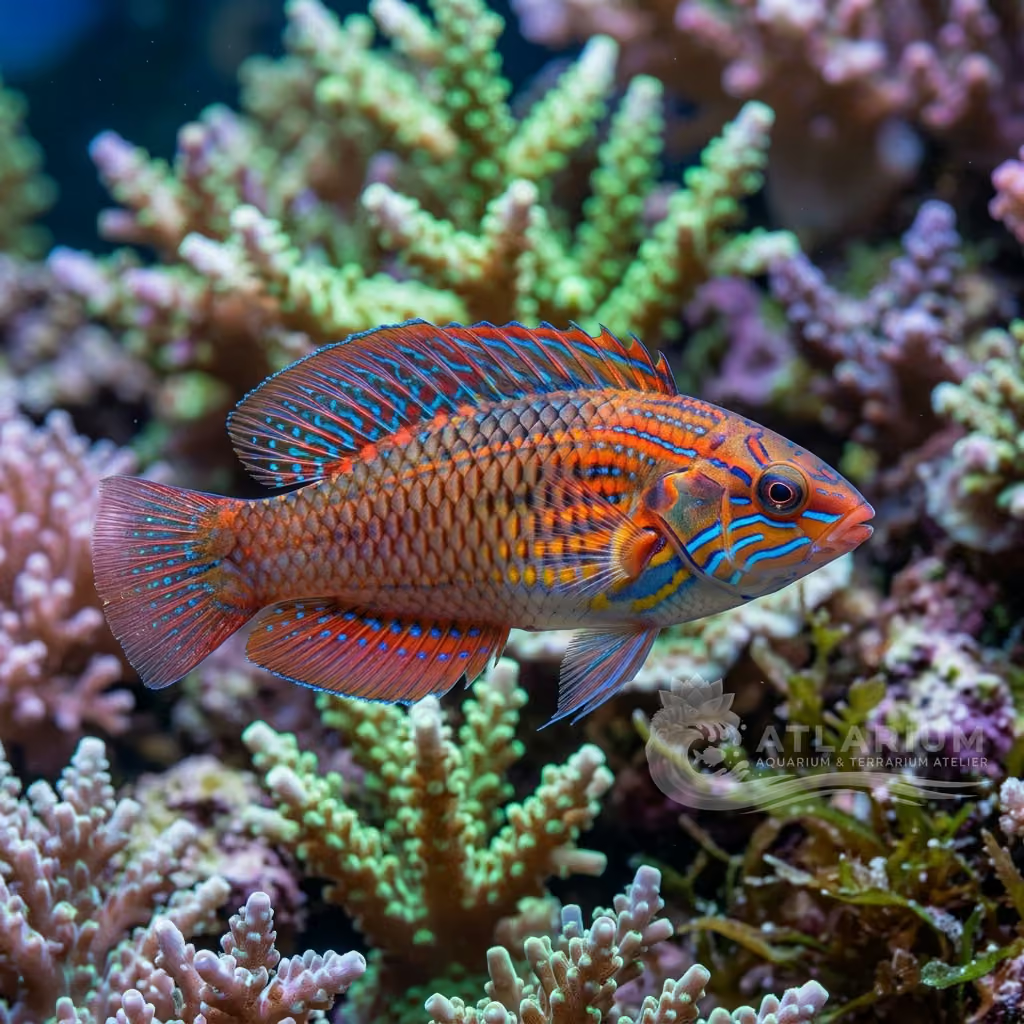
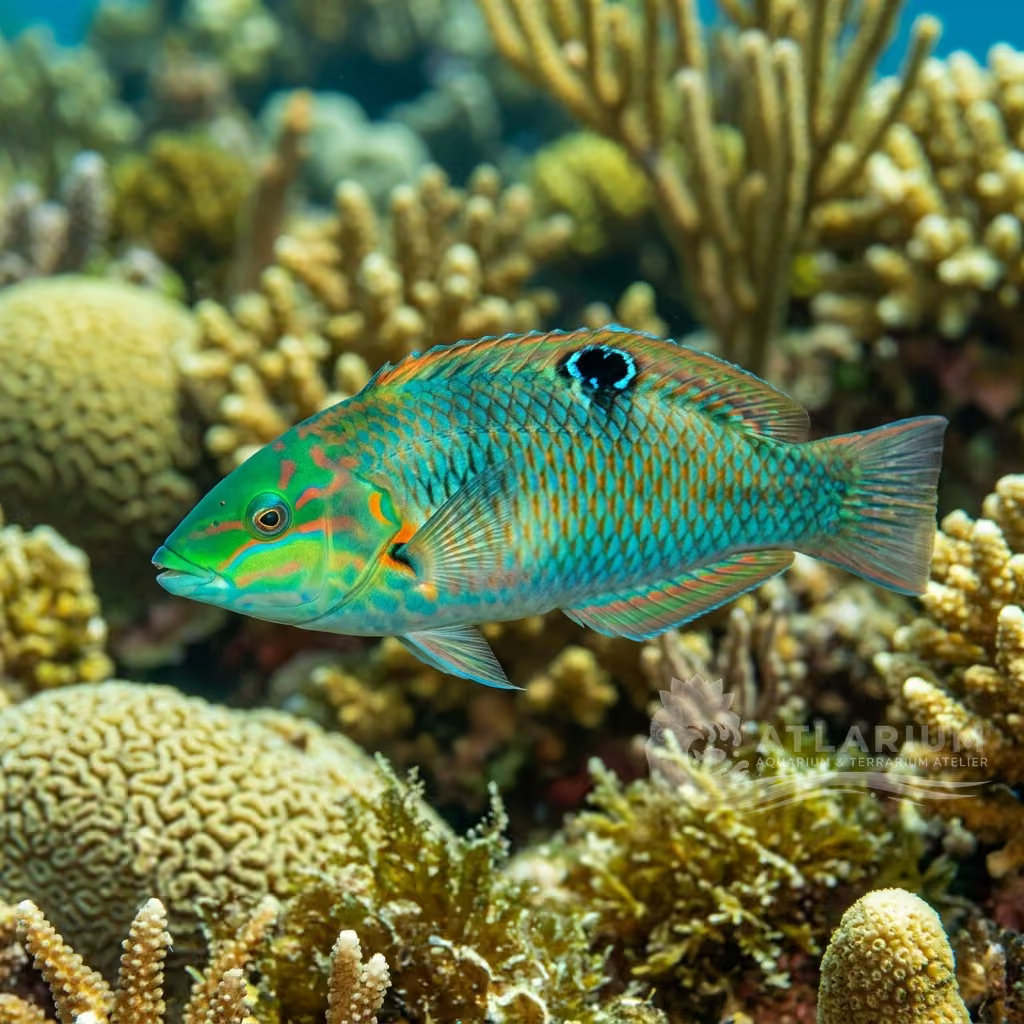
Taxonomy and Morphology: It belongs to the family Labridae and the genus Anampses. The genus is characterized by a single pair of forward-projecting, chisel-like incisors in both jaws, which are used to pry small invertebrates from rock crevices. Adults can grow to a maximum length of 20 cm (8 inches). The body is laterally compressed with large scales. There are no recognized subspecies, though it shares close evolutionary ties with Anampses geographicus.
Social Behavior: It is a peaceful, shy fish that poses no threat to tankmates of other families. It spends its active daytime hours constantly searching live rock and sand for benthic micro-invertebrates. It exhibits strong territorial aggression toward male conspecifics. It is a protogynous hermaphrodite that lives in natural harems led by a dominant male and several females.
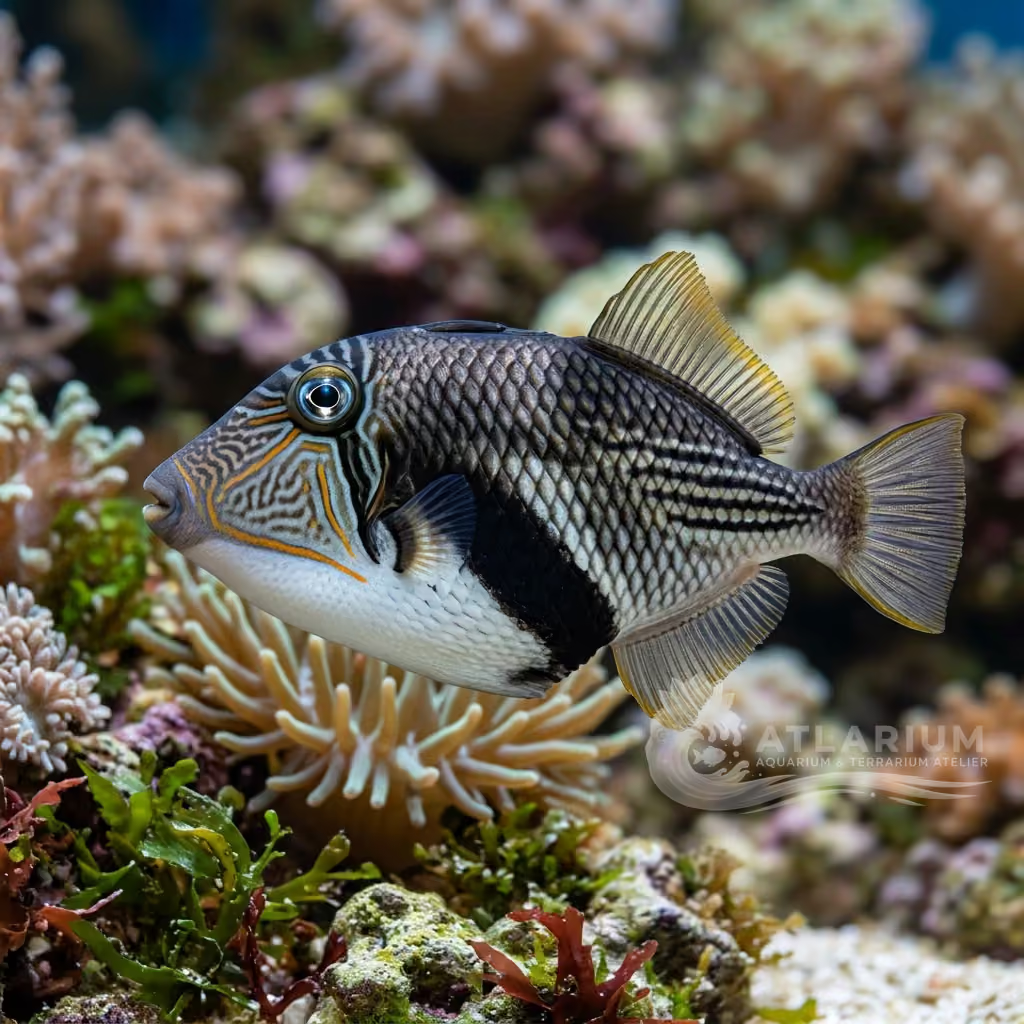
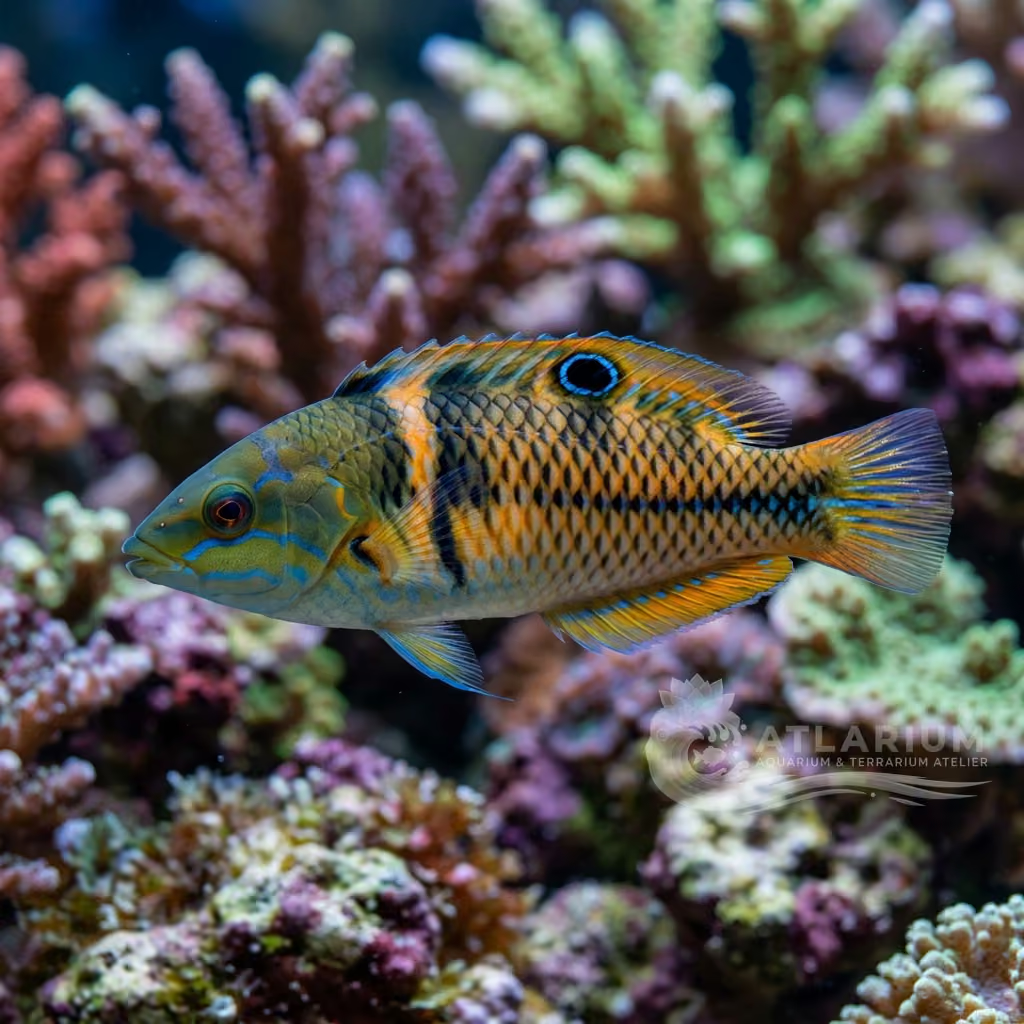
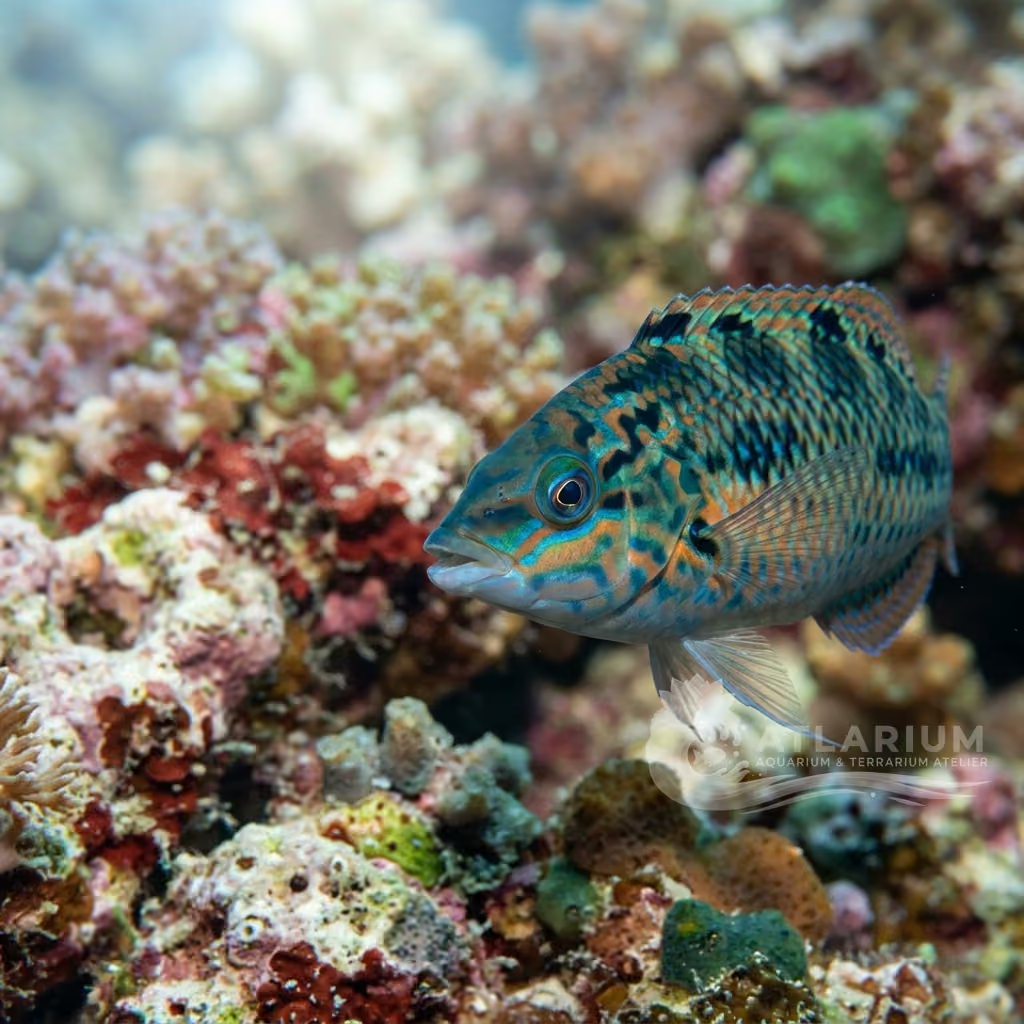
Coloration and Sexual Dimorphism: This species displays striking sexual dimorphism. Females are dark brown to black on the upper half of the body with dense blue spots, contrasting with a stark white belly, and have black ocelli on the dorsal and anal fins. Dominant males transition to a brilliant blue-green body with pinkish-orange patterns on the head, a bright golden-yellow band along the back, and a vibrant blue tail.

Cuidado, criação e companheiros de tanque
Aquarium Setup: Requires a very large, well-established marine aquarium of at least 400 liters (100 gallons). The most critical setup requirement is a deep bed of fine coral sand (1-2 mm grain size) measuring at least 7-10 cm in depth. This wrasse must bury itself completely in the sand to sleep at night and to seek refuge when threatened.
Diet and Feeding: It is a specialized carnivore and micro-predator that is notoriously difficult to feed in captivity. It feeds primarily on live copepods and amphipods on live rock. In the aquarium, it must be fed high-quality frozen foods (mysis, brine shrimp, lobster eggs) 3-4 times daily, and should be slowly transitioned to high-quality dry foods.
Water Quality: Demands pristine water conditions and highly stable parameters. Keep temperature at 23-28°C (73-82°F), pH between 8.1 and 8.4, specific gravity between 1.020 and 1.025, and KH between 8 and 12. Robust protein skimming and high oxygenation are essential, with nitrates kept as close to zero as possible.
Compatibility and Cohabitation: Safe with corals but may prey on very small ornamental shrimps. It should not be housed with aggressive, fast-moving, or dominant fish (such as large damselfishes or aggressive tangs) that may stress it or prevent it from feeding. Do not house multiple Anampses males together.
Aquarium Breeding: Spawning in captivity has not been achieved. In nature, they are broadcast pelagic spawners, releasing eggs and sperm into the water column at dusk. The pelagic larval stage is long and impossible to raise under standard home aquarium conditions.
Risks and Diseases: High mortality rates are common during the initial acclimation phase due to starvation or mouth damage from coarse substrate. It is an extraordinary jumper when startled; a tight screen lid is mandatory. Injury to the mouth during transport can lead to fatal infections.

Origem e distribuição geográfica
Anampses neoguinaicus, commonly known as the New Guinea wrasse, is native to the tropical Western Pacific Ocean. Its range encompasses Taiwan, the Philippines, Indonesia, New Guinea, and the northern Great Barrier Reef of Australia. It inhabits coral-rich seaward reefs, outer slopes, and reef lagoons at depths of 5 to 25 meters, usually moving along the margins where coral structures meet extensive stretches of fine coral sand.
Origem
Oceanos tropicais e recifesÁfrica e MadagascarSul e Sudeste AsiáticoLeste AsiáticoAustrália, Nova Guiné e Oceania

Perfil de peixe
- Temperamento
- Peaceful
- Semi-aggressive and very active. Can outcompete slow fish for food. May harass passive species.
- Dieta
- Carnivore
- Carnivorous diet consisting of meaty foods. Feed mysis shrimp, chopped seafood, and high-quality pellets. Variety is essential for color maintenance.
- Expectativa de vida
- 5-8 years
- Tamanho adulto
- 20 cm
- Proporção sexual
- Solitary
- Keep one male per tank. Multiple females can be kept in large systems. They can change sex from female to male.
- Frequência de alimentação
- Twice daily
- Feed them two to three times daily. They are aggressive eaters. Ensure shy tank mates get enough food.
- Carga biológica
- Medium to High
- These wrasses have a moderate to high bioload. They are very active and eat constantly. Efficient mechanical and biological filtration is needed.
- Fluxo
- Strong
- They enjoy strong water currents. Good flow helps keep the water well oxygenated. This mimics their natural surge zones.
- Risco de salto
- Yes
- They are notorious jumpers when startled. A tight-fitting mesh lid is absolutely mandatory. Any small gap can lead to escape.
- Reprodução
- Oviparous
- Rarely bred in the home aquarium. They are pelagic spawners. Males are often terminal phase females.
- Compatibilidade e companheiros de tanque
- Reef safe
- Can be aggressive towards small invertebrates. May flip over snails and crabs. Larger species will eat ornamental shrimp.
- Nível do tanque
- All levels
- Very active in the middle and lower levels. They require a deep sand bed to bury themselves at night. They will constantly patrol the rockwork.

Modelos e parâmetros científicos
FishBase
Acesso aos dados científicos oficiais da espécie
FishBase v25.04Dados sincronizados em: 15/06/2026
- Nível trófico
- 3,5 ± 0,37 se
- Resiliência
- Média (1,4 - 4,4 anos)
- Unicidade filogenética (PD50)
- 0.5002
- Relação bayesiana comprimento-peso
- a = 0.00977, b = 3.07
- VulnerabilidadeVulnerabilidade baixa (14 / 100)

Espécies relacionadas
Recomendações agrupadas por parentes próximos, escolhas de acompanhantes e cuidados semelhantes.