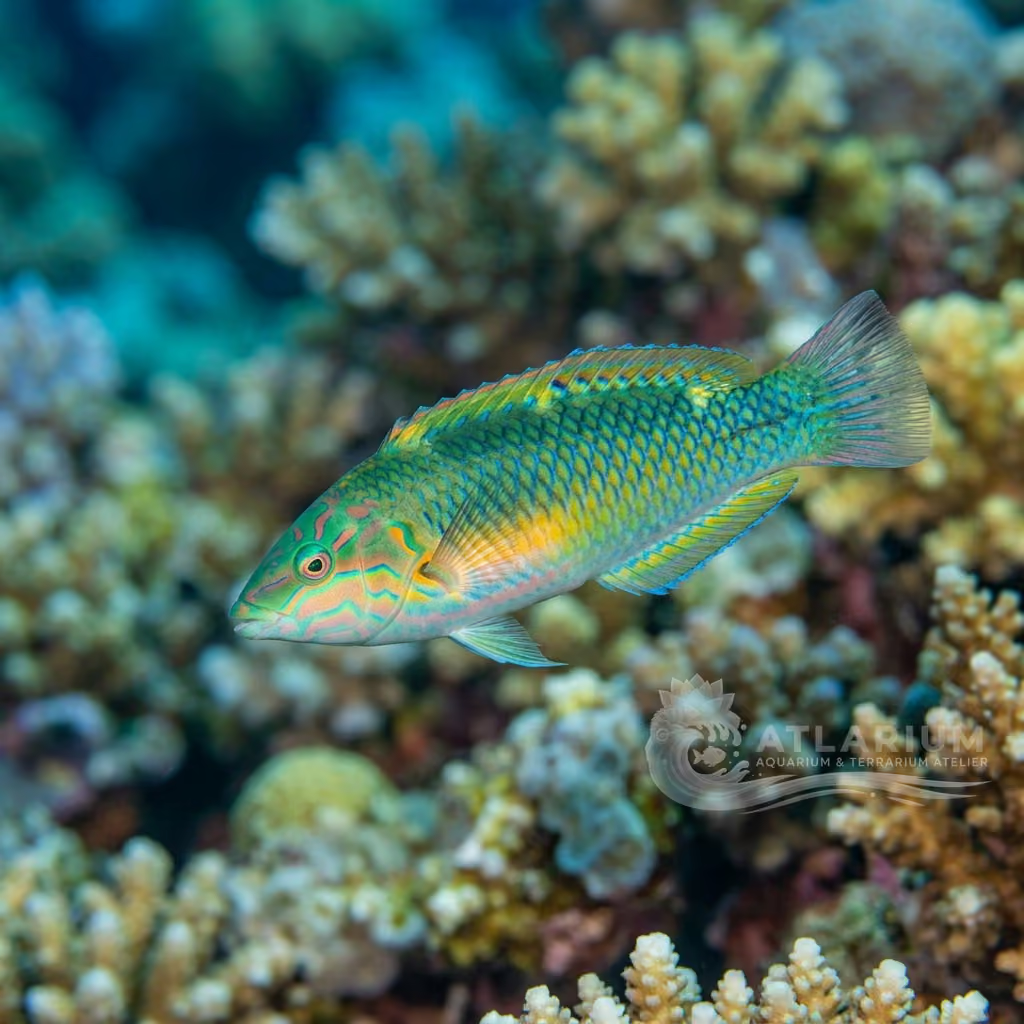
Painted Wrasse
Halichoeres pictus
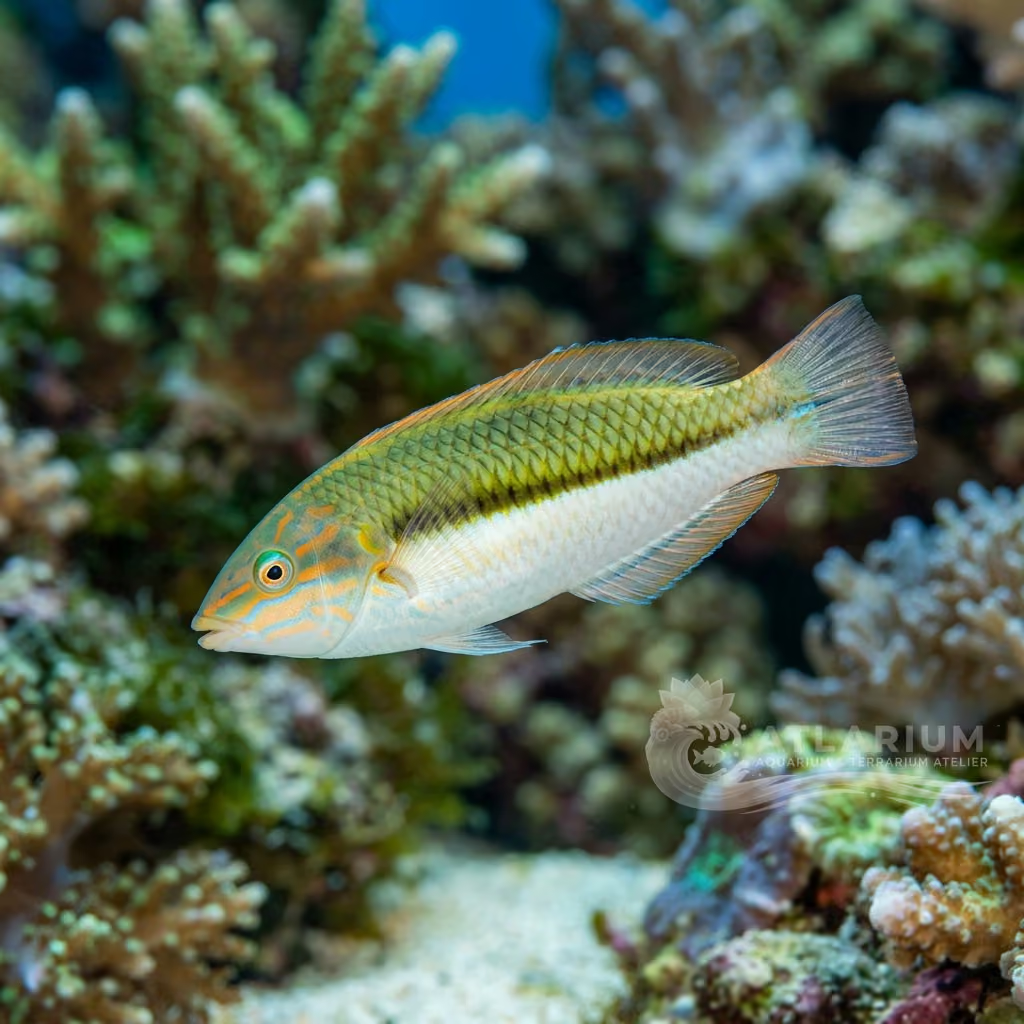
An active Western Atlantic wrasse featuring a slender, colorful body. It is constantly in motion during the day and requires a 150-200L tank with a deep, fine sand bed (5-8cm) to burrow into at night.
Temperatura da água
22 - 27 °C
Valor de pH
8.1 - 8.4
Tipo de água
Marinho
Nível do tanque
Parte inferior e intermediária
Tamanho adulto
13 cm
Volume mínimo do tanque
>= 200 L
Grupo mínimo
>= 1

Descrição da espécie
Geographical Origin and Habitat: Widespread throughout the Western Atlantic, including Florida, the Gulf of Mexico, the Caribbean Sea, and south to northern South America. It inhabits shallow outer reefs, seaward slopes, and coral-rich lagoons, typically at depths of 5 to 25 meters.
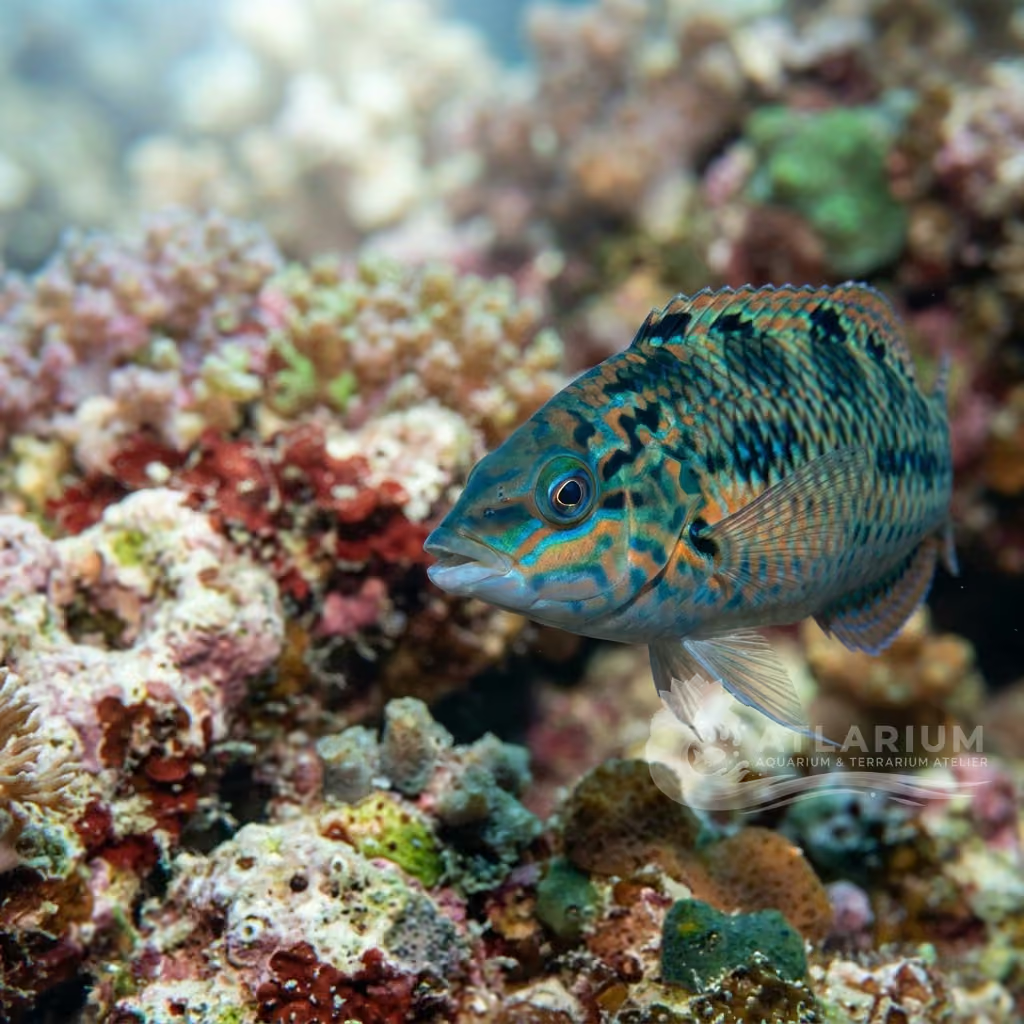
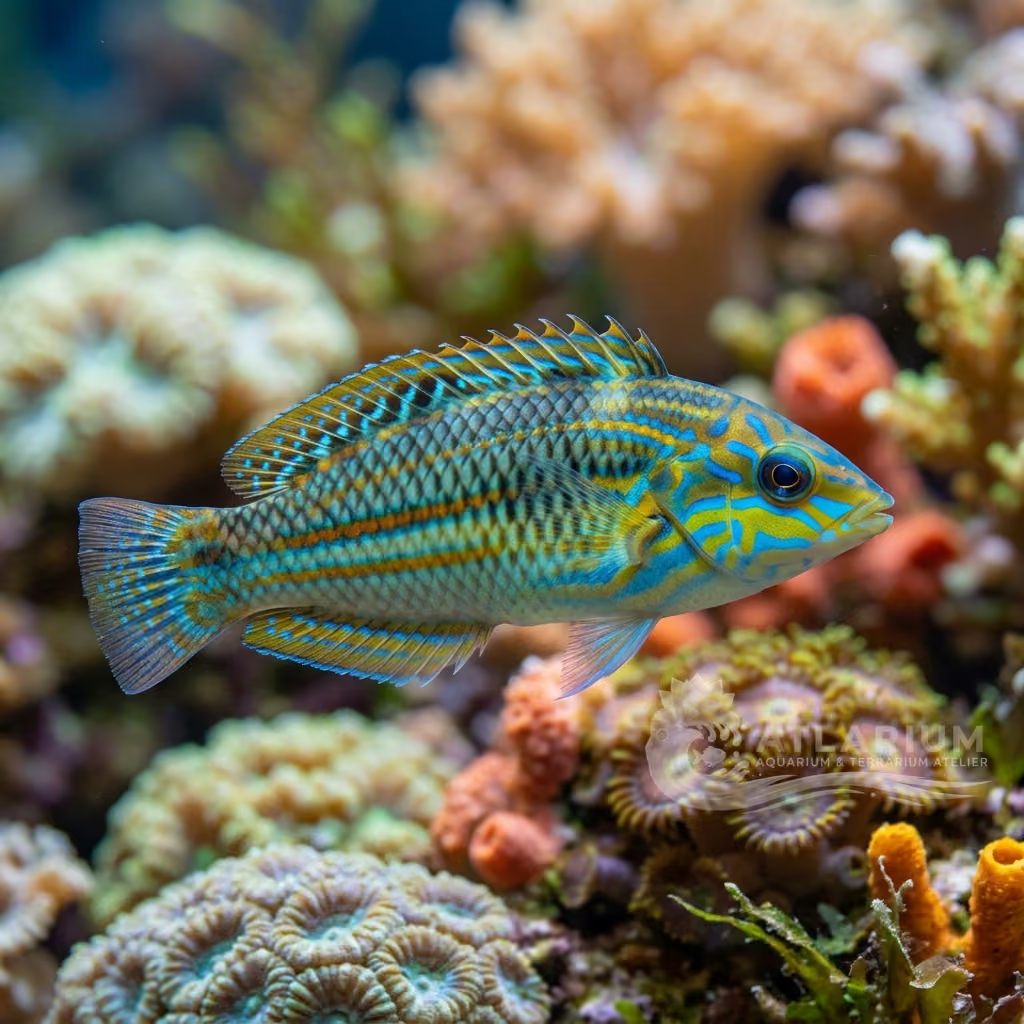
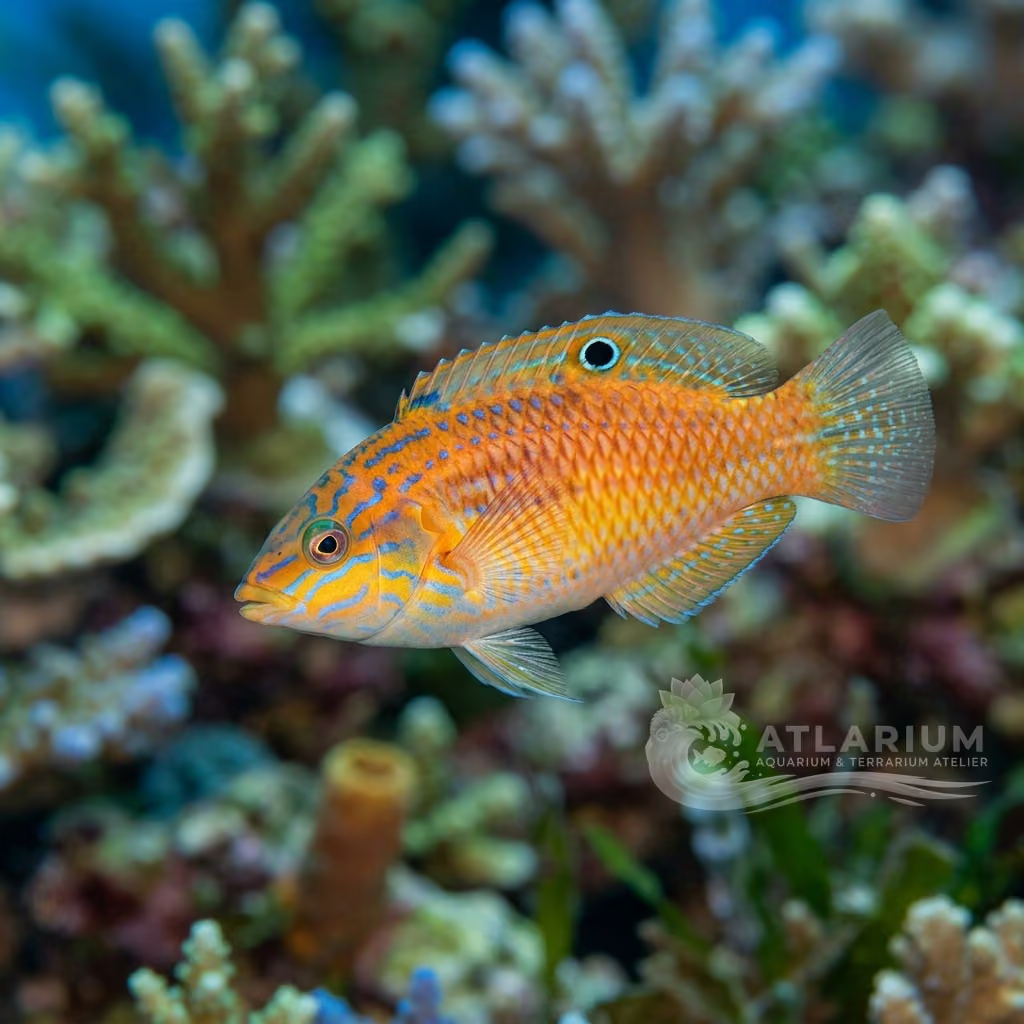
Taxonomy and Morphology: Belongs to the family Labridae and the genus Halichoeres. Features an elongated, slender body with a pointed snout. Adult specimens reach a maximum length of about 12 to 13 centimeters.
Social Behavior: Peaceful, active, and constantly in motion during daylight hours. It exhibits the characteristic behavior of burying itself completely in the sand bed to sleep at night or to escape perceived threats when startled.
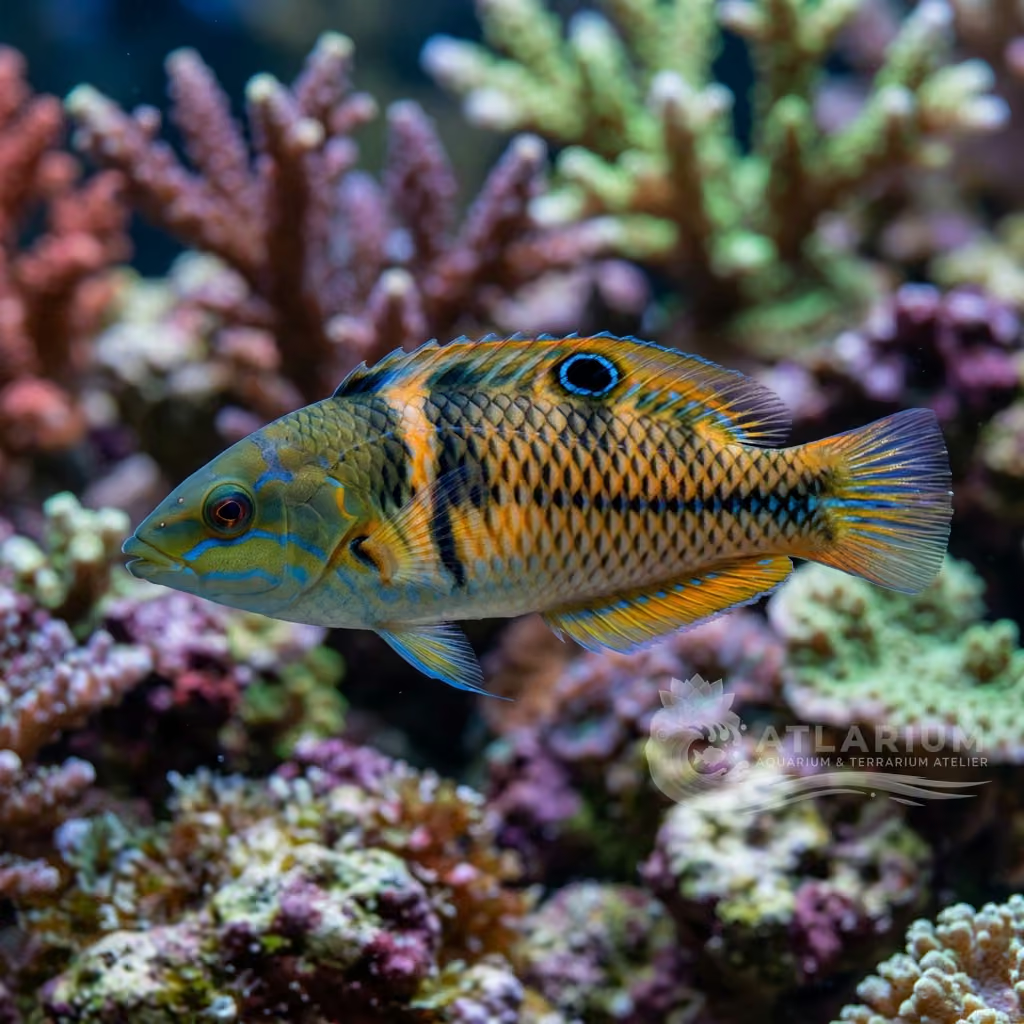
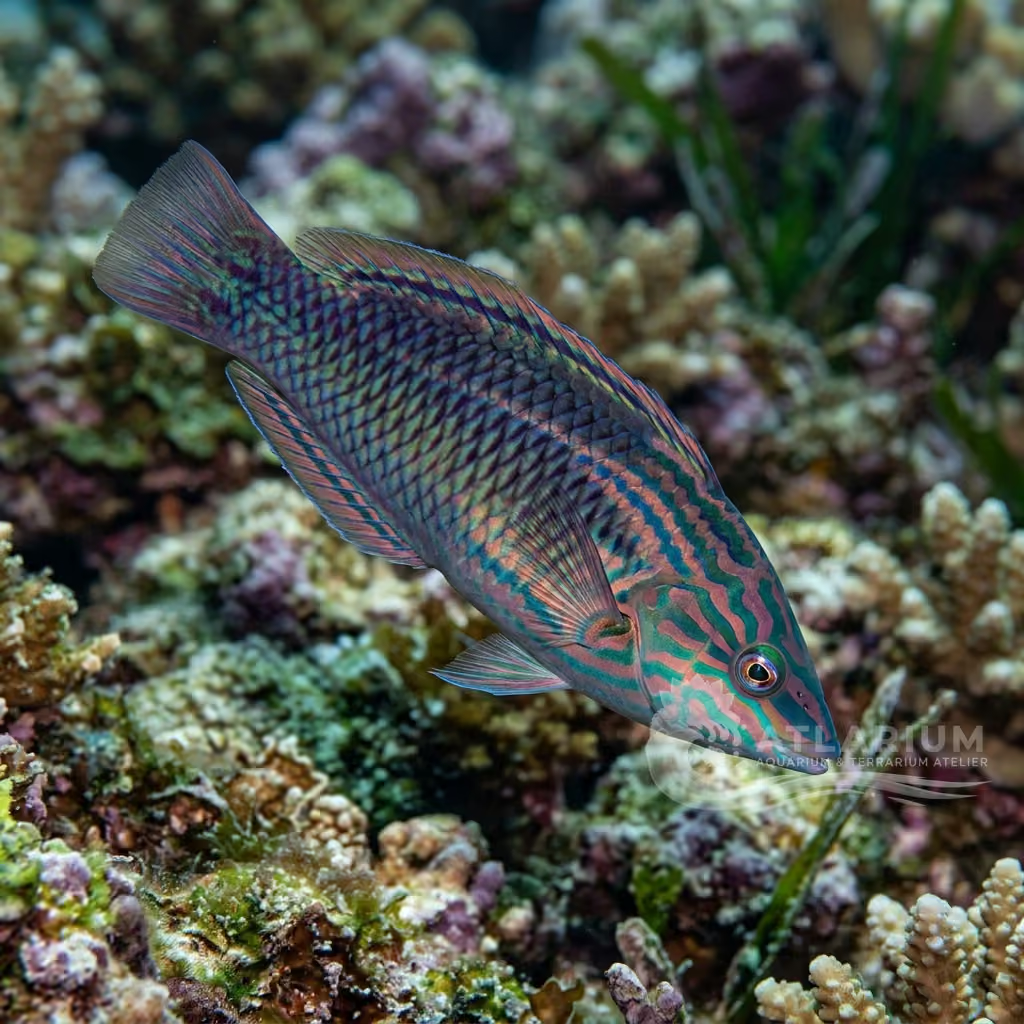
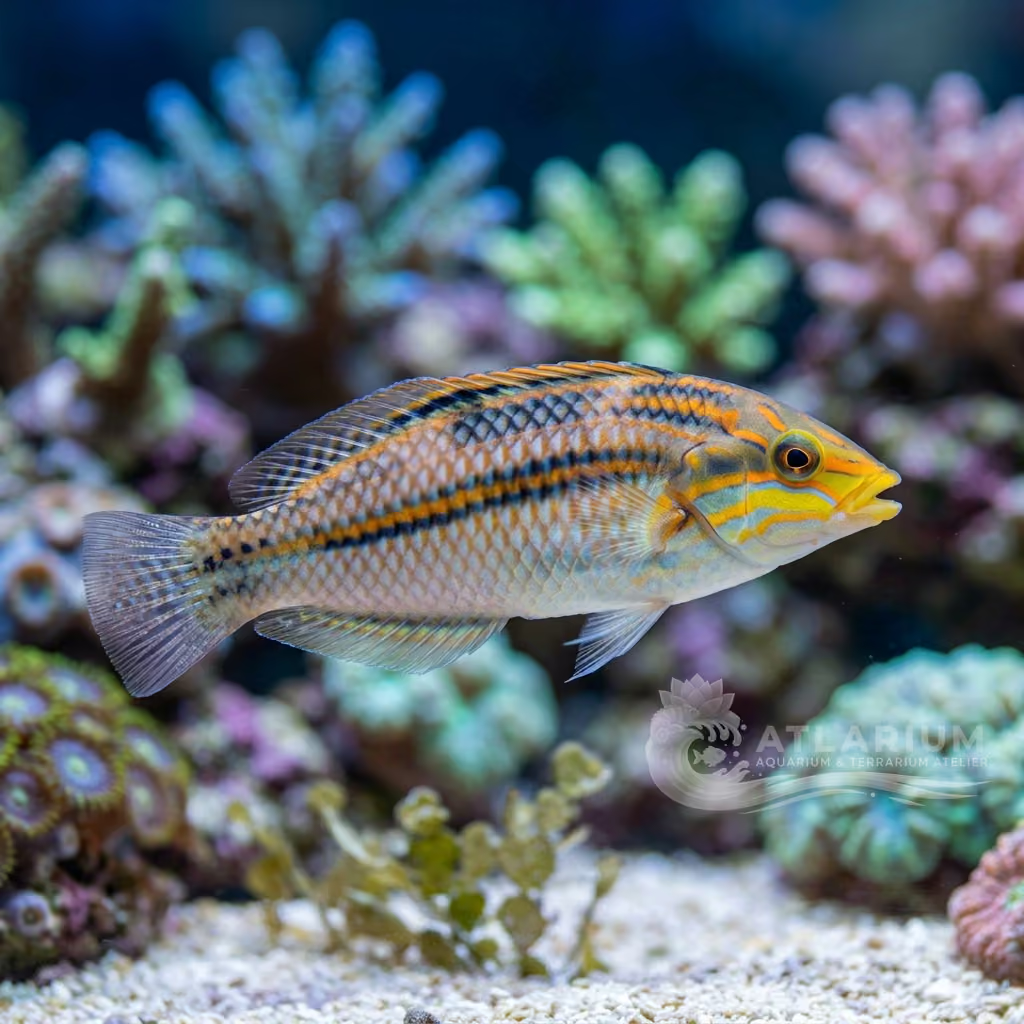
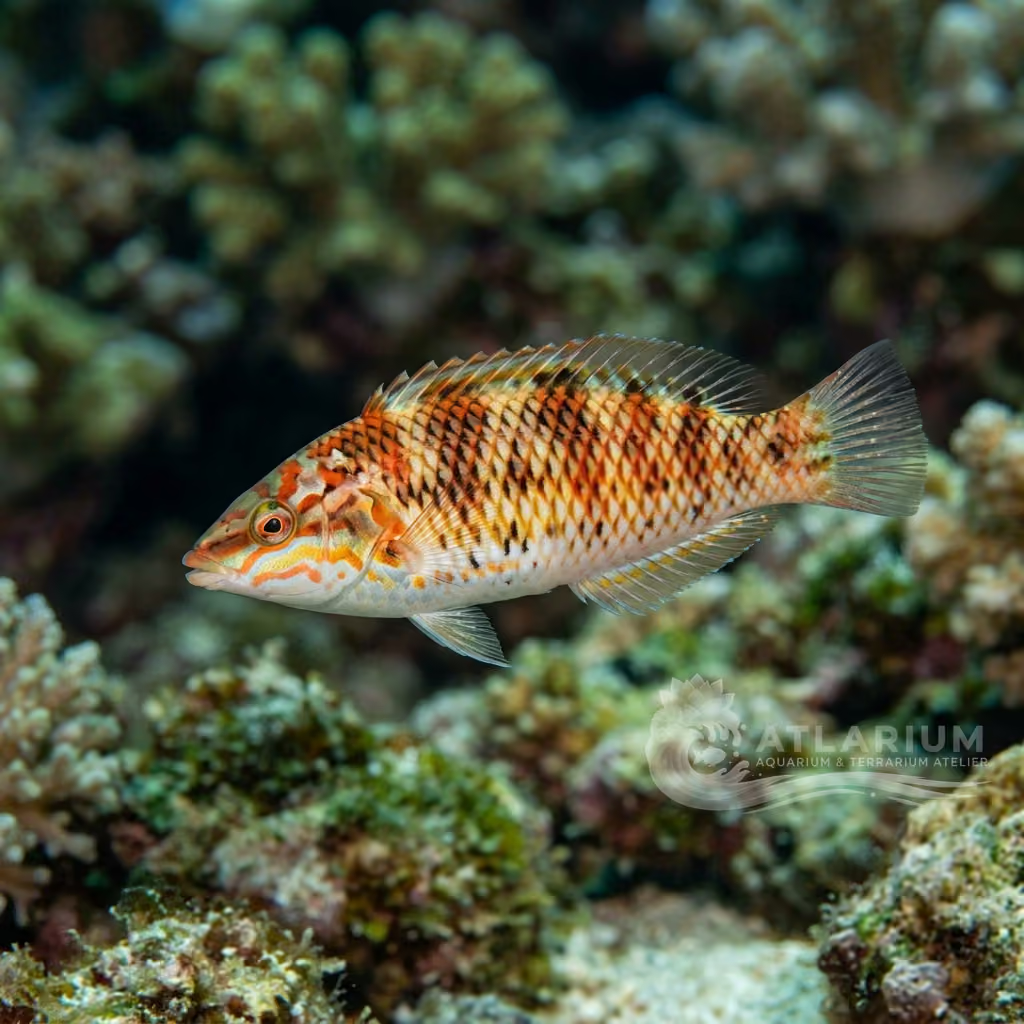
Coloration and Sexual Dimorphism: Juveniles and females display a silver-white body with horizontal brownish or yellowish stripes along the sides. Terminal phase adult males display a colorful livery with pink, green, and blue hues, and ornate fins with red highlights.

Cuidado, criação e companheiros de tanque
Aquarium Setup: An aquarium of at least 150-200 liters is required. It is critically important to provide a fine sand bed of at least 5 to 8 cm in depth for burrowing; gravel or coarse substrate will injure the fish. Provide plenty of live rock for foraging.
Diet and Feeding: Active carnivore. Naturally feeds on small benthic invertebrates; in captivity, feed a varied diet of high-quality frozen foods like mysis, brine shrimp, chopped krill, and table shrimp. Once acclimated, they will accept dry pellets.
Water Quality: Requires stable marine parameters: temperature of 23-27 °C, pH of 8.1-8.4, and a specific gravity of 1.020-1.025. Maintain low nitrate levels and high oxygenation using an efficient protein skimmer and powerheads.
Compatibility and Cohabitation: Excellent reef tank resident. Completely safe with corals. However, it may prey on small ornamental crustaceans, feather dusters, and tiny snails. House with other peaceful reef fish; avoid aggressive predators.
Aquarium Breeding: Breeding in home aquariums is not documented. They are pelagic spawners, releasing gametes into the water column. Culturing the tiny pelagic larvae is extremely difficult and requires controlled lab setups.
Risks and Diseases: Physical damage to the snout can occur if they try to burrow into coarse gravel. They are also prone to jumping out of open aquariums; a tight-fitting mesh lid or glass cover is highly recommended to prevent escape.

Origem e distribuição geográfica
Widespread throughout the Western Atlantic, including Florida, the Gulf of Mexico, the Caribbean Sea, and south to northern South America. It inhabits shallow outer reefs, seaward slopes, and coral-rich lagoons, typically at depths of 5 to 25 meters.
Origem
Oceanos tropicais e recifesExtra-Amazônica América do SulAmérica Central e CaribeAmérica do Norte

Perfil de peixe
- Temperamento
- Peaceful
- The Halichoeres pictus exhibits a generally peaceful but incredibly active and curious temperament. They are constantly on the move, inspecting every crevice of the aquarium for potential food items. While they don't usually bother other fish, their active nature and potential to eat invertebrates should be carefully considered when choosing tank mates.
- Dieta
- Carnivore
- The Halichoeres pictus is a specialized benthic predator that constantly scours the live rock and substrate for food. Its natural diet consists of small crustaceans, mollusks, and various polychaete worms. In the home aquarium, they eagerly accept a wide variety of frozen meaty foods, high-quality pellets, and marine flakes.
- Expectativa de vida
- 5-8 years
- Tamanho adulto
- 13 cm
- Proporção sexual
- Solitary
- Keeping the Halichoeres pictus singly or as a male-female pair is typically the best approach in most home aquariums. While keeping a harem of one male and multiple females is possible, it requires a significantly large tank. Adding multiple males of the same species almost always leads to severe aggression and territorial disputes.
- Frequência de alimentação
- Twice daily
- To sustain its active foraging lifestyle, the Halichoeres pictus requires regular feeding. Offering varied meals two to three times daily is considered optimal for their health and coloration. Ensuring they have a steady food supply also helps curb their appetite for beneficial invertebrates in the reef tank.
- Carga biológica
- Medium
- The Halichoeres pictus contributes a moderate bioload to the marine aquarium system. They are active foragers with hearty appetites, which naturally results in a fair amount of waste production. Maintaining a robust filtration system, including a good protein skimmer, is necessary to handle their bioload.
- Fluxo
- Strong
- The Halichoeres pictus appreciates a moderate to strong water flow throughout the aquarium. This water movement helps to keep the environment oxygenated and mimics the dynamic conditions of their natural reef habitats. Good flow also aids in keeping detritus suspended for the filtration system to remove.
- Risco de salto
- Yes
- Similar to many other wrasses, the Halichoeres pictus is a notorious jumper and poses a significant risk of escaping the tank. They can easily be spooked by tank maintenance or sudden shadows. A secure and completely enclosed canopy or a tight-fitting mesh lid is an absolute necessity when housing these active fish.
- Reprodução
- Protogynous hermaphrodite
- The Halichoeres pictus shares the trait of being a protogynous hermaphrodite, beginning its life as a female. The largest and most dominant female will transition into a male if one is not present. Captive breeding has proven to be extremely difficult due to their complex mating rituals and challenging larval development stages.
- Compatibilidade e companheiros de tanque
- With caution
- While the Halichoeres pictus is generally peaceful towards other fish, its compatibility with invertebrates is a mixed bag. They are excellent at pest control, readily consuming flatworms, pyramidellid snails, and bristle worms. However, as they grow larger, they may also start to view desirable ornamental shrimp, small snails, and feather dusters as a food source.
- Nível do tanque
- Middle/Bottom
- The Halichoeres pictus is highly active and utilizes all levels of the aquarium, from the bottom substrate to the mid-water column. They spend their days constantly swimming and hunting for prey among the rockwork and sandbed. Notably, they require a deep, fine sandbed, as they will bury themselves in the sand to sleep at night or when frightened.

Modelos e parâmetros científicos
FishBase
Acesso aos dados científicos oficiais da espécie
FishBase v25.04Dados sincronizados em: 15/06/2026
- Nível trófico
- 3,5 ± 0,37 se
- Resiliência
- Alta (menos de 15 meses)
- Unicidade filogenética (PD50)
- 0.5
- Relação bayesiana comprimento-peso
- a = 0.01, b = 3.09
- VulnerabilidadeVulnerabilidade baixa (10 / 100)

Espécies relacionadas
Recomendações agrupadas por parentes próximos, escolhas de acompanhantes e cuidados semelhantes.