Scott's wrasse
Cirrhilabrus scottorum
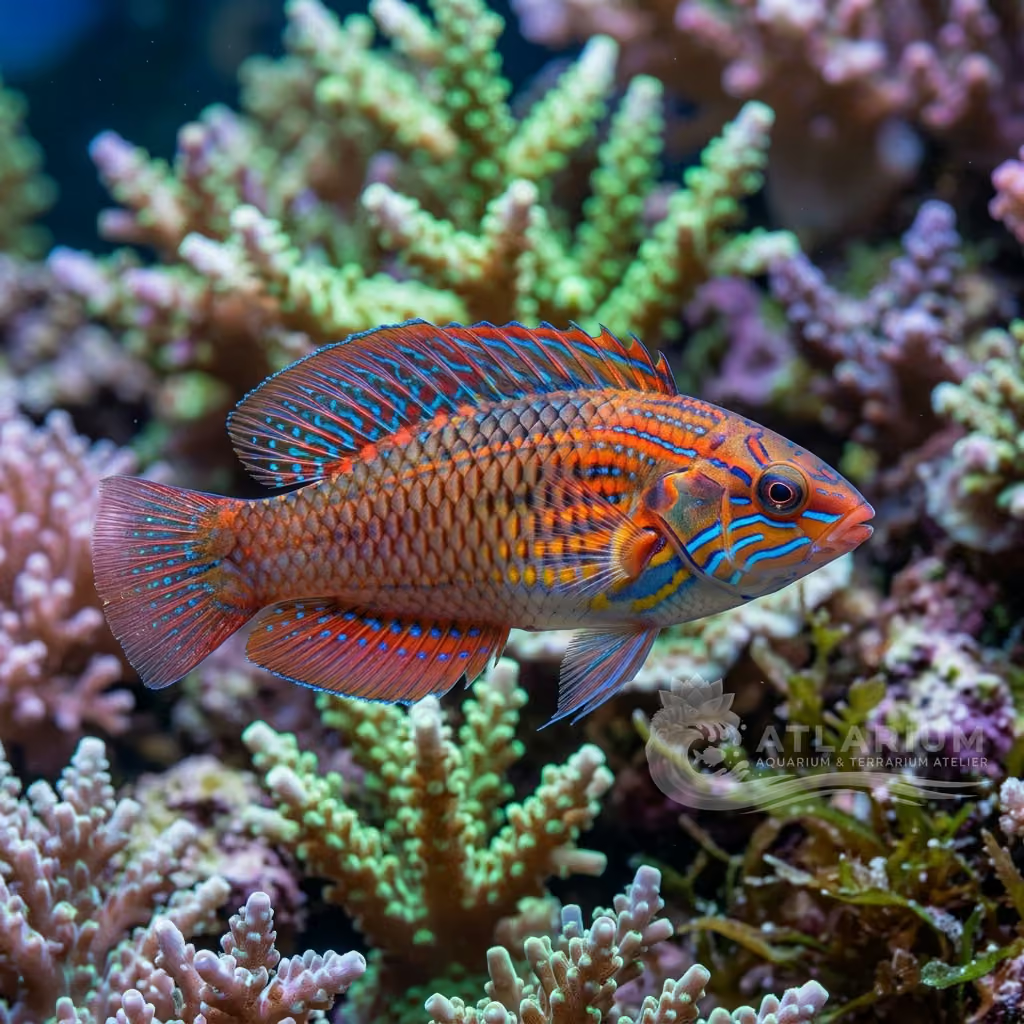
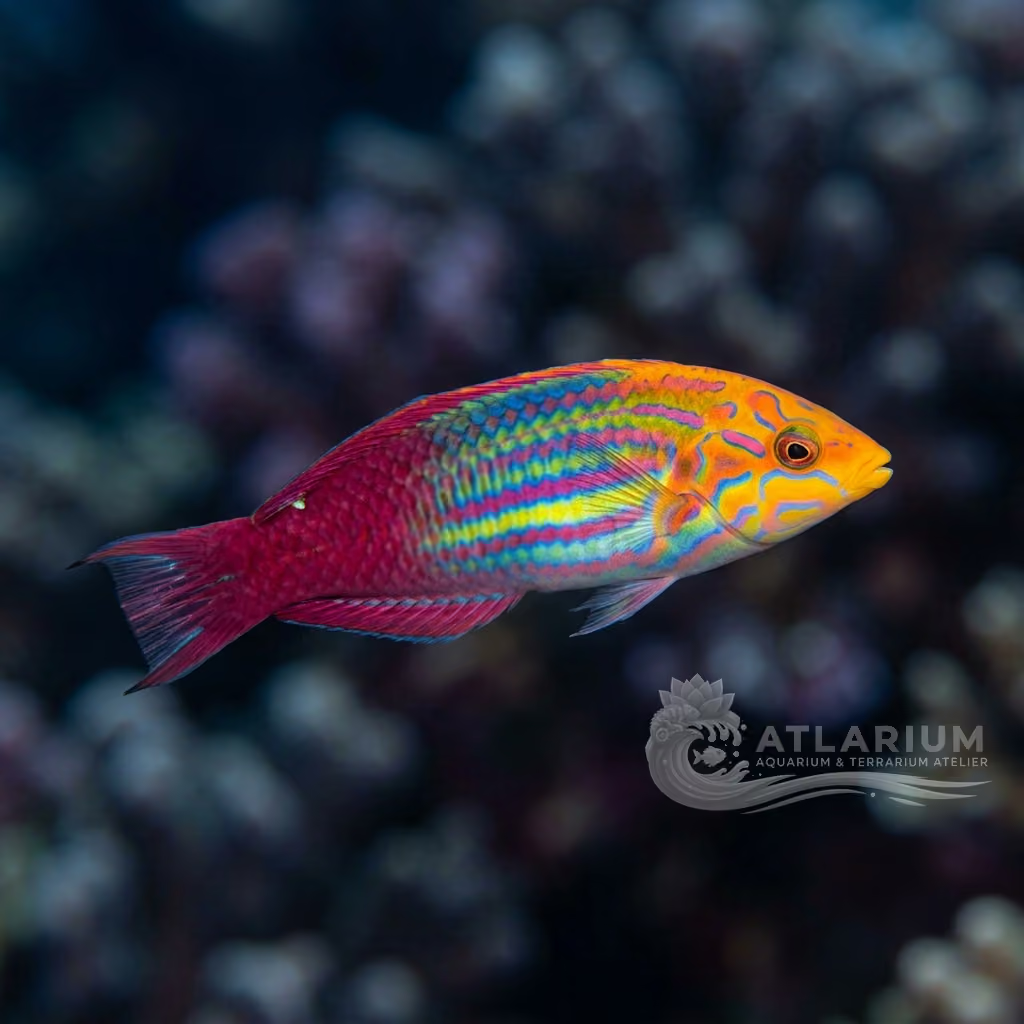
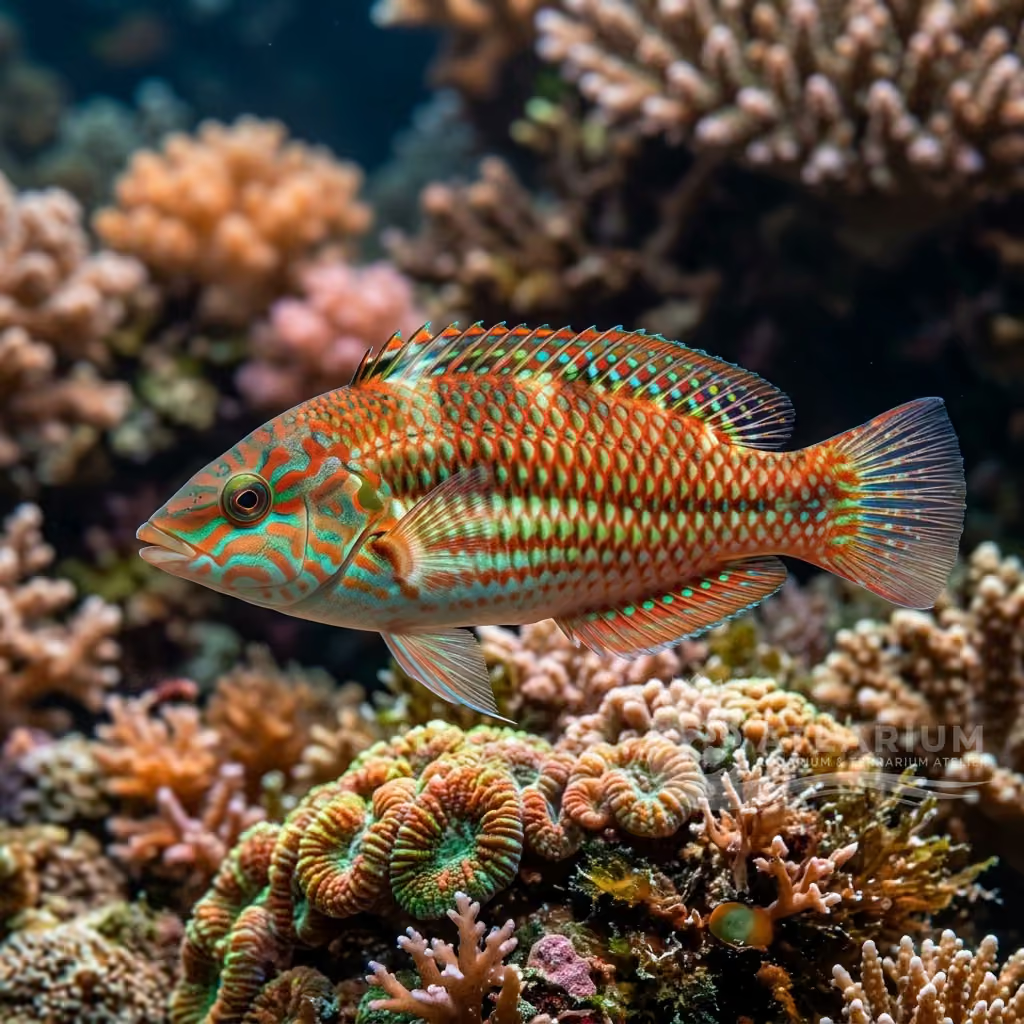
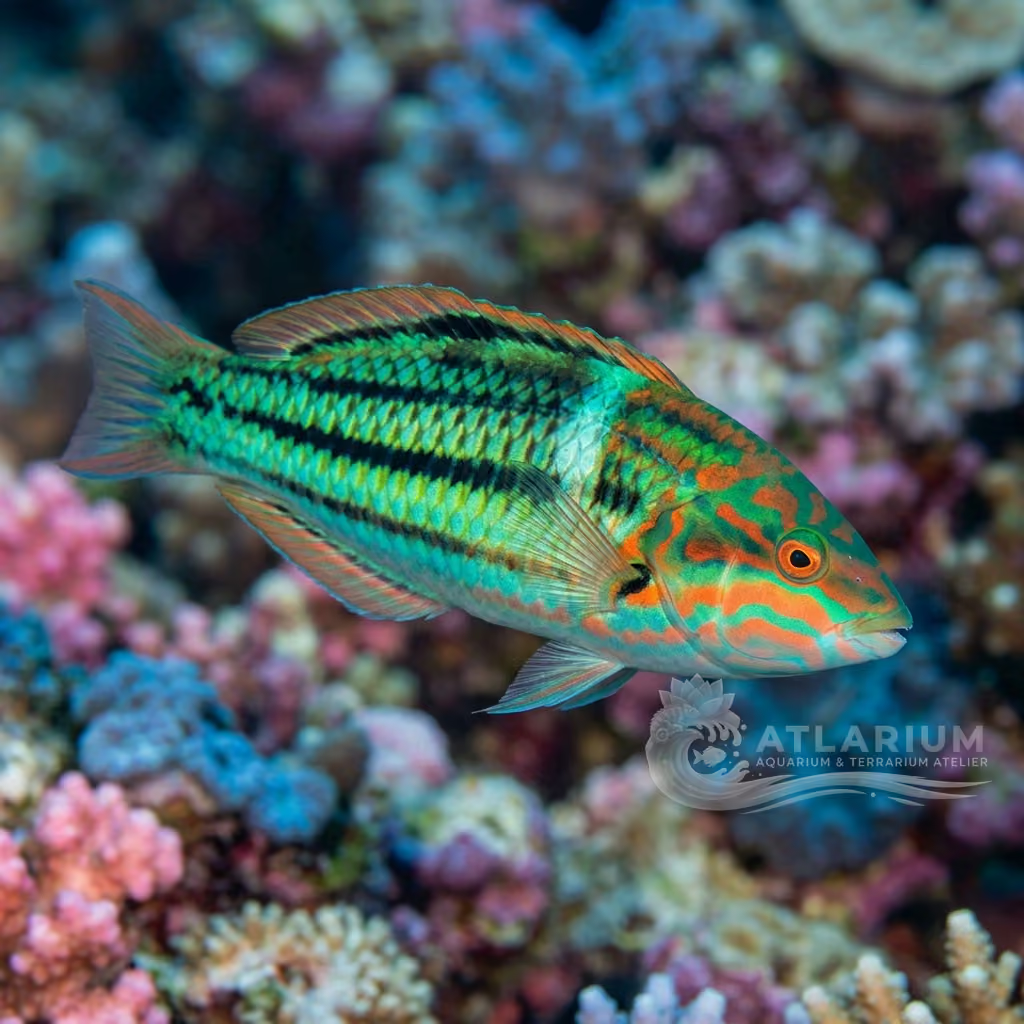
Scott's Fairy Wrasse is a robust, colorful species from the South Pacific with a distinct red flank patch on dominant males. Needs ample space and a heavy, jump-proof lid.
Temperatura da água
22 - 26 °C
Valor de pH
8.1 - 8.4
Tipo de água
Marinho
Nível do tanque
Parte inferior e intermediária
Tamanho adulto
13 cm
Volume mínimo do tanque
>= 200 L
Grupo mínimo
>= 1
KH
8 - 12 dKH

Descrição da espécie
Geographical Origin and Habitat: This species is native to the South Pacific Ocean, distributed mainly across the reef systems of the Cook Islands, French Polynesia, Fiji, Tonga, and the Great Barrier Reef in Australia. It inhabits outer reef slopes and clear drop-offs adjacent to lagoons, preferring areas with strong water currents and depths ranging from 10 to 40 meters.
Taxonomy and Morphology: Cirrhilabrus scottorum belongs to the Labridae family. It features a slender, elongated body characteristic of fairy wrasses in the genus Cirrhilabrus. Its eyes are large with a double pupil, and its long dorsal and anal fins can be erect during courtship displays. It reaches a maximum adult length of about 13 cm, making it one of the larger members of its genus.
Social Behavior: It is an active, diurnal fish that swims constantly above coral heads in search of food. It lives in structured colonies consisting of a single dominant male and a harem of several females and juveniles. While peaceful toward fish of other families, males are territorial and aggressive toward other males of their own species or closely related wrasses.
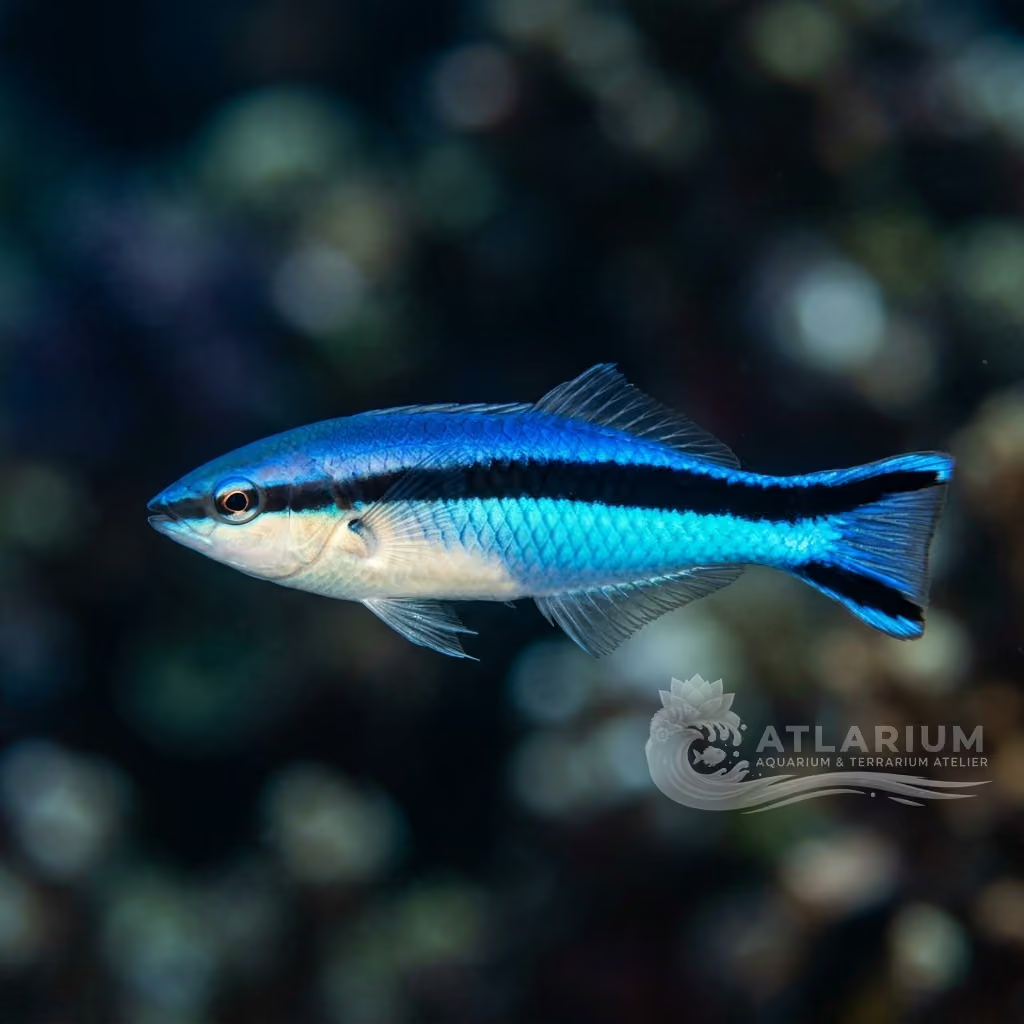
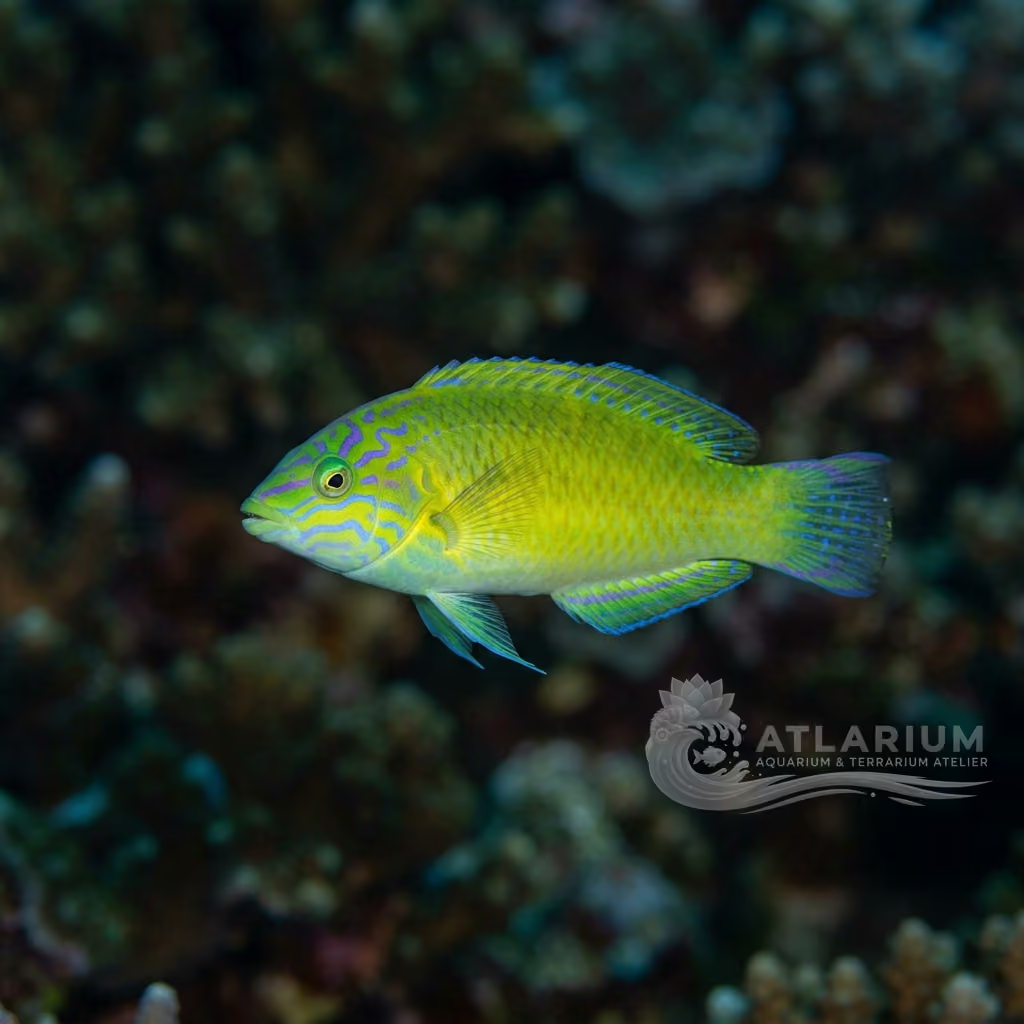
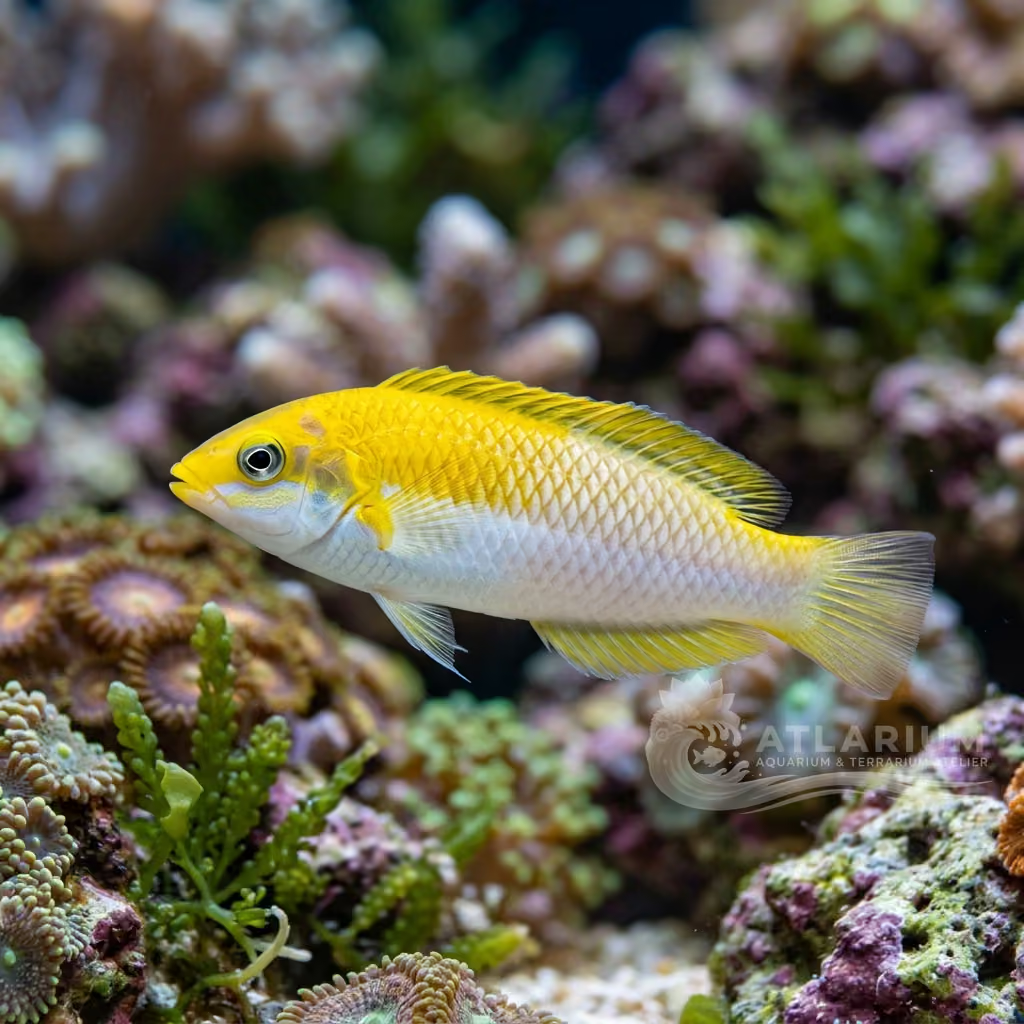
Coloration and Sexual Dimorphism: Sexual dimorphism is spectacular. Adult males display a dark blue-green or blackish base coloration, highlighted by a large red or orange patch on their sides, a red-and-black-edged dorsal fin, and elongated pelvic fins. Females and juveniles are much less colorful, showing mostly reddish-pink hues and lacking the characteristic red lateral patch of dominant males.

Cuidado, criação e companheiros de tanque
Aquarium Setup: Requires a spacious aquarium of at least 250-300 liters with plenty of open swimming space. Like all fairy wrasses, it is an exceptional jumper, and the tank must be strictly covered with a mesh lid or glass top. The aquascape should include plenty of live rock arranged to create caves and crevices for night shelter and retreat when startled.
Diet and Feeding: It is a zooplanktivorous carnivore that is easy to feed in captivity. It readily accepts frozen foods such as mysis, brine shrimp, finely chopped krill, and fish eggs. It also adapts quickly to high-quality dry pellets or flakes. To preserve the vibrancy of their colors, it is recommended to enrich their food regularly with vitamin supplements and omega-3 fatty acids.
Water Quality: It prefers clean, highly oxygenated water with strong flow provided by wavemakers. The ideal parameters are: temperature between 23°C and 26°C, pH between 8.1 and 8.4, and salinity between 1.020 and 1.025. Nitrate levels should be kept below 20 ppm through regular water changes and the use of an efficient protein skimmer.
Compatibility and Cohabitation: It is reef-safe and does not harm corals, clams, or anemones, though it may occasionally prey on very small ornamental shrimp if hungry. It coexists well with peaceful reef fish such as anthias, gobies, surgeonfish, and clownfish. Avoid housing them with other males of the same genus or highly aggressive fish that may intimidate them.
Aquarium Breeding: Breeding in captivity is very rare and challenging due to the delicate nature of the larvae. They are protogynous hermaphrodites. Courtship occurs at dusk, when the dominant male performs mating displays, flashing vibrant colors to attract a female. The fertilized eggs float in the water column and hatch in approximately 24 hours.
Risks and Diseases: The greatest risk is jumping out of the tank, which is often fatal. They are sensitive to external parasitic infections (Cryptocaryon and Oodinium) if introduced into an unstable or stressful system. Drip acclimation should be slow and progressive, and keeping the tank lights off during introduction helps reduce visual stress.

Origem e distribuição geográfica
This species is native to the South Pacific Ocean, distributed mainly across the reef systems of the Cook Islands, French Polynesia, Fiji, Tonga, and the Great Barrier Reef in Australia. It inhabits outer reef slopes and clear drop-offs adjacent to lagoons, preferring areas with strong water currents and depths ranging from 10 to 40 meters.
Origem
Oceanos tropicais e recifesAmérica do NorteAustrália, Nova Guiné e Oceania

Perfil de peixe
- Temperamento
- Aggressive
- Cirrhilabrus scottorum exhibits an active, bold, and sometimes dominant temperament. They may be shy initially but quickly become prominent open-water swimmers in the mid-levels of the tank. Compared to smaller fairy wrasses, they can be somewhat aggressive toward similar-looking wrasses and should be introduced last to minimize territorial disputes.
- Dieta
- Carnivore
- Cirrhilabrus scottorum is a carnivorous planktivore that requires a rich and varied diet. In captivity, they should be fed high-quality frozen foods, including mysis shrimp, vitamin-enriched brine shrimp, copepods, and lobster eggs. They will also readily accept commercial pellets and flake foods once acclimated. Supplementing their diet with fatty acids and vitamins helps maintain their dark, iridescent coloration.
- Expectativa de vida
- 5-8 years
- Tamanho adulto
- 13 cm
- Proporção sexual
- Harem
- Keep singly or as a single male with a group of females in large systems.
- Frequência de alimentação
- Twice daily
- Due to their larger size compared to other fairy wrasses and their high metabolism, Cirrhilabrus scottorum should be fed two to three times daily. Feeding small portions frequently reduces waste and prevents excess organic load in the aquarium. Consistent feeding also helps mitigate territorial aggression toward other reef inhabitants. Automated feeding systems can be very helpful.
- Carga biológica
- Medium
- Scott's Fairy Wrasse is one of the larger and bulkier members of the genus, significantly increasing its daily caloric needs. They require heavy, frequent feedings of high-quality proteins, which translates into a higher bioload than smaller wrasses. Maintaining excellent water quality through rigorous skimming and biological filtration is critical when housing this hearty eater.
- Fluxo
- Strong
- This wrasse prefers moderate to strong water flow, which mimics the currents of their native Great Barrier Reef and Coral Sea habitats. Active water flow keeps food suspended, encouraging natural foraging behaviors in the water column. However, the aquascape must include shaded caves and overhangs where the fish can rest and sleep safely at night.
- Risco de salto
- Yes
- Due to their larger size and powerful musculature, Scott's Fairy Wrasses can jump with incredible force, easily knocking off loose glass tops. They will jump aggressively if spooked by large tankmates or unexpected external movements. A very sturdy, tightly secured mesh top is mandatory to prevent this prized fish from escaping the aquarium.
- Reprodução
- Oviparous
- Like other members of its genus, Cirrhilabrus scottorum is a protogynous hermaphrodite, with the dominant female transitioning into a male when necessary. They are pelagic spawners that perform dynamic vertical rushes to release eggs and sperm into the open water. Breeding in home aquariums is undocumented due to the extreme difficulty of raising their microscopic pelagic larvae, which require specialized live feeds.
- Compatibilidade e companheiros de tanque
- Peaceful
- This species is 100% reef-safe and compatible with all corals, clams, and ornamental invertebrates. It coexists well with other peaceful but robust community fish. However, due to its larger size, Cirrhilabrus scottorum can be more assertive and territorial than other fairy wrasses. A tightly fitting cover or mesh lid is strictly mandatory to prevent the fish from jumping out.
- Nível do tanque
- Middle/Bottom
- Swims actively throughout the middle levels of the water column.

Modelos e parâmetros científicos
FishBase
Acesso aos dados científicos oficiais da espécie
FishBase v25.04Dados sincronizados em: 15/06/2026
- Nível trófico
- 3,4 ± 0,45 se
- Resiliência
- Alta (menos de 15 meses)
- Unicidade filogenética (PD50)
- 0.5
- Relação bayesiana comprimento-peso
- a = 0.01072, b = 3.03
- VulnerabilidadeVulnerabilidade baixa (10 / 100)

Espécies relacionadas
Recomendações agrupadas por parentes próximos, escolhas de acompanhantes e cuidados semelhantes.