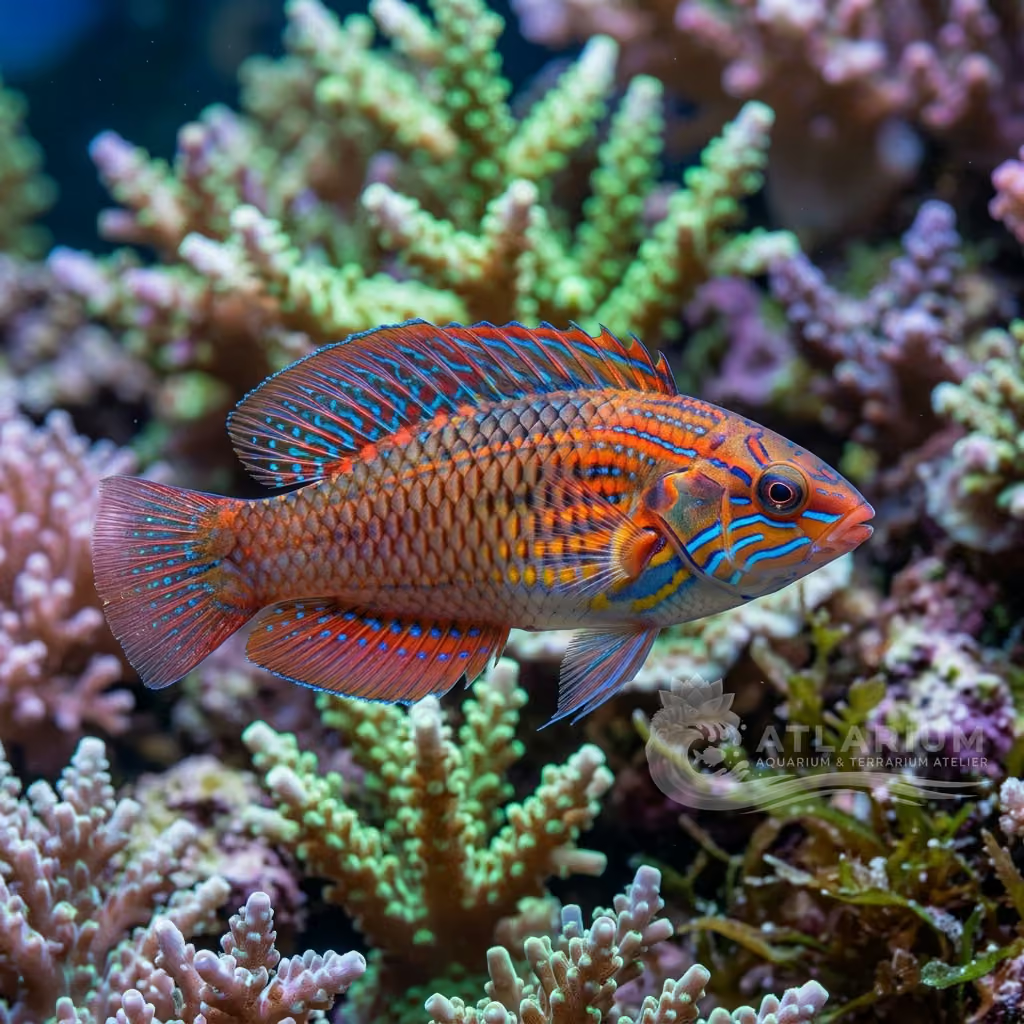
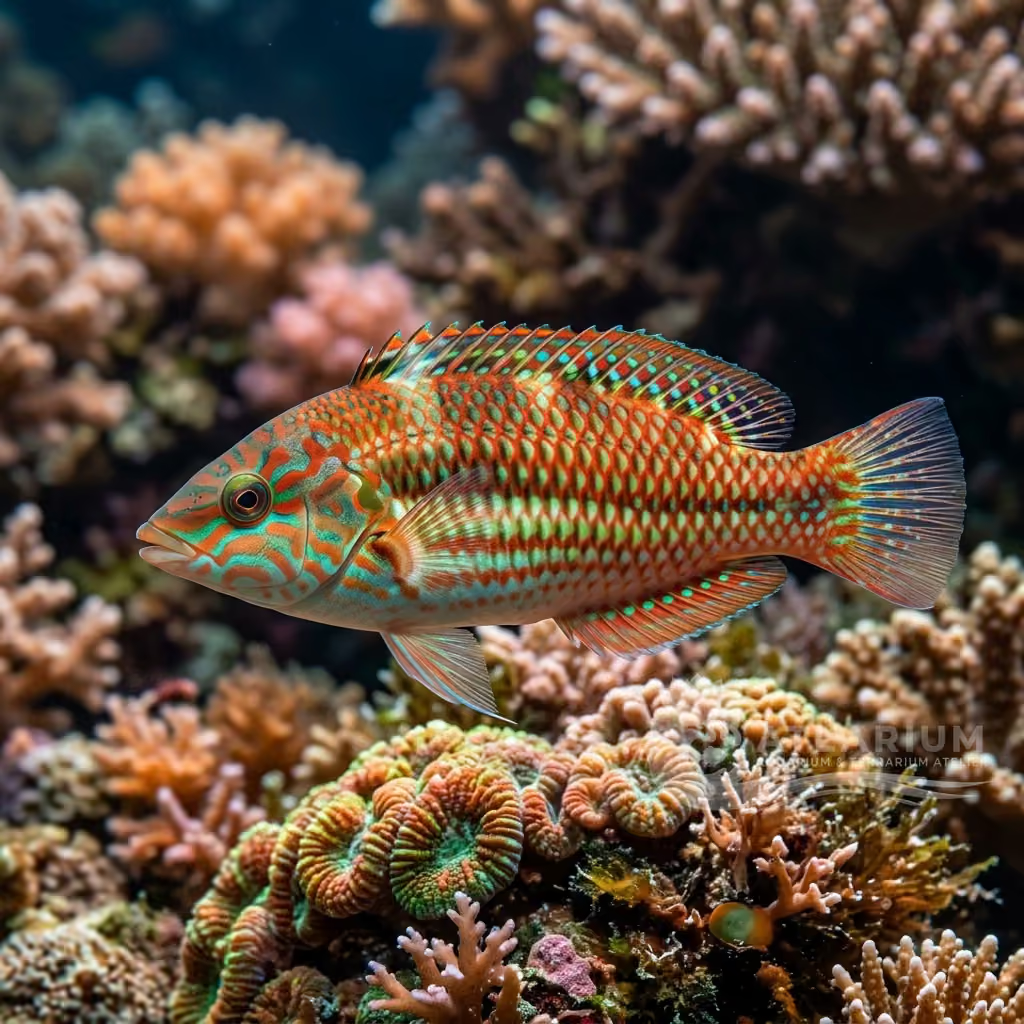
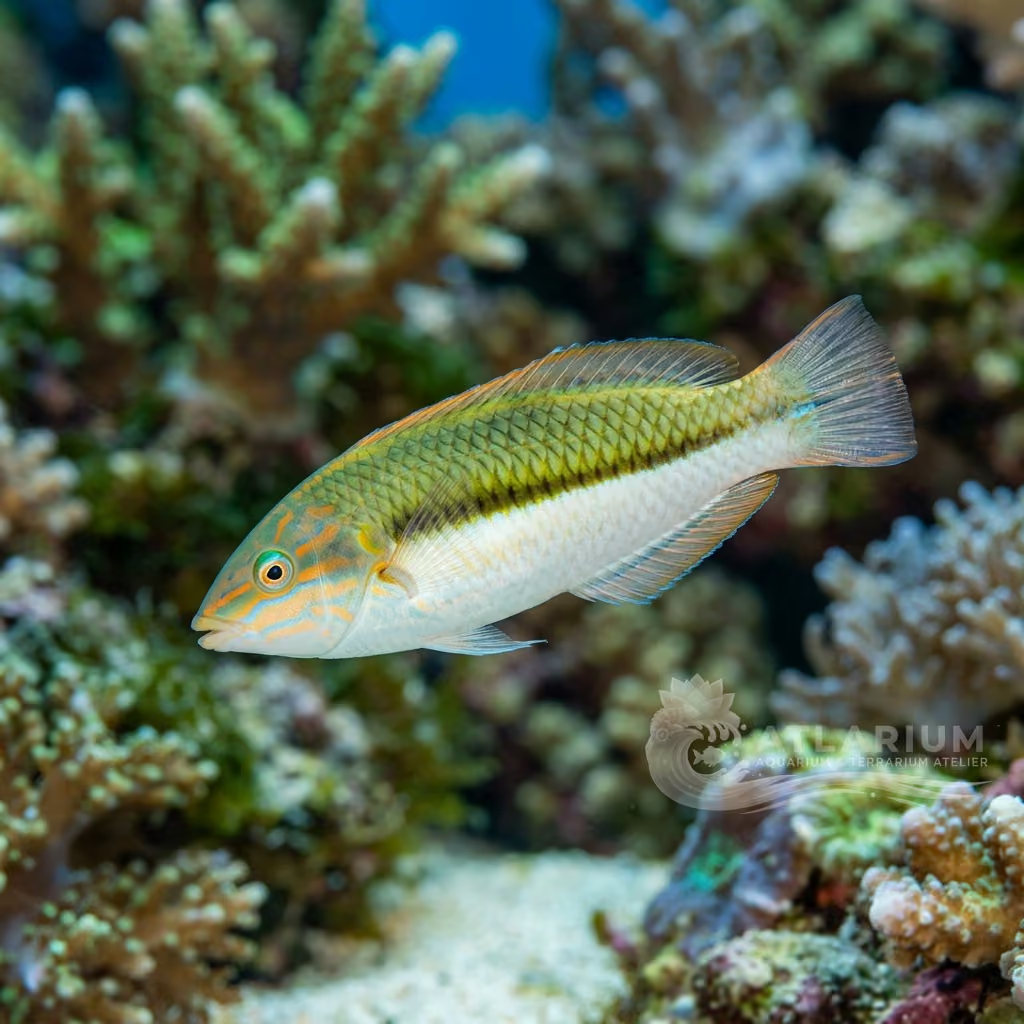
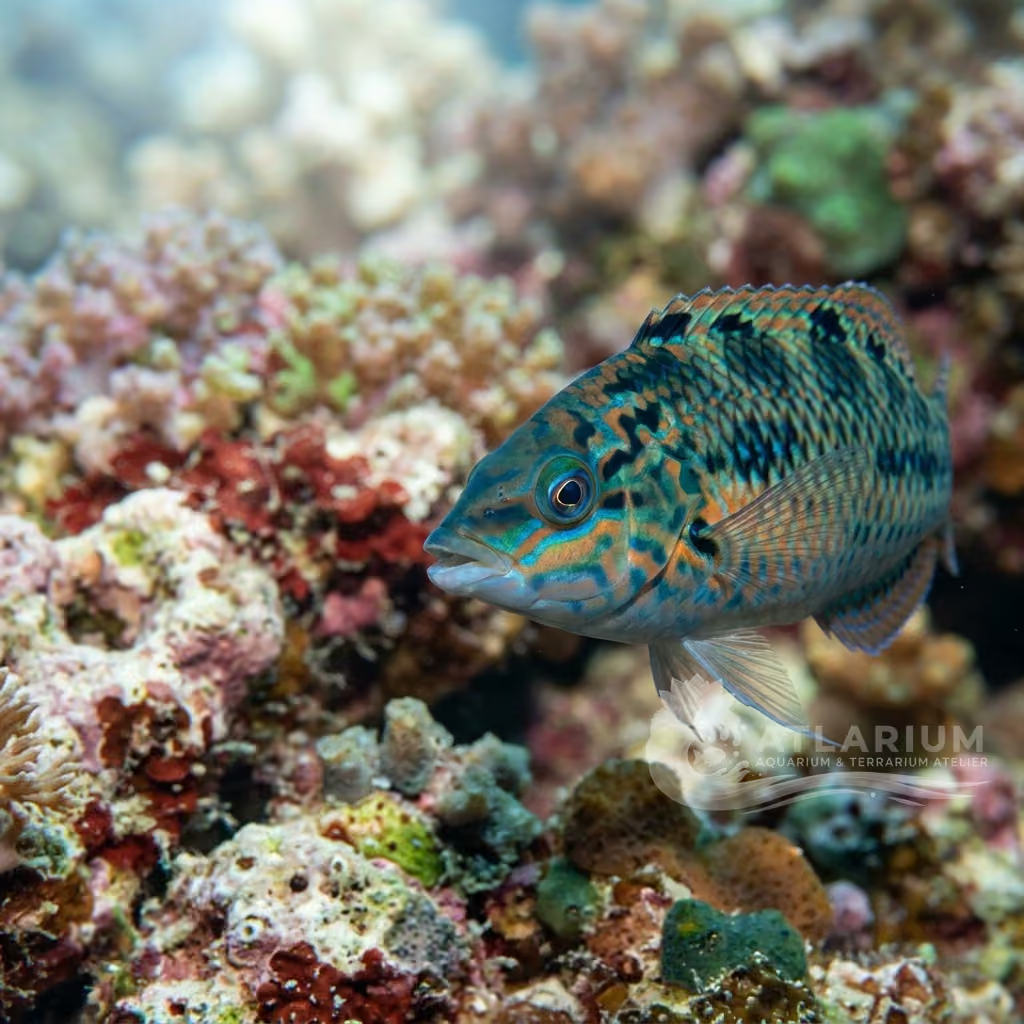
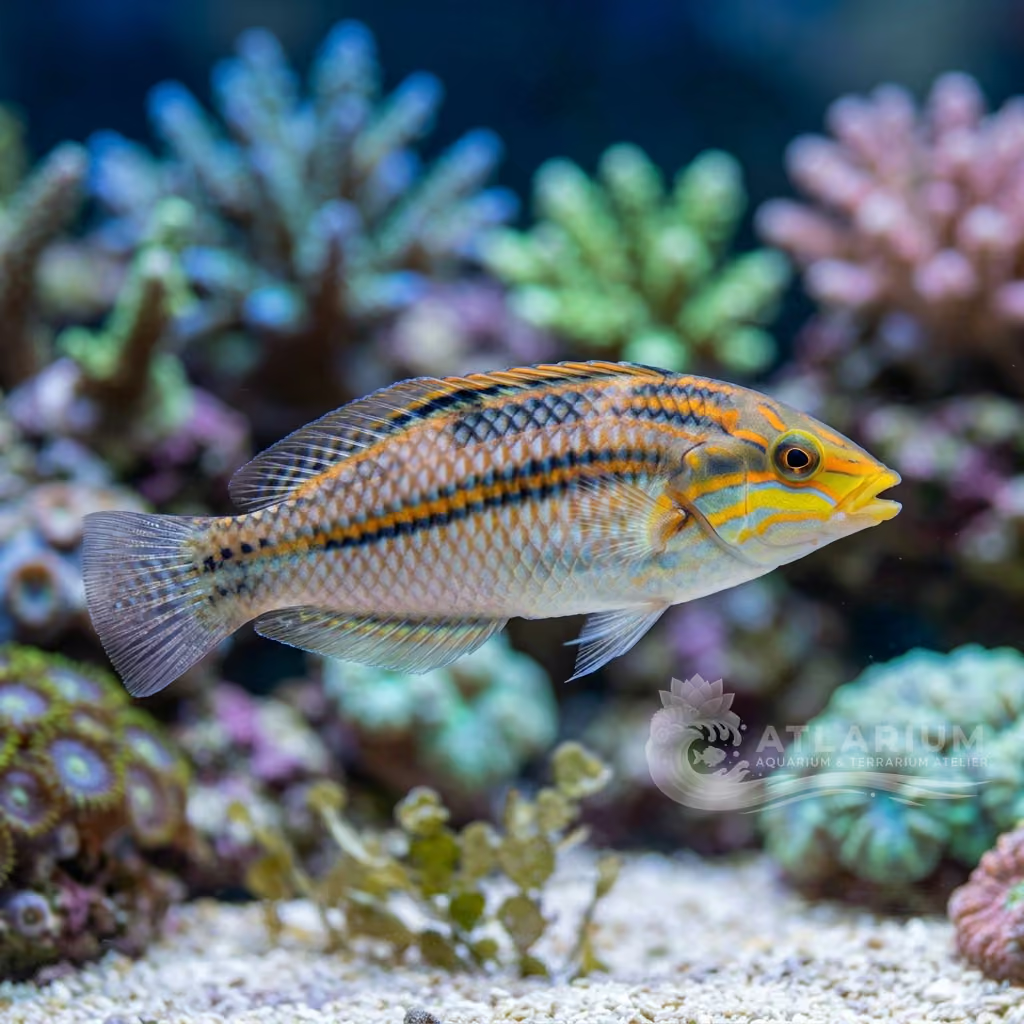
Gold-lined wrasse
Coris aurilineata
A colorful marine wrasse prized for its longitudinal golden stripes and its unique, natural behavior of burrowing into the sand bed for protection and sleep.
Temperatura da água
22 - 26 °C
Valor de pH
8.1 - 8.4
Tipo de água
Marinho
Nível do tanque
Todos os níveis
Tamanho adulto
14 cm
Volume mínimo do tanque
>= 250 L
Grupo mínimo
>= 1
KH
8 - 12 dKH

Descrição da espécie
Geographical Origin and Habitat: The Gold-lined wrasse is native to the warm waters of the Western Pacific Ocean. It is commonly found throughout the Great Barrier Reef, the Coral Sea, and extends northwards to the Ryukyu Islands of southern Japan. It primarily inhabits shallow protected reefs, lagoons, and sandy flats mixed with coral rubble at depths ranging from 1 to 20 meters.
Taxonomy and Morphology: Belonging to the family Labridae and the genus Coris, this species features an elongated, cylindrical, and highly streamlined body shape that facilitates quick movement and burrowing. Its terminal mouth is equipped with small, projecting canine teeth optimized for capturing benthic prey. Adults typically reach a maximum length of 14-16 cm.
Social Behavior: This wrasse is active during the day and is a continuous swimmer. It is mostly solitary and displays territorial behavior towards other males of the same species. It generally coexists peacefully with other fish families. At dusk or when startled, it dives headfirst into the sand bed, remaining completely buried until the next morning.
Coloration and Sexual Dimorphism: The body displays a green to bluish-green background striped longitudinally with bright yellow-golden bands. Sexual dimorphism is visible in mature specimens: dominant males show intensified coloration, with purple or reddish markings on the head and a dark spot near the pectoral fin base, whereas females and juveniles retain simpler, well-defined golden lines.

Cuidado, criação e companheiros de tanque
Aquarium Setup: A well-established marine aquarium of at least 300 liters (approximately 80 gallons) is required. The most critical requirement is a deep sand bed of at least 8-10 cm using fine, non-abrasive sand (such as soft aragonite) to support their burrowing needs. Rockwork must be securely anchored to the tank bottom to prevent collapses caused by their digging habits.
Diet and Feeding: Carnivorous and opportunistic predator. In the wild, it feeds on small crustaceans, mollusks, flatworms, and sea urchins. In captivity, it should be offered a varied, high-protein diet consisting of quality frozen foods such as mysis, brine shrimp, krill, chopped clams, and shrimp. It will also accept high-quality pellets and flakes once acclimated.
Water Quality: Maintain stable reef parameters: water temperature between 24°C and 27°C (75-81°F), pH between 8.1 and 8.4, and specific gravity between 1.022 and 1.025. Efficient filtration, a reliable protein skimmer, and routine water changes are crucial to keep organic waste, nitrates, and phosphates as close to zero as possible.
Compatibility and Cohabitation: Excellent for community tanks with moderately sized, active fish. It is not reef-safe with small invertebrates, as it will actively hunt ornamental shrimp (such as Lysmata species), feather dusters, small crabs, and snails. However, it is completely safe to keep with soft and stony corals, which it does not damage.
Aquarium Breeding: Breeding in home aquariums is extremely difficult and has not been successfully documented. In their natural habitat, they are pelagic spawners, rising into the water column in pairs or small groups to release their gametes, allowing the fertilized eggs to drift and disperse with ocean currents.
Risks and Diseases: This species is a notorious jumper; a tight-fitting lid or a mesh cover is mandatory. They are prone to skin infections and external parasites like marine ich (Cryptocaryon) if the sand bed becomes heavily contaminated with detritus or if water quality declines. Ensure quarantine protocols are followed for new specimens.

Origem e distribuição geográfica
The Gold-lined wrasse is native to the warm waters of the Western Pacific Ocean. It is commonly found throughout the Great Barrier Reef, the Coral Sea, and extends northwards to the Ryukyu Islands of southern Japan. It primarily inhabits shallow protected reefs, lagoons, and sandy flats mixed with coral rubble at depths ranging from 1 to 20 meters.
Origem
Oceanos tropicais e recifesLeste AsiáticoAustrália, Nova Guiné e Oceania

Perfil de peixe
- Temperamento
- Active
- Semi-aggressive and very active. Can outcompete slow fish for food. May harass passive species.
- Dieta
- Carnivore
- Carnivorous diet consisting of meaty foods. Feed mysis shrimp, chopped seafood, and high-quality pellets. Variety is essential for color maintenance.
- Expectativa de vida
- 5-10 years
- Tamanho adulto
- 14 cm
- Proporção sexual
- Solitary
- Keep one male per tank. Multiple females can be kept in large systems. They can change sex from female to male.
- Frequência de alimentação
- Twice daily
- Feed them two to three times daily. They are aggressive eaters. Ensure shy tank mates get enough food.
- Carga biológica
- Medium
- These wrasses have a moderate to high bioload. They are very active and eat constantly. Efficient mechanical and biological filtration is needed.
- Fluxo
- Strong
- They enjoy strong water currents. Good flow helps keep the water well oxygenated. This mimics their natural surge zones.
- Risco de salto
- Yes
- They are notorious jumpers when startled. A tight-fitting mesh lid is absolutely mandatory. Any small gap can lead to escape.
- Reprodução
- Oviparous
- Rarely bred in the home aquarium. They are pelagic spawners. Males are often terminal phase females.
- Compatibilidade e companheiros de tanque
- Community
- Can be aggressive towards small invertebrates. May flip over snails and crabs. Larger species will eat ornamental shrimp.
- Nível do tanque
- All levels
- Very active in the middle and lower levels. They require a deep sand bed to bury themselves at night. They will constantly patrol the rockwork.

Modelos e parâmetros científicos
FishBase
Acesso aos dados científicos oficiais da espécie
FishBase v25.04Dados sincronizados em: 15/06/2026
- Nível trófico
- 3,4 ± 0,3 se
- Resiliência
- Alta (menos de 15 meses)
- Unicidade filogenética (PD50)
- 0.5
- Relação bayesiana comprimento-peso
- a = 0.00977, b = 3.07
- VulnerabilidadeVulnerabilidade baixa (10 / 100)

Espécies relacionadas
Recomendações agrupadas por parentes próximos, escolhas de acompanhantes e cuidados semelhantes.