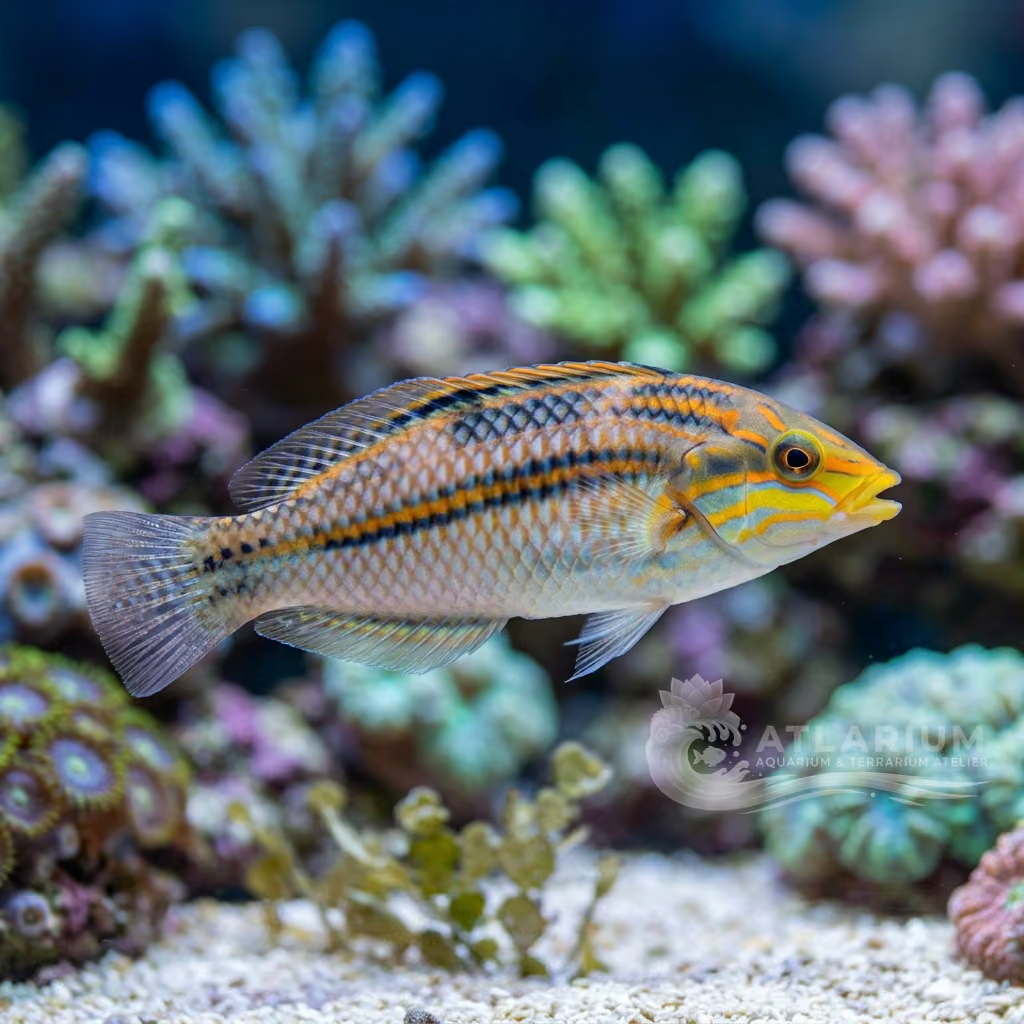
Ornate Wrasse
Halichoeres ornatissimus
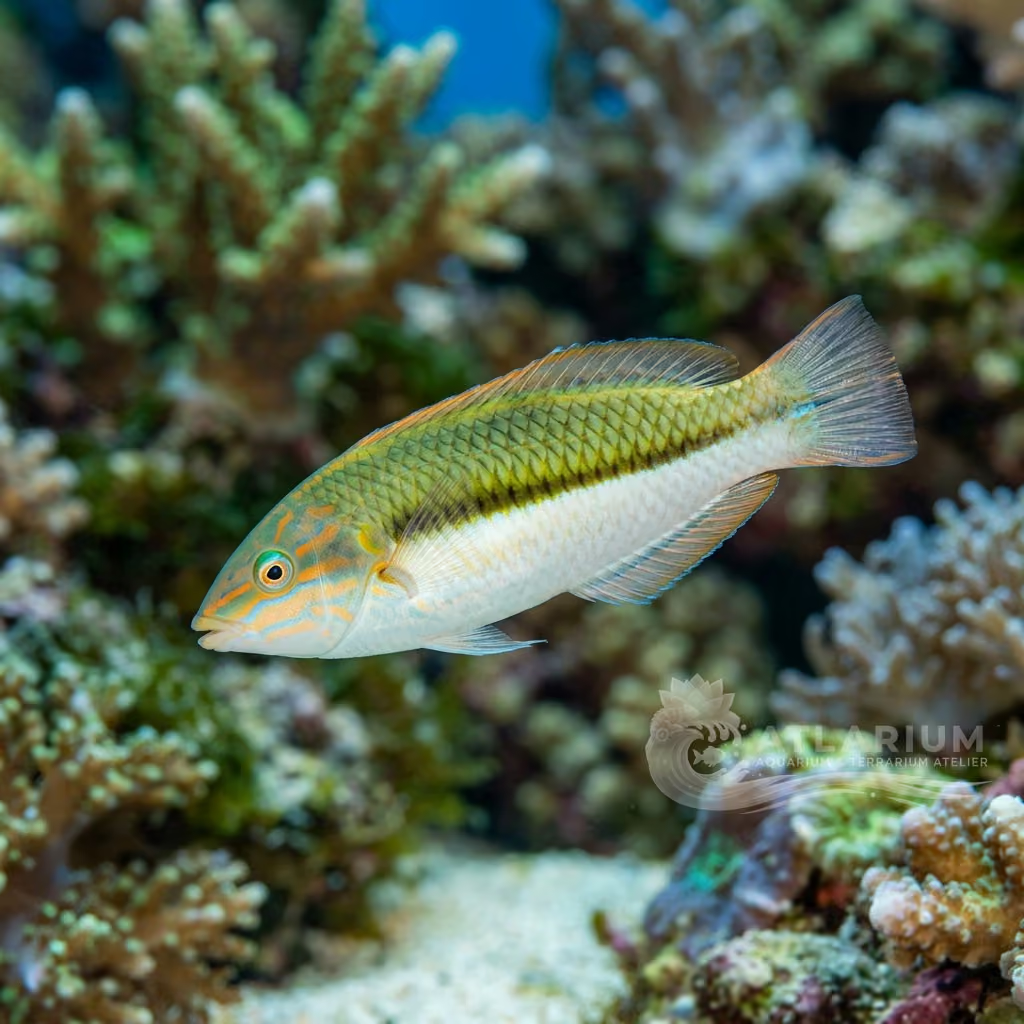
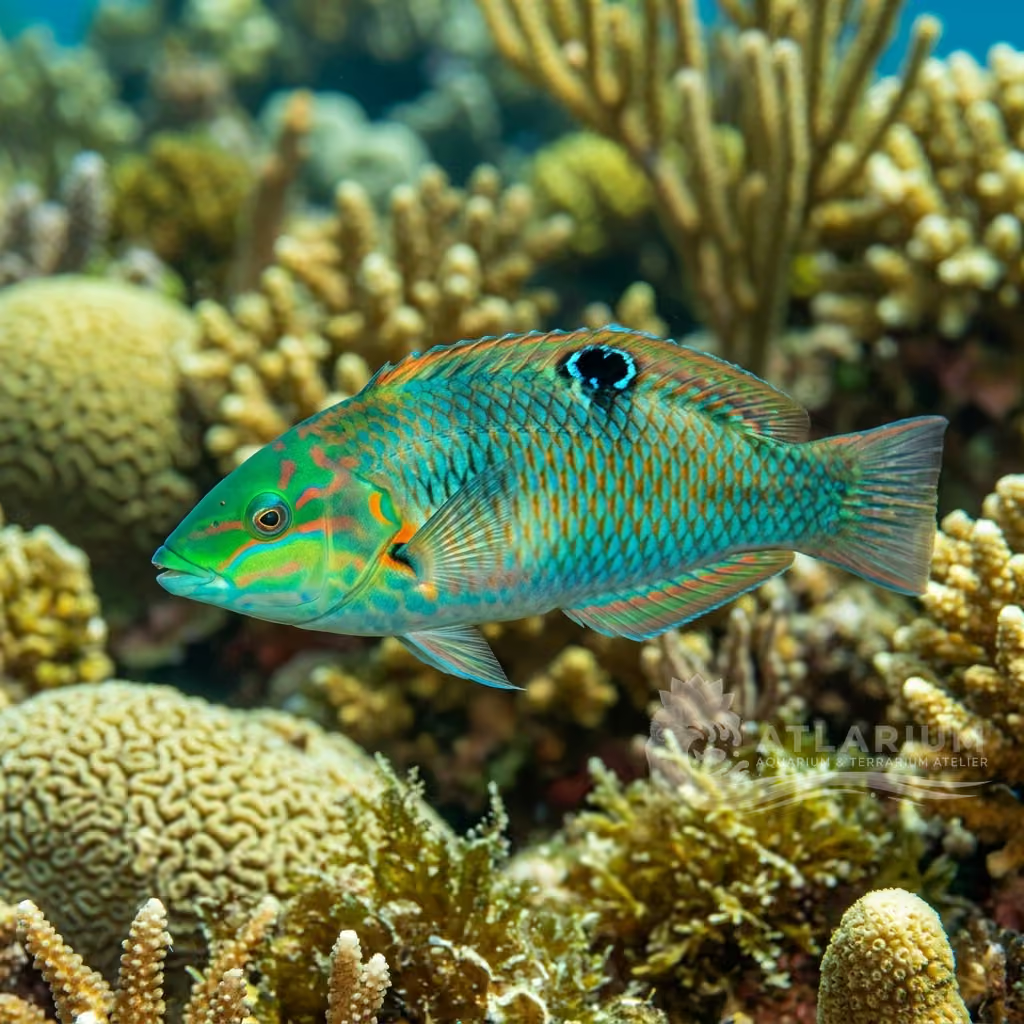
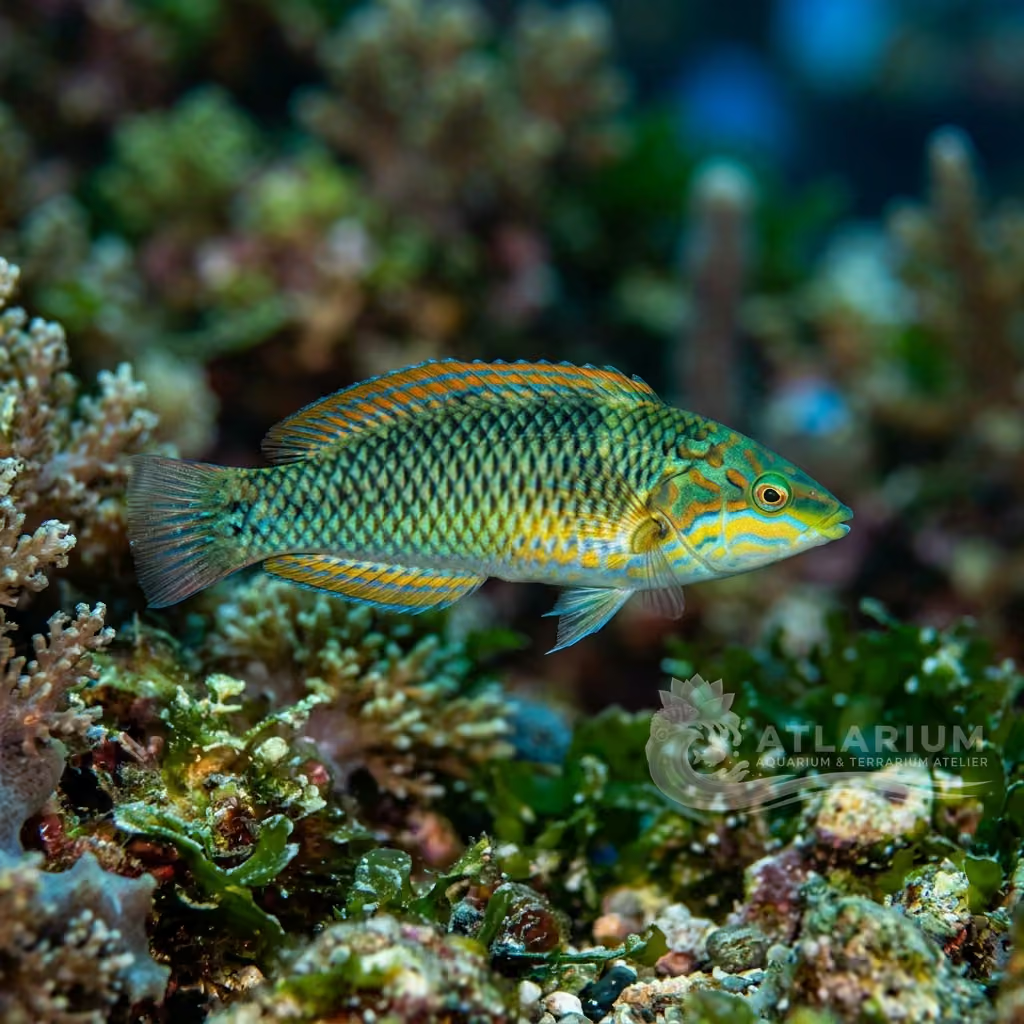
The Ornate Wrasse features vibrant red and green stripes and is highly sought for natural pest control. It requires a 200L tank, a deep aragonite sand bed for burrowing, high water flow, and a carnivorous diet.
Temperatura da água
23 - 27 °C
Valor de pH
8.1 - 8.4
Tipo de água
Marinho
Nível do tanque
Todos os níveis
Tamanho adulto
18 cm
Volume mínimo do tanque
>= 300 L
Grupo mínimo
>= 1
KH
8 - 12 dKH

Descrição da espécie
Geographical Origin and Habitat: Halichoeres ornatissimus, commonly known as the Ornate Wrasse or Christmas Wrasse, is native to the tropical waters of the Central and Western Pacific Ocean, with notable populations around Hawaii, French Polynesia, and the Great Barrier Reef. It inhabits shallow lagoons, seaward reefs, and surge zones rich in coral growth at depths of 3 to 50 feet (1-15 meters).
Taxonomy and Morphology: Belonging to the family Labridae and genus Halichoeres, this fish has a slender, streamlined body designed for continuous swimming. Its mouth is equipped with specialized pharyngeal teeth for crushing small invertebrate shells. A slippery mucous coat protects its skin when burrowing into the sand.
Social Behavior: Diurnal and solitary, this wrasse is constantly active during the day, scanning the substrate for food. At dusk, it dives headfirst into the sand bed to sleep. It is generally peaceful toward unrelated fish but exhibits territorial behavior toward other wrasses, especially conspecific males.
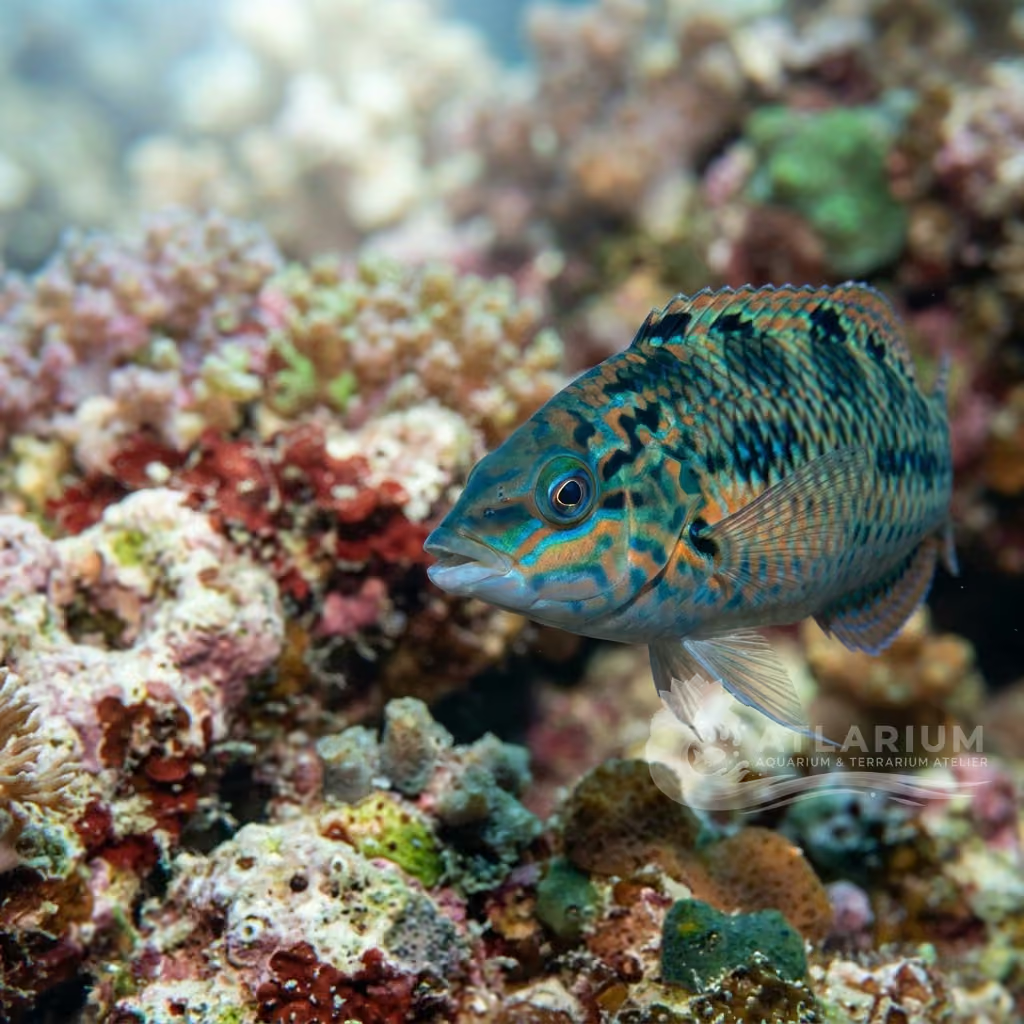
Coloration and Sexual Dimorphism: They boast a vibrant coloration of alternating red and green horizontal stripes along the body, with complex pinkish-orange and green markings on the face. Adult males are larger and show significantly brighter and more intense coloration, with a black spot behind the eye.

Cuidado, criação e companheiros de tanque
Aquarium Setup: A minimum tank size of 55 gallons (200-250 liters) is required to support its active swimming habits. The most critical component of the tank is a deep sand bed (at least 2.5 to 3 inches / 6-8 cm) composed of fine aragonite sand. Coarse substrate will prevent burrowing and injure the fish.
Diet and Feeding: Strictly carnivorous. Feed a varied diet of frozen foods such as mysis shrimp, enriched brine shrimp, krill, and chopped clam meat. They are highly beneficial in reef tanks for controlling pests like flatworms, bristleworms, pyramidellid snails, and nudibranchs.
Water Quality: Maintain standard marine parameters: temperature 75-80 °F (24-27 °C), pH 8.1-8.4, and specific gravity 1.020-1.025. Proper protein skimming, high water flow, and weekly water changes are recommended to keep organic waste and nitrates low. Ammonia and nitrite must remain at zero.
Compatibility and Cohabitation: Reef-safe with caution. While they do not eat corals, they will consume small crabs, shrimps, and feather dusters. Excellent tankmates include larger peaceful species like tangs, large clownfish, and angels. Avoid keeping with other male wrasses of the same genus.
Aquarium Breeding: Captive breeding has not been successfully documented in home aquariums. They are protogynous hermaphrodites, spawning in pairs or groups by darting upward in the water column to release pelagic eggs, which require planktonic conditions to develop.
Risks and Diseases: Starstartle-induced jumping is common, requiring a tight screen lid. Substrate injuries to the mouth and skin can occur if the sand is too coarse. They are susceptible to marine velvet and ich when stressed by poor water quality or aggressive tankmates; quarantine is advised.

Origem e distribuição geográfica
Halichoeres ornatissimus, commonly known as the Ornate Wrasse or Christmas Wrasse, is native to the tropical waters of the Central and Western Pacific Ocean, with notable populations around Hawaii, French Polynesia, and the Great Barrier Reef. It inhabits shallow lagoons, seaward reefs, and surge zones rich in coral growth at depths of 3 to 50 feet (1-15 meters).
Origem
Oceanos tropicais e recifesSul e Sudeste Asiático

Perfil de peixe
- Temperamento
- Territorial
- The Halichoeres ornatissimus generally exhibits a peaceful but bold temperament, constantly patrolling the tank. While they ignore most corals, they are opportunistic predators of small ornamental shrimp, tubeworms, and small snails. They can occasionally become territorial toward other substrate-sleeping wrasses.
- Dieta
- Carnivore
- These wrasses are rigorous carnivores that spend their days scouring the rockwork for benthic invertebrates. In the home aquarium, their diet must include high-quality meaty items like mysis, brine shrimp, and chopped clam meat. They also serve a highly practical purpose by consuming various coral pests.
- Expectativa de vida
- 7-8 years
- Tamanho adulto
- 18 cm
- Proporção sexual
- Solitary
- It is generally best to keep them as solitary individuals, unless the aquarium is exceptionally large. Keeping multiple males together will almost certainly lead to vicious territorial disputes. A single male can sometimes be kept with several females if introduced simultaneously.
- Frequência de alimentação
- 2-3 times daily
- Due to their constant movement and foraging behavior, they require feeding two to three times daily. Even with frequent feedings, they will relentlessly hunt for microfauna among the live rock. Providing ample food prevents them from becoming overly aggressive during feeding time.
- Carga biológica
- Medium
- The Halichoeres ornatissimus produces a moderate bioload in a marine aquarium. Since they are active foragers with hearty appetites, their waste production is proportional to their substantial feeding requirements. A well-established protein skimmer and adequate biological filtration are recommended.
- Fluxo
- Strong
- They prefer a moderate to strong water flow that mimics the surge zones and reefs they naturally inhabit. Good water circulation helps maintain high oxygen levels, which these energetic swimmers demand. Consistent flow also aids in flushing out detritus from the sandbed where they sleep.
- Risco de salto
- Yes
- Halichoeres ornatissimus is an enthusiastic jumper and can easily escape an uncovered aquarium. A tightly woven mesh screen or canopy is essential to prevent these fish from ending up on the floor. Extra care should be taken when performing tank maintenance or adjusting lighting.
- Reprodução
- Oviparous
- This species is a protogynous hermaphrodite, undergoing a female-to-male sex change as they mature and establish dominance. Breeding them in captivity has proven exceptionally difficult because they release pelagic eggs into the water column. Dominant males often display striking terminal phase coloration.
- Compatibilidade e companheiros de tanque
- Verify
- While generally peaceful toward similarly sized fish, Halichoeres ornatissimus can be a menace to small decorative invertebrates. They will readily hunt flatworms, bristleworms, pyramid snails, and sometimes small ornamental shrimp. They are otherwise considered excellent, vibrant additions to community reef tanks.
- Nível do tanque
- All levels
- They are highly active in the lower and middle regions of the aquarium, constantly inspecting the aquascape for food. A critical requirement for this species is a deep, soft sand bed (at least 2-3 inches). They dive entirely under the sand to sleep at night or when severely stressed.

Modelos e parâmetros científicos
FishBase
Acesso aos dados científicos oficiais da espécie
FishBase v25.04Dados sincronizados em: 15/06/2026
- Nível trófico
- 3,5 ± 0,5 se
- Resiliência
- Alta (menos de 15 meses)
- Unicidade filogenética (PD50)
- 0.5
- Relação bayesiana comprimento-peso
- a = 0.01, b = 3.09
- VulnerabilidadeVulnerabilidade baixa (10 / 100)

Espécies relacionadas
Recomendações agrupadas por parentes próximos, escolhas de acompanhantes e cuidados semelhantes.