Sandeyer Wrasse
Coris sandeyeri
A large, active subtropical wrasse from the Southwest Pacific showing striking sexual dimorphism. It needs a massive tank and a deep sand bed to safely burrow.
Temperatura da água
16 - 22 °C
Valor de pH
8.1 - 8.4
Tipo de água
Marinho
Nível do tanque
Todos os níveis
Tamanho adulto
25 cm
Volume mínimo do tanque
>= 400 L
Grupo mínimo
>= 1
KH
8 - 12 dKH

Descrição da espécie
Geographical Origin and Habitat: Native to the Southwest Pacific, inhabiting the subtropical and temperate coasts of eastern Australia, Lord Howe Island, Norfolk Island, and New Zealand. It is commonly found along exposed rocky reefs and mixed coral-kelp reefs, at depths ranging from 2 to 60 meters.
Taxonomy and Morphology: Belongs to the family Labridae, genus Coris. It is a large-sized wrasse, capable of reaching a maximum length of approximately 25-30 centimeters. It features an elongated, slightly compressed body and strong, protruding anterior teeth used to crush the hard shells of invertebrates.
Social Behavior: Active and relentless swimmer. Juveniles and females tend to form small, mobile groups, while adult males are solitary and highly territorial towards other males of the same species. Like many wrasses, it buries itself completely in the sand to sleep at night or when threatened.
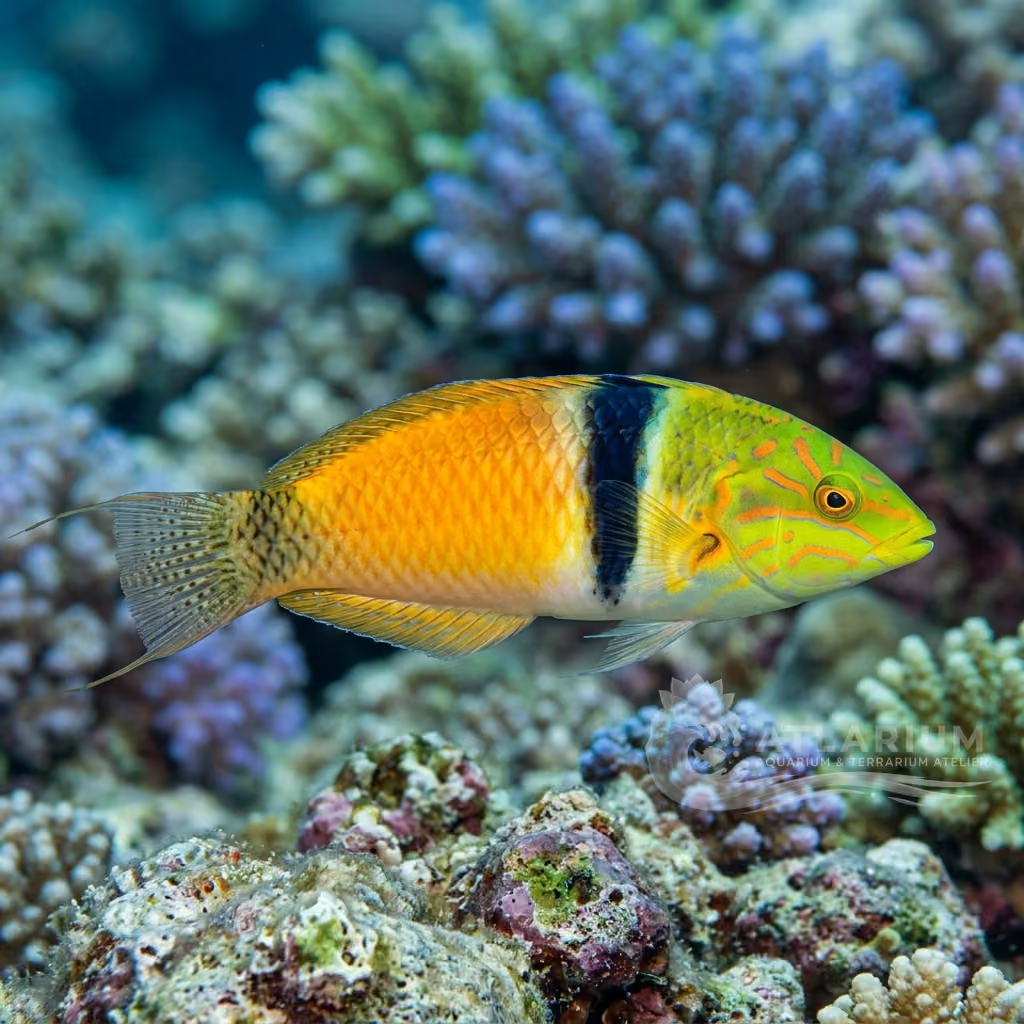
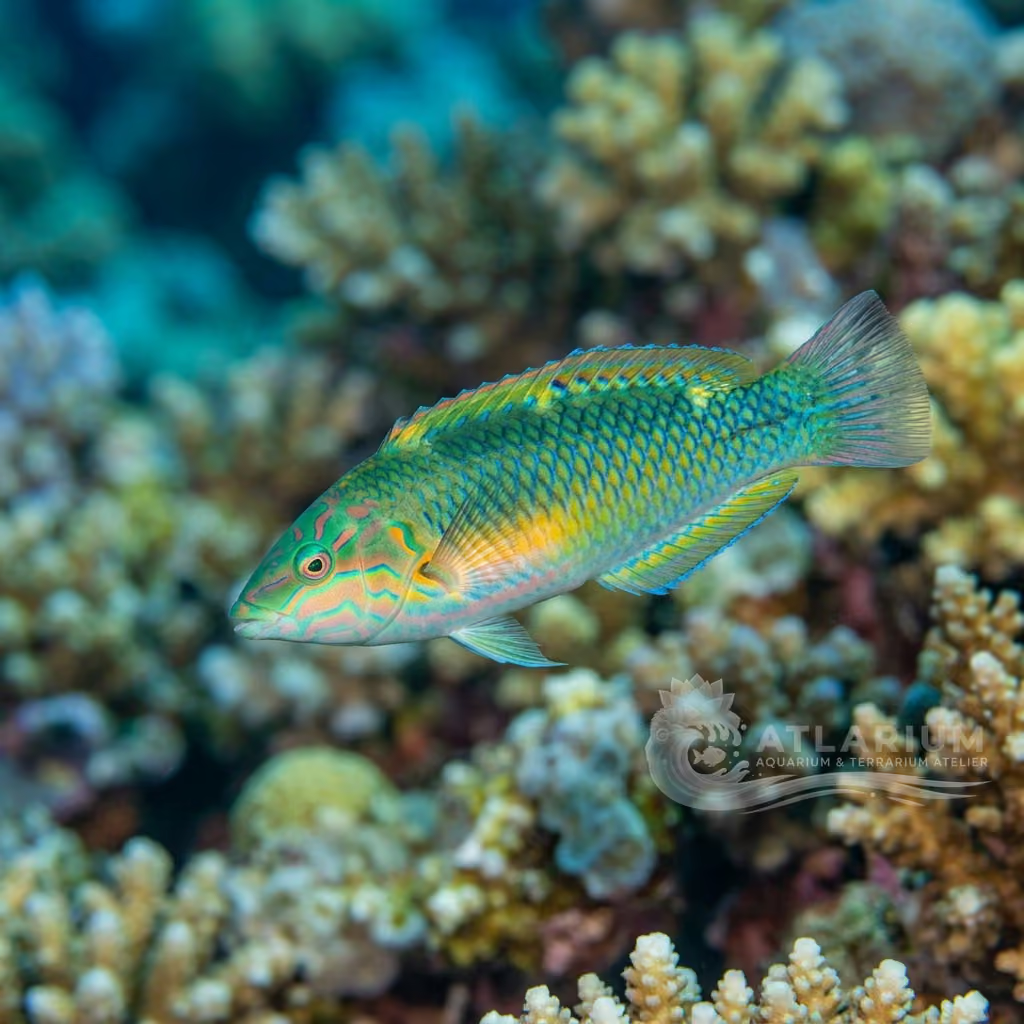
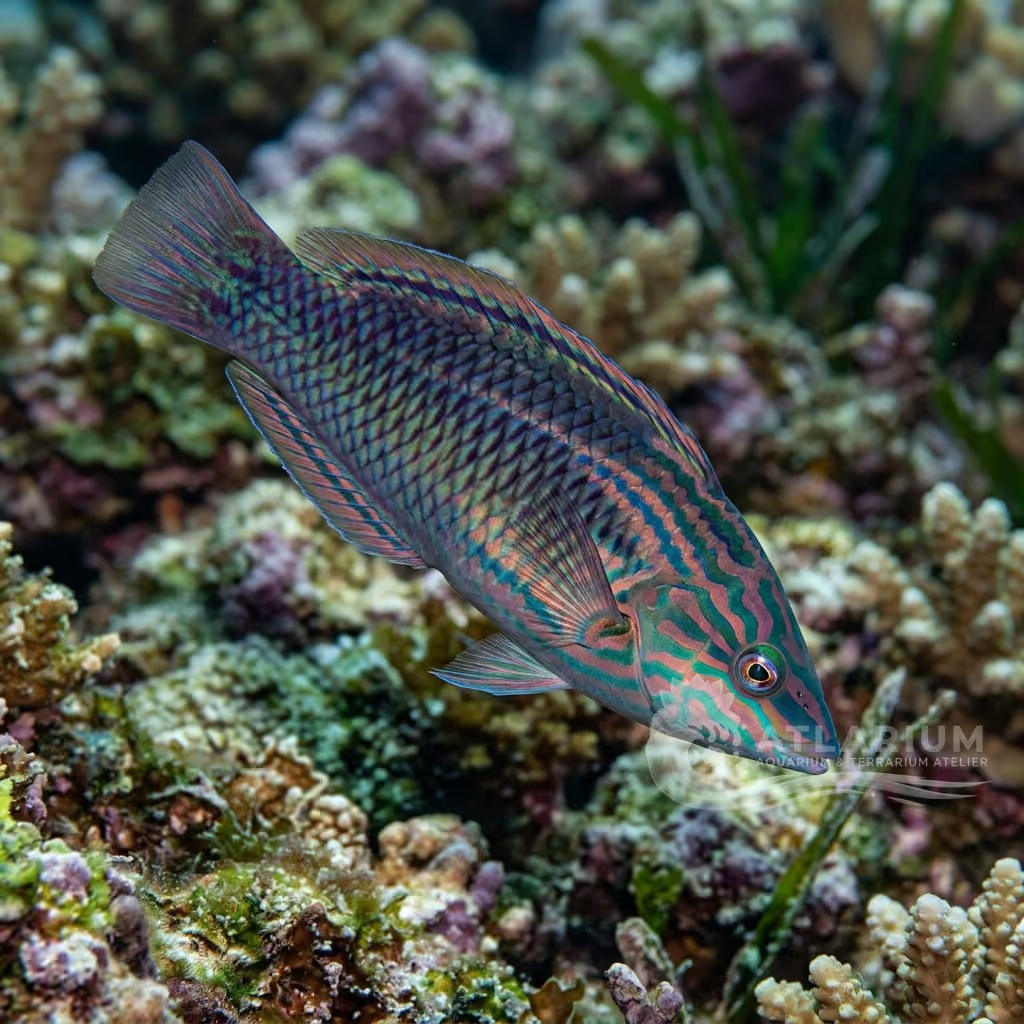
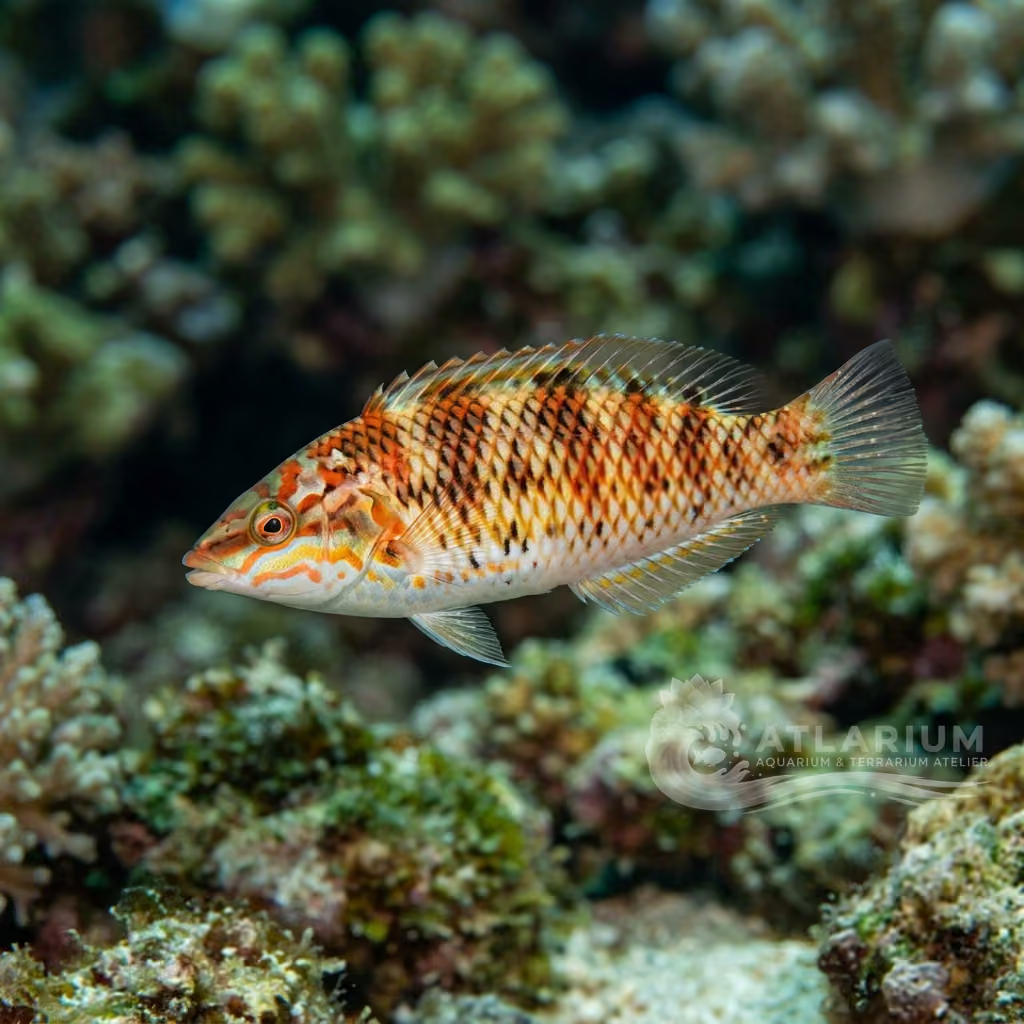
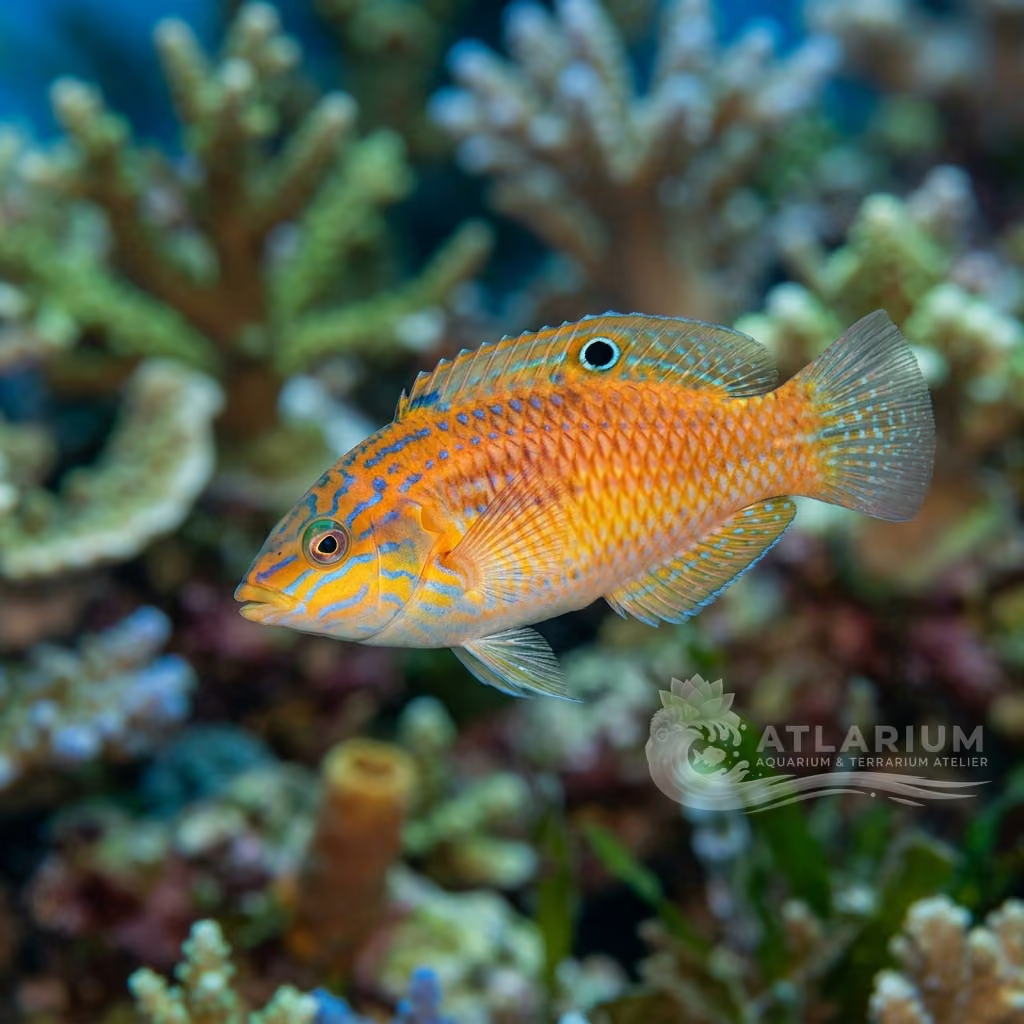
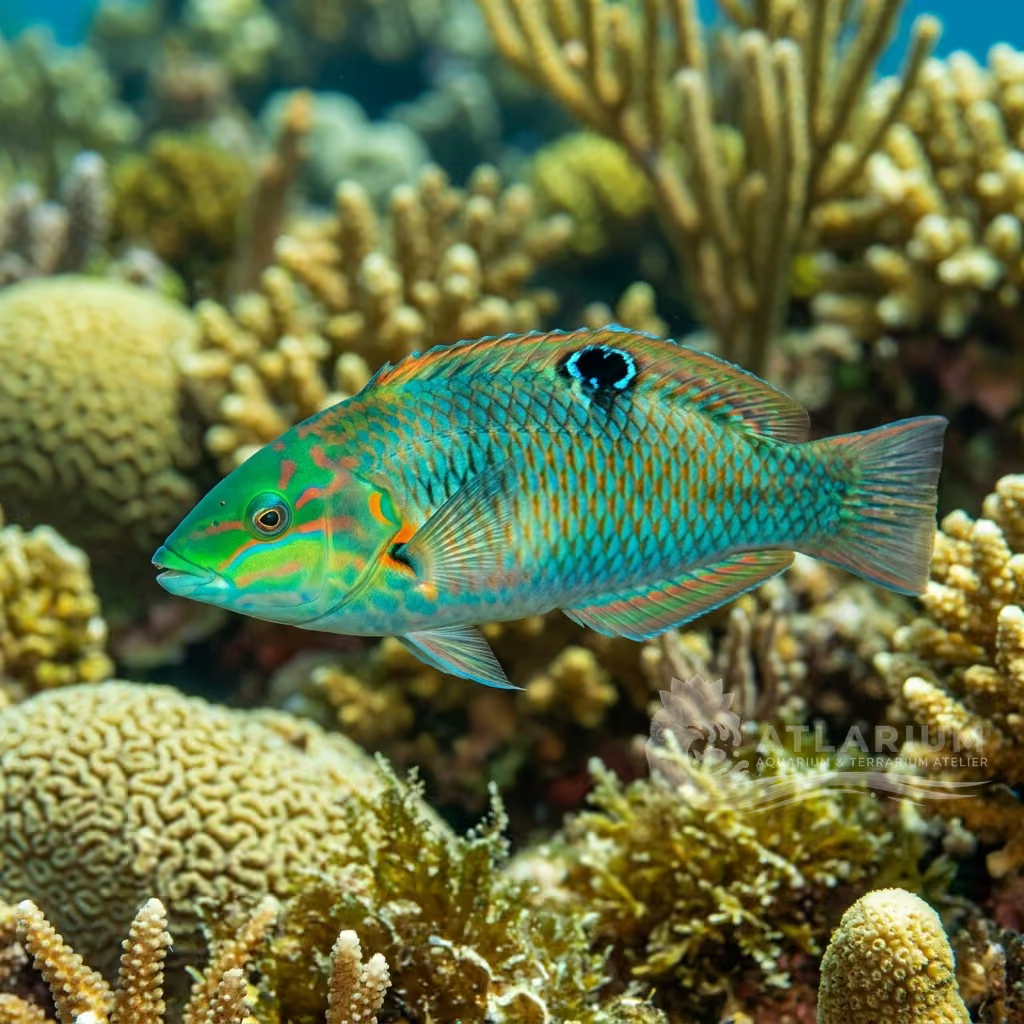
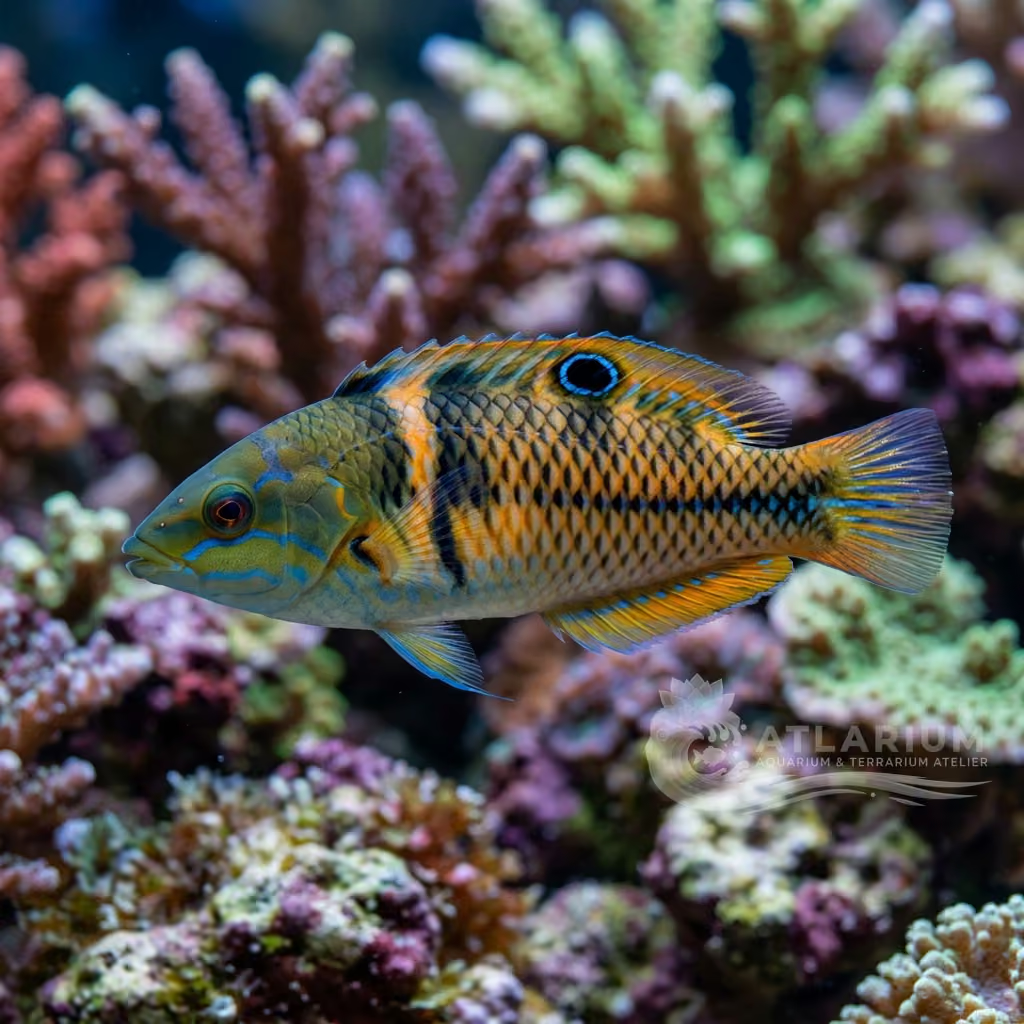
Coloration and Sexual Dimorphism: Exhibits an extraordinary color transition during its growth. Juveniles have an orange band on the back and a black spot on the dorsal fin. Females are pinkish-red with yellow and black stripes. Adult males are blue-grey with dark vertical bands and a prominent yellow or orange bar behind the head.

Cuidado, criação e companheiros de tanque
Aquarium Setup: Requires a very large aquarium of at least 400 liters due to its size and active swimming behavior. A deep bed of fine sand (aragonite, 1-2 mm grain size) of at least 8-10 centimeters deep is absolutely mandatory. The tank must have a heavy cover as it is known to jump when startled.
Diet and Feeding: Strictly carnivorous species. In the wild, it feeds on crabs, shrimps, gastropods, sea urchins, and bivalves. In the aquarium, it must be fed a variety of appropriately sized frozen foods (krill, mysis, chopped shrimp, mussels, and clams) as well as high-quality dry pellets.
Water Quality: Being a subtropical species, it prefers lower temperatures than standard tropical reefs, ideally between 18 and 24 °C (64-75 °F). Keep pH between 8.1 and 8.4, and specific gravity at 1.020-1.025. Strong filtration, efficient skimming, and high oxygenation are essential.
Compatibility and Cohabitation: Not suitable for reef aquariums with small invertebrates, which will be preyed upon immediately. It can be housed with large, robust fish such as tangs, large angelfish, triggers, and other wrasses of vigorous temperament. Avoid keeping it with shy or delicate species.
Aquarium Breeding: It is a protogynous hermaphrodite species (females can transform into dominant males). There are no documented cases of breeding in captivity due to the space requirements and complex social harem structures.
Risks and Diseases: The main risk is the lack of proper sandy substrate, which can lead to extreme stress, mouth damage, and skin infections. Additionally, long-term exposure to excessively high temperatures weakens the fish, making it vulnerable to bacterial infections.

Origem e distribuição geográfica
Native to the Southwest Pacific, inhabiting the subtropical and temperate coasts of eastern Australia, Lord Howe Island, Norfolk Island, and New Zealand. It is commonly found along exposed rocky reefs and mixed coral-kelp reefs, at depths ranging from 2 to 60 meters.
Origem
Melhoramento seletivo e cultivaresAustrália, Nova Guiné e OceaniaOceanos tropicais e recifes

Perfil de peixe
- Temperamento
- Territorial
- They possess an active, peaceful, and delightfully inquisitive temperament. They rarely bother other fish but will constantly inspect rockwork for food. Their lively swimming patterns add immense kinetic energy to any display.
- Dieta
- Carnivore
- Its diet is heavily carnivorous, focusing on benthic invertebrates. Feed it a mix of chopped seafood, frozen mysis, and specialized carnivore pellets. Providing live foods occasionally will stimulate its natural hunting behavior.
- Expectativa de vida
- 8-10 years
- Tamanho adulto
- 25 cm
- Proporção sexual
- Solitary
- It is generally advisable to keep only one specimen per average-sized aquarium. If a mated pair is desired, they must be introduced perfectly simultaneously. Two males will exhibit severe, unending territorial aggression.
- Frequência de alimentação
- 2-3 times daily
- Due to a very active lifestyle, feed them two to three times every day. Frequent small portions are much better than one large, single meal. Ensure all food is consumed rapidly to protect water parameters.
- Carga biológica
- Medium to High
- This wrasse produces a moderate bioload consistent with its size. It metabolizes food quickly and requires standard filtration practices. Maintaining a regular protein skimmer will easily handle its waste.
- Fluxo
- Strong
- A moderate to strong water flow matches its natural ocean habitat. Good water circulation keeps the substrate clean and provides necessary oxygenation. The fish enjoys actively swimming against moderate tank currents.
- Risco de salto
- Yes
- It is an extreme jump risk, especially when first introduced to a new tank. A tight-fitting lid with absolutely no gaps is required to prevent tragic accidents. Even the smallest opening can be exploited by this agile fish.
- Reprodução
- Oviparous
- Captive breeding is completely undocumented for this specific wrasse species. They reproduce via pelagic spawning which is nearly impossible to replicate at home. Enthusiasts should not expect them to multiply in standard aquariums.
- Compatibilidade e companheiros de tanque
- Reef safe
- It is a peaceful fish that mixes well with similarly tempered species. Care should be taken with small ornamental crustaceans which might be perceived as food. Avoid housing with overly aggressive predators that could intimidate it.
- Nível do tanque
- All levels
- They heavily favor the lower portions of the aquarium near the substrate. A deep sand bed of at least two inches is completely essential for their survival. They dive into the sand every night to sleep securely.

Modelos e parâmetros científicos
FishBase
Acesso aos dados científicos oficiais da espécie
FishBase v25.04Dados sincronizados em: 15/06/2026
- Nível trófico
- 3,6 ± 0,3 se
- Resiliência
- Média (1,4 - 4,4 anos)
- Unicidade filogenética (PD50)
- 0.5
- Relação bayesiana comprimento-peso
- a = 0.00977, b = 3.07
- VulnerabilidadeVulnerabilidade baixa (15 / 100)

Espécies relacionadas
Recomendações agrupadas por parentes próximos, escolhas de acompanhantes e cuidados semelhantes.