Banded Wrasse
Halichoeres notospilus
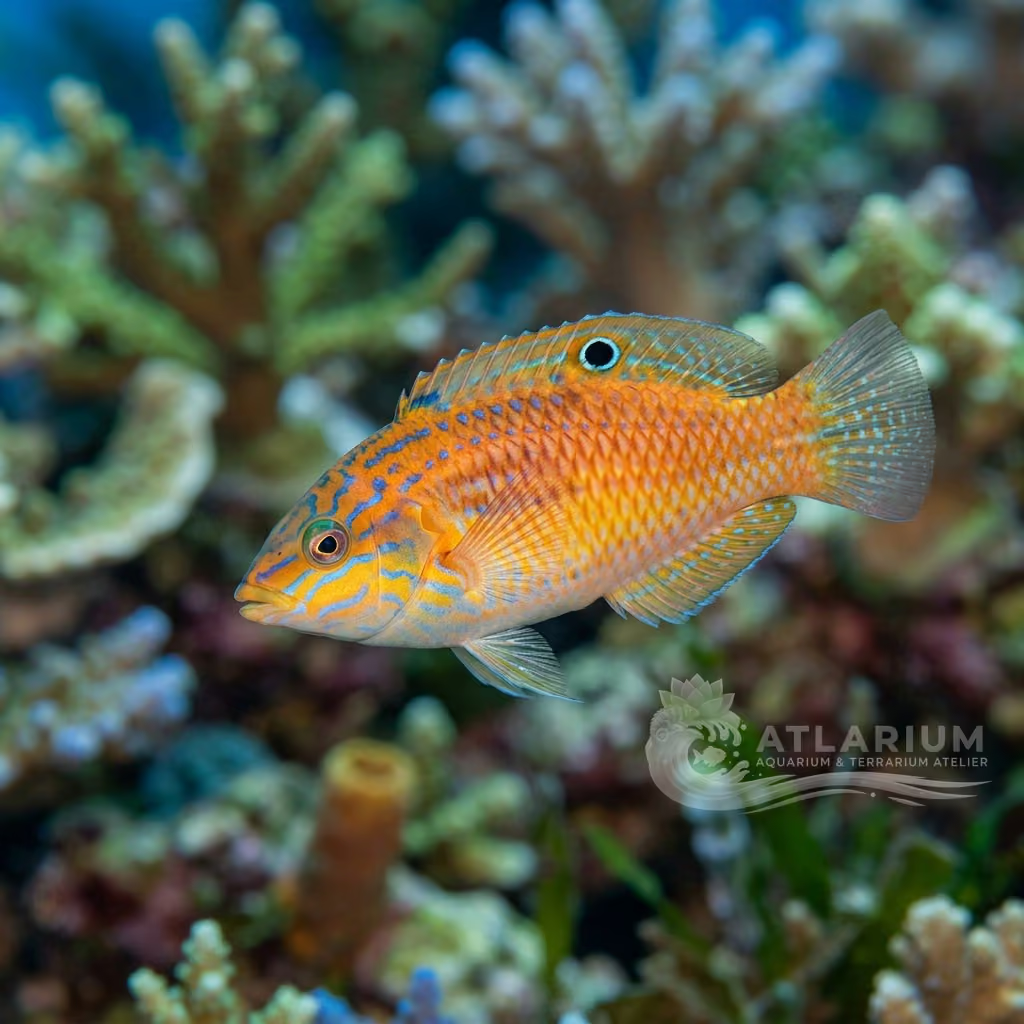
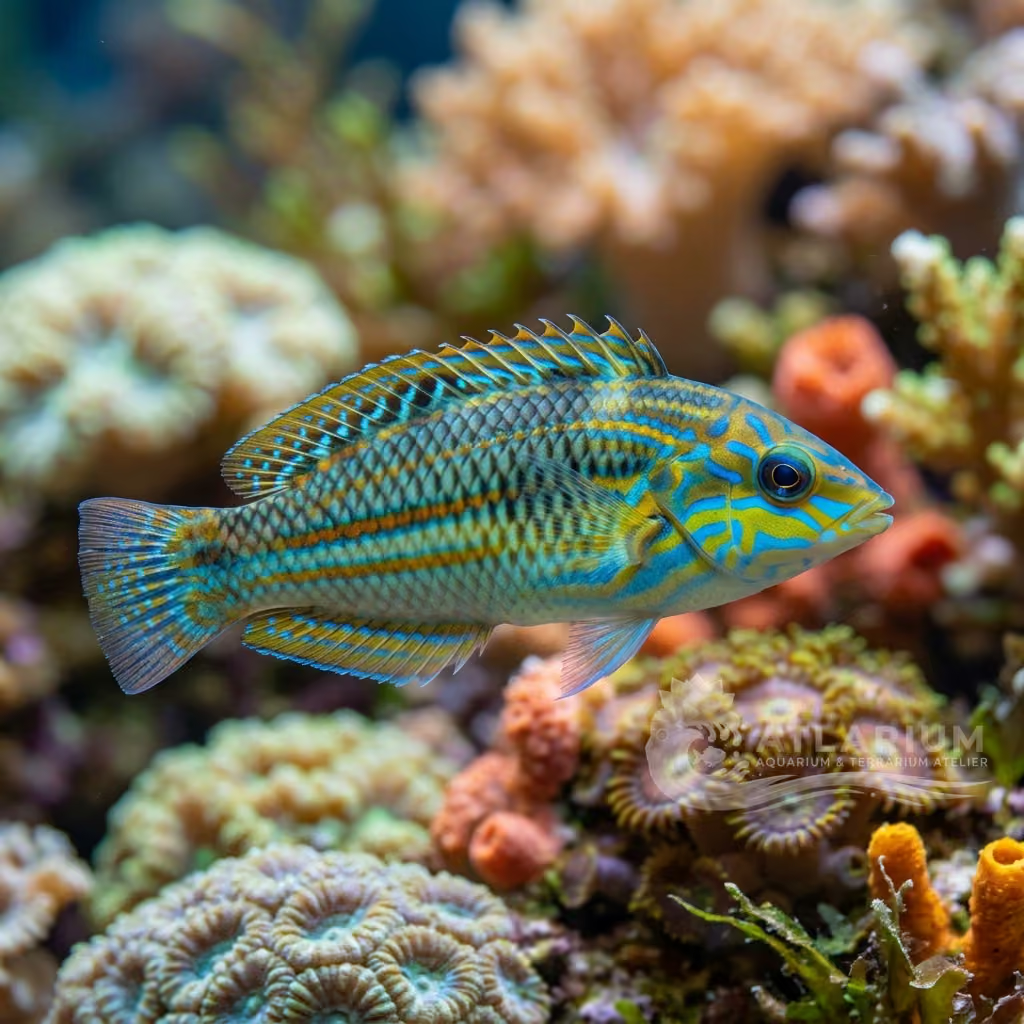
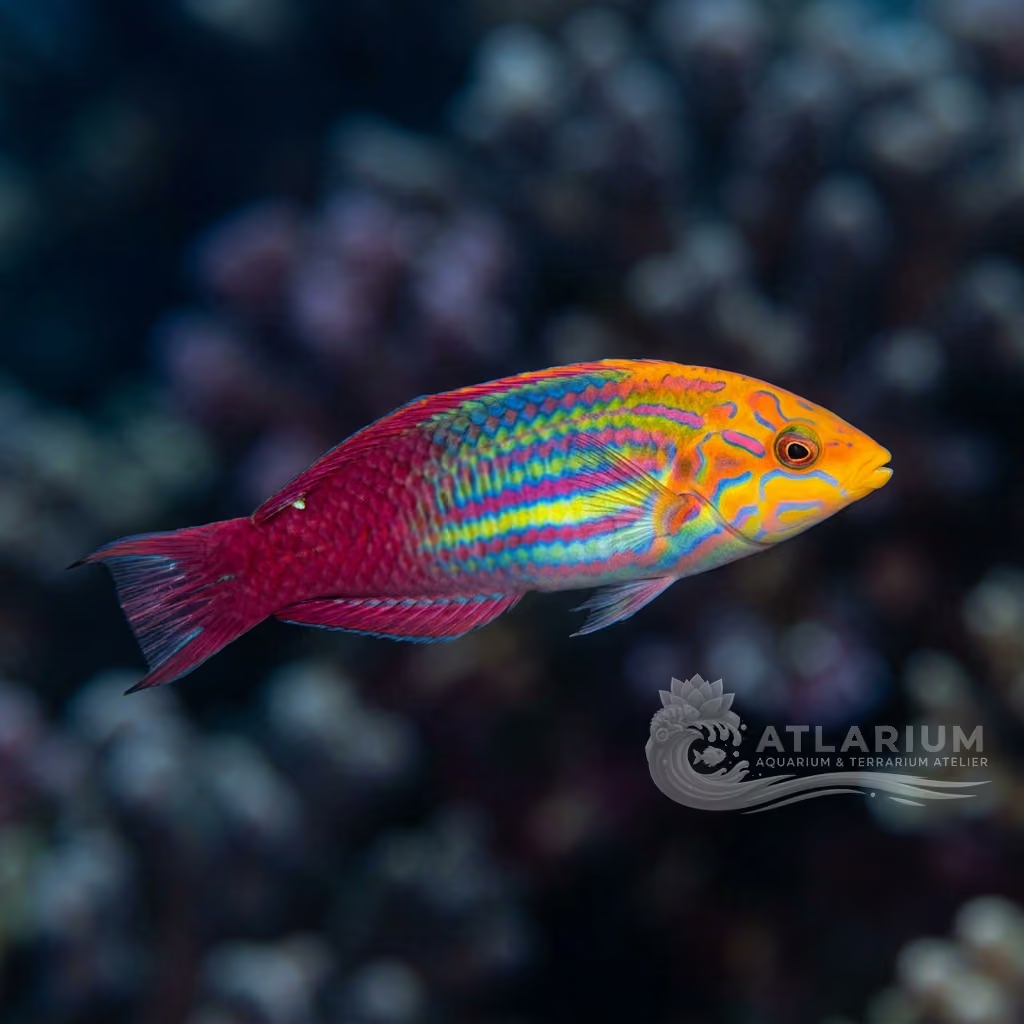
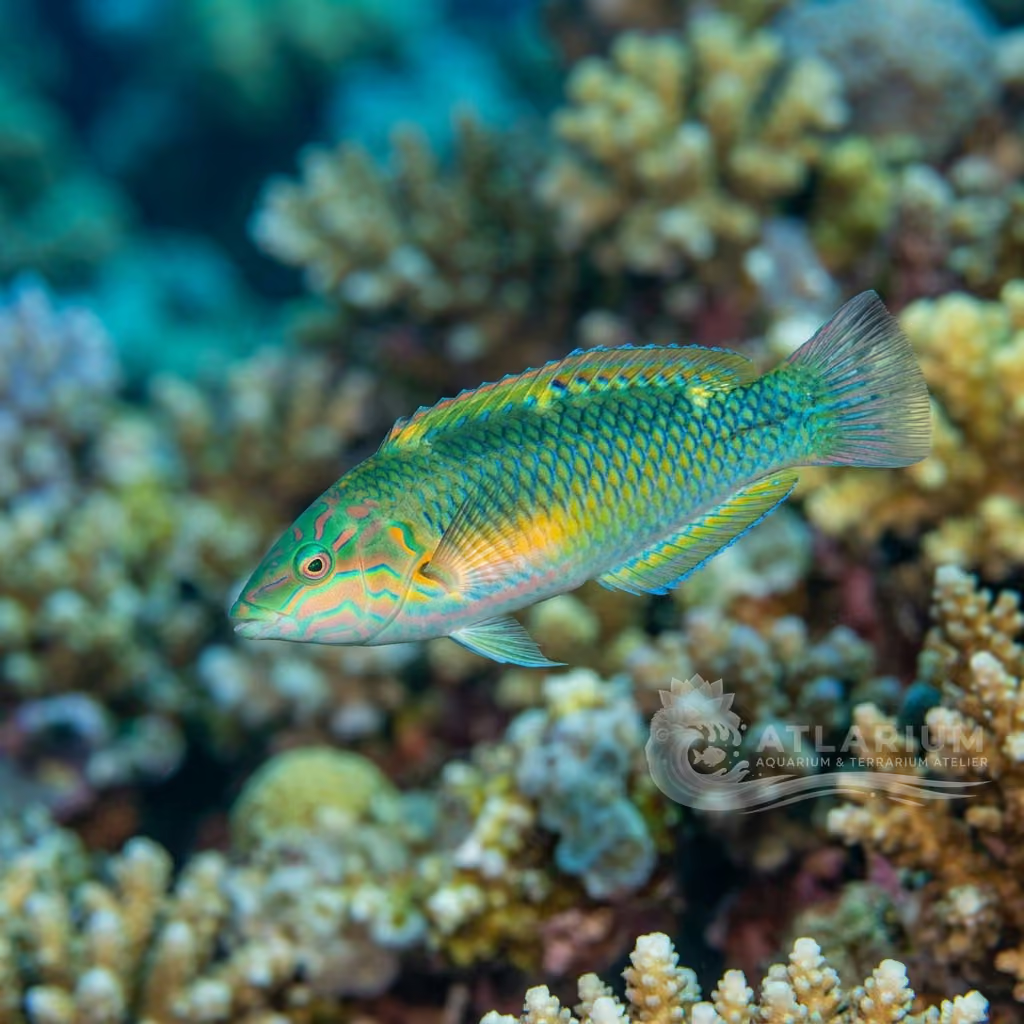
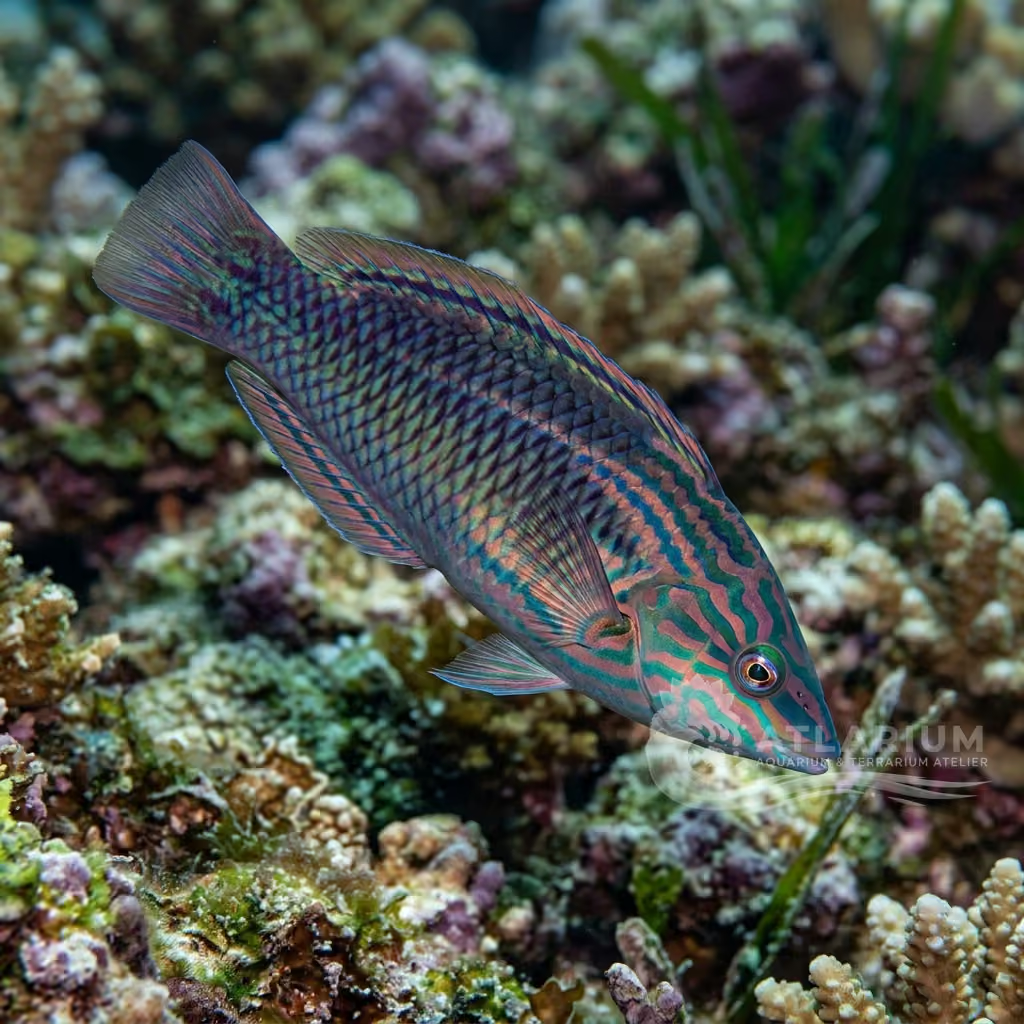
The Banded Wrasse is a dynamic Eastern Pacific species characterized by striking dark vertical bands and a unique sand-burying behavior that demands a fine substrate.
Temperatura da água
21 - 25 °C
Valor de pH
8.1 - 8.4
Tipo de água
Marinho
Nível do tanque
Parte inferior e intermediária
Tamanho adulto
18 cm
Volume mínimo do tanque
>= 250 L
Grupo mínimo
>= 1

Descrição da espécie
Geographical Origin and Habitat: Eastern Pacific: distributed from the Gulf of California to Peru, including the Galapagos Islands. It is found in shallow rocky and coral reefs, coastal lagoons, and adjacent sandy margins at depths from 1 to 30 meters. It prefers transition zones.
Taxonomy and Morphology: A member of the family Labridae, genus Halichoeres. Features an elongated, hydrodynamic body with a pointed snout and canine-like teeth adapted for crushing and pulling small invertebrates from rocks. Grows to a maximum length of 18.0 cm.
Social Behavior: Active diurnal swimmer that spends the day hunting near the substrate. They are generally solitary or found in small harems with a dominant male. At night or when threatened, they dive headfirst into the sand bed to sleep.
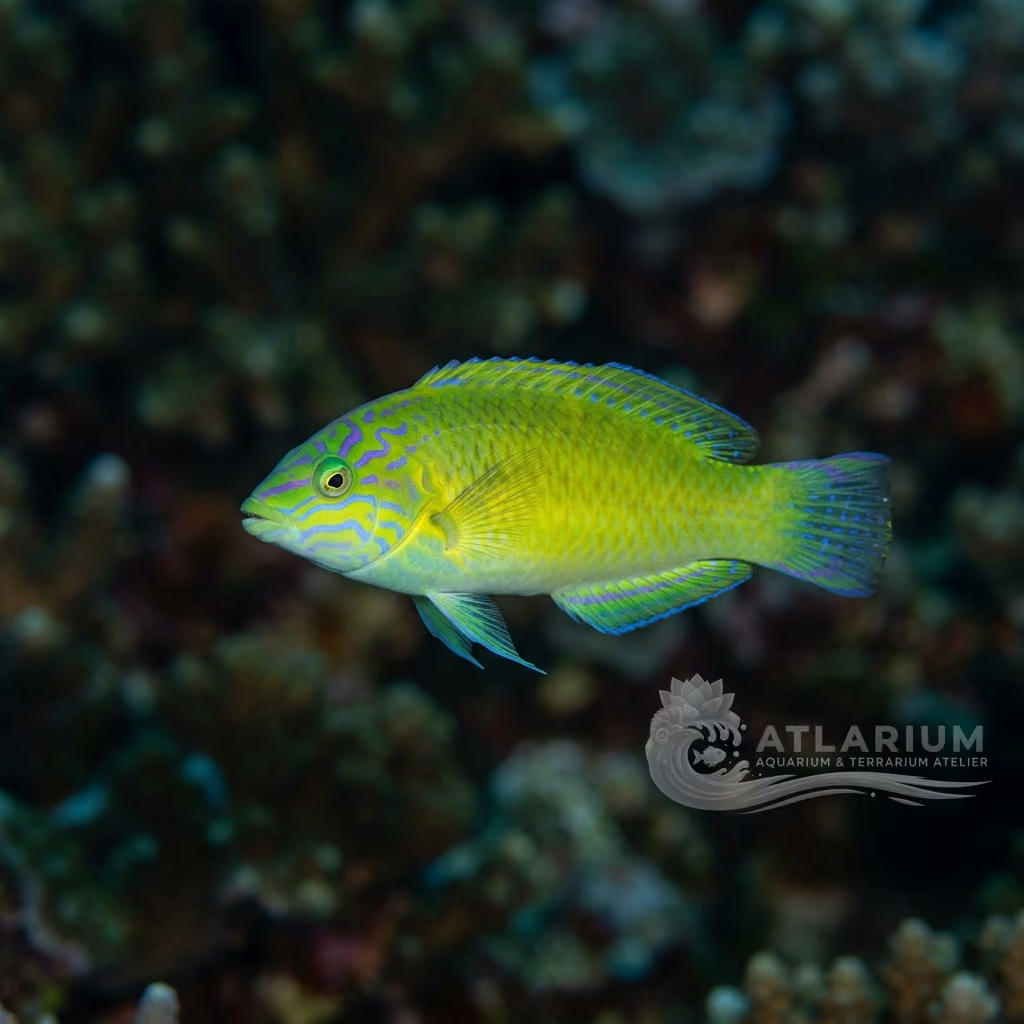
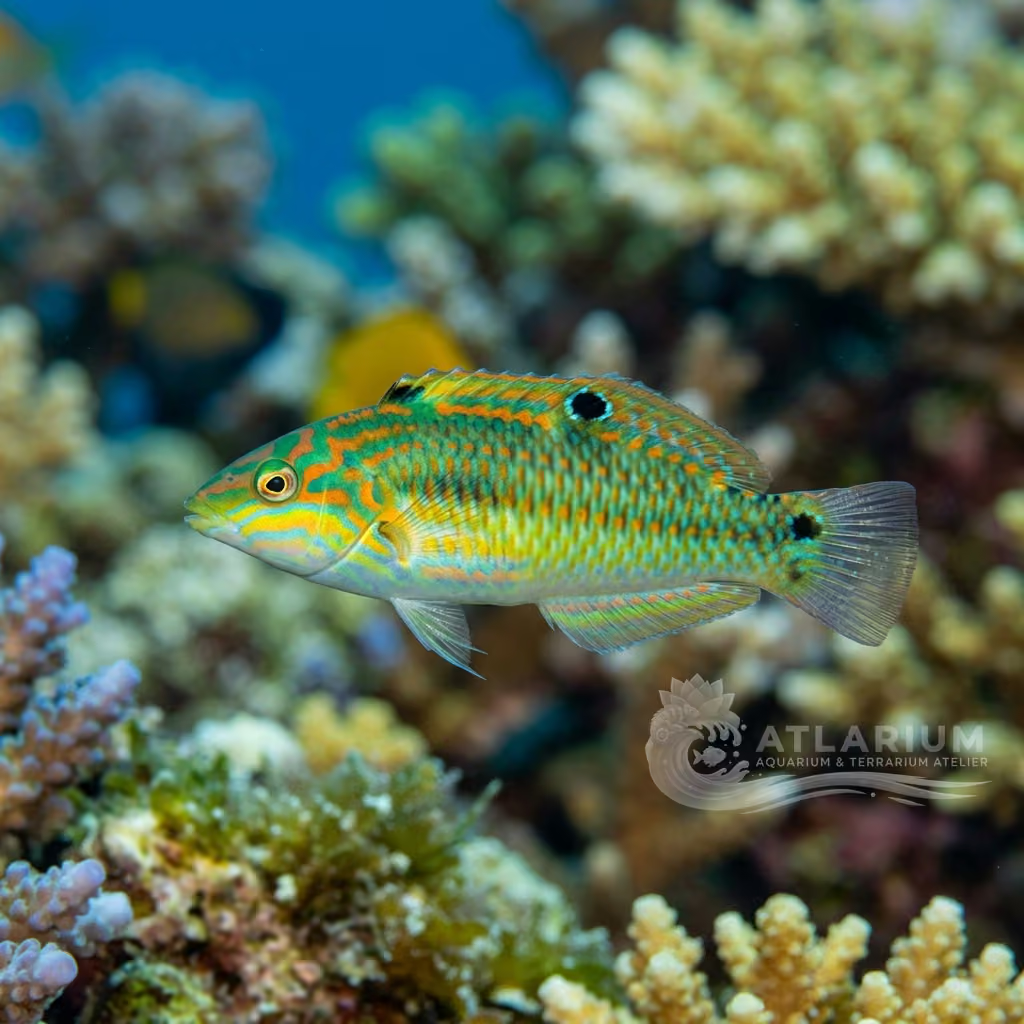
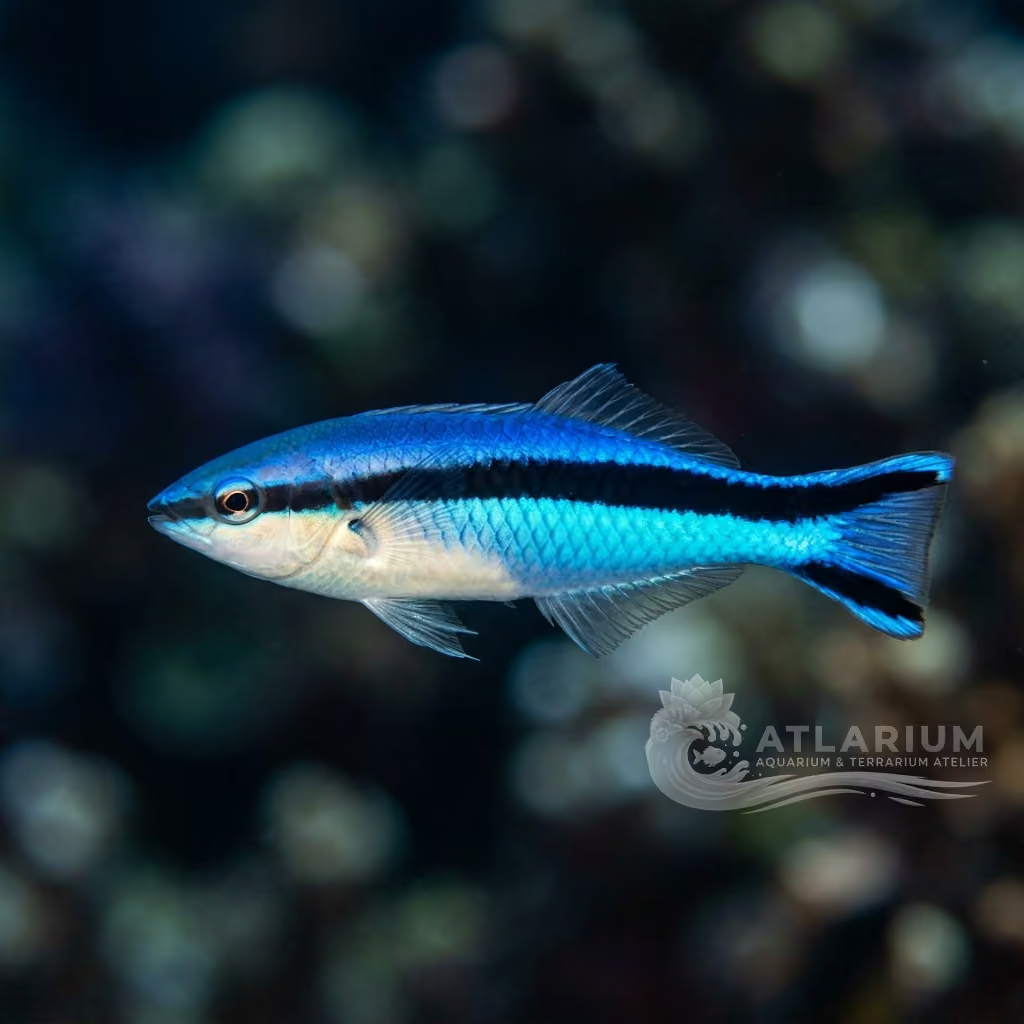
Coloration and Sexual Dimorphism: Characterized by dark vertical bands along the back and bright blue or green markings on the head. It tolerates slightly cooler water parameters due to its subtropical origin. Protogynous hermaphrodites, where adult males are larger and more colorful.

Cuidado, criação e companheiros de tanque
Aquarium Setup: Requires a spacious aquarium of at least 250 liters (approx. 65 gallons) with a fine sand bed of at least 5-8 cm (2-3 inches) depth. Coarse gravel is unsuitable as they bury themselves daily. A secure, tight-fitting lid is highly mandatory.
Diet and Feeding: Active carnivore. The diet should consist of high-quality frozen foods like mysis shrimp, enriched brine shrimp, chopped krill, and chopped table shrimp. It will also readily accept protein-rich sinking dry pellets and flakes.
Water Quality: Keep parameters stable: temperature 21-25°C (70-77°F), pH 8.1-8.4, and specific gravity 1.020-1.025. Good biological filtration and water circulation are necessary to keep oxygen levels high and dissolved organics low.
Compatibility and Cohabitation: Reef-safe with corals, but not reef-safe with small invertebrates. It will eat ornamental shrimp, small crabs, feather dusters, and snails. It is an excellent biological control agent for flatworms, nudibranchs, and pyramidellid snails.
Aquarium Breeding: Protogynous hermaphrodite. Broadcast spawner releasing pelagic eggs. Successful captive breeding in home aquariums is currently undocumented due to the microscopic size and delicate nature of the pelagic larvae.
Risks and Diseases: High risk of jumping out of the tank when startled. Skin abrasions and bacterial infections can occur if the sand bed is too sharp or coarse. It requires careful acclimation as they may remain buried for several days initially.

Origem e distribuição geográfica
Eastern Pacific: distributed from the Gulf of California to Peru, including the Galapagos Islands. It is found in shallow rocky and coral reefs, coastal lagoons, and adjacent sandy margins at depths from 1 to 30 meters. It prefers transition zones.
Origem
Oceanos tropicais e recifesExtra-Amazônica América do SulAmérica do Norte

Perfil de peixe
- Temperamento
- Active
- They are constantly on the move during daylight hours. While usually peaceful, they are opportunistic predators. Their bold nature makes them a fascinating addition.
- Dieta
- Carnivore
- They are carnivores feeding on benthic invertebrates. In the aquarium, offer meaty foods like mysis shrimp. Providing a varied diet maintains their vibrant colors.
- Expectativa de vida
- 6-9 years
- Tamanho adulto
- 18 cm
- Proporção sexual
- Solitary
- It is best to keep them singly. Adding multiple males results in severe aggression. A group of females might establish a pecking order.
- Frequência de alimentação
- Twice daily
- They are highly active with a fast metabolism. Feeding them two to three times a day is ideal. Small frequent meals help reduce aggression.
- Carga biológica
- Medium to High
- This species contributes a moderate bioload. They produce moderate waste due to their diet. A good skimmer and regular water changes are required.
- Fluxo
- Moderate
- They originate from reef environments with strong water movement. Good water flow helps oxygenate the water. Varying flow patterns mimics their natural habitat well.
- Risco de salto
- Yes
- Wrasses are notorious for jumping out of aquariums. A tight-fitting lid or screen mesh is mandatory. Ensure all gaps are properly covered to prevent escape.
- Reprodução
- Protogynous hermaphrodite
- These fish are broadcast spawners in the water column. Breeding in captivity is extremely rare. Specialized setups with deep tanks and planktonic food are required.
- Compatibilidade e companheiros de tanque
- Aggressive
- They are generally peaceful towards other fish. However, they may become territorial with other wrasses. Use caution as they might eat small ornamental crustaceans.
- Nível do tanque
- Middle/Bottom
- They actively swim in the mid-water regions. They require a deep fine sand bed to sleep. Coarse substrate can damage their bodies and should be avoided.

Modelos e parâmetros científicos
FishBase
Acesso aos dados científicos oficiais da espécie
FishBase v25.04Dados sincronizados em: 15/06/2026
- Nível trófico
- 3,5 ± 0,43 se
- Resiliência
- Média (1,4 - 4,4 anos)
- Unicidade filogenética (PD50)
- 0.5
- Relação bayesiana comprimento-peso
- a = 0.01, b = 3.09
- VulnerabilidadeVulnerabilidade baixa (15 / 100)

Espécies relacionadas
Recomendações agrupadas por parentes próximos, escolhas de acompanhantes e cuidados semelhantes.