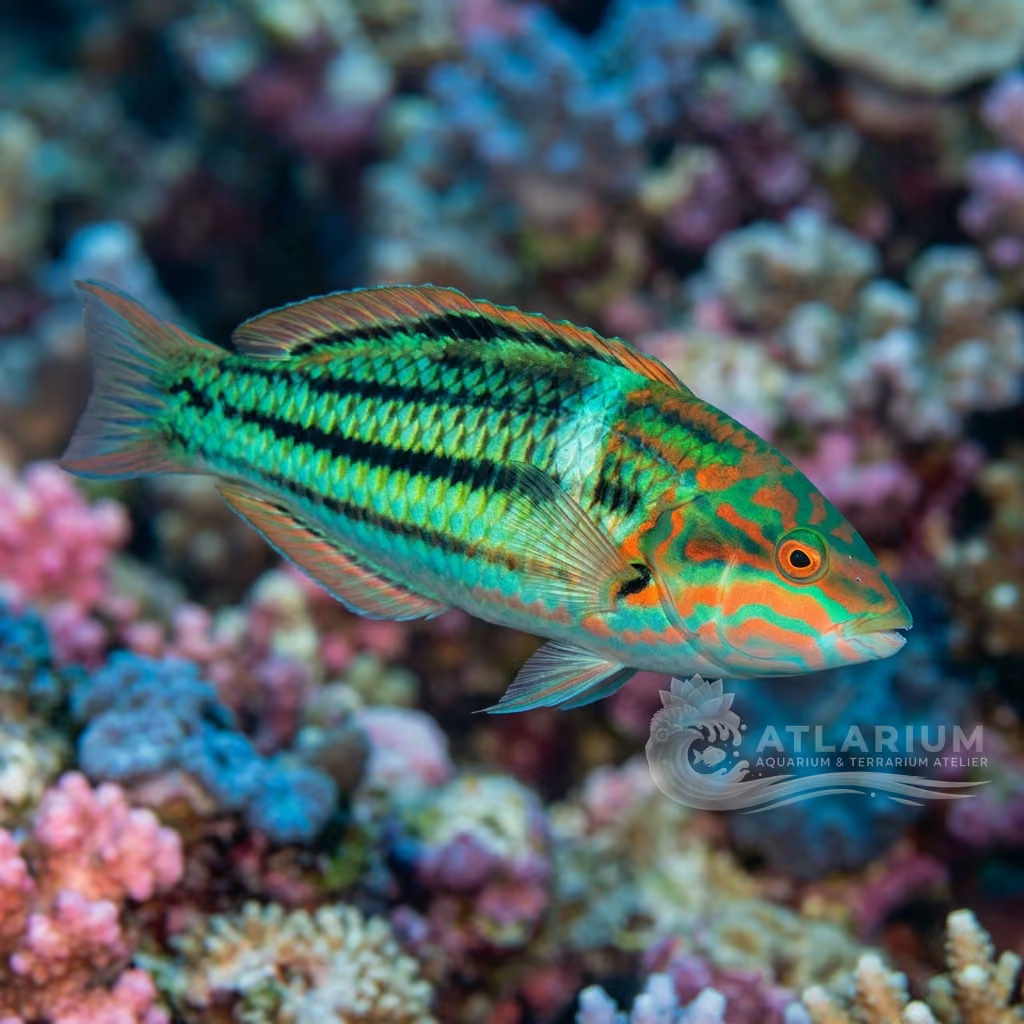
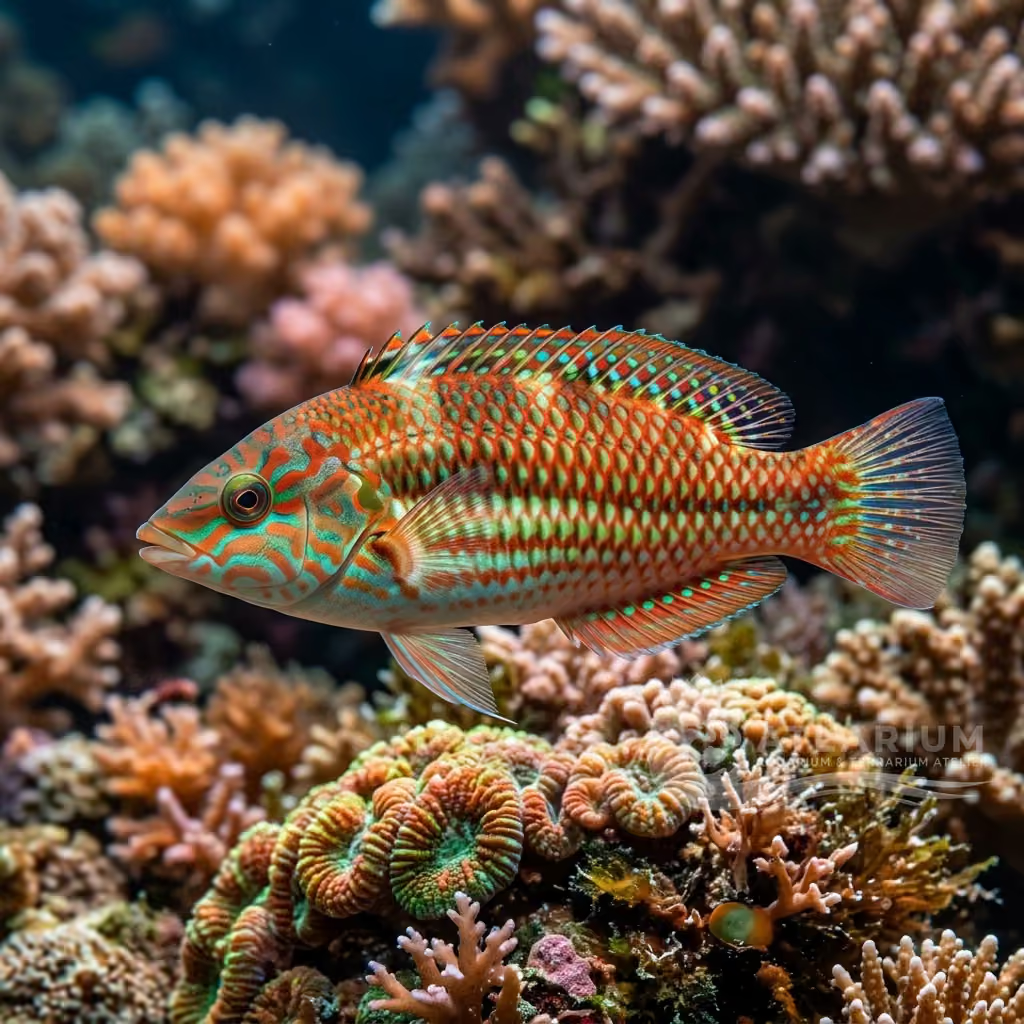
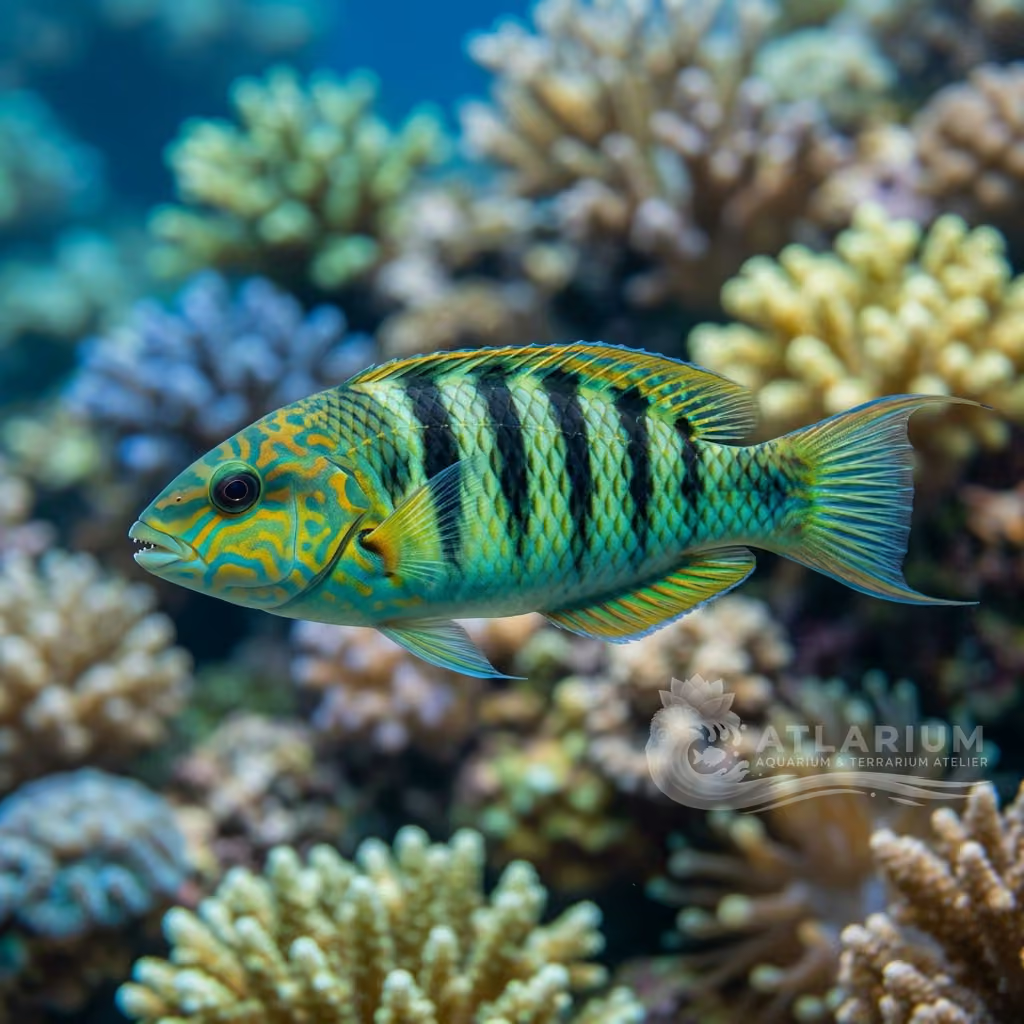
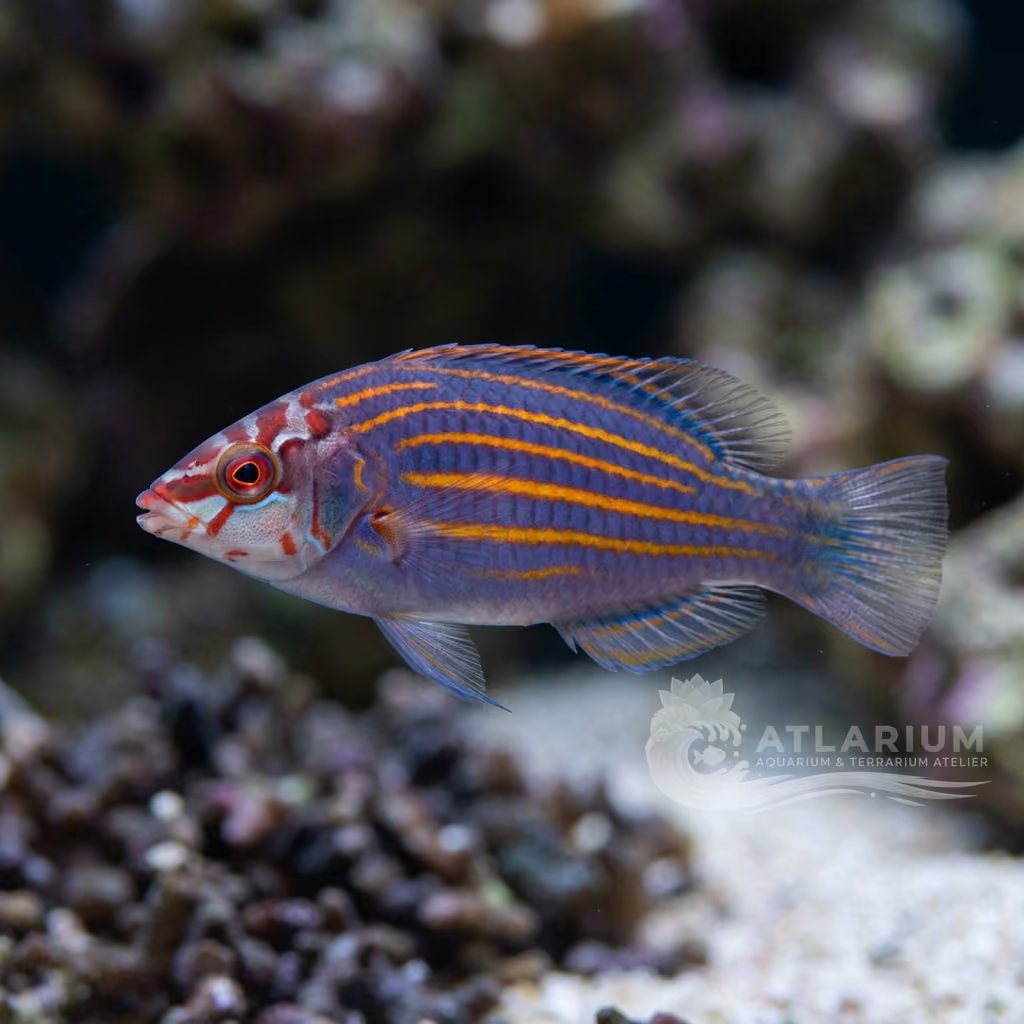
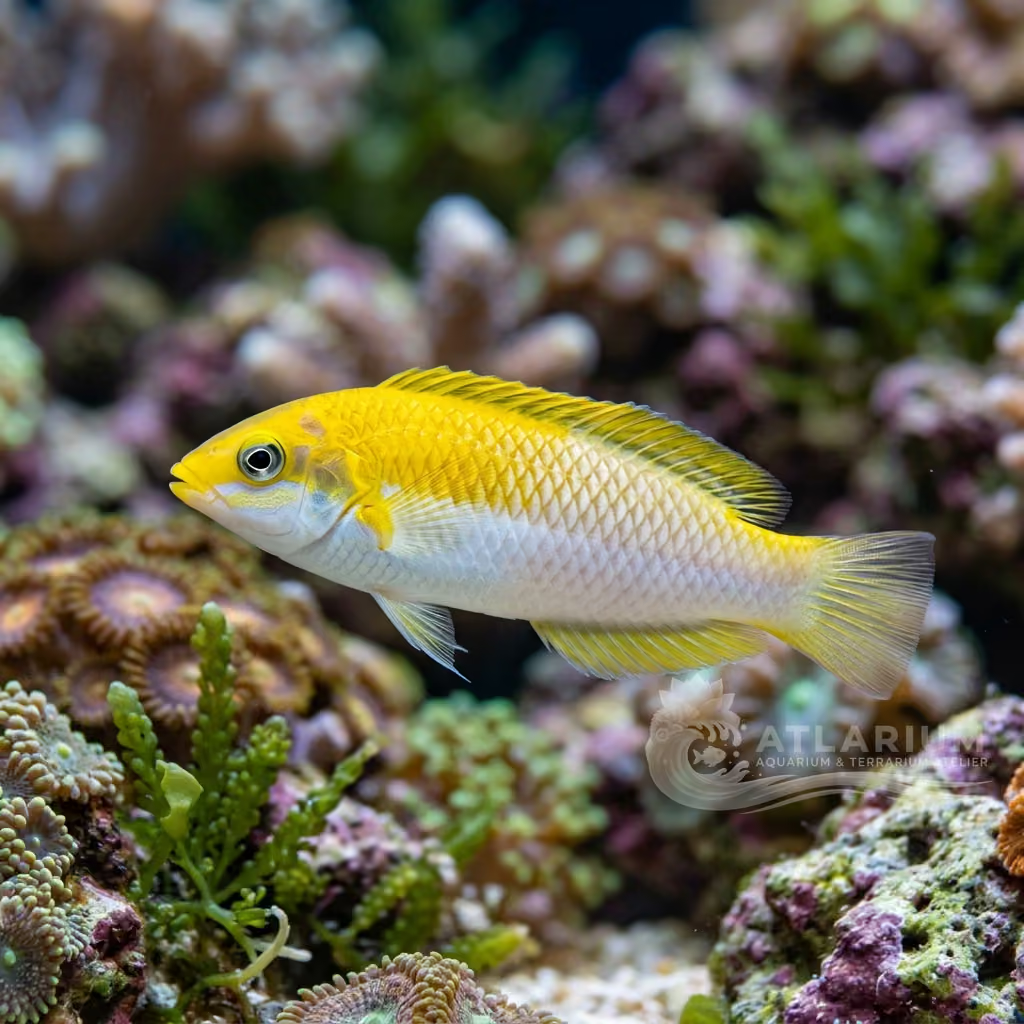
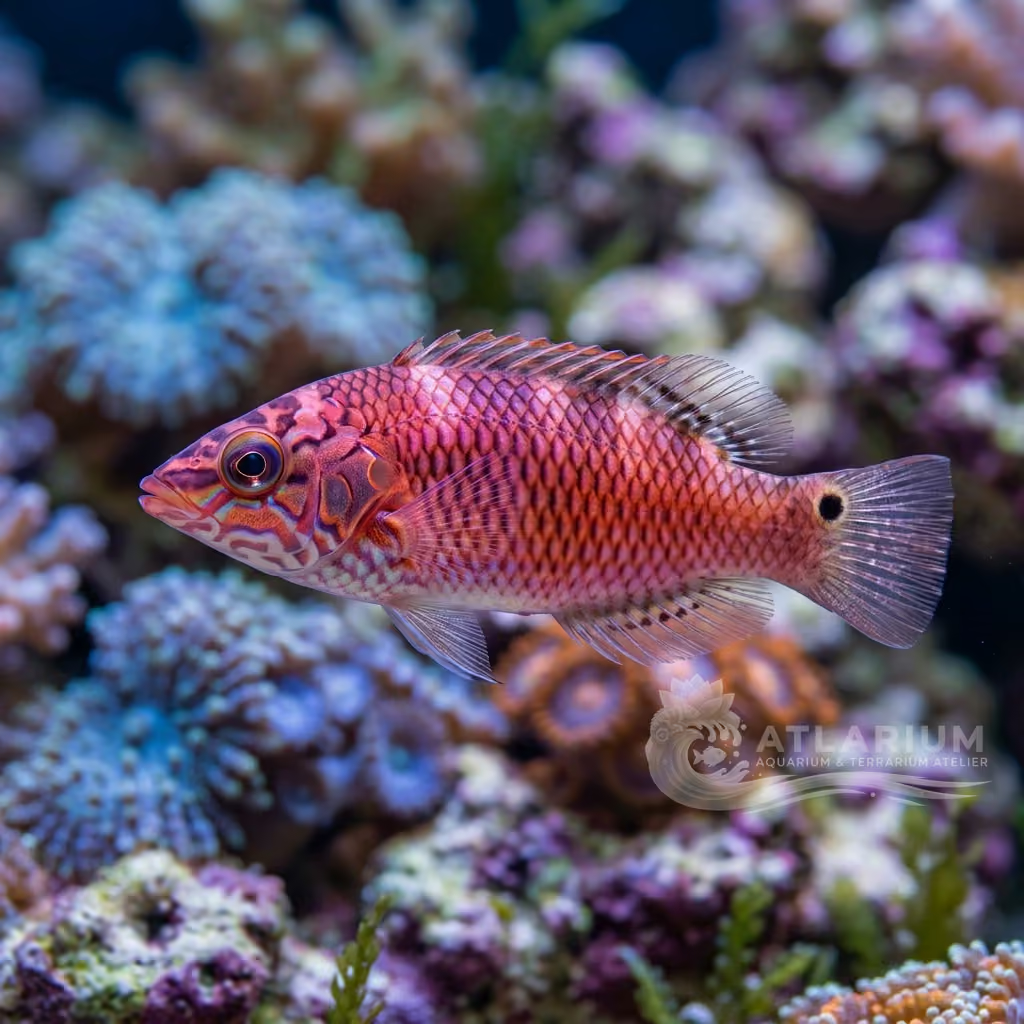
Ornate Wrasse
Macropharyngodon ornatus
The Ornate Leopard Wrasse is a specialized carnivore from the Indo-Pacific. It requires a spacious tank containing plenty of live rock, a deep non-silica sand bed for burrowing, and a secure lid.
Temperatura da água
23 - 28 °C
Valor de pH
8.1 - 8.4
Tipo de água
Marinho
Nível do tanque
Parte inferior e intermediária
Tamanho adulto
13 cm
Volume mínimo do tanque
>= 250 L
Grupo mínimo
>= 1
KH
8 - 12 dKH

Descrição da espécie
Geographical Origin and Habitat: Widespread in the tropical Indo-Pacific, from the Eastern Indian Ocean (Cocos-Keeling Islands) to Indonesia, Papua New Guinea, and the Great Barrier Reef of Australia. Inhabits shallow weed-rich lagoons and seaward reefs at depths of 2 to 30 meters.
Taxonomy and Morphology: Member of the family Labridae, genus Macropharyngodon. Features an elongated, moderately compressed body. Possesses specialized pharyngeal teeth for crushing invertebrate shells. Reaches a size of approximately 13 cm.
Social Behavior: Peaceful, active, and highly mobile. Schools in small groups containing a dominant male and multiple females. Easily startled, they will instantly dive into the sand for cover.
Coloration and Sexual Dimorphism: Stunning color pattern with reddish-brown spots ringed with green and yellow, creating a leopard-like print. Males exhibit more vibrant colors and intricate red-green facial stripes, whereas females and juveniles are duller.

Cuidado, criação e companheiros de tanque
Aquarium Setup: Requires a tank of at least 250 liters. The substrate must consist of fine sand (not silica-based) at least 5-8 cm deep to allow burrowing. Provide plenty of live rock for foraging. A secure lid is mandatory.
Diet and Feeding: Specialized carnivore. Constantly hunts copepods, amphipods, and small benthic micro-fauna. Must be fed at least 3 times daily with high-quality frozen foods (mysis, brine shrimp) and supplemented with live pods.
Water Quality: Pristine parameters are vital: temperature 23-28°C, pH 8.1-8.4, specific gravity (SG) 1.020-1.025, GH 15-25, KH 8-12. Highly sensitive to sudden water parameter shifts and organic build-up. Efficient skimming is required.
Compatibility and Cohabitation: 100% reef safe. Peaceful with docile tankmates. Avoid housing with conspecifics of the same genus to prevent territorial aggression. Do not house with pushy or aggressive species.
Aquarium Breeding: Protogynous hermaphrodite. Captive reproduction is undocumented due to the extreme complexity of raising pelagic larvae.
Risks and Diseases: Very high mortality rate during shipping and early acclimation. Absence of sand bed causes snout damage and lethal stress. Prone to rapid emaciation in young or immature tanks.

Origem e distribuição geográfica
Widespread in the tropical Indo-Pacific, from the Eastern Indian Ocean (Cocos-Keeling Islands) to Indonesia, Papua New Guinea, and the Great Barrier Reef of Australia. Inhabits shallow weed-rich lagoons and seaward reefs at depths of 2 to 30 meters.
Origem
Oceanos tropicais e recifesÁfrica e MadagascarSul e Sudeste AsiáticoAustrália, Nova Guiné e Oceania

Perfil de peixe
- Temperamento
- Aggressive
- This wrasse is generally peaceful and relatively shy when first introduced to a new environment. They mostly ignore other species, focusing primarily on hunting across the rockwork. They can become stressed if kept with overly boisterous or aggressive tank mates. Once properly settled, they display a very active and inquisitive personality.
- Dieta
- Carnivore
- They are strictly carnivorous and rely heavily on benthic microfauna, particularly copepods. In the home aquarium, they must be transitioned to frozen foods like mysis and enriched brine shrimp. They constantly graze live rock throughout the day looking for small crustaceans. Providing a mature tank with an established pod population is critical for long-term success.
- Expectativa de vida
- 5-7 years
- Tamanho adulto
- 13 cm
- Proporção sexual
- Harem
- It is generally best to keep them singly or as a harem consisting of one male and several females. Keeping multiple males together will usually result in severe aggression and territorial disputes. Females are generally tolerant of each other when introduced simultaneously. In a captive environment, a lone dominant female may eventually turn into a male.
- Frequência de alimentação
- Twice daily
- Due to their high metabolism, they should be fed small amounts at least three times a day. If an abundant population of natural prey is present, supplemental feeding can be reduced. Consistent, frequent feeding is vital to prevent them from losing weight over time. Automated feeders can be useful if dispensing high-quality appropriately sized pellets.
- Carga biológica
- Medium
- The False Leopard Wrasse produces a moderate bioload typical of active marine fish. Careful monitoring of nutrient levels is necessary due to their specific dietary needs. A well-established filtration system with an efficient protein skimmer is highly recommended. Regular water changes will help manage their waste output effectively.
- Fluxo
- Strong
- They prefer moderate to strong water flow that mimics their natural coral reef environment. Good water movement helps keep oxygen levels high, which is essential for their health. The flow should provide areas of turbulent current as well as resting spots behind rockwork. Ensure the flow is well dispersed rather than a single direct blast.
- Risco de salto
- Yes
- Like most wrasses, this species is highly prone to jumping when startled or frightened. A tight-fitting lid or mesh screen cover is absolutely essential to prevent them from escaping. They often dart toward the surface if chased by aggressive tank mates or during lighting changes. Even a small gap in the canopy can lead to the loss of this fish.
- Reprodução
- Oviparous
- They are protogynous hermaphrodites, meaning females can transition into males as they mature. Breeding in the home aquarium is extremely rare and very difficult to achieve. In the wild, they perform pelagic spawning, releasing gametes directly into the water column. The resulting larvae drift in ocean currents for an extended period before settling.
- Compatibilidade e companheiros de tanque
- Reef safe
- This species is generally peaceful but can be territorial towards other wrasses of similar shape. They thrive in reef aquariums alongside other non-aggressive tank mates. Avoid housing them with large, predatory fish that might see them as food. They are considered entirely reef safe and will not bother corals or most invertebrates.
- Nível do tanque
- Middle/Bottom
- They utilize all levels of the aquarium but are most commonly seen actively swimming in the mid-to-lower regions. They stay close to live rock formations where they constantly hunt for prey. At night, they require a deep sand bed to bury themselves for sleep and protection. A fine, soft substrate is mandatory for their well-being.

Modelos e parâmetros científicos
FishBase
Acesso aos dados científicos oficiais da espécie
FishBase v25.04Dados sincronizados em: 15/06/2026
- Nível trófico
- 3,5 ± 0,4 se
- Resiliência
- Alta (menos de 15 meses)
- Unicidade filogenética (PD50)
- 0.5002
- Relação bayesiana comprimento-peso
- a = 0.00977, b = 3.07
- VulnerabilidadeVulnerabilidade baixa (10 / 100)

Espécies relacionadas
Recomendações agrupadas por parentes próximos, escolhas de acompanhantes e cuidados semelhantes.