Yellow Canary Wrasse
Halichoeres leucoxanthus
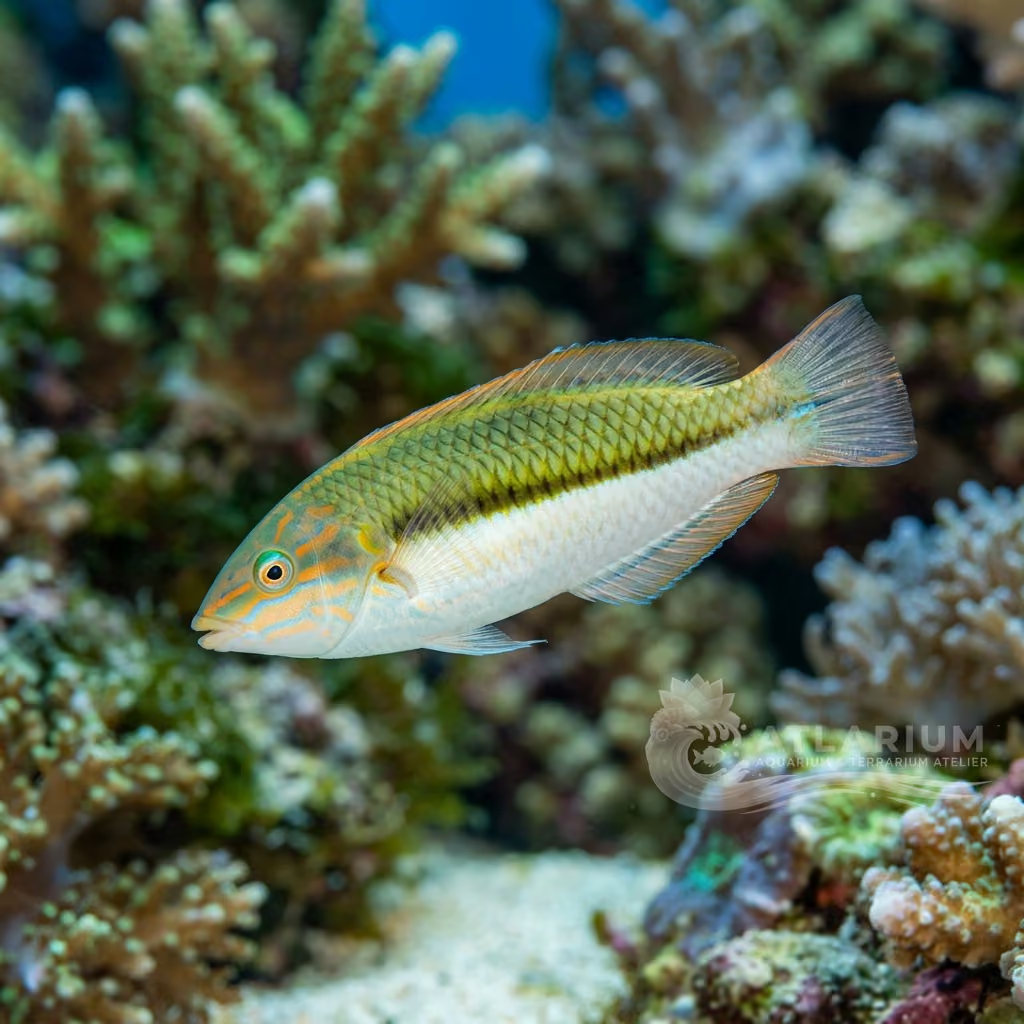
The Canary Wrasse is a vibrant yellow and white Indian Ocean fish. An excellent flatworm predator, it requires a 200L reef tank with a deep, fine sand bed for sleeping, a tight lid, and a carnivorous diet.
Temperatura da água
22 - 27 °C
Valor de pH
8.1 - 8.4
Tipo de água
Marinho
Nível do tanque
Parte inferior e intermediária
Tamanho adulto
12 cm
Volume mínimo do tanque
>= 200 L
Grupo mínimo
>= 1

Descrição da espécie
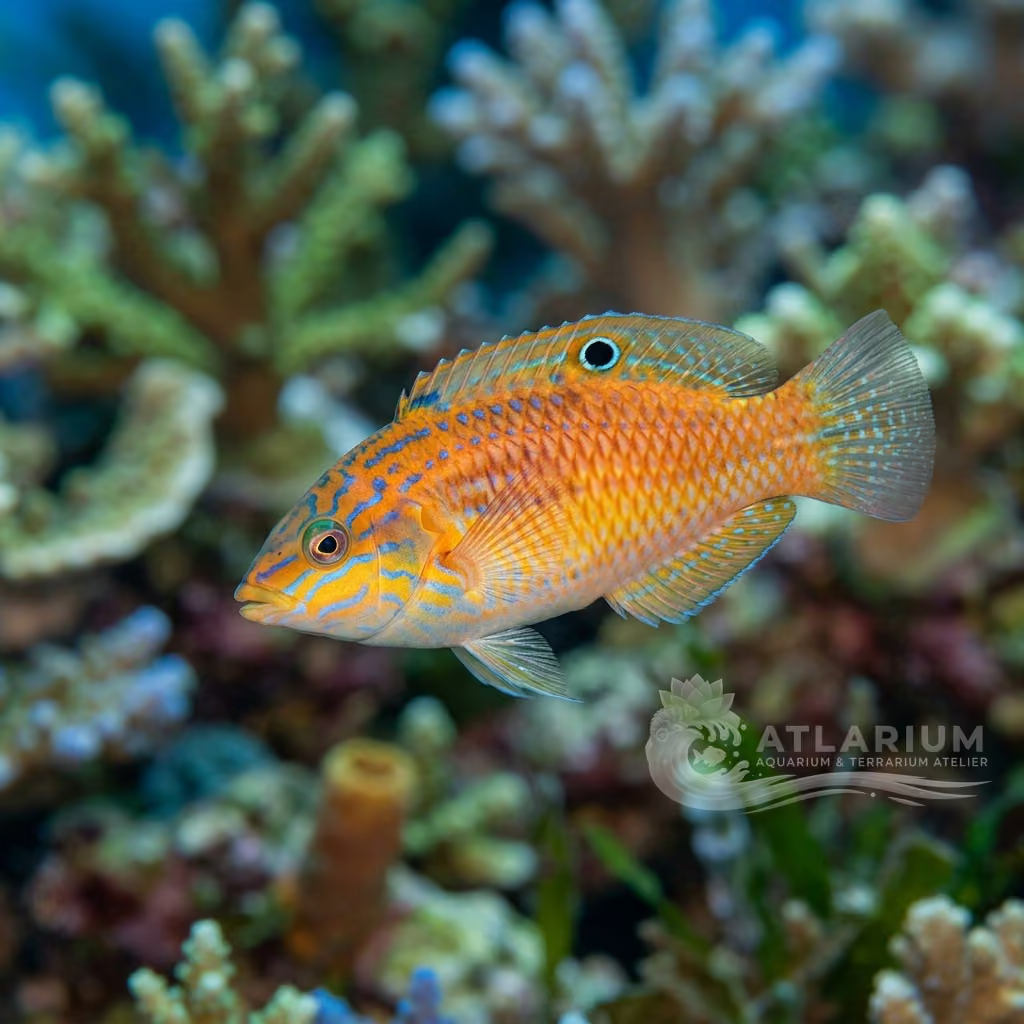
Geographical Origin and Habitat: Halichoeres leucoxanthus, commonly known as the Yellow Canary Wrasse or Canary Wrasse, is a marine fish native to the warm tropical waters of the Indian Ocean. Its range includes the Maldives, Sri Lanka, the Andaman Islands, and the coasts of western Indonesia. It inhabits seaward reefs, protected lagoons, and sand-reef interfaces at depths between 10 and 50 meters, preferring areas with expansive fine sand beds to seek shelter.
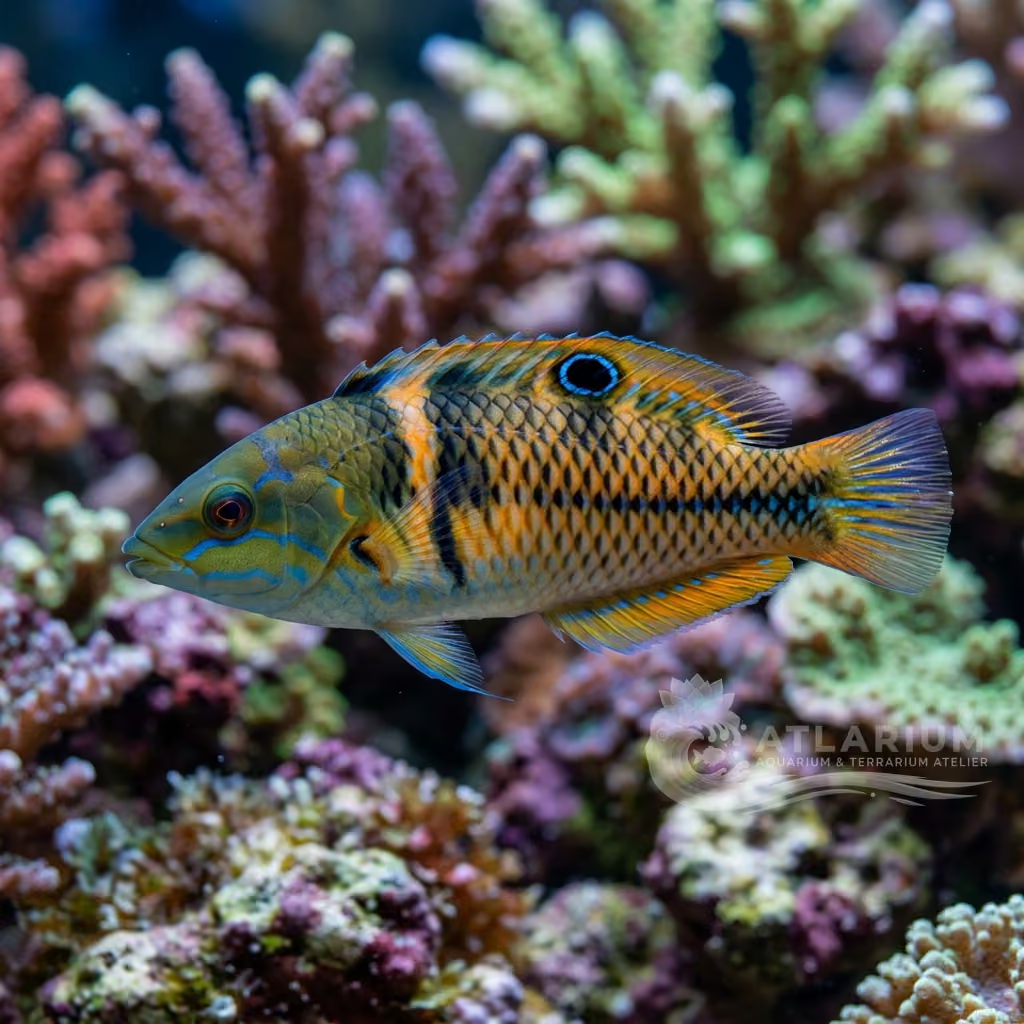
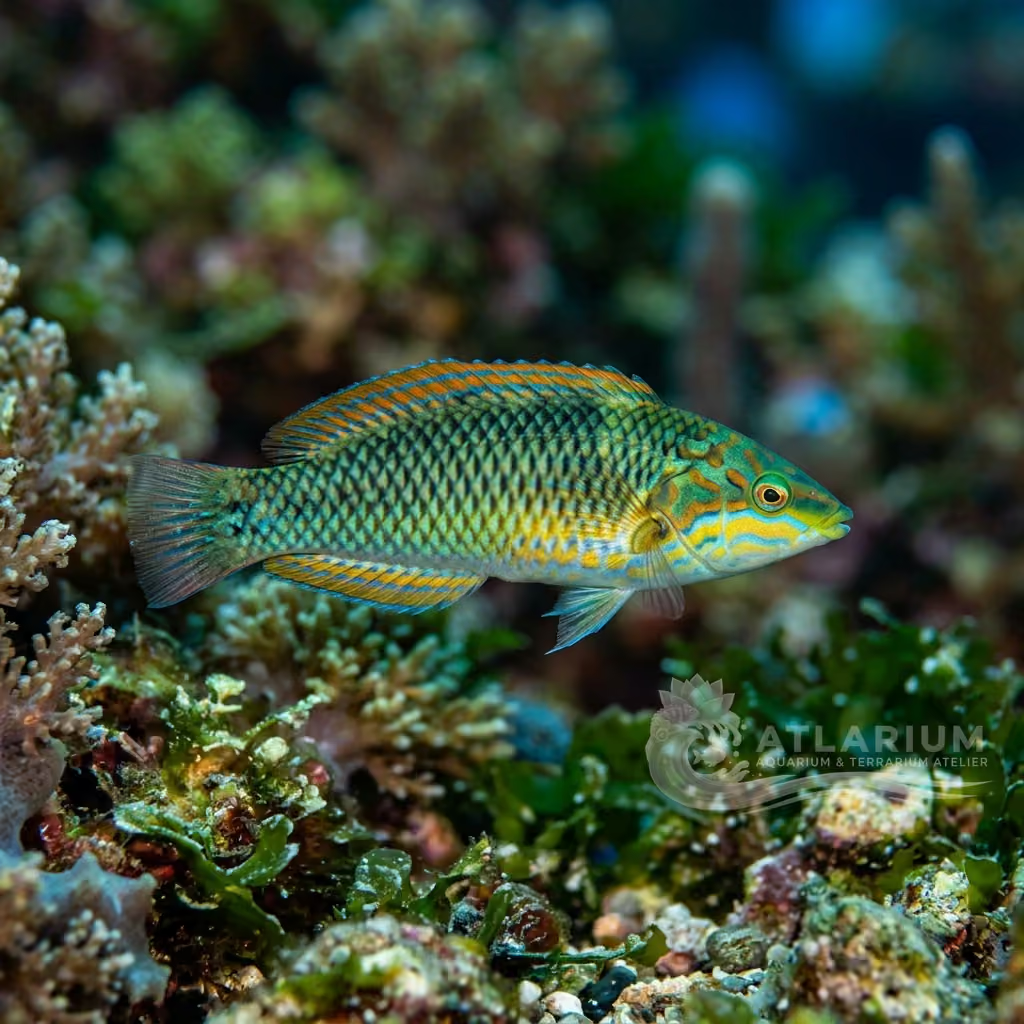
Taxonomy and Morphology: Belonging to the family Labridae, genus Halichoeres, and order Perciformes, this wrasse possesses an elongated, spindle-shaped body typical of the family, with a terminal mouth equipped with small teeth specialized for crushing prey shells. It reaches a maximum length of approximately 12 centimeters in captivity, making it a highly manageable and popular wrasse.
Social Behavior: It is an active, tireless swimmer and generally peaceful toward other reef inhabitants. It exhibits a benthopelagic behavior, constantly inspecting rocks and substrate for food. At night or when threatened, it buries itself completely in the fine sand bed to sleep and hide, re-emerging only when the aquarium lights turn back on in the morning.
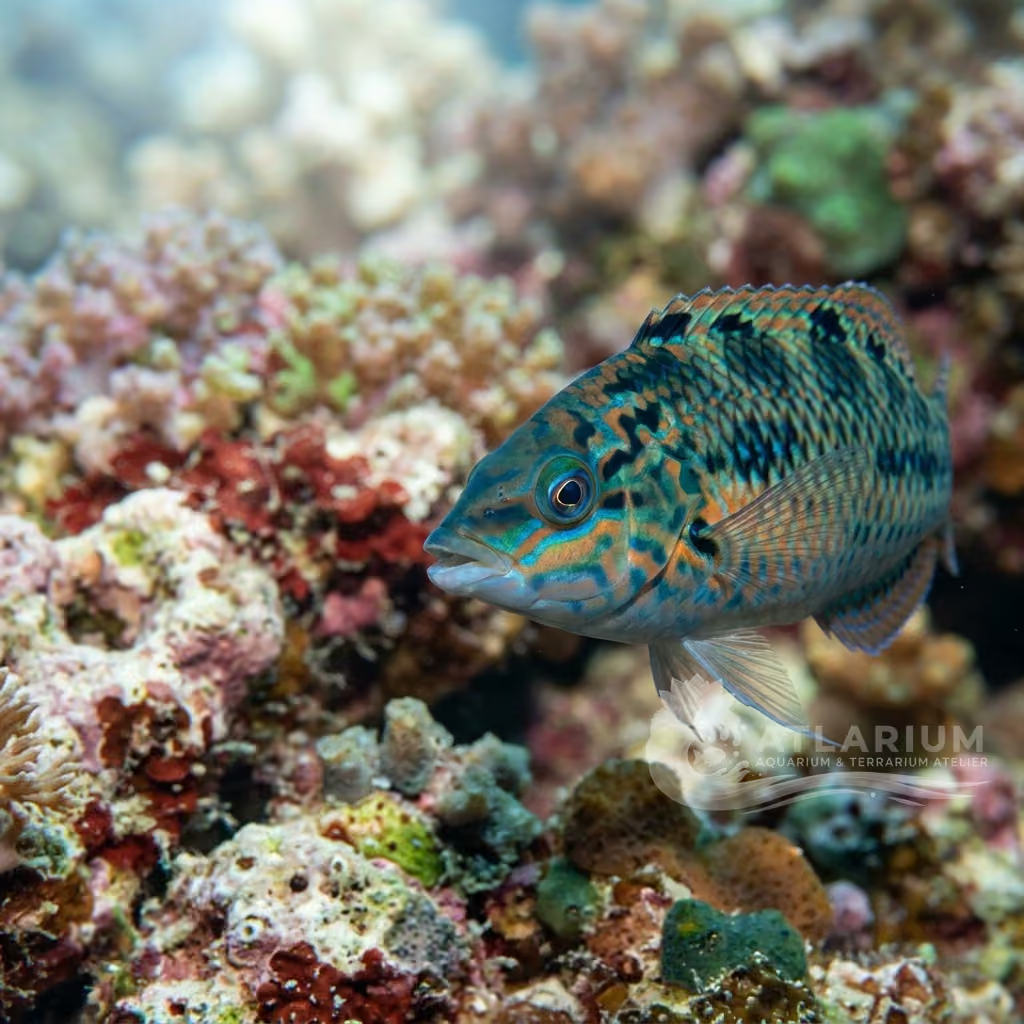
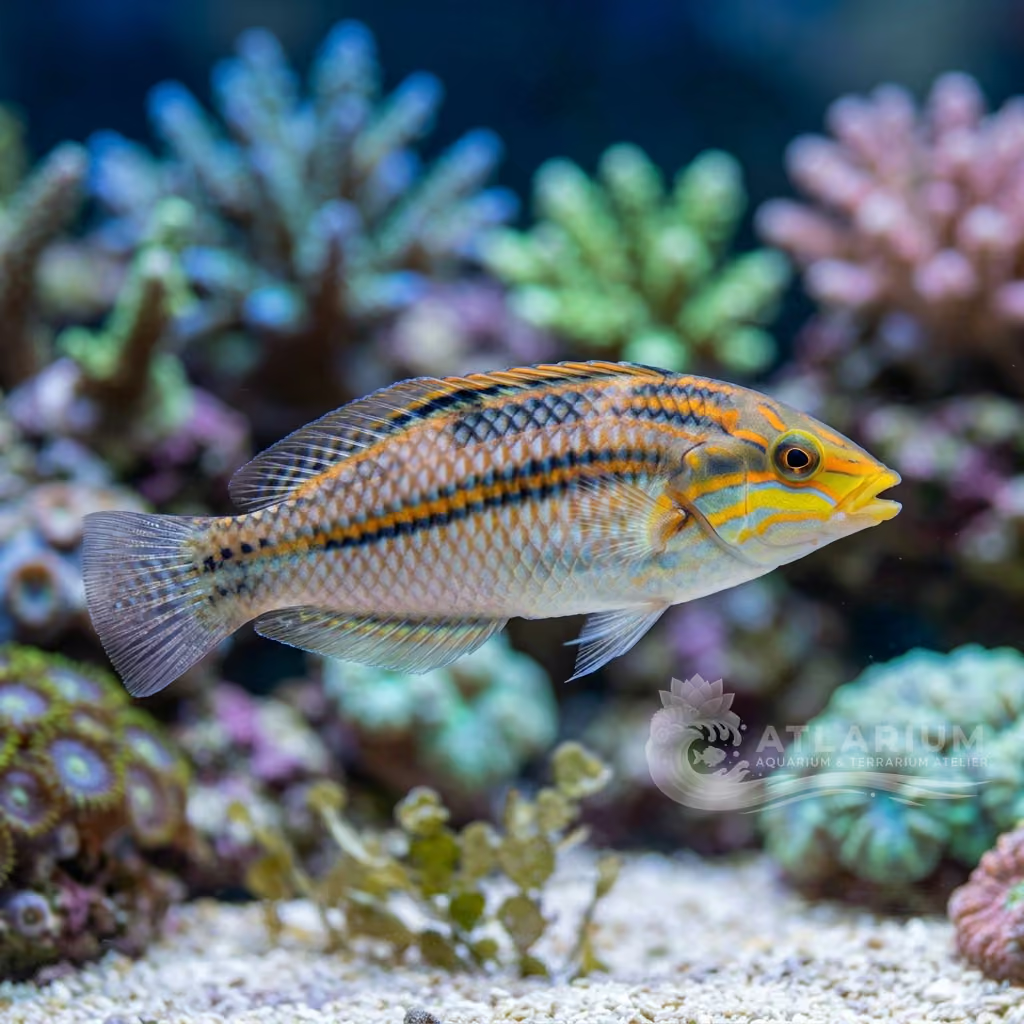
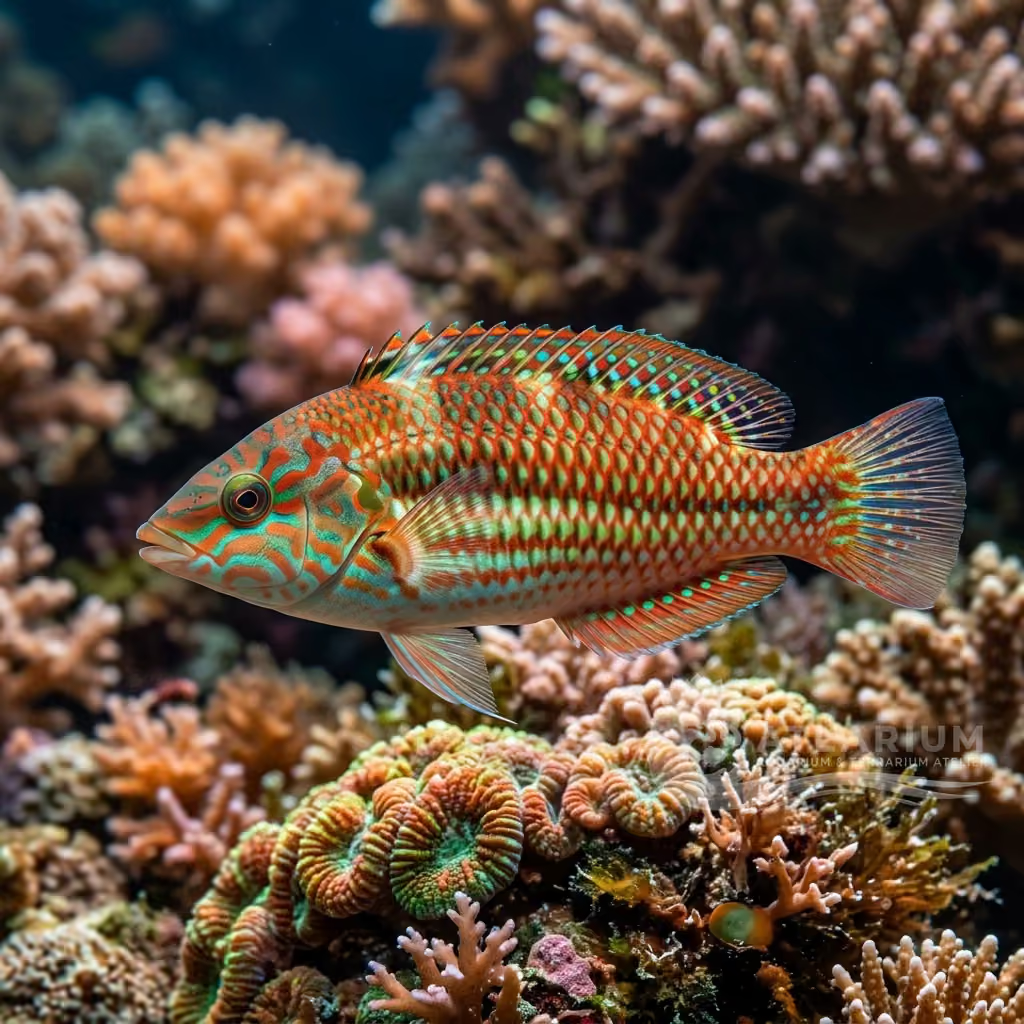
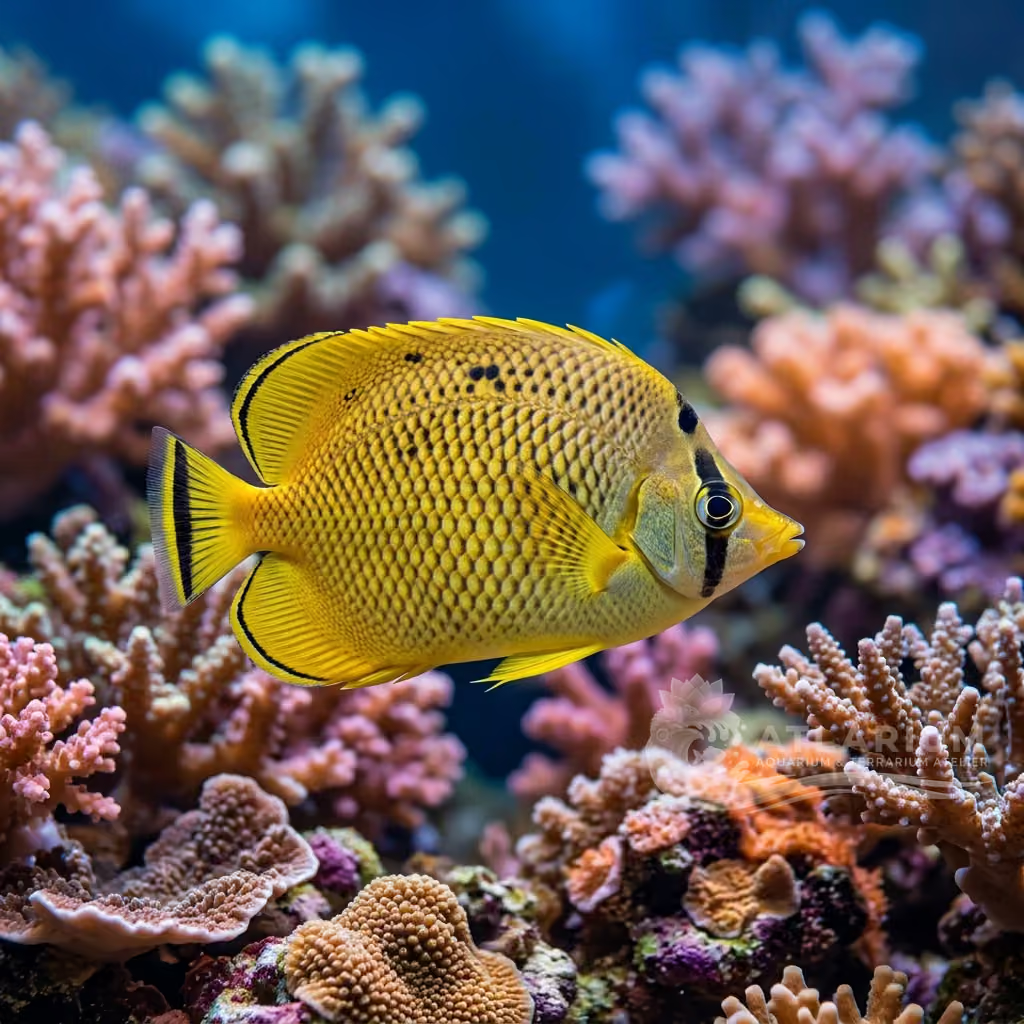
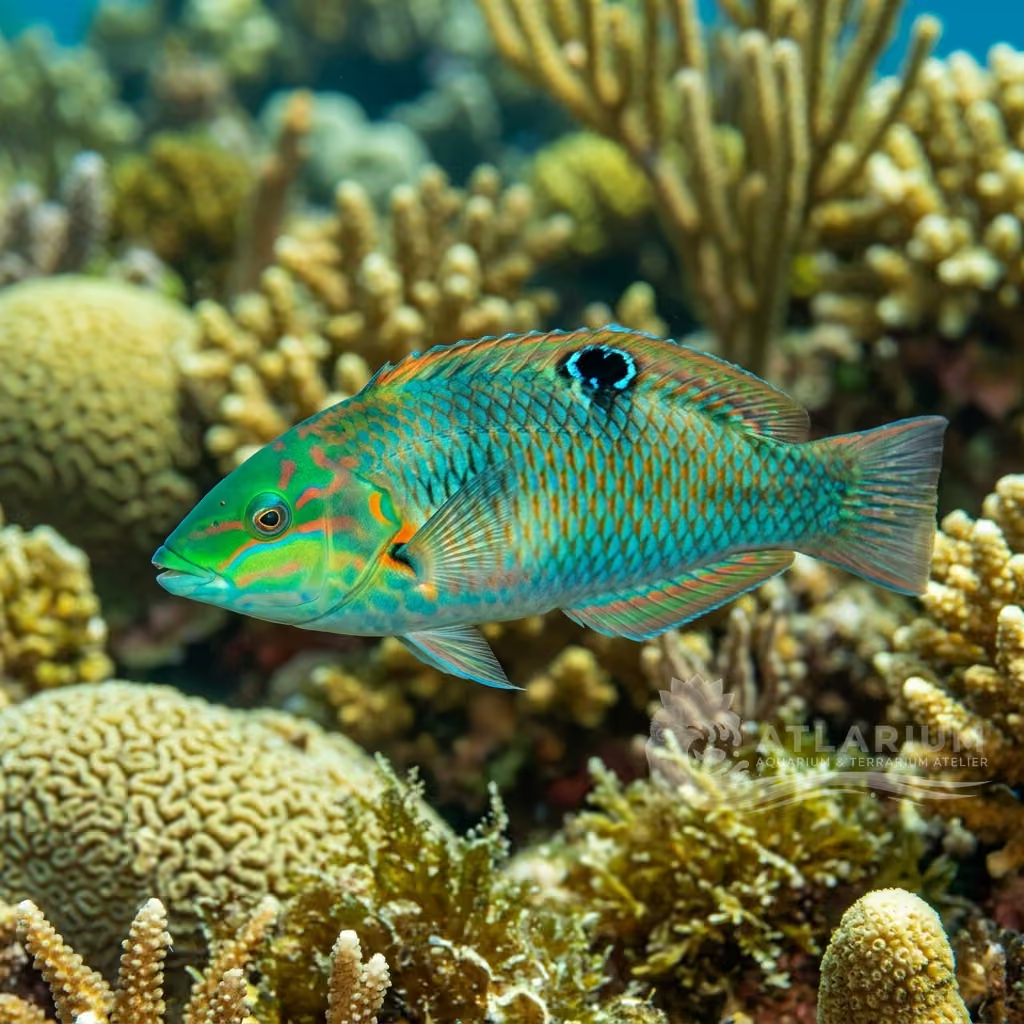
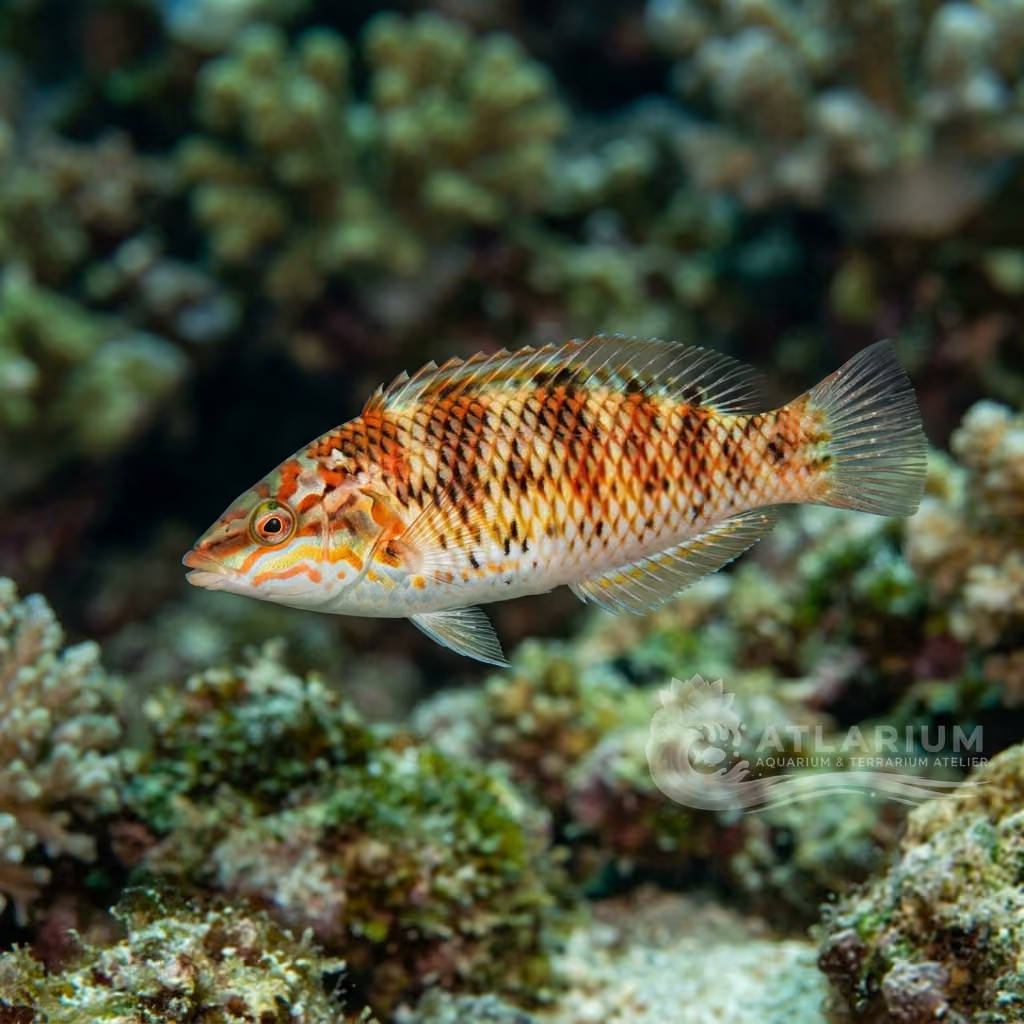
Coloration and Sexual Dimorphism: It displays an outstanding coloration: the upper half of the body is a brilliant canary yellow, while the lower half (belly) is a pristine, clean white. It features three distinct yellow-ringed black ocelli on its fins (two on the dorsal fin, one on the caudal fin). Dominant males may develop pinkish or green facial markings during courtship.

Cuidado, criação e companheiros de tanque
Aquarium Setup: It requires a mature reef aquarium with a minimum volume of 200 liters. The single most crucial setup requirement is a deep bed of fine, non-abrasive sand (at least 5-8 centimeters deep). Lacking a suitable sand bed, the fish will experience extreme stress and physical injury when trying to bury. The tank must have stable live rock structures and a tight lid, as they are expert jumpers.
Diet and Feeding: They are active carnivores. In the aquarium, they readily consume a wide variety of frozen and live foods such as mysis, krill, enriched brine shrimp, fish eggs, and high-quality pellet or flake foods. They are excellent natural pest control agents, actively hunting and consuming flatworms, pyramidellid snails, and small bristleworms within the reef tank.
Water Quality: It demands standard reef aquarium parameters: temperature between 24°C and 27°C, stable pH between 8.1 and 8.4, specific gravity of 1.023 to 1.025, and low nutrient levels (nitrates below 10-15 ppm). It is sensitive to ammonia and nitrite accumulation, requiring excellent biological filtration and an efficient protein skimmer to maintain pristine water conditions.
Compatibility and Cohabitation: This is a reef-safe species that will not harm stony or soft corals. It coexists peacefully with a wide range of community fish. However, it may prey on tiny benthic crustaceans (copepods, amphipods) and small ornamental snails or micro-shrimp. It can show aggression toward other Halichoeres wrasses introduced after it has established its territory.
Aquarium Breeding: Breeding in home aquariums is extremely difficult and has not been achieved on a regular commercial scale. They are protogynous hermaphrodites, meaning all specimens are born female, and the dominant female can transition into a male. Spawning involves rapid upward swimming displays followed by the broadcast release of pelagic eggs into the current.
Risks and Diseases: The main risk is skin abrasions caused by coarse or sharp substrate during sand-diving, which can lead to secondary bacterial infections. They are susceptible to marine parasites such as Cryptocaryon irritans (marine ich) and Amyloodinium. Wrasses tolerate copper-based treatments, but quarantine tanks are highly recommended for administering therapy.

Origem e distribuição geográfica
Halichoeres leucoxanthus, commonly known as the Yellow Canary Wrasse or Canary Wrasse, is a marine fish native to the warm tropical waters of the Indian Ocean. Its range includes the Maldives, Sri Lanka, the Andaman Islands, and the coasts of western Indonesia. It inhabits seaward reefs, protected lagoons, and sand-reef interfaces at depths between 10 and 50 meters, preferring areas with expansive fine sand beds to seek shelter.
Origem
Oceanos tropicais e recifesSul e Sudeste Asiático

Perfil de peixe
- Temperamento
- Territorial
- The Halichoeres leucoxanthus generally exhibits a peaceful but bold temperament, constantly patrolling the tank. While they ignore most corals, they are opportunistic predators of small ornamental shrimp, tubeworms, and small snails. They can occasionally become territorial toward other substrate-sleeping wrasses.
- Dieta
- Carnivore
- These wrasses are rigorous carnivores that spend their days scouring the rockwork for benthic invertebrates. In the home aquarium, their diet must include high-quality meaty items like mysis, brine shrimp, and chopped clam meat. They also serve a highly practical purpose by consuming various coral pests.
- Expectativa de vida
- 5-7 years
- Tamanho adulto
- 12 cm
- Proporção sexual
- Solitary
- It is generally best to keep them as solitary individuals, unless the aquarium is exceptionally large. Keeping multiple males together will almost certainly lead to vicious territorial disputes. A single male can sometimes be kept with several females if introduced simultaneously.
- Frequência de alimentação
- Twice daily
- Due to their constant movement and foraging behavior, they require feeding two to three times daily. Even with frequent feedings, they will relentlessly hunt for microfauna among the live rock. Providing ample food prevents them from becoming overly aggressive during feeding time.
- Carga biológica
- Medium
- The Halichoeres leucoxanthus produces a moderate bioload in a marine aquarium. Since they are active foragers with hearty appetites, their waste production is proportional to their substantial feeding requirements. A well-established protein skimmer and adequate biological filtration are recommended.
- Fluxo
- Moderate
- They prefer a moderate to strong water flow that mimics the surge zones and reefs they naturally inhabit. Good water circulation helps maintain high oxygen levels, which these energetic swimmers demand. Consistent flow also aids in flushing out detritus from the sandbed where they sleep.
- Risco de salto
- Yes
- Halichoeres leucoxanthus is an enthusiastic jumper and can easily escape an uncovered aquarium. A tightly woven mesh screen or canopy is essential to prevent these fish from ending up on the floor. Extra care should be taken when performing tank maintenance or adjusting lighting.
- Reprodução
- Oviparous
- This species is a protogynous hermaphrodite, undergoing a female-to-male sex change as they mature and establish dominance. Breeding them in captivity has proven exceptionally difficult because they release pelagic eggs into the water column. Dominant males often display striking terminal phase coloration.
- Compatibilidade e companheiros de tanque
- Reef safe with caution
- While generally peaceful toward similarly sized fish, Halichoeres leucoxanthus can be a menace to small decorative invertebrates. They will readily hunt flatworms, bristleworms, pyramid snails, and sometimes small ornamental shrimp. They are otherwise considered excellent, vibrant additions to community reef tanks.
- Nível do tanque
- Middle/Bottom
- They are highly active in the lower and middle regions of the aquarium, constantly inspecting the aquascape for food. A critical requirement for this species is a deep, soft sand bed (at least 2-3 inches). They dive entirely under the sand to sleep at night or when severely stressed.

Modelos e parâmetros científicos
FishBase
Acesso aos dados científicos oficiais da espécie
FishBase v25.04Dados sincronizados em: 15/06/2026
- Nível trófico
- 3,4 ± 0,5 se
- Resiliência
- Alta (menos de 15 meses)
- Unicidade filogenética (PD50)
- 0.5
- Relação bayesiana comprimento-peso
- a = 0.01, b = 3.09
- VulnerabilidadeVulnerabilidade baixa (10 / 100)

Espécies relacionadas
Recomendações agrupadas por parentes próximos, escolhas de acompanhantes e cuidados semelhantes.