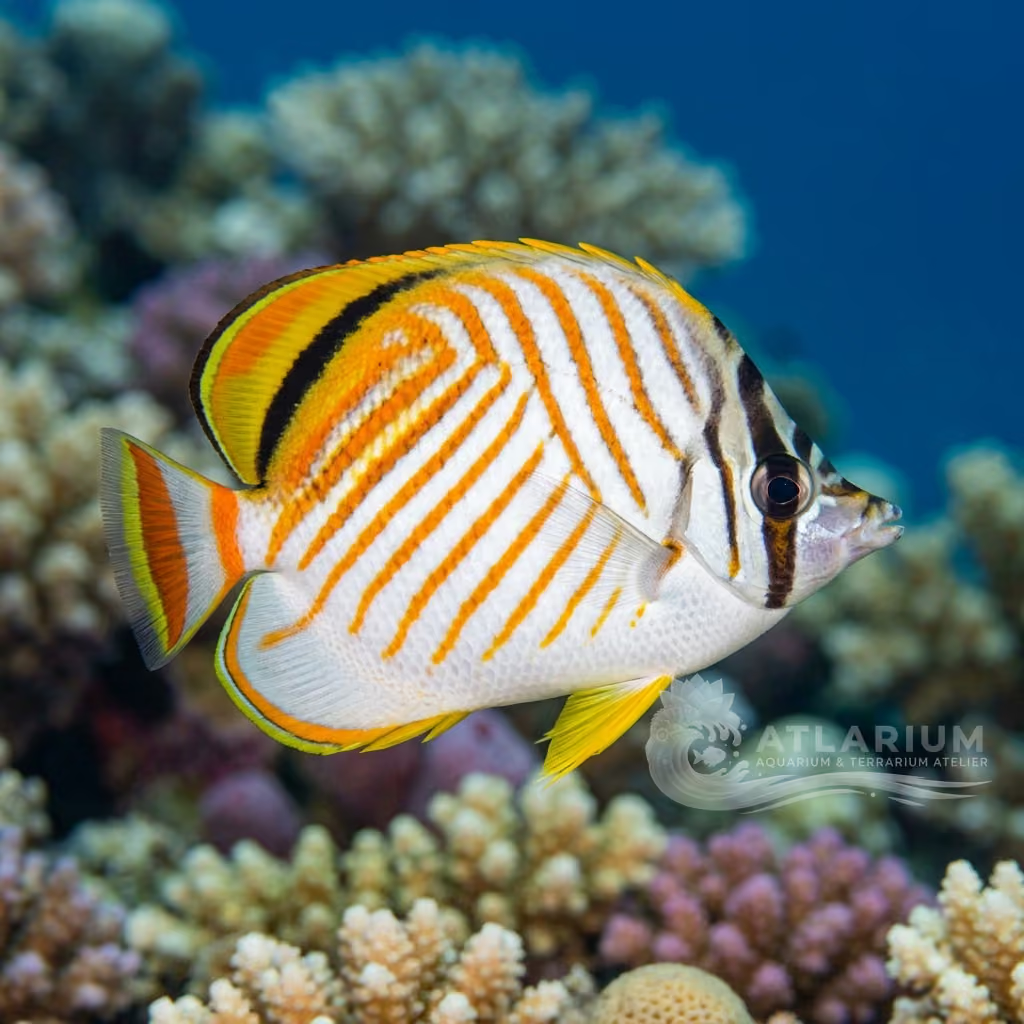
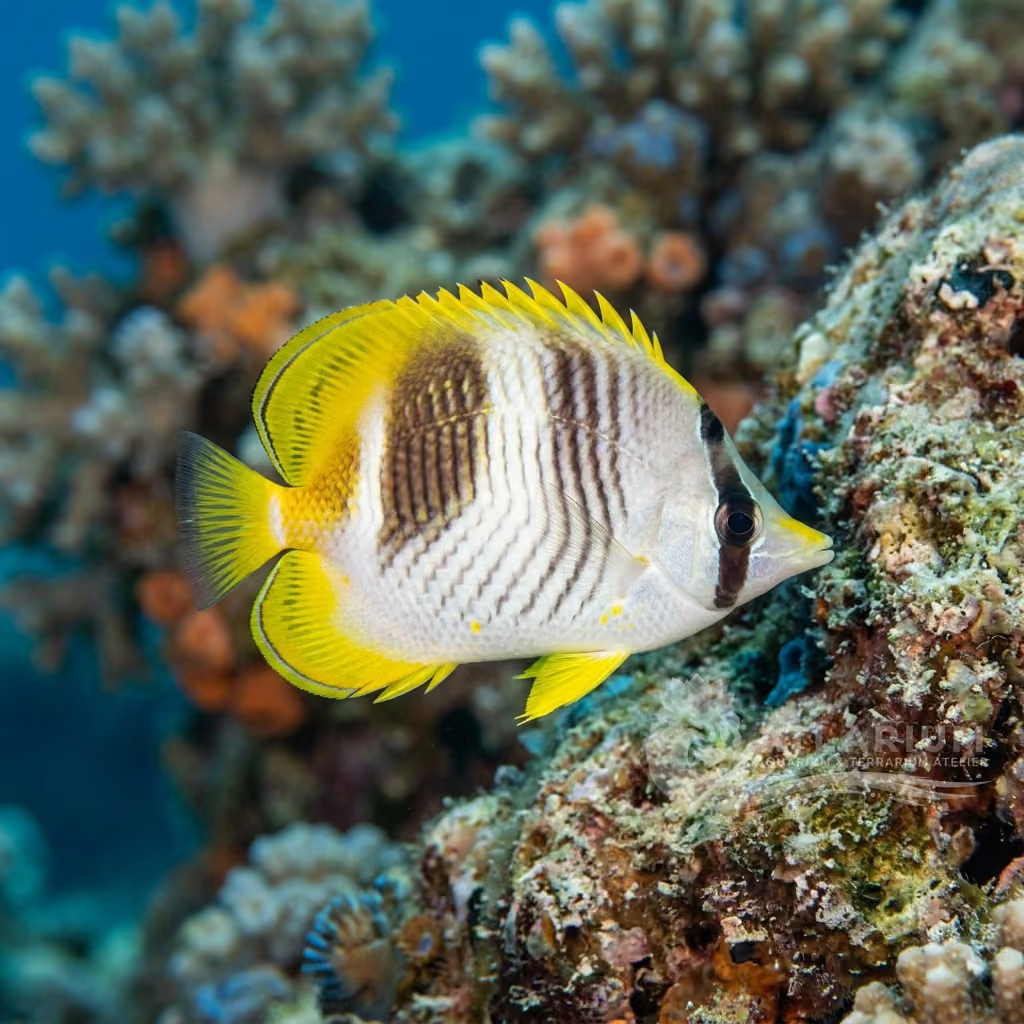
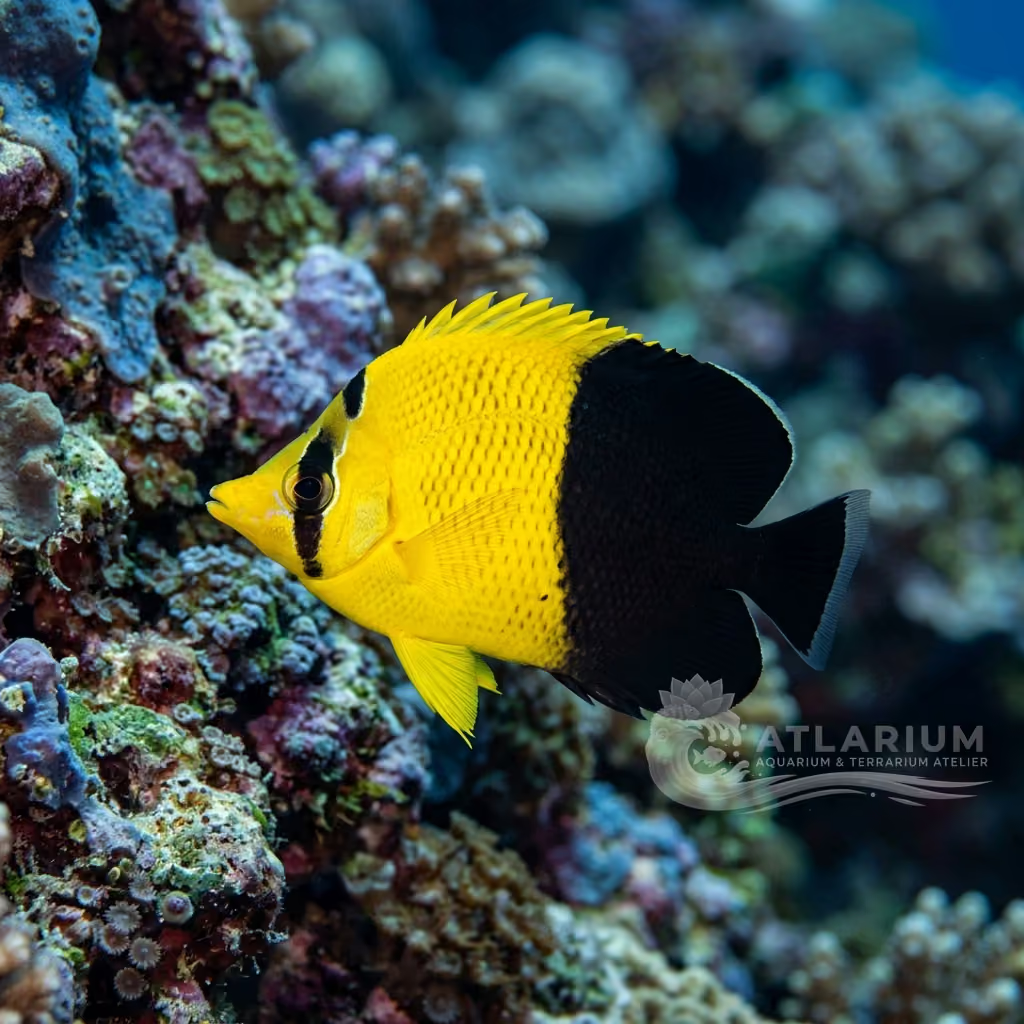
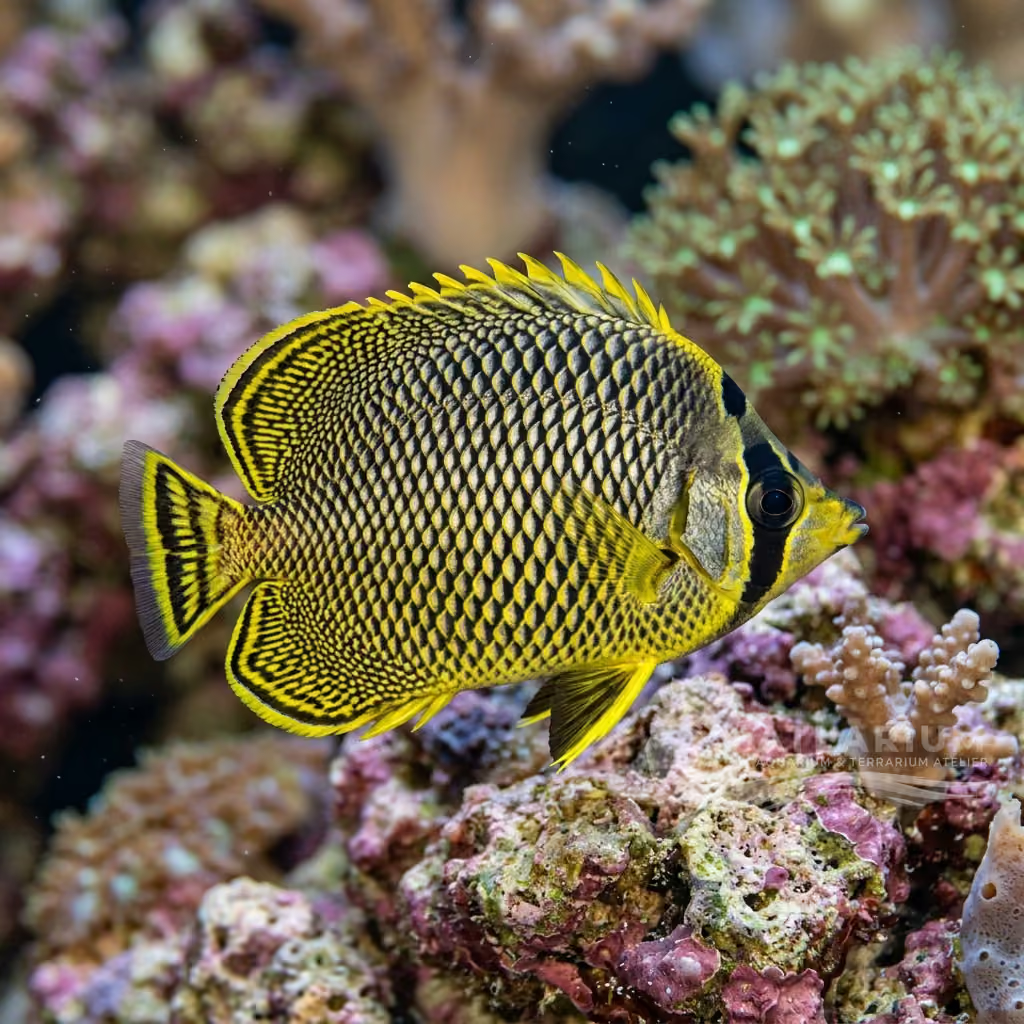
Citron Butterflyfish
Chaetodon citrinellus
This deep-bodied butterflyfish inhabits shallow Indo-Pacific lagoons. It requires a mature 250L tank with strong flow, high oxygen, and plenty of grazing surfaces.
Temperatura da água
22 - 27 °C
Valor de pH
8.1 - 8.4
Tipo de água
Marinho
Nível do tanque
Parte inferior e intermediária
Tamanho adulto
13 cm
Volume mínimo do tanque
>= 250 L
Grupo mínimo
>= 1

Descrição da espécie
Geographical Origin and Habitat: Tropical Indo-Pacific, distributed from East Africa to the Hawaiian and Tuamotu Islands, north to southern Japan, and south to Australia. Inhabits shallow lagoons and sandy reef flats. They prefer shallow lagoons and exposed seaward reefs rich in coral growth and algae.
Taxonomy and Morphology: Member of the family Chaetodontidae. Features a deep, laterally compressed body with a slightly pointed snout specialized for picking benthic prey. Their compressed body shape allows them to navigate easily through dense branching corals.
Social Behavior: Peaceful and active species. Typically observed in mated pairs or small groups. Constantly searches reef flats for food, requiring a stress-free environment. They are active swimmers that usually live in pairs, defending their feeding territory together.
Coloration and Sexual Dimorphism: Pale lemon-yellow to cream-colored body. Dotted with numerous small, dark blue to purplish spots arranged in diagonal rows. A black vertical band masks the eye. The bright yellow base color with brown spots provides effective camouflage against sandy backgrounds.

Cuidado, criação e companheiros de tanque
Aquarium Setup: Requires a mature marine aquarium of at least 250 liters with plenty of live rock to provide hiding spots and natural grazing surfaces. A large aquarium with strong water flow and high dissolved oxygen is essential for their health.
Diet and Feeding: Omnivorous. Feeds on algae, coral polyps, and small invertebrates. In captivity, accepts dry pellets, flakes, frozen brine shrimp, mysis, and marine algae. Offer a specialized diet containing marine algae, vitamin-enriched frozen foods, and coral-specific pastes.
Water Quality: Maintain standard marine parameters: temperature 22-27 °C, pH 8.1-8.4, and salinity 1.020-1.025 with efficient filtration and moderate water movement. Maintain pristine water conditions with low nutrient levels to prevent systemic infections and stress.
Compatibility and Cohabitation: Highly peaceful. Not reef safe as it may nip at stony corals. Best kept with quiet, non-aggressive species in a fish-only setup. They are not considered reef-safe as they will feed on anemones, zoanthids, and coral polyps.
Aquarium Breeding: Spawning in home aquariums is undocumented. Pelagic spawner. The larvae float in the water column before settling onto the reef. Captive breeding is currently unsuccessful due to the planktonic nature and feeding requirements of the fry.
Risks and Diseases: Moderately delicate. Susceptible to marine ich (Cryptocaryon) and stress. Ensure the aquarium is fully cycled and stable before introduction. Quarantine new arrivals carefully to treat potential infestations of marine ich or skin flukes.

Origem e distribuição geográfica
Tropical Indo-Pacific, distributed from East Africa to the Hawaiian and Tuamotu Islands, north to southern Japan, and south to Australia. Inhabits shallow lagoons and sandy reef flats. They prefer shallow lagoons and exposed seaward reefs rich in coral growth and algae.
Origem
Oceanos tropicais e recifesÁfrica e MadagascarLeste AsiáticoAustrália, Nova Guiné e Oceania

Perfil de peixe
- Temperamento
- Territorial
- The Citron Butterflyfish is generally peaceful and semi-shy, meaning it will not bother other non-related tank mates. However, they can show territorial aggression towards members of their own species or closely related butterflyfish with similar body shapes. They require plenty of hiding places in the rockwork to feel secure and prevent them from becoming overly stressed or timid.
- Dieta
- Omnivore
- In the wild, this species is an omnivore that grazes on filamentous algae, coral polyps, sponges, worms, and tiny benthic invertebrates. In the aquarium, they should be offered a varied diet that includes frozen meaty foods such as mysis shrimp, brine shrimp, and chopped clams, alongside marine algae and spirulina. Some specimens can be challenging to transition to prepared foods, so offering live blackworms or clam-on-the-half-shell can help stimulate feeding.
- Expectativa de vida
- 5-10 years
- Tamanho adulto
- 13 cm
- Proporção sexual
- 1:1 ratio
- In the home aquarium, the Citron Butterflyfish is best kept singly or as a mated male-female pair. Keeping multiple individuals of the same sex or similar species can lead to intense territorial aggression, especially in smaller aquariums. If attempting to house a pair, it is crucial to introduce them simultaneously or purchase an established mated pair to minimize conflict.
- Frequência de alimentação
- Twice daily
- Because of their high metabolism and active grazing nature, Citron Butterflyfish should be fed small portions multiple times a day. Ideally, they should be fed two to three times daily to ensure they receive adequate nutrition and maintain their body weight. Providing live rock with natural microalgae growth allows them to graze continuously between scheduled feedings, promoting better overall health.
- Carga biológica
- Medium
- The Citron Butterflyfish requires excellent water quality and efficient filtration due to its active grazing habits and need for frequent feeding, which can quickly degrade water conditions. A robust protein skimmer, mechanical filtration, and regular water changes are essential to keep nitrate and phosphate levels low. They are sensitive to organic pollutants, so a moderate to high biological filtration capacity is highly recommended.
- Fluxo
- Moderate
- This species prefers moderate water movement that mimics the natural flow of shallow reef flats and lagoons. While they enjoy a steady current, excessive or turbulent flow can stress them and make swimming difficult. Providing areas of both active flow and calmer zones behind rockwork allows them to rest and swim comfortably throughout the tank.
- Risco de salto
- Yes
- While the Citron Butterflyfish is not considered a high-frequency jumper, it can leap out of the water if startled, chased by tank mates, or stressed by poor water conditions. A tightly fitting lid or screen cover is strongly recommended to prevent accidental jumps and secure the aquarium environment. Providing dim nocturnal lighting can also help ease nighttime startle responses that lead to jumping.
- Reprodução
- Oviparous
- Breeding the Citron Butterflyfish in captivity is extremely difficult and has not been reliably accomplished in home aquariums. In nature, they are pelagic spawners that form monogamous pairs, releasing eggs and sperm into the water column where fertilization occurs. The eggs and subsequent larvae drift as plankton, requiring highly specialized planktonic foods and conditions that are nearly impossible to replicate in a typical home system.
- Compatibilidade e companheiros de tanque
- Peaceful
- The Citron Butterflyfish is best housed with other peaceful marine species such as chromis, dartfish, gobies, and fairy wrasses. They should not be kept with highly aggressive or territorial fish like large damselfish or triggerfish that may bully them. Crucially, they are not reef-safe, as they will readily nip at stony and soft corals, zoanthids, and clam mantles.
- Nível do tanque
- Middle/Bottom
- This species naturally inhabits shallow reef flats and lagoons, exhibiting a preference for the bottom to middle regions of the water column. In captivity, they spend most of their time hovering near the live rock, searching for food and navigating caves and crevices. Providing ample open swimming space in the middle of the tank along with structured rockwork below is ideal for their behavior.

Modelos e parâmetros científicos
FishBase
Acesso aos dados científicos oficiais da espécie
FishBase v25.04Dados sincronizados em: 15/06/2026
- Nível trófico
- 3,5 ± 0,3 se
- Resiliência
- Alta (menos de 15 meses)
- Unicidade filogenética (PD50)
- 0.5
- Relação bayesiana comprimento-peso
- a = 0.02291, b = 2.95
- VulnerabilidadeVulnerabilidade baixa (10 / 100)

Espécies relacionadas
Recomendações agrupadas por parentes próximos, escolhas de acompanhantes e cuidados semelhantes.