Blackback Butterflyfish
Chaetodon melannotus
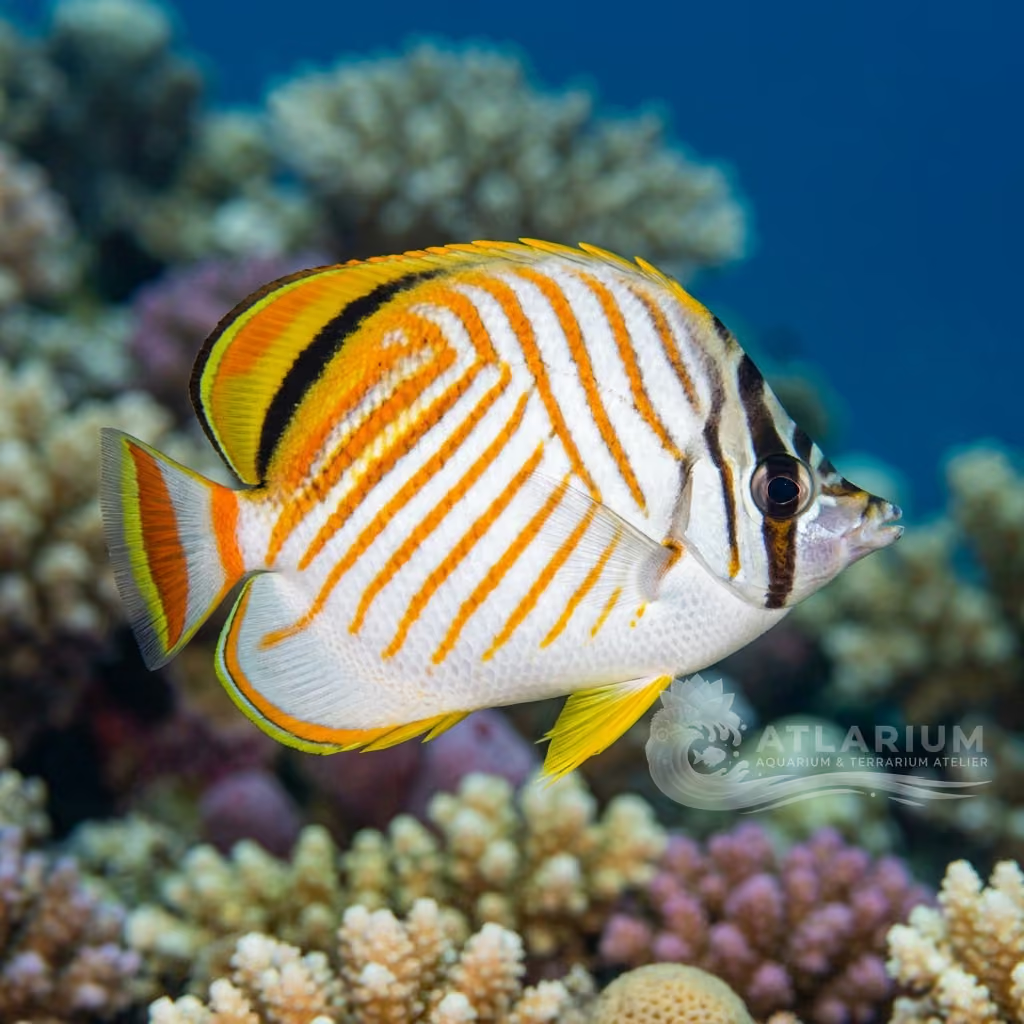
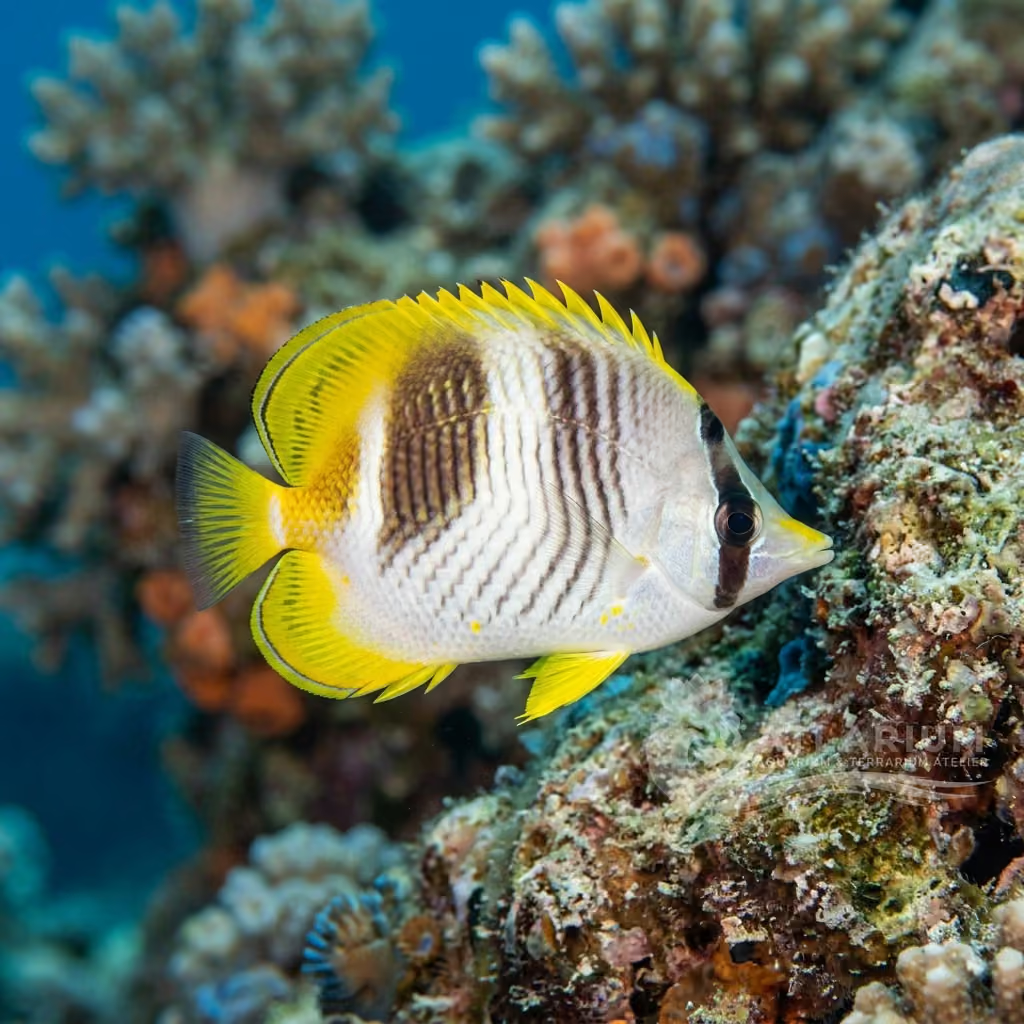
The blackback butterflyfish (Chaetodon melannotus) is a strikingly patterned marine fish featuring a white body with diagonal black stripes and a dark saddle on its upper back.
Temperatura da água
22 - 26 °C
Valor de pH
8.1 - 8.4
Tipo de água
Marinho
Nível do tanque
Parte inferior e intermediária
Tamanho adulto
18 cm
Volume mínimo do tanque
>= 300 L
Grupo mínimo
>= 1

Descrição da espécie
Geographical Origin and Habitat: Widely distributed in the tropical Indo-Pacific, from the Red Sea and East Africa to Samoa, north to southern Japan, and south to the Great Barrier Reef. Inhabits shallow, coral-rich lagoons and seaward reefs.
Taxonomy and Morphology: Belongs to the family Chaetodontidae. Features a highly laterally compressed, disc-shaped body with a pointed snout. Reaches a maximum length of about 15-18 cm. The small, protractile mouth is adapted for picking food from crevices.
Social Behavior: Typically observed in stable pairs or as solitary individuals. They are territorial fish that constantly patrol the reef for food. In captivity, they are peaceful toward other families but can be territorial toward conspecifics.
Coloration and Sexual Dimorphism: Silvery-white body with fine black diagonal stripes. The upper back features a dark, dusky saddle. The fins are edged in bright yellow, and a black vertical band runs through the eye. No visible sexual dimorphism.

Cuidado, criação e companheiros de tanque
Aquarium Setup: Requires a mature marine aquarium of at least 300 liters (80 gallons) with ample open swimming space and extensive rockwork forming caves and overhangs. Water movement should be moderate to strong to simulate natural reef currents.
Diet and Feeding: Omnivorous with a strong natural preference for soft coral polyps. In captivity, weaning onto prepared foods can be challenging; offer fresh opened clams, mysis shrimp, and frozen preparations before introducing high-quality pellets or flakes.
Water Quality: Requires pristine, stable marine parameters: temperature 24-28°C (75-82°F), pH 8.1-8.4, salinity 1.020-1.025 SG, and near-zero nitrates. A high-performance protein skimmer is essential.
Compatibility and Cohabitation: Not reef-safe; will nip at stony and soft corals, anemones, and feather dusters. Suitable for FOWLR systems with peaceful to semi-aggressive tankmates like tangs, dwarf angels, and wrasses.
Aquarium Breeding: Breeding in home aquariums is undocumented. In nature, they are pelagic spawners, releasing buoyant eggs into the water column, which float with oceanic currents.
Risks and Diseases: Susceptible to external marine parasites such as Cryptocaryon irritans (marine ich) and Oodinium (velvet) under stress. Quarantine is highly recommended. Secure lid is advised as they can jump when startled.

Origem e distribuição geográfica
Widely distributed in the tropical Indo-Pacific, from the Red Sea and East Africa to Samoa, north to southern Japan, and south to the Great Barrier Reef. Inhabits shallow, coral-rich lagoons and seaward reefs.
Origem
Oceanos tropicais e recifesÁfrica e MadagascarLeste Asiático

Perfil de peixe
- Temperamento
- Aggressive
- This species is generally peaceful towards other fish families but can exhibit territoriality and aggression towards conspecifics and similarly shaped butterflyfish. They are active, curious, and spend much of their day exploring the rockwork for potential food sources. It is best to avoid housing them with highly aggressive tank mates that might outcompete them for food or cause them stress. A spacious tank with adequate hiding spots will help minimize any minor territorial disputes.
- Dieta
- Omnivore
- In the wild, the Black-backed Butterflyfish is a facultative corallivore, feeding primarily on soft and hard coral polyps, as well as small invertebrates. In a home aquarium, they must be transitioned to a varied, protein-rich diet consisting of frozen mysis shrimp, brine shrimp, and high-quality chopped seafood. Offering foods bound in gel or nutrient-rich pastes on rocks can encourage natural foraging behaviors. Because of their dietary habits, they are not considered reef-safe and will damage coral displays.
- Expectativa de vida
- 8-12 years
- Tamanho adulto
- 18 cm
- Proporção sexual
- 1:1 ratio
- In their natural habitat, these butterflyfish form monogamous pairs and are usually seen swimming together. In the aquarium, it is recommended to keep them as a single specimen unless a confirmed, compatible mated pair can be sourced. Attempting to introduce two random individuals into the same tank often leads to severe intraspecific aggression and stress. There is no visible sexual dimorphism, making it very difficult for hobbyists to pair them manually.
- Frequência de alimentação
- Twice daily
- Due to their active nature and rapid metabolism, these fish require multiple daily feedings to maintain their weight and overall health. They should be fed at least two to three times a day in small portions that they can consume within a few minutes. Young or newly introduced individuals may need even more frequent feedings to stimulate their appetite and ease their transition. Consistent feeding schedules prevent starvation and support a strong immune system.
- Carga biológica
- Medium
- The Black-backed Butterflyfish has a medium bioload due to its size and the necessity of frequent daily feedings of protein-rich foods. To maintain optimal water quality and manage biological waste, a highly efficient filtration system is essential, including a robust protein skimmer. Regular water changes and a well-established biological filter are critical to prevent the accumulation of harmful nitrogenous compounds. Incorporating a sump with macroalgae or chemical filtration media can also help in keeping dissolved organic levels low.
- Fluxo
- Moderate
- The Black-backed Butterflyfish prefers moderate to strong water flow, reflecting the conditions of their natural coral reef habitats. Adequate circulation helps keep the water highly oxygenated and mimics the currents they navigate in the wild. While they enjoy active currents, it is important to provide some calmer areas in the rockwork where they can rest without fighting the flow. Well-positioned wavemakers will ensure optimal distribution of heat and nutrients while keeping the fish active.
- Risco de salto
- Yes
- The Black-backed Butterflyfish poses a moderate risk of jumping, particularly if startled or harassed by tankmates. Sudden movements in the room, abrupt lighting changes, or chases by dominant fish can trigger a flight response, causing the fish to leap. To prevent accidental escapes and ensure their safety, a tight-fitting lid or a secure mesh cover is highly recommended. Standard precautions will help mitigate any unexpected jumping incidents in the aquarium.
- Reprodução
- Oviparous
- In the wild, this species is an egg-scatterer that spawns in open water during dusk, releasing pelagic eggs that float with the currents. Breeding the Black-backed Butterflyfish in captivity is extremely difficult and has not been successfully achieved by home aquarists. The complexity of raising the pelagic larvae, which require specialized planktonic food and precise environmental conditions, is a major barrier. As a result, almost all specimens available in the aquarium hobby are wild-caught.
- Compatibilidade e companheiros de tanque
- Reef safe
- This butterflyfish is highly compatible with other peaceful marine species, such as tangs, wrasses, and larger gobies, making them excellent candidates for large fish-only systems. However, they should not be housed with aggressive fish that might bully them or prevent them from feeding. Due to their corallivorous nature, they are completely incompatible with reef tanks containing stony corals, anemones, or ornamental soft corals, which they will actively nip and destroy. They can also target small ornamental tube worms or clams.
- Nível do tanque
- Middle/Bottom
- This species is an active swimmer that primarily occupies the middle and lower levels of the aquarium. They require plenty of open water space to swim freely, alongside a complex rockwork structure with caves and crevices. These structures allow them to forage naturally and find shelter when they feel threatened. Providing a tank with sufficient height and depth is beneficial for accommodating their active swimming habits.

Espécies relacionadas
Recomendações agrupadas por parentes próximos, escolhas de acompanhantes e cuidados semelhantes.