Blue-blotched Butterflyfish
Chaetodon plebeius
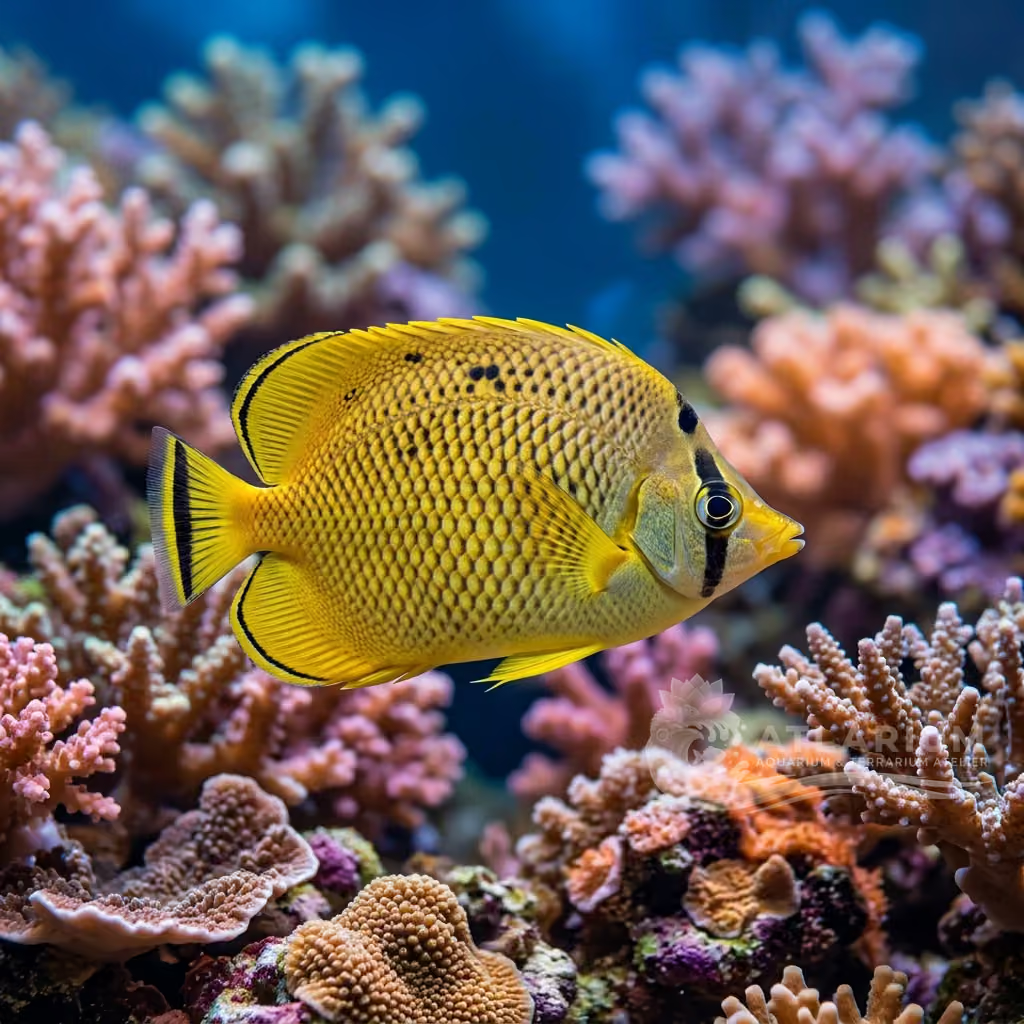
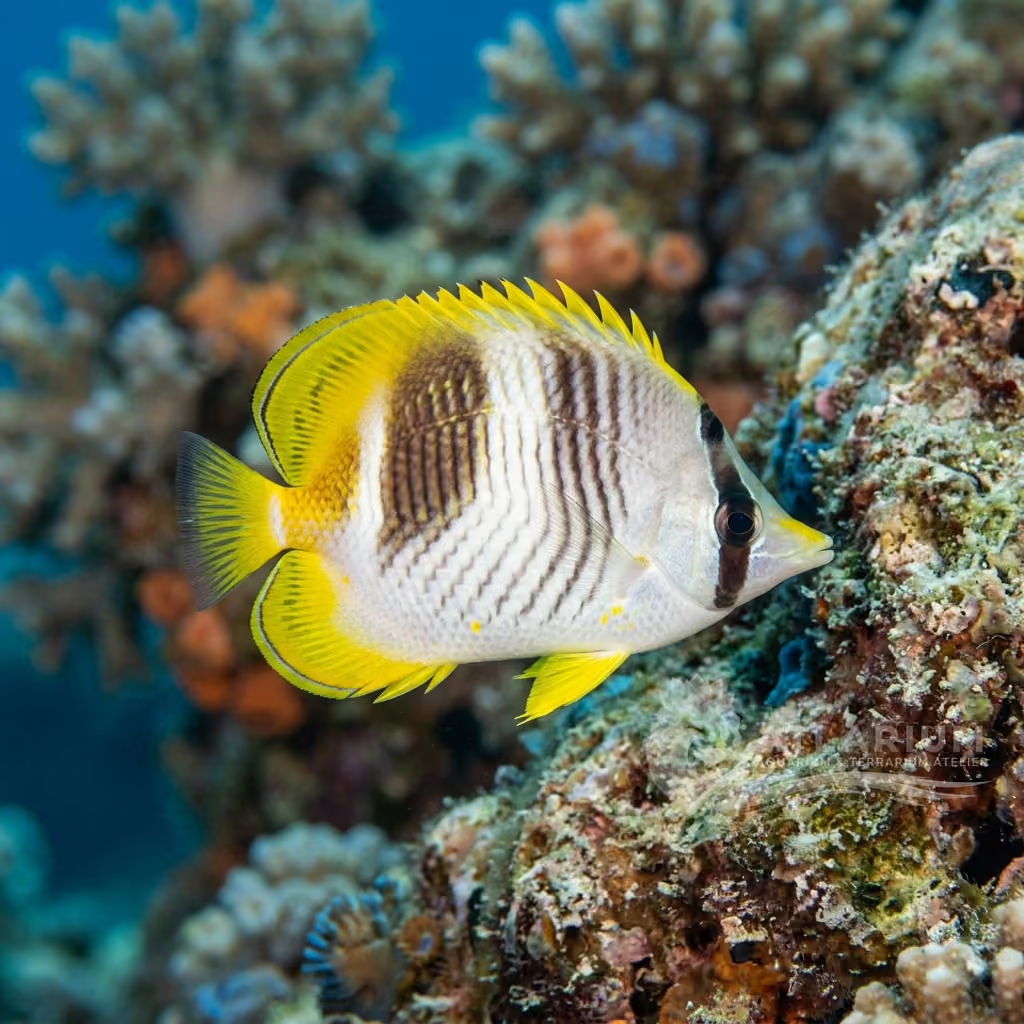
Featuring a bright lemon-yellow body accented by a striking blue patch on its flank, this specialized obligate corallivore presents a significant challenge for home aquarists.
Temperatura da água
22 - 27 °C
Valor de pH
8.1 - 8.4
Tipo de água
Marinho
Nível do tanque
Parte inferior e intermediária
Tamanho adulto
15 cm
Volume mínimo do tanque
>= 300 L
Grupo mínimo
>= 1

Descrição da espécie
Geographical Origin and Habitat: Native to the tropical Western Indo-Pacific, this species is found on shallow coral reefs and seaward slopes rich in hard corals, down to depths of 15 meters.
Taxonomy and Morphology: Member of the family Chaetodontidae. Features a deep, laterally compressed body shape with a pointed snout adapted for picking at coral polyps. Features a round, laterally compressed body covered with robust scales. Equipped with a small, tubular mouth and fine teeth suited for coral feeding.
Social Behavior: Shy and highly specialized species. Usually found in monogamous pairs or singly. Spends the day grazing on coral polyps in clear, oxygenated waters. Occurs singly or in stable monogamous pairs. It is peaceful toward other species but will defend its feeding territory against conspecifics.
Coloration and Sexual Dimorphism: Bright lemon-yellow overall body color. Marked by a large, distinct elongated blue patch on the upper flank, and a black band running through the eye. Bright yellow coloration marked by a distinctive elongated blue-black blotch on the upper side and a black spot on the tail base.

Cuidado, criação e companheiros de tanque
Aquarium Setup: Requires a large, well-established reef-style aquarium of at least 300 liters containing extensive branching or table Acropora coral colonies. Requires a very large, mature marine aquarium. Provide plenty of live rock arranged to create overhangs and caves to mimic their reef habitat.
Diet and Feeding: Obligate corallivore, feeding exclusively on Acropora polyps. Almost impossible to keep in home aquariums unless fed live corals or successfully trained. Obligate corallivore, making feeding in captivity extremely difficult. Offer fresh clams, mysis, and specialized gel foods applied to coral skeletons.
Water Quality: Demands pristine marine conditions: temperature 22-27 °C, pH 8.1-8.4, salinity 1.020-1.025 with zero organic waste, strong skimming, and high water flow. Maintain pristine water quality: temperature 24-26°C, pH 8.1-8.4, specific gravity 1.020-1.025, with efficient filtration to keep nitrate levels near zero.
Compatibility and Cohabitation: Obligate corallivore, feeding exclusively on Acropora polyps. Almost impossible to keep in home aquariums unless fed live corals or successfully trained. Best housed with peaceful, slow-moving fish. Do not mix with aggressive species that may bully the butterflyfish or outcompete it for food.
Aquarium Breeding: Highly peaceful. Not reef safe. Best housed in large fish-only systems with robust, non-competing tankmates. Captive breeding has not been documented. In nature, spawning occurs in pairs, releasing pelagic eggs that drift with open ocean currents.
Risks and Diseases: Very high risk of starvation in captivity. Recommended only for public aquaria or expert hobbyists capable of providing live corals for food. Highly prone to external parasitic infections such as Marine Ich and Velvet. A thorough quarantine period is essential before introduction.

Origem e distribuição geográfica
Native to the tropical Western Indo-Pacific, this species is found on shallow coral reefs and seaward slopes rich in hard corals, down to depths of 15 meters.
Origem
Oceanos tropicais e recifesSul e Sudeste AsiáticoAustrália, Nova Guiné e Oceania

Perfil de peixe
- Temperamento
- Territorial
- They are generally peaceful toward most tank mates and will not bother other non-similar species. However, they can be highly territorial toward conspecifics and other butterflyfish of similar size or shape. To minimize aggression, they should not be housed with other butterflyfish unless the aquarium is exceptionally large with plenty of hiding places.
- Dieta
- Corallivore
- An obligate corallivore, *Chaetodon plebeius* feeds almost exclusively on stony coral polyps in the wild, particularly from the genera Acropora and Pocillopora. This makes feeding them in captivity extremely difficult, as they often refuse prepared foods. Experts must initiate feeding using live corals or freshly opened clams on the half shell, gradually weaning them onto high-quality meaty foods like mysis, brine shrimp, and gel-based feeds.
- Expectativa de vida
- 5-10 years
- Tamanho adulto
- 15 cm
- Proporção sexual
- 1:1 ratio
- In the wild, *Chaetodon plebeius* is typically found singly or in monogamous pairs. In a home aquarium, keeping them singly is usually the safest approach unless you have a very large tank. If a pair is desired, it is best to purchase a verified mated pair or introduce both individuals simultaneously to prevent territorial aggression. A harem setup or grouping random individuals is not recommended due to aggression.
- Frequência de alimentação
- Twice daily
- Because they are active swimmers with a high metabolism, they require multiple small feedings throughout the day. It is recommended to feed them 3 to 4 times daily to prevent muscle wasting and maintain their energy. Consistent food availability is critical, particularly during the initial acclimation phase when they are being weaned off live corals.
- Carga biológica
- Medium
- The Blue-blotched Butterflyfish has a moderate biological waste profile in the aquarium. However, because they require frequent feedings of high-quality foods and are highly sensitive to water parameter fluctuations, they demand robust filtration. A well-designed protein skimmer and efficient mechanical filtration are essential to maintain the pristine water quality they need to survive. Regular water changes and a mature, stable system are highly recommended.
- Fluxo
- Strong
- This species prefers moderate to strong water flow, reflecting their native lagoon and reef-edge environments. Strong water movement helps keep the tank well-oxygenated, which is vital for their respiratory health. However, the aquascape must include lower-flow zones and caves where the fish can rest comfortably without constantly fighting strong currents.
- Risco de salto
- Yes
- The Blue-blotched Butterflyfish poses a moderate to high jump risk, especially when startled, stressed, or introduced to a new environment. To prevent fatal accidents, it is crucial to equip the aquarium with a tight-fitting lid or a secure mesh cover. They may dart upward when threatened by tank mates or when the aquarium lights are suddenly switched off.
- Reprodução
- Oviparous
- Breeding the Blue-blotched Butterflyfish in a home aquarium is exceptionally difficult and has not been reliably recorded. They are oviparous pelagic spawners, meaning they release eggs and sperm into the water column where the eggs float with ocean currents. Replicating the necessary environmental triggers and providing the specialized larval food in a closed system remains a major challenge.
- Compatibilidade e companheiros de tanque
- Peaceful
- This species is not reef-safe, as it will actively consume stony corals and may nip at soft corals, clams, and tubeworms. They are, however, highly compatible with peaceful or semi-aggressive fish like tangs, wrasses, and clownfish. Avoid keeping them with highly aggressive tank mates that might intimidate them and prevent them from feeding.
- Nível do tanque
- Middle/Bottom
- This species primarily swims in the middle and bottom levels of the aquarium. They naturally frequent reef faces and shallow lagoons, actively grazing on corals and exploring live rock crevices. Providing ample swimming room in the middle water column alongside extensive rock structures at the bottom will mimic their natural habitat. They rarely venture to the absolute top of the tank unless feeding.

Modelos e parâmetros científicos
FishBase
Acesso aos dados científicos oficiais da espécie
FishBase v25.04Dados sincronizados em: 15/06/2026
- Nível trófico
- 3,3 ± 0,6 se
- Resiliência
- Alta (menos de 15 meses)
- Unicidade filogenética (PD50)
- 0.5
- Relação bayesiana comprimento-peso
- a = 0.02512, b = 2.87
- VulnerabilidadeVulnerabilidade baixa (10 / 100)

Espécies relacionadas
Recomendações agrupadas por parentes próximos, escolhas de acompanhantes e cuidados semelhantes.