Pearlscale Butterflyfish
Chaetodon xanthurus
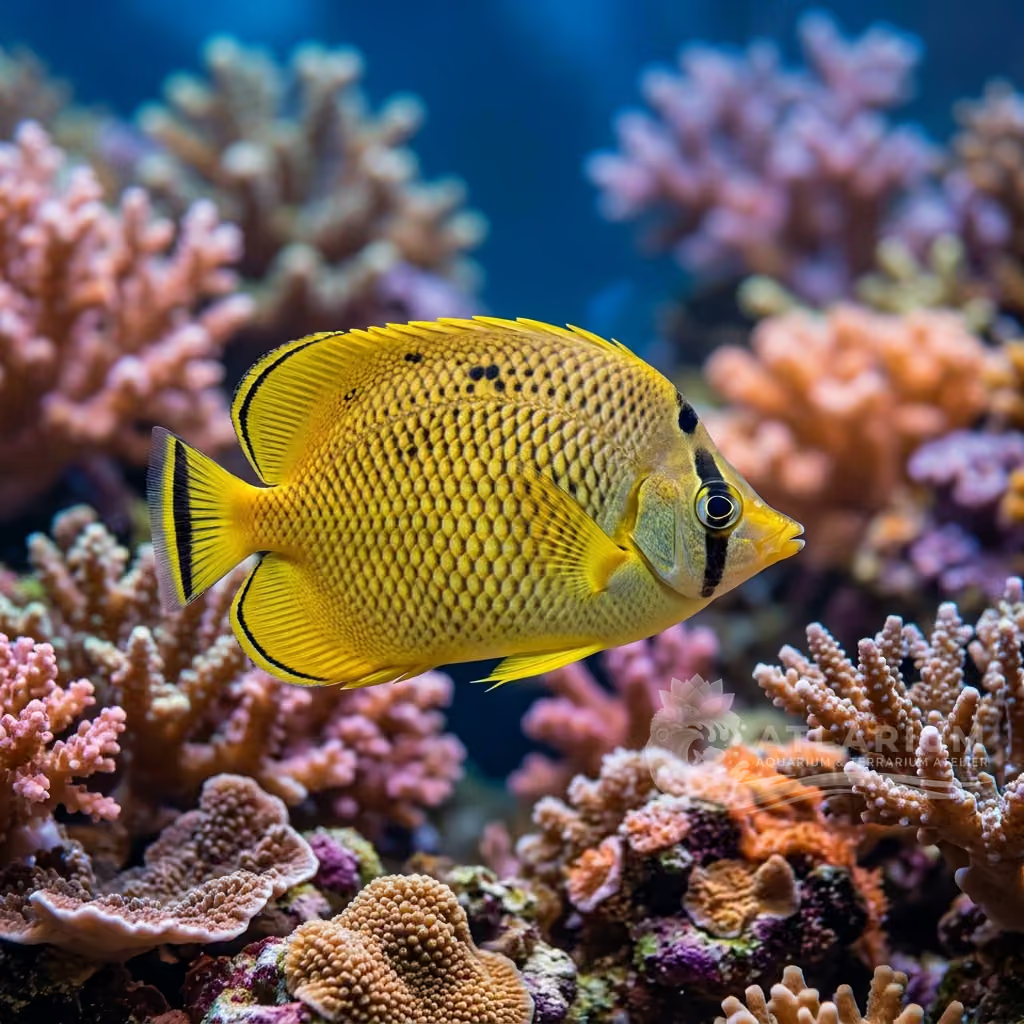
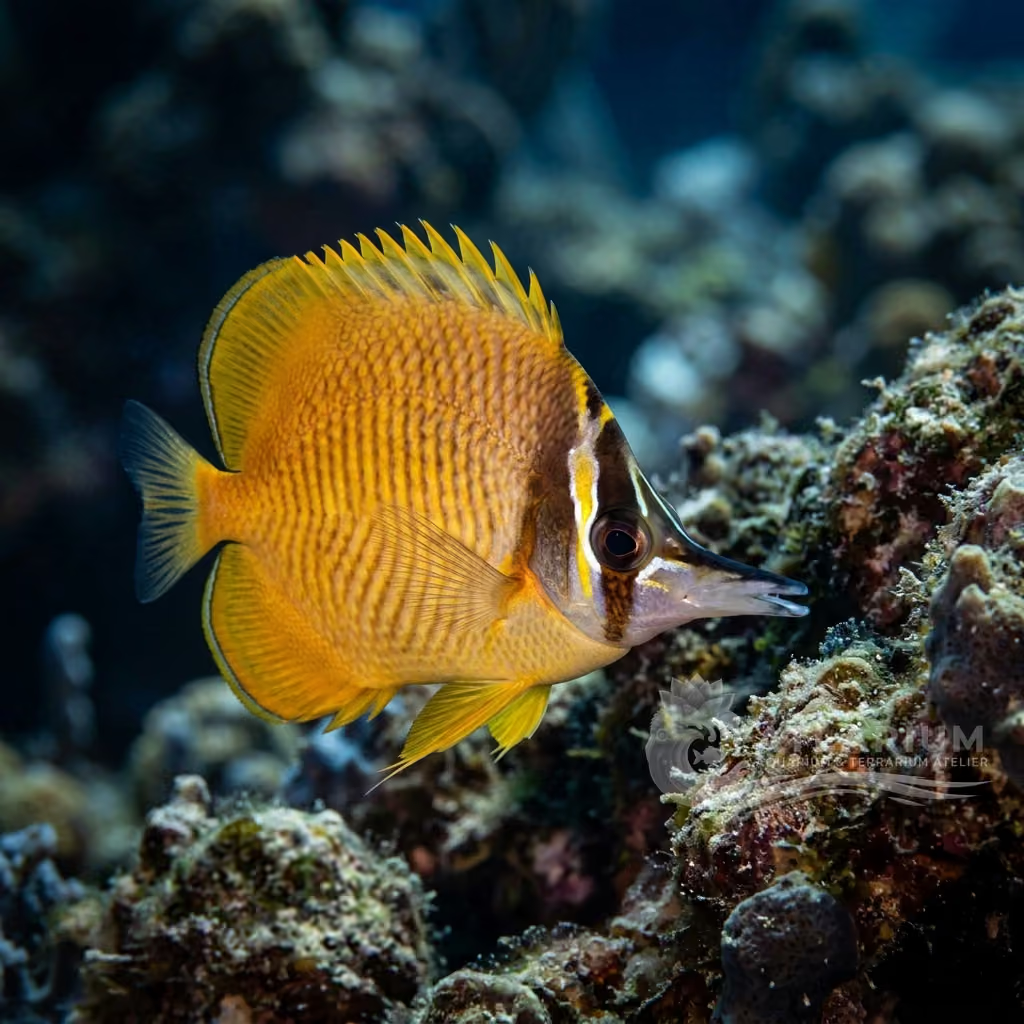
The Pearlscale Butterflyfish from the Western Pacific is recognized by its crosshatch scales and brilliant orange-yellow tail, making it a hardy marine choice.
Temperatura da água
22 - 27 °C
Valor de pH
8.1 - 8.4
Tipo de água
Marinho
Nível do tanque
Todos os níveis
Tamanho adulto
14 cm
Volume mínimo do tanque
>= 250 L
Grupo mínimo
>= 1
KH
8 - 12 dKH

Descrição da espécie
Geographical Origin and Habitat: Distributed in the Western Pacific, primarily from Indonesia and the Philippines to Taiwan and southern Japan (Ryukyu Islands). Inhabits deep seaward reefs and steep coral slopes at depths between 6 and 50 meters.
Taxonomy and Morphology: Member of the family Chaetodontidae. Belongs to the Xanthurus complex alongside C. mertensii, C. madagaskariensis, and C. paucifasciatus. Features a compressed, oval-shaped body reaching up to 14 cm.
Social Behavior: Diurnal and peaceful. Found singly or in stable monogamous pairs in the wild. Once acclimated to the aquarium, it is active and exploratory.
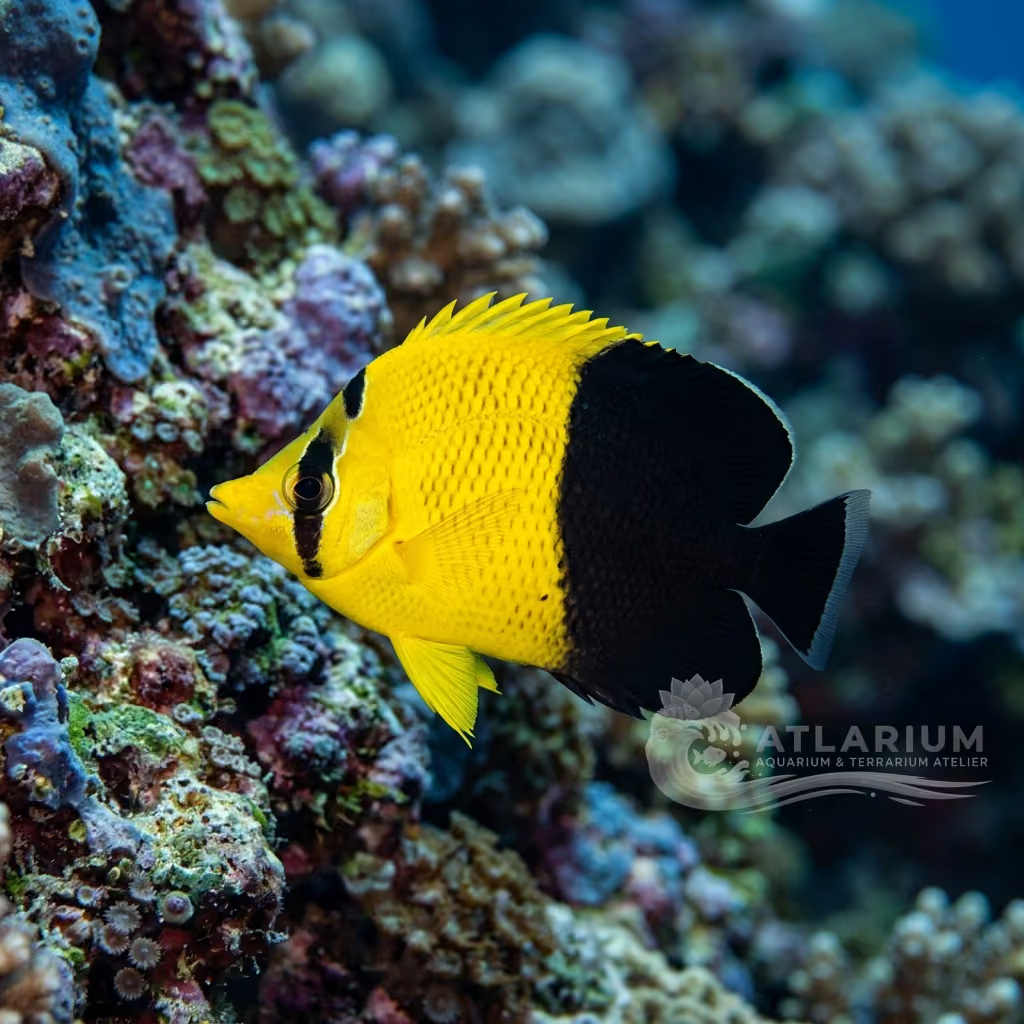
Coloration and Sexual Dimorphism: Pearly-white body characterized by a prominent dark crosshatch or chevron pattern on the flanks. The posterior portion of the body and caudal fin are bright orange-yellow. A black bar runs through the eye. No sexual dimorphism is present.

Cuidado, criação e companheiros de tanque
Aquarium Setup: Needs an aquarium of at least 250 liters with plenty of live rock arranged to offer swim-throughs and shelter. A tight-fitting lid is strongly advised to prevent jumping.
Diet and Feeding: Omnivore. Feeds naturally on algae and small benthic invertebrates. In captivity, it accepts frozen mysis, brine shrimp, high-quality pellets, flakes, and algae-based preparations.
Water Quality: Requires stable marine parameters. Temperature 22–27°C, pH 8.1–8.4, salinity SG 1.020–1.025, GH 15–25, and KH 8–12. Good biological filtration and regular water changes are necessary.
Compatibility and Cohabitation: Peaceful toward other fish families. May clash with conspecifics or similar butterflyfishes in smaller aquariums. Reef-safe with caution: not a strict corallivore, but may nip LPS corals if underfed.
Aquarium Breeding: Undocumented in home aquariums due to a complex pelagic larval stage. Monogamous broadcast spawners in the wild.
Risks and Diseases: Quite hardy compared to most butterflyfishes. High stress during transport can make it vulnerable to marine ich (Cryptocaryon) upon initial introduction.

Origem e distribuição geográfica
Distributed in the Western Pacific, primarily from Indonesia and the Philippines to Taiwan and southern Japan (Ryukyu Islands). Inhabits deep seaward reefs and steep coral slopes at depths between 6 and 50 meters.
Origem
Oceanos tropicais e recifesSul e Sudeste AsiáticoLeste Asiático

Perfil de peixe
- Temperamento
- Aggressive
- The Pearlscale Butterflyfish is a generally peaceful and somewhat shy species that does well in a quiet community setting. It rarely shows aggression toward unrelated tankmates but can become territorial toward other butterflyfish or species with similar shapes and coloration. Because of its docile nature, it should not be housed with highly aggressive or boisterous fish that might bully it. It requires a calm environment with peaceful companions to feel secure enough to swim openly.
- Dieta
- Omnivore
- In the wild, the Pearlscale Butterflyfish feeds on benthic invertebrates, algae, and coral polyps. In captivity, it is considered an omnivore with a preference for meaty foods, though it can be a finicky eater initially. Aquarists should offer a varied diet of high-quality frozen foods like mysis shrimp, brine shrimp, and finely chopped seafood, supplemented with algae sheets or spirulina. Providing live rock for natural grazing on microfauna is also highly beneficial to encourage feeding behavior.
- Expectativa de vida
- 5-10 years
- Tamanho adulto
- 14 cm
- Proporção sexual
- 1:1 ratio
- In the aquarium, the Pearlscale Butterflyfish is typically kept as a single specimen to avoid territorial aggression. If a hobbyist wishes to keep a pair, they must be acquired as a proven mated pair and introduced to the tank simultaneously. Keeping multiple individuals together in a small space will likely result in intense conspecific fighting. Therefore, unless a very large aquarium is available to support a group with adequate territorial boundaries, a single stocking or a 1:1 pair is highly recommended.
- Frequência de alimentação
- 2-3 times daily
- To maintain its high energy levels, the Pearlscale Butterflyfish should be fed small portions two to three times a day. Newly introduced specimens may require even more frequent feedings to stimulate their appetite and prevent weight loss. A consistent schedule helps simulate their natural grazing habits on the reef. Regular feedings also help reduce the likelihood of them nipping at corals or other tank inhabitants out of hunger.
- Carga biológica
- Medium to High
- The Pearlscale Butterflyfish has a medium-high biological waste output due to its size and active swimming behavior. Because it requires frequent feedings of meaty and green foods throughout the day, the accumulation of waste can quickly degrade water quality if not properly managed. A robust filtration system, including an efficient protein skimmer and regular water changes, is essential to keep nitrate and phosphate levels low. Pristine water conditions are vital for this species, as they are sensitive to poor water quality and sudden environmental fluctuations.
- Fluxo
- Strong
- The Pearlscale Butterflyfish prefers moderate to strong water flow, which mimics its natural habitat on outer reef slopes and drop-offs. A well-circulated tank ensures high oxygen levels and keeps suspended debris from settling, which supports the fish's active lifestyle. The water movement should be structured to provide both brisk currents for swimming and calmer zones behind rockwork for resting. Proper flow also helps distribute food evenly throughout the tank, encouraging natural feeding behaviors.
- Risco de salto
- Yes
- This species presents a moderate to high risk of jumping out of the aquarium, particularly when startled or stressed. Sudden changes in lighting, aggressive tankmates, or maintenance activities can cause the fish to leap toward the surface. To prevent tragic escapes, a tightly fitting lid or a secure mesh cover is absolutely necessary. Additionally, providing plenty of hiding places in the rockwork will give the fish a safe retreat, reducing the likelihood of panic-induced jumping.
- Reprodução
- Oviparous
- Reproduction in captivity is extremely difficult and has not been reliably achieved in home aquariums. The Pearlscale Butterflyfish is a pelagic spawner, releasing eggs and sperm into the water column where fertilization occurs. The resulting larvae undergo a complex planktonic stage that requires specialized microscopic foods and precise water conditions to survive. Because of these demanding biological requirements, almost all specimens available in the aquarium hobby are wild-caught.
- Compatibilidade e companheiros de tanque
- With caution
- This species is generally compatible with peaceful, non-aggressive tankmates such as small wrasses, dartfish, and docile community fish. However, it is not considered reef-safe, as it will actively nip at stony corals, soft corals, and sessile invertebrates. It should also be kept away from aggressive species like triggers or large groupers that might intimidate it. To avoid territorial disputes, it is best not to house it with other butterflyfish unless the tank is exceptionally large.
- Nível do tanque
- All levels
- The Pearlscale Butterflyfish is an active swimmer that utilizes all levels of the aquarium. It will spend much of its time cruising the middle and bottom sections of the tank, darting in and out of rockwork in search of food. However, it will also venture to the upper water column, especially during feeding times or when exploring its territory. Providing ample open swimming space alongside a complex structure of live rock is necessary to accommodate this wide range of movement.

Modelos e parâmetros científicos
FishBase
Acesso aos dados científicos oficiais da espécie
FishBase v25.04Dados sincronizados em: 15/06/2026
- Nível trófico
- 2,8 ± 0,26 se
- Resiliência
- Alta (menos de 15 meses)
- Unicidade filogenética (PD50)
- 0.5
- Relação bayesiana comprimento-peso
- a = 0.02291, b = 3
- VulnerabilidadeVulnerabilidade baixa (10 / 100)

Espécies relacionadas
Recomendações agrupadas por parentes próximos, escolhas de acompanhantes e cuidados semelhantes.