Wrought Iron Butterflyfish
Chaetodon daedalma
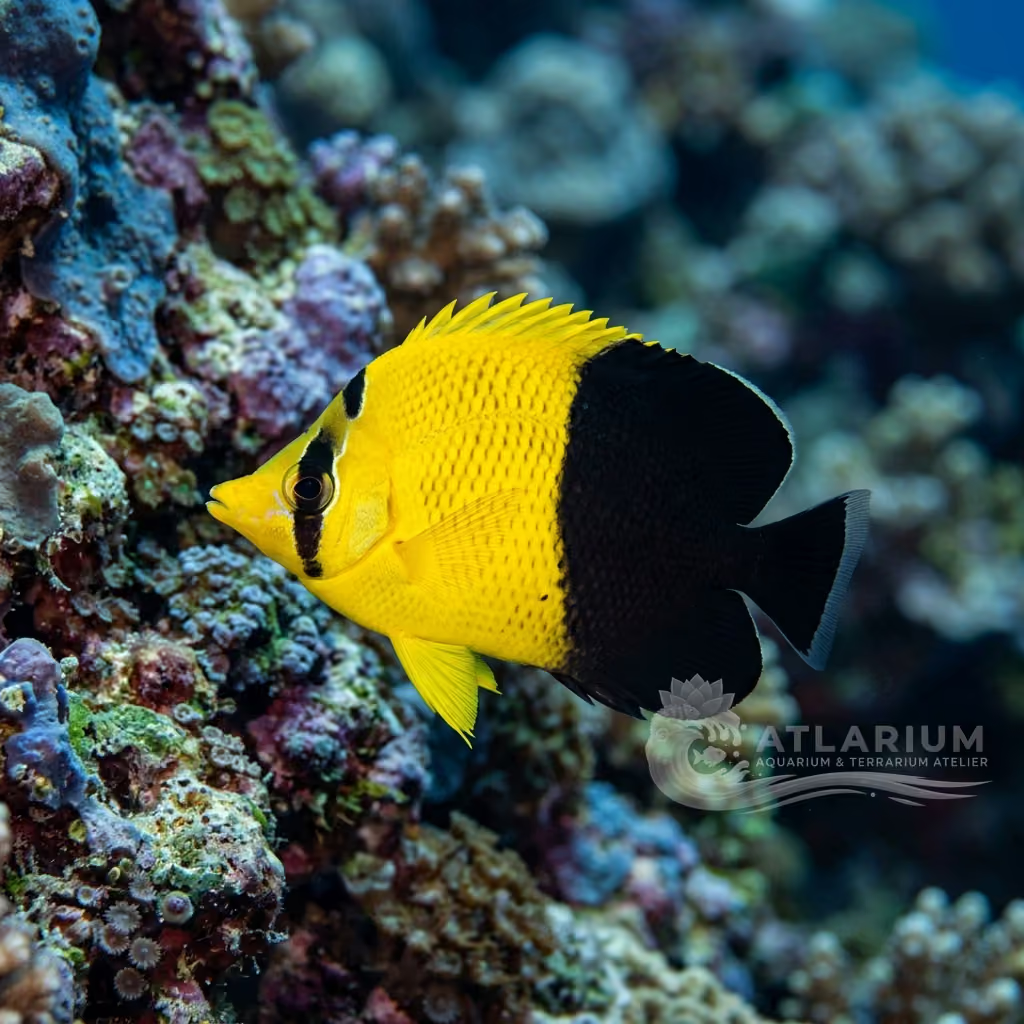
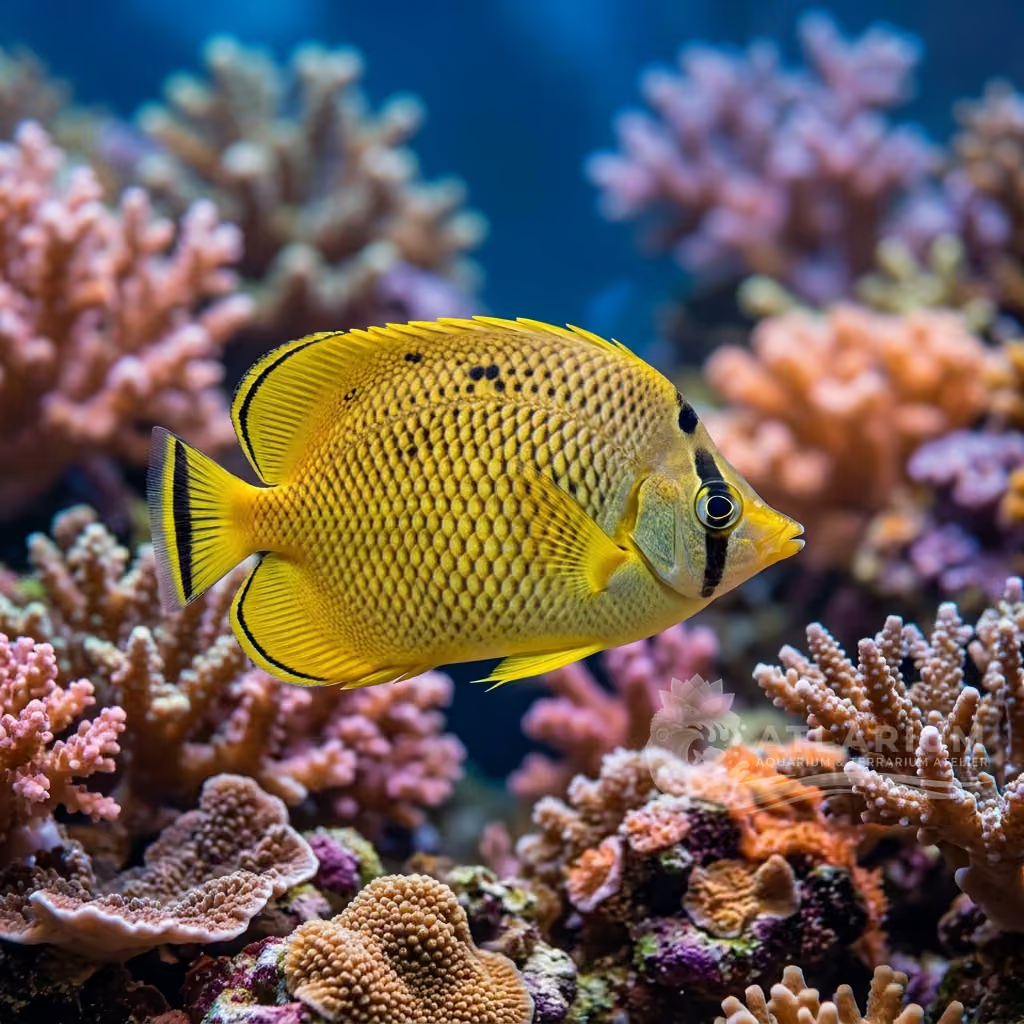
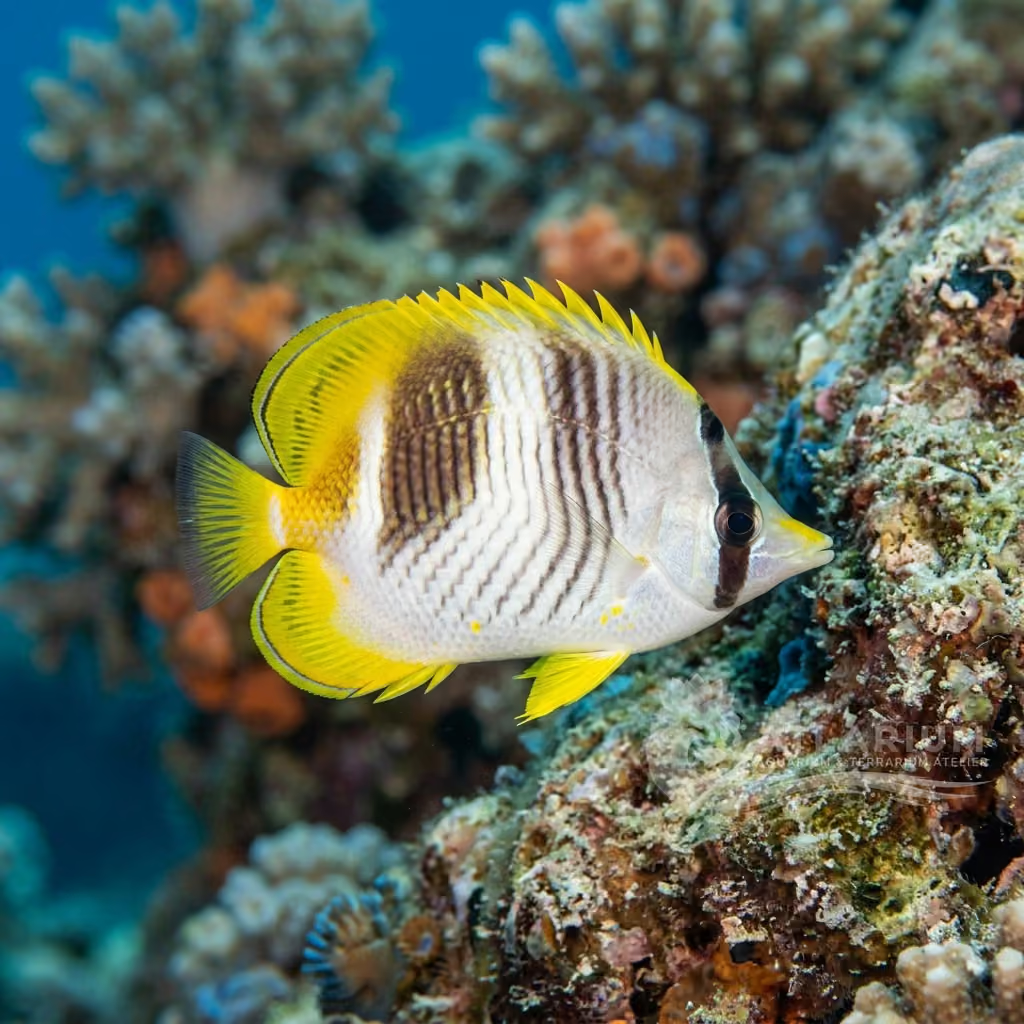
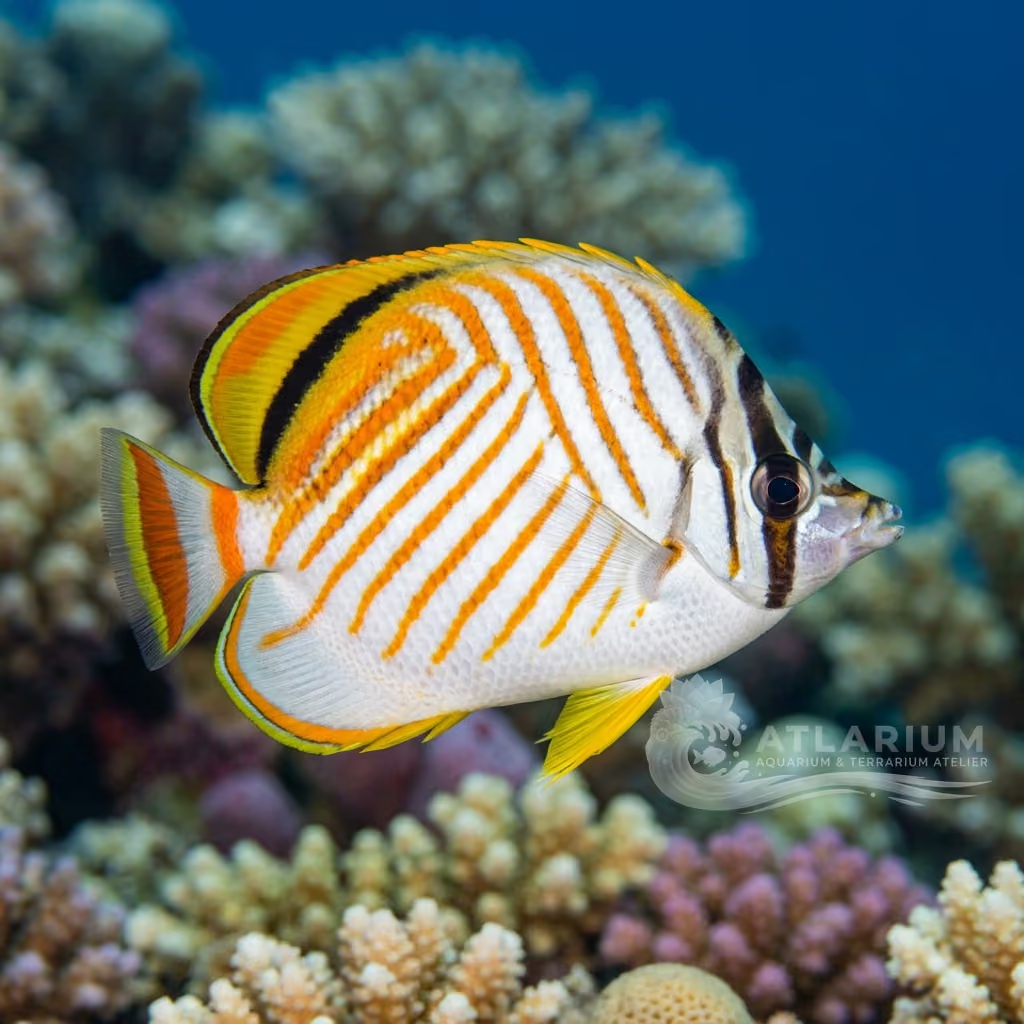
Highly prized and unique butterflyfish endemic to Japan (15 cm), featuring a metallic gunmetal-grey body with a dense silvery grid-like pattern and golden yellow margins.
Temperatura da água
18 - 23 °C
Valor de pH
8.1 - 8.4
Tipo de água
Marinho
Nível do tanque
Todos os níveis
Tamanho adulto
15 cm
Volume mínimo do tanque
>= 350 L
Grupo mínimo
>= 1

Descrição da espécie
Geographical Origin and Habitat: Subtropical Western Pacific, endemic to southern Japan, especially around the Izu, Ogasawara, and Ryukyu Islands. Inhabits rocky and coral reefs exposed to strong currents. They thrive in coastal rocky reefs exposed to high wave action and cool oceanic currents, typically at depths ranging from 10 to 30 meters where marine life is abundant.
Taxonomy and Morphology: Member of the family Chaetodontidae. One of the most sought-after and unique butterflyfish species, highly valued for its striking metallic appearance. The species belongs to the family Chaetodontidae, characterized by their deep, laterally compressed bodies and brush-like teeth adapted for scraping small organisms from rocks.
Social Behavior: Peaceful, active, and schooling species in the wild. Acclimates quickly to aquarium conditions, showing curious and bold behavior once settled. Their active behavior makes them highly visible during the day as they graze on algae-covered substrates, frequently moving in pairs or small aggregations across the reef.
Coloration and Sexual Dimorphism: Metallic gunmetal-grey to black body. Each scale features a shimmering silvery center, giving the appearance of wrought iron. The margins of the dorsal, anal, and caudal fins are bright golden yellow. The golden-yellow borders on the margins of their dorsal and caudal fins create a striking contrast against their dark metallic bodies, serving as species recognition signals.

Cuidado, criação e companheiros de tanque
Aquarium Setup: Requires a large marine aquarium of at least 350 liters with plenty of live rock for grazing and open water areas to support its active swimming. Arrange stable rocky structures with plenty of caves and crevices to simulate their natural high-energy environment while ensuring safe sheltering spots.
Diet and Feeding: Omnivorous. Readily accepts dry pellets, flakes, frozen foods like mysis and brine shrimp, and macroalgae sheets. Easily transitioned to captive diet. Offer a varied diet containing high-quality marine proteins, spirulina, and vitamin-enriched frozen foods to maintain their vibrant coloration and active metabolism.
Water Quality: Needs cooler water parameters: temperature 18-23 °C, pH 8.1-8.4, and salinity 1.020-1.025 with strong filtration, efficient skimming, and high oxygenation. Strict temperature management is necessary, as this species cannot tolerate warm tropical waters for long periods; a chiller is crucial to keep the temperature below 23°C.
Compatibility and Cohabitation: Highly peaceful. Not reef safe as it nips at stony corals. Best kept with quiet, non-aggressive species in a cooler marine community tank. Keep with other non-aggressive tankmates that share similar cooler water preferences, avoiding territorial damselfish or highly aggressive surgeonfish.
Aquarium Breeding: Reproduction in home aquariums is undocumented. Pelagic spawner. Eggs and larvae drift in ocean currents before settling. Breeding requires complex setups to simulate seasonal water temperature changes and photoperiods, which has not yet been achieved in standard home aquariums.
Risks and Diseases: Exceptionally hardy once acclimated. The primary risk is high temperature stress; a chiller is highly recommended to maintain cooler conditions. Watch out for signs of thermal stress, which can lead to a weakened immune system, making the fish susceptible to common marine parasites like marine ich.

Origem e distribuição geográfica
Subtropical Western Pacific, endemic to southern Japan, especially around the Izu, Ogasawara, and Ryukyu Islands. Inhabits rocky and coral reefs exposed to strong currents. They thrive in coastal rocky reefs exposed to high wave action and cool oceanic currents, typically at depths ranging from 10 to 30 meters where marine life is abundant.
Origem
Oceanos tropicais e recifesLeste Asiático

Perfil de peixe
- Temperamento
- Territorial
- Wrought Iron Butterflyfish are generally peaceful and shy, especially when first introduced to a new environment. They are non-aggressive toward unrelated tankmates but can exhibit territorial behavior toward conspecifics or similar-looking butterflyfish. Providing sufficient space and visual barriers using rockwork helps minimize any potential territorial disputes.
- Dieta
- Omnivore
- As omnivores with a preference for benthic invertebrates, they feed on algae, zooplankton, worms, and coral polyps in the wild. In the aquarium, they must be offered a varied diet consisting of high-quality frozen foods like mysis, krill, and enriched brine shrimp, alongside spirulina-based preparations. They can be finicky eaters initially, sometimes requiring live food to stimulate their appetite.
- Expectativa de vida
- 8-12 years
- Tamanho adulto
- 15 cm
- Proporção sexual
- Group
- In their natural habitat, these fish are social and can be observed in pairs or schooling in larger groups. In a home aquarium, they are best kept singly or as a mated pair unless a very large tank is provided to accommodate a small group. Maintaining a proper stocking ratio helps distribute any potential intraspecific aggression that may occur in confined spaces.
- Frequência de alimentação
- Twice daily
- Due to their high activity levels and continuous grazing habit, they should be fed small portions multiple times a day. Feeding three to four times daily is recommended to ensure they receive adequate nutrition and maintain their body weight. Providing grazing opportunities on mature live rock can also help satisfy their natural foraging behavior between feeds.
- Carga biológica
- Medium
- The Wrought Iron Butterflyfish generates a moderate to high amount of waste due to its active nature and constant grazing behavior. To maintain the pristine water quality this species requires, a robust filtration system paired with an efficient protein skimmer is highly recommended. Regular water changes and monitoring of nitrates and phosphates are essential to prevent health issues.
- Fluxo
- Strong
- This species is native to rocky, outer reef slopes and prefers moderate to strong water flow in the aquarium. Active water movement helps replicate their natural habitat, promotes exercise, and aids in maintaining high oxygen levels. Wavemakers or powerheads should be positioned to create dynamic currents while still leaving calmer resting areas.
- Risco de salto
- Yes
- While not classified as chronic jumpers, Wrought Iron Butterflyfish are active and easily startled, posing a moderate risk of jumping from the tank. A secure, tight-fitting lid or screen canopy is highly recommended to prevent accidental escapes. Stress during acclimation or sudden lighting changes can trigger escape jumps, making cover essential.
- Reprodução
- Oviparous
- Wrought Iron Butterflyfish are pelagic broadcast spawners that release their eggs and sperm into the water column, where fertilization occurs externally. There is no parental care, and the larvae drift as plankton before settling onto the reef. Breeding this species in captivity is extremely difficult and has not been reliably achieved in home aquariums.
- Compatibilidade e companheiros de tanque
- Peaceful
- They are generally compatible with peaceful, reef-safe community fish of similar size, but they are not reef-safe themselves. They will readily nip at stony corals, soft corals, clams, and ornamental tubeworms, making them unsuitable for reef tanks. Ideal tankmates include larger peaceful species, wrasses, and non-aggressive community fish that will not outcompete them for food.
- Nível do tanque
- All levels
- This species is an active swimmer that will utilize all levels of the aquarium, though it spends significant time in the middle and bottom sections. They constantly hover around live rock structures to graze on benthic organisms while also venturing into open water. Providing ample open swimming space along with plenty of rocky structures is ideal for their natural behavior.

Modelos e parâmetros científicos
FishBase
Acesso aos dados científicos oficiais da espécie
FishBase v25.04Dados sincronizados em: 15/06/2026
- Nível trófico
- 3,5 ± 0,4 se
- Resiliência
- Alta (menos de 15 meses)
- Unicidade filogenética (PD50)
- 0.5
- Relação bayesiana comprimento-peso
- a = 0.02291, b = 3
- VulnerabilidadeVulnerabilidade baixa (10 / 100)

Espécies relacionadas
Recomendações agrupadas por parentes próximos, escolhas de acompanhantes e cuidados semelhantes.