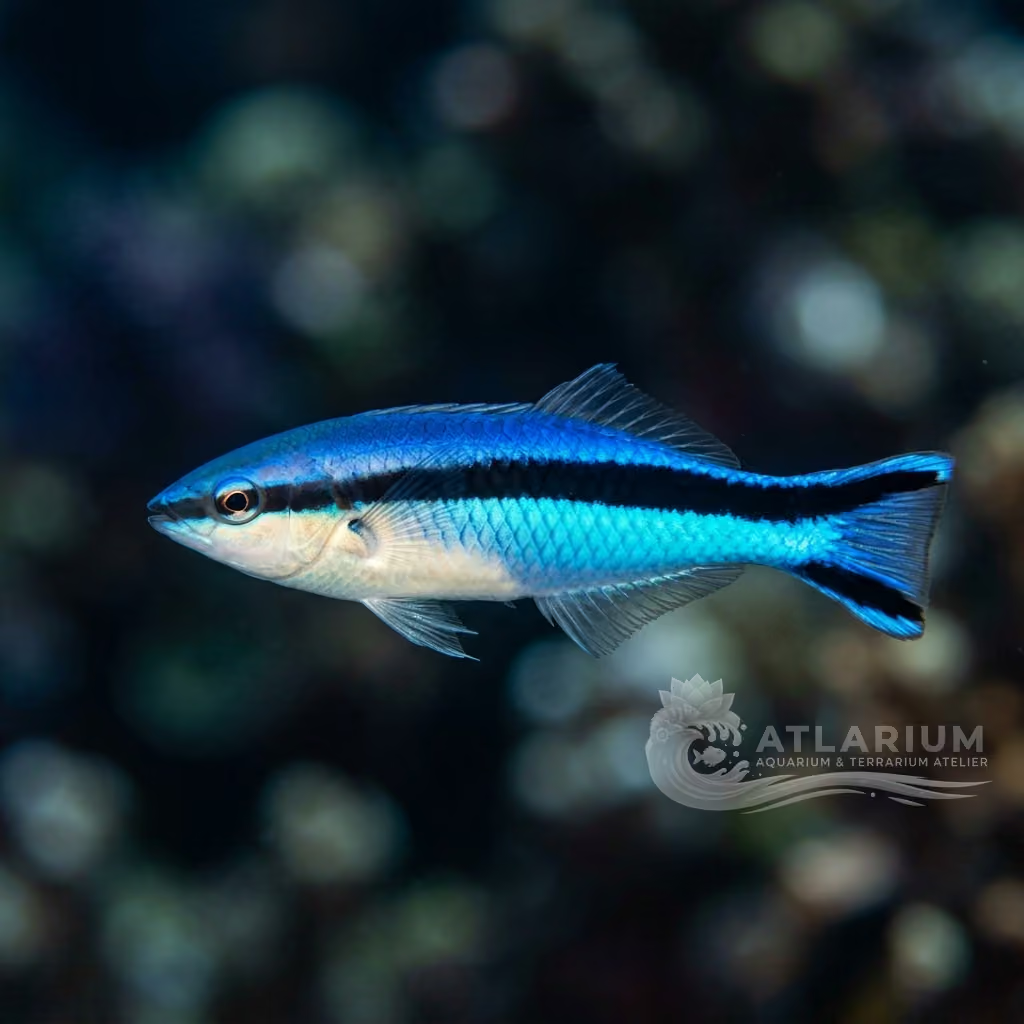
Biocellate Wrasse
Halichoeres biocellatus
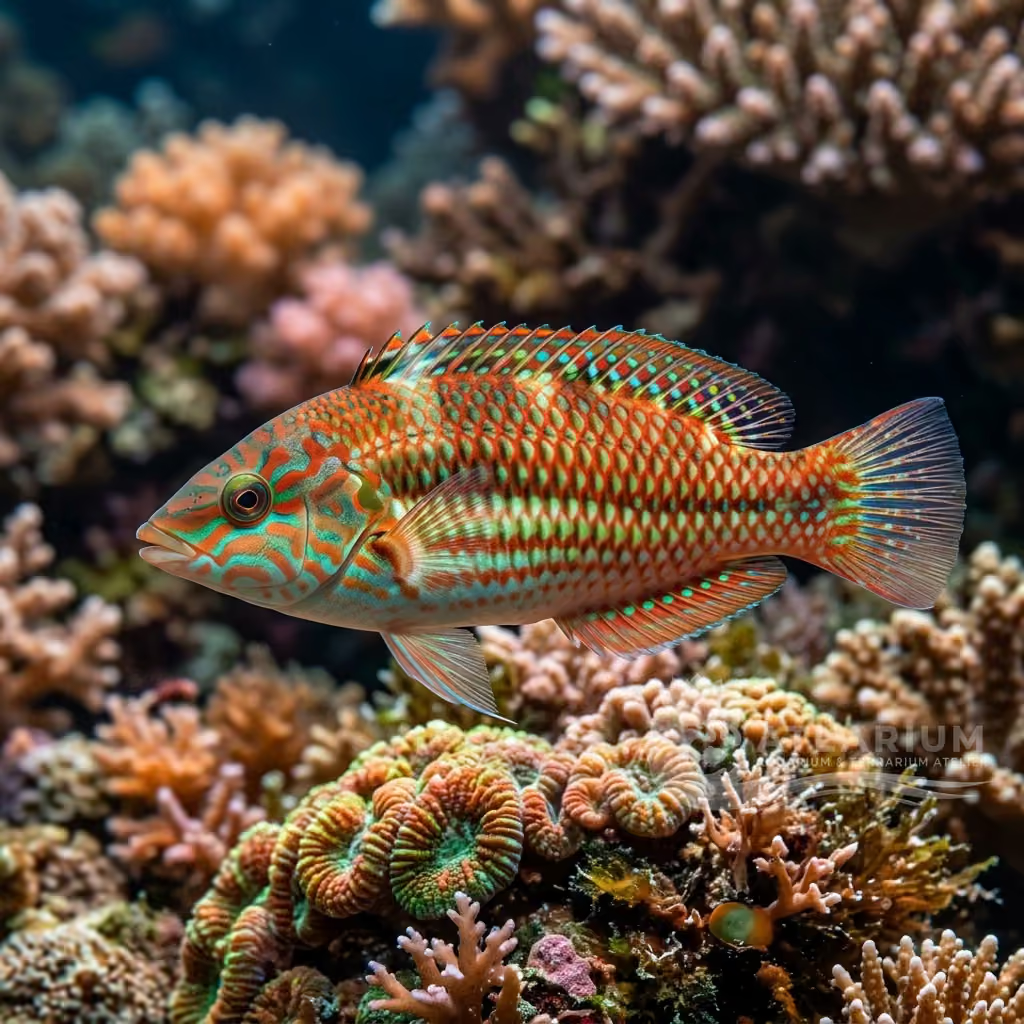
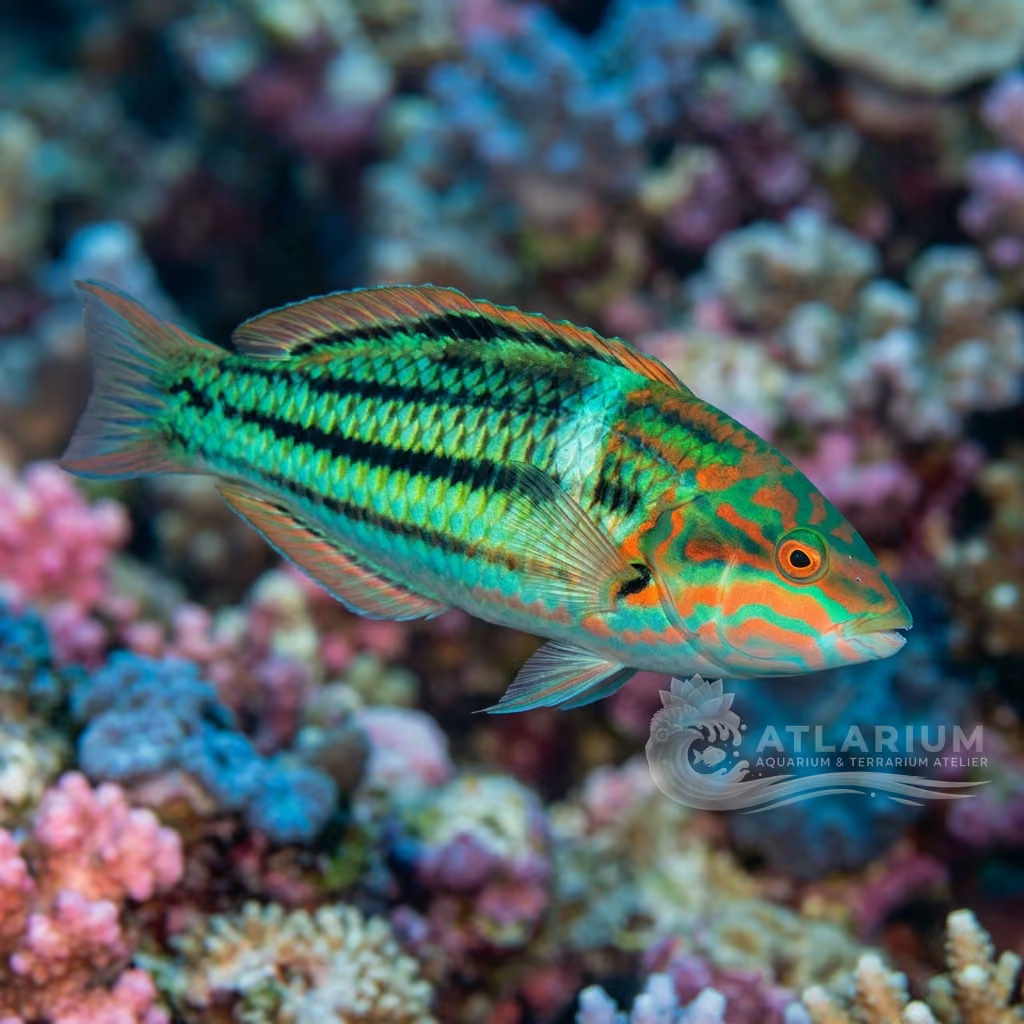
The Red-lined Wrasse is an active, diurnal fish with red-orange stripes. An excellent pest controller for reef tanks, it requires a deep fine sand bed for sleeping and a fully covered aquarium.
Temperatura da água
24 - 28 °C
Valor de pH
8.1 - 8.4
Tipo de água
Marinho
Nível do tanque
Todos os níveis
Tamanho adulto
12 cm
Volume mínimo do tanque
>= 200 L
Grupo mínimo
>= 1
KH
8 - 12 dKH

Descrição da espécie
Geographical Origin and Habitat: Widespread in the Western Pacific, from southern Japan to the Great Barrier Reef and New Caledonia. Inhabits protected seaward reefs, lagoons, and sandy or rubble areas at depths of 5 to 30 meters.
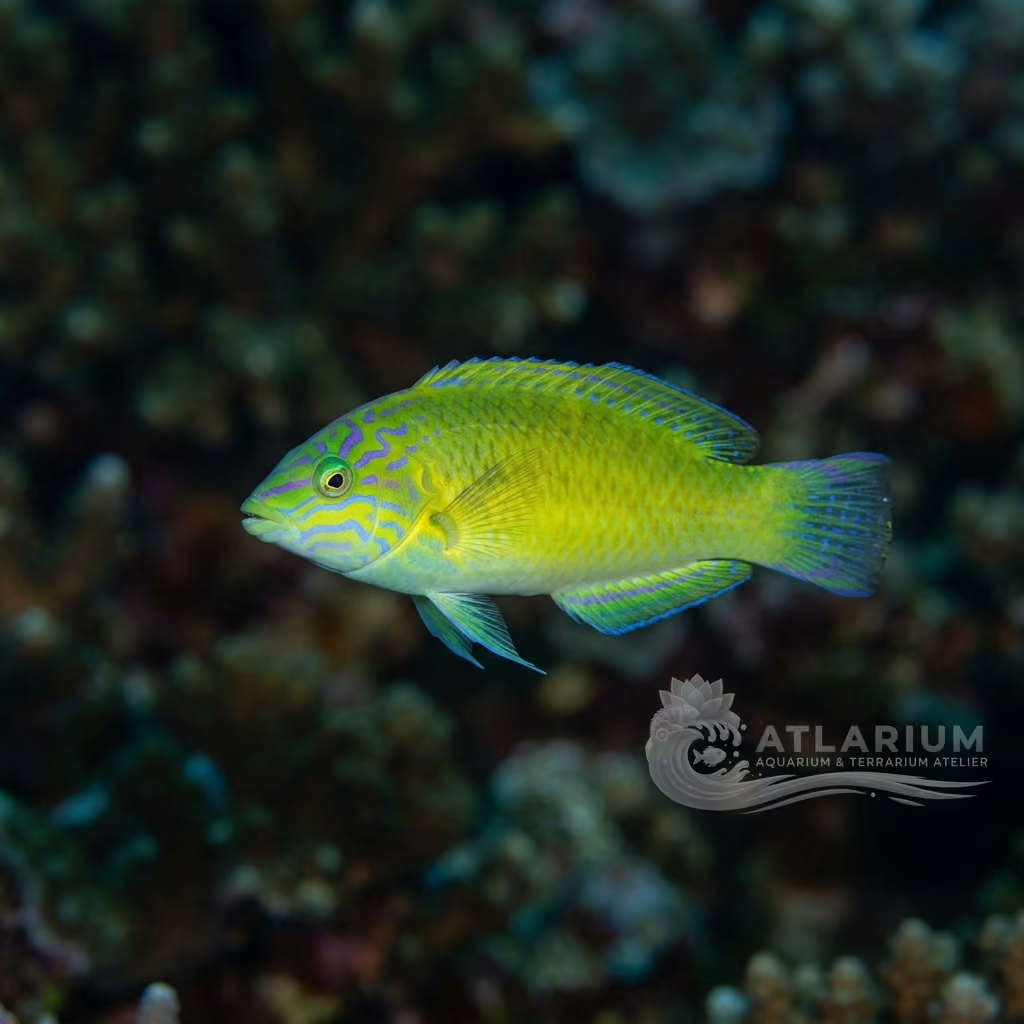
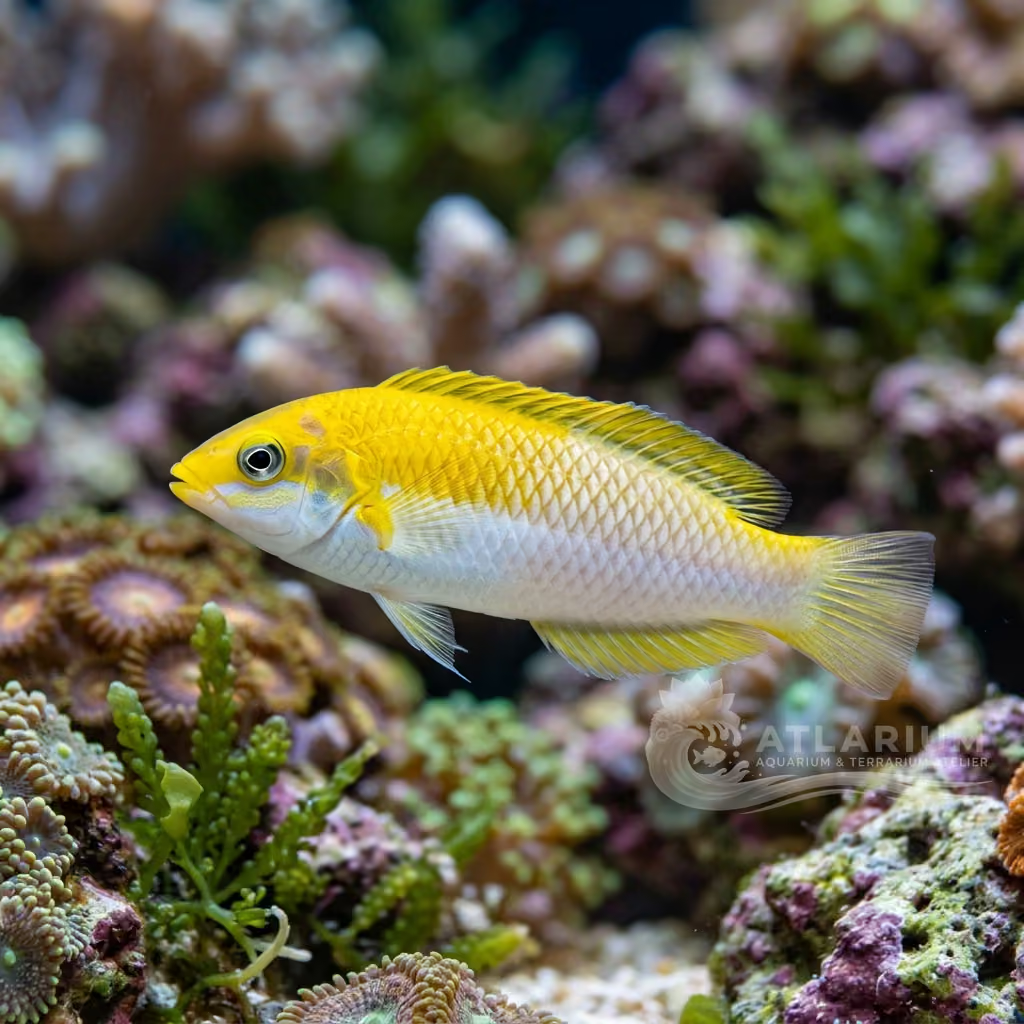
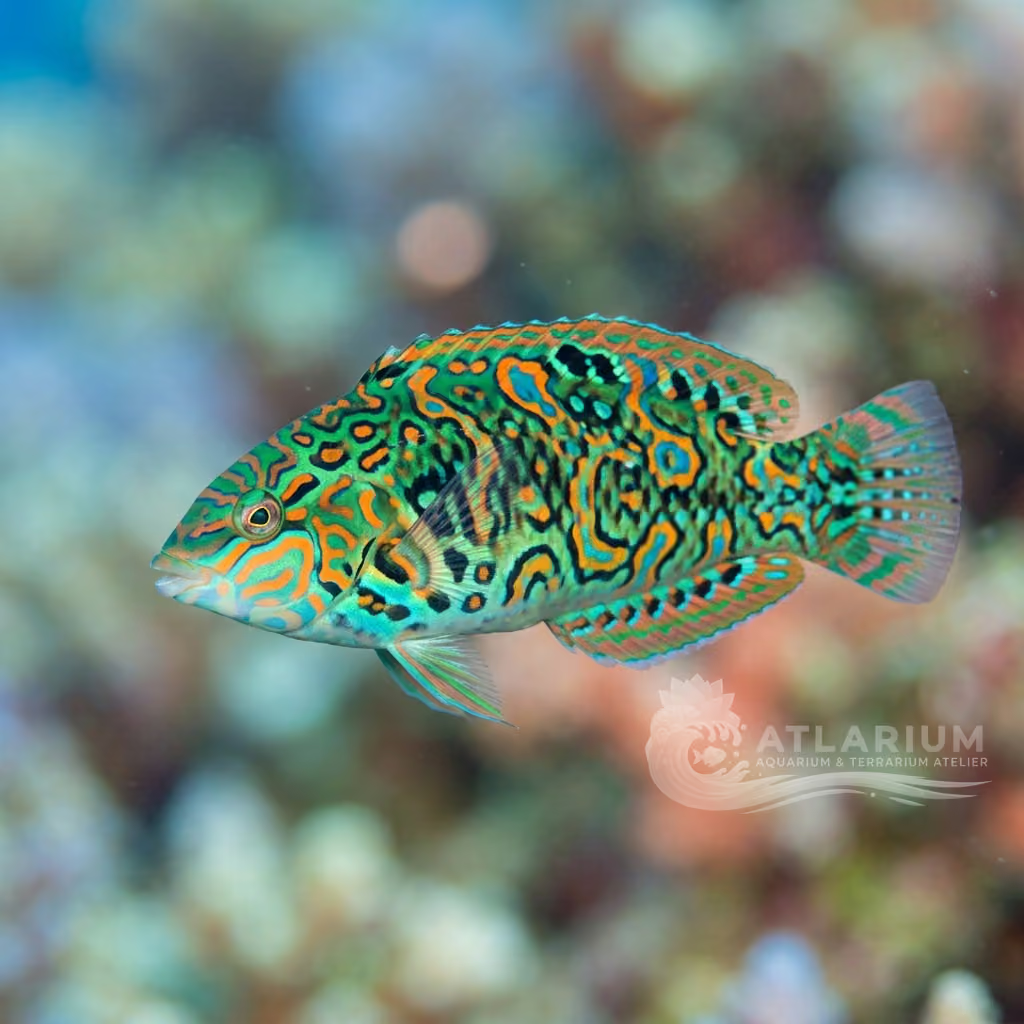
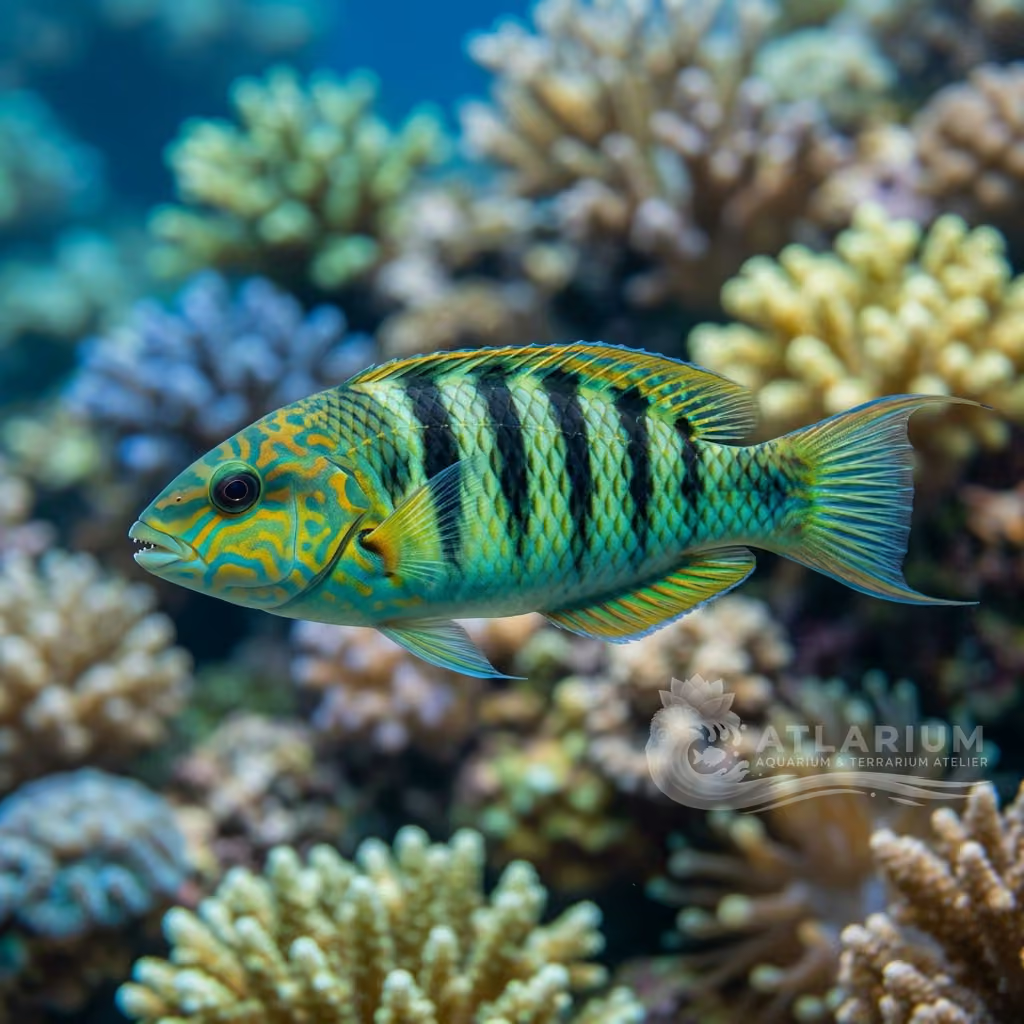
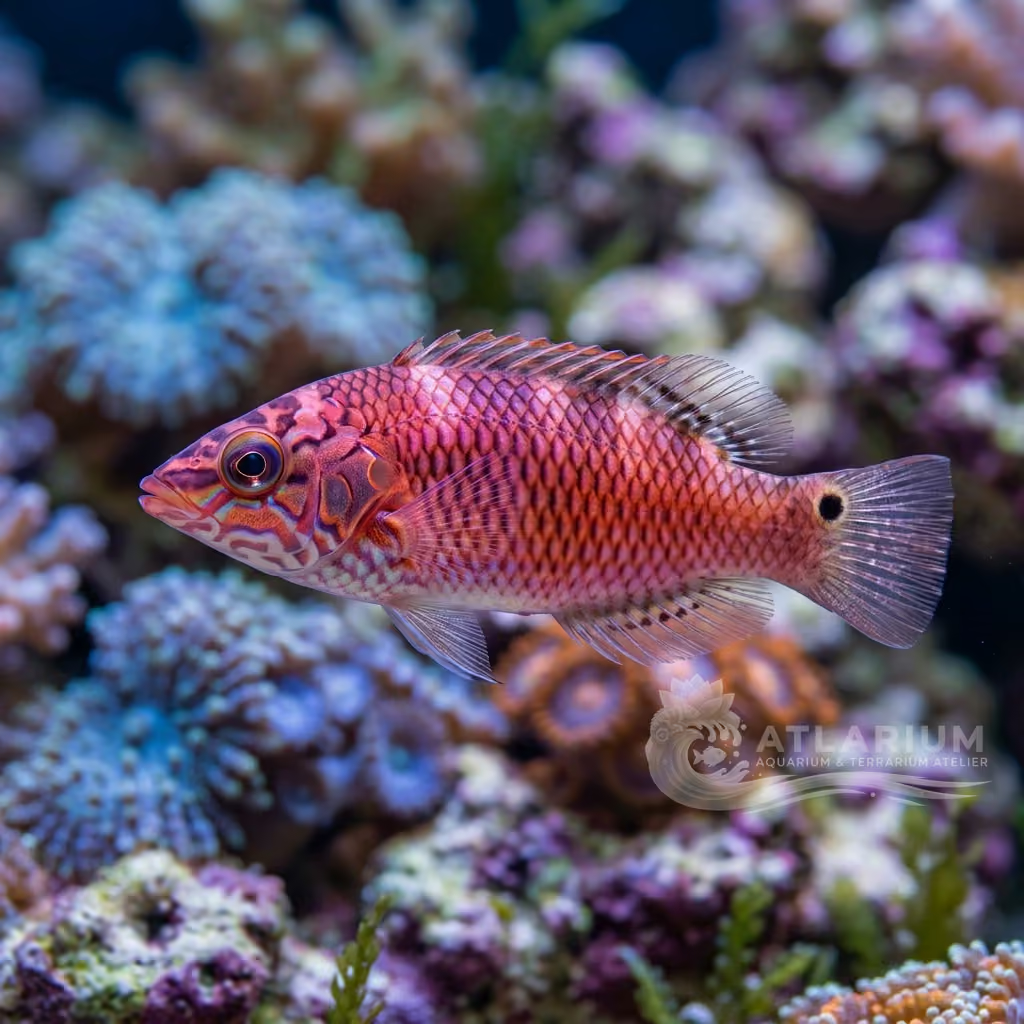
Taxonomy and Morphology: Member of the family Labridae, genus Halichoeres. Features an elongated, compressed body. Juveniles and females present two distinct black ocelli on the dorsal fin. Grows to about 12 cm.
Social Behavior: Diurnal, active, and curious. Constantly scans the reef for food. Lives solitarily or in small harems led by a dominant male. Burrows into the sand instantly when threatened or at dusk.
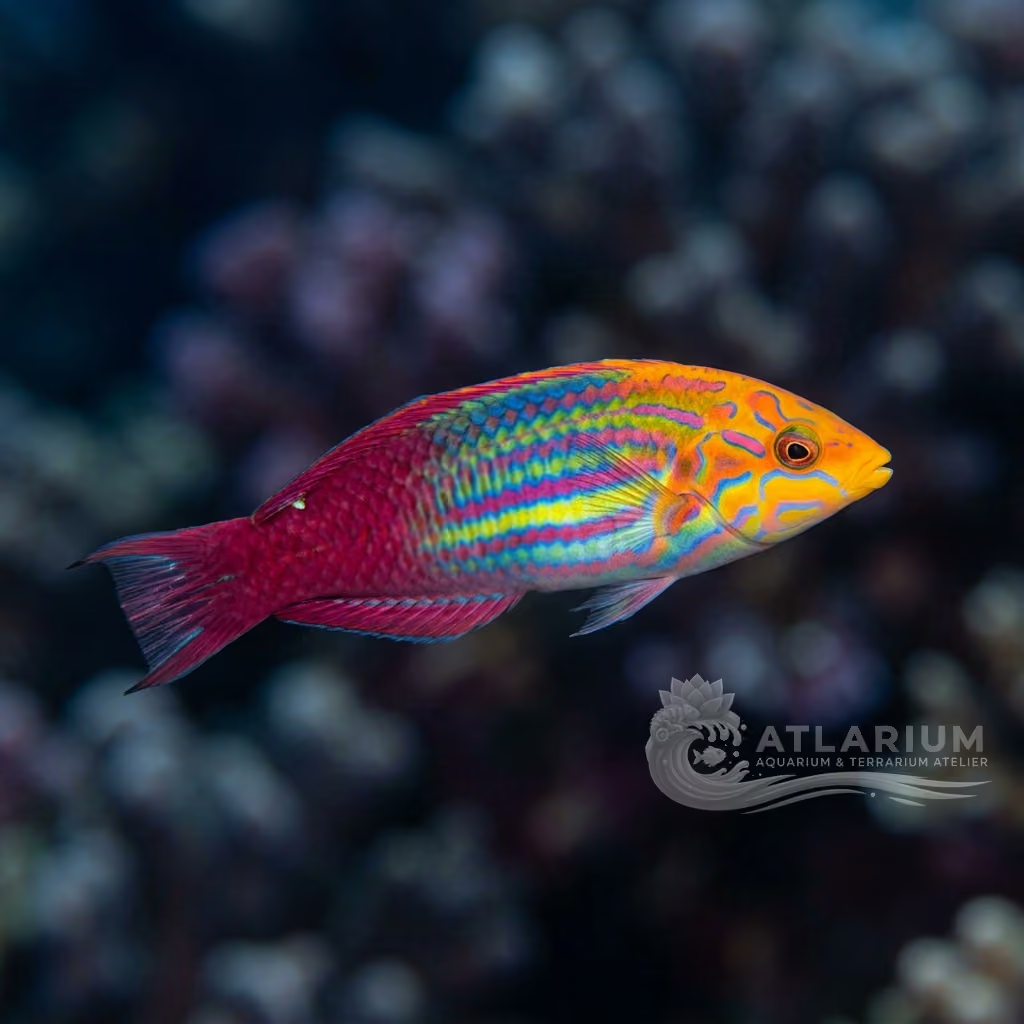
Coloration and Sexual Dimorphism: Red-orange longitudinal stripes over a blue-green body. Pronounced dimorphism: males show highly saturated pink and green facial markings and lose the prominent dorsal ocelli typical of females and juveniles.

Cuidado, criação e companheiros de tanque
Aquarium Setup: Requires an aquarium of at least 200 liters with a deep, fine sand bed (at least 5-8 cm) for sleeping and retreat. Live rock is essential for foraging. The tank must be tightly covered to prevent jumping.
Diet and Feeding: Carnivorous. Active predator of reef pests like flatworms and pyramidellid snails. In captivity, feed 2-3 times daily with mysis, brine shrimp, chopped krill, and high-quality pellet food.
Water Quality: Stable parameters: temperature 24-28°C, pH 8.1-8.4, specific gravity (SG) 1.020-1.025, GH 15-25, KH 8-12. Appreciates moderate to strong water movement and efficient filtration.
Compatibility and Cohabitation: Reef safe with caution. Harmless to corals, but will eat small crustaceans (like tiny ornamental shrimp), bristleworms, and small snails. Best kept with active, robust, and peaceful tankmates.
Aquarium Breeding: Protogynous hermaphrodite. Captive reproduction is undocumented due to the extreme difficulty of raising pelagic larvae.
Risks and Diseases: High jumping risk when startled. Snout injuries and stress can occur if the sand bed is too coarse or sharp. Susceptible to marine ich (Cryptocaryon) under stress.

Origem e distribuição geográfica
Widespread in the Western Pacific, from southern Japan to the Great Barrier Reef and New Caledonia. Inhabits protected seaward reefs, lagoons, and sandy or rubble areas at depths of 5 to 30 meters.
Origem
Oceanos tropicais e recifesLeste AsiáticoAustrália, Nova Guiné e Oceania

Perfil de peixe
- Temperamento
- Territorial
- The Red-lined Wrasse is a bold, inquisitive, and highly active fish that brings constant movement to the aquarium. They are constantly 'on the go', meticulously inspecting every crevice and rock for potential food items. While generally peaceful toward dissimilar fish, they can be boisterous and may inadvertently stress extremely shy or delicate tank mates. Their predatory nature means they are not safe with ornamental shrimp, but their appetite for nuisance pests makes them a highly valued utilitarian fish. Once settled, they are hardy, resilient, and display fascinating behaviors.
- Dieta
- Carnivore
- In the wild, they spend their days hunting for small crustaceans, mollusks, and various benthic invertebrates among the rocks and sand. In captivity, they require a diverse, high-protein diet consisting of high-quality frozen foods like mysis shrimp, enriched brine shrimp, and chopped krill. They will also readily accept high-quality marine flakes and sinking pellets once acclimated to the aquarium environment. Providing a varied diet is crucial for maintaining their immune system and their vibrant, intricate coloration. They serve as excellent natural pest controllers, eagerly hunting down flatworms, pyramidellid snails, and bristle worms.
- Expectativa de vida
- 4-7 years
- Tamanho adulto
- 12 cm
- Proporção sexual
- Harem
- This species exhibits sequential hermaphroditism, specifically protogynous hermaphroditism, meaning all individuals are born female and the dominant ones transition into males. Visually distinguishing males from females is possible, as mature 'supermales' display significantly more vibrant and complex facial markings than females or juveniles. In a home aquarium, it is strongly recommended to keep only a single specimen, as keeping multiple males or a mixed group often results in relentless aggression. Only in exceptionally large systems (hundreds of gallons) can a male be kept with a harem of females. A single male makes a stunning centerpiece.
- Frequência de alimentação
- 2-3 times daily
- Due to their high energy levels and fast metabolism, they should be fed two to three times daily. Offering smaller, more frequent meals closely mimics their natural foraging behavior and helps maintain their weight and vivid colors. They are bold and aggressive eaters that will quickly dart to the surface to snatch food before other fish have a chance. Care must be taken to ensure that slower or more timid tank mates receive their fair share during feeding time. Overfeeding should be avoided to prevent water quality degradation, so only offer what can be consumed in a few minutes.
- Carga biológica
- Medium
- The Red-lined Wrasse produces a moderate bioload typical of actively swimming, carnivorous reef fish. They have a high metabolism and require frequent feedings, which naturally increases the amount of physical and dissolved waste in the aquarium. A reliable protein skimmer and a robust biological filtration system are necessary to rapidly process this waste and maintain pristine water parameters. Regular water changes are critical to prevent the slow accumulation of nitrates and phosphates, which can compromise the health of the wrasse and any sensitive corals. Despite their active nature, their bioload is manageable in a properly sized and well-filtered system.
- Fluxo
- Strong
- They thrive in an aquarium with moderate to strong water flow, which replicates the turbulent nature of their natural reef habitats. Strong currents ensure proper oxygenation of the water, which is essential for these highly active, fast-swimming fish. The flow also helps keep detritus suspended so the filtration system can process it, keeping the water clear. However, they also require calmer areas within the rockwork where they can rest and navigate without constantly fighting the current. Adequate surface agitation is crucial for promoting necessary gas exchange.
- Risco de salto
- Yes
- Like almost all wrasses, the Red-lined Wrasse is an extreme jump risk and a notorious escape artist. They are easily startled by sudden movements, changes in lighting, or aggressive tank mates, and their first instinct is to shoot straight upward. A completely secure, tight-fitting, and preferably weighted mesh lid is an absolute non-negotiable requirement for keeping this species. They can find and exploit even the smallest gaps around plumbing or overflow boxes. An open-top aquarium is guaranteed to result in the tragic loss of this beautiful fish.
- Reprodução
- Oviparous
- Captive breeding of this species is extremely rare and has not been achieved on a commercial scale or by casual hobbyists. Like most wrasses, they are pelagic spawners, swimming rapidly upward into the water column to release eggs and sperm. The fertilized eggs become buoyant and drift in the ocean currents as part of the plankton before settling onto a reef. The massive water columns, specific planktonic food requirements, and precise environmental cues needed for this process are impossible to replicate in standard home aquariums. Therefore, all specimens available in the hobby are wild-caught.
- Compatibilidade e companheiros de tanque
- With caution
- They are considered moderately peaceful and make excellent additions to a semi-aggressive or large community reef tank. They generally ignore corals, making them 'reef safe', but they are avid hunters of small benthic invertebrates, including ornamental shrimp, feather dusters, and small snails. They can be safely housed with tangs, large angelfish, and robust damselfish. However, they can be highly territorial toward other wrasses, especially those of similar shape or color, and should generally be the only Halichoeres wrasse in the tank. Caution is advised when keeping them with very small, timid fish that might be outcompeted for food.
- Nível do tanque
- All levels
- They are highly active fish that utilize all levels of the aquarium, constantly swimming in and out of the rockwork in search of food. During the day, they are a constant blur of motion, patrolling the lower and middle sections of the water column. A deep, soft sand bed (at least 2-3 inches) is an absolute necessity, as they dive into the sand to sleep at night or to escape perceived threats. Crushed coral or bare-bottom tanks are entirely inappropriate and will cause severe stress and physical injury. Ample swimming space combined with complex rockwork is the ideal setup.

Modelos e parâmetros científicos
FishBase
Acesso aos dados científicos oficiais da espécie
FishBase v25.04Dados sincronizados em: 15/06/2026
- Nível trófico
- 3,4 ± 0,5 se
- Resiliência
- Alta (menos de 15 meses)
- Unicidade filogenética (PD50)
- 0.5
- Relação bayesiana comprimento-peso
- a = 0.01, b = 3.09
- VulnerabilidadeVulnerabilidade baixa (10 / 100)

Espécies relacionadas
Recomendações agrupadas por parentes próximos, escolhas de acompanhantes e cuidados semelhantes.