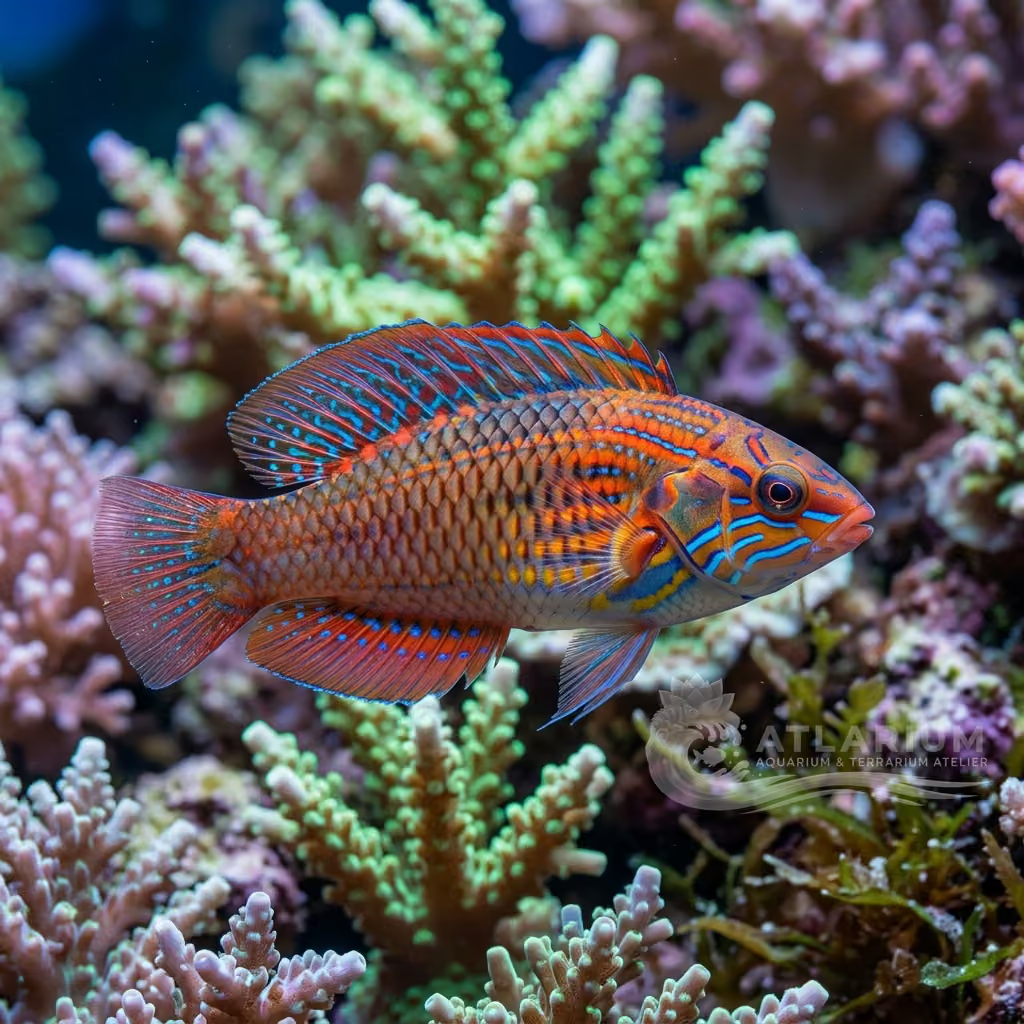
Geisha Wrasse
Iniistius geisha
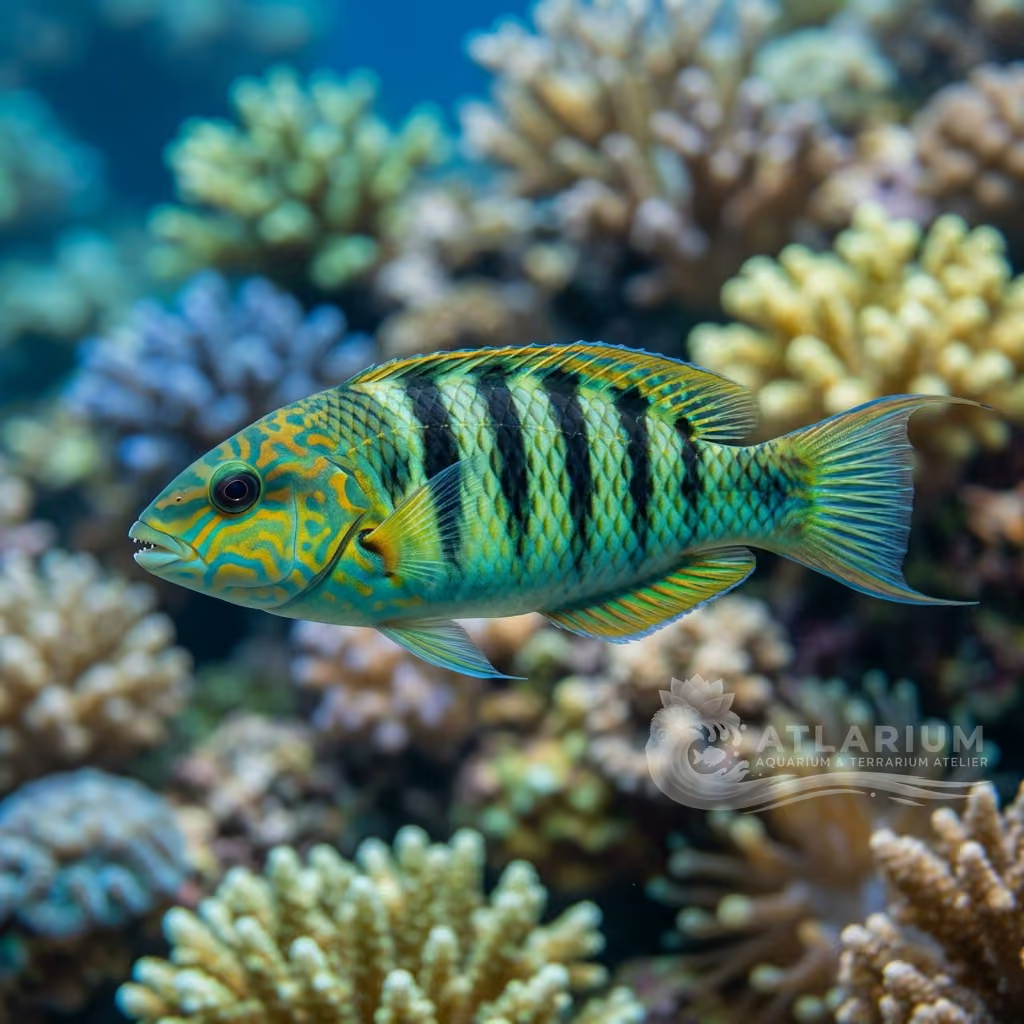
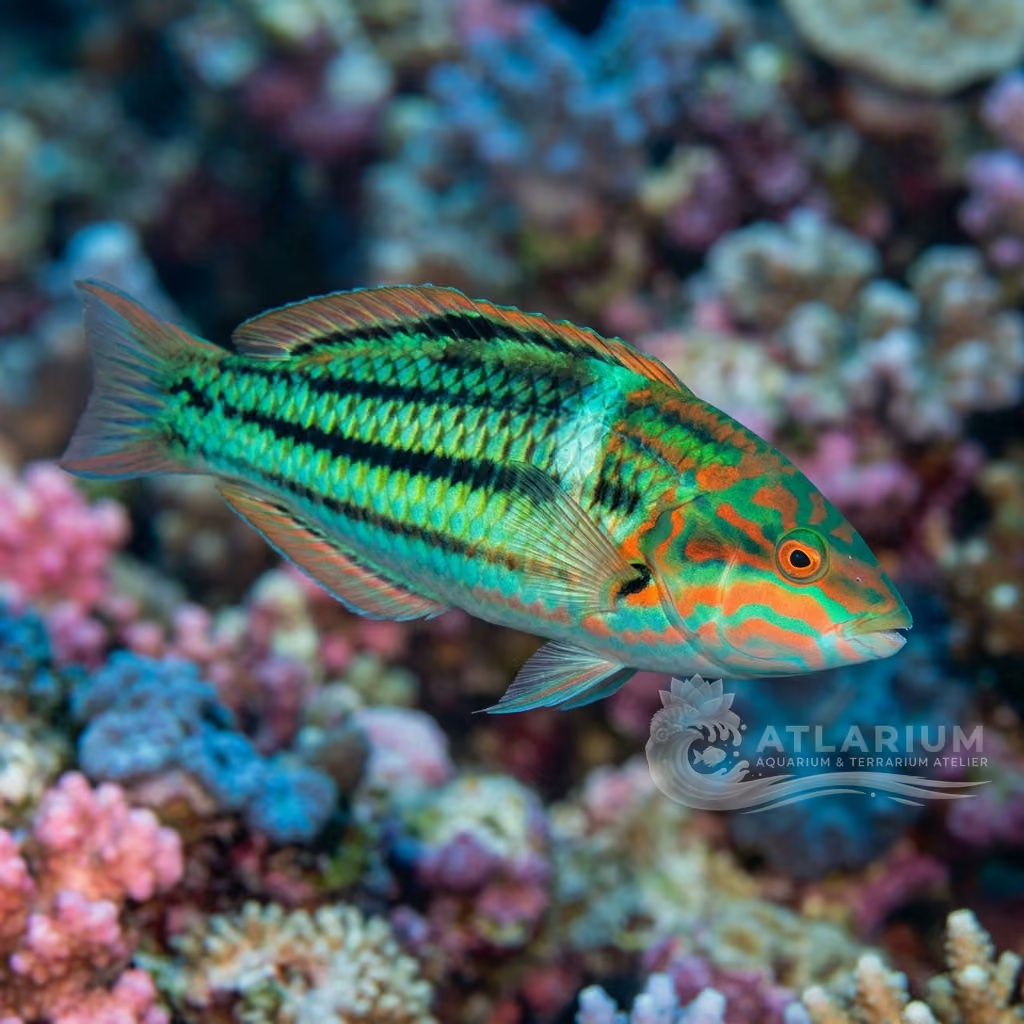
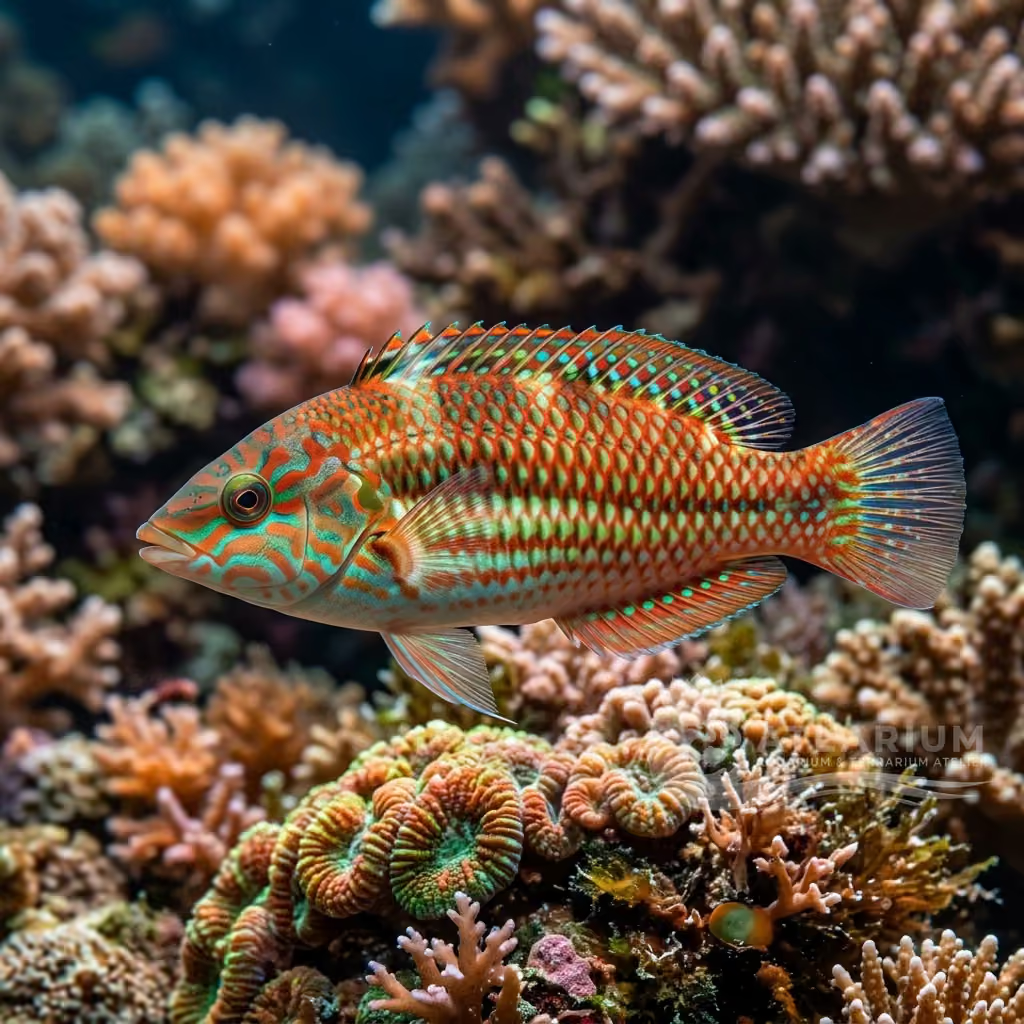
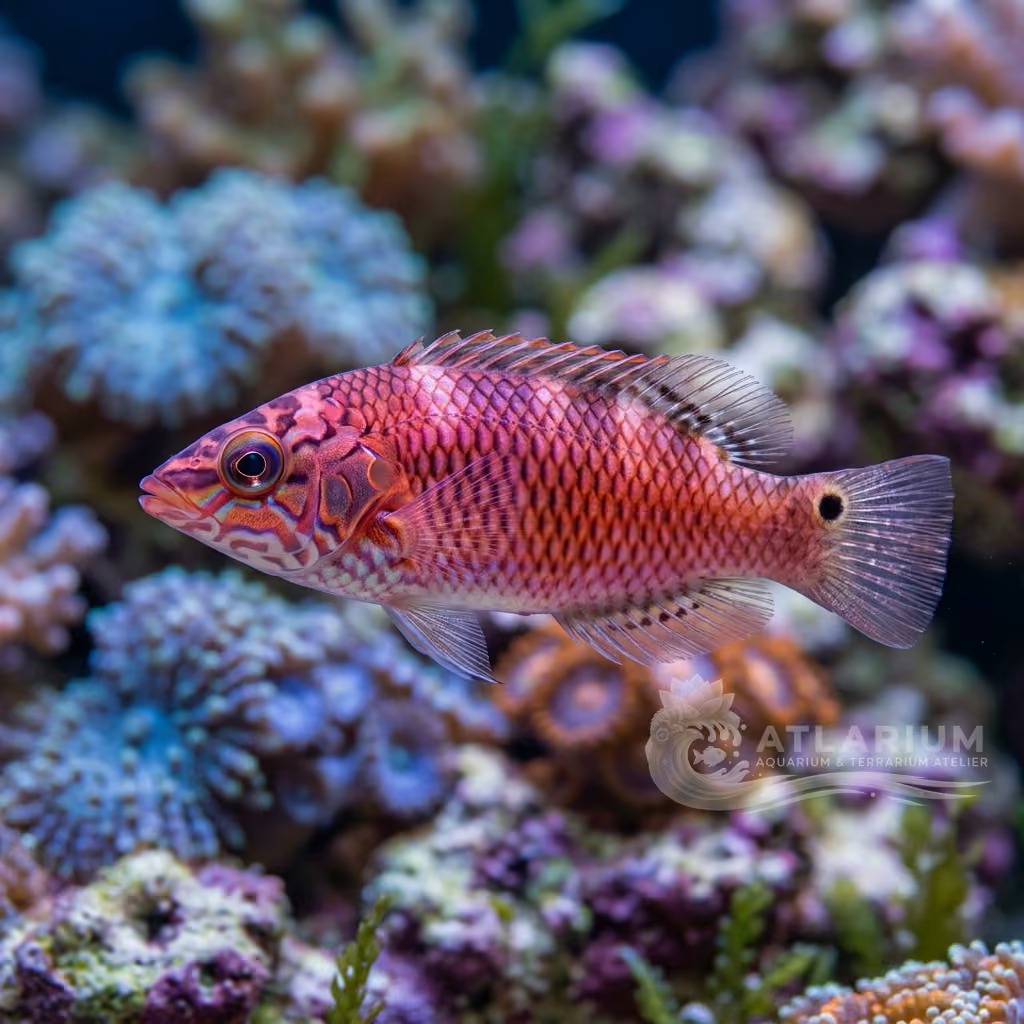
An unusual and elusive deepwater wrasse (also known as Iniistius geisha), characterized by a razor-compressed body and the habit of diving into the sand.
Temperatura da água
24 - 28 °C
Valor de pH
8.1 - 8.4
Tipo de água
Marinho
Nível do tanque
Parte inferior
Tamanho adulto
25 cm
Volume mínimo do tanque
>= 300 L
Grupo mínimo
>= 1
KH
8 - 12 dKH

Descrição da espécie
Geographical Origin and Habitat: Found in the Western Pacific, particularly the subtropical and temperate waters of southern Japan, Taiwan, and Micronesia. Inhabits open sandy plains and deep rubble beds at depths ranging from 10 to over 130 meters.
Taxonomy and Morphology: Scientifically classified as Iniistius geisha (though referred to as Macropharyngodon geisha in legacy trade lists). Features a unique morphology: a highly laterally compressed, razor-like body and a very steep, vertical forehead profile. Reaches up to 25 cm.
Social Behavior: Secretive and elusive. Possesses an extraordinary ability to dive head-first into the sand bed in a fraction of a second to escape predators. Swims slowly just above the substrate scanning for micro-prey.
Coloration and Sexual Dimorphism: Distinctive coloration with greyish-white tones and black/yellow markings reminiscent of traditional geisha attire. Sexual dimorphism is not well documented, but mature males display steeper foreheads.

Cuidado, criação e companheiros de tanque
Aquarium Setup: Requires a specialized setup of at least 300 liters with a very large area of fine sand at least 8-10 cm deep. Avoid sharp rocks near the bottom to prevent injury when diving. Dim lighting is highly recommended.
Diet and Feeding: Benthic carnivore. Feeds on sandy-bed invertebrates. In captivity, requires live foods (copepods, amphipods) and high-quality frozen foods like mysis, krill, and chopped shrimp fed close to the substrate.
Water Quality: Stable parameters and cooler temperatures (24-28°C, ideally kept at 24-25°C). pH 8.1-8.4, specific gravity (SG) 1.020-1.025, GH 15-25, KH 8-12. Regular carbon filtration is necessary to keep water pristine.
Compatibility and Cohabitation: Avoid aggressive tankmates or large predators, which will cause the fish to remain permanently buried. Safe with corals, but not compatible with ornamental shrimp or small crabs, which will be hunted.
Aquarium Breeding: Undocumented in captivity. Natural breeding involves demersal eggs spawned on deep sandy beds.
Risks and Diseases: Extreme risk of skin abrasions and bacterial infections if the sand bed is too coarse or sharp. Highly vulnerable to parasites like Cryptocaryon under bright lighting or high stress.

Origem e distribuição geográfica
Found in the Western Pacific, particularly the subtropical and temperate waters of southern Japan, Taiwan, and Micronesia. Inhabits open sandy plains and deep rubble beds at depths ranging from 10 to over 130 meters.
Origem
Oceanos tropicais e recifesLeste Asiático

Perfil de peixe
- Temperamento
- Peaceful
- They are exceptionally peaceful and inquisitive. They spend their days constantly hunting for food. They are delicate and easily stressed by aggression.
- Dieta
- Carnivore
- Macropharyngodon is a specialized micro-predator. They require a mature tank with live copepods. Supplement with high-quality frozen mysis shrimp.
- Expectativa de vida
- 5-7 years
- Tamanho adulto
- 25 cm
- Proporção sexual
- Solitary
- Keep one male with several females. Multiple males will fight to the death. Single females can be kept successfully.
- Frequência de alimentação
- Twice daily
- Feed them at least three times daily. Their high metabolism demands constant nourishment. Automated feeders can be very helpful.
- Carga biológica
- Medium
- Macropharyngodon contributes a moderate bioload. Their frequent feeding creates organic waste. A strong protein skimmer is necessary for water quality.
- Fluxo
- Strong
- They thrive in moderate to strong water flow. Wavemakers encourage their natural foraging behaviors. Good circulation keeps the water oxygenated.
- Risco de salto
- Yes
- The jump risk is incredibly high. They will readily leap out if frightened. A secure mesh lid is completely non-negotiable.
- Reprodução
- Oviparous
- Breeding them in captivity is virtually impossible. They are pelagic spawners. Rearing the microscopic fry requires advanced aquaculture facilities.
- Compatibilidade e companheiros de tanque
- With caution
- They are completely reef-safe and peaceful. Keep them with other docile reef fish. Do not keep them with aggressive species.
- Nível do tanque
- Bottom
- Macropharyngodon utilizes all levels during the day. They require a deep sand bed for sleeping. They dive into the sand when stressed.

Espécies relacionadas
Recomendações agrupadas por parentes próximos, escolhas de acompanhantes e cuidados semelhantes.