Puddingwife wrasse
Halichoeres radiatus
A dramatic large wrasse from the Western Atlantic, famed for its stunning color transformations from juvenile to adult, requiring spacious setups with deep sand beds.
Temperatura da água
22 - 26 °C
Valor de pH
8.1 - 8.4
Tipo de água
Marinho
Nível do tanque
Parte inferior e intermediária
Tamanho adulto
40 cm
Volume mínimo do tanque
>= 600 L
Grupo mínimo
>= 1

Descrição da espécie
Geographical Origin and Habitat:
Halichoeres radiatus is distributed in the Western Atlantic, from Bermuda and the Gulf of Mexico to Brazil. It inhabits outer coral reefs and sandy lagoons down to 50 meters deep.
Taxonomy and Morphology:
Belongs to the Labridae family. It is one of the larger wrasses, reaching 30 cm in captivity (and more in the wild). Features a robust body with strong teeth adapted for crushing shells.
Social Behavior:
An active, diurnal, and territorial fish. It demands significant swimming space and shows aggression towards conspecifics. It regularly flips small rocks to find food.
Coloration and Sexual Dimorphism:
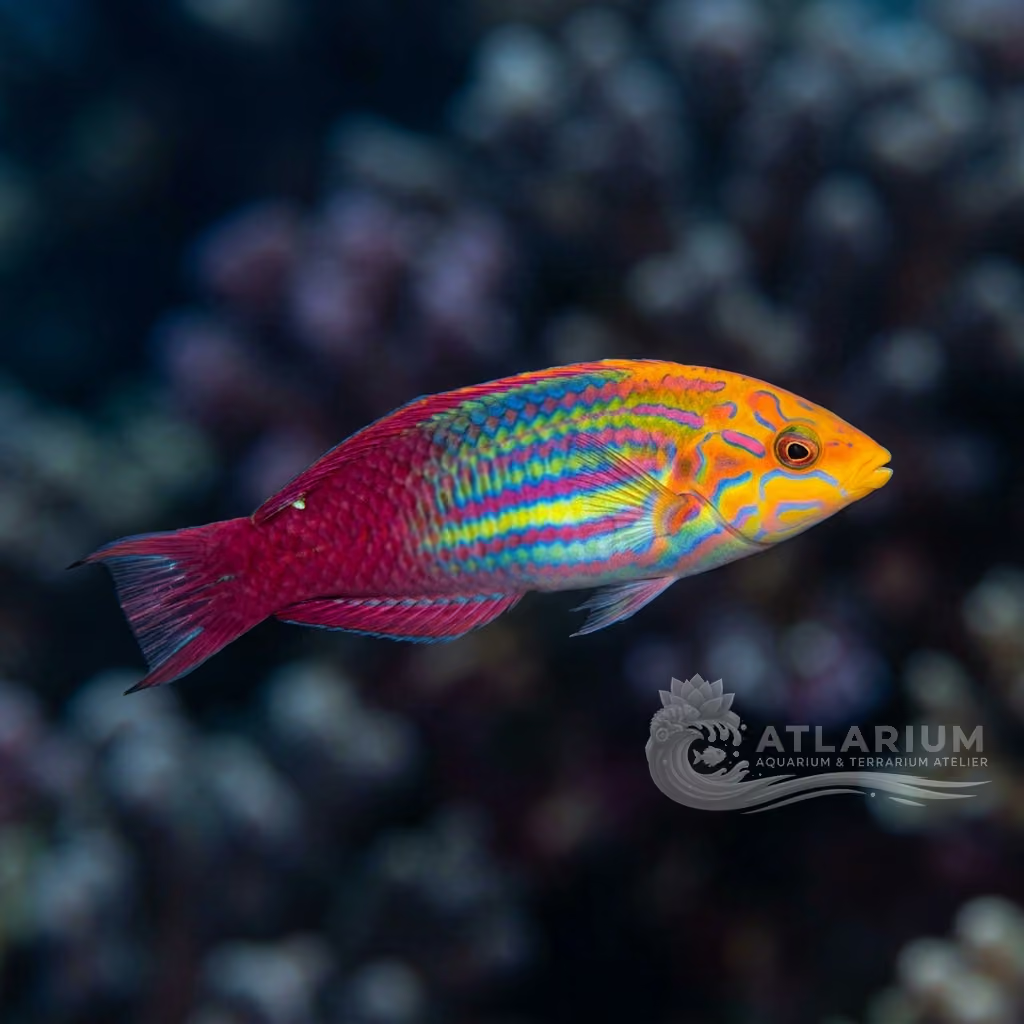
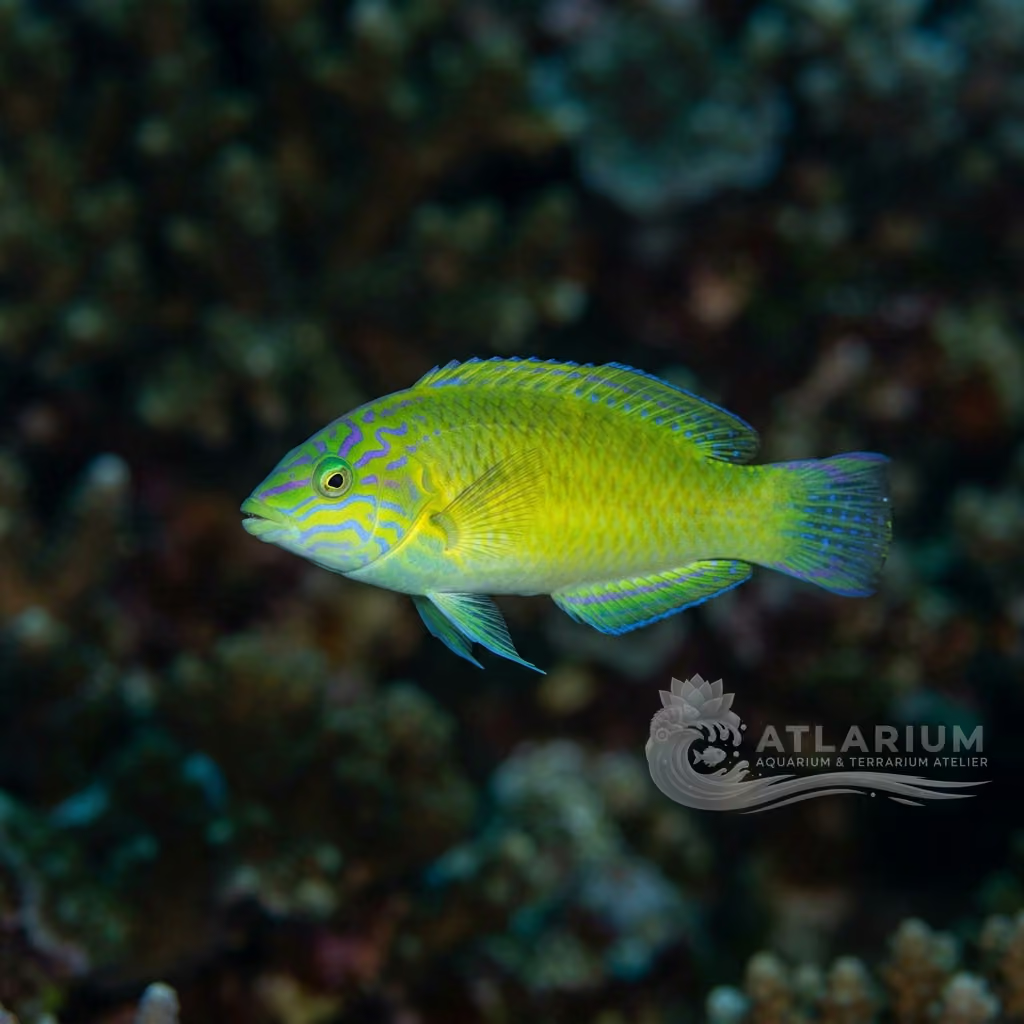
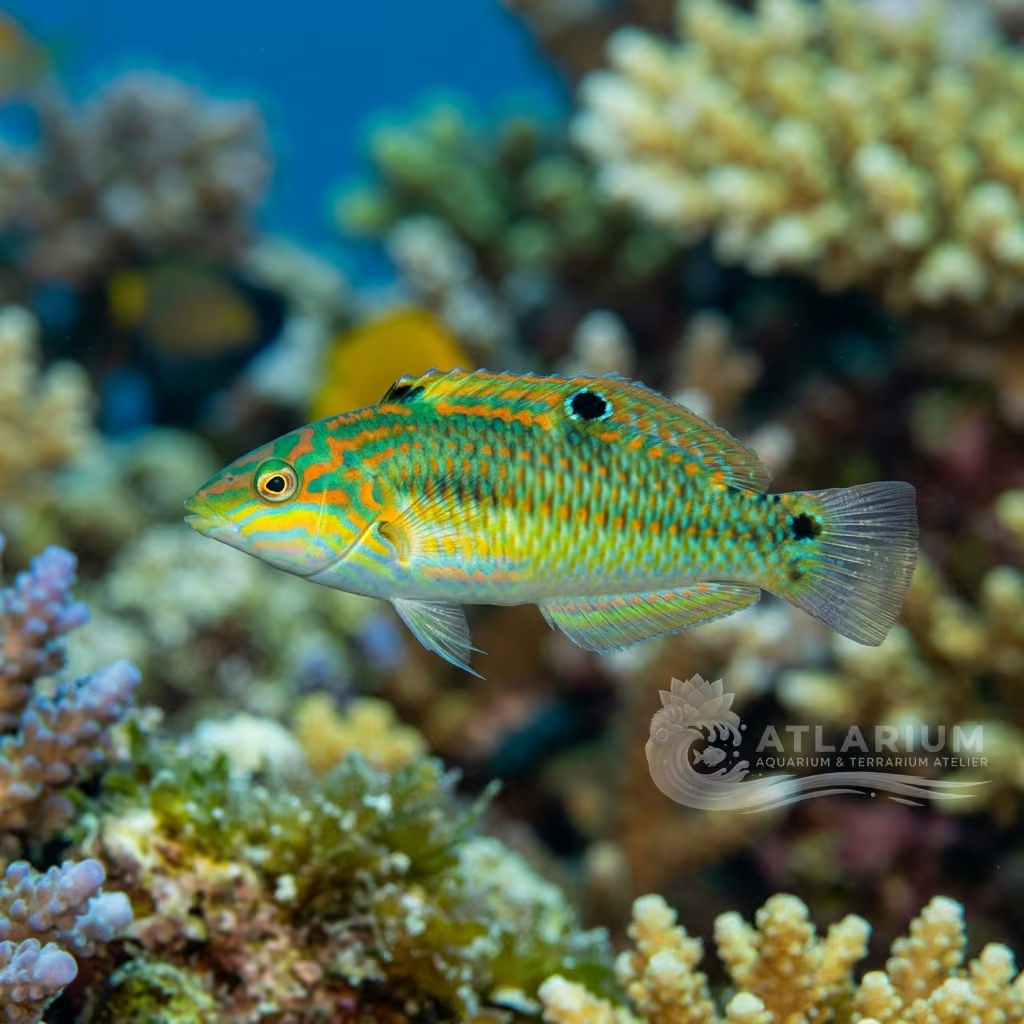
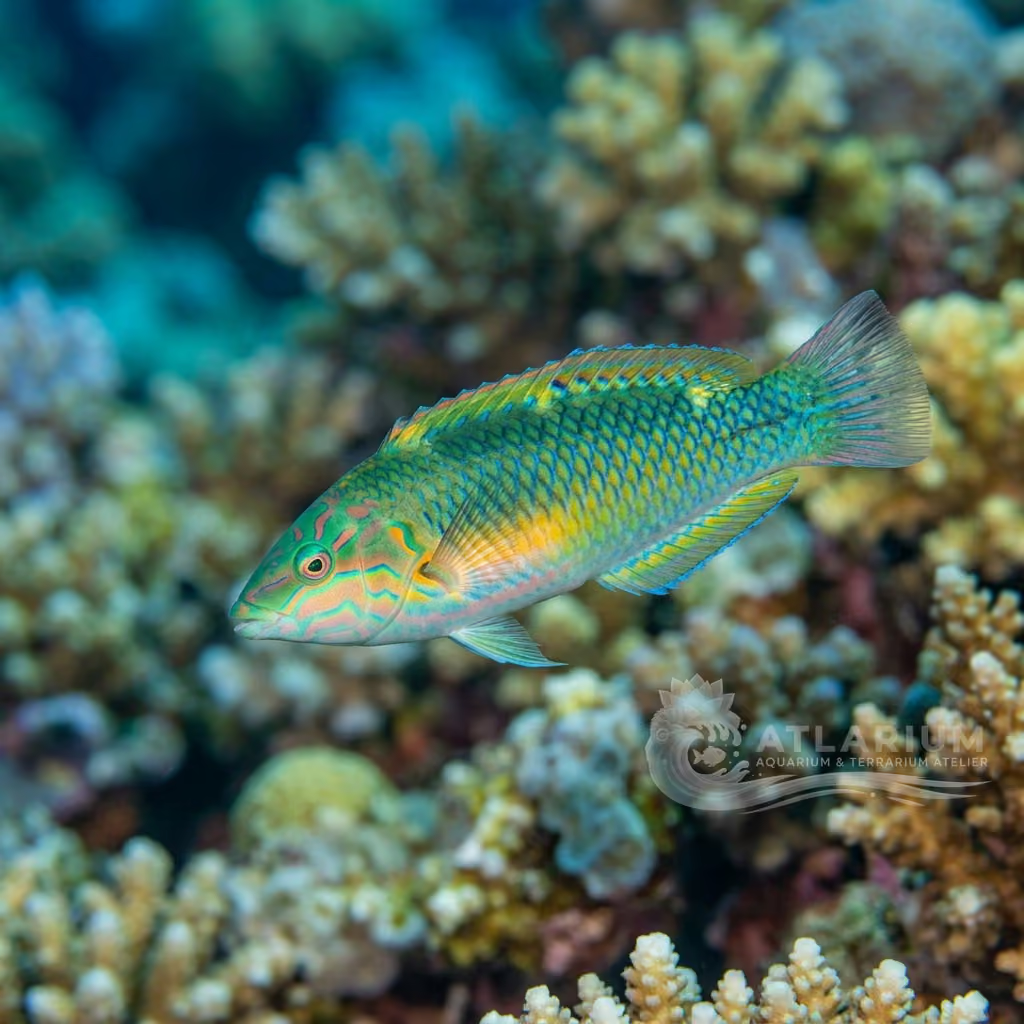
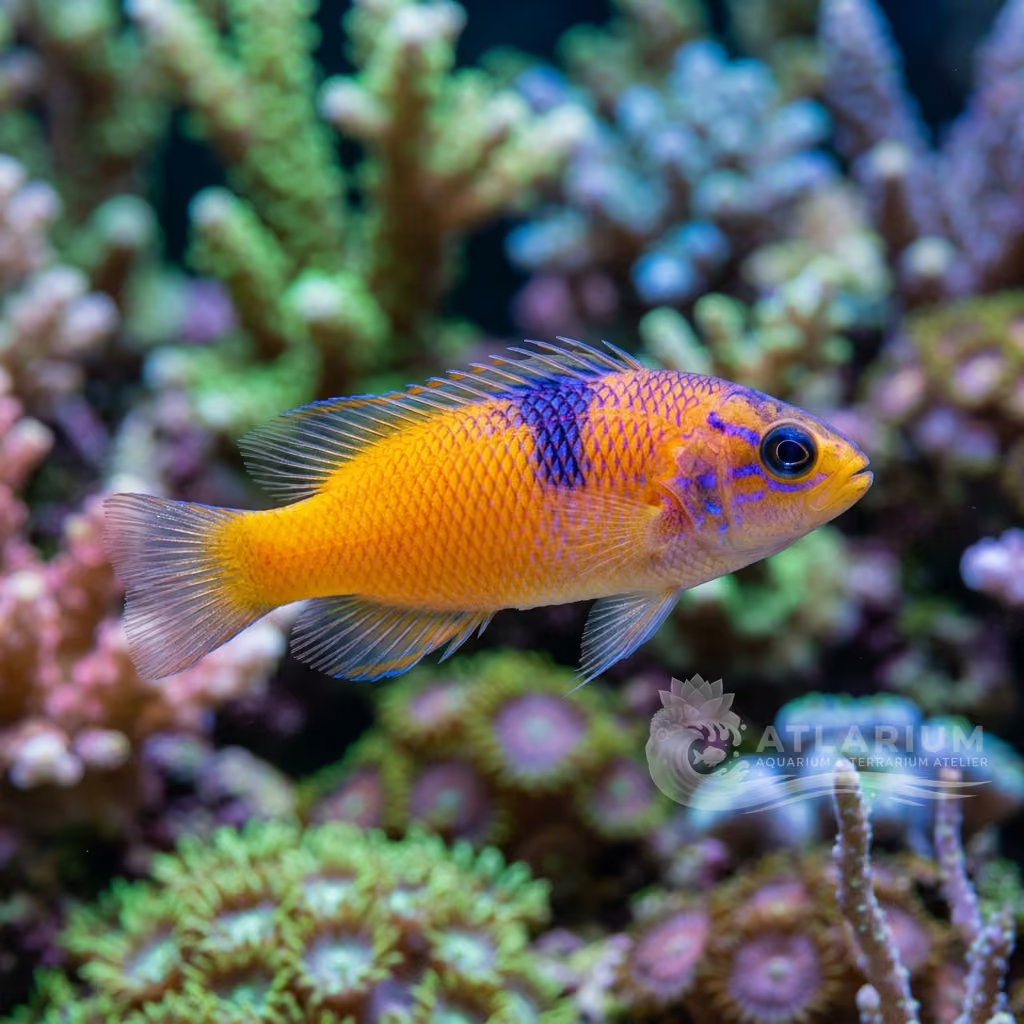
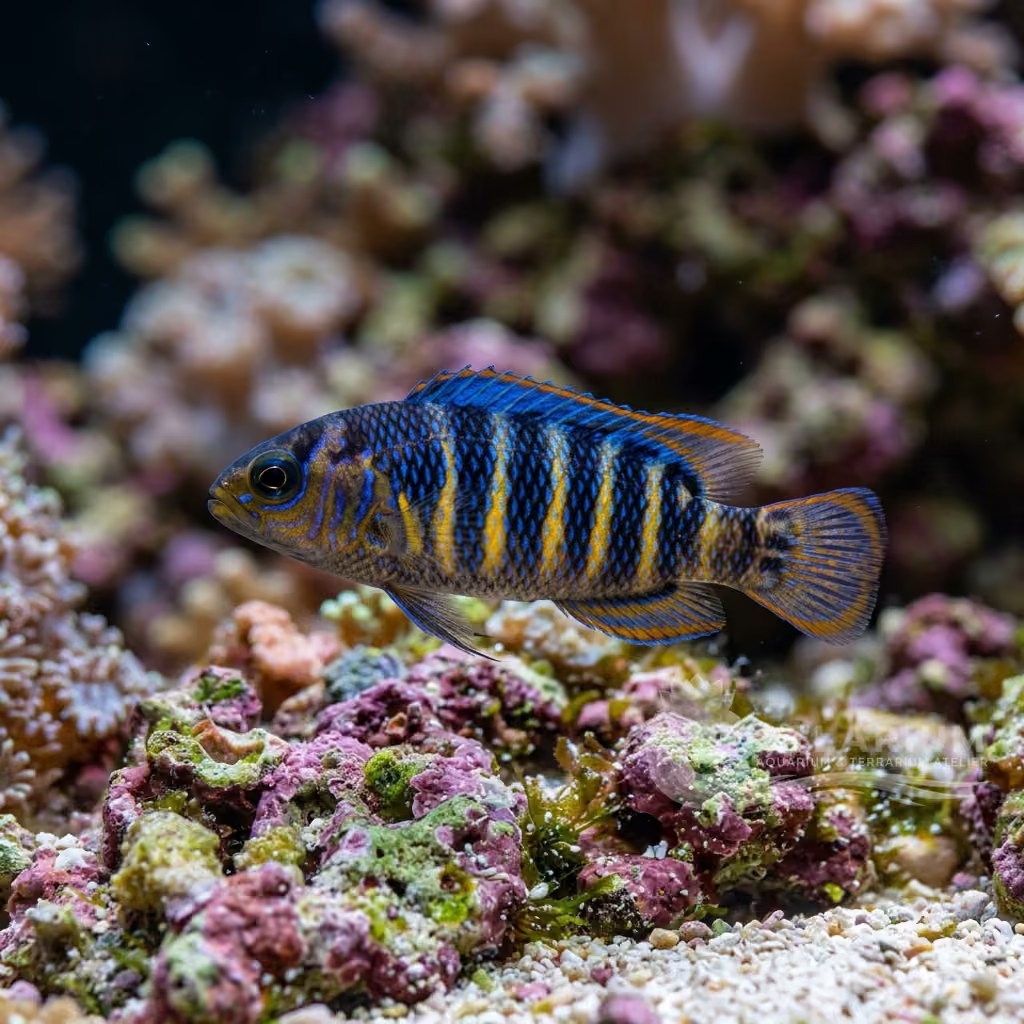
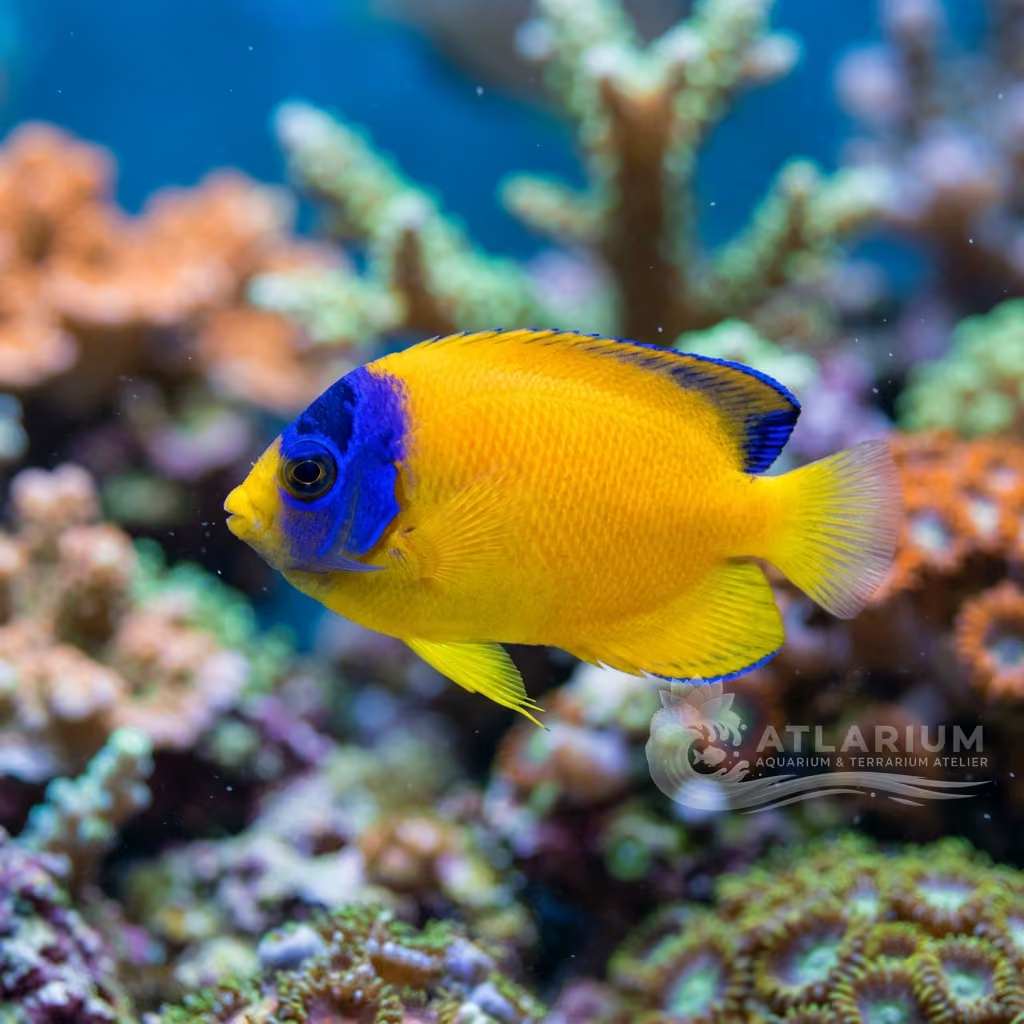
Juveniles are bright yellow with black and white spots. Adults develop greenish or blue-green tones with orange striping and iridescent lines on the head.

Cuidado, criação e companheiros de tanque
Aquarium Setup:
Needs a very large marine aquarium of at least 500-600 liters. Provide a deep layer of fine sand (at least 8-10 cm) free of sharp edges for burrowing.
Diet and Feeding:
Voracious carnivore. Feed whole unpeeled shrimp, clam meat, mussels, frozen krill, and large protein pellets. Feed two or three times daily.
Water Quality:
Requires powerful filtration and an oversized skimmer to handle the bio-load. Maintain temperature 22-27 °C, pH 8.1-8.4, and specific gravity 1.020-1.025.
Compatibility and Cohabitation:
Absolutely not reef safe with invertebrates: it will eat snails, crabs, hermit crabs, and shrimp. Compatible with large fish like tangs and large angelfish.
Aquarium Breeding:
Protogynous hermaphrodite. Breeding in home aquariums is not possible due to its size and water column spawning requirements.
Risks and Diseases:
Main risks include skin lesions from burrowing in coarse substrate and jump escapes. Cover the tank with a heavy and secure lid.

Origem e distribuição geográfica
Halichoeres radiatus is distributed in the Western Atlantic, from Bermuda and the Gulf of Mexico to Brazil. It inhabits outer coral reefs and sandy lagoons down to 50 meters deep.
Origem
Oceanos tropicais e recifesExtra-Amazônica América do SulAmérica Central e CaribeAmérica do Norte

Perfil de peixe
- Temperamento
- Aggressive
- Puddingwife wrasses are outgoing, bold, and sometimes mischievous inhabitants. They are known to flip over small rocks and corals in their ceaseless hunt for food. They often learn to recognize their caretaker and may beg for food when approached.
- Dieta
- Carnivore
- This species is a voracious carnivore that feeds on a wide array of benthic invertebrates. Its diet should consist of chopped meaty seafoods, such as squid, shrimp, and clams, supplemented with high-quality marine pellets. Providing hard-shelled prey occasionally helps wear down their constantly growing teeth.
- Expectativa de vida
- 6-8 years
- Tamanho adulto
- 40 cm
- Proporção sexual
- Solitary
- Due to their size and territorial nature as adults, keeping a single specimen per aquarium is advisable. Males are intolerant of each other and will fight relentlessly in confined spaces. A harem structure requires a massive aquarium and is generally best left to public aquaria.
- Frequência de alimentação
- 2-3 times daily
- They possess a rapid metabolism and should be fed two to three times daily. Generous portions are required to sustain their growth and energetic swimming behavior. Without adequate nutrition, they may begin to pick heavily at beneficial organisms within the aquarium.
- Carga biológica
- High
- The Puddingwife wrasse has a substantial bioload as it grows to a fairly large size. High-quality mechanical and biological filtration is necessary to manage its waste production. A large protein skimmer is highly recommended to maintain excellent water quality.
- Fluxo
- Strong
- Strong, turbulent water movement is preferred to mimic the shallow coastal reefs and seagrass beds they inhabit. Excellent water circulation keeps the environment adequately oxygenated for their active lifestyle. They often ride the currents while surveying the substrate for potential meals.
- Risco de salto
- Yes
- This fish presents a significant jump risk, particularly when introduced to a new environment. A secure, weighted, or tightly fitted canopy is mandatory to keep them safely contained. Even small gaps around filters or plumbing should be sealed, as they are adept at finding escape routes.
- Reprodução
- Oviparous
- Captive reproduction of the Puddingwife wrasse is virtually undocumented in home aquariums. They exhibit pelagic spawning, scattering their eggs in the open ocean currents. The larval stage is prolonged and requires complex, live microscopic foods that are impractical for most hobbyists to provide.
- Compatibilidade e companheiros de tanque
- Not reef safe
- While relatively peaceful as a juvenile, this species becomes more boisterous and potentially aggressive as it matures. It is not considered safe for reef tanks with ornamental crustaceans or small delicate mollusks. It does best in a fish-only with live rock (FOWLR) setup alongside similarly robust tank mates.
- Nível do tanque
- Middle/Bottom
- They are highly active swimmers that utilize all levels of the aquarium, though they focus their foraging on the bottom. A deep sand bed is absolutely crucial, as they bury themselves completely to sleep and hide. Adequate swimming space above the substrate is also essential for their well-being.

Modelos e parâmetros científicos
FishBase
Acesso aos dados científicos oficiais da espécie
FishBase v25.04Dados sincronizados em: 15/06/2026
- Nível trófico
- 3,5 ± 0,1 se
- Resiliência
- Média (1,4 - 4,4 anos)
- Unicidade filogenética (PD50)
- 0.5
- Relação bayesiana comprimento-peso
- a = 0.01, b = 3.09
- VulnerabilidadeVulnerabilidade moderada (40 / 100)

Espécies relacionadas
Recomendações agrupadas por parentes próximos, escolhas de acompanhantes e cuidados semelhantes.