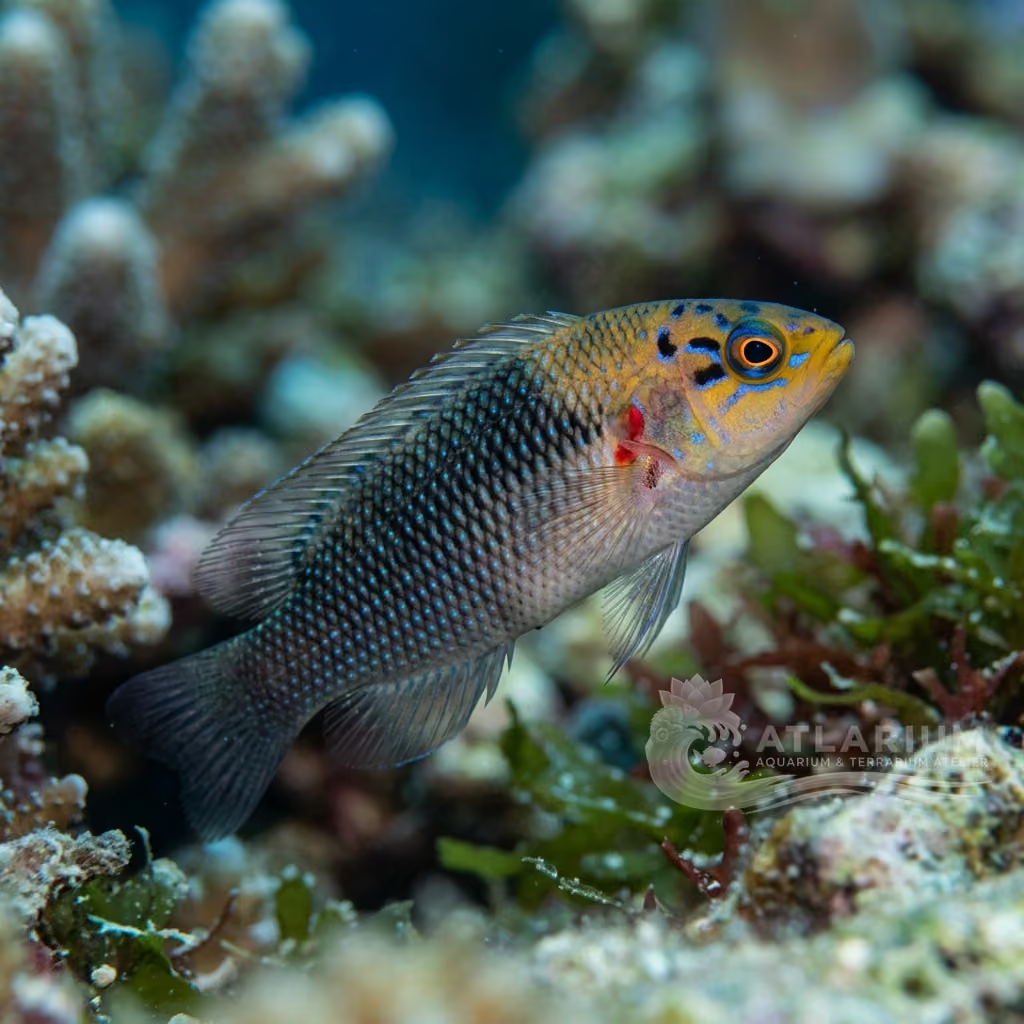
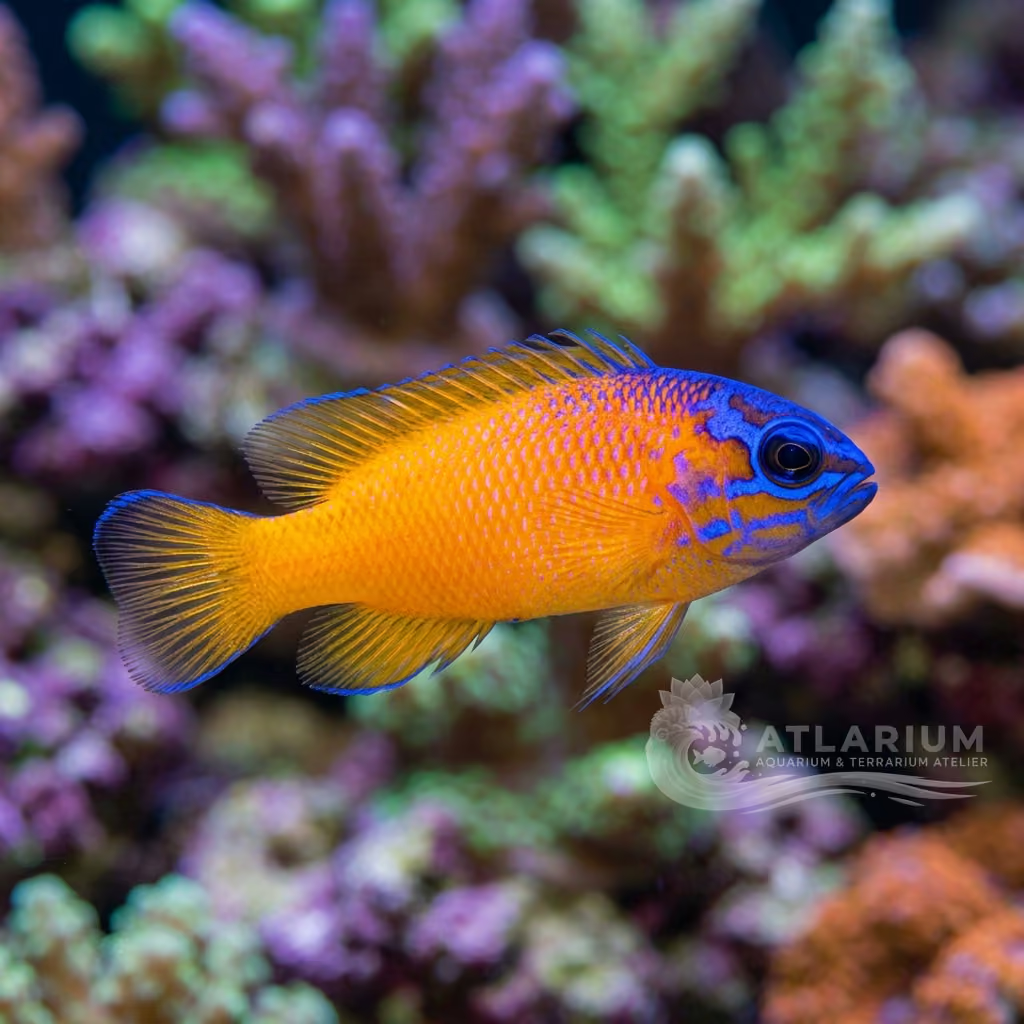
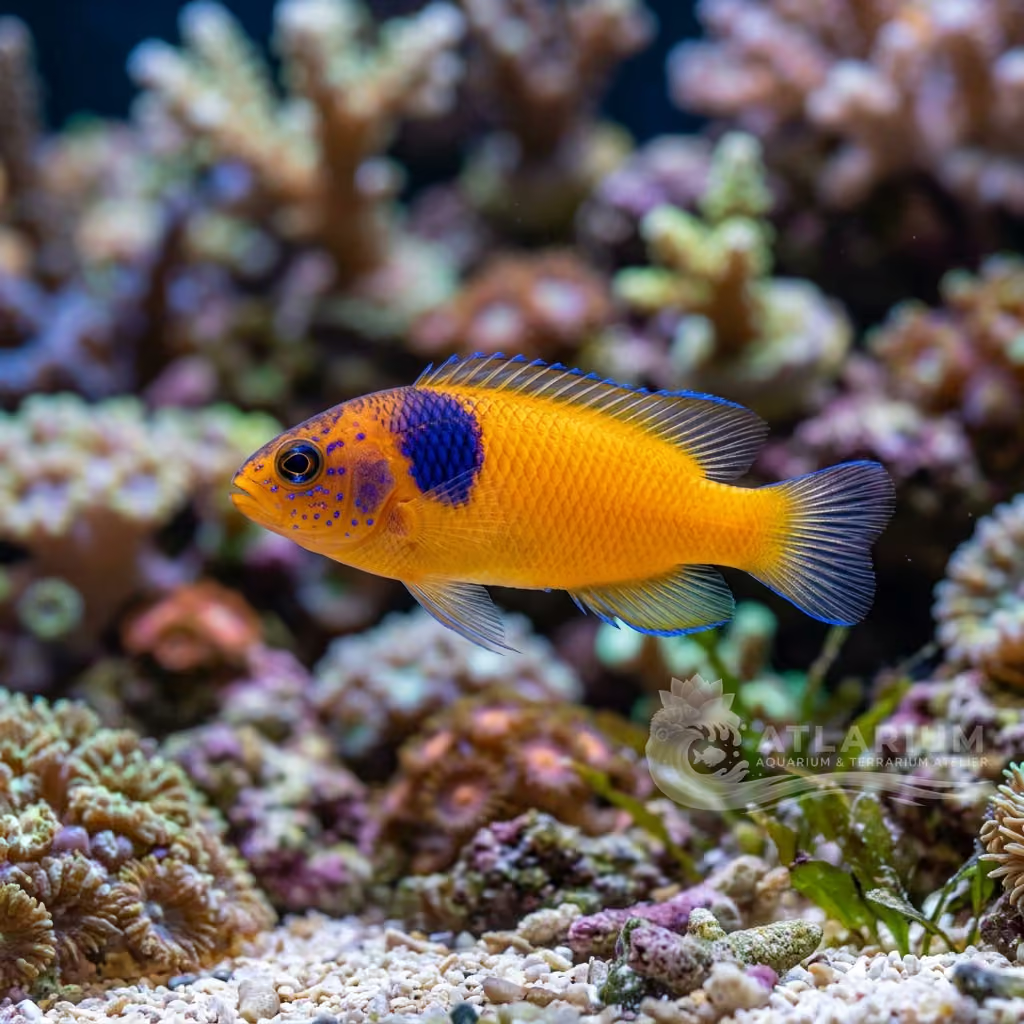
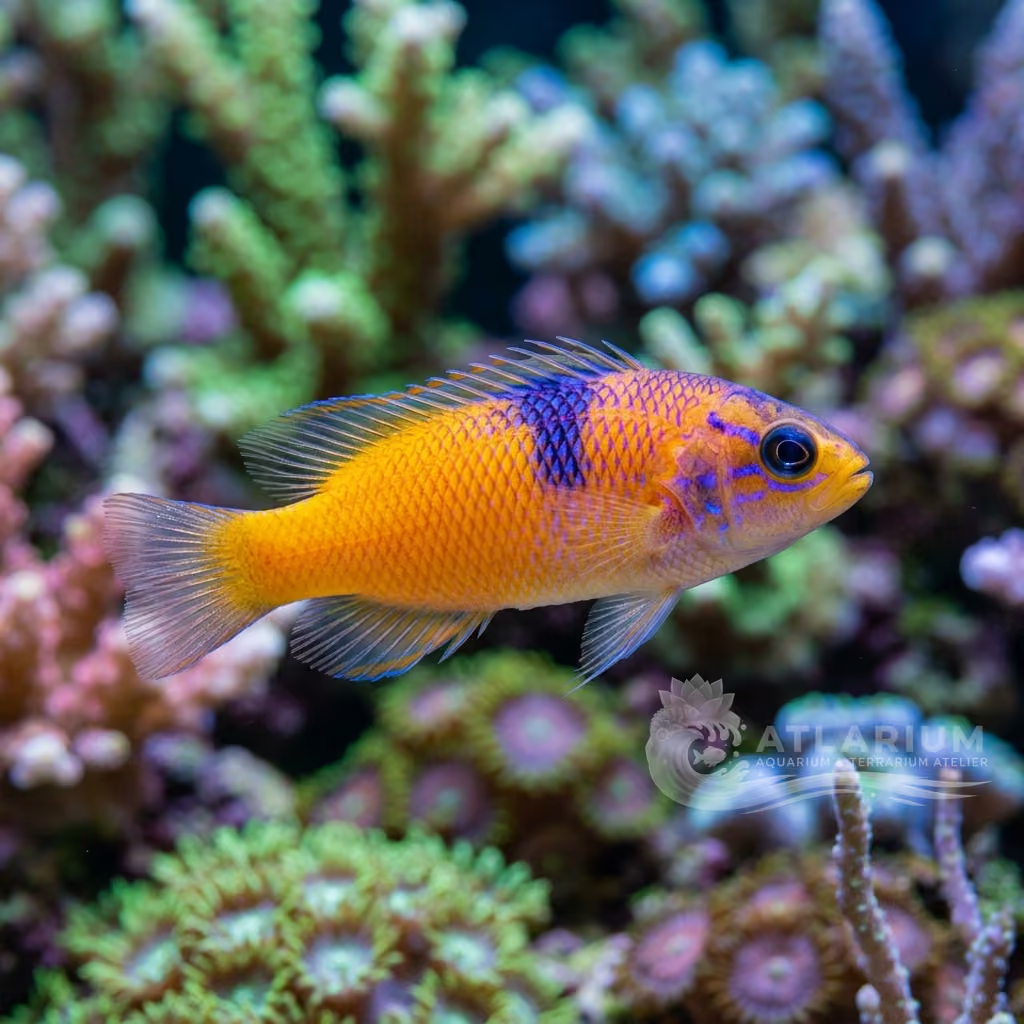
Blueback Dottyback
Pseudochromis cyanotaenia
A brilliantly colorful and highly territorial dwarf marine fish from the Indo-Pacific, noted for showcasing spectacular sexual dimorphism between males and females.
Temperatura da água
22 - 27 °C
Valor de pH
8.1 - 8.4
Tipo de água
Marinho
Nível do tanque
Parte inferior e intermediária
Tamanho adulto
6,2 cm
Volume mínimo do tanque
>= 80 L
Grupo mínimo
>= 1

Descrição da espécie
Geographical Origin and Habitat: This species is widely distributed across the Indo-West Pacific, ranging from the Ryukyu Islands to the Great Barrier Reef and Palau. It inhabits coral reef flats and shallow lagoons.
Taxonomy and Morphology: Classified within the family Pseudochromidae, under the genus Pseudochromis. Features a slender, elongated, and compressed body shape, reaching a maximum adult length of 6-7 centimeters.
Social Behavior: Highly territorial and aggressive toward conspecifics and other small reef fish. It leads a cryptic lifestyle, keeping close to the shelter of rocks and rarely venturing far.
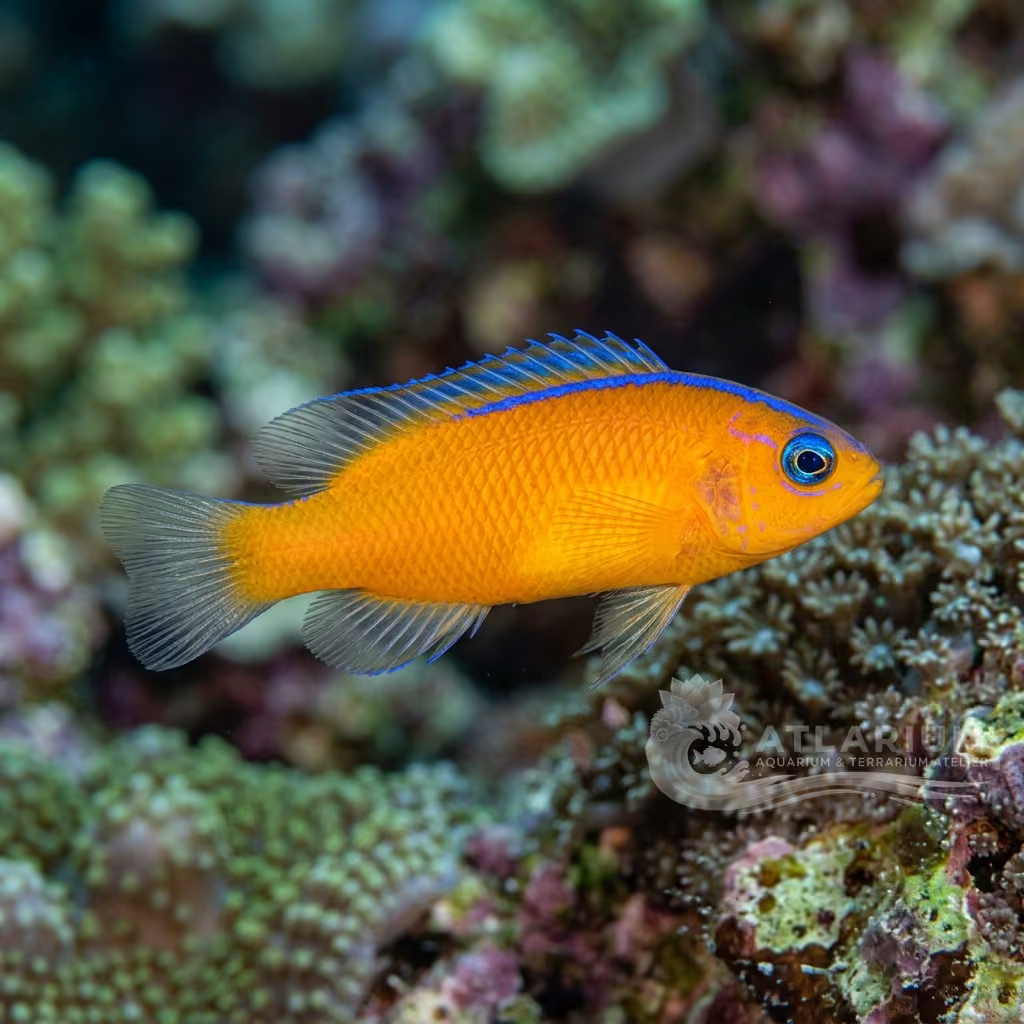
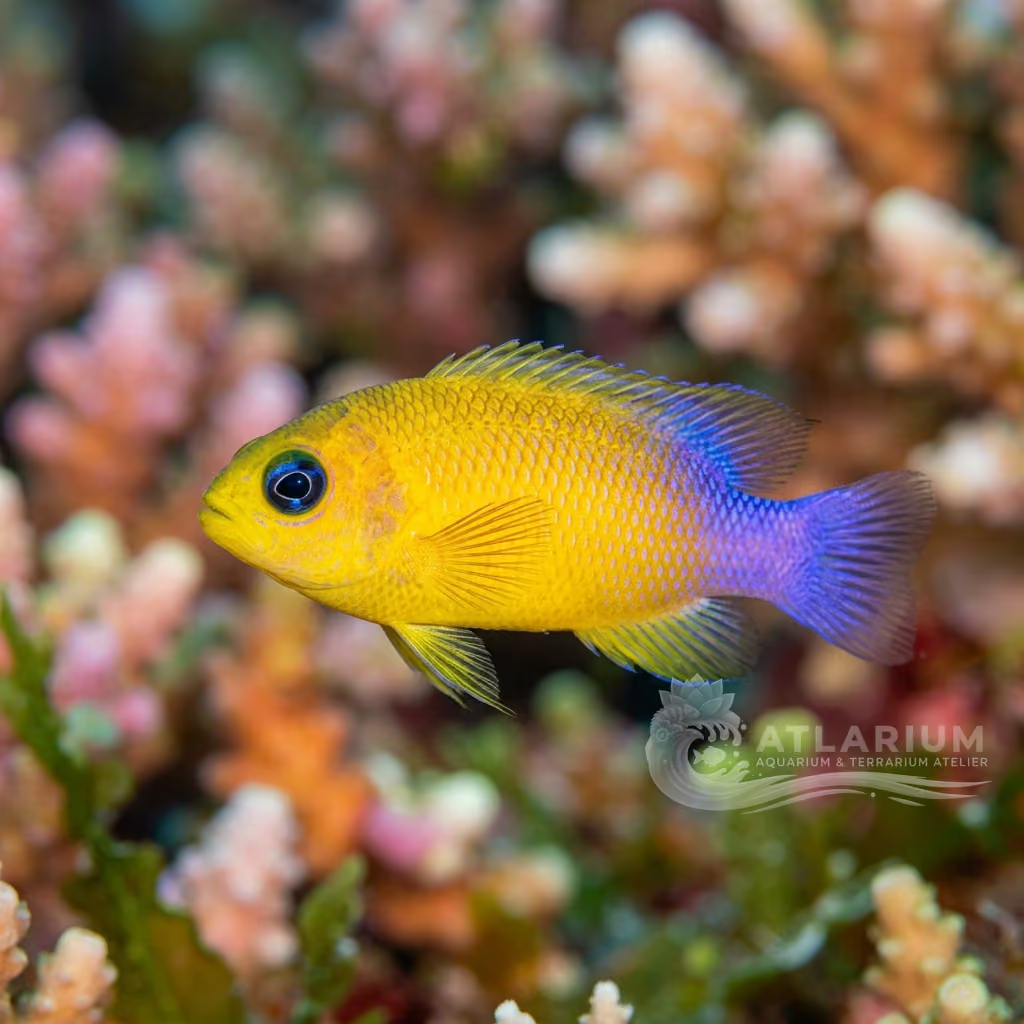
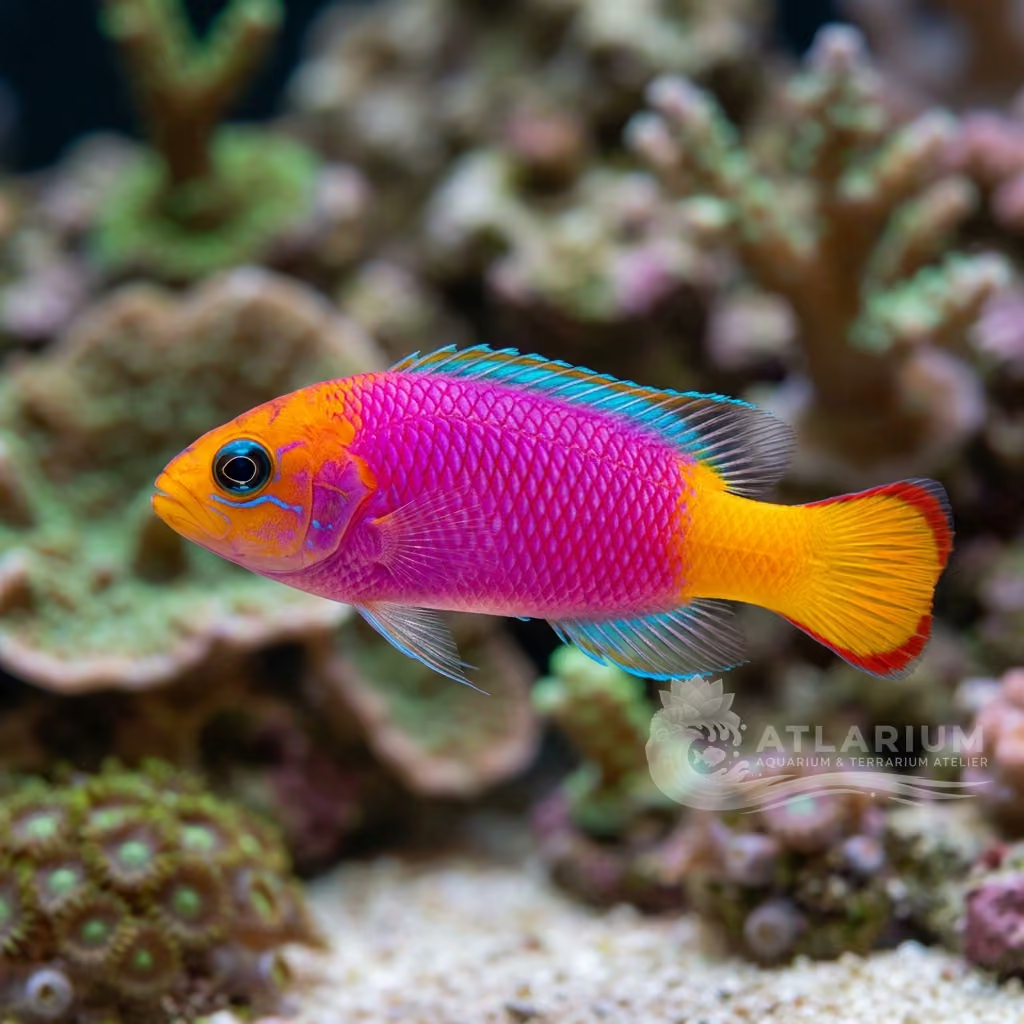
Coloration and Sexual Dimorphism: Exhibits striking sexual dimorphism. Males are deep blue with thin yellow stripes and a yellow snout. Females are drab greyish-yellow to plain brown. Males display intensely during courtship.

Cuidado, criação e companheiros de tanque
Aquarium Setup: Requires a marine tank of at least 100 liters. It is essential to provide extensive rockwork with plenty of small caves and crevices where the fish can establish its territorial boundaries.
Diet and Feeding: Carnivorous. In the home aquarium, it readily consumes high-quality frozen foods like mysis shrimp, brine shrimp, and chopped krill, alongside vitamin-enriched marine pellets.
Water Quality: Keep standard marine parameters stable: temperature range of 22.0 to 26.0 °C, pH between 8.1 and 8.4, and salinity at 1.020 to 1.025. Efficient filtration and protein skimming are beneficial.
Compatibility and Cohabitation: Avoid housing with peaceful or slow-moving fish. Best kept with larger, active tankmates such as tangs, wrasses, or damselfish. Keep only one dottyback per tank to prevent fighting.
Aquarium Breeding: Difficult to achieve in captivity. They spawn in small caves, with the male guarding the egg mass. Rearing the larvae is complex due to the requirement for microscopic live foods.
Risks and Diseases: Very hardy and disease-resistant. The main risk is the fish jumping out of the tank when startled, which makes a tight lid or mesh screen cover absolutely mandatory.

Origem e distribuição geográfica
This species is widely distributed across the Indo-West Pacific, ranging from the Ryukyu Islands to the Great Barrier Reef and Palau. It inhabits coral reef flats and shallow lagoons.
Origem
Melhoramento seletivo e cultivaresAmérica do NorteLeste AsiáticoAustrália, Nova Guiné e OceaniaOceanos tropicais e recifes

Perfil de peixe
- Temperamento
- Aggressive
- They are bold, highly active, and notoriously pugnacious. Their assertive temperament means they will readily take charge of the rockwork and chase away intruders. They make a colorful, lively, and fascinating pet for aquarists who understand and can accommodate their aggressive tendencies.
- Dieta
- Carnivore
- Their diet consists exclusively of meaty foods, mimicking their natural prey of small crustaceans. They readily accept frozen mysis shrimp, brine shrimp, and chopped seafoods, which should be their dietary staple. High-quality marine pellets can be offered but should not entirely replace frozen or live foods.
- Expectativa de vida
- 5-7 years
- Tamanho adulto
- 6.2 cm
- Proporção sexual
- Solitary
- Due to their extreme territoriality, they should be kept individually. Putting two males or unsexed individuals together will inevitably lead to a fight to the death. Only a confirmed, bonded pair should ever be housed together, and even then, only in a suitably large aquarium.
- Frequência de alimentação
- Twice daily
- To keep their metabolism fueled and to somewhat curb their aggression, feed them two to three times daily. Meals should be small enough to be completely consumed in a few minutes. Consistent feeding is vital for maintaining their striking colors and overall vitality.
- Carga biológica
- Low
- The bioload of this fish is considered moderate and manageable in an appropriately sized marine setup. Because of their predatory habits, they require frequent feedings of high-protein foods, which can quickly foul the water if overfed. Strong biological filtration and regular water changes are key to maintaining a healthy environment.
- Fluxo
- Strong
- They prefer an environment with moderate to strong water flow. The current helps keep the water well-oxygenated and encourages them to actively dart about the rockwork. Ensure there are still calm areas within the caves where they can rest undisturbed at night.
- Risco de salto
- Yes
- This species has a well-deserved reputation as an escape artist, frequently jumping when startled or aggressive. An aquarium with a tight-fitting, secure lid is absolutely mandatory for their long-term survival. Any small gaps around equipment cords or tubing must be completely sealed.
- Reprodução
- Not bred in captivity
- Captive breeding is uncommon but achievable with specialized setups and dedicated care. They are cave spawners, where the male will guard and fan the egg mass until the larvae hatch. Raising the larvae requires immense effort and the cultivation of specific microscopic live foods.
- Compatibilidade e companheiros de tanque
- Verify
- They are quite aggressive, especially towards other dottybacks, basslets, and similarly shaped fish. Small, docile species like firefish or gobies may be relentlessly bullied or even killed. To minimize issues, they should be the last addition to a tank containing larger, semi-aggressive community fish.
- Nível do tanque
- Middle/Bottom
- They are bottom to mid-level dwellers, relying heavily on the live rock for shelter and territory. They will establish a 'home base' cave from which they will fiercely guard the surrounding area. They rarely swim openly in the top levels of the aquarium.

Modelos e parâmetros científicos
FishBase
Acesso aos dados científicos oficiais da espécie
FishBase v25.04Dados sincronizados em: 15/06/2026
- Nível trófico
- 3,3 ± 0,44 se
- Unicidade filogenética (PD50)
- 0.5
- Relação bayesiana comprimento-peso
- a = 0.00501, b = 3.1
- VulnerabilidadeVulnerabilidade baixa (10 / 100)

Espécies relacionadas
Recomendações agrupadas por parentes próximos, escolhas de acompanhantes e cuidados semelhantes.