Springer's Dottyback
Pseudochromis springeri
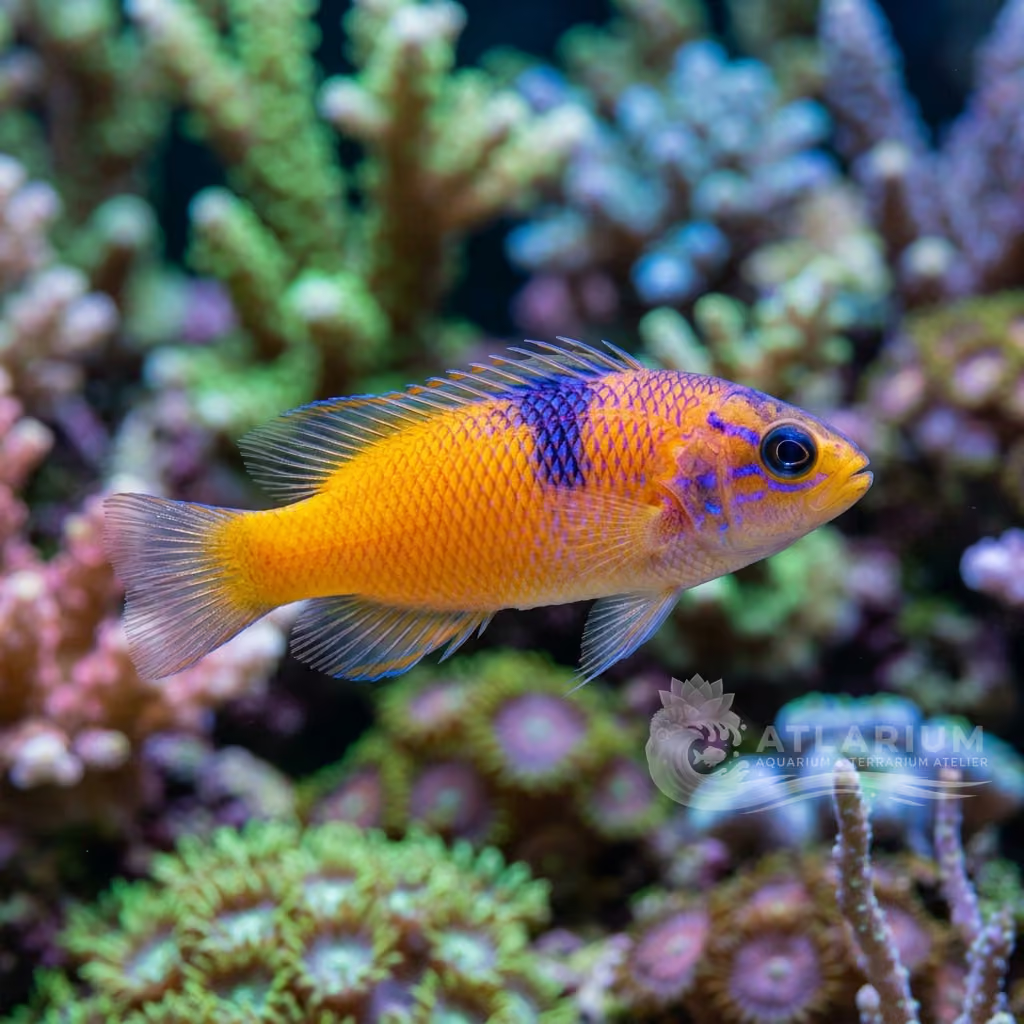
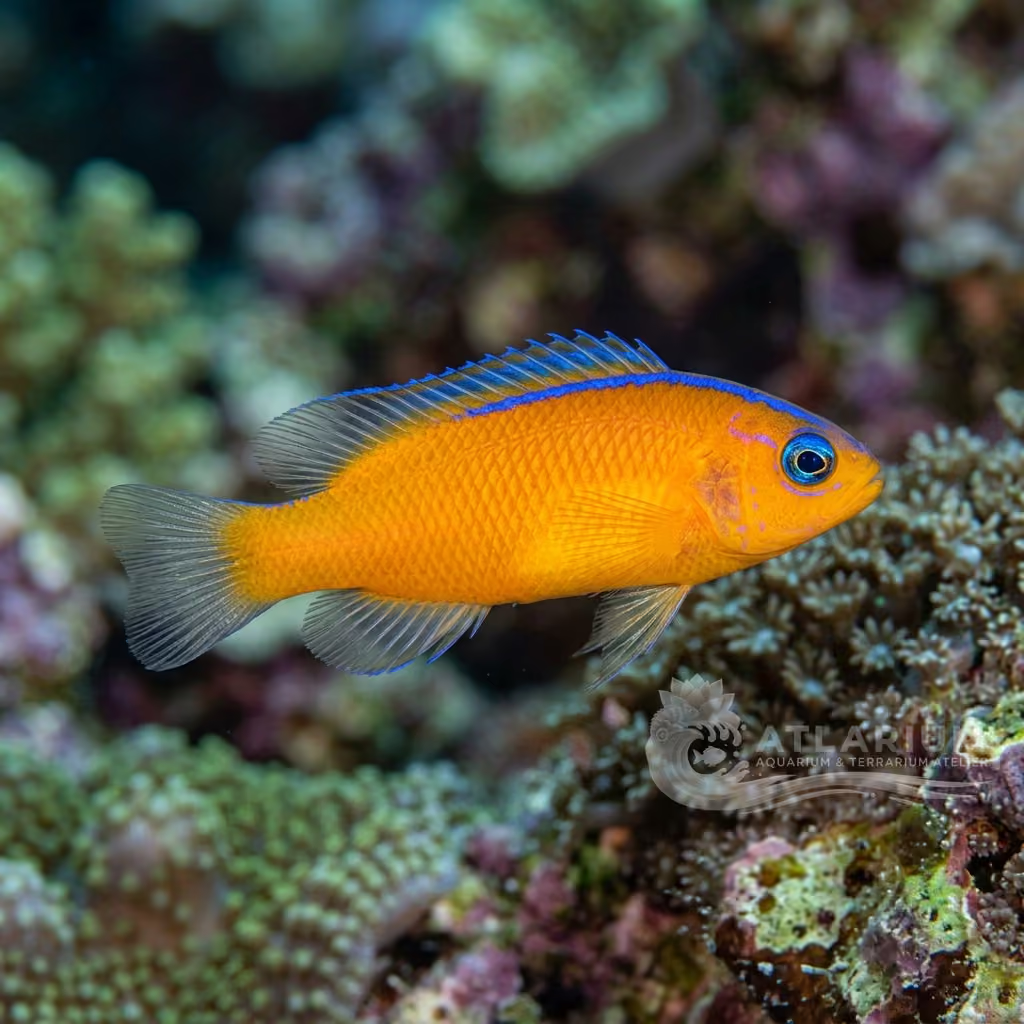
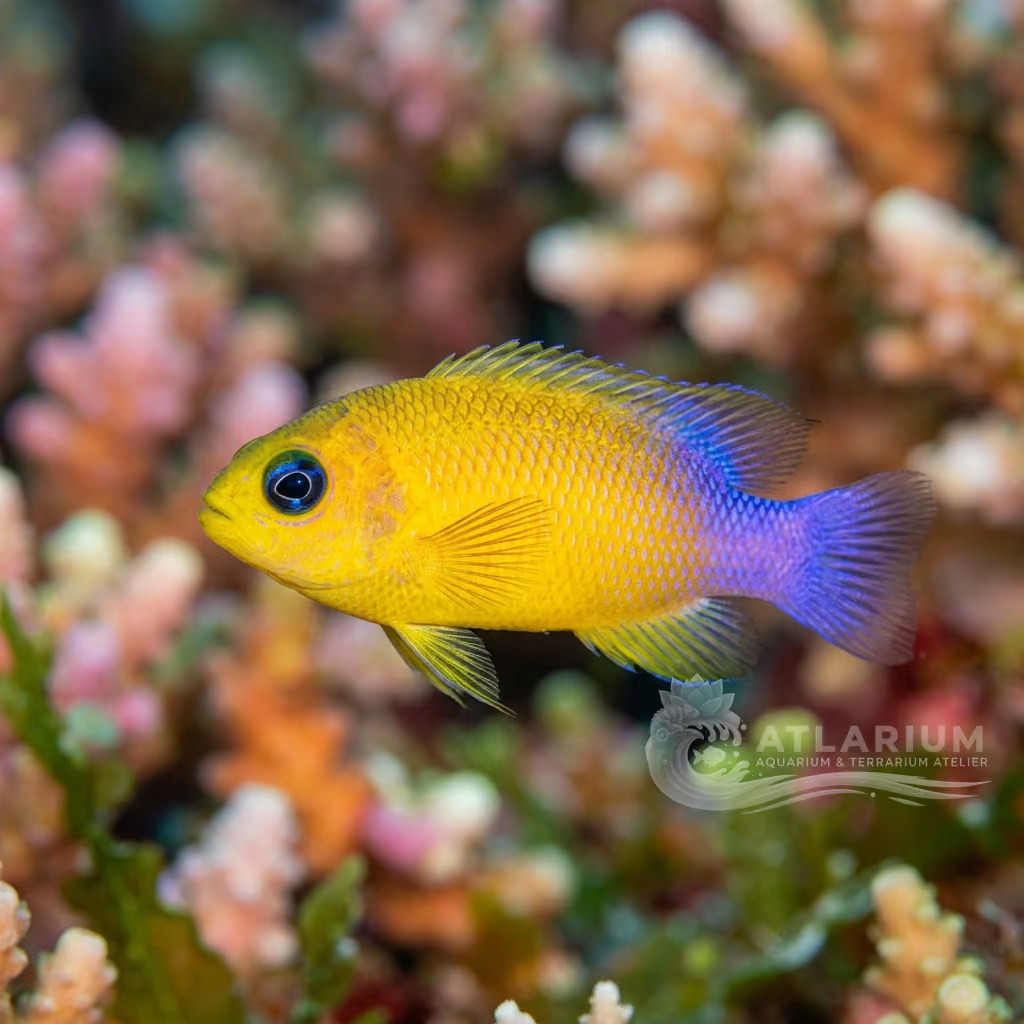
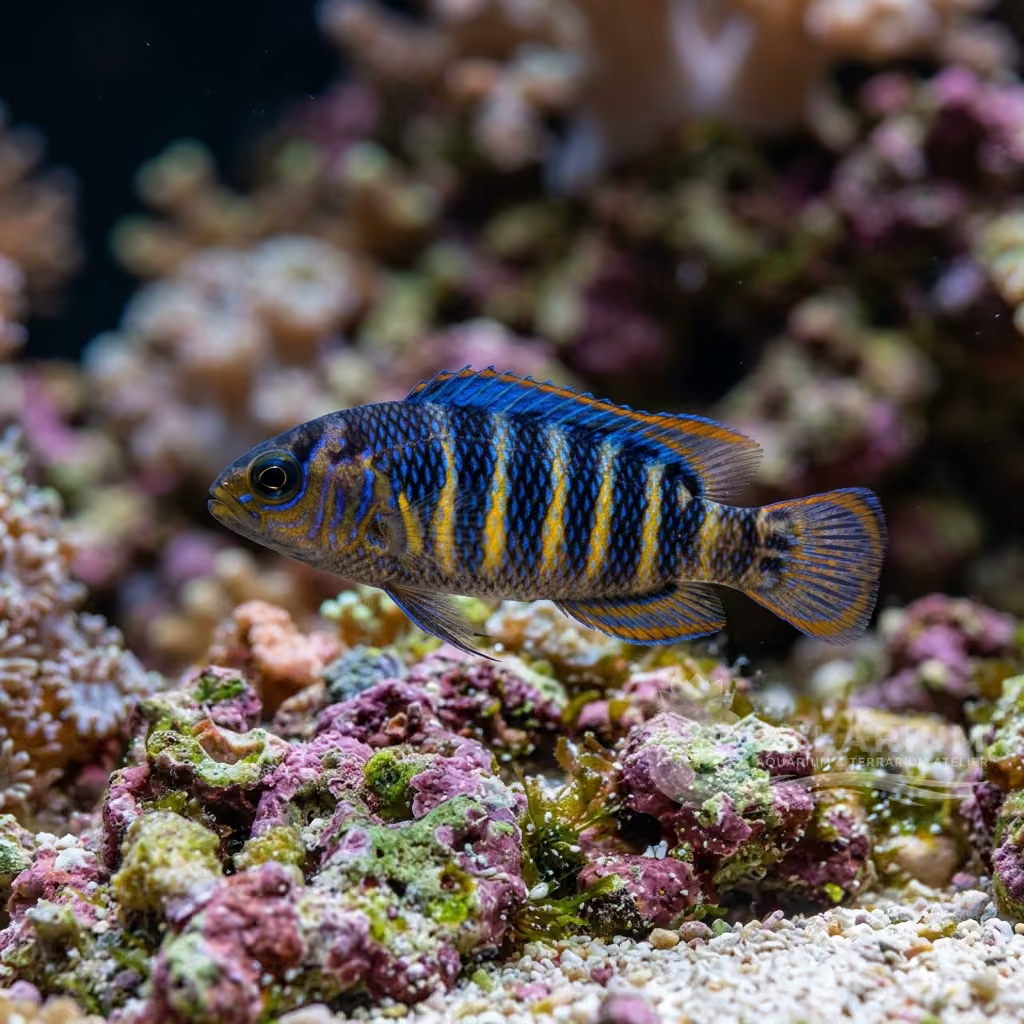
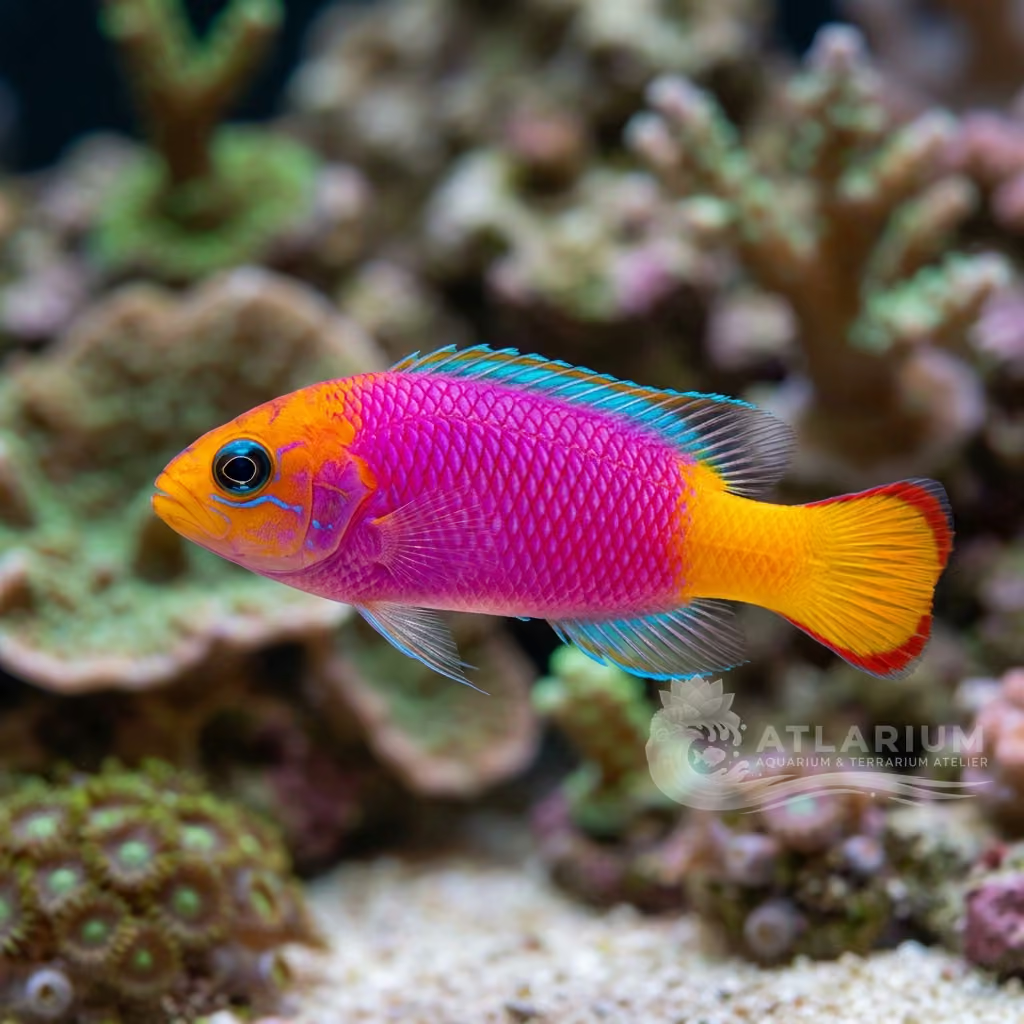
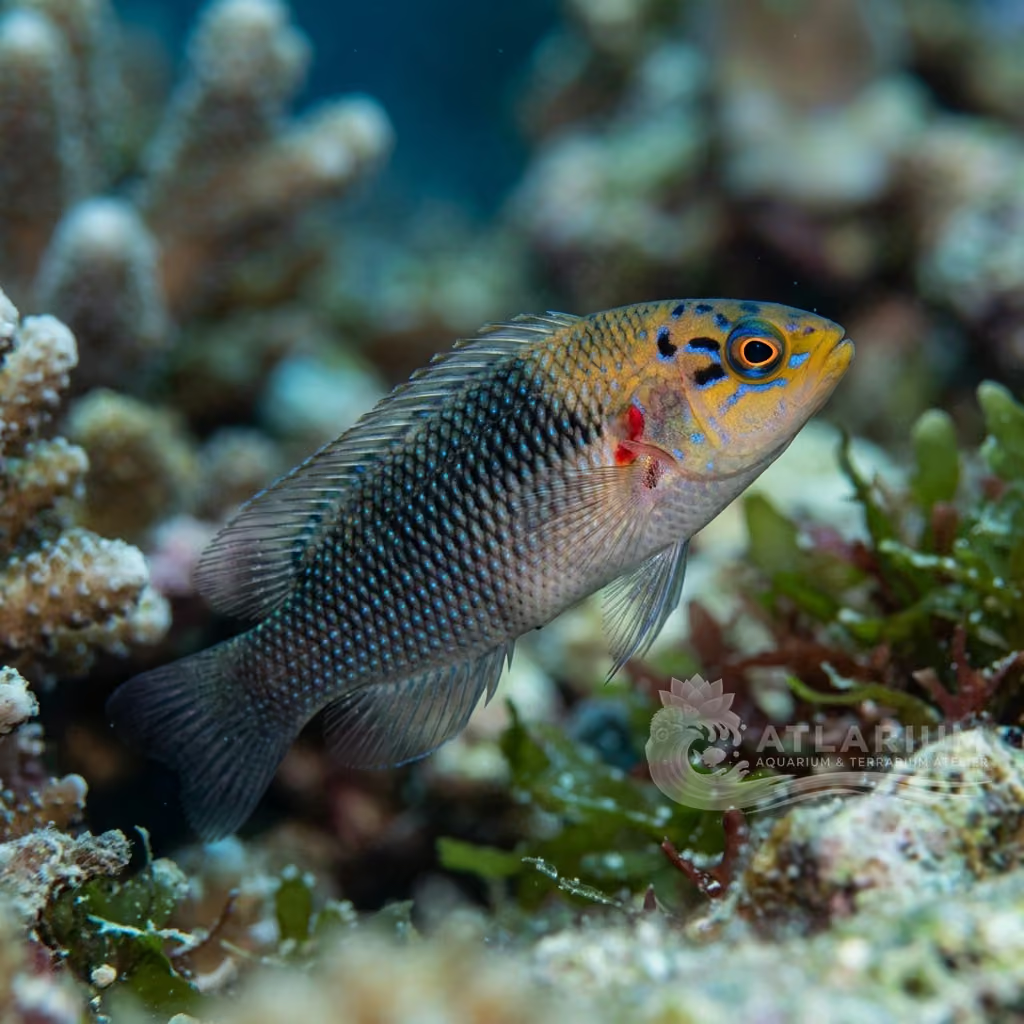
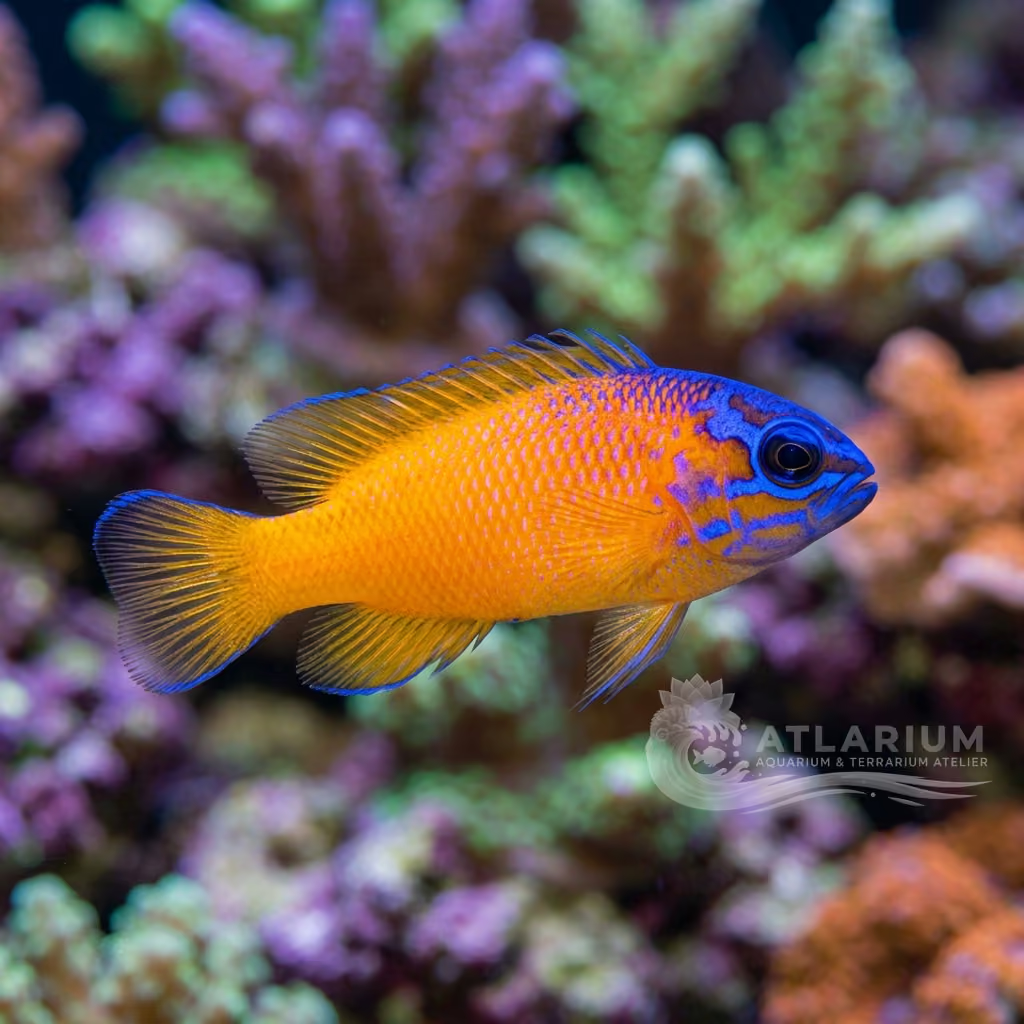
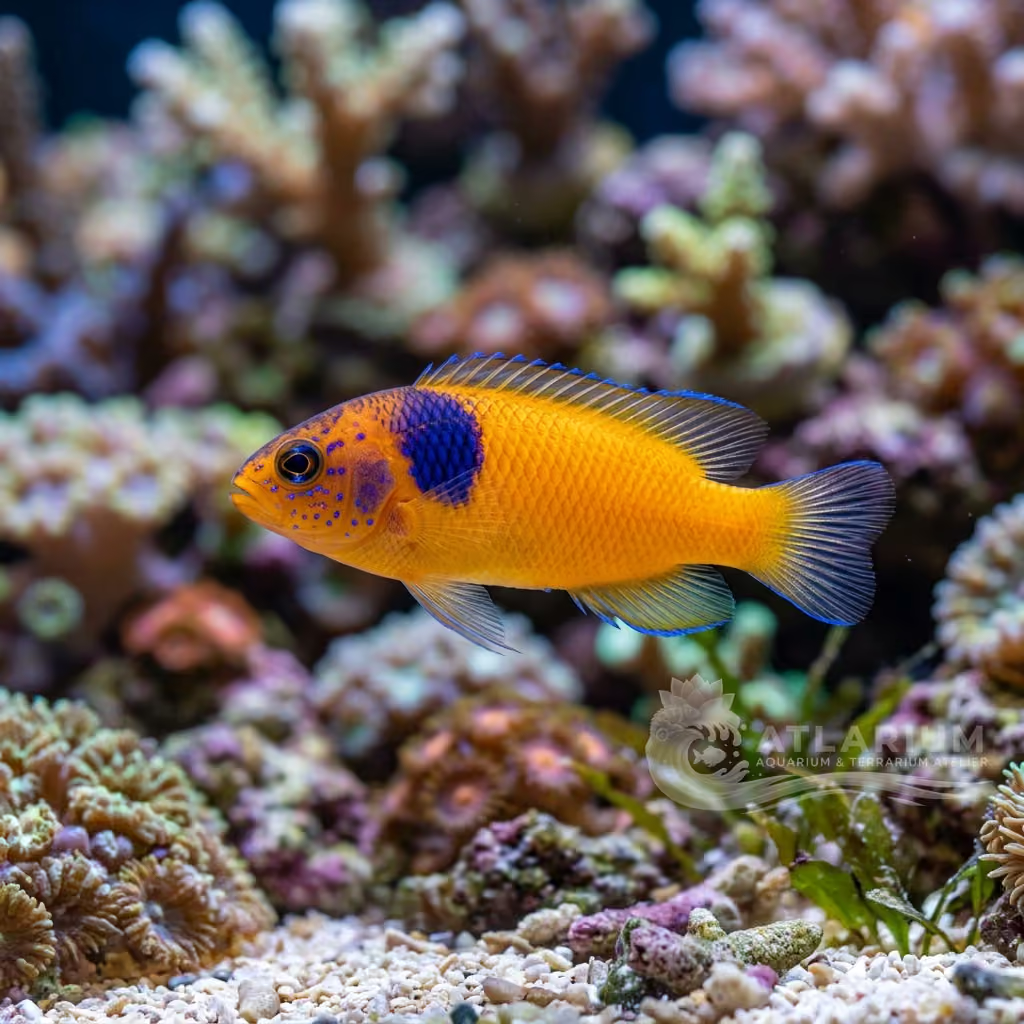
Springer’s dottyback is an exquisite, dark-bodied hunter from the Red Sea, distinguished by electric blue facial stripes. This aggressive carnivore naturally controls bristle worms in reef tanks.
Temperatura da água
22 - 28 °C
Valor de pH
8.1 - 8.4
Tipo de água
Marinho
Nível do tanque
Parte inferior e intermediária
Tamanho adulto
5 cm
Volume mínimo do tanque
>= 80 L
Grupo mínimo
>= 1
KH
8 - 12 dKH

Descrição da espécie
Geographical Origin and Habitat:
This species is strictly endemic to the Red Sea, where it inhabits coral reefs rich in branching corals like Acropora and Stylophora. It is typically found at depths ranging from 2 to 30 meters, preferring areas sheltered from heavy wave action. It lives in close association with coral colonies.
Taxonomy and Morphology:
Springer's Dottyback belongs to the family Pseudochromidae. It is a very small fish, reaching a maximum length of only about 5 centimeters. It has a slender and elegant body, characteristic of the genus Pseudochromis, with large eyes.
Social Behavior:
Like most dottybacks, it is semi-aggressive and highly territorial. It will defend its cave and immediate territory fiercely against similarly sized fish. It is a solitary species and should be kept as the only representative of its genus.
Coloration and Sexual Dimorphism:
The base body coloration is a solid, deep jet-black. The head and the anterior portion of the body are decorated with thin, brilliant neon-blue stripes that encircle the eyes. There is no visible sexual dimorphism.

Cuidado, criação e companheiros de tanque
Aquarium Setup:
Requires a tank of at least 80 liters, decorated with plenty of live rock to create a labyrinth of caves, crevices, and hiding spots. A tight-fitting lid is highly recommended to prevent the fish from jumping out.
Diet and Feeding:
Strictly carnivore and an active hunter. It feeds on micro-crustaceans and accepts frozen foods like mysis and brine shrimp. It is highly valued in the hobby for preying on pest flatworms.
Water Quality:
Requires stable marine parameters: temperature of 22 to 28 °C, pH between 8.1 and 8.4, salinity (SG) between 1.020 and 1.025, and KH between 8 and 12 dKH. Efficient filtration and protein skimming are necessary.
Compatibility and Cohabitation:
It is reef safe with corals but can show aggression toward small, peaceful tankmates like gobies. It may also prey upon very small ornamental shrimp. Best housed with larger, active fish.
Aquarium Breeding:
Breeding in captivity is possible but challenging. They are egg-layers; the female deposits a mass of eggs in a cave. The male fertilizes the eggs and takes sole responsibility for guarding them until hatching.
Risks and Diseases:
This is a very hardy species that rarely falls ill if water quality is maintained. It can contract marine ich under extreme stress. The primary risks are jumping and fatal territorial injuries.

Origem e distribuição geográfica
This species is strictly endemic to the Red Sea, where it inhabits coral reefs rich in branching corals like Acropora and Stylophora. It is typically found at depths ranging from 2 to 30 meters, preferring areas sheltered from heavy wave action. It lives in close association with coral colonies.
Origem
Oceanos tropicais e recifes

Perfil de peixe
- Temperamento
- Semi-aggressive
- Highly territorial and aggressive. They will defend their cave vigorously. Introduce them to the aquarium last.
- Dieta
- Carnivore
- Primarily carnivorous in the wild. Feed a variety of meaty frozen foods like mysis and brine shrimp. They quickly adapt to flake and pellet foods.
- Expectativa de vida
- 5-7 years
- Tamanho adulto
- 5 cm
- Proporção sexual
- Solitary
- Keep singly or as a mated pair. Two males will fight relentlessly. They are capable of changing sex.
- Frequência de alimentação
- Twice daily
- Feed once or twice daily. They are fast eaters. Ensure food reaches their territory in the rockwork.
- Carga biológica
- Low
- They have a low to moderate bioload. Their small size keeps waste minimal. Regular maintenance is usually sufficient.
- Fluxo
- Strong
- Moderate flow is perfectly acceptable. They spend most of their time darting in and out of rocks. High flow does not bother them.
- Risco de salto
- Yes
- Prone to jumping through small gaps. A screen top or canopy is required. They often jump during aggressive encounters.
- Reprodução
- Oviparous
- Captive breeding is possible and becoming common. They lay demersal egg masses in caves. The male aggressively guards the eggs.
- Compatibilidade e companheiros de tanque
- Reef safe
- Can be very aggressive for their size. Reef safe but may eat small ornamental shrimp. Keep with fish that can hold their own.
- Nível do tanque
- Middle/Bottom
- They are bottom to mid-level dwellers. They require extensive rockwork with many caves. They rarely swim in open water.

Modelos e parâmetros científicos
FishBase
Acesso aos dados científicos oficiais da espécie
FishBase v25.04Dados sincronizados em: 15/06/2026
- Nível trófico
- 3,5 ± 0,5 se
- Unicidade filogenética (PD50)
- 0.5
- Relação bayesiana comprimento-peso
- a = 0.01148, b = 2.95
- VulnerabilidadeVulnerabilidade baixa (10 / 100)

Espécies relacionadas
Recomendações agrupadas por parentes próximos, escolhas de acompanhantes e cuidados semelhantes.