Goldline Dottyback
Pseudochromis aureolineatus
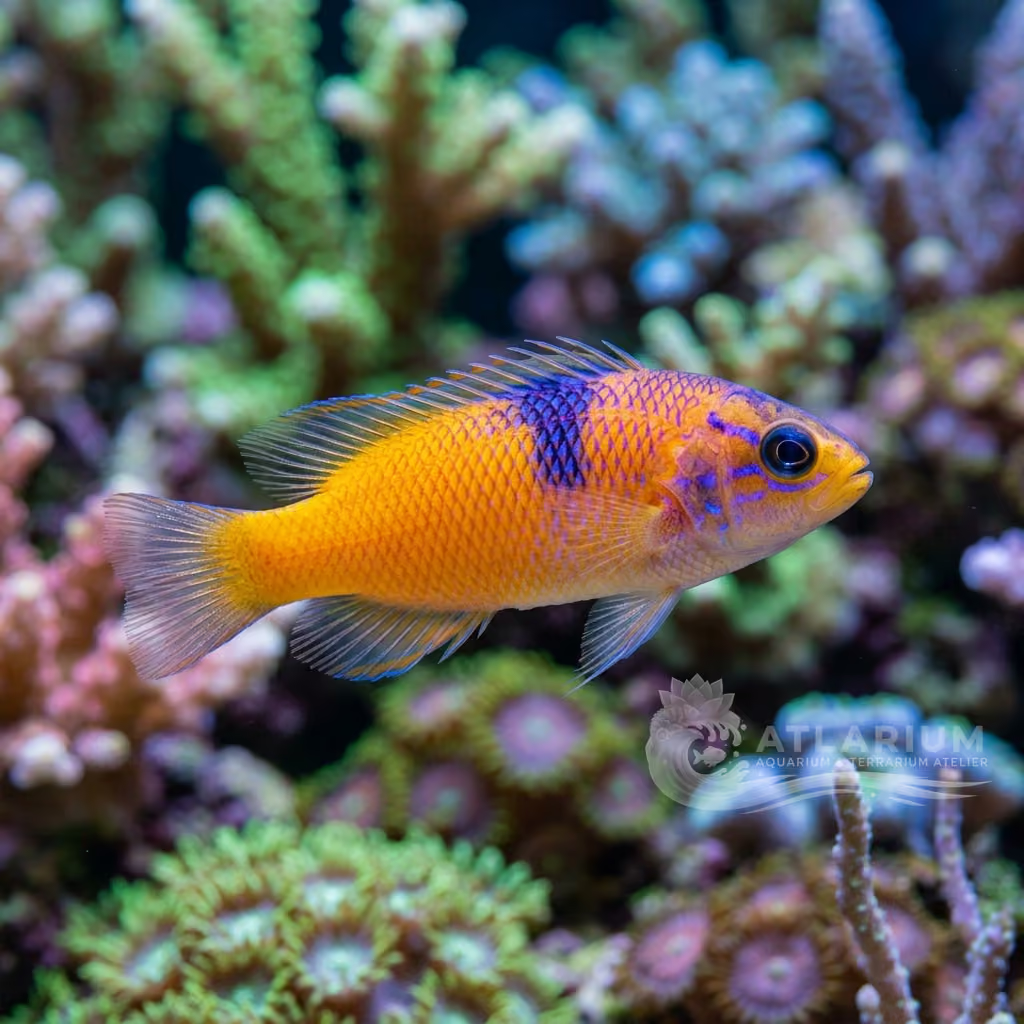
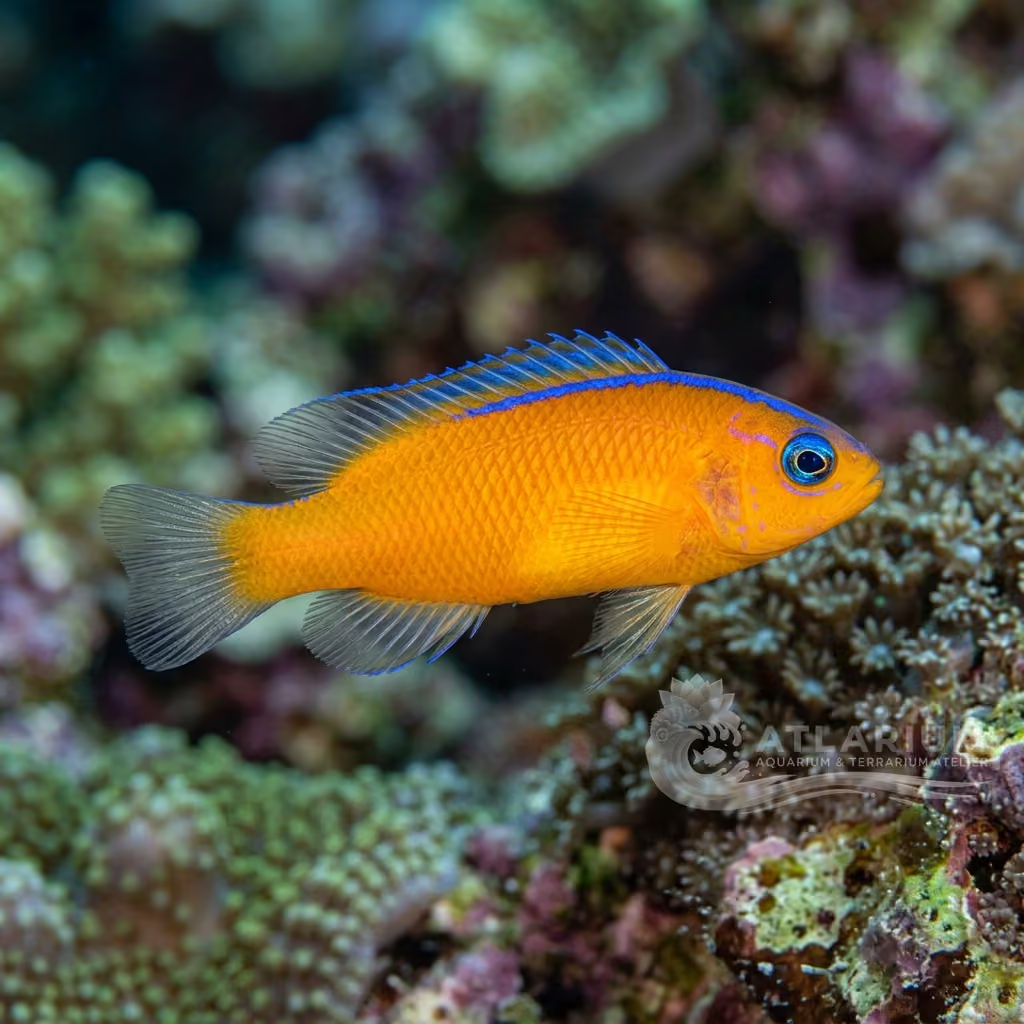
An incredibly hardy and active marine dottyback from the Western Indian Ocean, easily recognizable by a striking golden-yellow stripe tracing along its dorsal side.
Temperatura da água
22 - 27 °C
Valor de pH
8.1 - 8.4
Tipo de água
Marinho
Nível do tanque
Parte inferior e intermediária
Tamanho adulto
8 cm
Volume mínimo do tanque
>= 100 L
Grupo mínimo
>= 1

Descrição da espécie
Geographical Origin and Habitat: This marine species is native to the Western Indian Ocean, including the Comoro Islands, Madagascar, and South Africa. It inhabits coral reefs and rocky crevices in shallow waters.
Taxonomy and Morphology: Classified within the family Pseudochromidae, under the genus Pseudochromis. Features a slender, streamlined body shape and grows to an adult length of approximately 8 centimeters.
Social Behavior: Highly territorial and solitary. It establishes a home cave and aggressively defends the surrounding area against intruders, particularly other dottybacks or similar species.
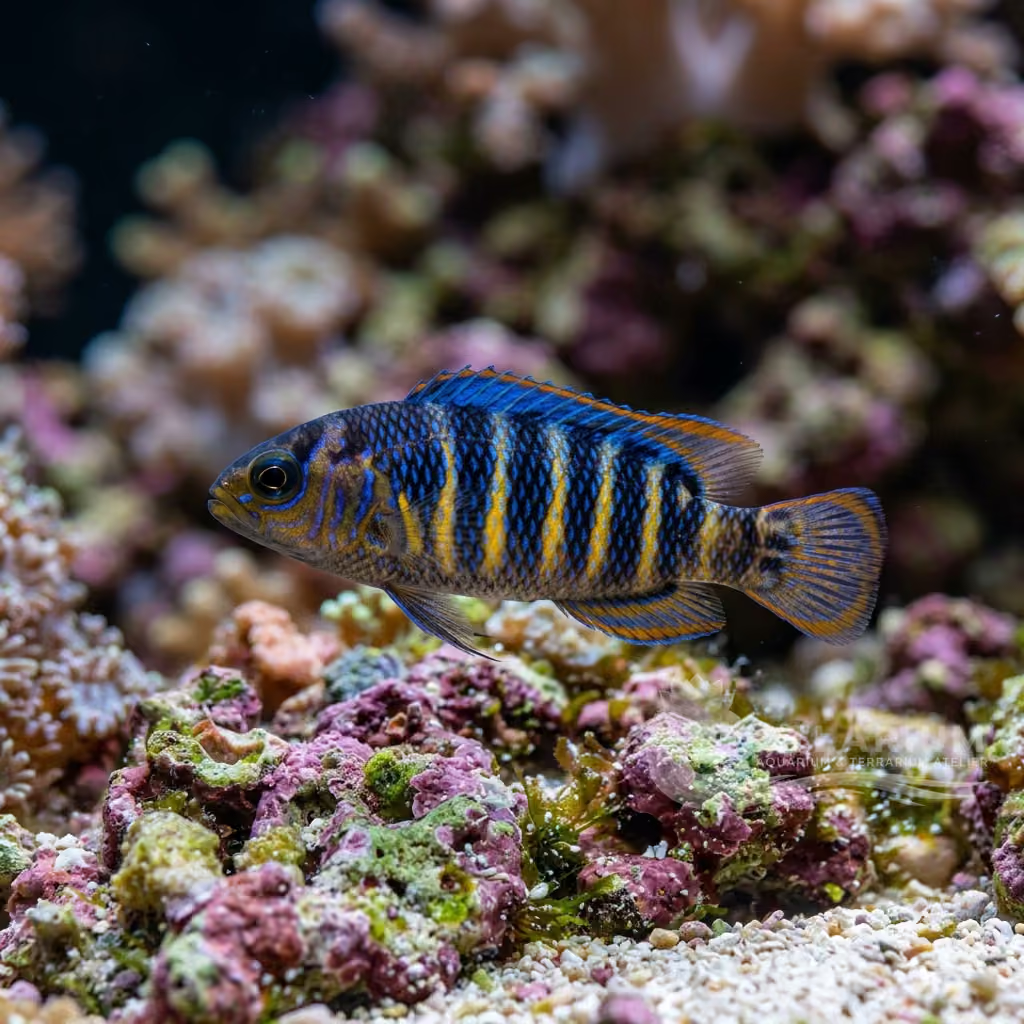
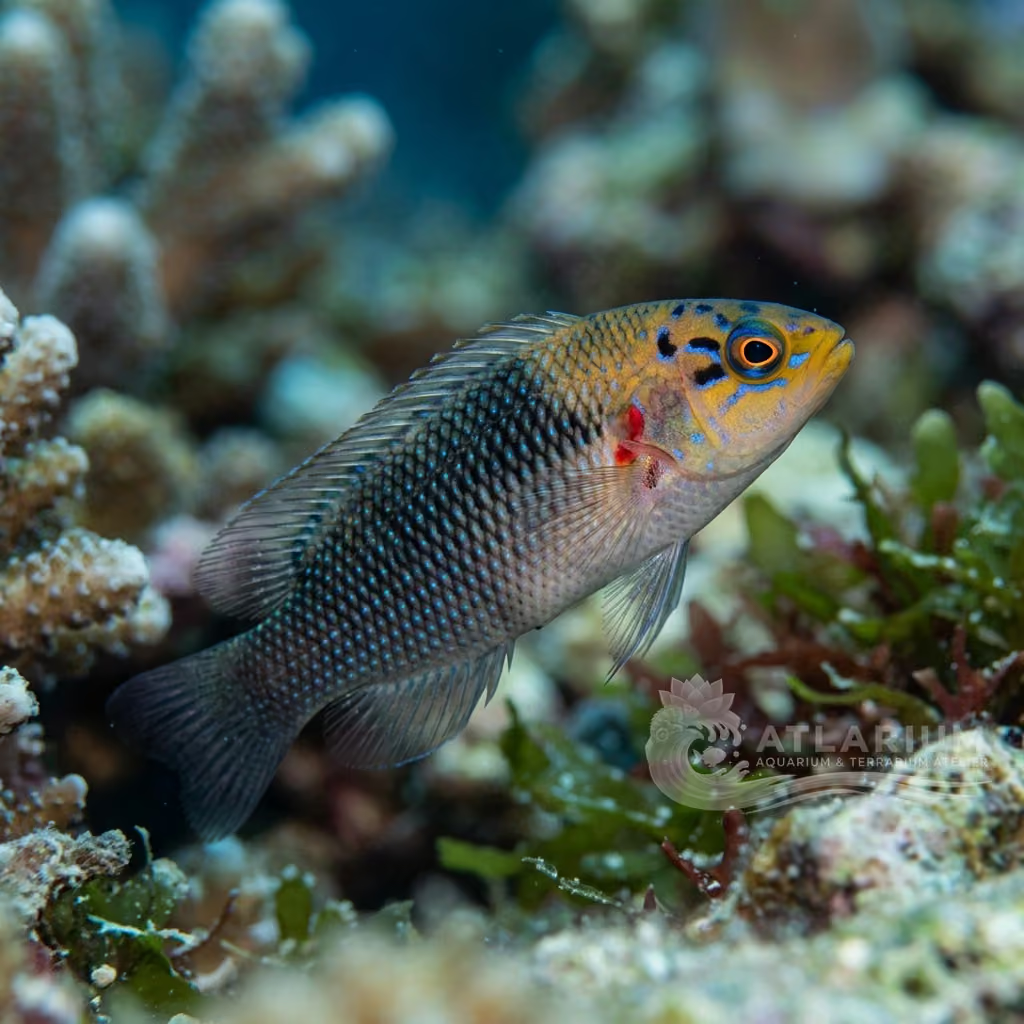
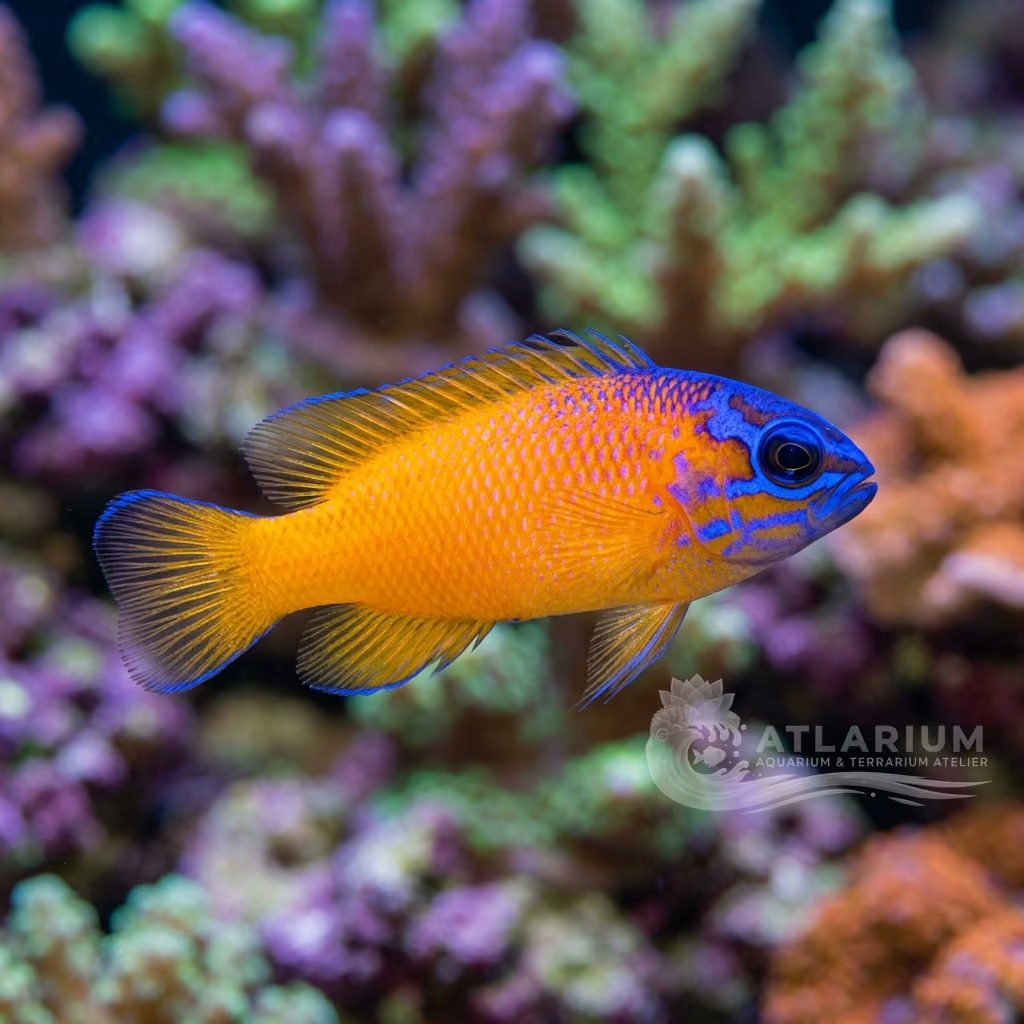
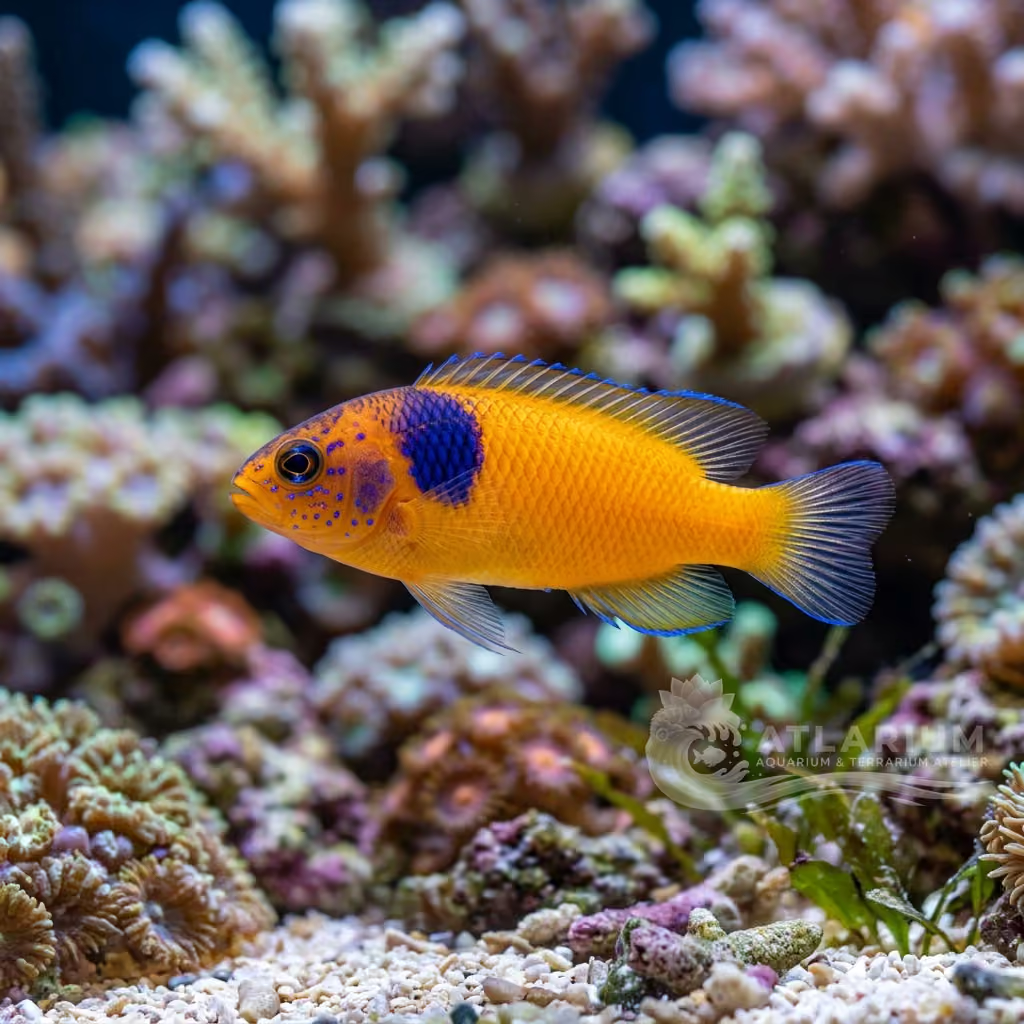
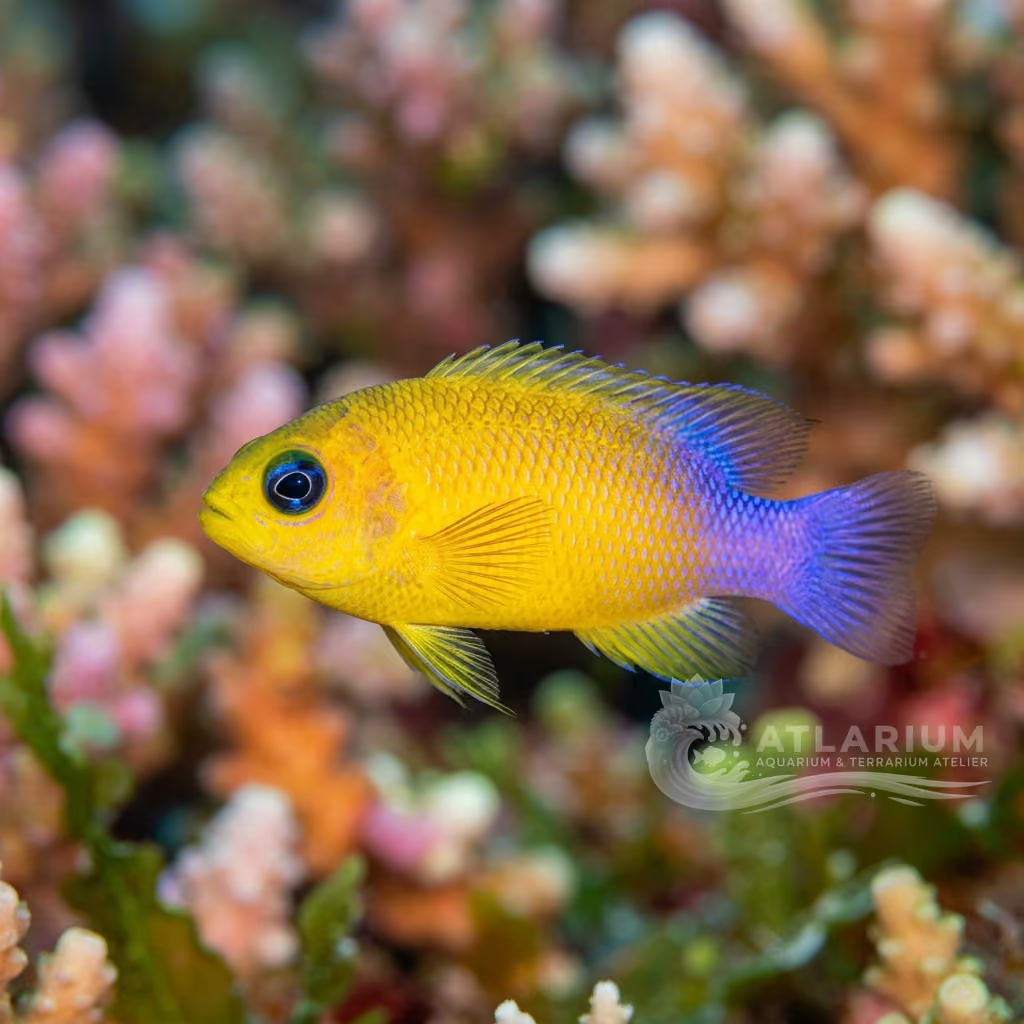
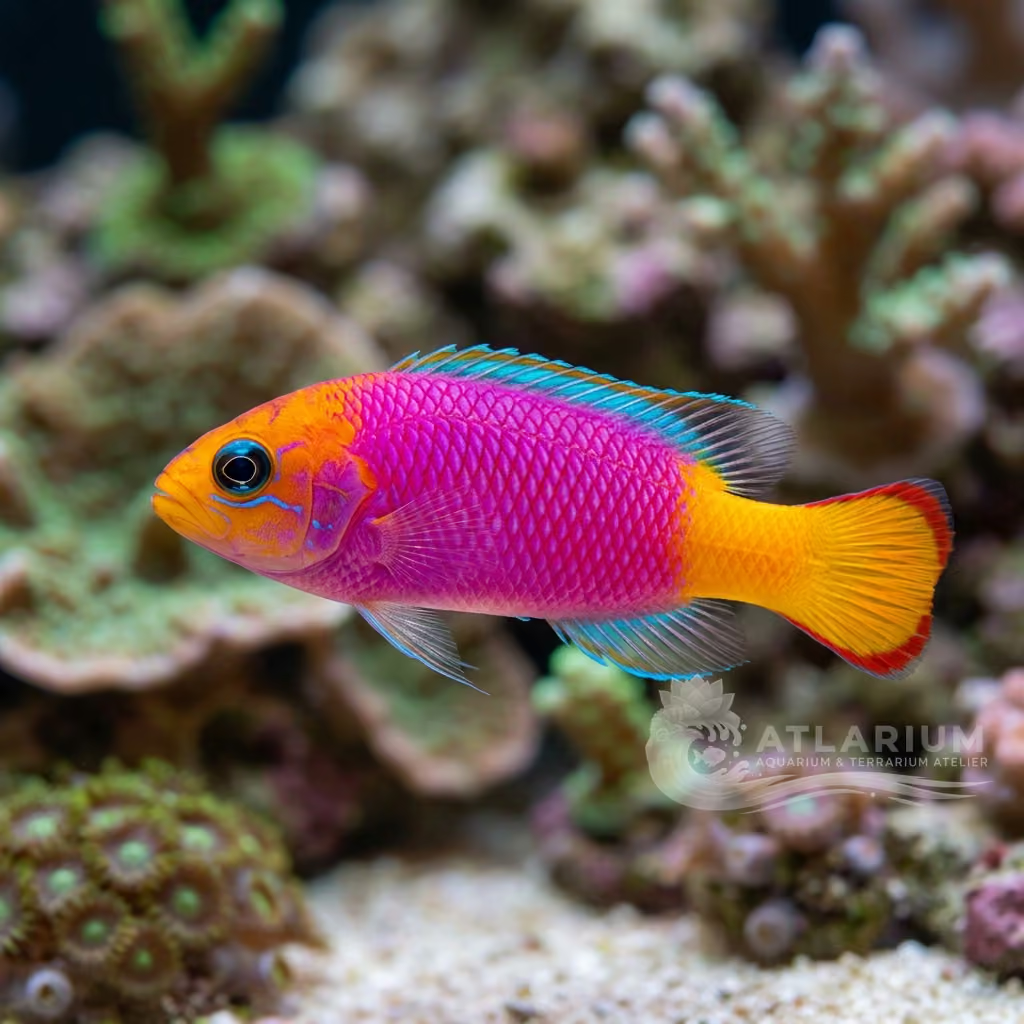
Coloration and Sexual Dimorphism: Characterized by a light greyish-cream body base with a distinct golden-yellow stripe running along the dorsal ridge. Sexual dimorphism is not prominent in this species.

Cuidado, criação e companheiros de tanque
Aquarium Setup: An aquarium of at least 100 liters with plenty of live rock is required. Ensure there are multiple caves and crevices to allow the fish to hide and mark its territory.
Diet and Feeding: Carnivorous. Provide high-quality frozen foods such as mysis shrimp, brine shrimp, and chopped krill. It will also readily accept premium marine dry pellets and flakes.
Water Quality: Keep standard marine parameters stable: temperature of 22.0 to 26.0 °C, pH range of 8.1 to 8.4, and specific gravity of 1.020 to 1.025. Standard protein skimming is recommended.
Compatibility and Cohabitation: Not suitable for tanks with small or very peaceful species. Best kept with larger, active tankmates such as tangs, large wrasses, or aggressive damselfish.
Aquarium Breeding: Difficult in captivity. They spawn in caves, and the male guards the egg cluster. Raising the larvae is complex due to their small size and pelagic phase.
Risks and Diseases: Very hardy and disease-resistant. The main challenges are preventing inter-species aggression and ensuring the tank is fully covered, as they are capable jumpers.

Origem e distribuição geográfica
This marine species is native to the Western Indian Ocean, including the Comoro Islands, Madagascar, and South Africa. It inhabits coral reefs and rocky crevices in shallow waters.
Origem
Oceanos tropicais e recifesÁfrica e MadagascarSul e Sudeste Asiático

Perfil de peixe
- Temperamento
- Territorial
- Known for their bold, feisty, and often pugnacious personalities, they are not easily intimidated despite their small size. They will aggressively defend their chosen cave from intruders of almost any size. Because of their territorial nature, it is highly recommended to add them as one of the last fish in a community setup. Once established, they are very active and visible, providing dynamic movement.
- Dieta
- Carnivore
- These fish are obligate carnivores that require a diet rich in meaty marine foods to thrive. They should be offered a varied menu including finely chopped seafood, mysis shrimp, vitamin-enriched brine shrimp, and high-quality carnivore pellets. Providing a diverse diet is crucial for maintaining their vibrant coloration and overall health. They will also scavenge for small benthic copepods and amphipods within the live rock.
- Expectativa de vida
- 5-7 years
- Tamanho adulto
- 8 cm
- Proporção sexual
- Solitary
- Dottybacks are typically protogynous hermaphrodites, meaning females can transition into males if needed. Because of their severe intra-species aggression, it is strongly recommended to keep only one individual per tank unless a bonded pair is acquired. Introducing two unsexed individuals often results in relentless fighting until only one survives. In very large systems with intricate rockwork, a male and female pair might coexist.
- Frequência de alimentação
- Twice daily
- To keep their metabolism healthy and mitigate potential aggression, they should be fed small portions one to two times per day. Overfeeding should be avoided to prevent excess waste accumulation in the tank. A well-fed dottyback is generally less prone to harassing its tank mates out of hunger. Target feeding can be utilized if they are reluctant to come out during the initial acclimation period.
- Carga biológica
- Low to Medium
- Dottybacks have a low to moderate bioload depending on their adult size and their heavily carnivorous diet. Their meaty food intake produces slightly more nitrogenous waste compared to similar-sized herbivores. Standard protein skimming and regular water changes will easily accommodate them. They are generally robust and add minimal strain to an established aquarium's filtration system.
- Fluxo
- Strong
- They prefer a moderate water flow that provides gentle circulation without overwhelming their swimming capabilities. Adequate flow helps transport food particles through the water column, stimulating their natural feeding responses. They appreciate areas of calmer water behind rock structures where they can rest out of the main current. Wavemakers simulating natural reef surges can provide an engaging environment.
- Risco de salto
- Yes
- Dottybacks have a very high propensity for jumping when startled, threatened, or chasing prey near the surface. A tight-fitting aquarium lid or a sturdy mesh screen is absolutely mandatory to prevent tragic losses. Even a slight gap near the filtration returns or overflow box can be enough for them to leap through. Extra care must be taken during tank maintenance or when the lights suddenly turn off.
- Reprodução
- Oviparous
- They are demersal spawners and have been known to breed in captivity under optimal conditions. The male will entice a female into a secluded cave where she lays a spherical egg mass, which the male then fertilizes and diligently guards. The eggs typically hatch in a few days, releasing pelagic larvae. Rearing the larvae requires specialized setups with rotifers and newly hatched artemia nauplii.
- Compatibilidade e companheiros de tanque
- Peaceful
- Pseudochromis aureolineatus can be fiercely territorial and highly aggressive toward small, docile fish, as well as species with similar body shapes like grammas and other dottybacks. They pose a significant threat to small ornamental shrimp, which they will actively hunt and consume. It is best to house them with larger, more robust tank mates that can hold their own. They are considered safe for corals and sessile invertebrates.
- Nível do tanque
- Middle/Bottom
- They predominantly inhabit the middle to lower regions of the aquarium, closely associating themselves with the rockwork. They rely heavily on caves, crevices, and overhangs for security and will rarely venture far from these hiding spots. They are adept at darting quickly between rocks to patrol their territory. You will often see them poking their heads out of holes to monitor the tank's activity.

Modelos e parâmetros científicos
FishBase
Acesso aos dados científicos oficiais da espécie
FishBase v25.04Dados sincronizados em: 15/06/2026
- Nível trófico
- 3,5 ± 0,5 se
- Unicidade filogenética (PD50)
- 0.5
- Relação bayesiana comprimento-peso
- a = 0.00501, b = 3.1
- VulnerabilidadeVulnerabilidade baixa (10 / 100)

Espécies relacionadas
Recomendações agrupadas por parentes próximos, escolhas de acompanhantes e cuidados semelhantes.